
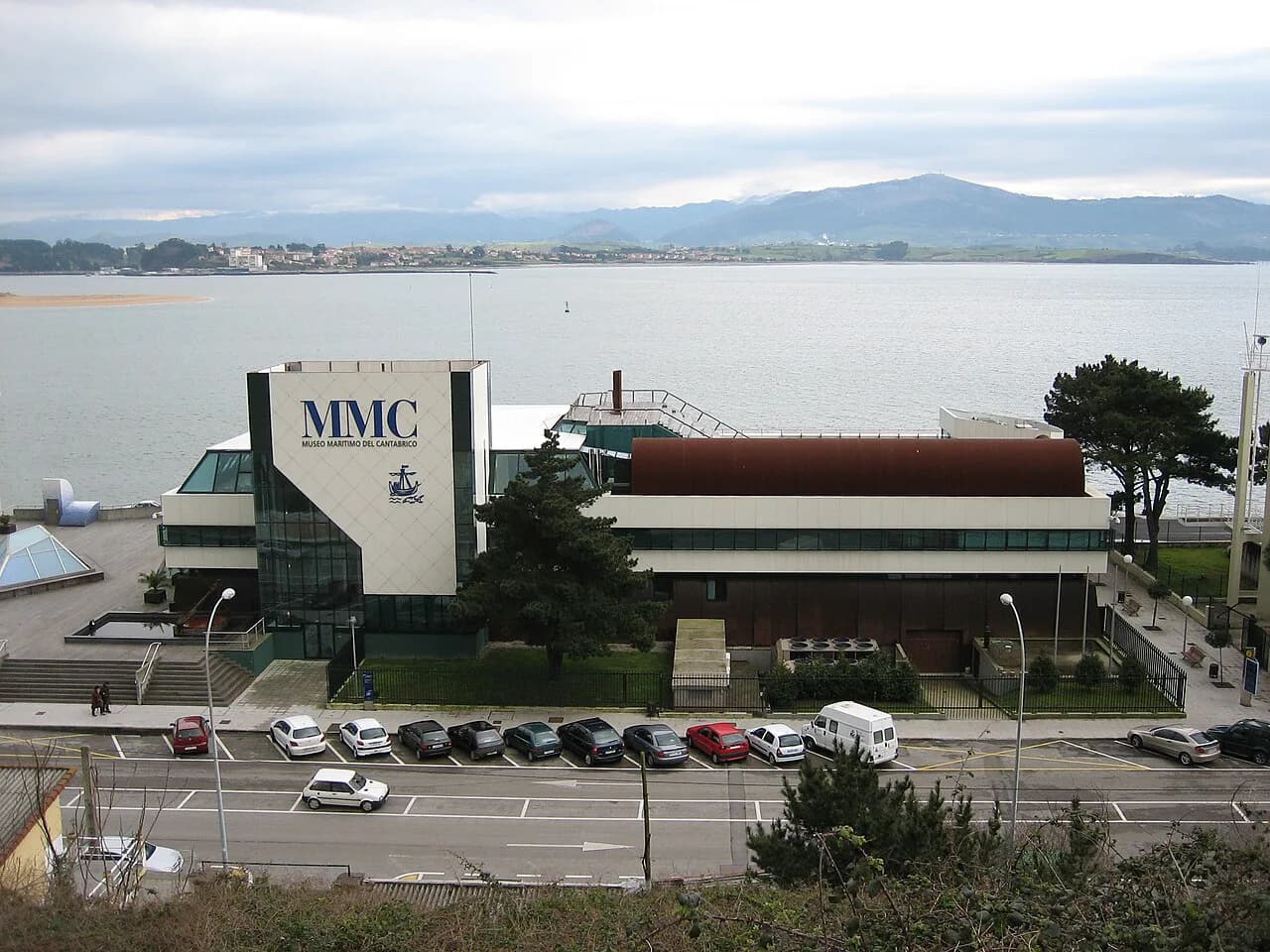
Museo Marítimo del Cantábrico: a visitor guide to Santander's maritime museum

The Museo Marítimo del Cantábrico is Santander's museum of the sea, and two hours is a sensible allowance for most visitors. It combines a marine aquarium with galleries on fishing, shipbuilding and navigation across more than 3,000 square metres of exhibition space. This guide covers where it sits on the bay, how to reach it on foot or by bus, the seasonal hours and tariffs, what each floor holds and how it fits alongside the rest of the city's Santander Attractions.
The museum is strongest as a half-day anchor on the bay front rather than a full afternoon. Its whale skeletons, giant squid and walk-through aquarium suit a short break, and the building's waterfront setting means you can pair it with a walk along the Playa de los Peligros or out to the Magdalena peninsula.
What the museum is and why it suits a short Santander break
The museum sets out to show the relationship between people and the Cantabrian Sea through four broad themes: marine life, fishing communities, maritime history and modern marine technology. It occupies a large modern building with 3,000 square metres of displays, including aquariums holding more than a million litres of seawater. That mix makes it a useful wet-weather option and a contrast to the city's art and cathedral sights.
Because the exhibits run from biology to ethnography, the museum works for mixed groups where not everyone wants an art gallery. Plan it as a single focused stop of about two hours and leave the rest of the day for the seafront and the city centre.

Where it is: between the promontorio de San Martín and the Playa de los Peligros
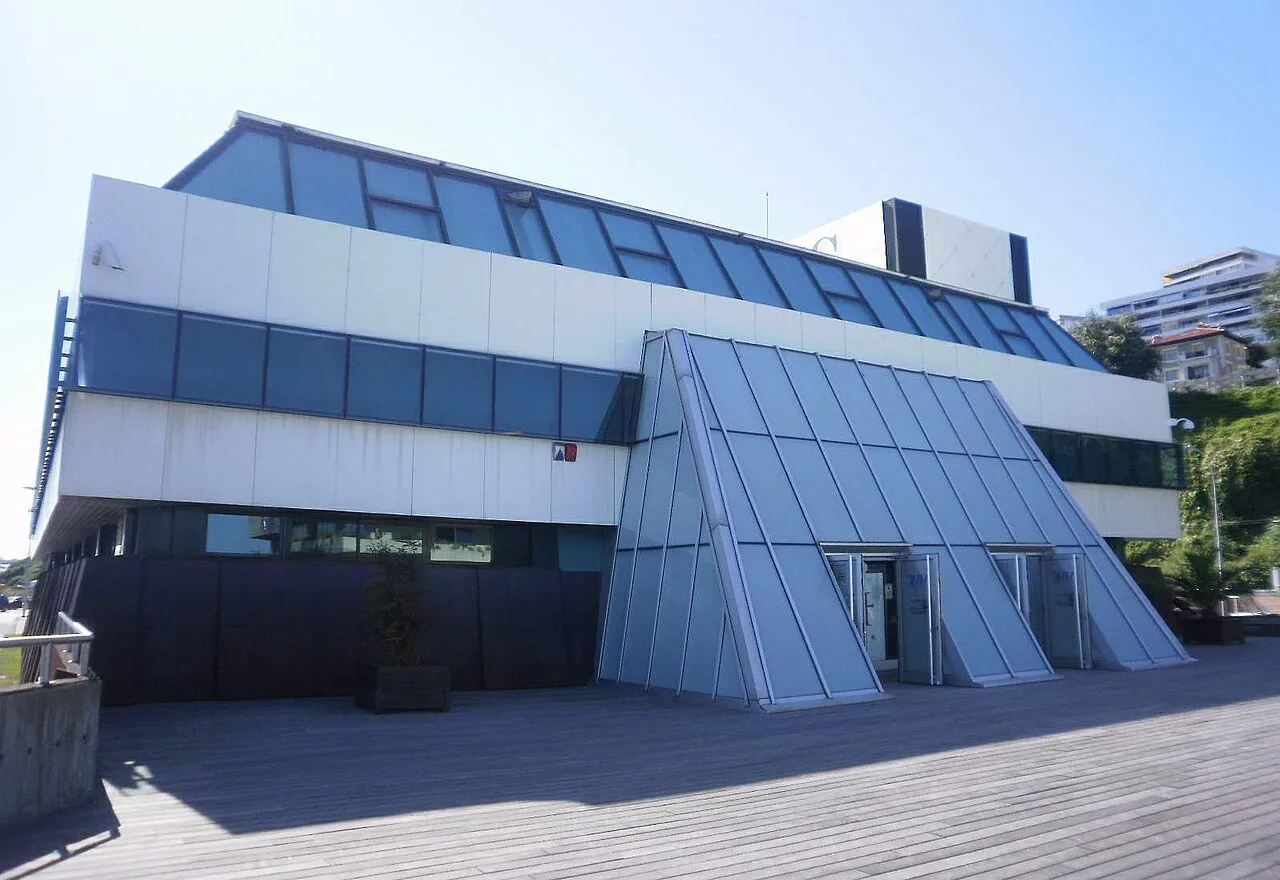
The Museo Marítimo del Cantábrico stands on the bay side of Santander, between the promontorio de San Martín and the Playa de los Peligros, at San Martín de Bajamar. It forms part of the city's maritime frontage and looks out over the Bahía de Santander. The address is worth noting before you set out because the approach is along the coast road rather than through the old centre.
This places it roughly two kilometres from the Palacio de la Magdalena and the Centro Botín, so it slots naturally into a bay-front walk rather than a separate trip across town. Coming from the Centro botin Santander, you follow the waterfront eastwards; coming from the Palacio de la Magdalena Santander, you head back along the shore towards the beach.

Getting there on foot or by city bus
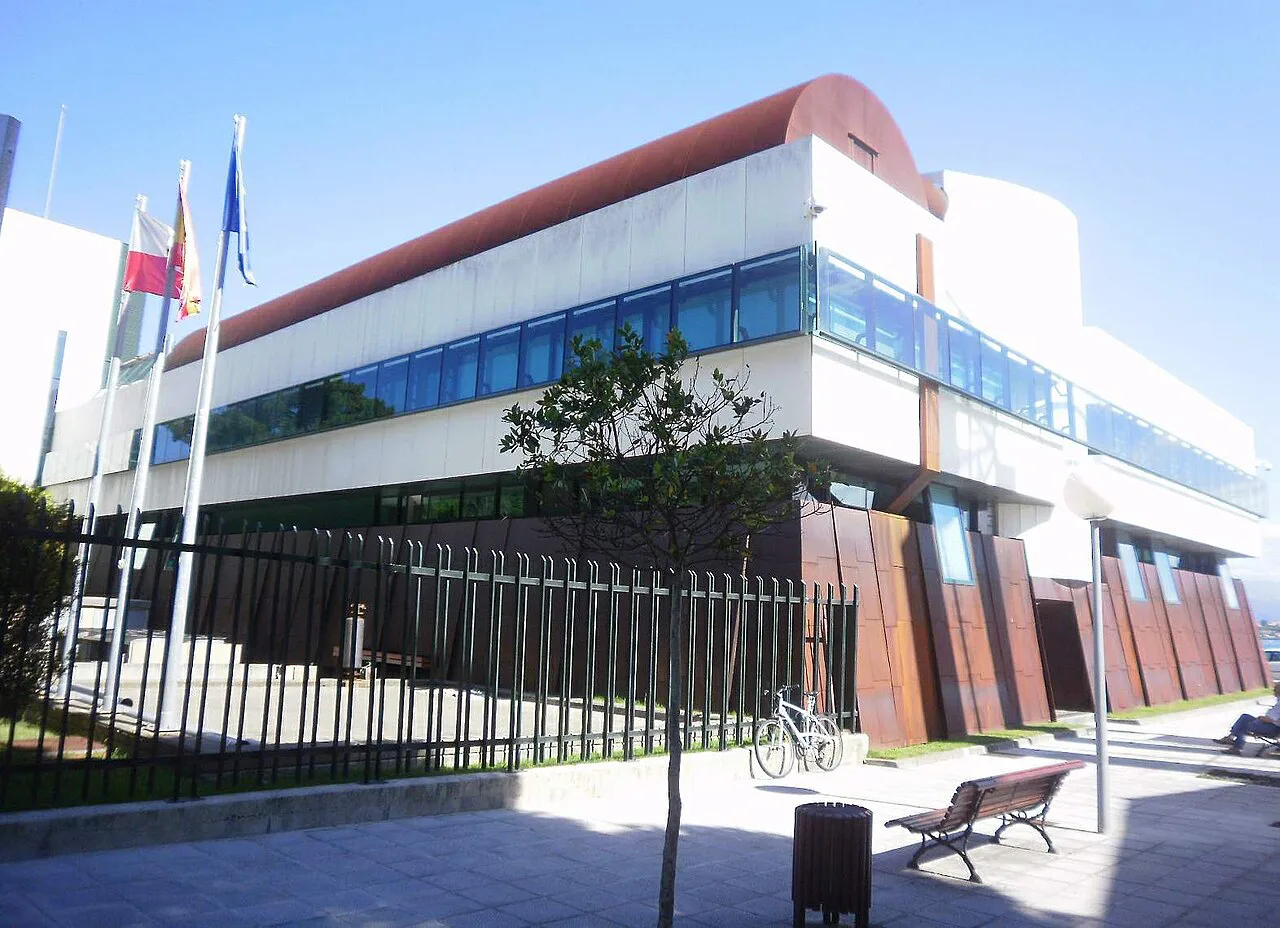
Walking is the simplest approach from the Magdalena peninsula or the Centro Botín, and the coast path keeps the bay in view most of the way. If you prefer not to walk, city buses run close to the museum: lines 1, 2, 3, 4, 7, 13 and 15 of the Transportes Urbanos de Santander network are listed as serving the area. Check the current stop map before travelling, since routes and frequencies change.
Parking near the beach is limited, especially in summer, so arriving on foot or by bus saves a hunt for a space. Allow extra time if you are coming from the train or bus station on the other side of the centre.
Opening hours: summer and winter schedules
Opening hours change with the season. From 1 October to 30 April the museum opens from 10:00 to 18:00, and from 1 May to 30 September it stays open from 10:00 to 19:30. Last entry is at 17:00 in the winter schedule and 18:30 in the summer one, so aim to arrive well before those cut-offs rather than at closing time.
The museum closes on Mondays throughout the year, and on 1 and 6 January and 24, 25 and 31 December. A Monday in Santander is therefore a day for the cathedral or the art centre instead; the Catedral de Santander sits in the old town and is an easy substitute.
Ticket prices and the free Tuesday afternoon slot
A standard adult ticket costs 10 €, with a reduced rate of 7 € for children aged 4 to 12, visitors over 65, young-person and student card holders, people with disabilities and those registered as unemployed, subject to proof. Children under three enter free. Educational and large-group rates differ, so groups of eleven or more should ask about the group tariff when booking.
Entry is free on Tuesdays from 14:00, but advance booking is compulsory for that slot and duplicate reservations are not accepted. Book by phone on 942 274 962 or through the museosdecantabria.es reservations page; turning up without a booking will not get you in on the free afternoon.
On other days, same-day tickets are sold at the desk only, subject to availability and in arrival order, while visitors who have booked in advance get priority. In practice that means reserving ahead is worth the small effort if your time in Santander is tight or you are visiting in high season.
What to see: skeletons, the giant squid and the frigate model
The entrance hall sets the tone with the skeletons of three cetaceans and a large-scale model of a frigate presiding over the central patio, alongside a giant squid that reached Cantabrian waters. These are the exhibits that anchor the visit and the ones most likely to hold children's attention. The same floor holds reception, a workshop room, a multi-purpose hall and a shop.
The displays are laid out by floor, which makes it easy to work downwards into the aquarium and back up through the human story of the sea. Give the entrance hall ten minutes or so before moving on.
The aquarium floor: Cantabrian marine life from shoreline to deep seabed
The aquarium level recreates submarine environments from the tidal shoreline down to the platform seabed at around 100 metres, spread across twenty tanks holding more than a million litres of seawater. The sequence gives a clearer picture of Cantabrian marine habitats than a single large tank would. Children tend to move quickly here; adults often linger.
This floor also displays scientific instruments, working materials and documents from the late nineteenth and early twentieth centuries, which tie the living displays to the history of marine research in the region. The combination of tanks and instruments is what distinguishes the museum from a standard city aquarium.
Fishing and seafaring floors: ethnography, boats and technology
The first floor covers the people of the sea: fishing and shellfishing communities, their boats, clothing, beliefs and social organisation, plus the canning industry and how the catch was sold. It is the most genuinely local part of the museum, and the section that explains why Santander's relationship with the Cantábrico shaped the city.
The top floor traces how traditional fishing boats evolved into the modern, highly technical craft used today in rowing and sailing regattas. Taken together, the upper floors reward readers more than browsers, so budget your time accordingly if maritime history is the reason you came.
The top-floor terrace and bay viewpoint
The highest floor holds a café and a terrace with a viewpoint over the Cantábrico, which makes a natural end to the visit. It is a good place to pause before heading back out along the bay front.
How long to allow and when to go
Two hours covers the museum comfortably at an unhurried pace; an hour and a half is enough if you skim the ethnography floors. Add time for the terrace and the shop if you want to leave without rushing. The last-entry cut-offs of 17:00 in winter and 18:30 in summer are the figures that decide your afternoon, so plan backwards from those.
Weekday mornings outside Monday are generally the calmest, while the free Tuesday afternoon draws a booked crowd. If you are visiting with young children, mid-morning leaves the rest of the day free for the beach and the peninsula.
What is nearby
The Playa de los Peligros is immediately beside the museum, and the walk out to the Magdalena peninsula and its royal palace is one of the city's best short outings. In the other direction, the Centro Botín's galleries and the old-town cathedral make a full day along the bay. If you prefer archaeology to art, the Museo de prehistoria y arqueologia de Cantabria covers the region's earlier past and balances a second museum visit.
Because the museum sits at the eastern end of the central waterfront, it pairs best with the beach and the peninsula rather than with the shopping streets. Build the walk into your plan and the transport question largely solves itself.
Practical points: accessibility, groups and holiday closures
The reduced tariff covers a wide set of visitors, including people with disabilities, the unemployed, large families, hostel-card and student-card holders, all subject to proof at the desk. Educational groups pay per pupil for a guided visit or a visit with a workshop, with accredited teachers admitted free. Ask about the group rate when you book if you are bringing eleven or more people.
The Christmas and New Year closures catch out visitors who assume only public holidays matter, so avoid 24, 25 and 31 December as well as 1 and 6 January. Outside those dates, a booked morning slot is the most reliable way to see the museum without queueing. Current details are worth confirming directly before you travel.
Is the maritime museum worth a slot in your Santander plan?
Yes, if you want one museum that explains the city's relationship with the sea rather than a gallery of objects. The aquarium, the whale skeletons and the fishing galleries together give a coherent picture, and two hours is a fair price in time for the experience.
Book ahead if you want the free Tuesday afternoon or a fixed morning slot, and otherwise turn up on a non-Monday with the seasonal closing time in mind. Pair it with the Playa de los Peligros and the Magdalena walk, and the museum becomes the centre of a good bay-front half-day rather than a detour.
Frequently Asked Questions
What is special about the Museo Marítimo del Cantábrico?
It combines a marine aquarium of twenty tanks with ethnography galleries on fishing communities, maritime history and modern marine technology, all in one building on Santander's bay front. The cetacean skeletons, the giant squid and the frigate model at the entrance are its signature exhibits.
Can I visit the museum for free?
Entry is free on Tuesdays from 14:00, but advance booking is compulsory and duplicate reservations are not accepted. Book by phone on 942 274 962 or through the museosdecantabria.es reservations page before relying on the free slot.
How do I get to the museum from Santander city centre?
The museum is about two kilometres from the Centro Botín and the Palacio de la Magdalena, along the bay front, so walking is straightforward. City bus lines 1, 2, 3, 4, 7, 13 and 15 are listed as serving the area; check the current network map before travelling.