Things to Do in Alicante: Castle, Old Quarter and Seafront
Plan a city break in Alicante: the Castillo de Santa Bárbara, the Santa Cruz quarter, the main plazas, MARQ, the Explanada seafront and the boat to Tabarca.
On this page
Alicante's core sights fit into a single day on foot: the Castillo de Santa Bárbara above the port, the Santa Cruz quarter below it and the Explanada de España along the seafront. Give the castle and the MARQ archaeology museum a proper chunk of time each, and treat the Isla de Tabarca as a separate half-day because it needs a boat crossing. The city's museums, including the MARQ, reward a dedicated morning, and this guide groups everything by area so you can plan a route rather than a checklist.
What to see in Alicante, at a glance
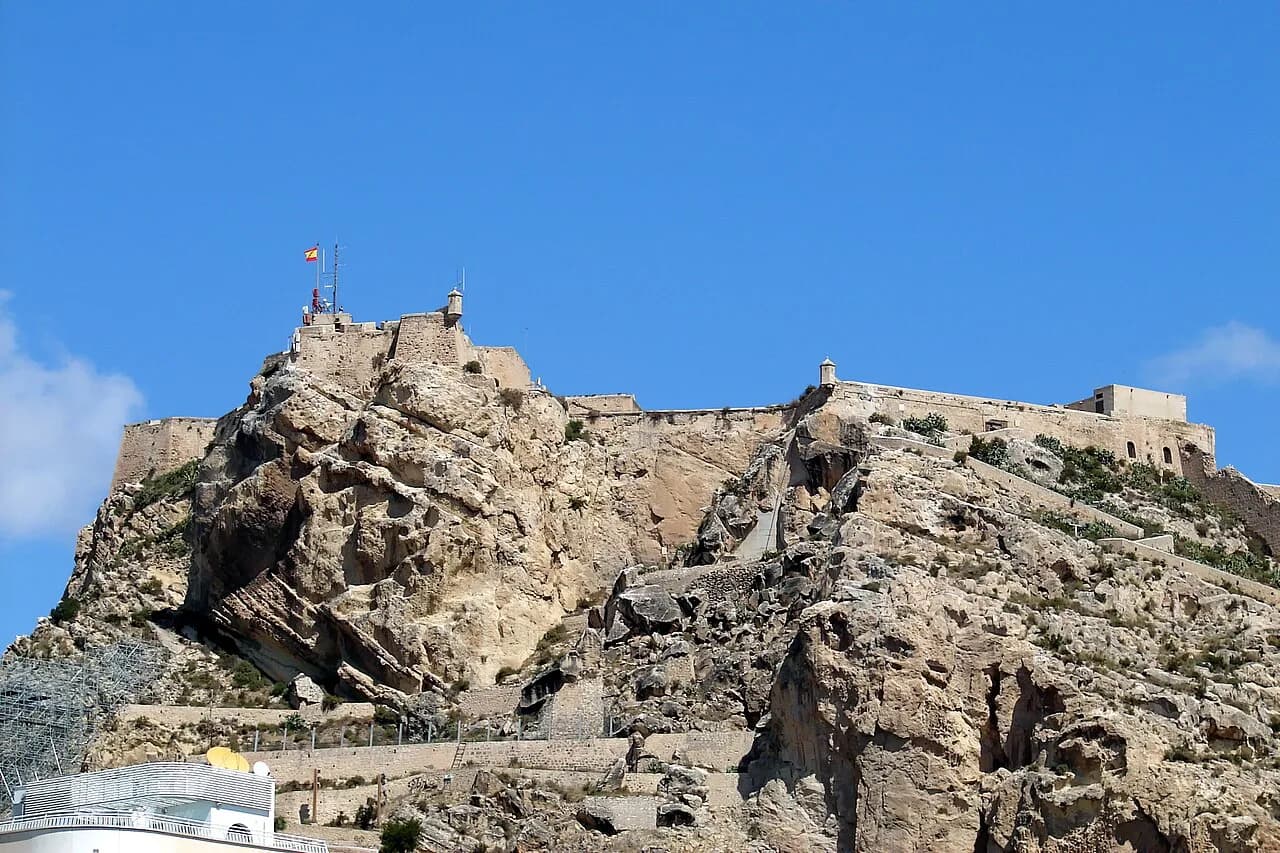
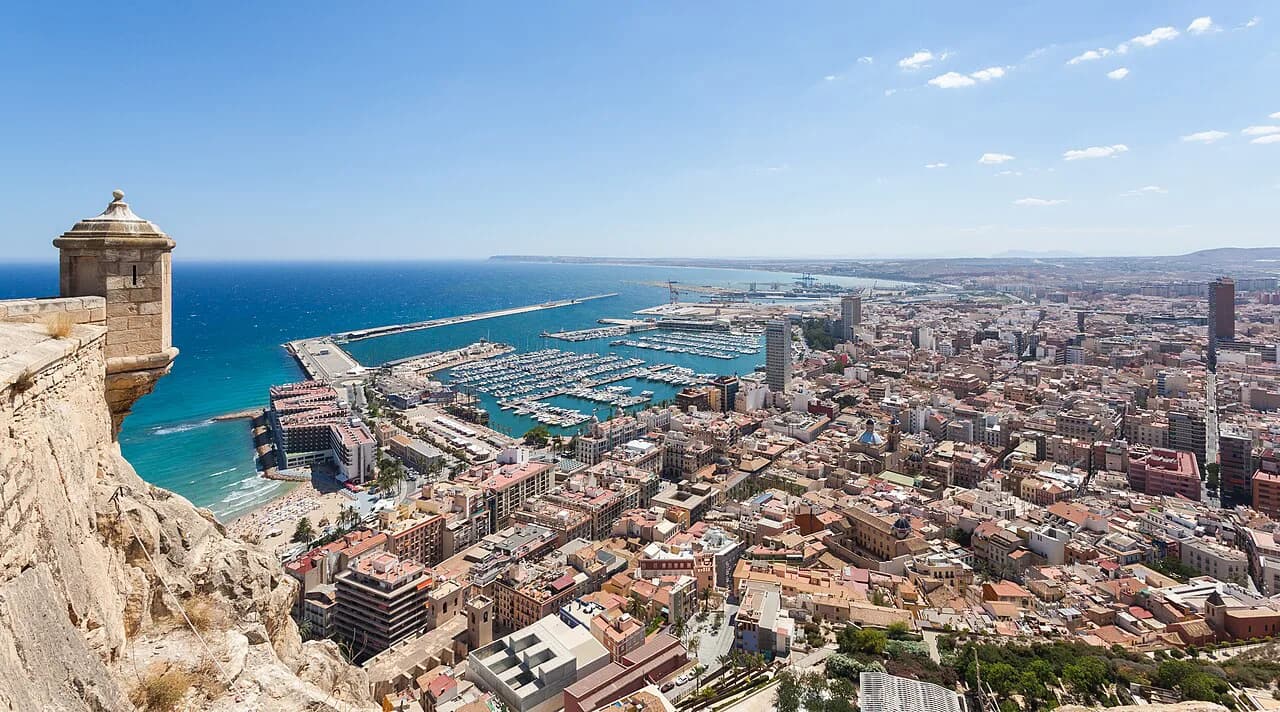
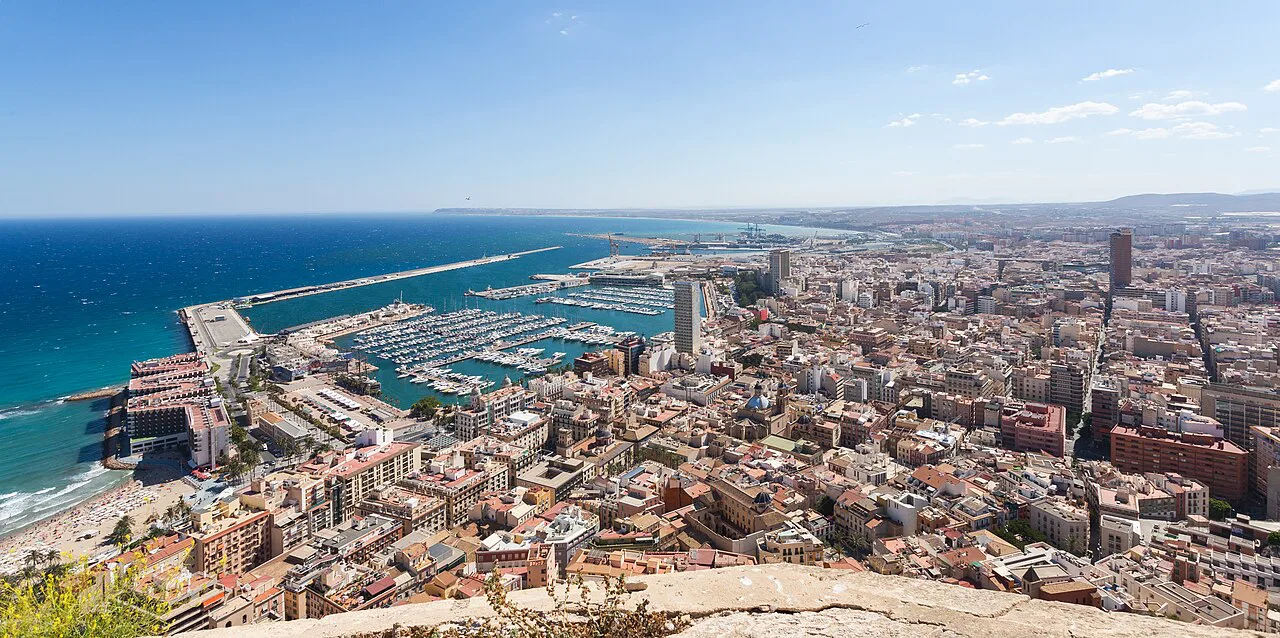
Alicante works as a two-layer city. The upper layer is the Castillo de Santa Bárbara, a fortress in good condition that dominates the skyline and gives wide views over the city; the lower layer is the old town and the seafront promenade beneath it. Most of what a short-break visitor wants sits between the two. If you like this hilltop-fortress-over-a-harbour formula, the things to do in A Coruña follow a similar shape with the Torre de Hércules.
The walkable spine runs from the Plaza de los Luceros down to the Explanada de España and the port, then inland through the plazas to the cathedral and the Barrio de Santa Cruz. Group your day that way and you avoid backtracking. The MARQ and the castle are the two stops that need the most time, so plan them first and let the plazas fill the gaps between them.
The Castillo de Santa Bárbara and the city views
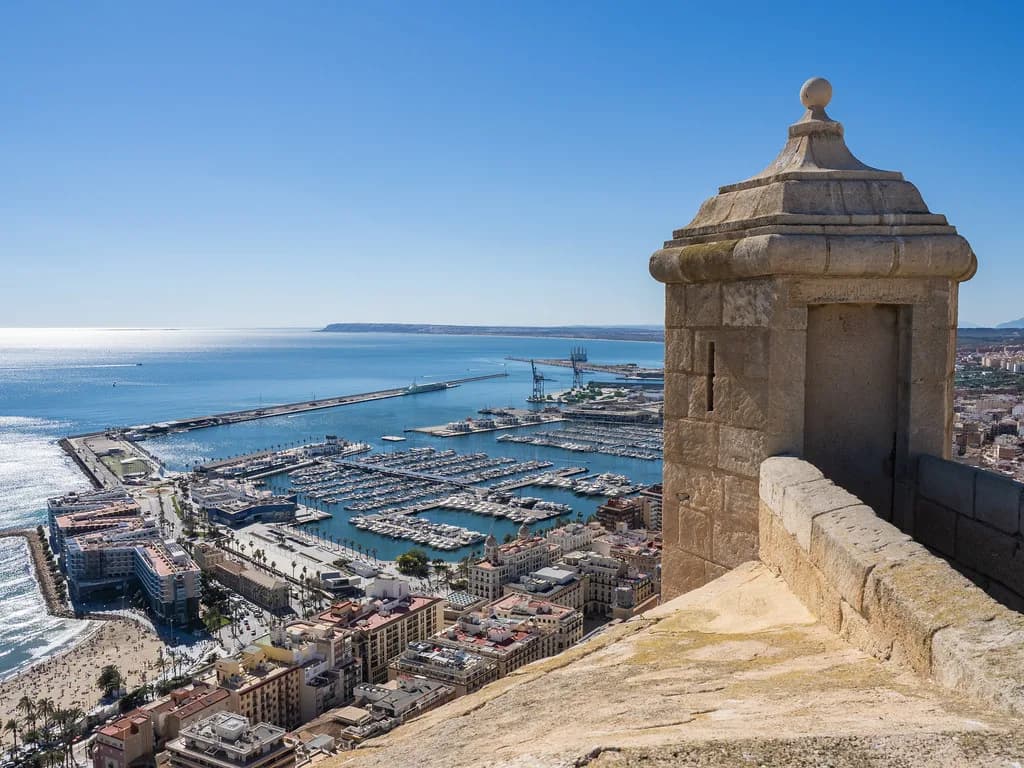
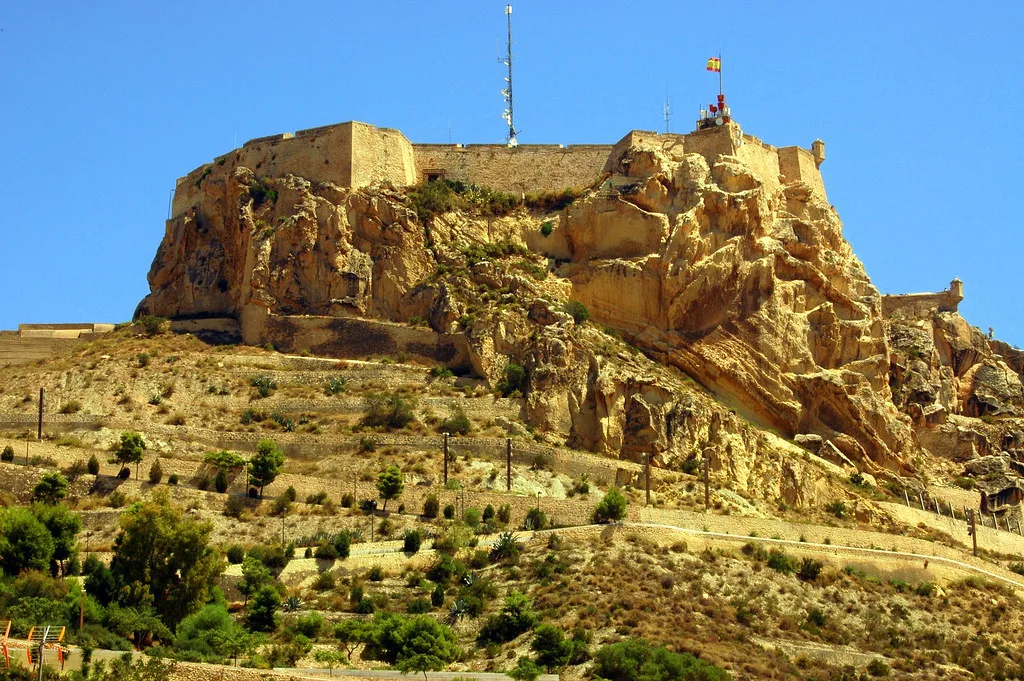
The castle is the city's main monument and the reason to give Alicante more than a couple of hours. It sits high above the port and is described as being in an excellent state of conservation, with views over the city that justify the climb on their own. Because of its position, a visit takes real time rather than a quick photo stop.
Treat the castle as one half of your day and build the rest around it. If you only have a few hours, choose between the castle and the MARQ rather than trying to squeeze in both, since each needs a proper visit. Ticket prices, opening hours and any free-entry slots are published by the monument itself, so confirm them before you set out.
The Santa Cruz quarter and the old town streets
Santa Cruz is the oldest and most characteristic part of Alicante: small streets lined with brightly painted houses, flowers and steep stairways, with views back over the city as you climb. It sits directly below the castle, which makes it a natural next stop after the fortress rather than a separate outing.
At the top of the neighbourhood stands the Ermita de Santa Cruz, an eighteenth-century chapel. The climb is short but steady, and the stairways make it slow going in summer heat. Wear shoes you can climb in and save it for the morning or late afternoon rather than the middle of the day, or follow a self-guided Alicante walking tour through the old town.
The layout matters more than any single building. The old town is a knot of lanes rather than a grid, and the easiest way in is from the plazas around the cathedral, which lead you up into Santa Cruz. A self-guided route through the lanes keeps you from circling the same corners.
Alicante's plazas: Luceros, the Ayuntamiento, Gabriel Miró, Abad Penalva and Santa María
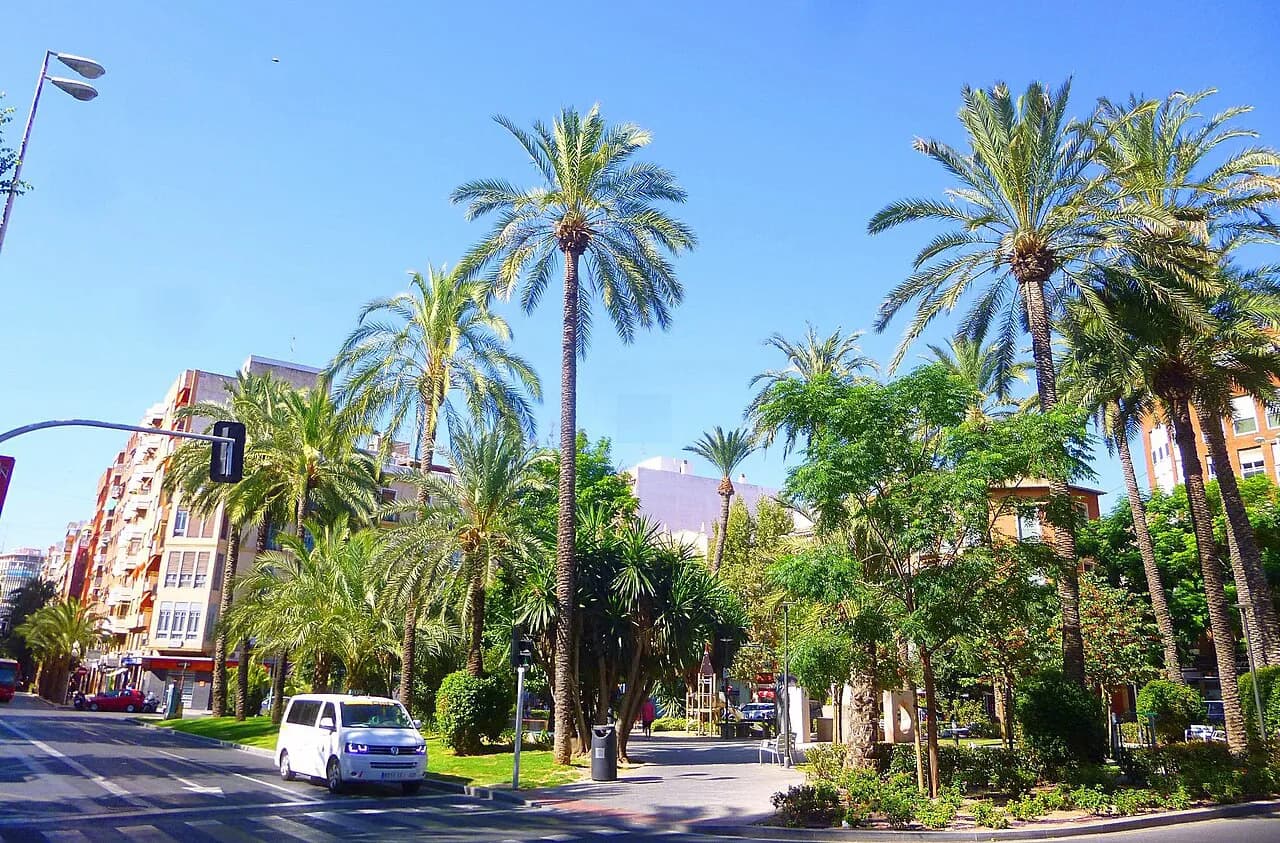
The Plaza de los Luceros often gets passed without a glance, but its central fountain and sculpture are worth a few minutes, and it makes a sensible starting point at the top of the centre. From there you can drop down towards the seafront and the port.
The Plaza del Ayuntamiento, reached behind the Casa Carbonell on the seafront, has a town hall building that merits a look. Carry on to the Plaza Gabriel Miró, where the modernist post office, a fountain and large ficus trees set the tone. Both are short pauses rather than destinations in themselves, which is what makes them useful on a walking route.
The Plaza del Abad Penalva is the gateway to Santa Cruz: the cathedral sits here and the old quarter begins from it. Continue to the Plaza de Santa María, where the Iglesia de Santa María and the Museo de Arte Moderno face each other. These two plazas are the hinge between the flat city and the climb into the old town.
The Explanada de España and the seafront walk
The Explanada de España is Alicante's promenade, running past the Casa Carbonell towards the port. It is a place to walk rather than a sight to tick off, and the stretch around the port is one of the best spots in the city for a coffee or an aperitivo with a view of the harbour and the sun.
Use the seafront as the connecting line of your day rather than a detour. It links the Plaza de los Luceros end of the centre with the port and the lanes leading up to the cathedral, so you can walk it in either direction depending on where you start. In the evening it is the obvious place to end up.
Museums in Alicante: MARQ and the Museo de Arte Moderno
The MARQ, Alicante's archaeological museum, is one of the two big time commitments in the city alongside the castle. Its location and the scale of the collection mean a visit eats into a short break, so decide in advance whether it is your main indoor stop.
The Museo de Arte Moderno sits on the Plaza de Santa María in the old town, which makes it easy to fold into a morning in the lanes rather than a trip of its own. Opening hours, closing days and any reduced or free entry are set by each museum, so check the museum's own page for the day you plan to visit. Bear in mind that Spanish museums commonly close one day a week, often Monday.
A practical pairing is the MARQ on a day when you are based in the lower city and the modern art museum on a day focused on Santa Cruz and the plazas. That way you are not climbing the hill twice. Keep one museum per day rather than trying to cover both.
A sample day on foot, in order
Start at the Plaza de los Luceros, then walk down to the Explanada de España past the Casa Carbonell and the Plaza del Ayuntamiento. Continue to the Plaza Gabriel Miró, then to the Plaza del Abad Penalva, where the cathedral marks the entrance to Santa Cruz. From there the lanes climb towards the Ermita de Santa Cruz and the castle.
Put the castle on the same leg as Santa Cruz, because the two sit on the same hillside and the climb is the hard part. Leave the port and the Explanada for the evening, when the light softens and the promenade is at its best. If you add the MARQ, give it its own morning and cut the number of plazas you linger in.
Getting around Alicante and the boat to Tabarca
The centre is compact enough to cover on foot, and that is the honest way to see the plazas and lanes. The commercial heart sits along the Avenida Maisonnave, flanked at both ends by large shopping centres, with the smaller shops and the eating places concentrated nearer the centre in the streets running inland from the Explanada.
Tabarca is the only inhabited island in the Comunidad Valenciana, ringed by a marine reserve and given over to a small fishing village. Boats cross from both Alicante and Santa Pola. Sailing times and fares change with the season and the operator, so look up the current timetable with the company you plan to travel with before building the day around it.
Treat Tabarca as a separate half-day rather than something to squeeze in before an evening train. Add the crossing each way to your time on the island. A place on a boat is also worth booking ahead in high season.
How long Alicante needs and the honest trade-offs
Alicante is a one-day city for its old town, castle and seafront, and a comfortable two-day stop if you add the MARQ. A week in the province is easy to fill with Guadalest, the palm groves of Elche and the nature parks around Dénia and Xàbia.
The real trade-off is the castle against the MARQ. Both are substantial visits and both deserve a clear block of time. Trying to do both, plus Santa Cruz and the plazas, in one day leaves you rushing the parts that make Alicante worth the trip.
The second trade-off is the climb into Santa Cruz and up to the castle. They are steep streets and stairways, and inland Alicante gets hot at midday in summer. Do the climbing early or late, keep the flat seafront for the middle of the day, and remember that churches in the old town may be closed to visitors during mass.
Castle First or Museum First?
Pick the castle if you want the view and the sense of the city's shape; pick the MARQ if you want a long indoor visit and a break from the heat. Either way, Santa Cruz, the plazas and the Explanada fill the rest of a day without much effort. Add Tabarca only if you have a second day and a confirmed boat.
Explore more Alicante guides
Frequently Asked Questions
Which airports serve Alicante for a city break?
Alicante–Elche airport is the one serving the city, and route lists are run by the airport and the airlines and change by season. Check the official airport site or your airline's destination page for the flights operating on your travel dates.
Which is nicer, Málaga or Alicante?
They offer different things. Alicante gives you a castle directly above the old town, a seafront promenade and the island of Tabarca; Málaga has a larger historic centre and its own port-side sights. Choose by which layout suits your short break rather than by ranking them.
What can you do in Alicante for free?
Walking Santa Cruz, the Explanada and the plazas costs nothing. Free entry to the castle and the museums depends on the slots each one publishes, so check the monument or museum's own page for the day you plan to go.
What is happening in Alicante this weekend?
Event programmes are set by the town hall and change from week to week. The Ayuntamiento's own site and local listings are the reliable places to look for what is on during your stay.
Sources
Notes for your next Spanish town break
Optional updates to our guides.
You might also like

Continue reading
More guides you'll find useful