Things to Do in Dénia: Castle, Old Town and Montgó
Plan a short break in Dénia around the castle hill, the old town lanes and the Baix la Mar quarter, with the Montgó as a half-day alternative.
On this page
Dénia's essential things to do fit into one tight circuit: the castle on the hill with its archaeological museum, the old-town lanes around Calle Loreto and Plaça de la Constitució, and the Baix la Mar fishermen's quarter down by the port. One day covers that core comfortably, leaving the Montgó Natural Park as the reason to stay longer. This guide groups the sights by area, adds the smaller museums as wet-weather or family alternatives, and is honest about what has to be dropped.
What to see in Dénia in a day: the short answer
Start at the castle, walk down through the old town, then finish at the port and Baix la Mar. Dénia sits in the Marina Alta on the Costa Blanca, roughly midway between Alicante and Valencia, and its historic core is compact enough to cover on foot in a single unhurried day. The castle, the Museu Arqueològic inside it, the parish church and the fishermen's streets are the four things to protect in your plan.
The trade-off is the Montgó. The natural park behind town rewards a half-day of its own with walking and kayaking, and it cannot be folded into a castle-and-old-town day without rushing both. If you have only one day, keep the park for a return; if you have two, give the second morning to the mountain and the port area in the afternoon.
The castle on the hill: walls, views and the Museu Arqueològic
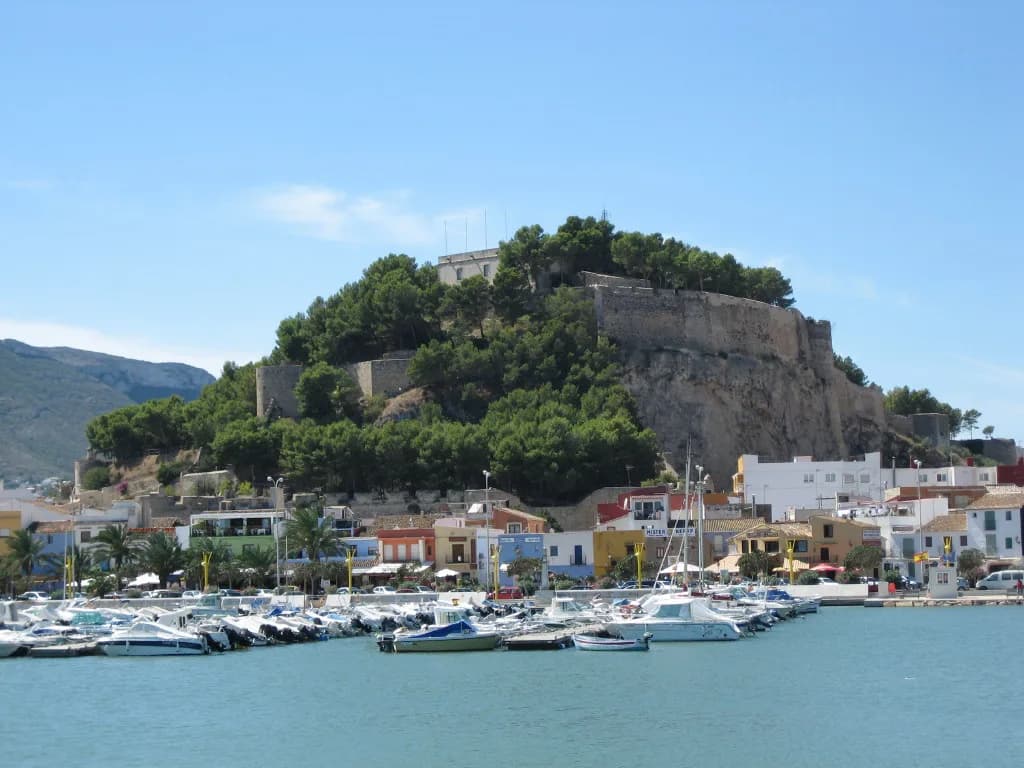
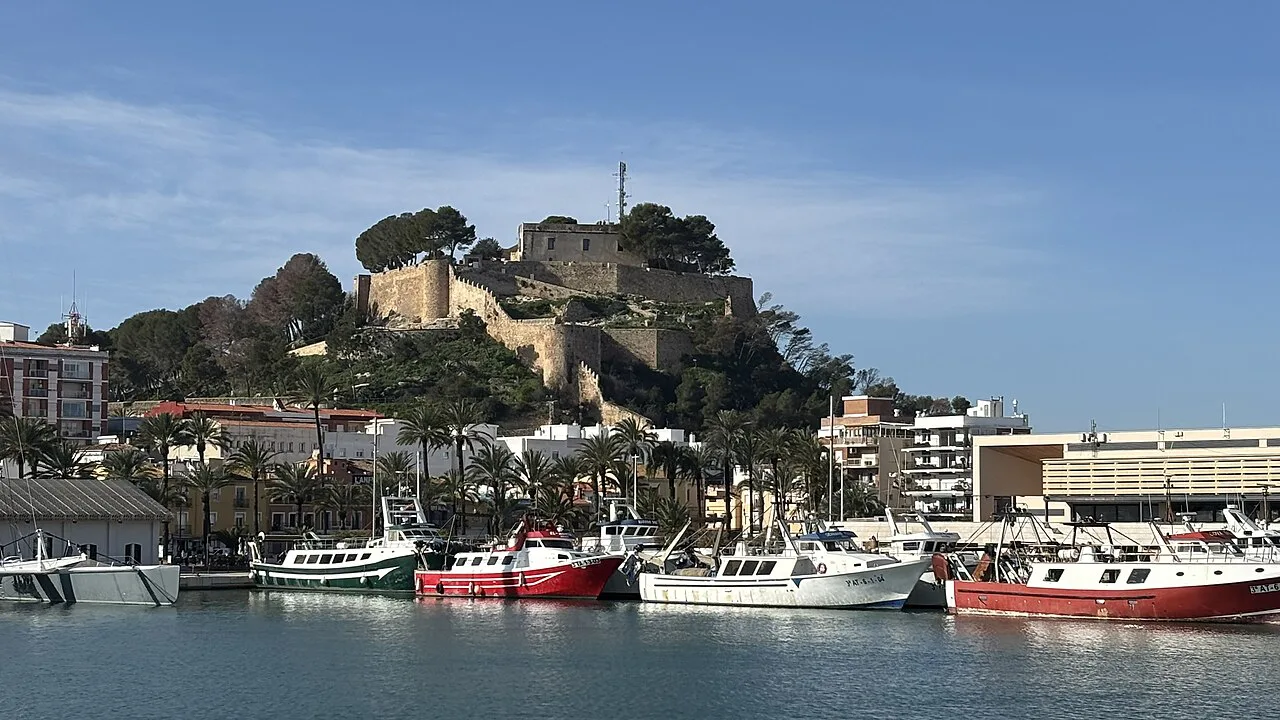
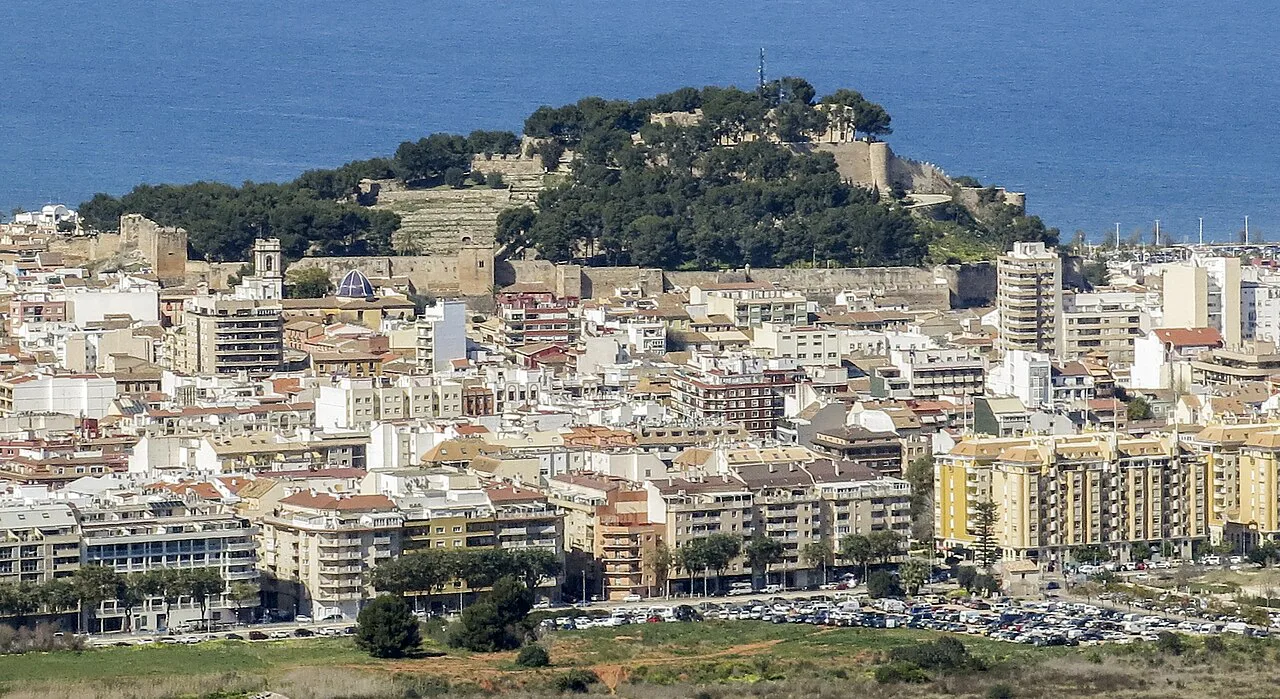
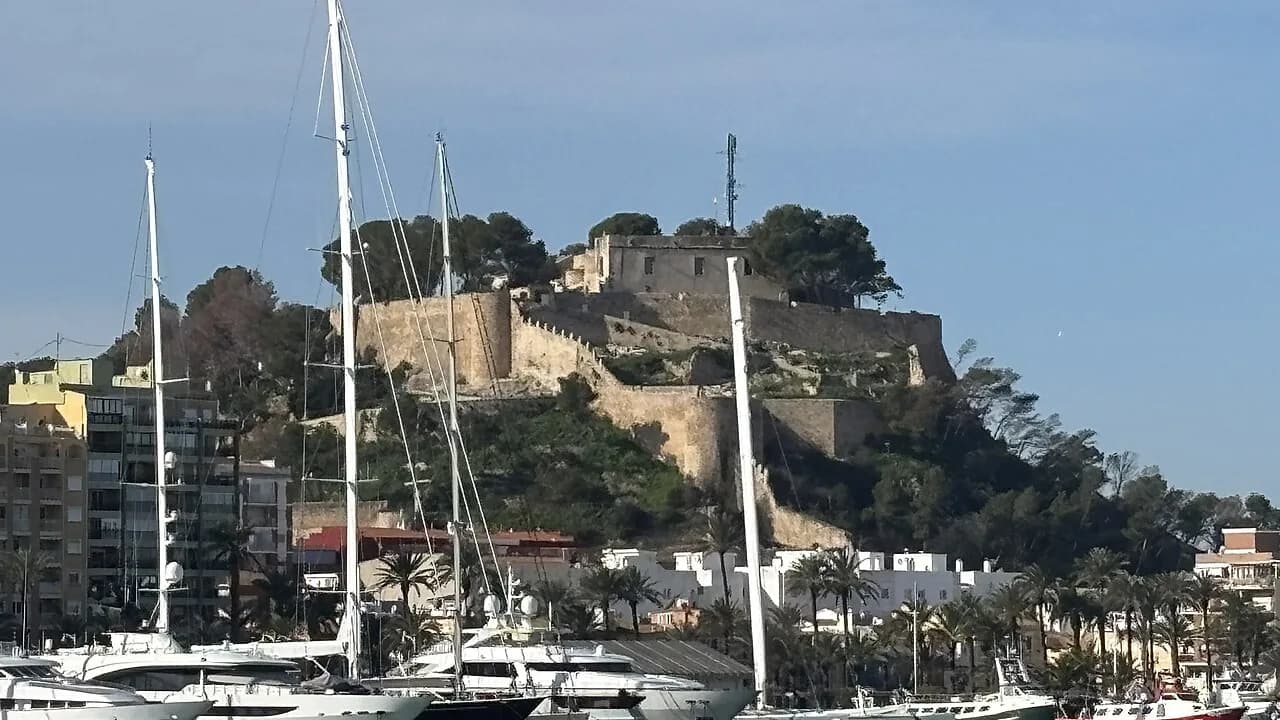
The Castell de Dénia crowns the town and is visible from almost everywhere in the centre, which makes it the natural anchor for a route. The fortress dates largely to the eleventh and twelfth centuries and layers Roman, Muslim and Christian occupation, so the walk through it doubles as a short history of the town. Its walls give the widest outlook you will get without leaving the urban centre.
Inside the castle grounds sits the Museu Arqueològic de Dénia, whose collection of coins, ceramics and tools traces the town from its foundation through its layers of occupation. Build it into the castle visit rather than treating it as a separate stop, since it sits within the same complex. From the ramparts you look over the Mediterranean, the port and the Montgó in one sweep, so save a few minutes at the top for the view rather than hurrying back down.
Everyday practicalities for the castle, including ticket prices, opening hours, closing days and any free-entry slot, are published by the town's own tourism pages rather than fixed here. Check those before setting out, particularly if your visit falls on a Monday, when smaller museums across Spain often close. Treat the castle as the fixed point of your morning and let the rest of the day bend around it.
The old town on foot: Calle Loreto, Plaça de la Constitució and the Iglesia de la Asunción
Below the castle, the Dénia old town is a knot of narrow streets where the houses press close together, and Calle Loreto is the lane most often singled out for the feel of the place. Walk it slowly rather than plotting a precise route: the pleasure is in the tangle of facades and the sudden openings onto small squares. The Plaça de la Constitució is the heart of the historic centre, ringed by noteworthy buildings and alive with people using its terraces.
The Iglesia de Nuestra Señora de la Asunción stands in the same historic centre, with a Baroque facade that is among the town's most recognisable pieces of religious architecture. Step in if the doors are open and time it around mass, since parish churches on the Costa Blanca commonly pause tourist visits during services. The old town lanes are also where the town's independent shops cluster, so a slow circuit doubles as shopping time.
Allow the old town an hour or two of wandering rather than a checklist of addresses. Carrer del Marqués de Campo is the town's main commercial street and a sensible line to follow downhill towards the port side. If the weather turns, the smaller museums listed below give you an indoor substitute without leaving the centre.
Baix la Mar and the port: Dénia's fishermen's quarter and marina
The Barrio de Pescadores Baix la Mar is the old fishermen's quarter beside the harbour, with narrow streets, brightly painted facades and a maritime character that reads as the most authentic corner of town. It is a neighbourhood to walk through rather than a sight to tick off, and it sits naturally at the end of a downhill route from the castle and old town. The fishing port's landing and auction, the Lonja, underpin the town's identity, even if the working side of the harbour is not a visitor attraction in itself.
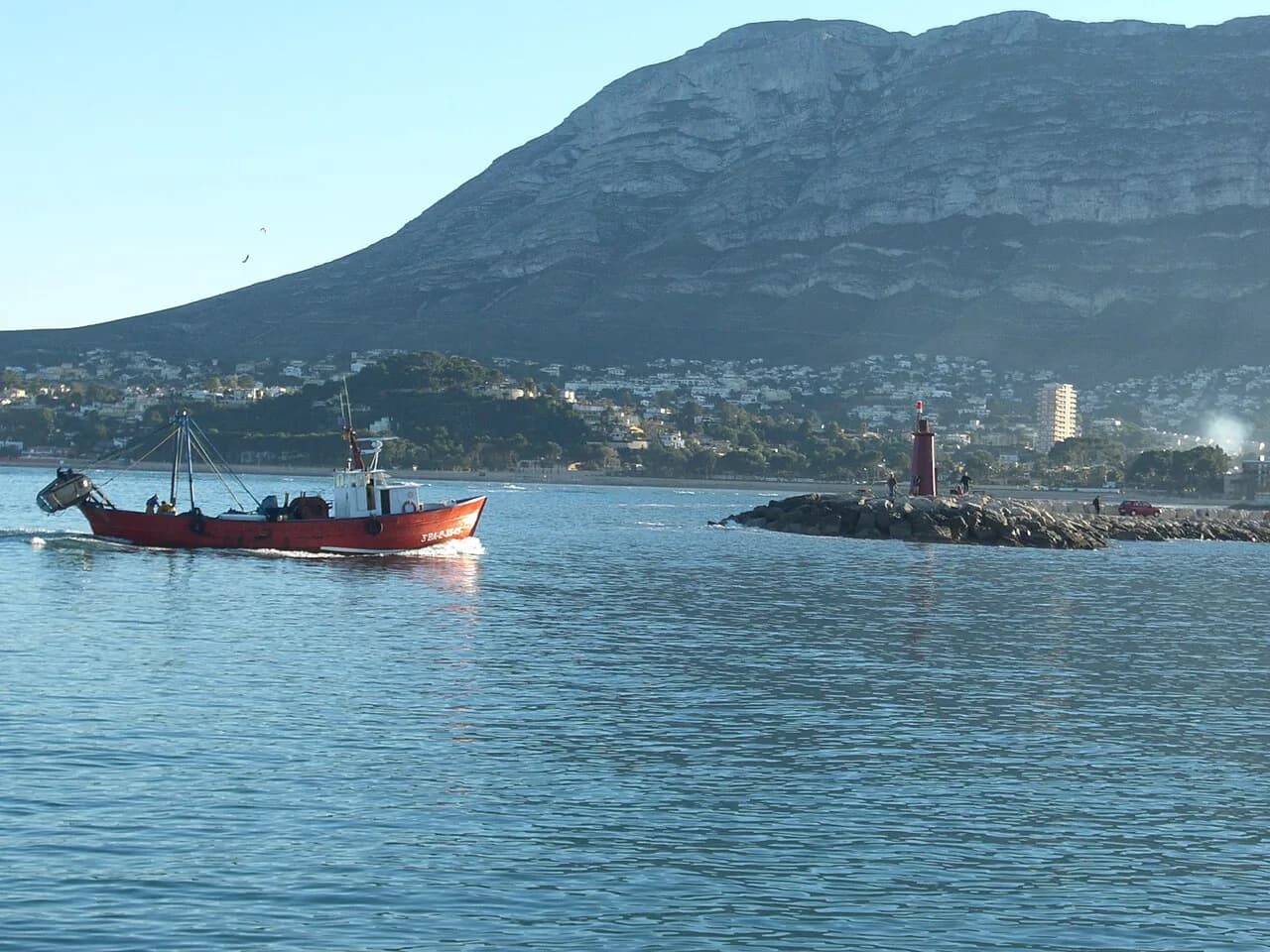
Beyond the fishing quay, the Marina de Dénia and the port area form the town's waterfront face, where the Paseo Marítimo and the ferry terminals look out to sea. Boat trips leave from this waterfront, and they give a different reading of the coastline and the Montgó massif than you get from the ramparts. If you would rather see the town from the water than climb again, this is the swap to make.
The waterfront is also where Dénia's two faces meet: the working port that made the town and the marina that serves visitors. Plan the quarter for late afternoon, when the light softens over the harbour and you can end the day with a walk along the Paseo Marítimo. That sequence keeps the castle for the clearer morning light and the port for the softer end.
Museums beyond the castle: Museu del Joguet, Museu Etnològic and Museu de la Mar
Dénia's smaller museums work as substitutes and supplements rather than rivals to the castle. The Museu del Joguet is the toy museum, a natural fit for families and for anyone interested in local manufacturing history, while the Museu Etnològic covers the town's customs and everyday life and the Museu de la Mar takes the maritime story. Together they give you a wet-weather plan that stays inside the centre.
Opening hours, admission charges and free-entry periods for these museums are set by the town and published on its tourism pages, so confirm them before you build a day around one. A useful rule for a short break is to pick one small museum and do it properly instead of racing through all three. If the castle has already taken your morning, the toy museum is the lightest way to fill an afternoon.
The Montgó Natural Park and its interpretation centre
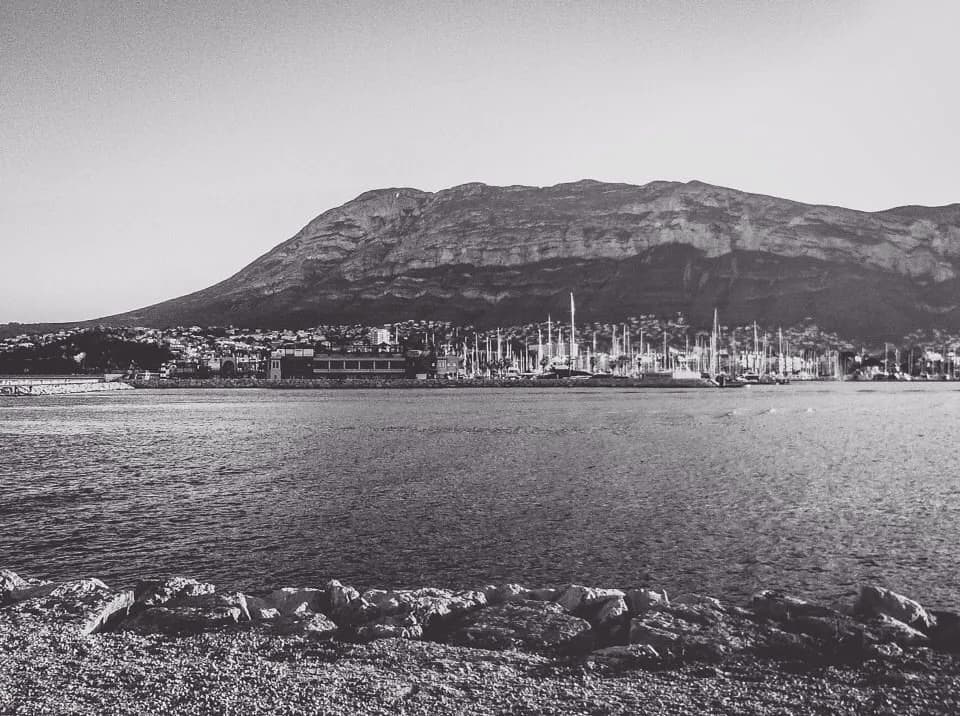
The Montgó is the great limestone mass that rises behind Dénia and gives the town its backdrop, protected as a natural park with walking routes and kayaking on the coast below. It is a genuinely different outing from the castle hill: the castle is a short climb from the centre, while the park takes a half-day at least once you count the approach and the walking. The Centre d'Interpretació del Parc Natural del Montgó is the place to start for context on the routes and the landscape.
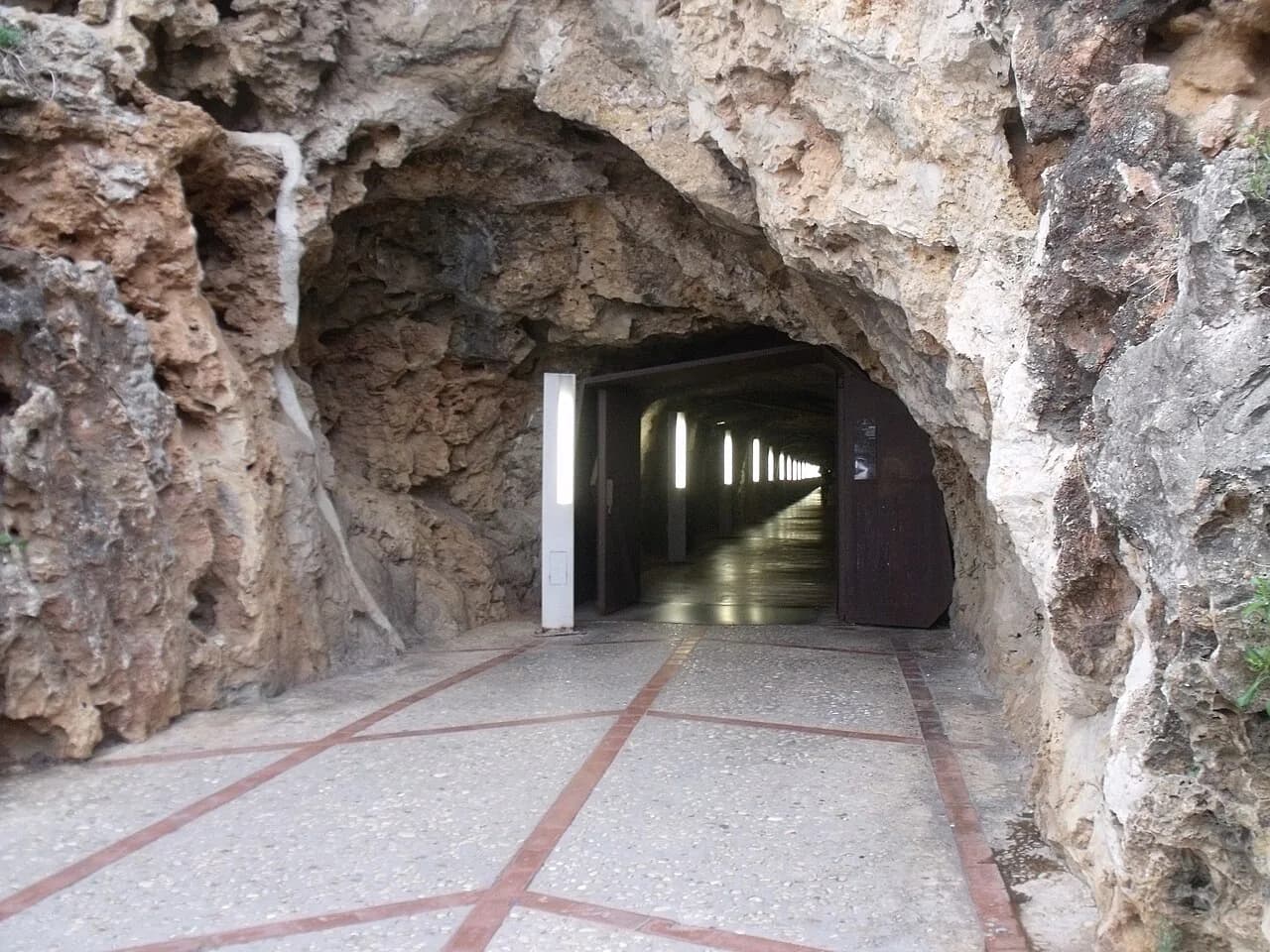
The park holds caves and scattered routes, including paths that link the cultivated plain to the summit and coastal paths past the Torre del Gerro watchtower towards Les Rotes. Choose one route and accept that you will not see the whole massif in a short break; a coastal path is the easier half-day, while a summit route is a fuller commitment. Carry water and start early if you are walking in the warm months.
City beaches in brief: Les Marines, Les Rotes and Marineta Cassiana
Dénia's coastline splits into sandy beaches such as Les Marines, Les Deveses and Les Bovetes to the north, and rockier coves such as Les Rotes and Punta Negra to the south. Marineta Cassiana sits closest to the town centre and the Paseo Marítimo, which makes it the easiest swim to bolt onto a sightseeing day. Pick the sand if you want a long walk into the water and the rock if you prefer clear water and a snorkel.
Treat the beach as an hour at the end of the day rather than the purpose of the trip, since Dénia's case for a short break rests on the castle, the old town and the Montgó. The seafront promenade links the port area to Marineta Cassiana, so you can walk it without committing to a full beach afternoon.
A sample day: how to order the sights without rushing
Take the castle first thing, when the light is clearer and the climb is cooler, and give the walls and the archaeological museum the bulk of the morning. Come down through the old town for Calle Loreto, the Plaça de la Constitució and the Iglesia de la Asunción, and take the midday pause that the town's rhythm imposes. Then walk down to Baix la Mar and the port for the late afternoon, finishing on the waterfront.
The order matters more than the pace. Going downhill from the castle through the old town to the port means you never climb twice, and it puts the museums and shops in the middle where a change of weather or a sudden closure costs you least. If you are adding a boat trip, slot it into the port end of the day rather than cutting the castle short.
What you cannot do in this day is the Montgó properly. Moving the mountain into the same itinerary produces a rushed, hot and unsatisfying version of both, so treat a second day as the honest way to add it. Keep the small museums as your fallback if any part of the plan closes.
How long Dénia needs on a short break
One full day covers the castle, the old town and Baix la Mar without hurrying, and a second day lets you add the Montgó or a boat trip along the coast. Two nights is the practical minimum for that shape of break; a single night gives you the castle and the old town and nothing more. Anyone arriving on a late flight from the UK should count the first evening as lost and plan the sights from the following morning.
Where the town rewards extra time is in the slow parts: the lanes, the small museums, the port at dusk. If your priority is monuments, one packed day is enough; if it is the landscape, give the Montgó its own half-day and accept fewer sights in town. Check the castle's published hours before you commit to a two-night plan that hinges on it.
Getting around and onward links to Xàbia and the Costa Blanca
The centre of Dénia is walkable, and the castle, old town, port and Marineta Cassiana all sit within a single continuous stroll. For the beaches to the north and the coves to the south you will want local transport or a car, and the tourist train is one way to cover the seafront without relying on your own legs. Xàbia (Jávea) lies along the same stretch of coast and makes a straightforward onward stop if you are continuing down the Costa Blanca.
Dénia's position between Alicante and Valencia makes it easy to reach by road, and the port adds a sea option, including services across to the Balearics. Ferries and boat excursions are timetabled by their operators, so confirm sailing times and terminals with the company you book with rather than assuming a daily departure. If your short break connects to Mallorca, Alcúdia's old town offers a comparable day of lanes and squares, with its own set of things to do in Alcúdia.
For onward travel along the coast, buses and trains between Costa Blanca towns run to published timetables, and those are the only reliable source for departure times. Plan the transfer around your castle slot rather than the other way round, since the castle is the one fixed appointment in a Dénia day.
What it costs: which sights charge and which are free
Admission charges and free-entry slots for the castle, its archaeological museum and the town museums are published by the town rather than fixed across the year, so check the official tourism pages for the current position before you budget. The old town lanes, Calle Loreto, the Plaça de la Constitució, Baix la Mar and the port are streets and squares that you walk through without a ticket, though it is worth confirming any special arrangements on the town's tourism pages. That split is the useful planning fact: the recorded sights are the castle and the museums, and the rest of the circuit is public space.
For the Montgó, there is no town gate to pass through; the costs are transport to the trailhead and any guided activity you book, such as kayaking. Budget in euros for the day's admissions, and keep a little aside for a boat trip if you plan to see the coast from the water. Leaving the exact figures to the official pages avoids planning around a price that has since changed.
Which Dénia day suits your short break?
The workable plan is castle and museum in the morning, old-town lanes at midday, Baix la Mar and the port in the afternoon. That sequence uses the town's geography instead of fighting it, and it leaves the Montgó where it belongs: a half-day for a second visit rather than a rushed add-on.
The only details worth pinning down before you travel are the castle's and museums' published hours and charges, and any sailing times if you are crossing to the islands. Everything else in Dénia rewards simply walking it in the right order.
Explore more Dénia guides
Frequently Asked Questions
Do I need to book Dénia castle tickets in advance?
The town publishes its own admission arrangements, including whether advance booking applies, and those are the details to check before you go. The castle sits within the town centre, so you can also simply arrive and follow the published entry rules for the day.
Is the Montgó doable in the same day as the castle?
Not without short-changing both. The castle and old town fill a day comfortably on foot, while the Montgó Natural Park needs a half-day of its own once you allow for the approach and the walking. Give the mountain a second morning.
Where do boat trips leave from in Dénia?
Excursions and ferry services use the town's waterfront and port area, below the old town and beside Baix la Mar. Sailing times and terminals are set by each operator, so confirm with the company you book with.
Sources
Notes for your next Spanish town break
Optional updates to our guides.
You might also like
Continue reading
More guides you'll find useful