Things to Do in Alcúdia: Old Town, Pollentia and the Coast
Plan things to do in Alcúdia: walk the medieval and Renaissance walls, see Roman Pollentia, find the old-town gates and judge what fits a short break.
On this page
Alcúdia's best sights sit within a short walk of each other: the walled old town, the Roman city of Pollentia and the parish church of Sant Jaume. Give the historic core half a day on foot and treat the port and beach as a separate, later stop. This guide covers each part in turn, a workable walking order, and how the town fits a short break from Palma or the airport.
The town is more than a pretty walled village. The town hall describes Alcúdia as one of Mallorca's most distinctive places, shaped by the Roman remains of Pollentia and by two separate wall circuits, one medieval and one Renaissance. It also notes that Alcúdia was founded as a town by King Jaume II in 1325, and that Emperor Carlos V later granted it the title Ciudad Fidelísima.
How Alcúdia Splits Into Three Parts
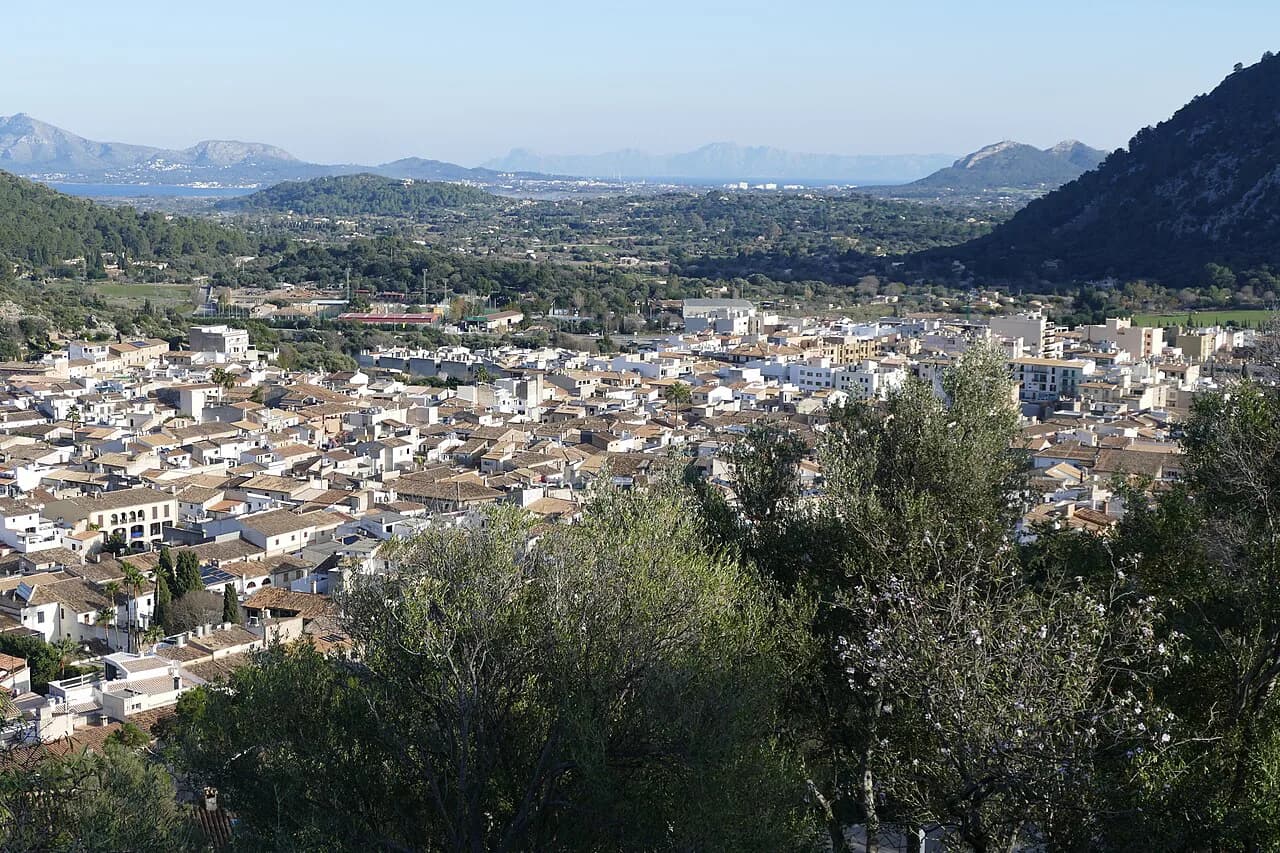
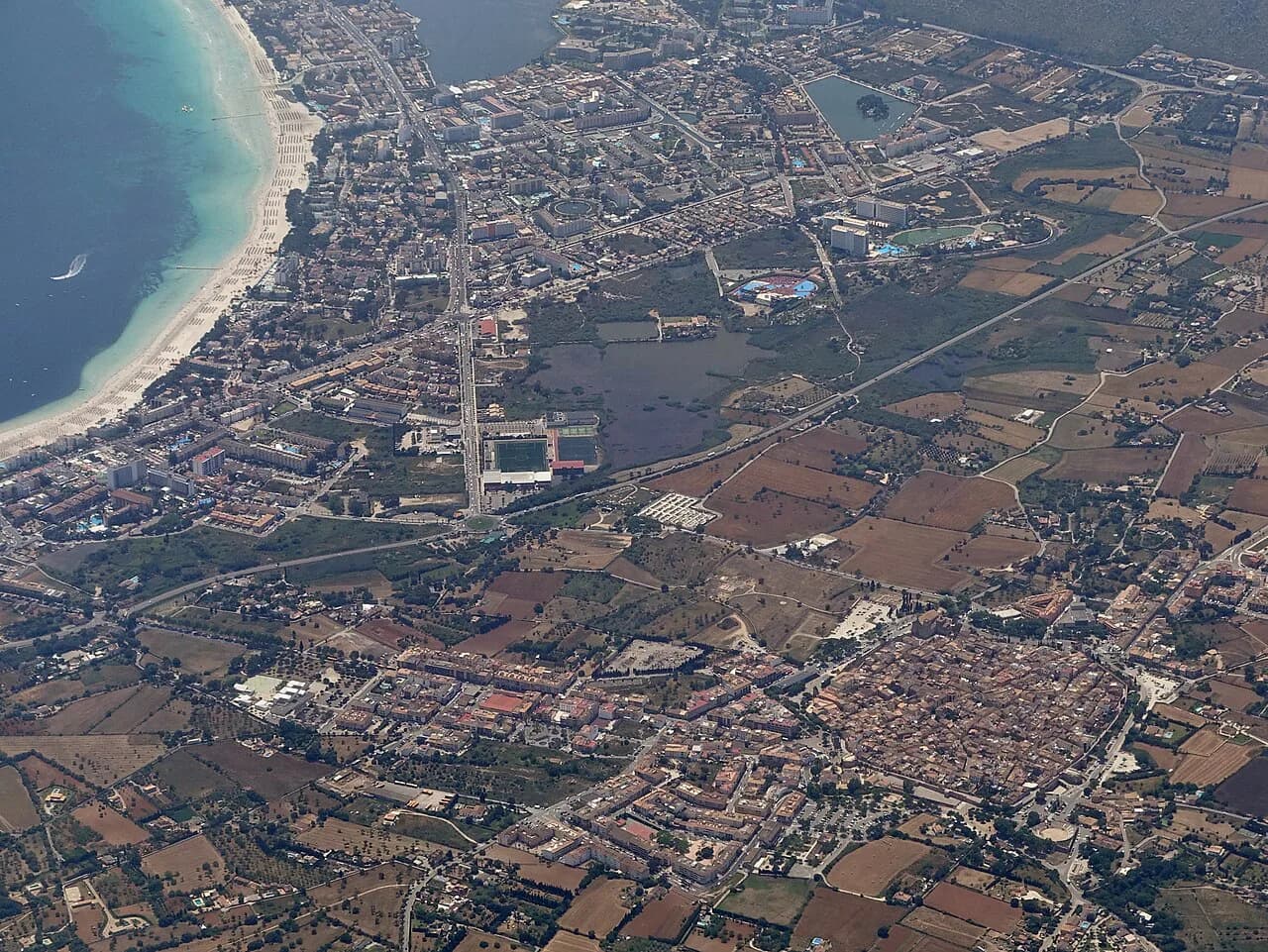
Think of Alcúdia in three pieces. The walled old town holds the gates, the church and the shopping streets. Pollentia, the Roman city, lies just outside the walls and is the reason the town matters archaeologically. The coast, centred on Port d'Alcúdia, is a separate resort strip with the long beach.
That split matters when you plan. Book or base yourself according to which part you want on your doorstep: the old town for monuments and evening strolls, the port for the beach. The two are close enough to combine, but they feel like different places. A map helps before you commit.
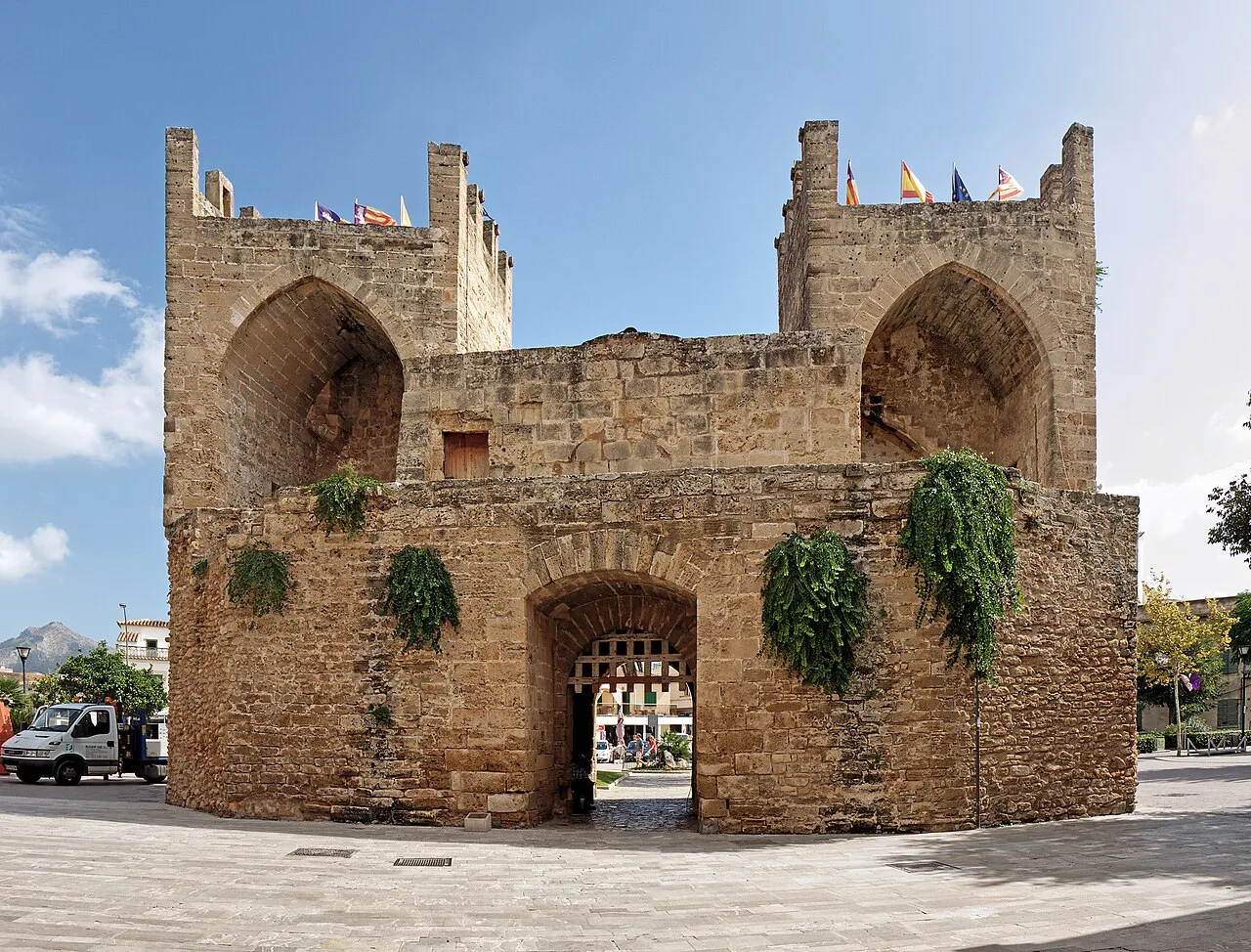
The Old Town: Two Rings of Walls
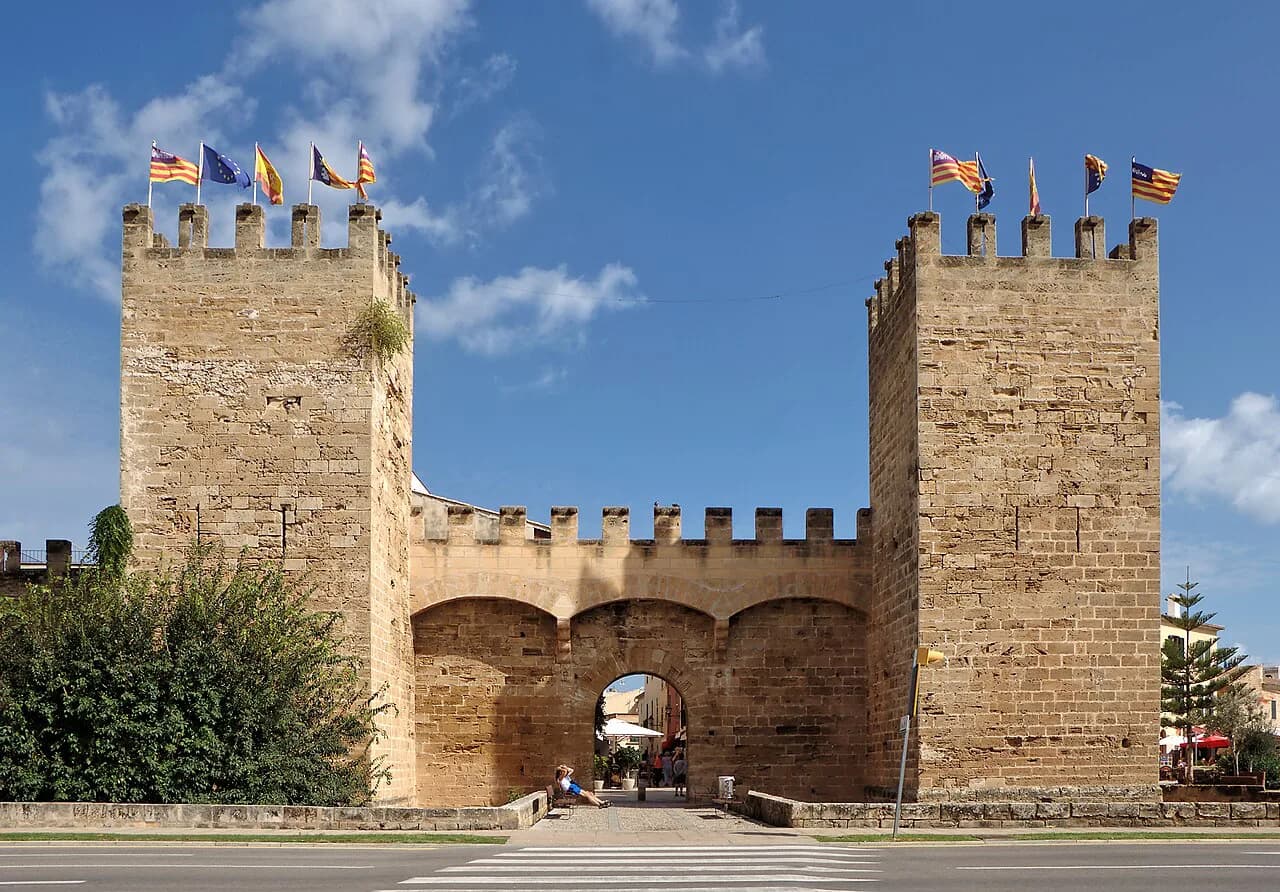
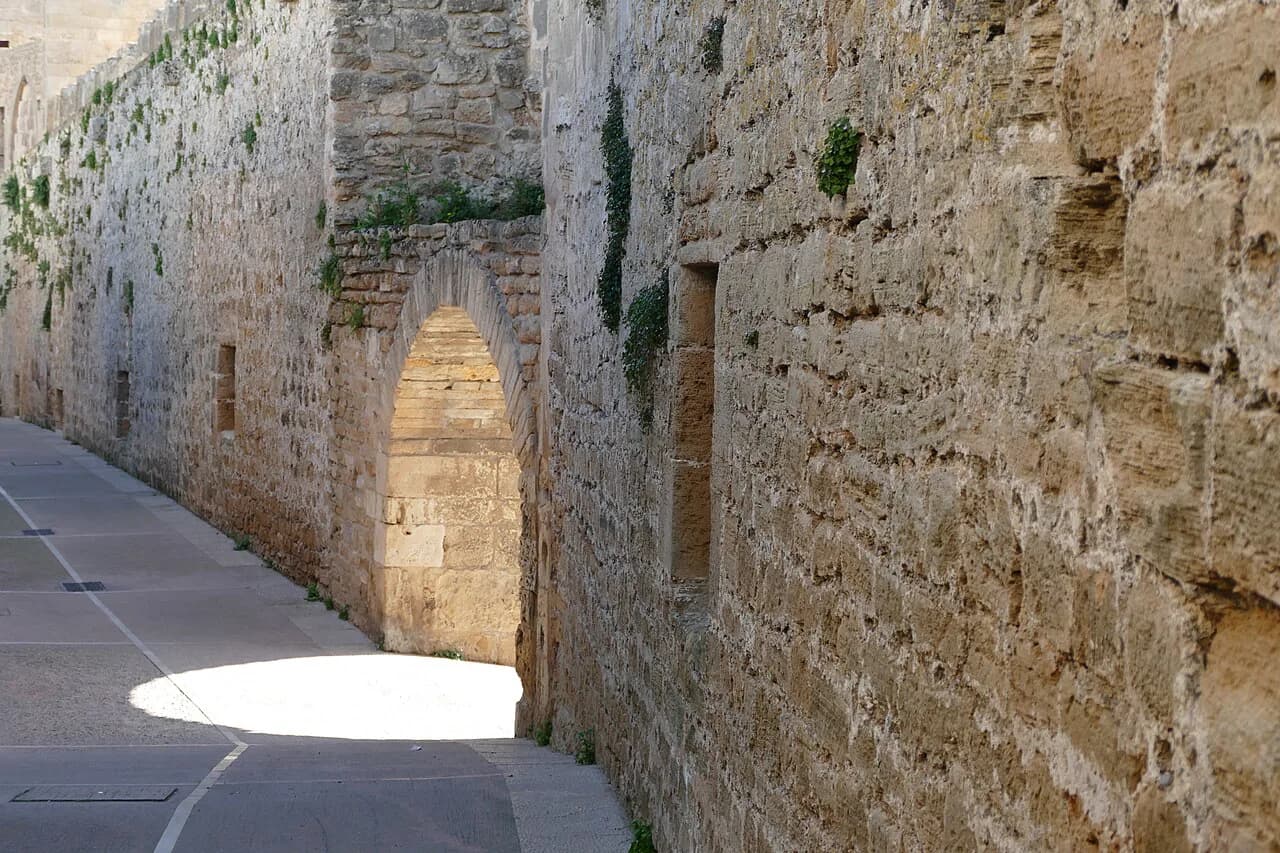
Alcúdia's defining feature is its walls. The town hall records two circuits, a medieval one and a Renaissance one, which is unusual enough to justify the walk alone. Walking them gives you the layout of the whole town in one go, and it is the natural first thing to do on arrival.
Come expecting a compact, walkable core rather than a sprawling city. Because the historic centre is small, you can cover the walls, the gates and the church without transport, then decide whether to push on to Pollentia. Summer heat makes an early start the sensible choice, since the walls offer little shade at midday.
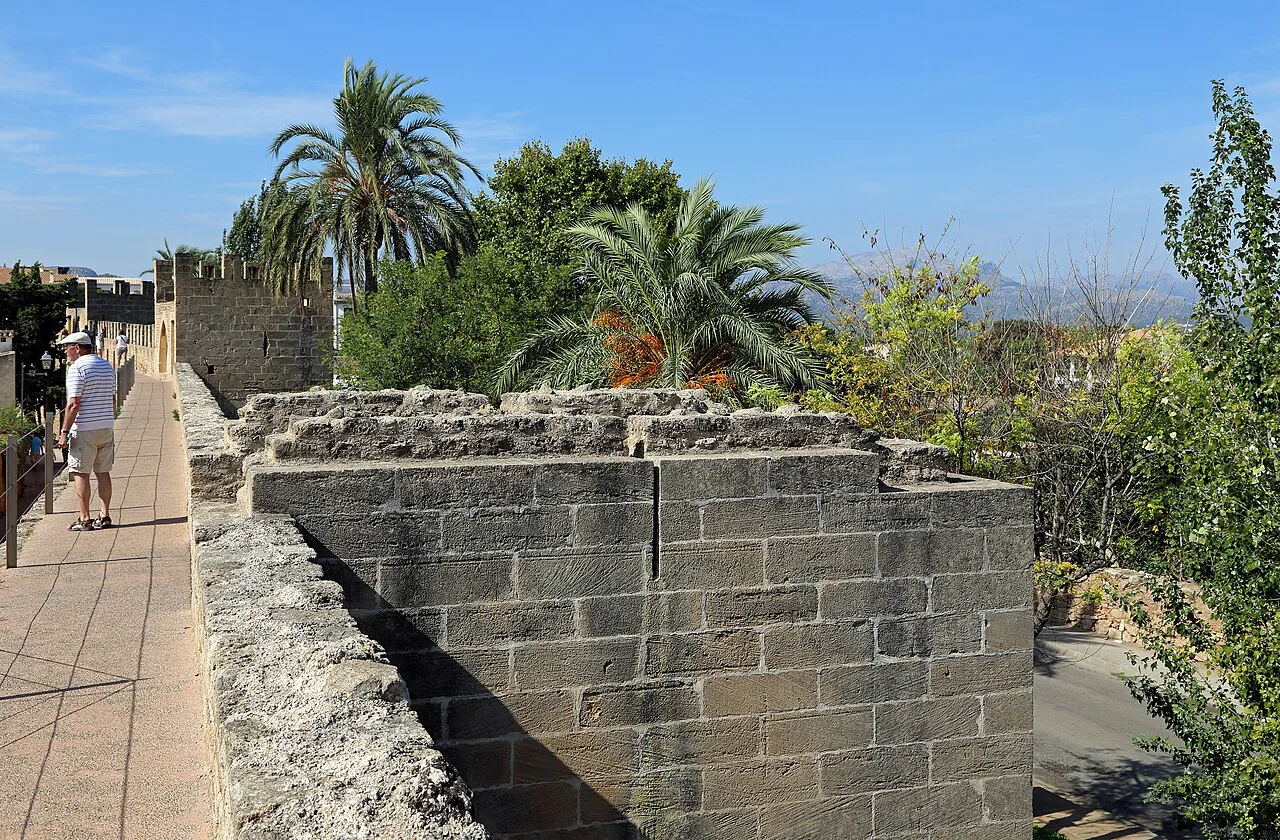
Gates and Streets Worth Finding: Puerta de Xara and Sant Jaume
Inside the walls, look for the Puerta de Xara, one of the old town gates, and the parish church of Sant Jaume. Both appear among the standard sights of the town and anchor a short circuit through the centre. Pair them with a wander down the old streets rather than treating them as separate trips.
Churches in Mallorca keep working hours for worship, so a visit can be interrupted by mass. Plan the church as one stop among several and keep the walls and gates as your fallback if the doors are shut. Shopping in the surrounding streets fills the gaps.
Roman Pollentia: Why It Matters
Pollentia is the reason Alcúdia is more than a walled village. The Romans founded the city here, and its ruins remain visible just outside the later town. If you only have time for one archaeological stop on this stretch of Mallorca, this is it.
The site is usually visited on foot from the old town, which keeps the half-day plan simple. Expect exposed ground and little shelter, so go earlier in the day in summer and carry water. Read up on the forum and the excavated houses before you arrive so the ruins make sense on the ground.
The Old-Town Market
Alcúdia holds a market in the old town, one of the sights named among the town's attractions. Market days change, so confirm the current day before you build a morning around it.
Time your visit so the market is the centrepiece rather than an obstacle. Streets inside the walls get busy on market mornings, and movement through the gates slows accordingly. Pair the market with the nearby church and gates so you are not criss-crossing the centre.
Sa Bassa Blanca and the Alcanada Area
North of town, the Sa Bassa Blanca museum at Alcanada gives you an art stop that is not about walls or Romans. Pair it with the Alcanada coast rather than treating it as a quick in-and-out visit. The museum sits away from the old town, so plan transport or a longer walk.
Check opening days and any entry charge with the museum before you travel out, since these change with the season. Allow more time than you would for a town museum because of the distance from the old town and the scale of the site.
S'Albufera and the Wetland Edge
The S'Albufera wetland gives the municipality a natural counterpart to its monuments. Alcúdia's setting between two bays and its marshy fringe is part of what makes the area distinctive, and the park is a sensible half-day if you want a break from stone.
Access points, restrictions and opening times are set by the park authorities, so check the official park information before travelling out. It is not a substitute for the old town but a complement to it, best on a different day or a quiet afternoon.
Viewpoints: Mirador de la Victoria
For a view back over the town and coast, head to the Mirador de la Victoria, one of the named viewpoints in the area. Go for the light rather than for facilities, since a mirador is just a viewpoint.
Pair the viewpoint with a taxi or a car if you do not want to walk. Sunset is the obvious time, but that also means sharing the spot; early morning is quieter and cooler. It works best as the close of a day that began in the old town.
The Port and Long Beach at Port d'Alcúdia
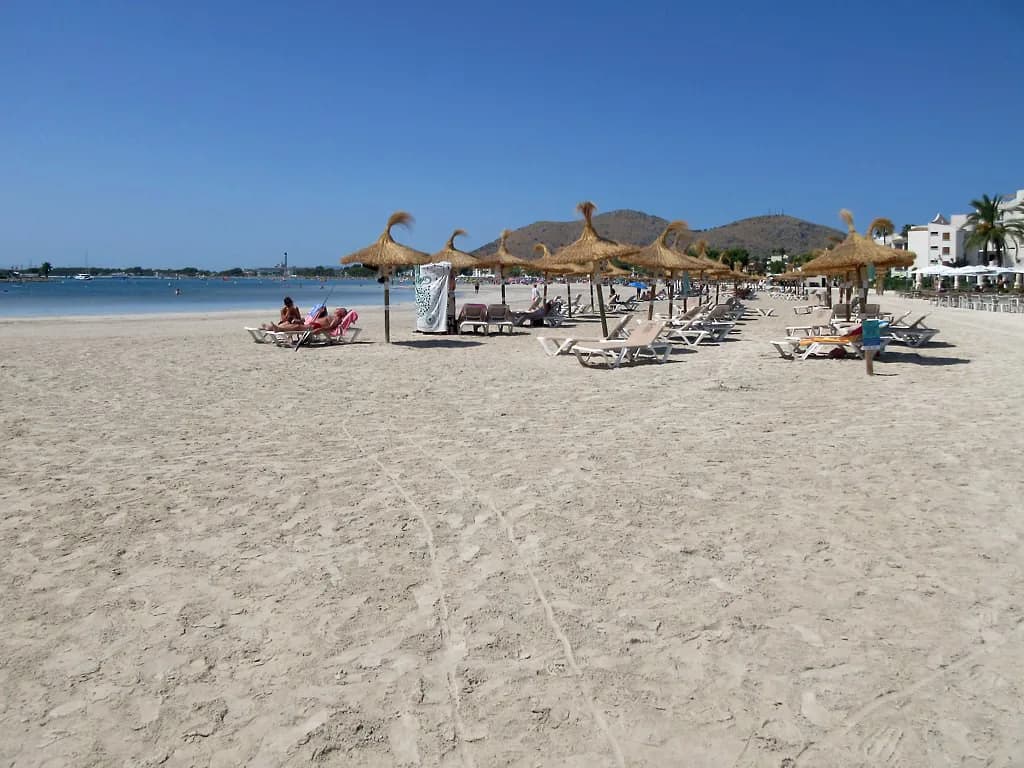
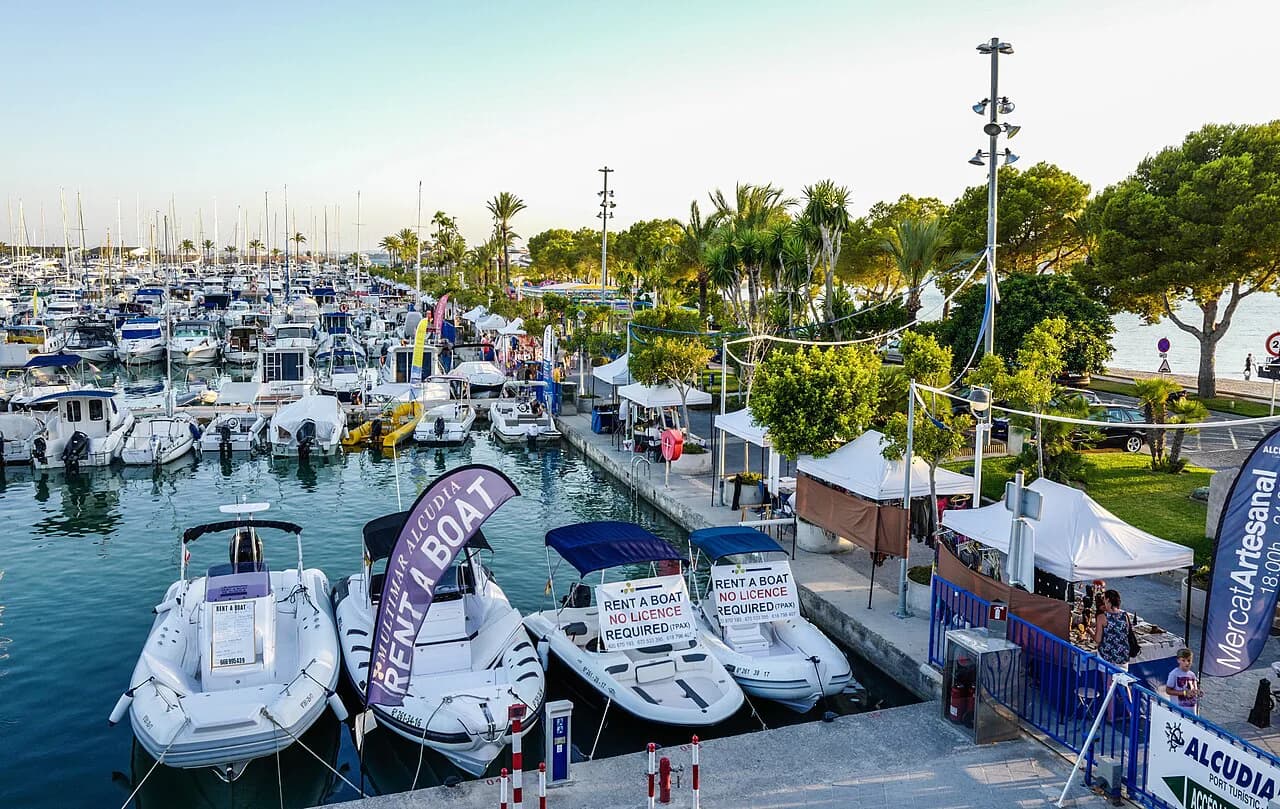
Port d'Alcúdia is the resort side of town: a long sandy beach, a harbour and plenty of evening activity. Treat it as an add-on to the historic core rather than the main event. If you want history, base your day in the walled town; if you want the beach, stay in the port area.
Boat trips leave from the port area and offer a different angle on the bays. Book through an operator and confirm departure points rather than assuming a schedule. An Alcúdia boat trip can fill an afternoon that the monuments do not.
A Sample Half-Day on Foot
Start at the walls early, walk the circuit and drop into the gates as you pass. Continue to Sant Jaume, then leave the old town for Pollentia while it is still cool. Finish back in the centre for the market streets or a late lunch.
This order keeps driving to a minimum and puts the exposed archaeological site before the heat of the afternoon. Keep the church flexible in case mass interrupts a visit, and use the walls as your constant reference point. If you add Sa Bassa Blanca, give it its own slot rather than squeezing it into the half-day.
How Long Alcúdia Needs and How It Fits a Short Break
The old town, gates and Pollentia make a solid half-day; add Sa Bassa Blanca, S'Albufera or the viewpoint and you have a full day. From Palma or the airport, Alcúdia works as a day out or as a base for the north of the island, and the Alcúdia Old Town guide covers the historic core in more detail for planning a base. Flights into Palma are the usual starting point for UK travellers.
If you are comparing Spanish city breaks, Alcúdia's own appeal is its compact historic core and Roman site rather than a large museum scene. Two nights gives you time for the walls, Pollentia and the coast without rushing. A single day is enough for the essential monuments.
The same principle applies to a wider Spain trip: cluster sights by area and leave the rest for another time. For contrast, things to do in Alicante cover a castle and seafront of a very different kind.
Getting Around Alcúdia
Walk the old town. The walls, the town gates, Sant Jaume and the shopping streets sit close together and reward being done on foot. An Alcúdia map helps you orient yourself at the gates before you commit to a route.
For Pollentia, Sa Bassa Blanca and the coast, use a taxi or bus, or drive. Buses are the practical option for the port and nearby beaches on public routes; driving makes more sense for Sa Bassa Blanca and S'Albufera. Check current bus times with the operator before relying on them.
Practical Trade-Offs
Plan around the heat: in summer, the walls and Pollentia are best early, and the old town is better for a late afternoon wander. Mass can close the church to visitors, so treat it as a bonus rather than a fixed stop. Market mornings and peak summer bring the biggest crowds inside the walls.
If you want a greener, quieter break from the stone, the Alcúdia gardens and green spaces give you a different pace. Use them to break up a hot day rather than as the main event.
Which Part of Alcúdia Should You Base Your Day Around?
Base your day around the walled old town and Pollentia, then add the coast only if you have time. That order gives you the walls, the gates, Sant Jaume and the Roman city in a single walkable block. The port and beach are a later, separate stop.
If you are coming from Palma or the airport, a day trip covers the essentials; two nights lets you add Sa Bassa Blanca or S'Albufera without rushing. Confirm market days and museum opening times with the town hall and the museum before you go, and start early to beat the heat and the crowds.
Explore more Alcúdia guides
Sources
Notes for your next Spanish town break
Optional updates to our guides.
You might also like
Continue reading
More guides you'll find useful