Pollença Old Town: Plaça Major, Calvari Steps and Roman Bridge
Plan a morning in Pollença old town: the Plaça Major and its cafés, the 365-step Calvari climb, the Pont Romà, the Sant Domingo cloister and Sunday market.
On this page
Pollença old town is worth a morning, not a day: the historic centre is small, walkable and best taken slowly, with the Calvari staircase and the Pont Romà as its two outer anchors. Everything of note sits within a short stroll of the Plaça Major, so you can see the core without a plan and still have time for the north coast afterwards.
This guide covers what the old centre contains, how the flat streets and the Calvari climb split into two parts, why Sunday morning changes the town, and how the visit slots into a break based in Alcúdia or the port. It sticks to what the town's own sources and local guides set out, and leaves anything they do not publish for you to confirm on the ground.
Where Pollença old town sits in northern Mallorca
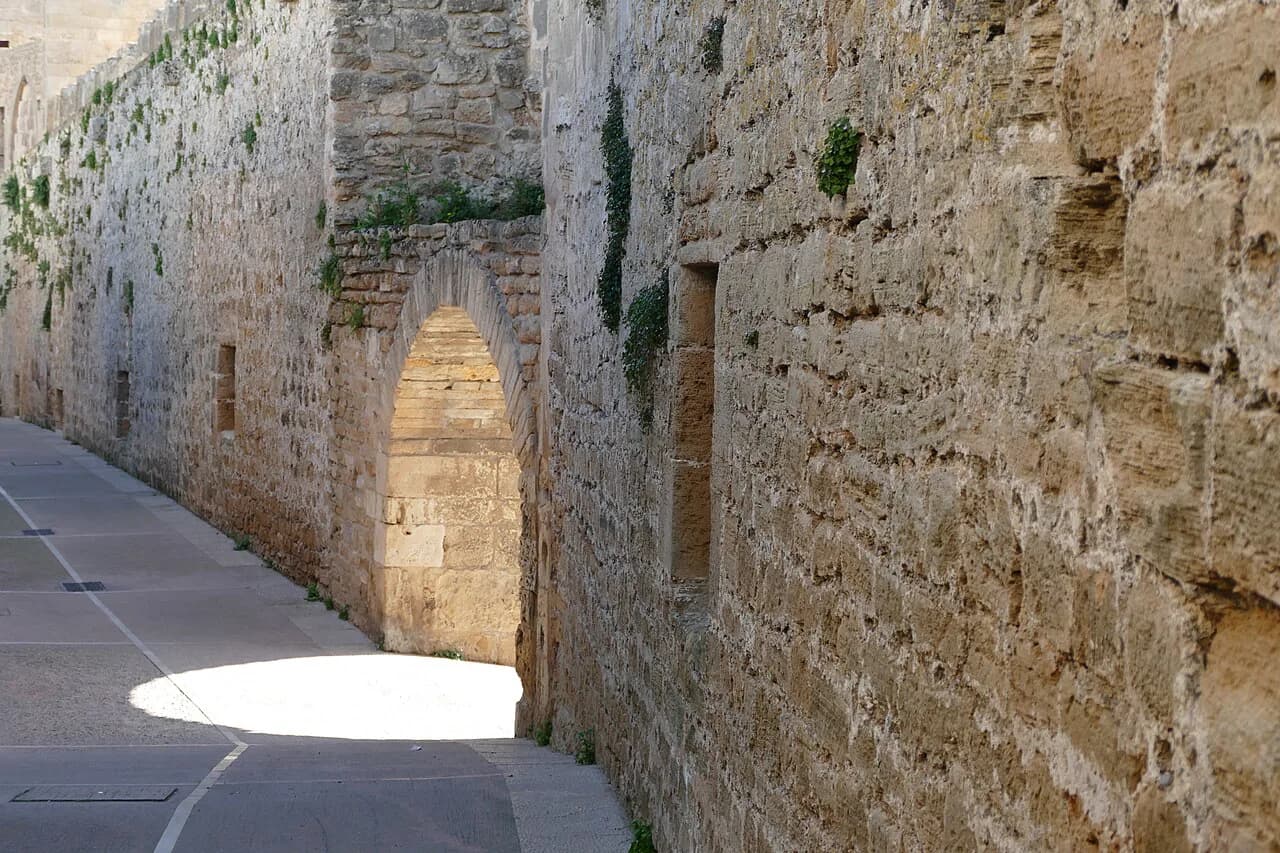
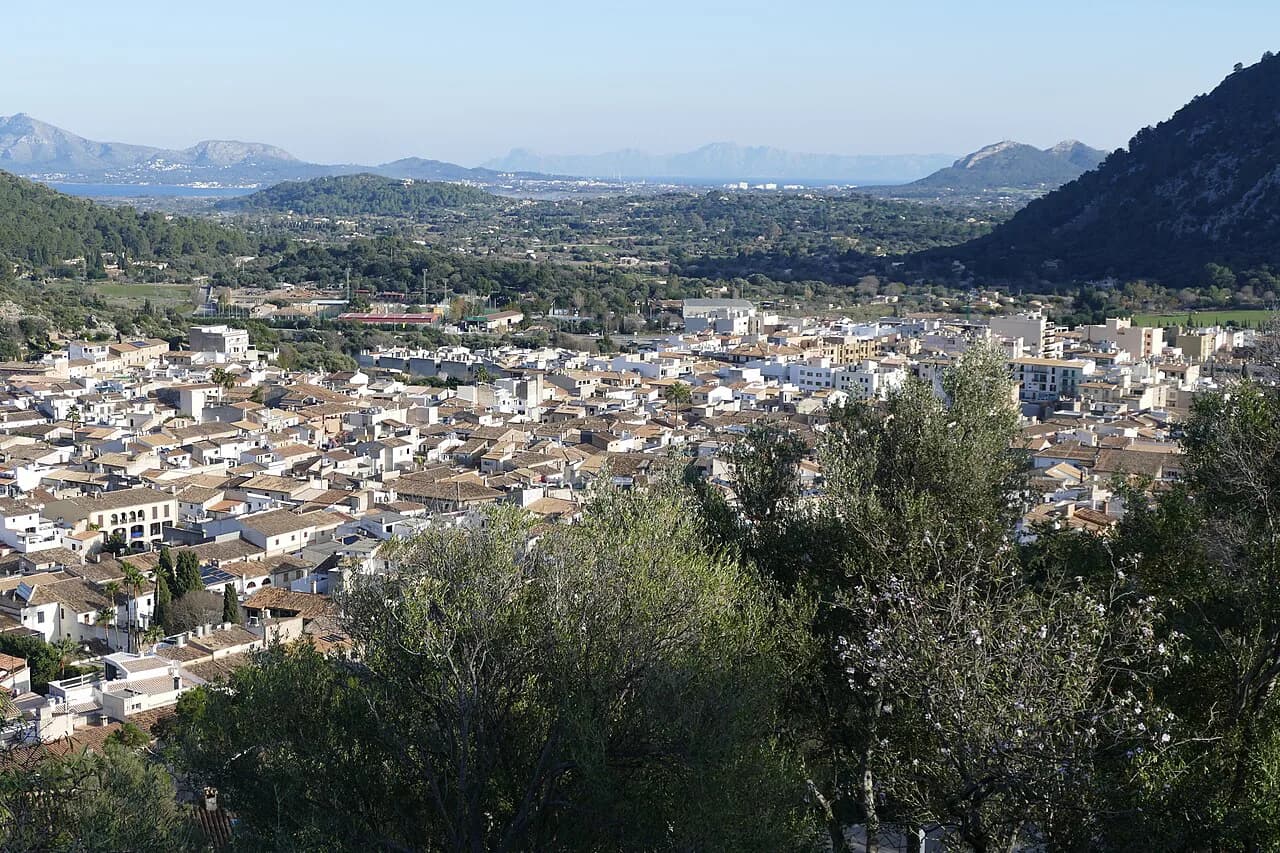
Pollença lies in the north of Mallorca, inland from its own port and a short drive from Alcúdia, on the opposite side of the island from Palma. The old town is the historic core rather than the coastal strip: a medieval layout of stone streets that grew up over centuries and still works as a lived-in town rather than a preserved set piece.
That inland position matters when you plan the day. Port de Pollença and the beaches sit on the coast, while the old town is where the market, the church and the craft shops are. If you are staying in Alcúdia, treat Pollença as a half-day inland excursion and keep the coast for the rest of the day.
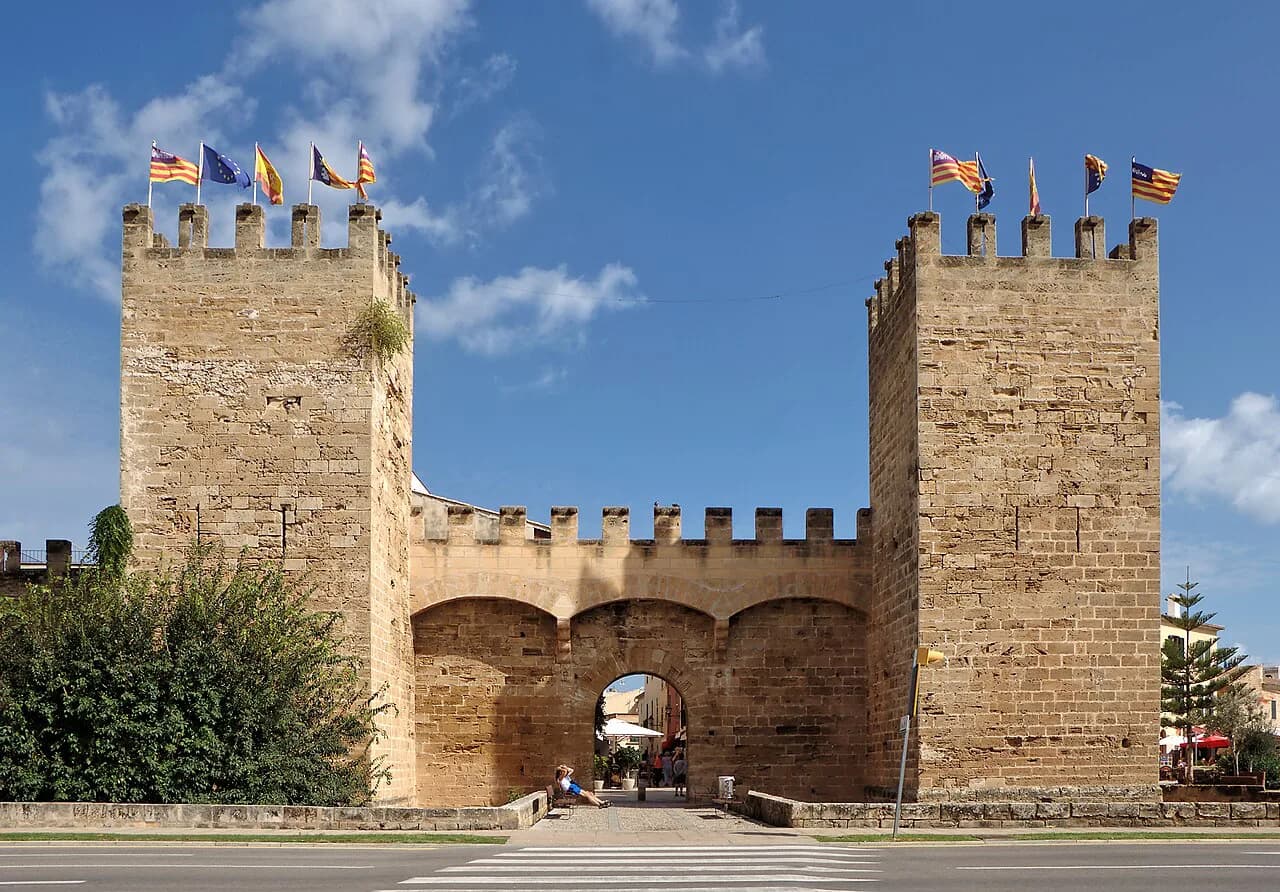
For the wider picture of what the northern corner holds, from Roman Pollentia to the walls and gates of Alcúdia, our guide to things to do in Alcúdia sets out the nearby sights and how they combine. Pollença's old centre is the calm, inland counterweight to that busier coastal base.
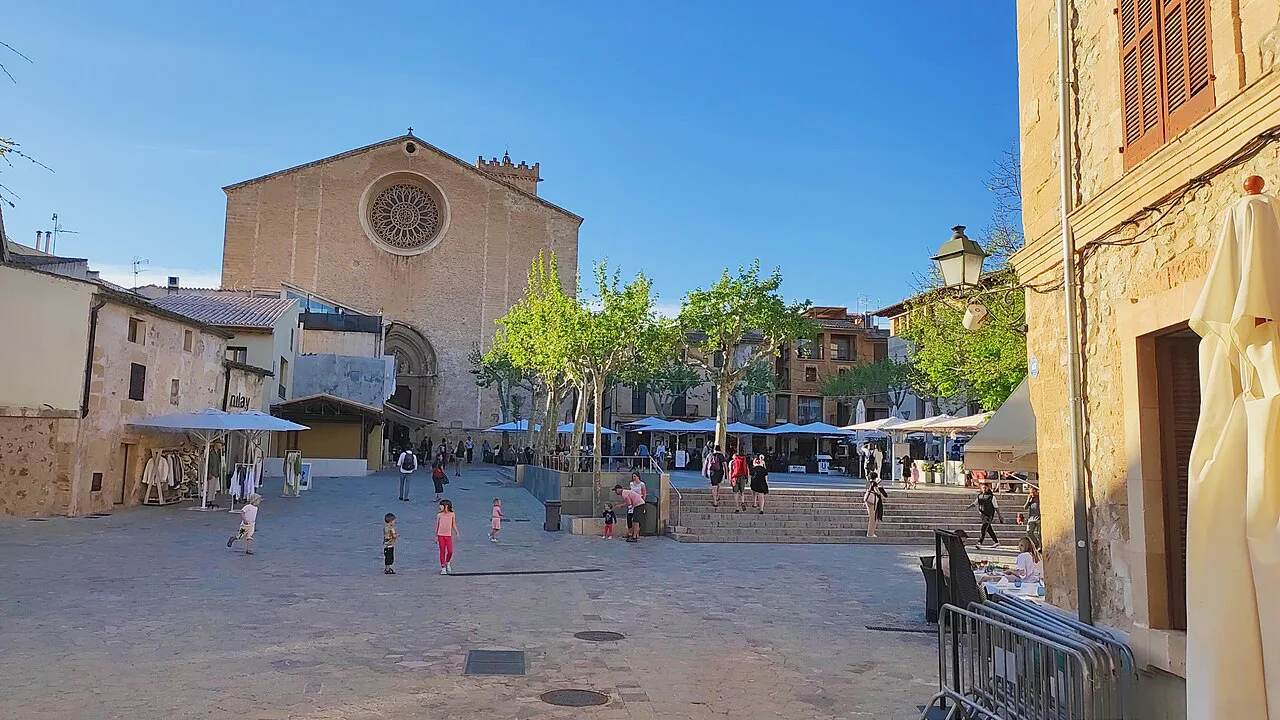
The Plaça Major and the church of Mare de Déu dels Àngels
Everything in the old town starts and ends at the Plaça Major. The church of the Mare de Déu dels Àngels stands on one side, café terraces face it from the other, and plane trees throw shade over the middle of the square.
The hour you choose changes the square completely. Early in the day it belongs to residents taking coffee and reading the paper; by midday the language shifts and the terraces fill with visitors. If you want the quiet version, come first thing.
The Calvari steps: 365 steps and what you see from the top
The Escalinata del Calvari is the old town's signature climb: 365 steps rising from the street up to a viewpoint above the rooftops. The count is the one given by the local source and it is the reason the staircase deserves its own slot in the plan rather than a passing glance.
The climb is the one demanding part of a Pollença morning. The flat centre takes a relaxed amble; the Calvari adds roughly an hour including a pause at the top, and it involves stairs, so it is not the segment to attempt in the heat of a July afternoon.
No source consulted sets an entry fee or opening hours for the Calvari. Treat the staircase as part of the public street and check locally on arrival if you want to go inside anything at the top.
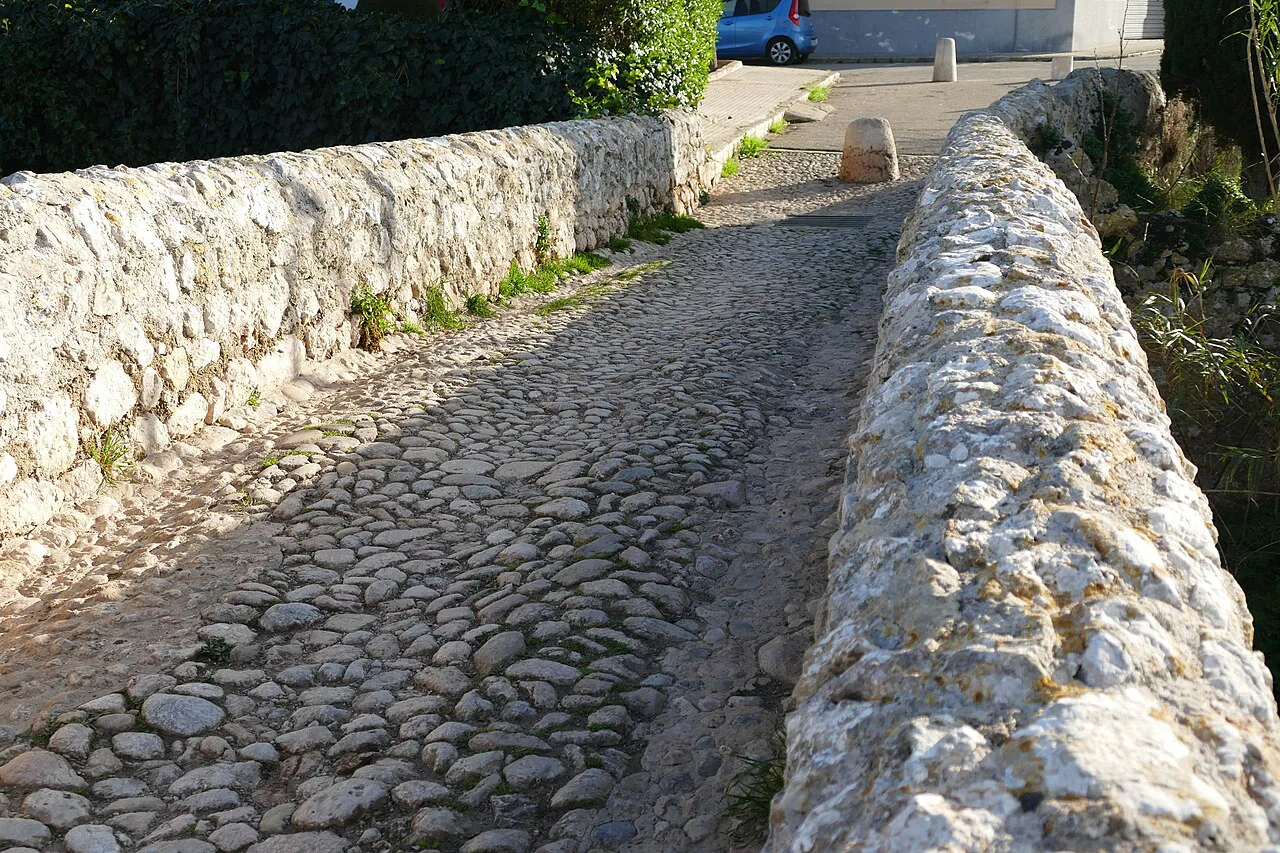
The Pont Romà and the Sant Domingo cloister
The old town's other fixed points sit at its edges. The Pont Romà stands at the exit from the town, and the cloister of Sant Domingo is the third of the stops the local guide names as essential.
Pair them with the centre rather than treating them as separate outings: the bridge and the cloister sit within the same short circuit as the square and the Calvari. That is what makes a single unhurried morning enough for the whole old town.
Bakeries, grocery shops and craft workshops
This is a working town, and the shops are the proof. Bakeries open early and are the right way to start a morning, with ensaimada or coca and bread for later; the grocery shops and delicatessens sell cheese, sobrasada, oil and Mallorcan wine.
Pollença has a century-long painters' tradition, and it shows in more galleries than you would expect for a town this size, alongside basket-weaving, espadrilles and ceramics where handmade means handmade. The simple rule is to buy where local residents are buying.
Timing is the catch. Most shops close at midday, so the practical order is browsing and buying in the morning and leaving the Calvari climb or a café stop for the hours when the shops are shut. If you want to compare offerings before committing, our notes on shopping in Alcúdia show how the neighbouring town's old centre handles the same mix.
Sunday morning market in the Plaça Major
Sunday morning is the week's big day here: the market fills the Plaça Major and the town behaves differently. The local guide is blunt about it, naming the Sunday market as the reason to come on a Sunday, and also the reason to avoid one if you want the square to yourself.
Choose accordingly. Market Sunday means bustle, shopping and a full square; any other morning, especially early, gives you the quiet version with coffee and newspapers. The town keeps its shops, cafés and Sunday market through the year, unlike the beach bars that close in autumn.
A walking route through the old centre
Sequence the visit around the square and work outwards. Start with coffee in the Plaça Major and a look at the church facade, wander the stone lanes for the shops and galleries, take in the Sant Domingo cloister, then walk out to the Pont Romà on the edge of town.
Add the Calvari last, as the separate hour, so the climb does not compete with browsing time. A relaxed morning covers the complete circuit with coffee and shopping included; the staircase adds about an hour and a lot of steps on top of that.
Parking in the old town is difficult, as in any centre worth walking. That is the argument for leaving the car at your base and arriving on foot or by bus, and for treating the whole centre as a pedestrian zone rather than a series of stop-offs.
When to go: September, October and the midday pause
The villa-owner's local guide picks September and October as favourite months for walking the old town: the light turns golden, terraces stay open and you can move without sidestepping crowds. The town functions all year because people live there year-round, so this is a preference about comfort rather than a season when things shut.
The real planning constraint is the midday closure. Shops and cafés respect the siesta pause, so a late-afternoon arrival finds the centre half asleep. Build the day around a morning start, a long lunch pause and a late-afternoon walk out to the bridge.
Fitting Pollença into a short break from Alcúdia
If you are based in Alcúdia, Pollença works as one half of a day: old town in the morning, coast or port in the afternoon. The neighbouring Alcúdia old town gives you a useful contrast in its walls, gates and Roman remains, and its street layout is worth an hour of its own on another day.
Alternatively, pair the Pollença morning with the Roman city of Pollentia just outside Alcúdia, where the excavated streets, the Casa dels Dos Tresors and the site's small museum put the island's older history in order.
Which order suits your morning in Pollença?
The order that works: coffee and the Plaça Major first, the lanes and cloister second, the Pont Romà as a short walk out, and the Calvari staircase kept as a separate hour. A Sunday visit swaps the quiet for the market, which is a different kind of morning altogether.
Check the town's own agenda before a special outing, since any one-off closures or events will appear there rather than in a general guide. Otherwise the old centre needs no booking, no ticket and no fixed route: it is a town you can walk into and read as you go.
Explore more Alcúdia guides
Frequently Asked Questions
Is Pollença old town worth visiting?
Yes, if you want a lived-in Mallorcan town rather than a monument. The Plaça Major, the church of Mare de Déu dels Àngels, the Sant Domingo cloister, the Pont Romà and the 365-step Calvari staircase fill a relaxed morning, and the shops and bakeries are part of the appeal. It is a half-day, not a full one.
Can you walk from Port de Pollença to the old town?
The old town sits inland from Port de Pollença rather than on the coast. No published walking route or time is confirmed here, so check local signage or bus options on arrival before planning to walk it. The drive or bus is the simpler option for most visitors.
What day is market day in Pollença old town?
Sunday morning, when the Plaça Major fills with the weekly market. It is the busiest time in the square and the best day for browsing stalls, but the worst if you want the quiet version with locals reading the papers over coffee.
How far is Port de Pollença from the old town?
They are separate places, one on the coast and one inland, linked by road and by bus rather than by a short stroll. Exact distance and journey time should be checked locally, as no reliable figure is published here. Many visitors treat the old town as a morning excursion from a coastal base.
Sources
Notes for your next Spanish town break
Optional updates to our guides.
You might also like
Continue reading
More guides you'll find useful