Cap de Formentor: Lighthouse, Viewpoints and Summer Access
Plan Cap de Formentor: the Ma-2210 lighthouse road, Mirador des Colomer and the faro, plus the summer car restrictions and the bus from Port de Pollença.
On this page
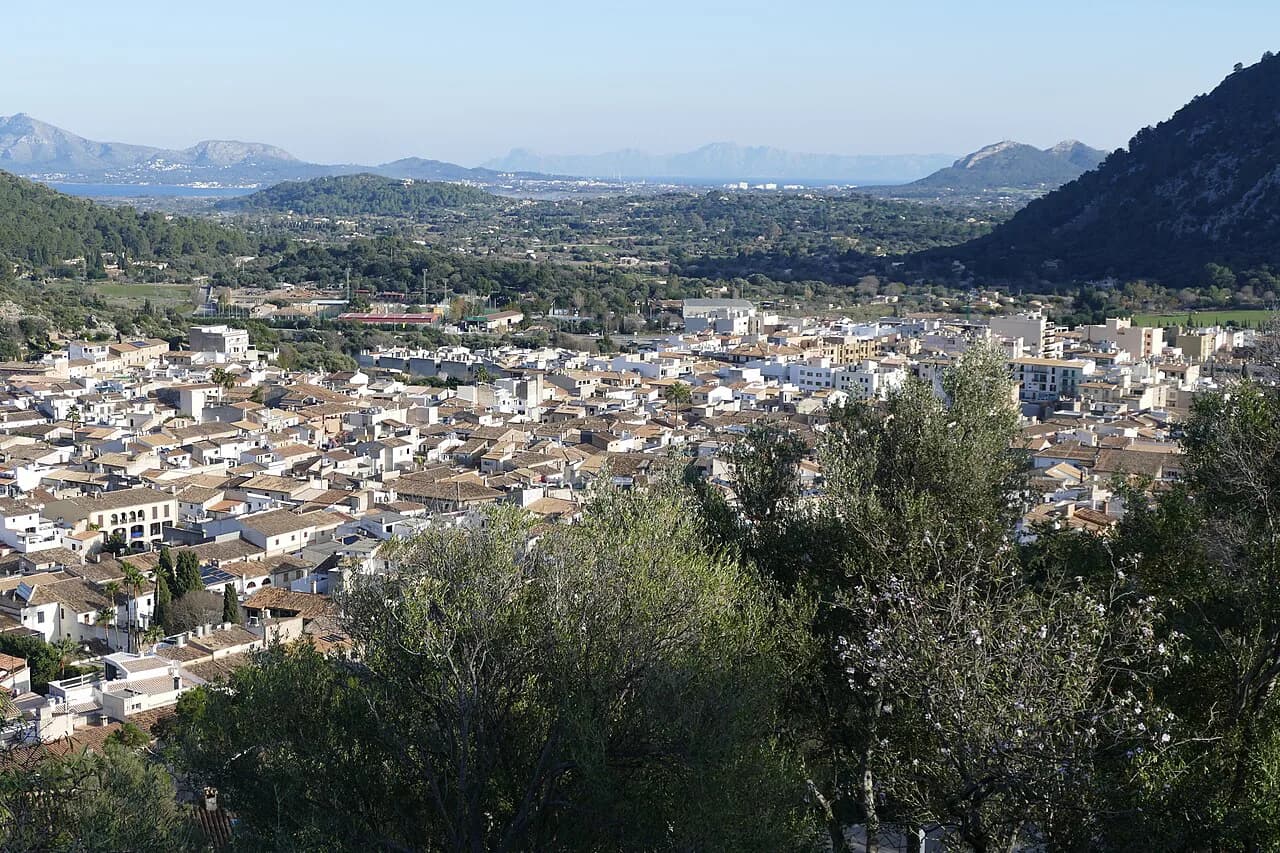
Cap de Formentor is a narrow limestone peninsula at the northern tip of Mallorca, in the municipality of Pollença, and it rewards a half-day rather than an hour. Plan around three stops — Mirador des Colomer, Mirador de Sa Creueta and the Faro de Formentor — and treat the Ma-2210 itself as part of the visit. This guide covers the coast road, the summer car window, the bus 334 alternative from Port de Pollença and Alcúdia, and what sits at the end of the road.
The protected peninsula begins near Mirador des Colomer, roughly 3 kilometres from Port de Pollença, and runs to the Faro de Formentor about 16.3 kilometres from the port. It separates the Bay of Pollença from the open sea and forms part of the Serra de Tramuntana, a UNESCO World Heritage landscape. Most of what a visitor stops for is coastline rather than a building.
Where Cap de Formentor sits
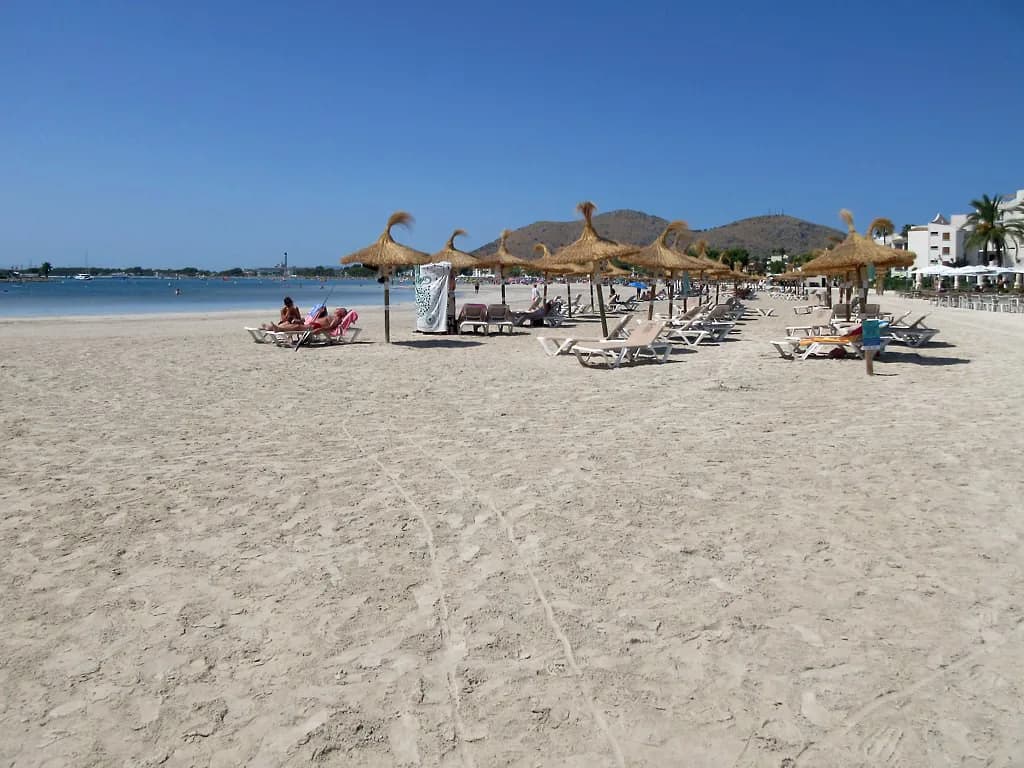
The cape belongs to Pollença, not Alcúdia, but both towns work as bases for the day. The Ma-2210 starts near Port de Pollença and climbs west along the spine of the peninsula, ending at the lighthouse. Cliffs on the northern side reach up to 300 metres, while the southern side is softer, with pines and the beach at Formentor.
Because the peninsula is protected within the Serra de Tramuntana and the Natura 2000 network, there is little development beyond the road, the viewpoints and the lighthouse. That is the point: the draw is the profile of the cliffs and the two bays seen from above. Come expecting a scenic drive with stops rather than a resort.
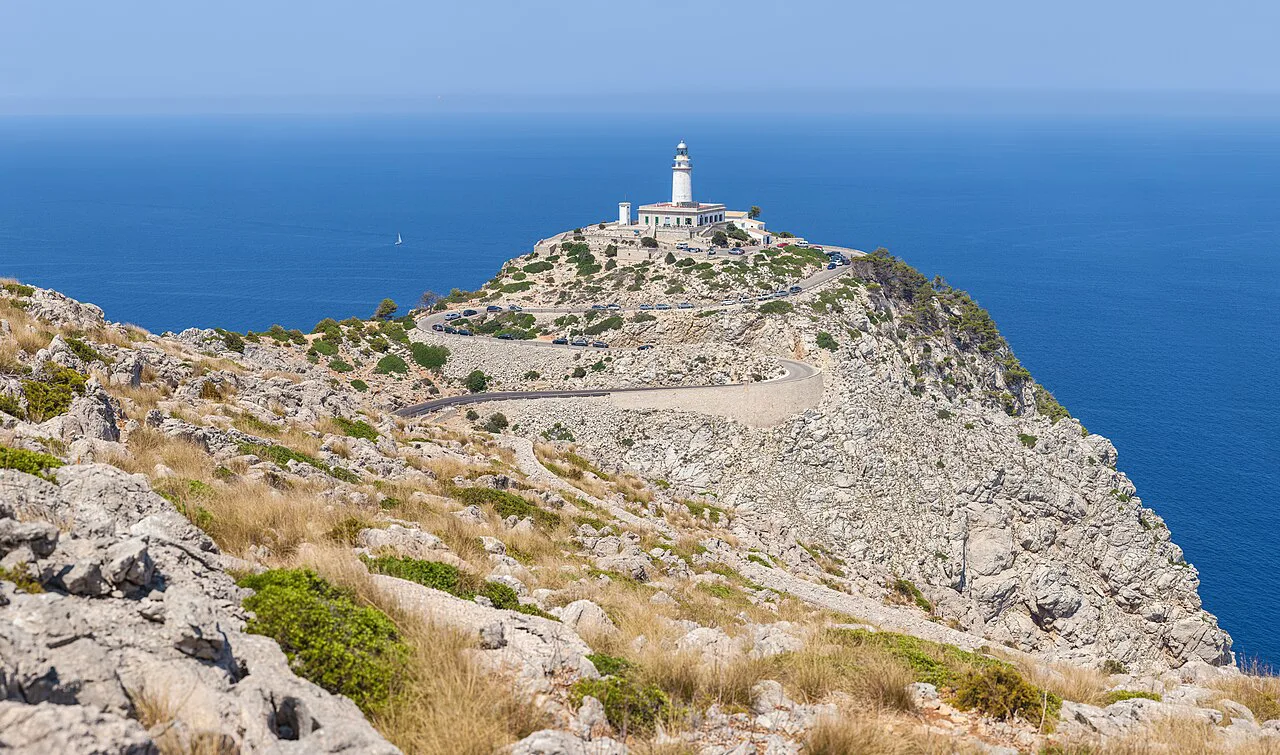
The Ma-2210 lighthouse road
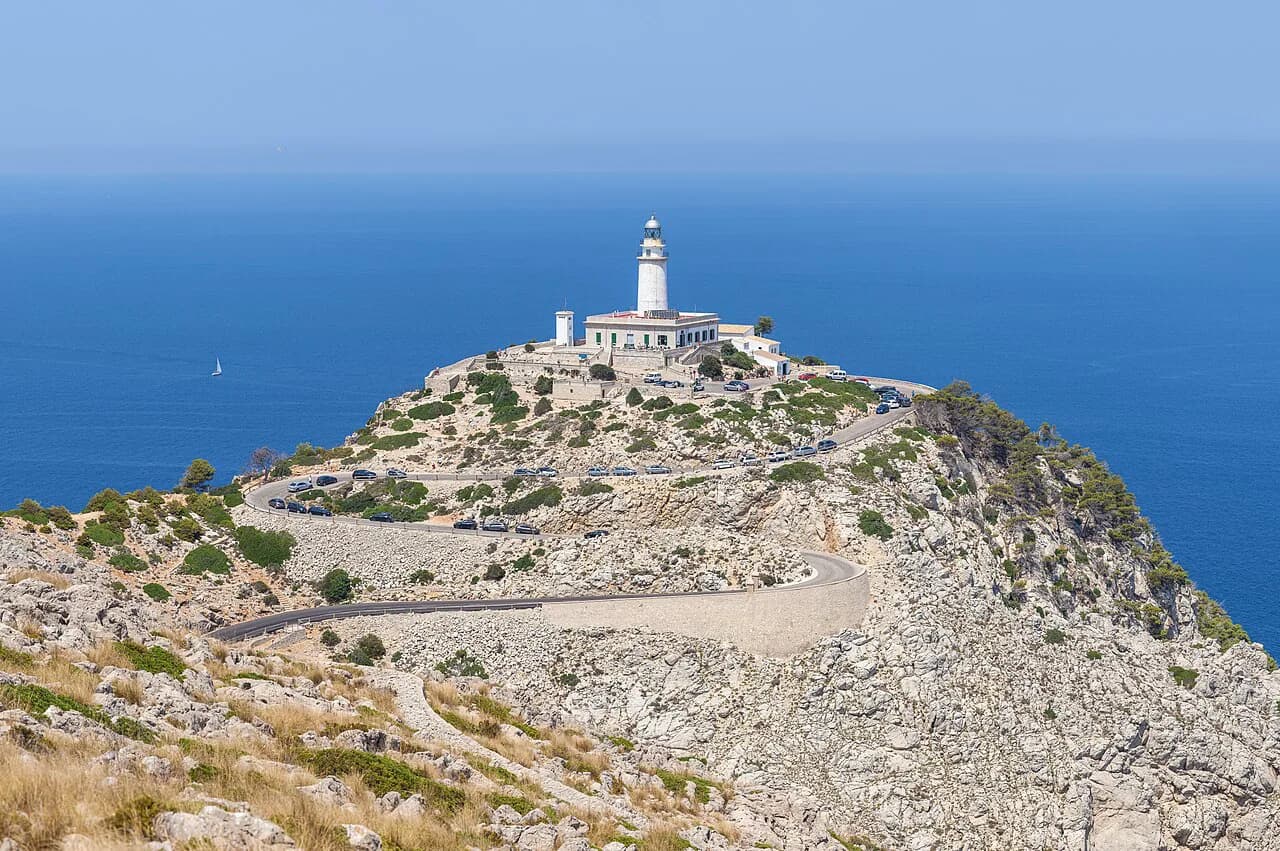
The Ma-2210 snakes along the crest of the peninsula between mountains and cliffs, with several miradors at the higher points where both bays, the Serra de Tramuntana and the north coast come into view. It is a narrow coastal road with constant curves, so the driving is slow and the stopping frequent. Allow more time than the distance suggests.
Beyond the viewpoints, the landscape is pine forest with wild olive and garriga, and the Formentor violet grows only here. Birdwatchers rate the peninsula for seabirds and raptors, particularly during migration. If you are driving, park properly at each stop rather than halting on the carriageway, because the road is too narrow for casual pull-offs.
Summer access restrictions: 15 May to 15 October
Between 15 May and 15 October, private vehicles face access restrictions on the peninsula road from 10:00 to 22:00. The sourced workaround is to arrive before 10:00, come after 22:00, or leave the car behind and use the shuttle bus. Outside those dates the road is open and the visit is far quieter.
Treat the window as the main planning constraint rather than a warning sign. A morning start before 10:00 buys you the viewpoints in cooler air and lighter traffic, and an evening run after 22:00 suits photographers chasing low light. The middle of an August day is the worst of both: heat, queues at the miradors and no car access.
Getting there without a car: bus 334 or by boat
In season, bus 334 runs from Port de Pollença and Alcúdia towards the cape, and the shuttle from Port de Pollença is the standard workaround when the car restriction applies. Timetables shift with the season, so confirm departure times with the operator before you build a day around the bus. Frequencies and fares change, so take them from the operator rather than from a plan made months earlier.
By sea there is no road restriction at all, and the north cliffs are best understood from the water. Boats from the Port of Alcúdia round Cap Pinar, pass the lighthouse and enter the Bay of Pollença, often with a swimming stop at Playa de Formentor, and you can compare operating options on the Alcúdia boat trips page. Anchorages are on sand, with around 70 ecological buoys off Playa de Formentor managed by Ports IB and contactable on VHF channel 77.
Mirador des Colomer: the first big view
Mirador des Colomer sits high above the coast near the start of the peninsula, with a small parking area and a view down onto the jagged shoreline and the Islote des Colomer just offshore. Dawn and dusk give the best light and the thinnest crowds. This is the stop most people photograph, and it is worth more than the five minutes a coach party gives it.
The parking is small, so at peak times the mirador fills before the road does. If you arrive by bus, check which stops the seasonal service makes, because not every departure calls at every viewpoint. Walking up from Port de Pollença is possible but adds hours to the day.
Mirador de Sa Creueta and the islet
Mirador de Sa Creueta lies more than 200 metres above the sea and looks straight across to the Islote des Colomer. It is one of the easiest viewpoints to reach by car, and Sa Creueta beach below has private parking if you want to combine the two. The pull-off here is more generous than at Es Colomer.
The islet itself, also called Isla de Formentor, is the recognisable shape in countless photographs of the cape. It is reachable by boat and popular for snorkelling and diving thanks to the clarity of the water and the marine life around it. From the land viewpoints you see it side-on; from the sea you see the cliffs behind it.
Faro de Formentor: the end of the road
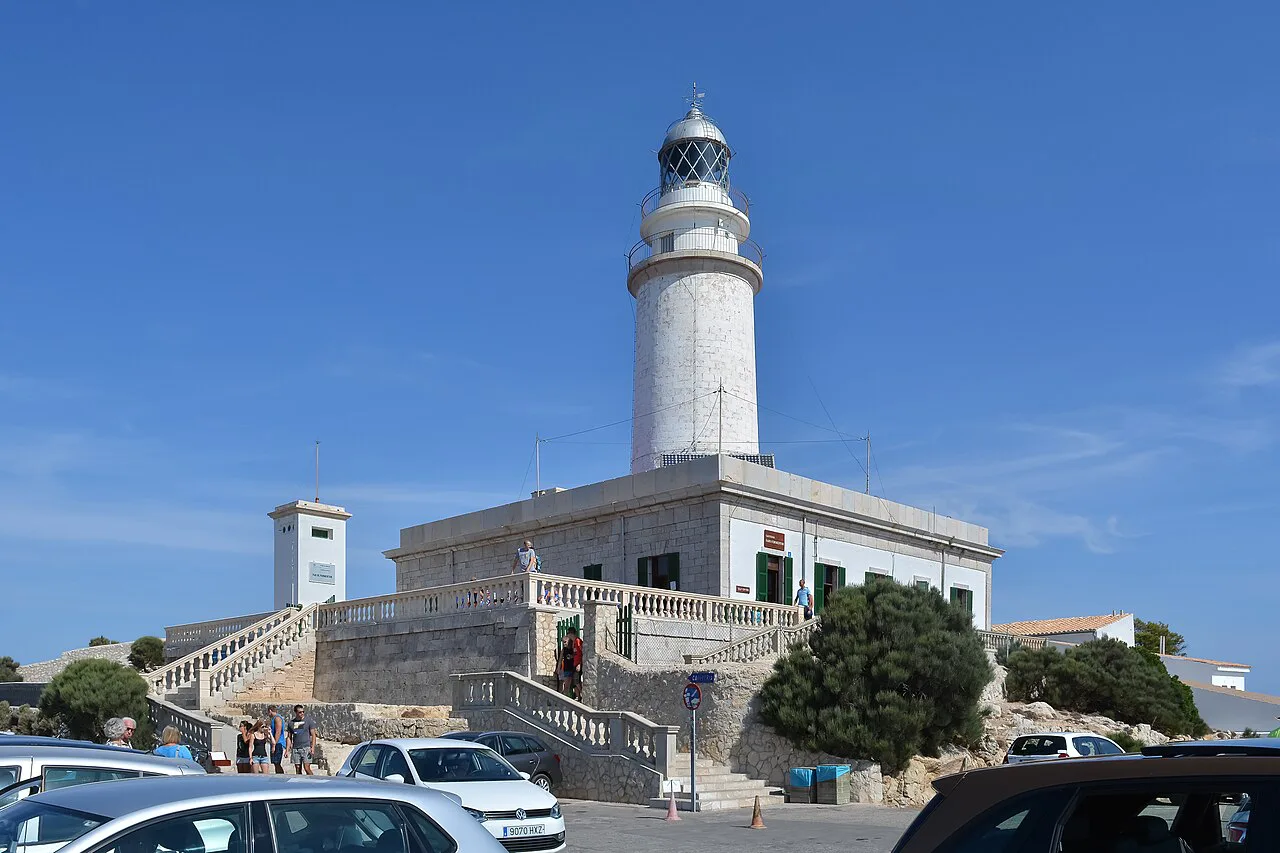
The Faro de Formentor was inaugurated in 1863 and stands 210 metres above sea level at the northernmost point of Mallorca. The lighthouse is not open to visitors inside, but you can walk around the exterior and take in the open sea and the broken coastline. There is a small café on site.
Do not build a day around going inside the lighthouse. Plan the faro as the turning point: arrive, walk the surroundings, have a coffee and drive back with the light behind you. The road to it is one of the most scenic on the island, with repeated viewpoints on the way.
Side stops: the Talaia d'Albercutx and the walking trails
From Mirador des Colomer a paved track climbs to the Talaia d'Albercutx, a sixteenth-century watchtower at 380 metres. From the top you see the bays of Pollença and Alcúdia together with the Serra de Tramuntana ridge. It is the best short outing from the road itself.
From the Playa de Formentor car park, trails run to Cala Murta and Cala Figuera in about 1 hour 30 minutes, and to Cala en Gossalba in about 2 hours, passing through pine and holm oak. These coves are walking destinations, not serviced beaches, so carry water and wear proper shoes. Maps and difficulty information are available from the tourist information office in Port de Pollença.
Driving the road: timing and practicalities
The road is narrow with blind curves, and the combination of cyclists, buses and hire cars makes progress slow. Drive it in the morning or evening, keep stops short at the busy miradors and do not attempt to overtake on the bends. Park only in marked areas, since the verges drop away sharply.
Facilities are limited to the cafés at the lighthouse and the beach plus a few seasonal kiosks, so bring water and fuel up before you leave Port de Pollença or Alcúdia. Phone signal is patchy along the ridge. If you are based in Alcúdia, the old town makes a sensible morning before an afternoon on the cape, and there is plenty more among the things to do in Alcúdia if you want to fill a second day.
Out of season: the unrestricted months
Between November and May the road is open to private cars and the visit is much calmer, with the viewpoints largely to yourself outside weekends. Winter light is softer and the cliffs read better in photographs, though wind and rain can close in quickly on the exposed ridge. Check the forecast rather than assuming Mediterranean sunshine.
Out of season, buses and boat services run less often or not at all, so the car becomes the practical option. If you are relying on public transport, verify with the operator that the seasonal service is running before you plan the day around it. A taxi from Port de Pollença is the fallback.
What to skip or expect
There is no interior visit at the lighthouse and no easy access to the wildest coves, which need a walk or a boat. Cala Figuera de Formentor is reached by a mountain path that takes effort, and it is not the same Cala Figuera as the one near Santanyí. If you want a beach with services and parking, Sa Creueta and Playa de Formentor are the realistic options.
The cape rewards people who accept it as a landscape rather than an attraction with a ticket desk. Budget half a day from Alcúdia or Port de Pollença, and more if you add the Talaia climb or a coastal walk. Combine it with the old town and the Roman site at Pollentia for a full day.
Should you drive, take the bus or go by boat?
Drive if you are travelling outside 15 May to 15 October, or if you can start before 10:00 or after 22:00 in summer. Take bus 334 from Port de Pollença or Alcúdia when the restriction applies and you want the viewpoints without the parking stress. Choose the boat if the cliffs and the coves are what you came for, since the north face is only legible from the water.
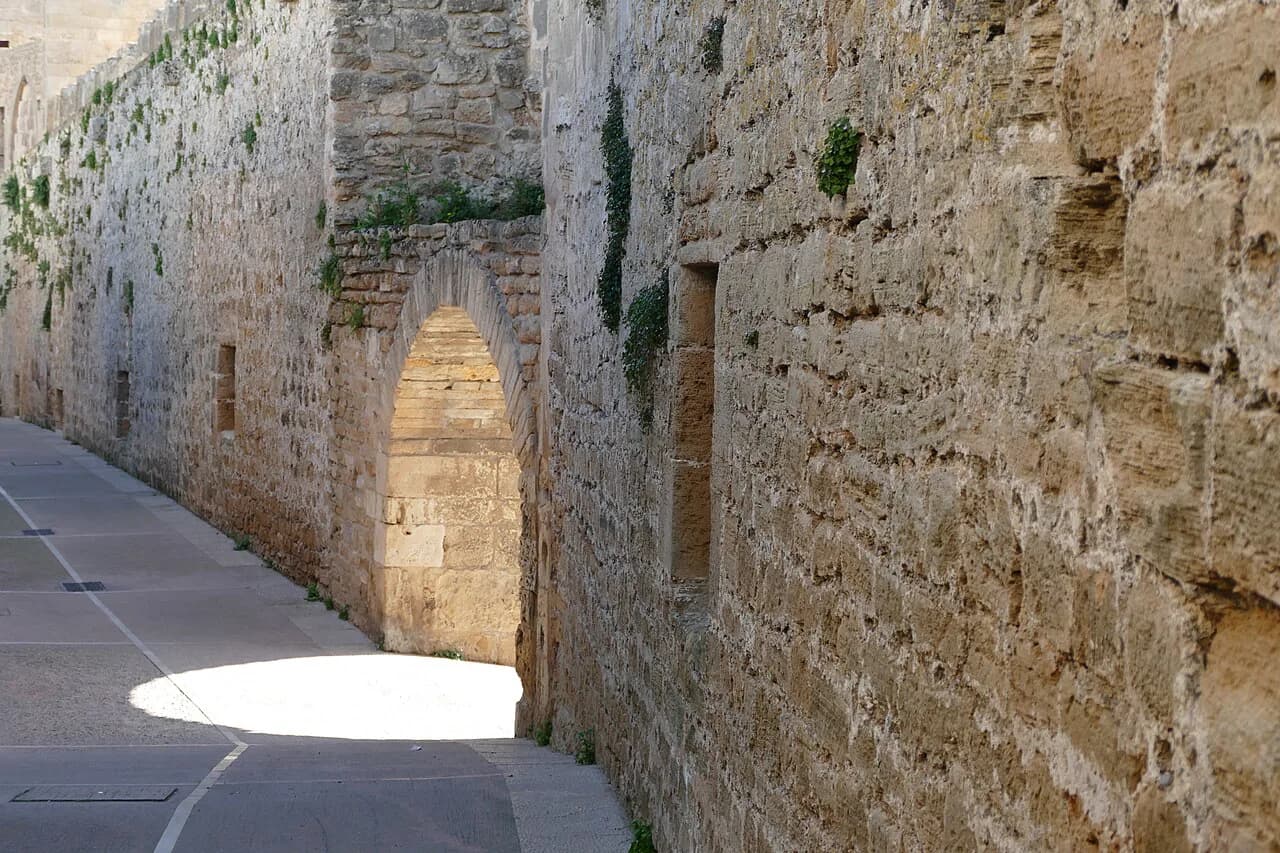
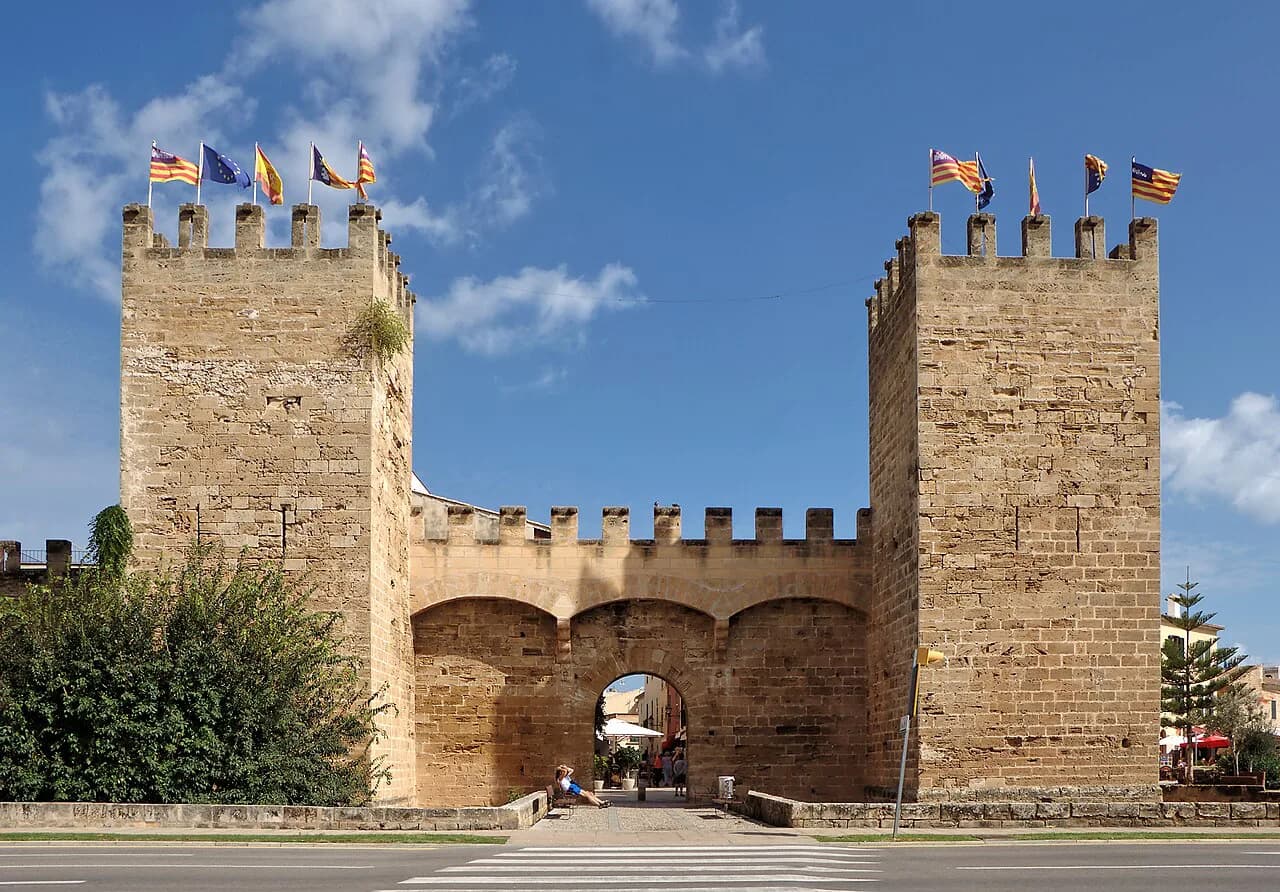
Whichever you choose, the sequence is the same: Mirador des Colomer, then Sa Creueta, then the faro. Add the Talaia d'Albercutx climb if you have the legs and the time. Build the rest of the day around Alcúdia, with its walls and gates, rather than trying to squeeze the cape into an hour.
Explore more Alcúdia guides
Frequently Asked Questions
Can you drive to Formentor beach?
Yes, the Ma-2210 passes the beach area, but between 15 May and 15 October private vehicles are restricted from 10:00 to 22:00. Outside those hours, or outside that window, driving is straightforward. Confirm the current restriction before you set out.
Is Cap de Formentor worth visiting?
Yes, if you want dramatic cliffs and viewpoints rather than a ticketed attraction. The lighthouse is closed inside, so the value lies in the road, the miradors and the view of the Islote des Colomer. A boat adds the north cliffs that the road cannot show.
Sources
Notes for your next Spanish town break
Optional updates to our guides.
You might also like
Continue reading
More guides you'll find useful