Alcúdia Gardens and Green Spaces: Parks, Wetlands and Shade
Alcúdia's green space is mostly the s'Albufera wetland near Playa de Muro, plus the shaded stone squares of the old town. Here is what each is like to visit.
On this page
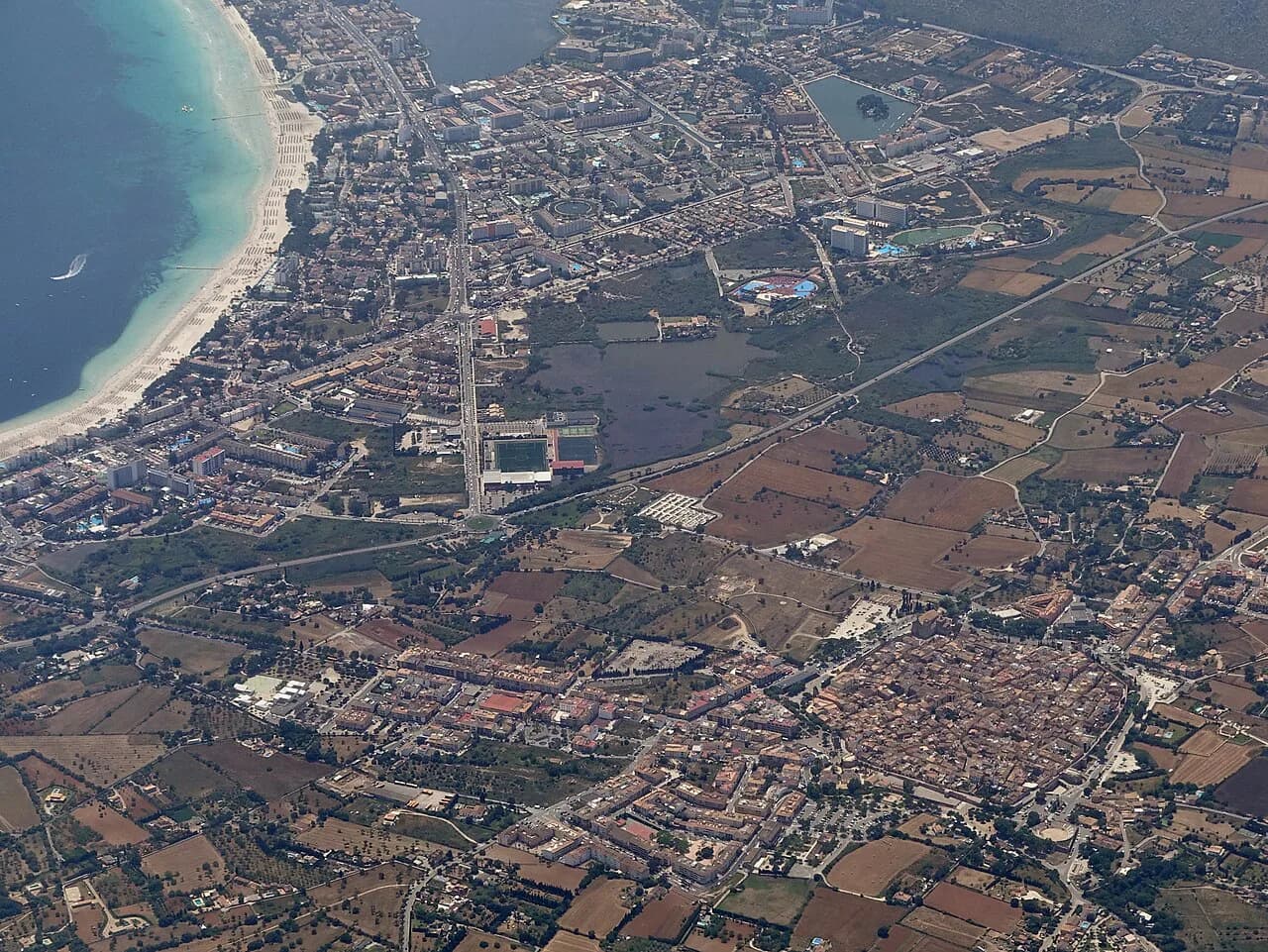
Alcúdia's main green space is a wetland, not a walled garden. The s'Albufera Natural Park spreads across more than 1,600 hectares near Playa de Muro, and its flat tracks suit walkers and cyclists far better than a formal garden would. This guide covers what that park is like, how to reach it, and where to find shade in the old town when the middle of the day is too hot for either.
Two corrections shape the planning. Hidropark Alcúdia is a water park with slides and pools, not a garden, so treat it as a separate outing. And the town's greenery is mostly the plain, working landscape of the wetland plus the stone squares inside the walls, which is why the wider things to do in Alcúdia are worth reading alongside this.
What green spaces does Alcúdia have?
The s'Albufera reserve sits on Mallorca's north-east coast near Playa de Muro, and it is one of the most important wetland areas in the Balearics. Within its protected boundary you find marshes, shallow lagoons and dunes, threaded by quiet paths that visitors can walk or ride. It is a landscape to move through rather than a garden to sit in, and that distinction should set your expectations.
The park is particularly known for its birdlife, which makes it the obvious stop for anyone travelling with binoculars. That same flat, open terrain means little overhead cover, so the shade you get comes from whatever you carry or find at the edges rather than from tree-lined avenues. Plan the visit around light and heat rather than around flower beds.
Inside Alcúdia's walls the green is different again: small squares framed in stone, where the shade comes from buildings and a few trees. If you want the full picture of what else fills a short break here, the wider set of things to do in Alcúdia puts the old town, the Roman site and the coast in one framework.
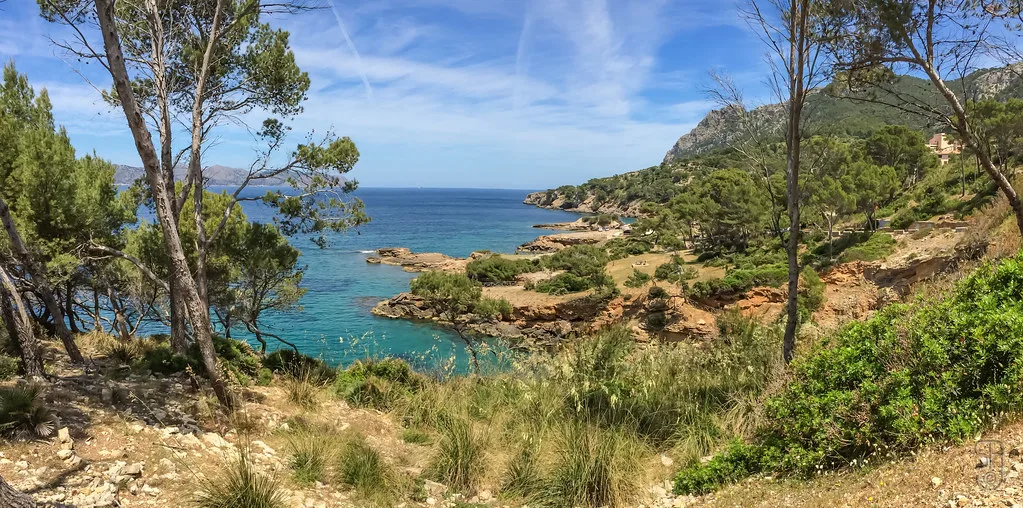
s'Albufera Natural Park: the wetland on Alcúdia's doorstep
The reserve's scale is the first thing to absorb. More than 1,600 hectares of marsh, lagoon and dune lie between the built-up coast and the open water, which is why the birdwatching is so varied and why a quick loop barely scratches it. Set aside a proper block of time rather than squeezing it between two other stops.
Access is managed, and a visitor entrance controls where you may walk and what you may bring. Confirm the entrance point, opening arrangements and any seasonal restrictions before you set out, since those are the details that change. Check prices and opening hours through the park authority's own channel rather than through resellers.
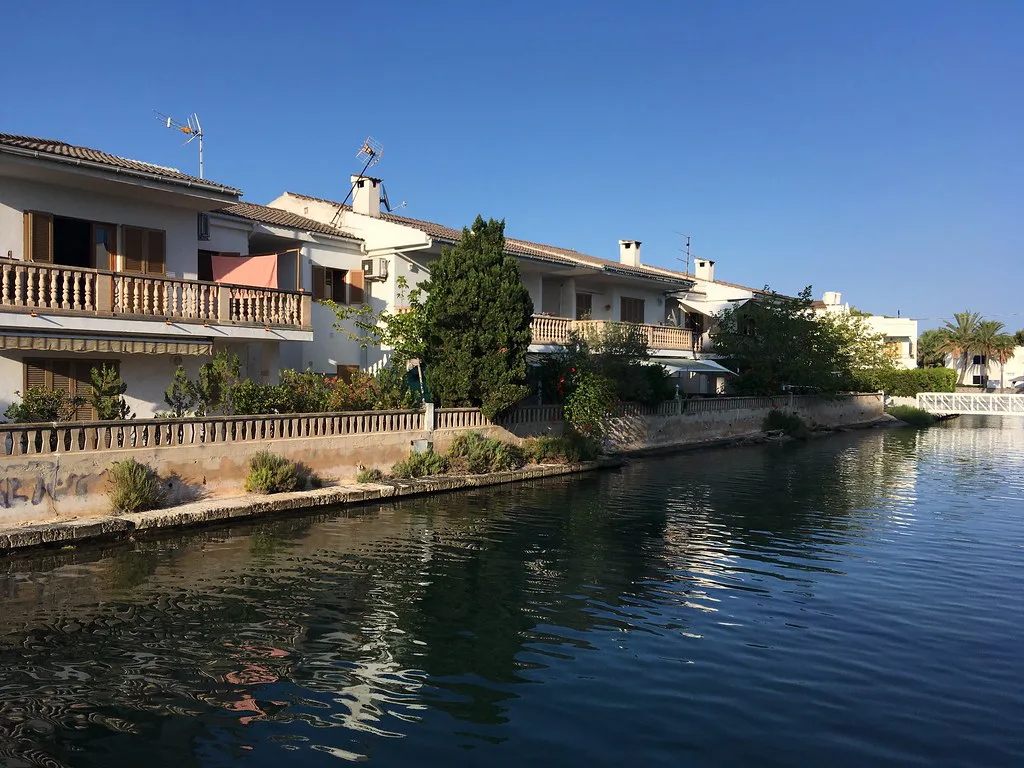
Walking and cycling routes in s'Albufera
The park suits anyone who prefers flat ground. Visitors explore its calm trails on foot or by bicycle, passing through marshland, lagoons and dunes in sequence, so a ride covers more habitat than a walk in the same time. Cycling is the efficient choice if your aim is to see several parts of the reserve in one visit.
Distances inside a reserve this size add up quickly, and the flat terrain offers no shelter once the sun is high. Start early, carry water and treat the middle hours of a summer day as time to be elsewhere. If a full day outdoors feels like too much, splitting it with a shorter afternoon in the old town keeps the pace sensible.
Birdwatching in s'Albufera
Birdlife is the reserve's defining draw. The mix of marsh, open water and dune supports a wide range of species, which is why ornithologists treat the site as a destination in its own right rather than a pleasant add-on to a coastal stay. Bring optics and patience; a hide or a quiet stretch of track rewards a slow hour more than a fast circuit.
Photographers should think about light direction as well as species, since low sun over open water is what makes the wetland legible. Arrive with a route planned so you spend the best hours in the right place rather than working it out on the track.
Getting to s'Albufera without a car
The reserve lies close to Playa de Muro, and the surrounding road network makes it easy to reach by car, which is also why high-season parking is the weak point of any visit. Parking in Mallorca can be complicated in peak months, so arriving early matters more than any other planning decision.
If you are driving, look at paid options around the busy coastal zones before you go rather than circling on arrival. Commercial operators list spaces near Playa de Muro and Palma, and booking ahead removes the worst of the uncertainty.
For a car-free day, buses along the north coast are the usual route, and the transport operator's published timetables are the only reliable source for times. Check them the day before, note the last return, and remember that a missed bus at a rural stop is a long wait. The Alcúdia map helps you see how the resort strip, the port and the old town line up before you commit.
Shade and squares in Alcúdia Old Town
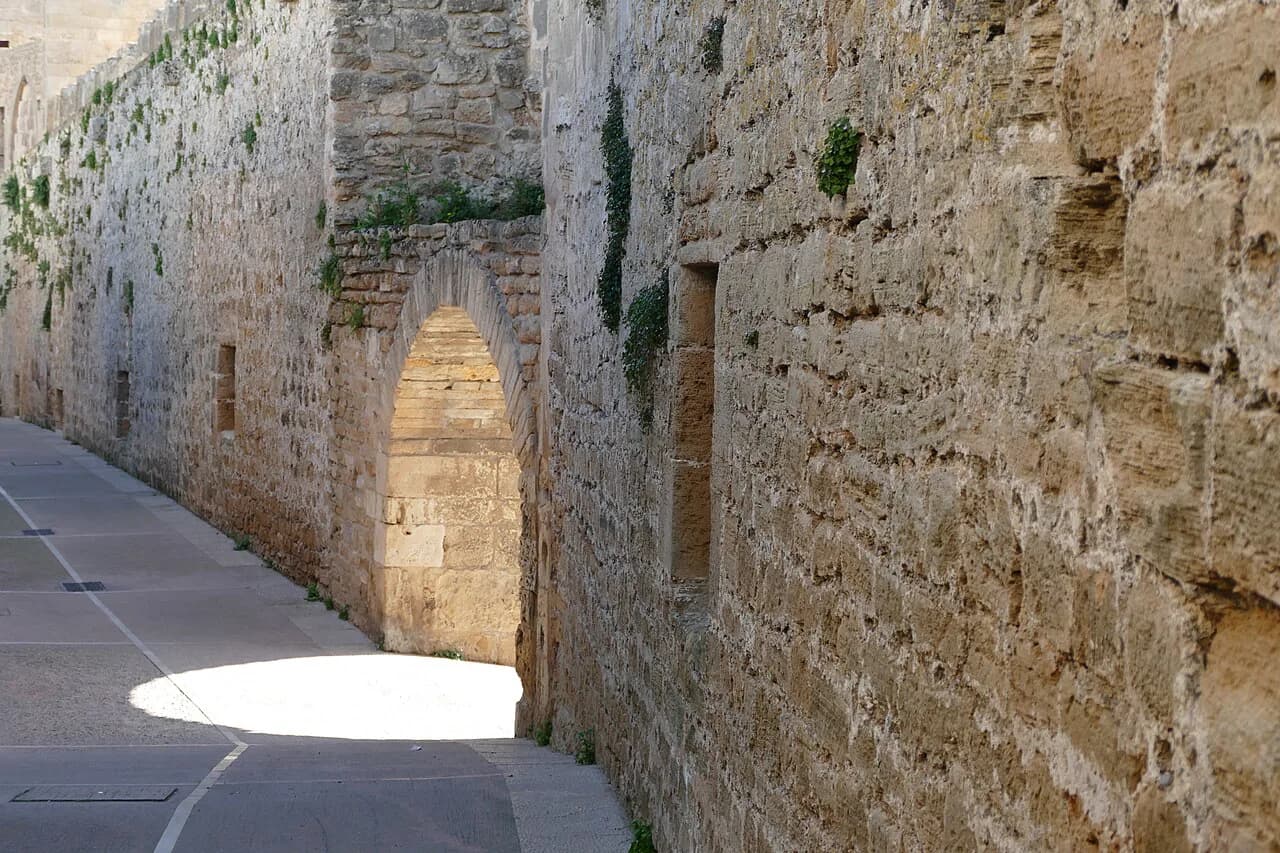
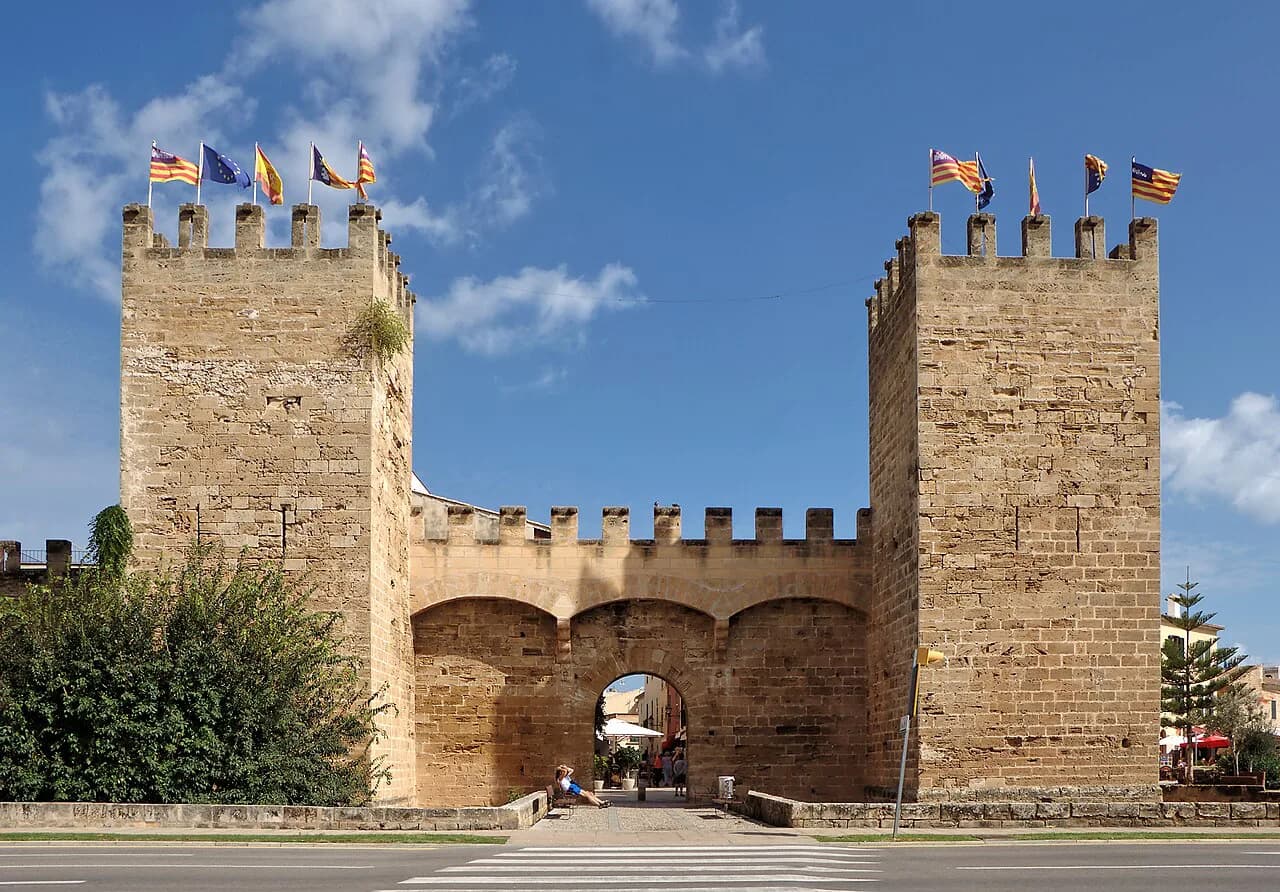
The old town offers the kind of shade a wetland cannot: stone walls, narrow lanes and small squares where you can sit out the hottest part of the day. Walk in through one of the historic gates and the streets tighten immediately, cutting the sun. It is the natural counterweight to a morning in the reserve.
The old town's gates anchor a circuit of the walls, with the Porta de Mallorca and Porta del Moll the two to look for by name. Entering by one and leaving by the other lets you cross the town end to end without retracing your steps. Use the Alcúdia Old Town guide to plan the crossing before you go.
Allow time for the squares themselves rather than treating them as a corridor. A slow circuit of the centre, with a stop for a drink in the shade, is the realistic plan for a hot afternoon. If you want to combine that with browsing, shopping in Alcúdia fits neatly into the same loop.
Hidropark Alcúdia: a water park, not a garden
Hidropark Alcúdia is a water park in the north of Mallorca, built around slides, pools and splash areas rather than planting. Its draws include the Freefall and High Riders slides, spiral tunnels, racing lanes, a wave pool and a slow river, plus shallower zones for younger children. If you are looking for gardens, this is not the place; if you want a cool, high-energy day, it is.
Facilities on site include cafés and snack bars, shaded rest areas, changing rooms and showers, with sunbed or locker hire subject to availability. That combination makes it a workable half-day or full-day outing for groups with mixed ages. Book tickets through the operator's own channel and read the current price and season dates there before you commit.
Practicalities: heat, parking and closing days
Summer heat is the constraint that shapes every outdoor plan in this part of Mallorca. The wetland has almost no cover, so early mornings and late afternoons are the sensible windows, with the middle of the day spent in the old town or indoors. Carry water even on a short walk, and take the heat seriously rather than treating it as background.
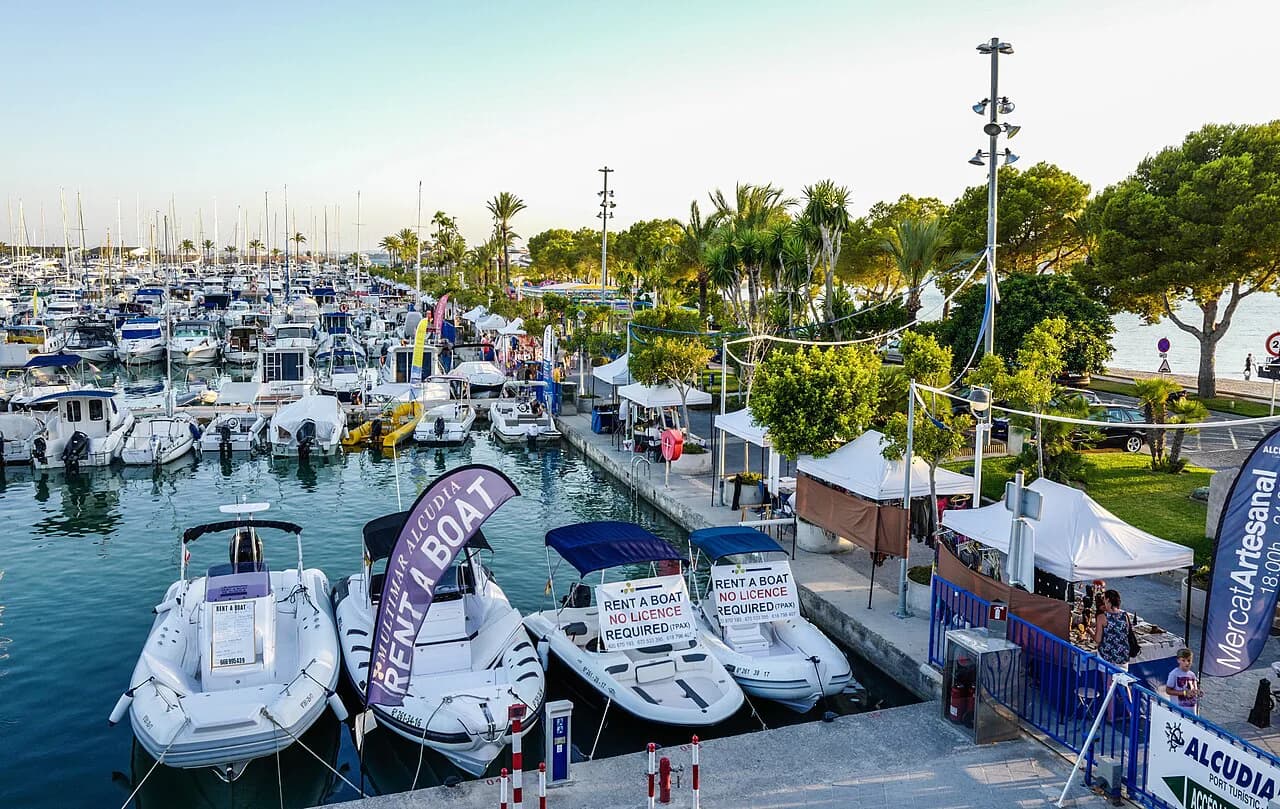
Parking is the second constraint. High-season demand around Playa de Muro and the coastal resorts is heavy, and reserving a space in advance is the simplest way to protect a morning at the reserve. If you are weighing other outdoor outings, a boat trip from the port gives you a different view of the same coastline without the parking problem.
Opening days matter more than you might expect: small sites, churches and ticketed attractions in Mallorca commonly close one day a week or shut to tourists during services. Confirm the day you plan to visit on the operator's own page before travelling across the island. That single check saves more time than any other preparation.
Wetland morning or walled-town afternoon?
Build the day around the light. Give the morning to s'Albufera, when the air is cool and the birds are active, then retreat to the old town's squares when the sun is at its height. That pairing uses the two best green experiences Alcúdia has without pretending either is a formal garden.
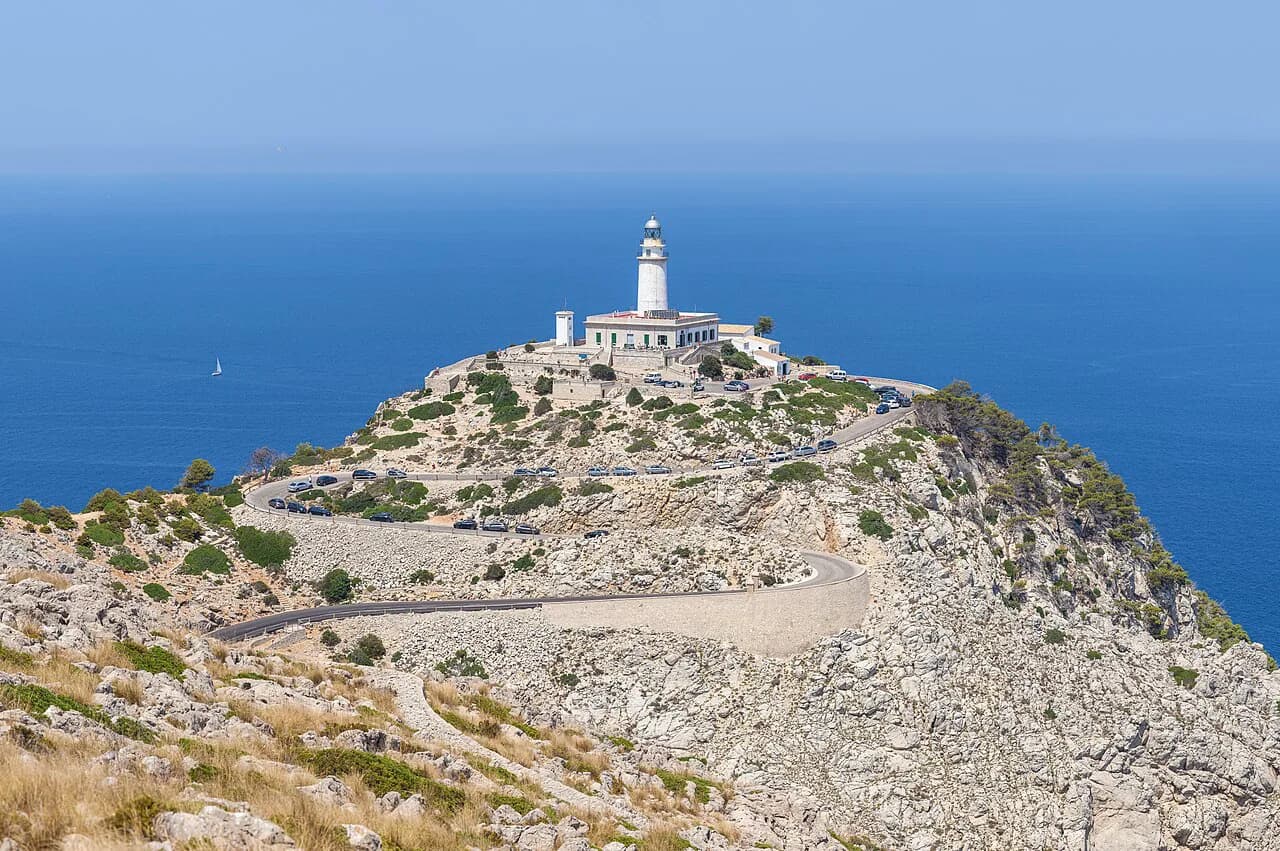
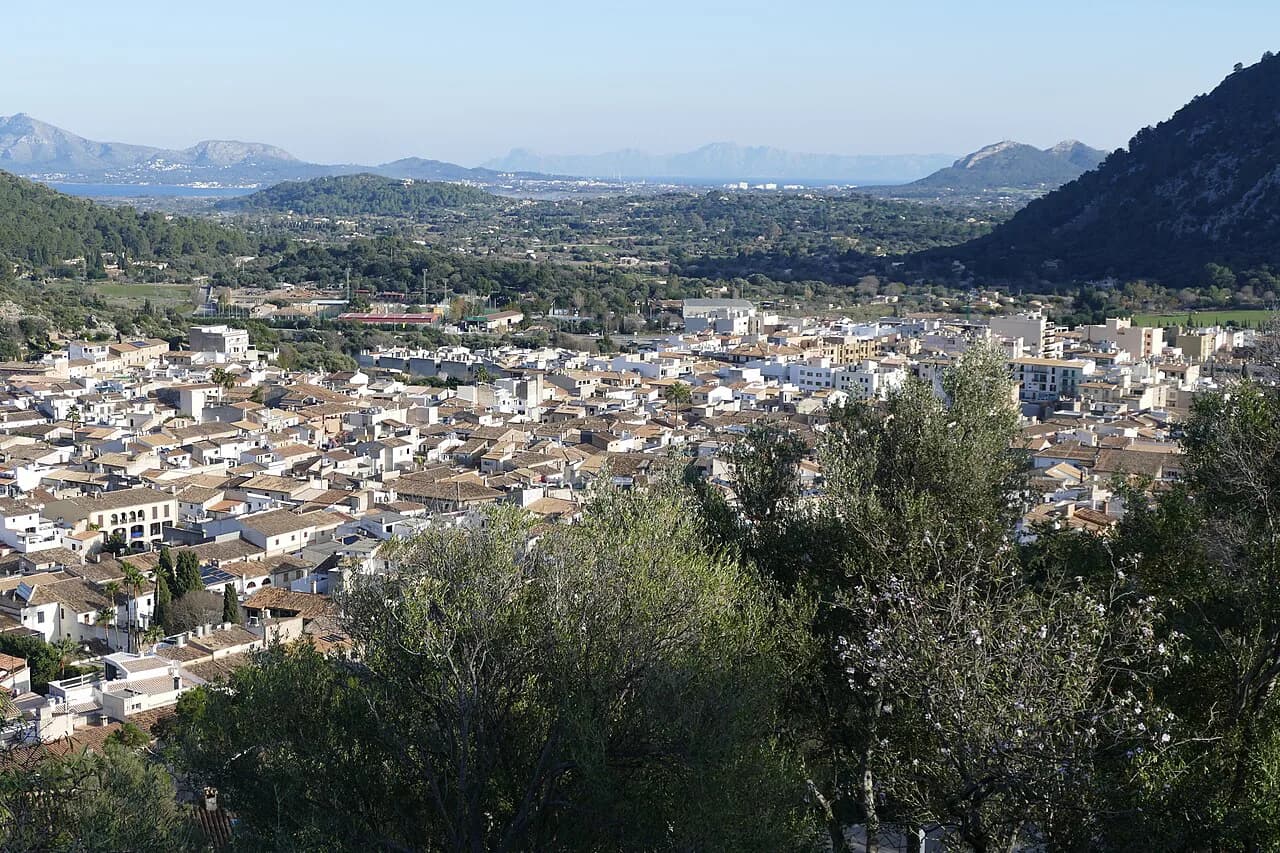
If you have a second day, the Roman city of Pollentia sits within the town and makes a natural companion to the walls. Beyond Alcúdia, the Cap de Formentor road and the lanes of Pollença old town are the obvious extensions for anyone with a car.
Frequently Asked Questions
Is Alcúdia a green part of Mallorca?
Its green space is the s'Albufera wetland rather than formal gardens, and the old town itself is stone squares and narrow streets. If you want planted gardens, plan around the reserve and the surrounding countryside instead.
Can you visit s'Albufera without a car?
Yes, by bus along the north coast, but the timetable is the thing to check before you go. Confirm the times with the transport operator the day before and note the last return.
Is Hidropark a garden?
No. Hidropark Alcúdia is a water park with slides and pools in the north of Mallorca. Treat it as a separate outing from the wetland and old town.
Sources
Notes for your next Spanish town break
Optional updates to our guides.
You might also like
Continue reading
More guides you'll find useful