Dénia Old Town: Streets, Squares and Castle Route
Walk Dénia old town from Plaça del Consell to the castle, through Les Roques, Carrer Loreto and Plaça de la Constitució, with a 2.5 km route and castle views.
On this page
Dénia old town is a single continuous walk of about 2.5 km, taking roughly one and a half to two hours at an easy pace with one moderate climb to the castle. The historic core sits on the slope below the fortress in the Marina Alta, on the Costa Blanca roughly an hour from both Valencia and Alicante, with the Montgó massif behind it. This route links Plaça del Consell, the air-raid tunnel, the walled Les Roques quarter, the castle hill, the raisin-boom streets and Baix la Mar in one loop you can slot into a short break.
Where Dénia old town sits
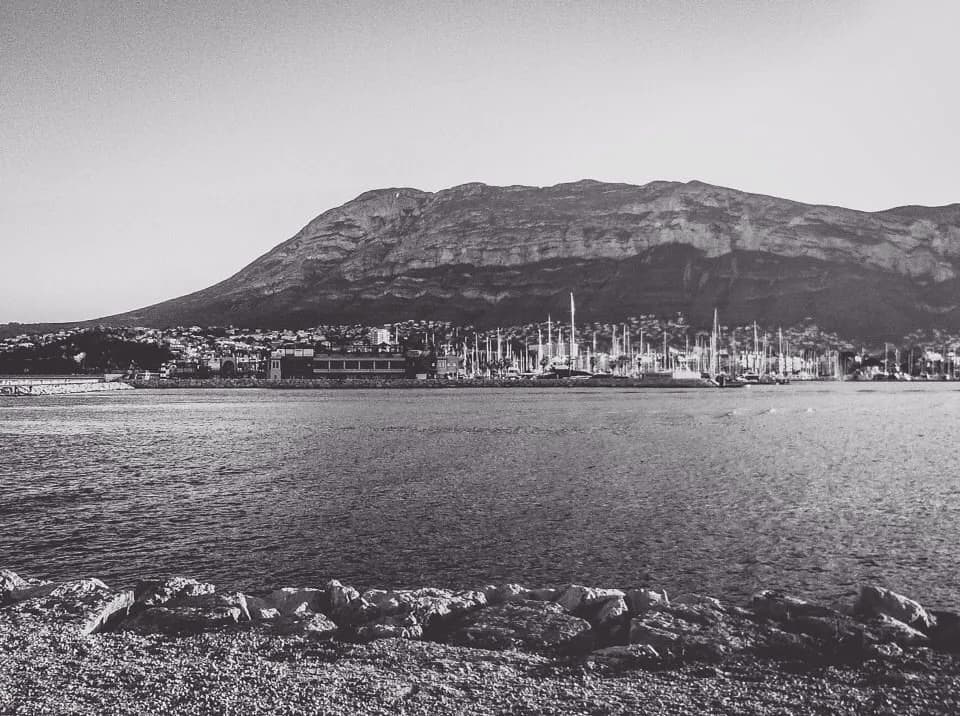
The old town occupies the rising ground between the port and the castle hill, so almost every route through it involves some slope. Dénia is the main town of the Marina Alta and the closest peninsular port to the Balearic Islands, which shapes the waterfront end of any walk. Treat the historic quarter as a half-day in its own right rather than something you squeeze between the port and the beach.
The route at a glance
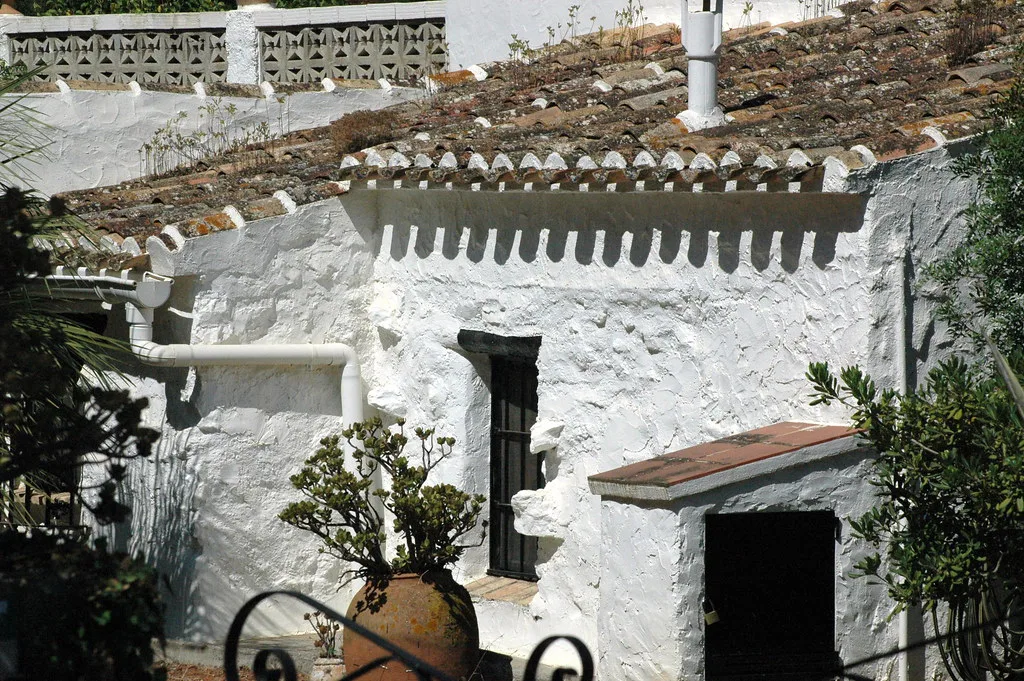
The tourist office sets out an itinerary of approximately 2.5 km, estimated at 1 hour 30 minutes to 2 hours, graded low difficulty with a moderate slope up to the castle. Plan the climb for the morning, when the stone lanes are still in shade and the light from the castle terrace is clearest, and carry water, since the ascent is short but steady. Two hours is realistic if you stop at the viewpoints and read the panels; allow longer if you add both museums. For the rest of the town beyond the old quarter, see Things to Do in Dénia.
Start at Plaça del Consell and the tunnel-refuge
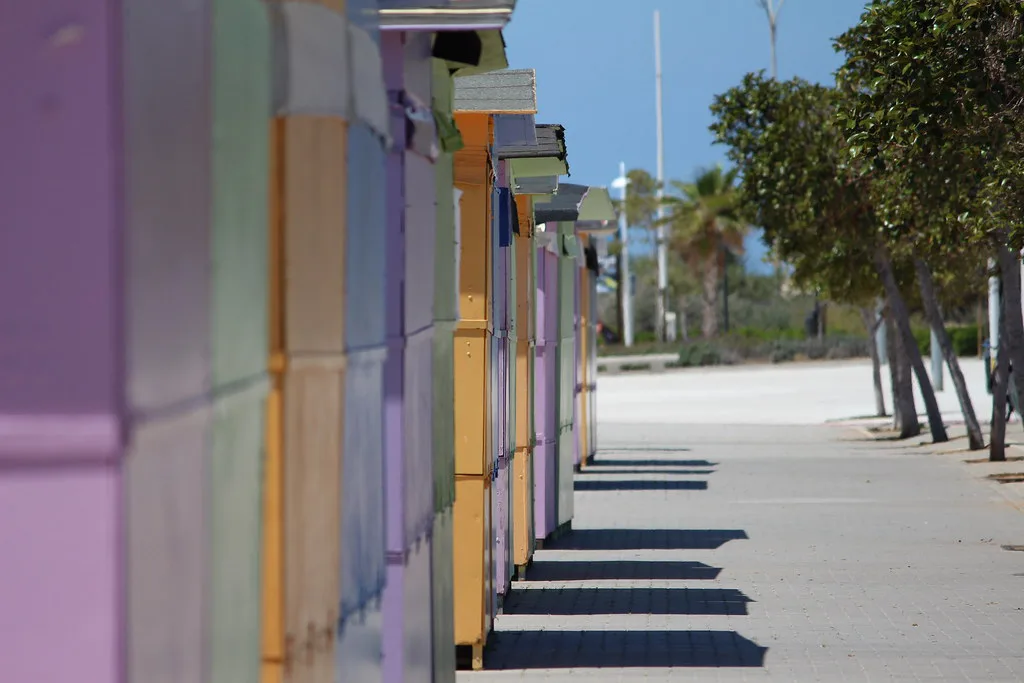
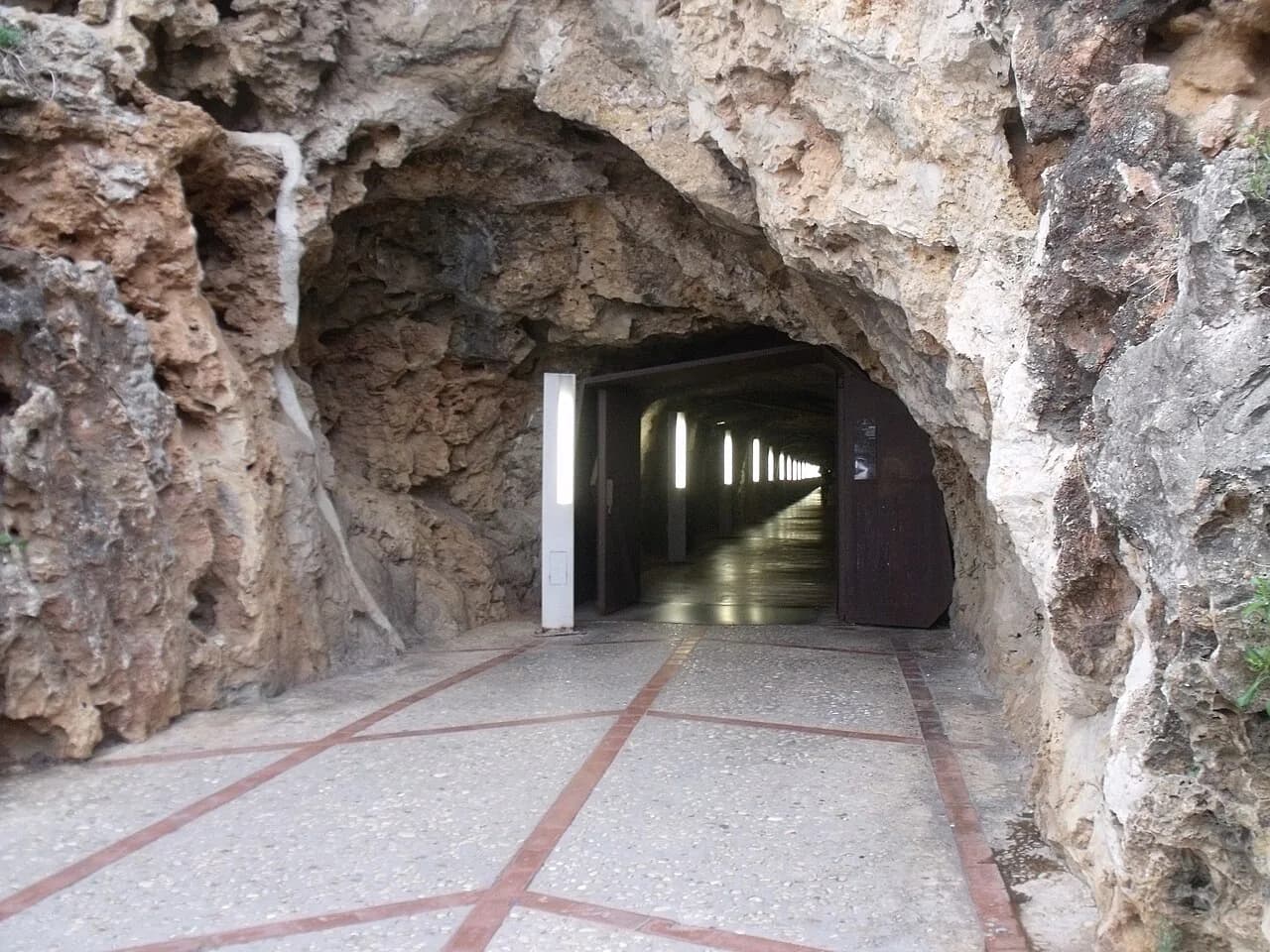
Begin at Plaça del Consell, where the tourist office is one of the two stated starting points for the walk, the other being Plaça de la Constitució. From the square, the tunnel-refuge built in 1937–1938 cuts through the hill under the castle and connects Plaça del Consell with Carrer Ronda de les Muralles along the outer wall line. It is now a museum space open to pedestrians, so walking it first saves you the climb and drops you straight into the old defences.
Les Roques, the quarter inside the walls
Les Roques sits within the walls at the foot of the fortress and formed part of the medina, the Arab city that predates the thirteenth-century Christian conquest. The lanes here are narrow and the houses low, which is why the quarter feels different from the grander streets below it: this is the oldest inhabited fabric rather than a facade. Walk it slowly on the way up, then look back down over the rooftops from the castle terrace.
The castle hill: walls, towers and views
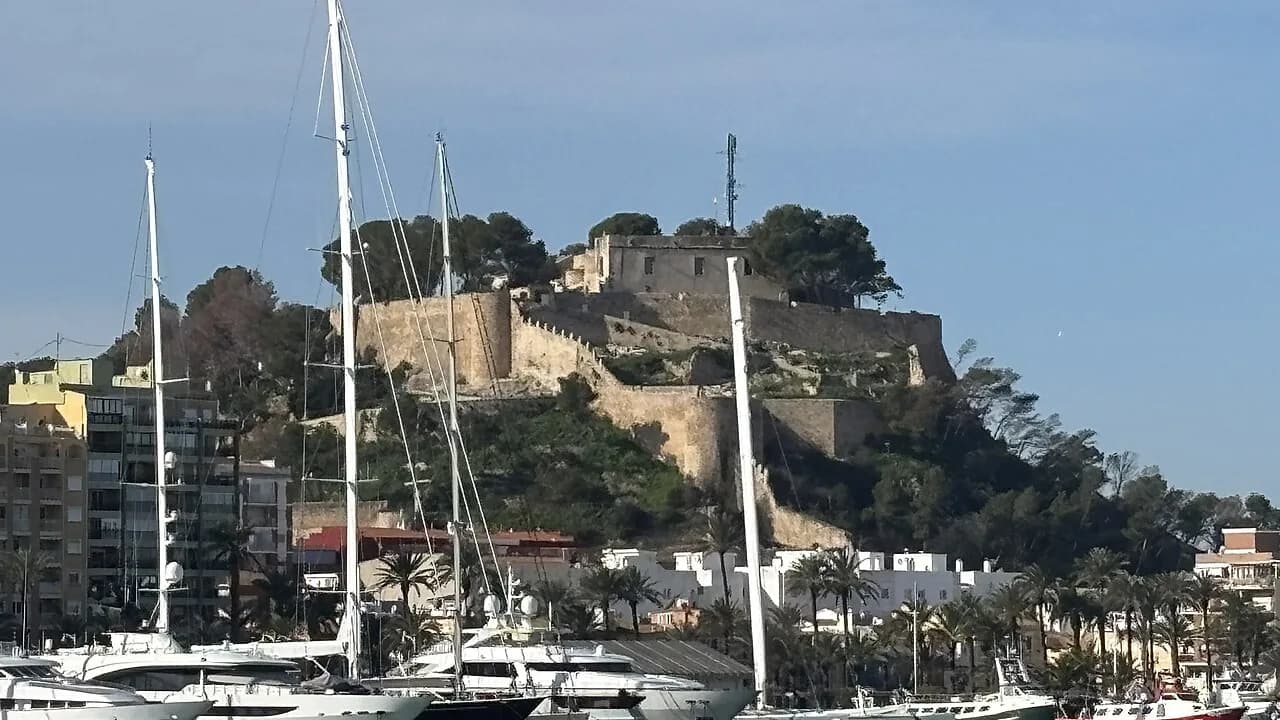
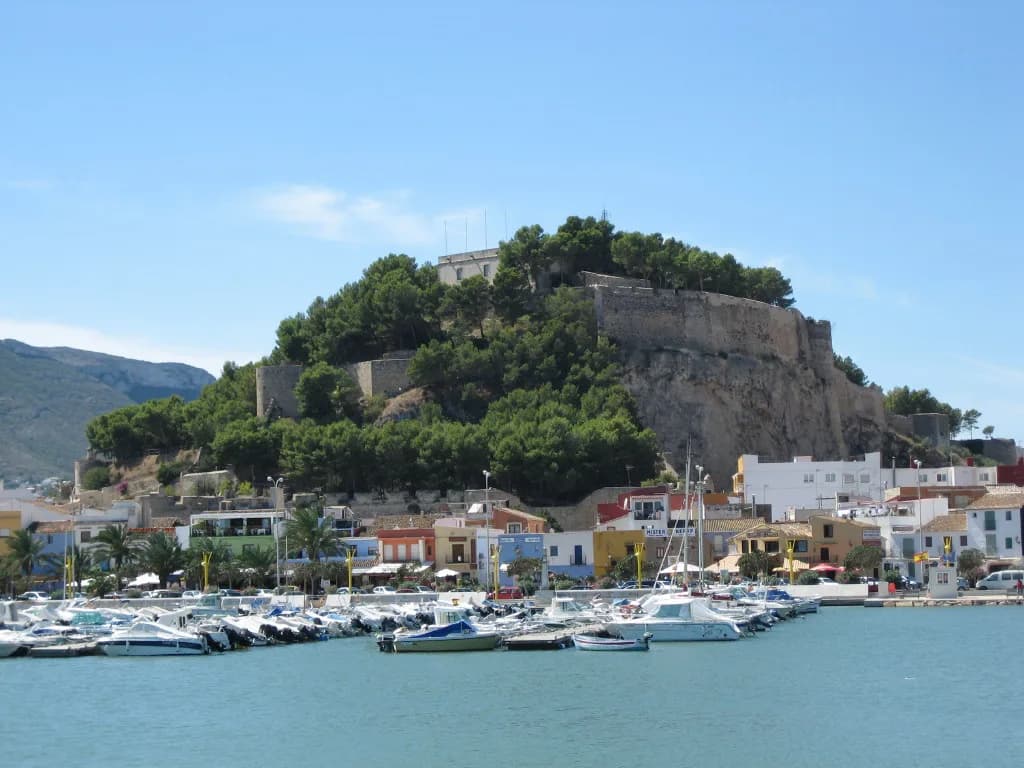
The castle crowns the town at more than 60 metres above sea level and is the best viewpoint in the Marina Alta, with the port, the old quarters and the Montgó laid out below. Its fabric is mainly Islamic of the eleventh and twelfth centuries, with a Christian remodelling after the 1244 conquest. Inside, the Torre del Consell is of Almohad origin and housed the medieval town council, while the seventeenth-century Palau del Governor, built under the Duke of Lerma, now holds the archaeological collection covering some 2,000 years of local history. The walls, towers and gates carry both Islamic and medieval work, and the Centro de Interpretación Dénia Ciutat Vigia at the top explains the town period by period. For the sight in detail, see the Castillo de Dénia page.
Carrer Cavallers and the raisin-boom houses
Coming down from the castle, the streets that carry the nineteenth-century raisin trade are Carrer Cavallers, Carrer Major, Carrer Sant Josep and Carrer Loreto, lined with the townhouses of the merchant bourgeoisie. The Museu Etnològic on Carrer Cavallers recreates that bourgeois life and the raisin boom in its original building, with period furniture and dress. The Museu Arqueològic, in the old Casa de la Marquesa de Valero de Palma at Carrer Cavallers 3, holds archaeological pieces spanning the town's periods; it is worth checking the Dénia map before you set out so you find both without backtracking.
Plaça de la Constitució and the blue-tiled dome
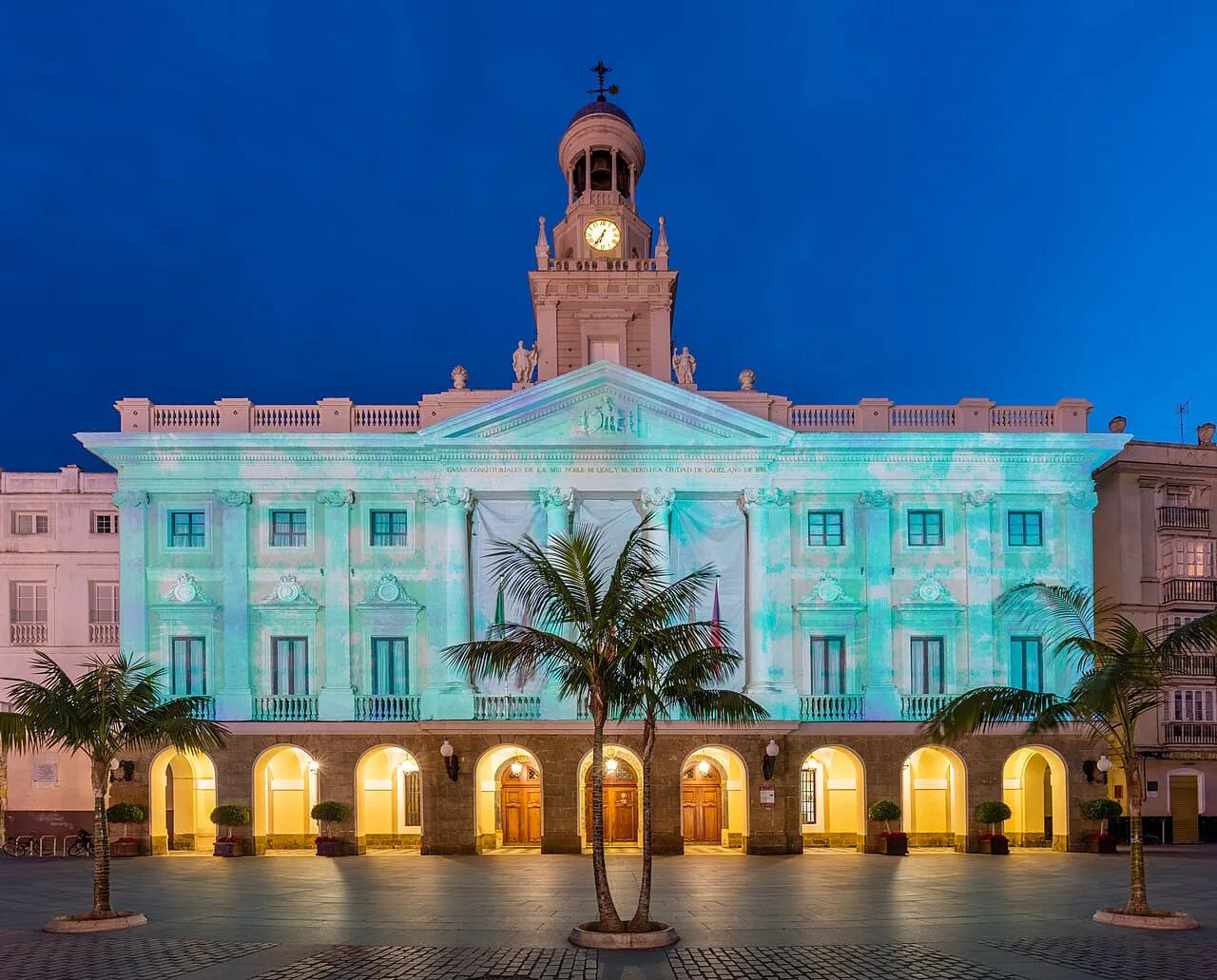
Plaça de la Constitució holds the Iglesia de Nuestra Señora de la Asunción, recognisable by its blue-tiled dome, and the town hall, whose facade has Roman tombstones set into it. The church is visitable during liturgy hours rather than as a paid monument, so slot it into the walk around a service instead of treating it as a fixed opening. That single constraint is the main reason to keep the square flexible in your plan.
Carrer Loreto and Carrer Sant Narcís
Carrer Loreto is the pedestrian street of terraces at the heart of the old town, and the surrounding squares and lanes hold the rest of the quarter's tables. On Carrer Sant Narcís, the Iglesia del Loreto stands on the site of an old hermitage beside the Augustinian convent, and its main altar retablo and the image of the town's patron are visible through the window at the entrance door. Tuck that glance into the walk; it costs a minute rather than a visit.
Baix la Mar and the port edge
Baix la Mar is the fishermen's quarter, a grid of low coloured houses between the old town and the harbour, and it marks where the historic core gives way to the port. The waterfront brings the marina and the ferries to the Balearics into view, so the walk ends naturally on the quay rather than back at the castle. If you want time on the water, a Dénia boat trip leaves from this same edge.
Fitting the old town into a short break
The climb is short but real: the castle is reached either by an asphalted path or the historic cobbled way, so wear shoes that suit both. Heat is the bigger constraint, and a summer midday is not the time to start the ascent; go early and keep the shaded lanes for later. Accessibility is partial: the town hall, the archaeological museum and the castle allow vehicle access up for people with reduced mobility with prior authorisation, but the Centro de Interpretación Dénia Ciutat Vigia inside the castle and the Museu Etnològic are not accessible.
Trade-offs: the climb, the heat and access
Castle hours follow the seasons: winter, November to March, roughly 10:00 to 18:00; spring and autumn, April to October, to 19:30; and summer, June to September, to 20:30, with July and August extending to midnight. Adult admission has been listed at 3 €, with reduced rates for children, students and pensioners and free entry for residents. Hours and prices change, so confirm the current band at the ticket office or the tourist office before you build the day around them.
Castle opening times and tickets
Castle hours follow the seasons: winter roughly 10:00 to 18:00, spring and autumn to 19:30, and summer to 20:30, with July and August extending to midnight. Tickets have been listed at 3 € for adults, with reduced rates for children, students and pensioners and free entry for residents. Hours and prices change, so confirm the current band at the ticket office or the tourist office before you build the day around them.
Where the old town stops
The historic core ends at the ring of Carrer Ronda de les Muralles and the harbour side, with Baix la Mar as the last old quarter before the port. Beyond that, the town spreads into its modern beaches and marina, which belong to a different kind of day. Walk the old town as one loop and leave the coast for when the castle has been seen.
Morning at the castle or evening in the lanes?
Take the castle first thing, when the climb is cool and the terrace over the port and the Montgó is at its clearest, then work down through Les Roques, Carrer Cavallers and Plaça de la Constitució at an unhurried pace. If the church matters to you, check the liturgy times at the square rather than planning around a fixed opening. Finish in Baix la Mar with the harbour in front of you, which is where the old town gives way to the water.
Explore more Dénia guides
Frequently Asked Questions
What route does the Dénia tourist office suggest for the old town and castle?
An itinerary of approximately 2.5 km, estimated at 1 hour 30 minutes to 2 hours, graded low difficulty with a moderate slope up to the castle. It starts either at the Plaça del Consell tourist office or at Plaça de la Constitució and links the castle with the medieval and Islamic walls, the old quarters and the churches, including the tunnel-refuge built in 1937–1938.
What can you see inside the Castle of Dénia?
The walls, towers and gates of Islamic and medieval work, the twelfth-century Almohad Torre del Consell, the seventeenth-century Palau del Governor with the archaeological collection covering some 2,000 years of history, the Centro de Interpretación Dénia Ciutat Vigia explaining the town period by period, and the terrace with panoramic views over the port, the old quarters and the Montgó. The castle stands more than 60 metres above sea level.
Sources
Notes for your next Spanish town break
Optional updates to our guides.
You might also like
Continue reading
More guides you'll find useful