Maó (Mahón), Menorca: Old Town, Harbour and What to See
Use Maó as your Menorca base: the old town, the harbour and its islands, plus a walking route and how long to allow in Menorca's capital.
On this page
Maó (Mahón) is Menorca's capital, and a day is enough to see the old centre and the harbourfront properly. Give it a full day if you want the harbour islands and one of the forts as well, because both sit outside the town and need wheels or a boat. This guide explains how the town is arranged, which buildings are worth your time, and how Maó fits a break based at the other end of the island.
The town works on two levels, and that single fact shapes the day. The harbour runs below, with the promenade along the water, while the historic centre sits on the hill above it, reached through lanes of stone steps and colonial-style houses. Climb up once, see the centre, then come down for the port rather than going back and forth in the heat.
Where Maó sits and why the harbour matters
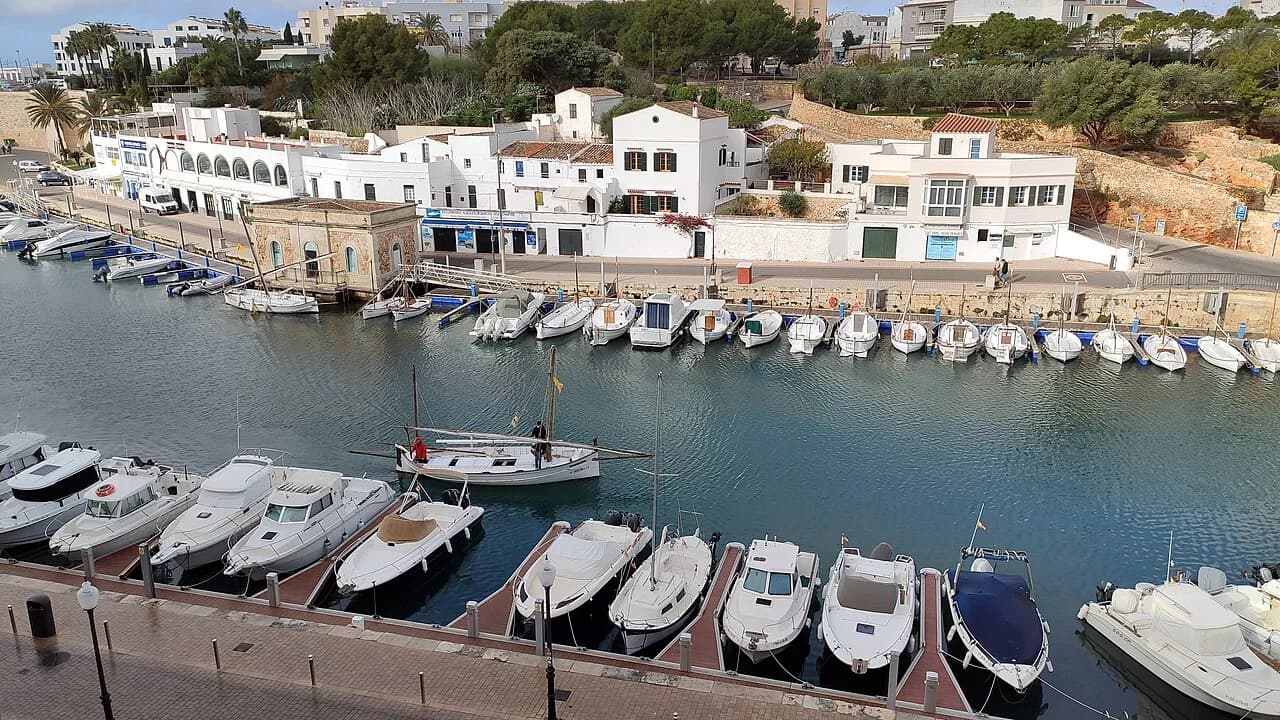
Maó occupies Menorca's east coast and wraps around a natural harbour that runs inland for several kilometres, which is why the city grew here rather than anywhere else on the island. The port is the reason to start your day at water level: it is the town's defining feature, and the waterfront is where the two sides of Maó visibly meet.
For a UK traveller, Maó is the capital and the practical question is when to give it its own day rather than squeeze it around a flight. Morning is the better half: the centre is cooler, the lanes are quieter, and you still have the afternoon for the port side.
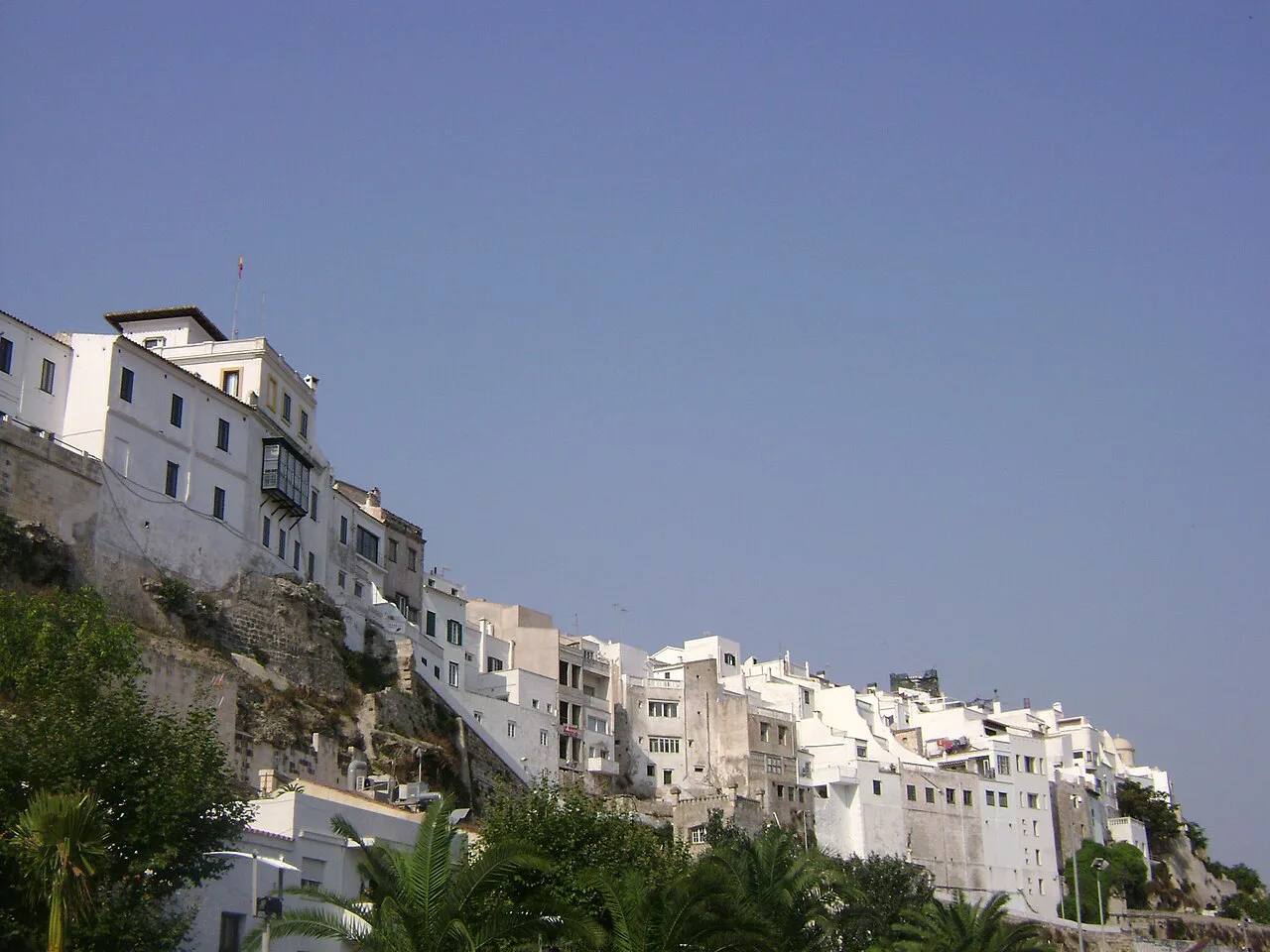
How the town is laid out: harbour below, old centre above
Think of Maó as a staircase. The port and its promenade occupy the lower ground, the old town occupies the ridge above, and almost everything you want to see in the centre is within a short walk once you are up there. Plan one climb, one loop of the lanes, and one descent. A separate guide covers the Ciutadella Old Town if you are also visiting the western end of the island.
The centre is compact enough to cover on foot, and staying in the middle means you can leave the car behind for the town itself. Save the vehicle for the outlying sights, where the distances across the island are the real obstacle rather than the streets.
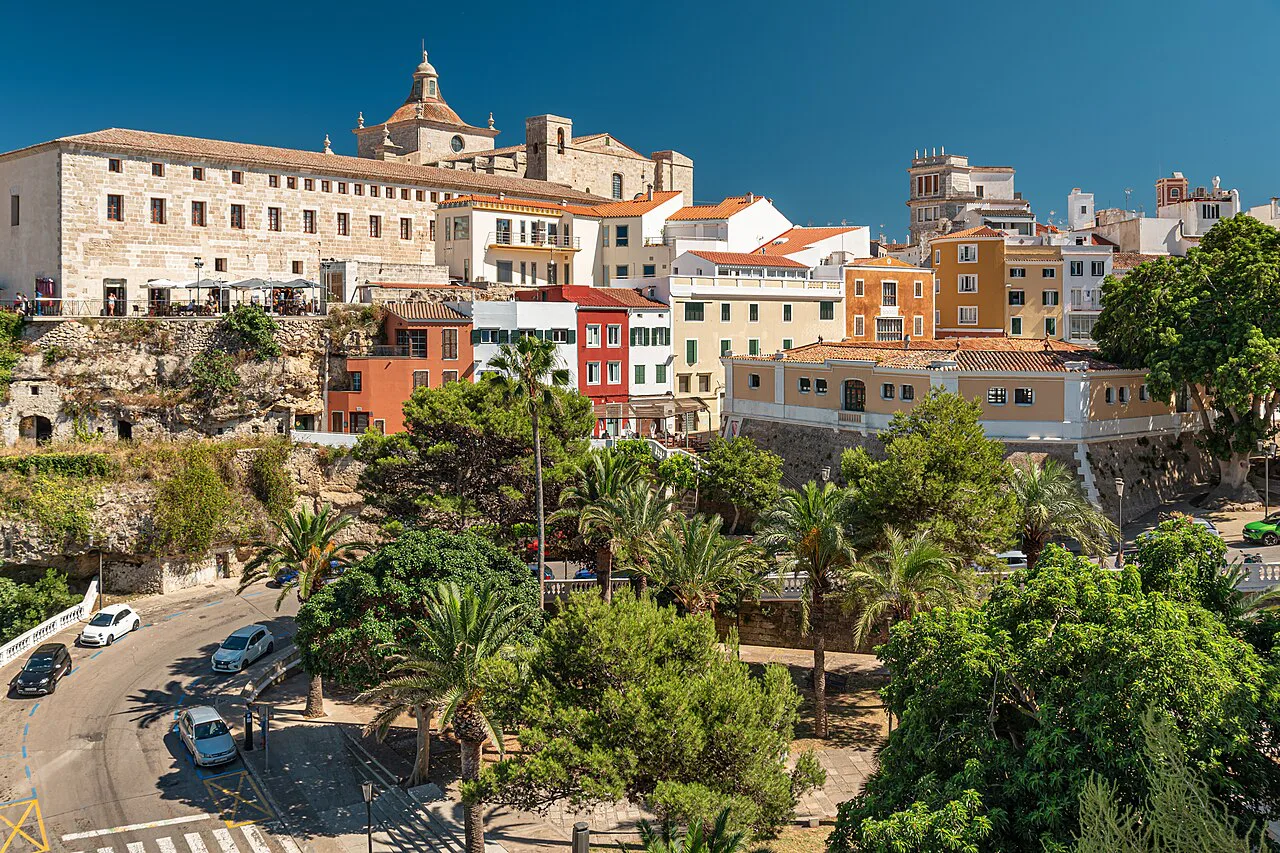
Start at the port: promenade, ferries and boats
Begin on the waterfront. The harbour stretches more than six kilometres in length, so treat the promenade as a taster rather than a full walk, and use the ferries and boat excursions to see the rest. Boat trips around the port carry commentary on its landmarks, including La Mola, the Illa del Rei, the Castell de Sant Felip and the naval base, and the crossing lasts about an hour.
Foot passengers can also cross to the Illa del Rei, the triangular island in the middle of the harbour that once held a military hospital built by the British in the eighteenth century and now stands in ruins. Check sailing times at the port on the day, since the crossing is short but not continuous.
The island in the harbour and its gallery
Permanent exhibitions are staged in the former military hospital buildings, alongside the crossing itself. Pairing the boat ride with a gallery visit is the tidiest way to use a morning on the water.
The island is small and exposed, with little shade on the walk from the landing stage, so take water. Confirm the current exhibition and its visiting days before you build a morning around the gallery.
The old town on foot
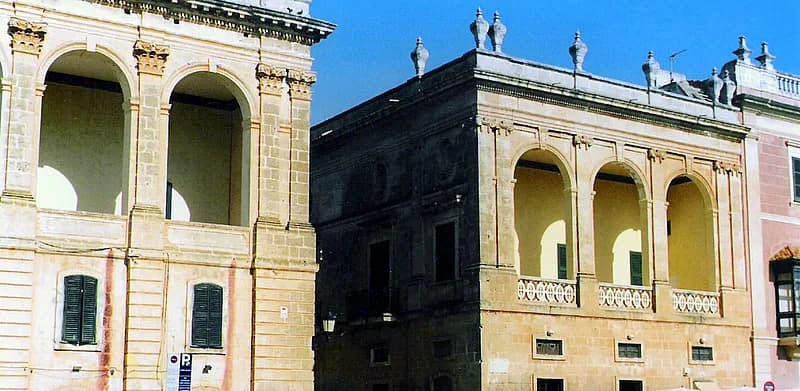
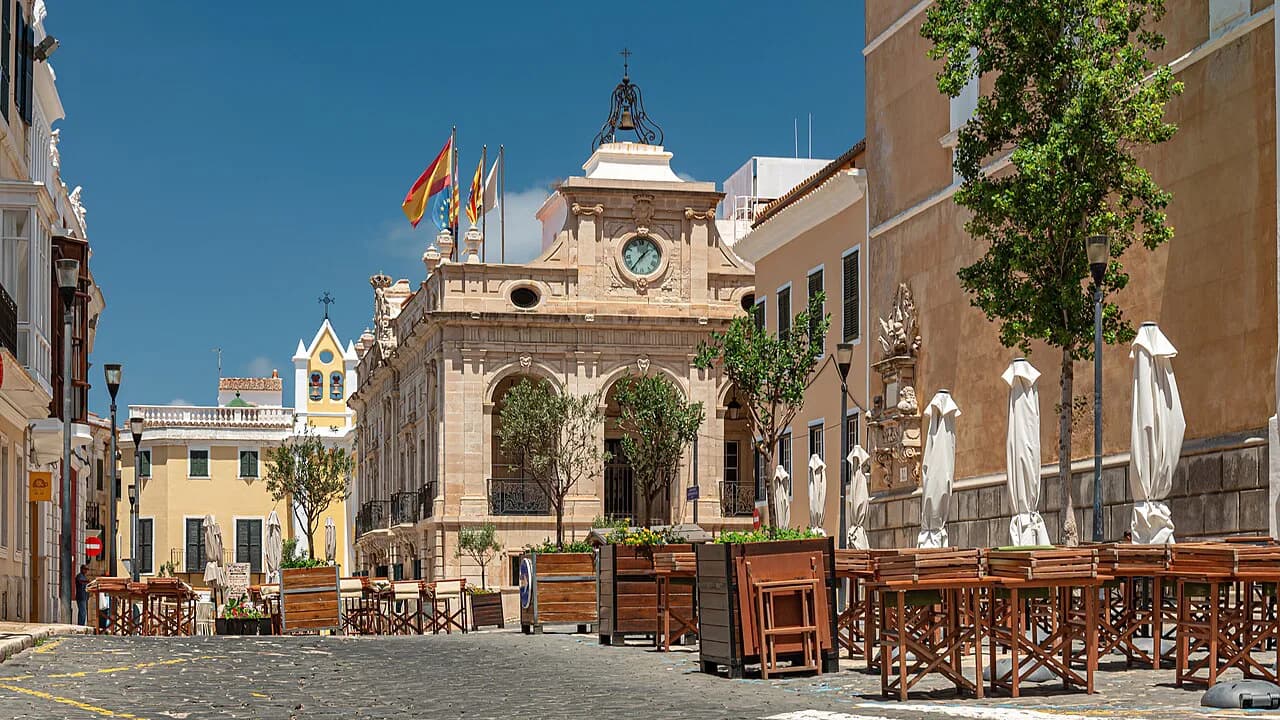
The historic centre is a knot of cobbled lanes, colonial-style buildings and small squares, and the obvious anchor is the Ajuntament, whose neoclassical façade faces the square. From there, wander the lanes and the streets running down to the port.
This is the part of Maó to see without a plan. Set a meeting point, allow the lanes to slow you down, and keep the church and the convent cloister as fixed stops so the walk has shape.
Santa María and its German organ
The Església de Santa María holds a German romantic organ built between 1807 and 1810 by Johann Kyburz, with four manuals, more than 3,000 pipes and a height of around fifteen metres. That specification is what makes the church worth a stop even for visitors with limited interest in churches.
The organ is played for services and concerts rather than as a background soundtrack for tourists, so plan around the church's own schedule if hearing it matters to you. Confirm the current visiting times and any concert dates locally before you go.
El Claustre del Carme
El Claustre del Carme began as an eighteenth-century Carmelite convent and now functions as a multi-use space in the centre, with a local produce market, bars, shops and a cultural programme through the summer, with activities running Tuesday to Sunday. It is the one spot in the old town where you can shop, eat and see something in a single stop.
Its programme changes by season, so treat the market and events as a bonus rather than the spine of your day. If you are in Maó for a specific evening, check what is on first.
Military Menorca: La Mola and Sant Felip
The Fortalesa de La Mola guards the mouth of the harbour and dates from the nineteenth century, and it is one of the island's major military monuments. Guided tours run for around two hours and take in the fort's interior, the defences and the views; for the history of the port, this is the visit to prioritise.
The Castell de Sant Felip on the opposite side of the harbour was begun between 1552 and 1556 to defend the city, and you can walk through its broad underground galleries. It makes a natural companion to a harbour boat trip, since both forts are visible from the water.
Both forts sit outside the town and need transport; neither is on the centre's walking loop. Check current visiting days and any tour departure times with the operators, as these govern whether the trip is worth the drive on your date.
Views and the water: Cova d'en Xoroi at Cala en Porter
At Cala en Porter, about twelve kilometres from Maó, the Cova d'en Xoroi is a set of caves and terraces cut into the cliff some thirty metres above the sea, with broad views along the coast. It runs as a venue with a bar, so expect a livelier atmosphere than a plain viewpoint and check its opening hours before a visit.
For a straightforward afternoon on the water, the harbour boat is the lowest-effort option in Maó itself, with commentary on the port's landmarks.
The 1927 fish market
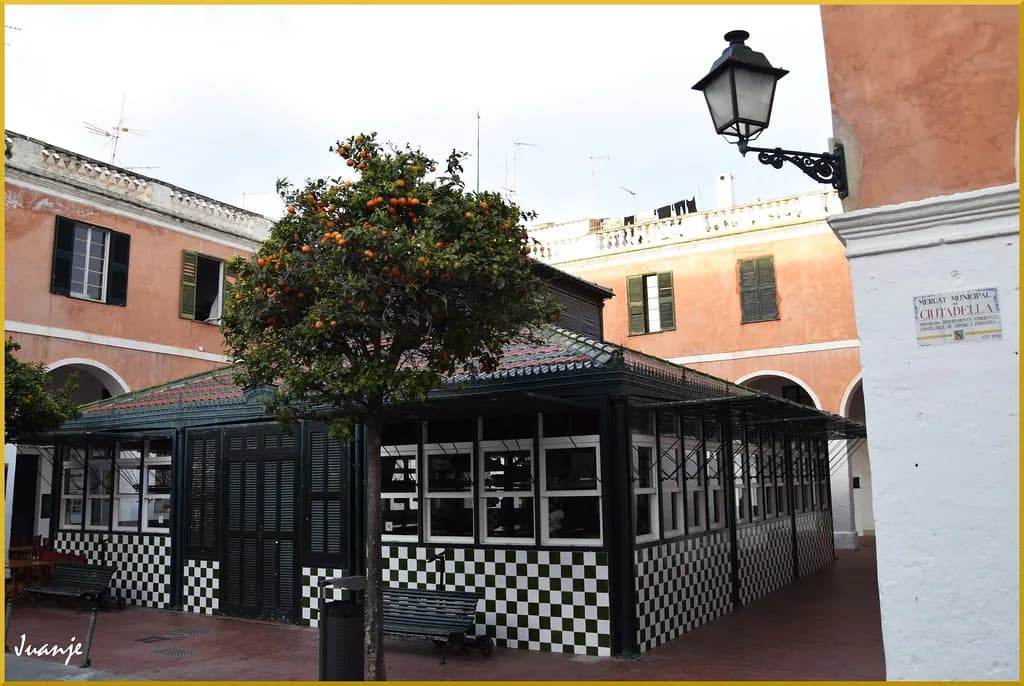
The fish market building dates from 1927, and it works as a market where the island's fish and seafood are sold, alongside a food and events space that hosts exhibitions and concerts. It is a useful stop on the walk between the harbour and the centre, and a reminder that this is a working port rather than a museum piece.
Stalls keep commercial hours, so come in the morning if seeing the market doing its actual job matters to you. Later in the day the draw is the building itself and whatever is programmed there.
Getting out of town: Favàritx, the Camí de Cavalls and s'Albufera des Grau
Cap de Favàritx lies about seventeen kilometres from Maó, a slate coastline with sparse vegetation that looks nothing like the island's beaches and is worth the drive for the landscape alone. Walkers can pick up the Camí de Cavalls, the 185-kilometre path that circles Menorca in twenty waymarked stages, and take a single stretch rather than attempting the whole thing.
The s'Albufera des Grau wetland sits in the same corner of the island and suits a slow hour with binoculars rather than a rushed stop. All three need a car or a bike, so group them rather than returning to Maó in between, and take water, as shade is scarce on the Favàritx approach.
How long Maó needs
Half a day covers the old centre: the lanes, the Ajuntament façade, Santa María, El Claustre del Carme and a descent to the port. A full day adds the Illa del Rei crossing and one fort, which is the sensible split if you are on Menorca for a week or less.
Two days lets you add Cap de Favàritx and the s'Albufera without rushing, but most visitors get more from spreading their time across the island than from a second day in the capital. Decide which single outlying sight you care about and build the rest of the day around it.
Fitting Maó into a break based in Ciutadella
Ciutadella makes a strong base for the western half of Menorca, and Maó is the natural full-day trip for the eastern half: the old centre in the morning, the port and its boats in the afternoon. It pairs neatly with the things to do in Ciutadella, which cover the island's other historic centre and its own harbour.
Between Ciutadella and Maó, the bus is the simple option and the car the flexible one; check current times with the island's transport operator before committing to a late return.
Practical trade-offs
The centre is a hill of stone lanes with little shade, so do the climb and the walking loop early. Midday is better spent at the port, on a boat or at the Claustre del Carme, and the afternoon can take the forts or a rest.
Churches on Menorca close to tourists for services and keep their own hours, so treat Santa María as a stop with a timetable rather than a drop-in. The outlying sights follow seasonal patterns, and the forts, the caves and the island all have their own calendars, so confirm times before you travel.
Which Maó sight to build your day around
Pick one anchor and let the rest follow. If you like military history, make La Mola the centrepiece and walk the old town afterwards; if you want the water, take the harbour boat and the Illa del Rei; if you simply want a city day, the lanes and Santa María are enough on their own.
Either way, go early, climb once, and keep the afternoon loose for whatever the harbour offers. That is how Maó rewards a short break: a compact centre with a working port beneath it, rather than a checklist to tick off.
Explore more Ciutadella guides
Sources
Notes for your next Spanish town break
Optional updates to our guides.
You might also like
Continue reading
More guides you'll find useful