Ciutadella Map: Old Town Layout, Sights and Walking Distances
A practical Ciutadella map guide to the old town: Plaça des Born, the cathedral, Ses Voltes, the port and Sant Nicolau, with walking distances between them.
On this page
Ciutadella is a walking town, and its old centre is short enough to cross on foot in a morning. Everything clusters on a small headland above the port: Plaça des Born at the top, the cathedral and Ses Voltes just behind it, and the harbour a few minutes downhill. This guide maps the centre by area, with the order to take them in, so you can plan the old town as half a day rather than a list of separate sights. For a monument-by-monument starting point, see Things to do in Ciutadella; for a closer look at the lanes themselves, Ciutadella Old Town covers the historic core.
Where Ciutadella sits on Menorca
Ciutadella occupies the western tip of Menorca, with the historic centre set on a low headland above its harbour. That position explains the layout: the town looks out over the water rather than spreading inland, and the port sits directly below the old streets. Arriving from Maó, you come in from the east, which puts you on the inland edge of the centre.
For a short break based on the island, Ciutadella works as a compact base for the west coast and the interior villages. If you are still deciding what to prioritise, the wider list of things to do in Ciutadella covers the monuments and museums in more depth. Treat this page as the map layer that shows how those pieces connect on the ground.
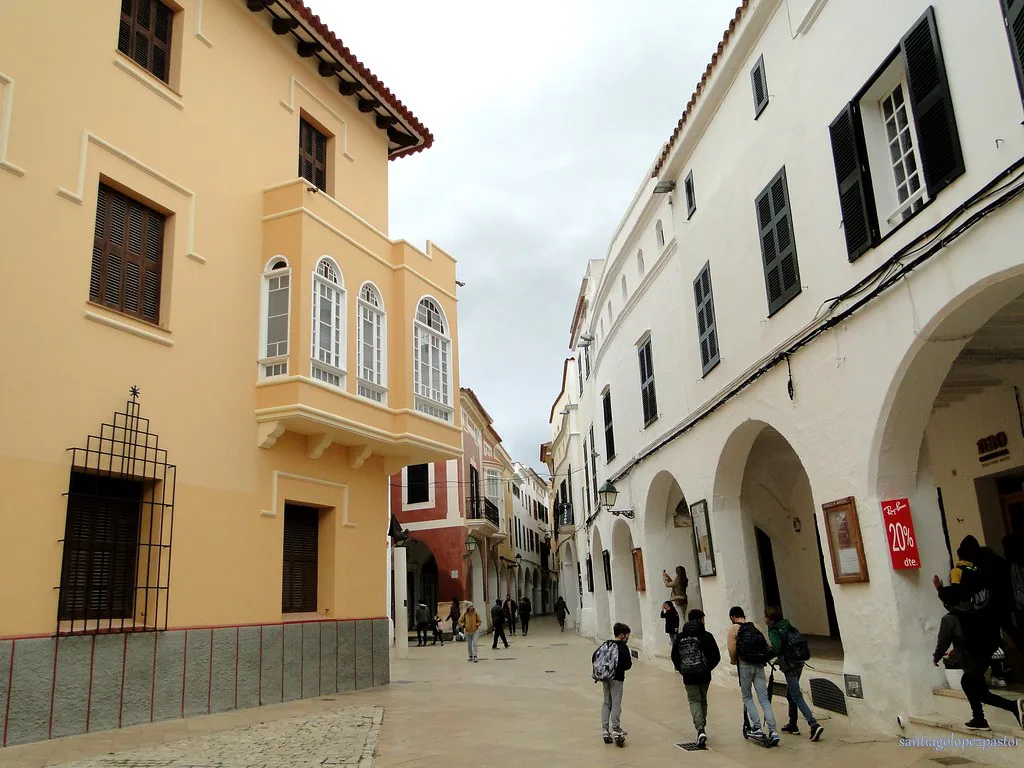
The shape of the centre: Plaça des Born as the hinge
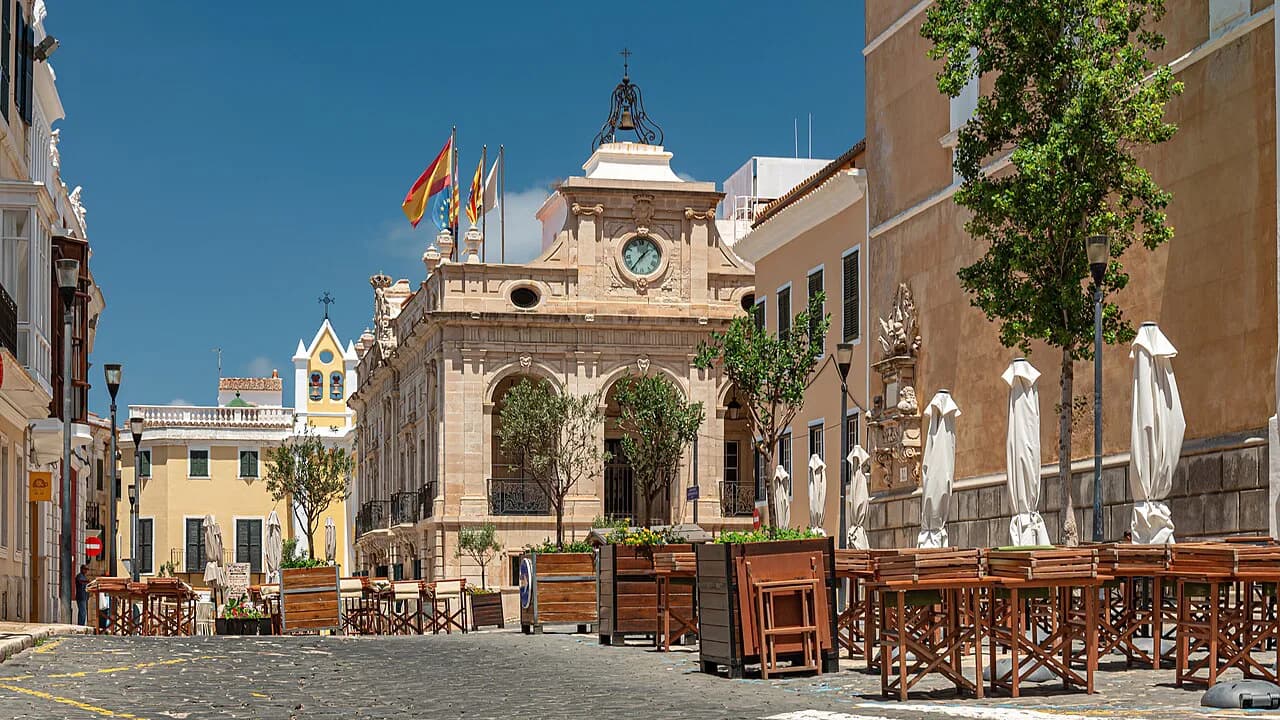
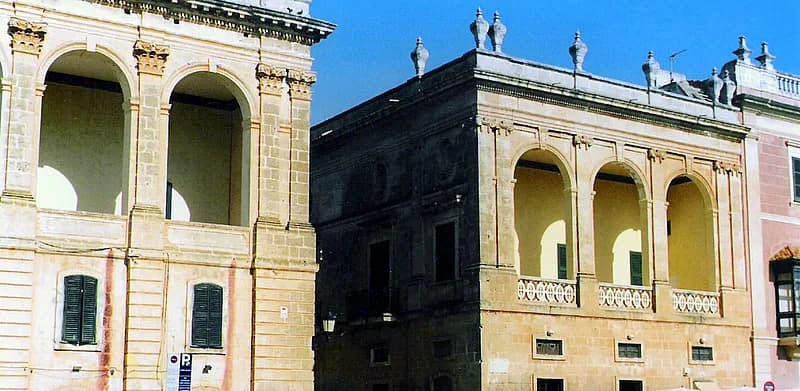
Plaça des Born is the hinge of the old town. It is a broad, open square with the town hall and the obelisk, and it marks the point where the headland meets the streets behind it, with clear views down to the port. The obelisk commemorates the Ottoman assault of 9 July 1558, and the palaces around the square give it its formal character.
The lanes that open off Born form a tight maze of stone walls and shade. A recorded walking loop links the port, Born, the cathedral and the arcades, with the square appearing about 0.8 km into the walk. Use the square as your reset point: whatever lane you take, you are rarely far from it.
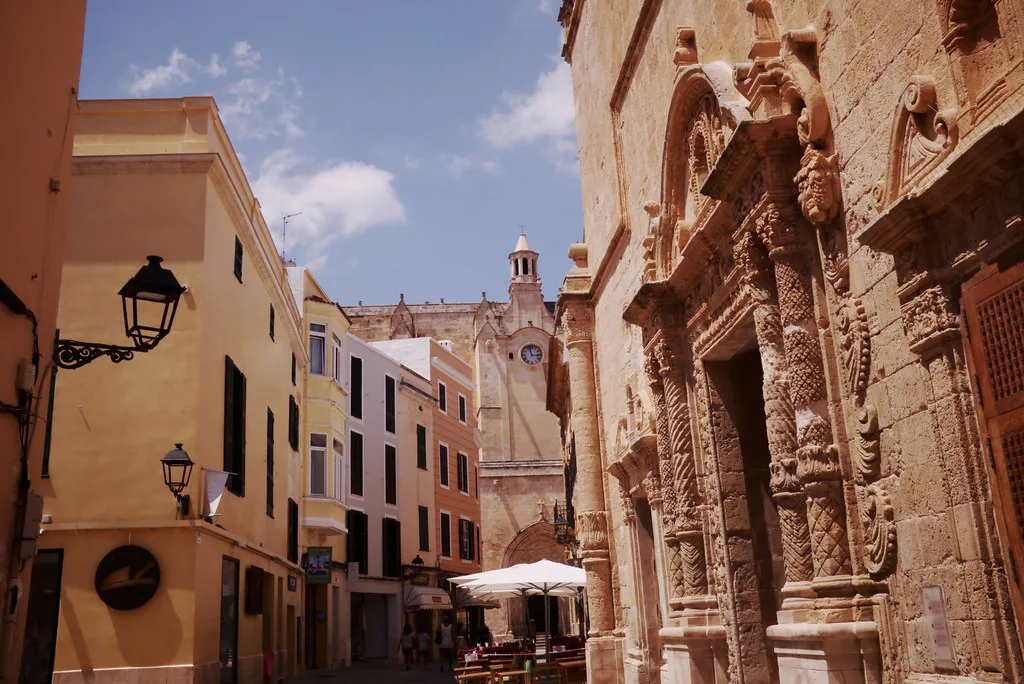
Born to the cathedral
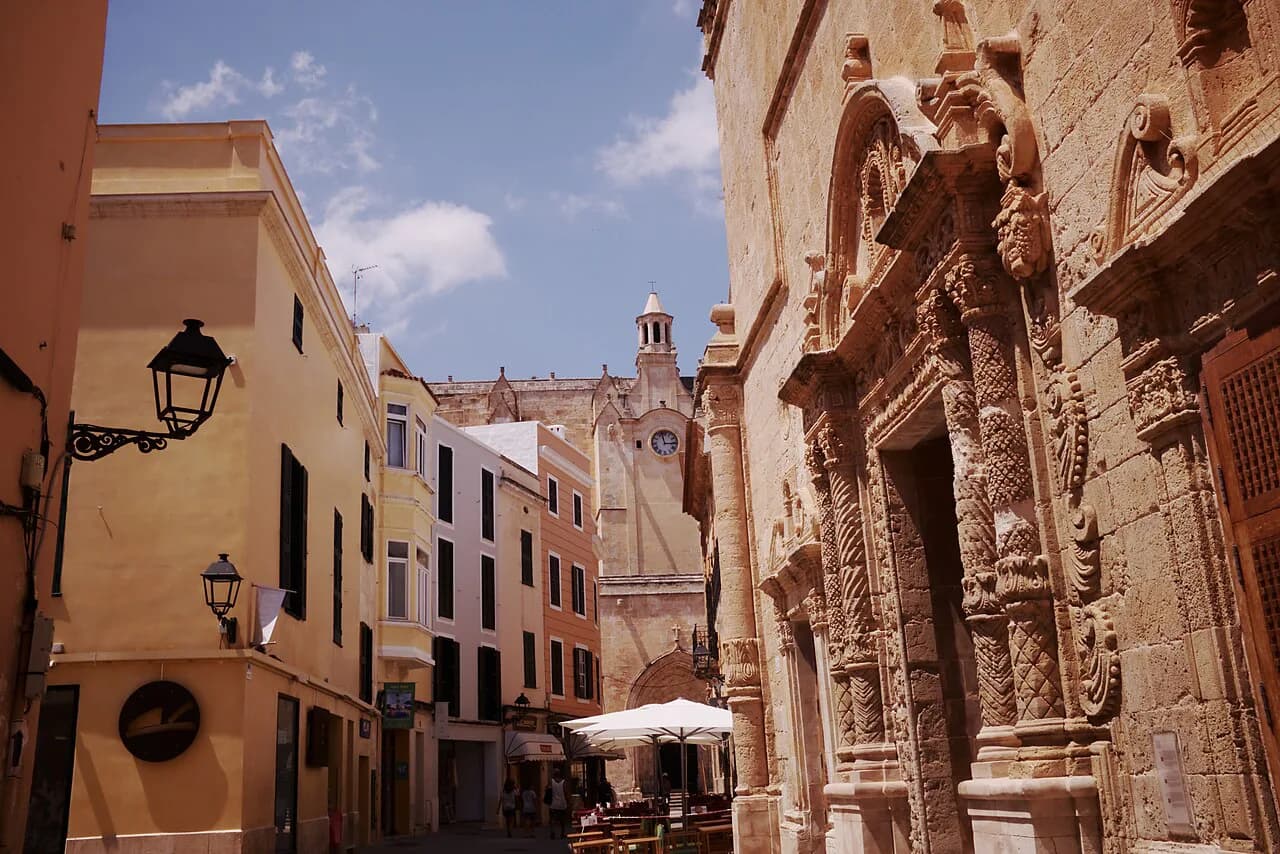
From Plaça des Born, the Catedral de Santa María is roughly a couple of hundred metres away, up through the lanes, and the recorded route covers that stretch in about six minutes. The cathedral was built from the thirteenth and fourteenth centuries, by order of Alfonso III of Aragon after the conquest of the island, and it was raised to cathedral status in 1795.
On the way you pass the palace facades that flank Born, including the grand townhouses that give the square its weight. Most visitors walk straight through without looking up, which wastes the best free architecture in town. Give the square five minutes before you turn into the lanes.
Ses Voltes and the shopping lanes
Ses Voltes is the arcaded street that runs from Plaça Nova, also called Plaça d'Espanya, up towards the cathedral. The arches create a covered walkway that stays cool in summer, and the shops under them are the practical heart of the centre. Walk it in one direction and you cover the main shopping lane without doubling back; the dedicated shopping in Ciutadella guide covers the streets and local specialities in more detail.
Can Saura and the old-town museums
Can Saura is a restored palace now used as a cultural centre and museum of Ciutadella's history. Its exhibits trace the town's development, and one room shows a film about the Sant Joan festivities, which gives context for the town's biggest annual event. Entry is charged on most days and free on one weekday, so confirm the current arrangement at the door before you plan around it.
Nearby, Can Sintas is a seventeenth-century house built for the De Sancho family, and the Església de Sant Francesc is the most spacious church in town after the cathedral. These are short stops rather than long visits, and the recorded route passes all three within a few hundred metres.
Down to the port
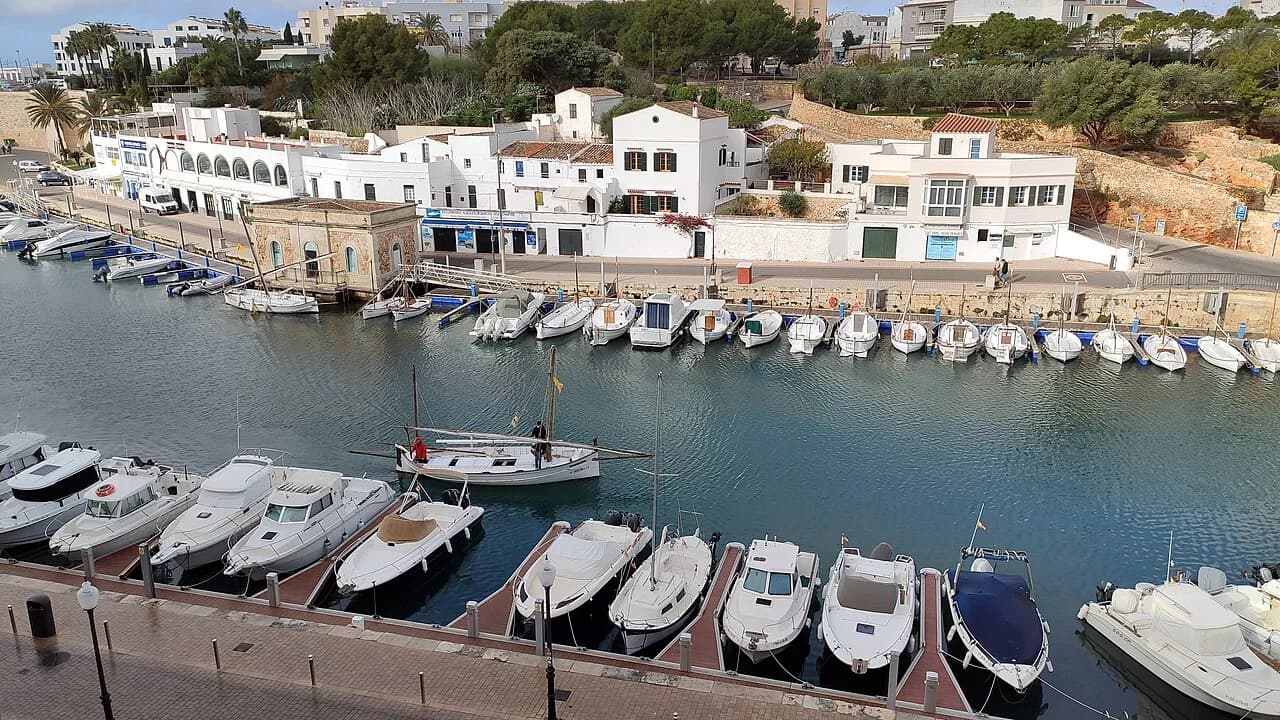
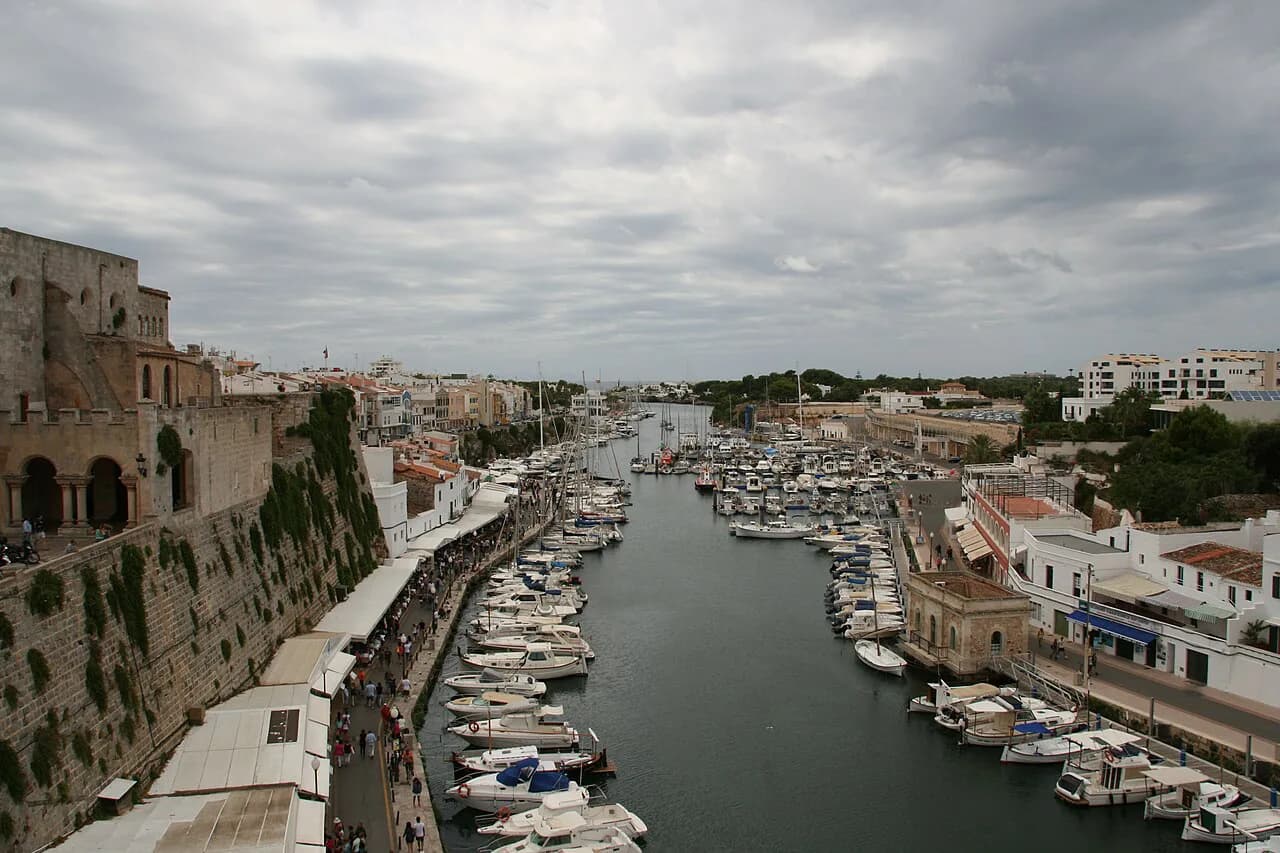
The port sits directly below the old town, reached by steps and steep lanes that drop from the centre, and the Passeig des Moll runs along the water. This is also where you can see the rissaga, the sudden oscillation of the sea level that makes boats rise and fall within minutes; it happens a few times a year and is a local spectacle rather than a scheduled event.
The descent is short but the climb back up is genuinely steep, so plan the port for the end of a loop rather than the middle. Wear shoes you can climb steps in, and keep the return leg in mind when you set off downhill.
Sa Farola and the Castell de Sant Nicolau
At the mouth of the harbour, the Castell de Sant Nicolau is a seventeenth-century defence tower with a clean view out to the sea. There are no shops or cafes out here, just wind and water, which makes it a quiet finish to a walk. Sa Farola lighthouse stands at the harbour entrance and is the natural end point for the loop.
A walking order for half a day
The measured circuit that links port, Born, cathedral, Ses Voltes, market and Sant Nicolau runs 6.7 km and takes about 2.3 hours at a steady pace. That figure includes the climb back up from the port, so it is a realistic half day rather than a rushed hour. Treat it as that route's measurement, not an official distance, and adjust for your own pace.
A sensible order is to start at the port, climb to Born, continue to the cathedral and Ses Voltes, pass the market and Can Saura, then drop down to the lighthouse and Sant Nicolau. This keeps the steep climbs early and finishes on the flat harbour path. The route also passes the Mirador del Port, which gives a panoramic view over the harbour.
The market and Plaça Nova
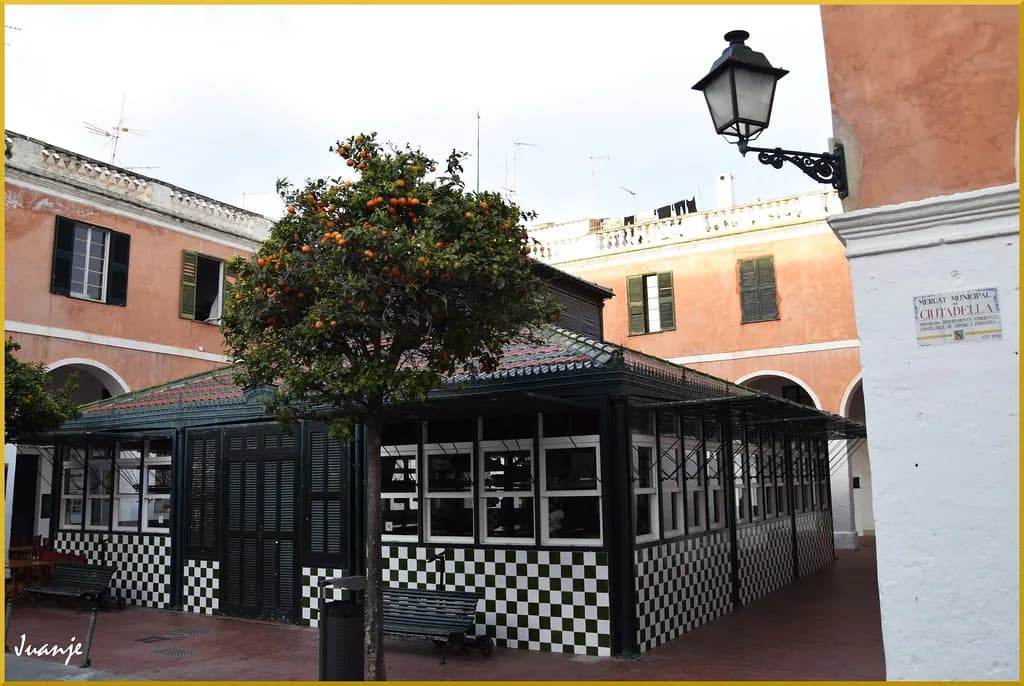
The Mercat municipal sits near Plaça Nova and is the everyday side of the centre. On Mondays the fish counter is closed, so the market is quieter than on other days. The surrounding streets have terraces that make a natural pause between the arcades and the museums.
Plaça Nova, also known as Plaça d'Espanya, is the gateway to Ses Voltes and the starting point of the arcade. It is a practical landmark rather than a sight in itself, useful for orienting yourself when the lanes start to blur. From here the cathedral is a short walk up the arcade.
Timing your walk
Ciutadella's main lanes fill with cruise groups between about 11:00 and 13:00, when the town is at its busiest, so aim to see Born and the cathedral before that window or after it. Walking early or late gives you the stone lanes and the cathedral square with far fewer people. If you only have a morning, start at Born before the groups arrive and work downhill to the port afterwards.
What the map does not show: Menorca's talayotic sites
The town map stops at the headland, but Menorca's talayotic monuments lie beyond Ciutadella in the surrounding countryside. These prehistoric stone structures are a separate outing and need transport to reach. If you want to see more of the island's villages and smaller towns after the old town, the guide to Menorca towns covers the options.
Where to start your Ciutadella walk
Begin at Plaça des Born, look at the palaces and the obelisk, then take the short climb to the cathedral and Ses Voltes before dropping to the port. Finish at Sant Nicolau and the lighthouse for the quietest part of the day. That order follows the shape of the town rather than fighting it, and it covers the centre in about half a day.
Explore more Ciutadella guides
Frequently Asked Questions
Where do you park for Ciutadella old town?
The recorded walking route starts from a car park by the town hall on the Camí de sa Farola. Check parking arrangements and any charges on the ground when you arrive.
How long does the Ciutadella old-town walk take?
The recorded loop through the port, Born, cathedral, Ses Voltes, market and Sant Nicolau covers 6.7 km and takes about 2.3 hours at a steady pace, including the climb back up from the port. Allow a half day if you want to stop at the cathedral, Can Saura and the harbour.
Sources
Notes for your next Spanish town break
Optional updates to our guides.
You might also like
Continue reading
More guides you'll find useful