Dénia Castle: what to see, hours and walking routes
Dénia Castle crowns the old town with Islamic walls, the Torre del Consell and views to Montgó. Here are the tickets, seasonal hours and the walk up the hill.
On this page
Dénia Castle is the walled enclosure on the low hill at the heart of town, and most visitors need around an hour to walk the gates, towers and ruins inside. The town council publishes the tariff: adults 3 EUR, children aged 8 to 16 1 EUR, pensioners and students 2 EUR. This guide covers what stands inside the walls, the seasonal opening hours, both routes up from the Plaça de la Constitució and how the visit fits a short break.
The castle began as an Islamic fortress in the eleventh and twelfth centuries, when Dénia was the seat of a taifa kingdom, and later became an Alcazaba or governor's residence. Its walls carry Almohad work, fifteenth-century towers, Renaissance bastions and the rebuilt Palau del Governador, so a single circuit reads as a layered history rather than one period.
Where the castle sits above the town
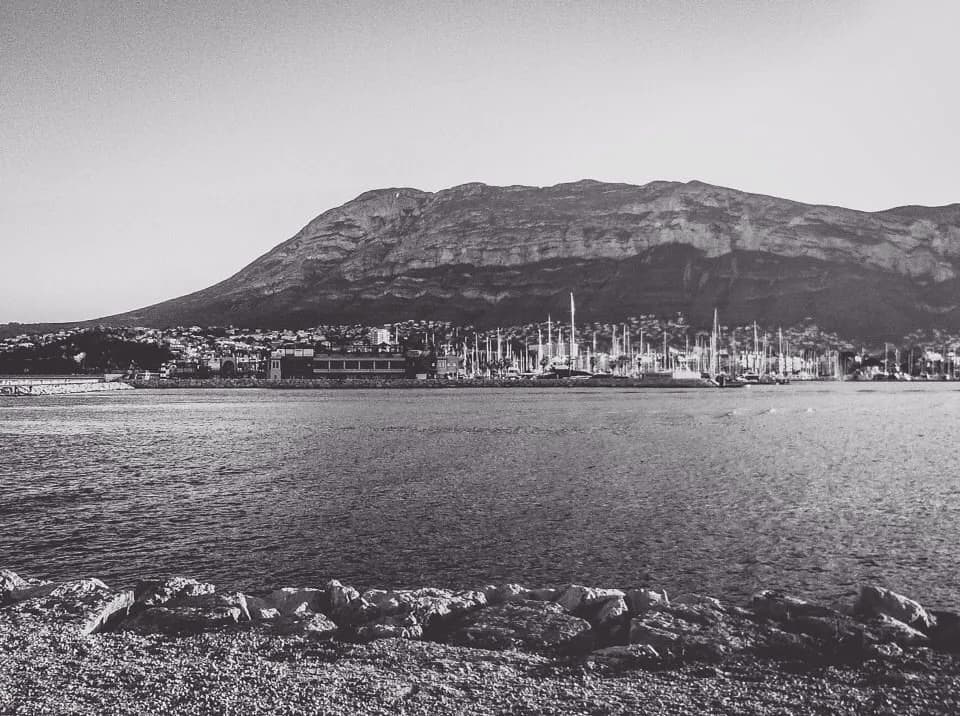
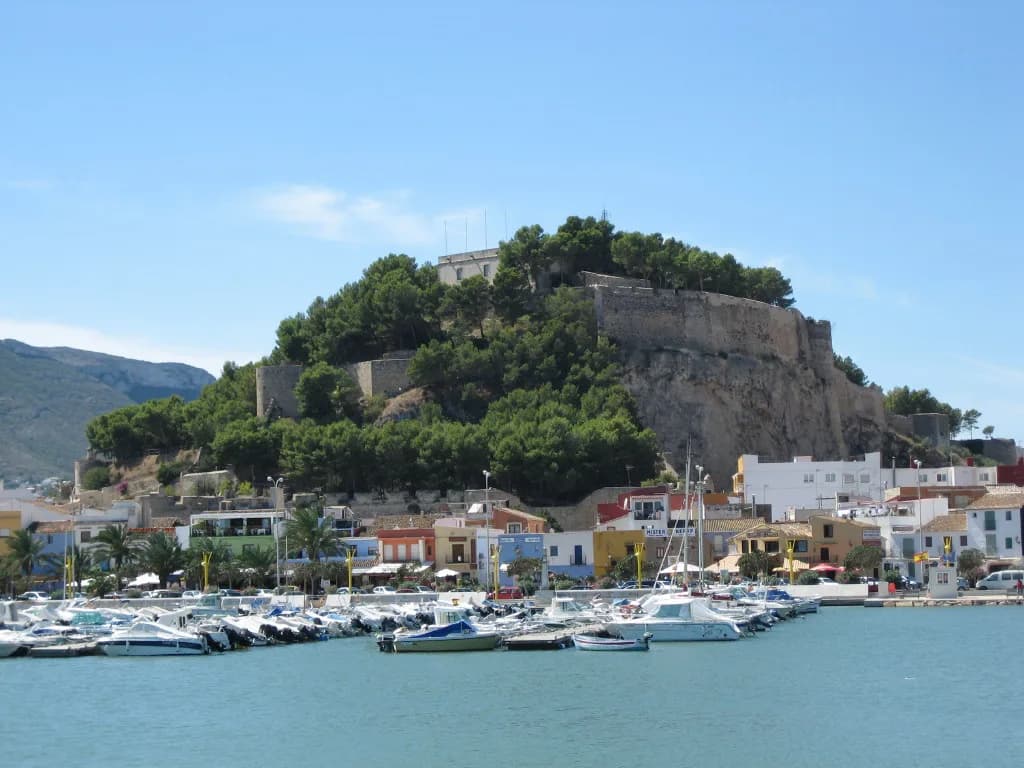
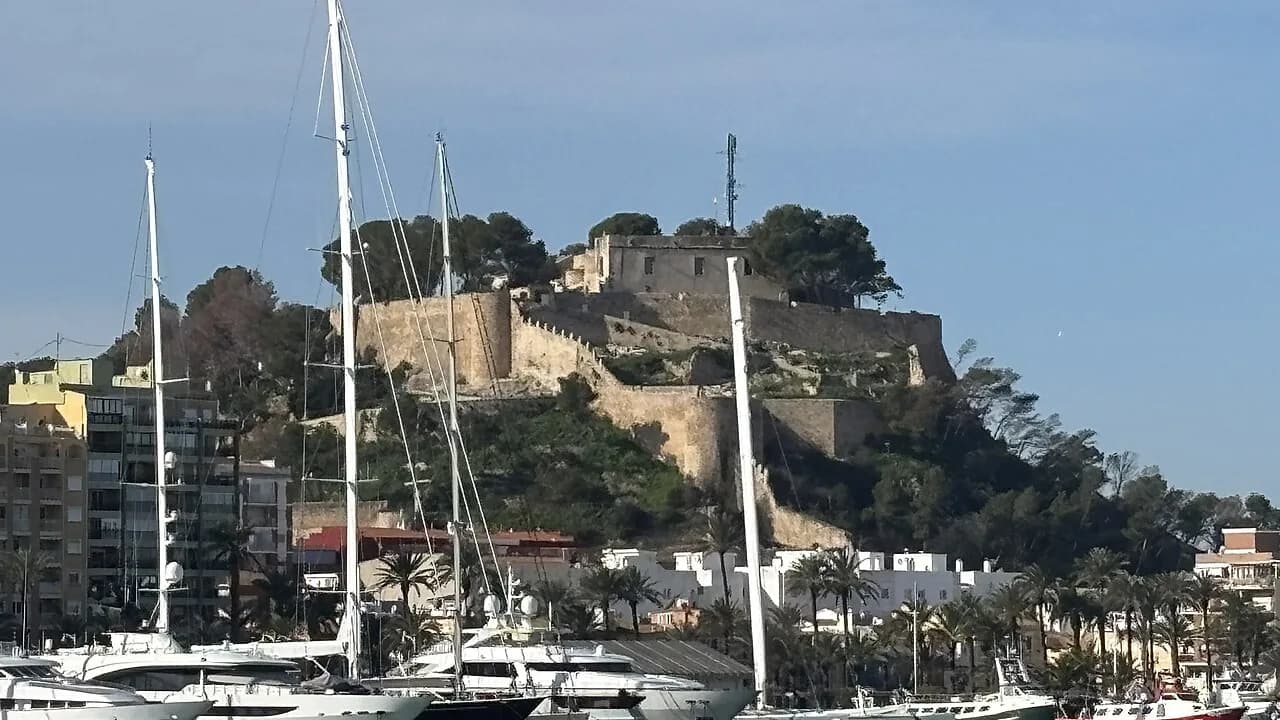
The castle occupies a gentle hill beside the sea, directly above the historic centre, and its slopes have produced remains of houses and defences from the Roman settlement of Dianium. From the walls you look down on the old town, out over the coast of the Marina Alta comarca and up to the Montgó massif behind. Because it sits in the middle of the city rather than on its edge, it works as the anchor of a morning in the old town rather than a separate excursion.
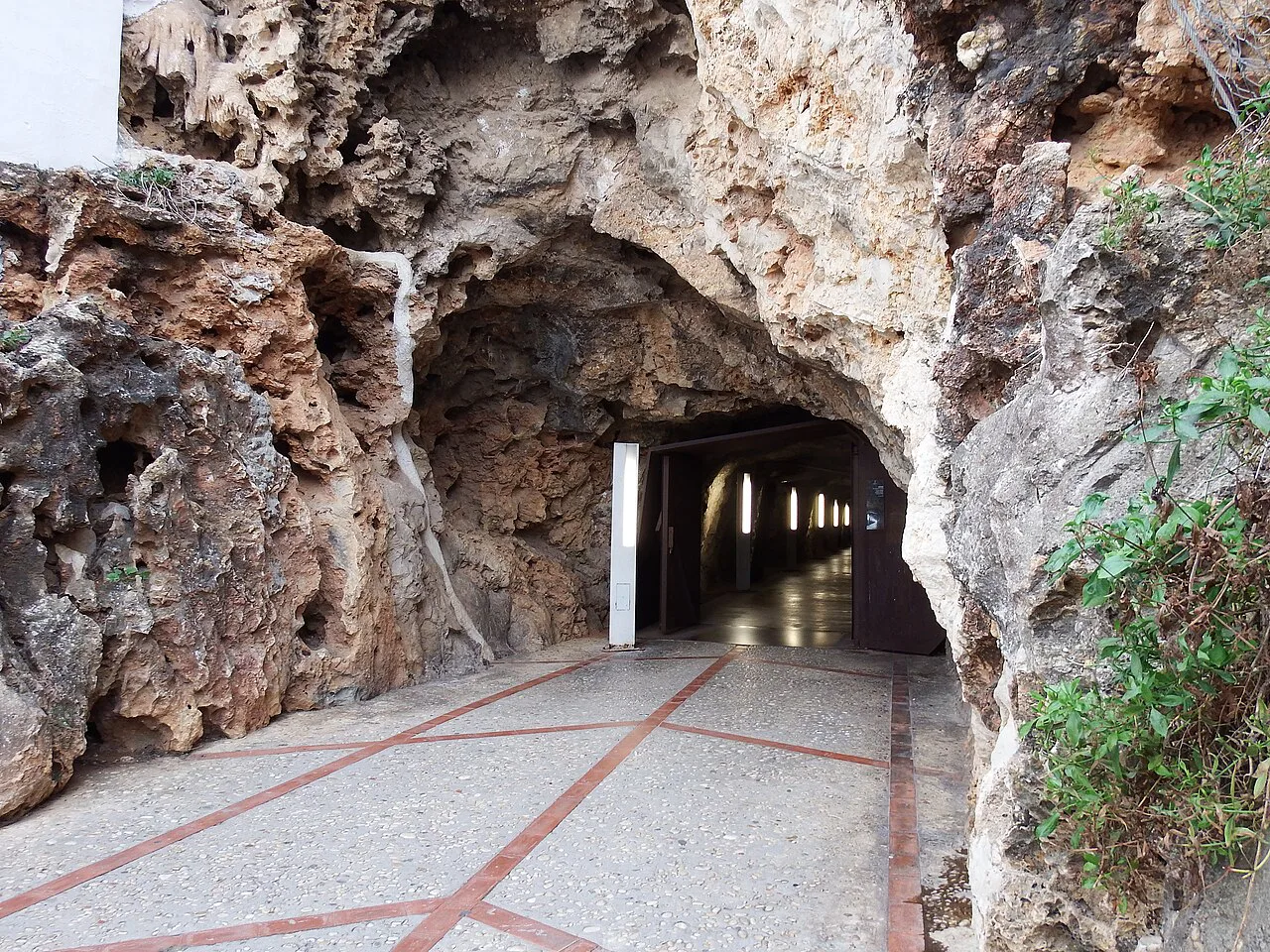
The main gate stands on Carrer Sant Francesc, in the Les Roques neighbourhood that climbs from the commercial centre. That short ascent explains the castle's role in the town's shape: the walled Vila Vella grew up around it and remained the most important nucleus until the War of Succession.
Tickets: what you pay at the gate
When the castle is open, the published tariff is 3 EUR for adults, 1 EUR for children aged 8 to 16, and 2 EUR for pensioners, students and groups of at least 25 people arriving with town hall authorisation. The town's tourism listing currently headlines the castle as temporarily closed, so check current access before you plan around these prices.
Groups have to announce their visit in advance through the castle's contact address and telephone line before turning up, so a coach party cannot simply appear at the Portal de la Vila. Independent travellers pay at the entrance and keep the ticket for the duration of the visit.
Opening hours by season and closing days
Hours stretch with the daylight. The published schedule runs 10:00 to 18:00 from November to March, to 19:00 in April and May, to 20:00 in June, and from 1 July to 15 September from 10:00 until midnight. From 16 to 30 September it closes at 20:00, and in October at 18:30. These are the hours the town lists for when the castle is operating; the tourism listing currently marks the castle as temporarily closed.
Access is cut off half an hour before closing, so a late-afternoon visit has a hard cut-off rather than a gradual wind-down. The castle closes entirely on 1 January, 19 March, 1 May and 25 December, and on 5 January, 24 December and 31 December it opens only from 10:00 to 14:00.
How to walk up from the Plaça de la Constitució
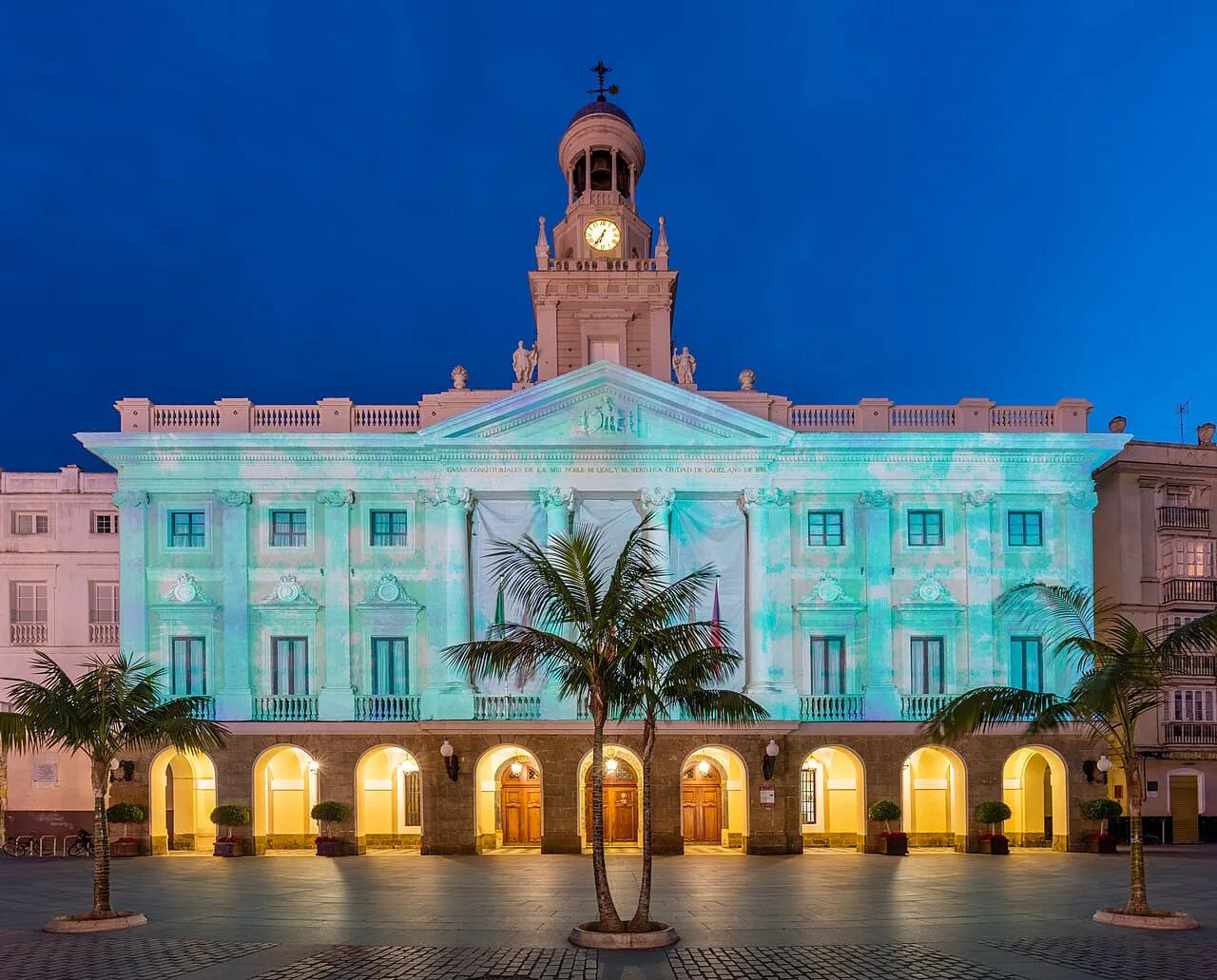
The shortest route starts at the Plaça de la Constitució, where stairs beside the town hall lead up to Carrer de l'Hospital. Signage from there points you along the Pujada al Castell, a stepped lane with a parallel ramp that brings you to the entrance on Carrer Sant Francesc. It is a short climb, but the steps are the reason to leave heels and wheeled cases behind.
For a step-free approach, continue from the Plaça de la Constitució along Carrer Loreto and turn into Carrer Sant Narcís, which leads to Carrer Sant Francesc and the gate. This is the route to take with a pushchair or a walking stick, even though it is longer. Visitors with reduced mobility can drive to the Explanada del Governador with prior administrative authorisation arranged through the town hall.
What to see inside the walls
The Portal de la Vila is the twelfth-century Almohad entrance, with a barrel vault and pointed arches, and the Torre Roja of reddish sandstone stands beside it. Just inside, the Torre del Cos de Guardia housed the guard, and the fifteenth-century Torre del Consell, the most prominent tower in the enclosure, keeps a Gothic room with a ribbed vault where the council of the Vila met.
Open-air stretches show the remains of medieval houses in the Vila Vella founded by Jaume II, together with Renaissance bastions such as the Baluard and Punta del Diamant. The Palau del Governador was rebuilt in the sixteenth and seventeenth centuries under the Duke of Lerma, and its ruined palace, destroyed in the War of Succession, frames much of the upper circuit.
The archaeology and the Ciutat Vigia centre
The castle houses the Centro de Interpretación Dénia, Ciutat Vigia, which sets out the sequence from the Iberian and Roman port of Dianium through the Islamic taifa to the Christian town. It uses display design and new technology to present old collections, so the visit reads as one stop rather than a castle plus a separate museum. The Centro de Interpretación Dénia, Ciutat Vigia is not accessible to visitors with reduced mobility.
The city's archaeological museum has moved to a new home in the centre, at the Casa de la Marquesa de Valero de Palma, while the castle's own displays are the Ciutat Vigia interpretation centre.
Views over the town, the Montgó and the sea
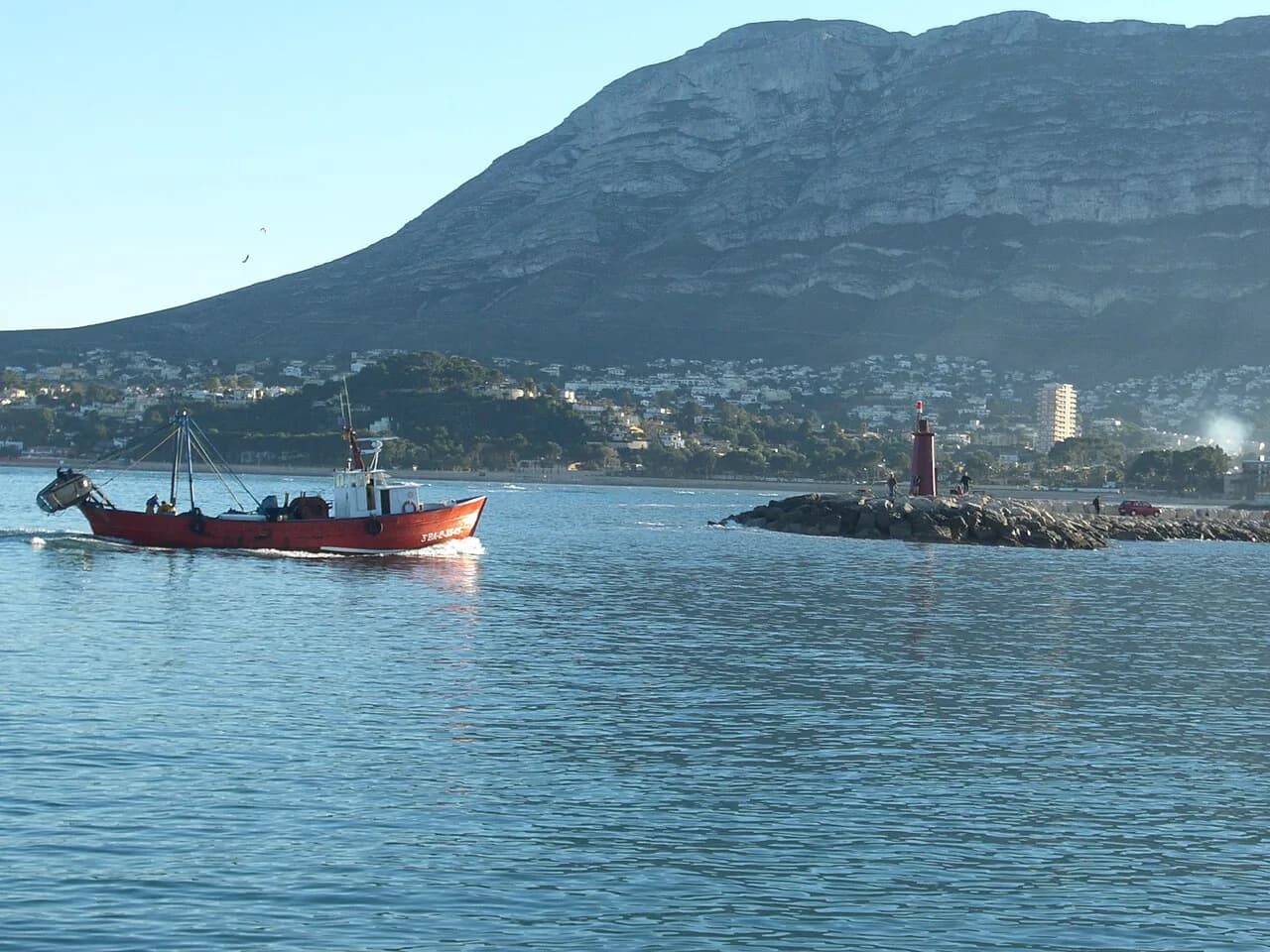
The hilltop position delivers the payoff: panoramas across the urban roofs, the Mediterranean and the Montgó, with the Cap de Sant Antoni marine reserve visible along the coast. The castle also has green spaces and seating where you can pause between the towers, and a cafeteria service on site when it is open.
Come in the morning for clearer light on the sea, or use the long summer opening to climb in the evening once the heat has gone off the walls. Outside July and mid-September the gates shut in the late afternoon or early evening, so the late slot is a summer option rather than a year-round one, and only when the castle is open.
The castle is the obvious first stop in a wider day in Dénia, with the old town streets and the port within walking distance below.
How long the castle takes and when to go
Allow roughly an hour for the gates, towers and interpretation centre, plus time on the walls for the view. Add fifteen minutes each way if you take the stepped route from the Plaça de la Constitució; the flatter Loreto approach takes longer but suits anyone avoiding stairs.
Pair the castle with the streets of the Dénia old town below, where the Vila Vella walls once enclosed the whole settlement, and finish with a walk along the waterfront. In summer, an early start avoids the worst of the heat.
Which route up suits your day
Take the stairs from the Plaça de la Constitució if you want the shortest climb and have no mobility constraints; take Carrer Loreto and Carrer Sant Narcís if you need a step-free approach. Either way, aim to arrive well before the last half hour of opening, when access is cut off.
Budget 3 EUR per adult, and plan the castle as the opening move of a morning in the old town rather than a rushed add-on. Check the temporary closure before you go.
Explore more Dénia guides
Frequently Asked Questions
Does Dénia Castle have a reduced ticket for children and students?
Yes. The published tariff gives children aged 8 to 16 a reduced rate, and pensioners and students a middle rate, both set out by the town council alongside the adult fare. Groups of 25 or more need prior authorisation from the town hall to get the group rate. The town's tourism listing currently marks the castle as temporarily closed, so confirm access before you plan around these prices.
Can you reach Dénia Castle without climbing stairs?
Yes. Instead of the stairs beside the town hall, walk along Carrer Loreto and Carrer Sant Narcís to reach Carrer Sant Francesc and the entrance. Visitors with reduced mobility can also drive to the Explanada del Governador with prior authorisation, though the Centro de Interpretación Dénia, Ciutat Vigia itself is not accessible.
Sources
Notes for your next Spanish town break
Optional updates to our guides.
You might also like
Continue reading
More guides you'll find useful