Tabarca Island: What to See, Boats and How Long to Stay
Tabarca island off Alicante is a car-free walled village with a marine reserve, a free museum and a lighthouse. Here is what to see and how to plan a visit.
On this page
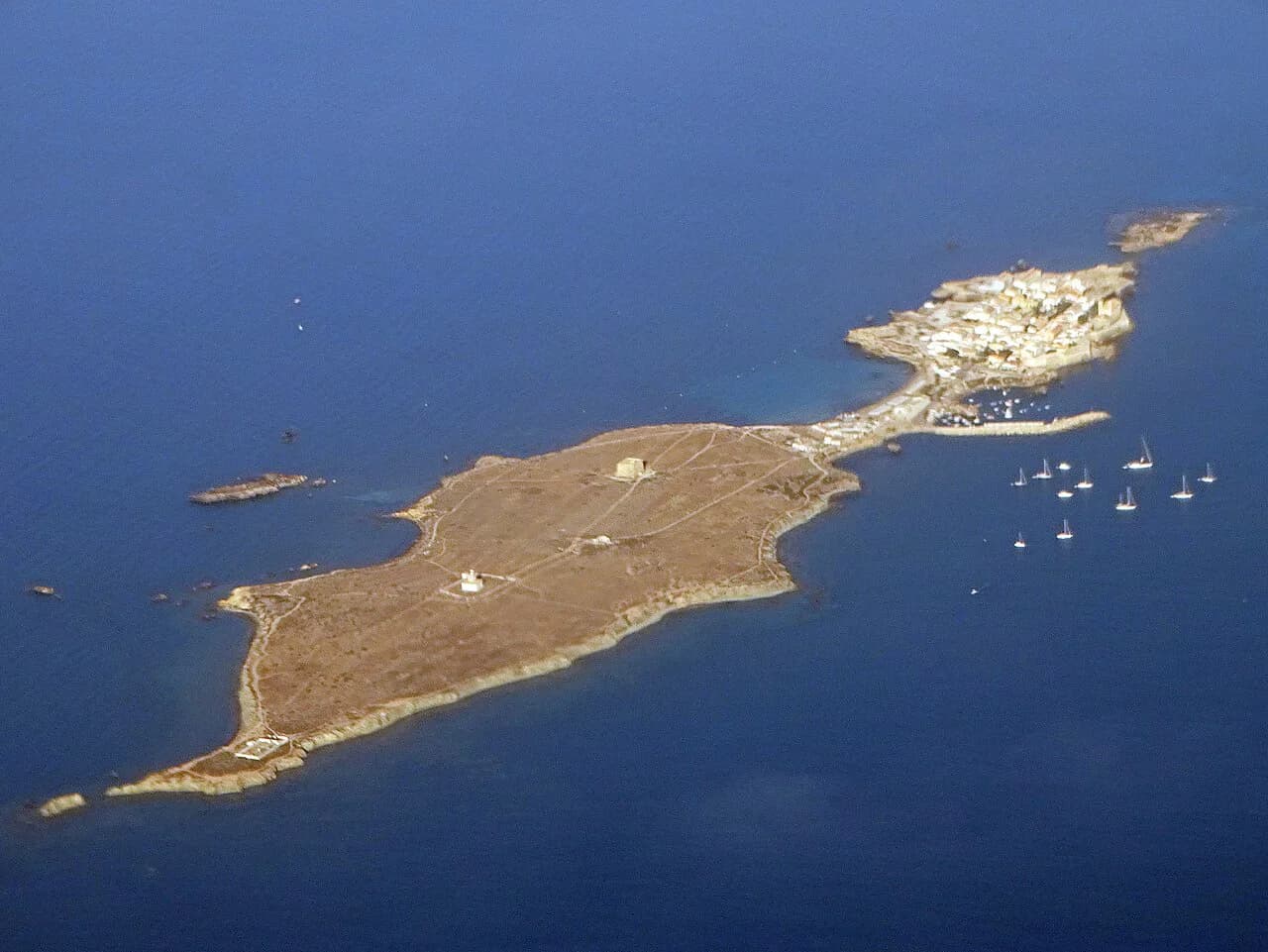
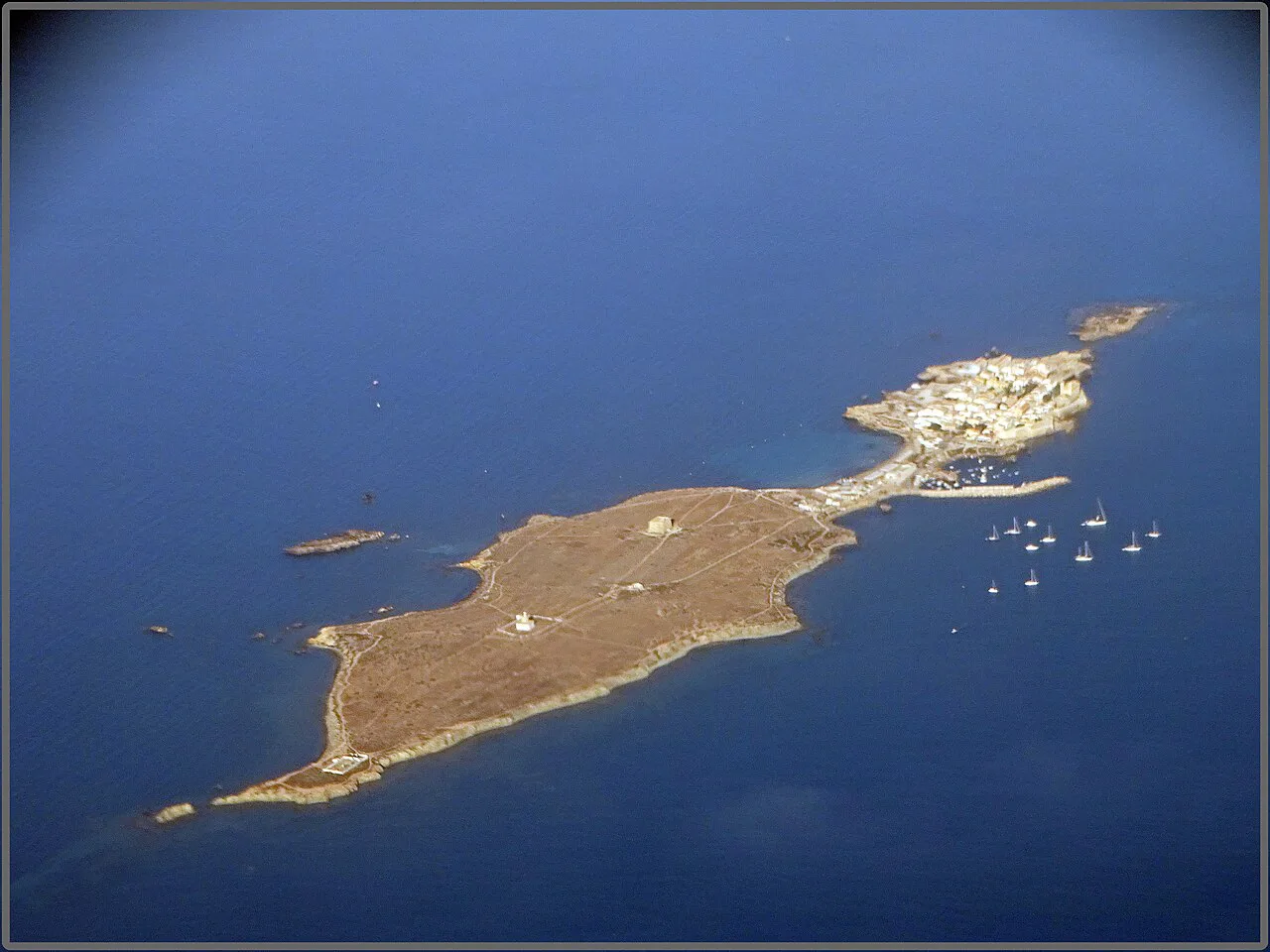
Tabarca is worth a half day if you simply want the walled village and a swim, and a full day if you add the museum, the lighthouse end and time in the water. It is the only inhabited island in the Valencian Community, lying about eleven nautical miles off Alicante near Cape Santa Pola, roughly 1,800 metres long and 400 metres at its widest. This guide covers the crossing, the layout inside the walls and the trade-offs that decide whether you go early or go late.
What Tabarca island actually is
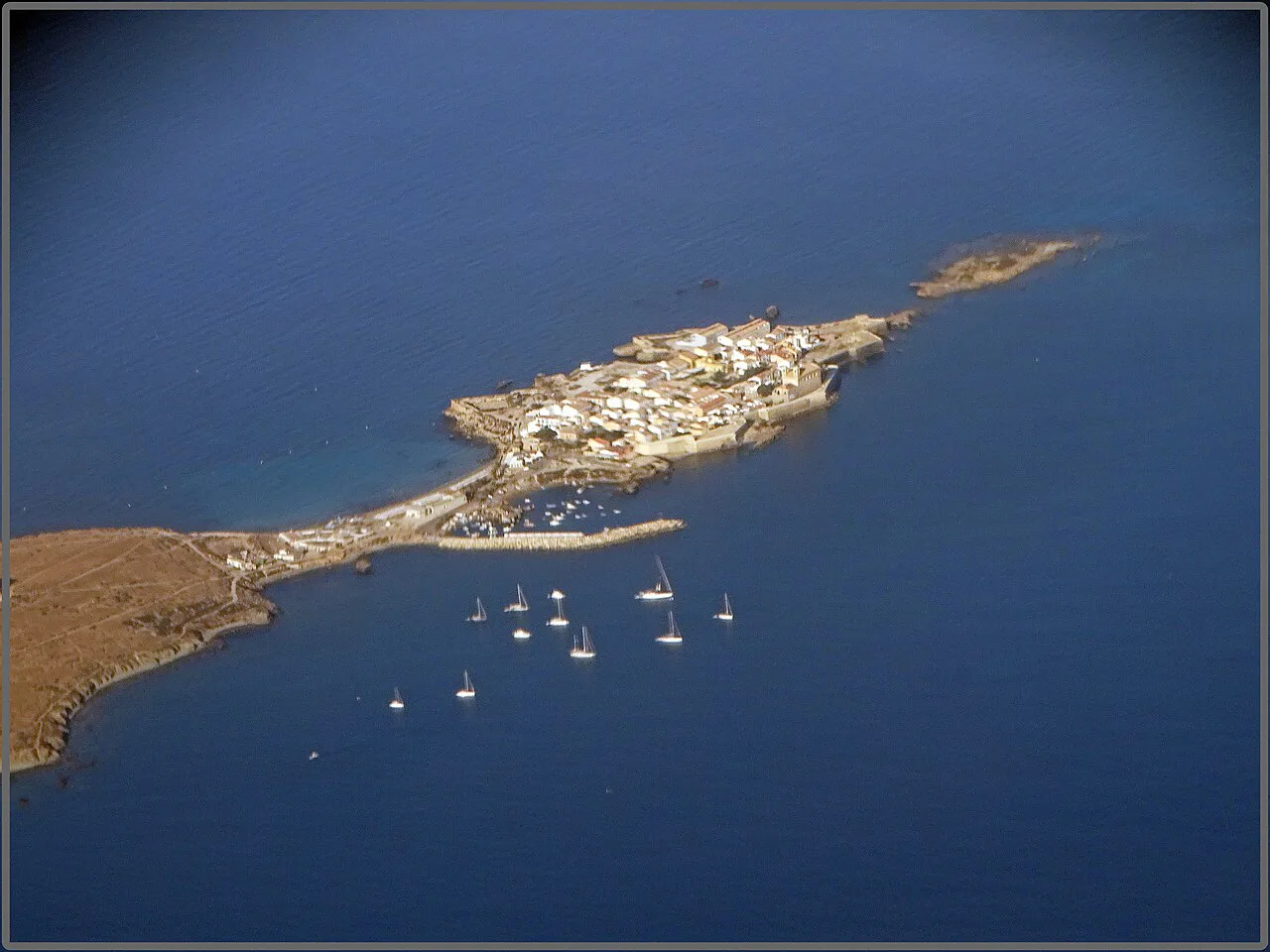
Tabarca is not one island but a small archipelago: the inhabited main island plus the islets of La Cantera, La Galera and la Nao. The coast here once sheltered Berber pirate crews, and in the eighteenth century Carlos III ordered the island fortified and a village built for Genoese fishing families held captive in the Tunisian town of Tabarka. That resettlement explains the unusual street plan and the Ligurian look of the houses, which feels nothing like mainland Alicante.
The inhabited strip is compact enough to cross on foot in minutes, so the island works as a slow contrast to a city break rather than a sightseeing marathon. You can pair it with the things to do in Alicante on the mainland without either feeling rushed, provided you pick up a boat that suits your day.
Getting there: boats from Alicante and Santa Pola
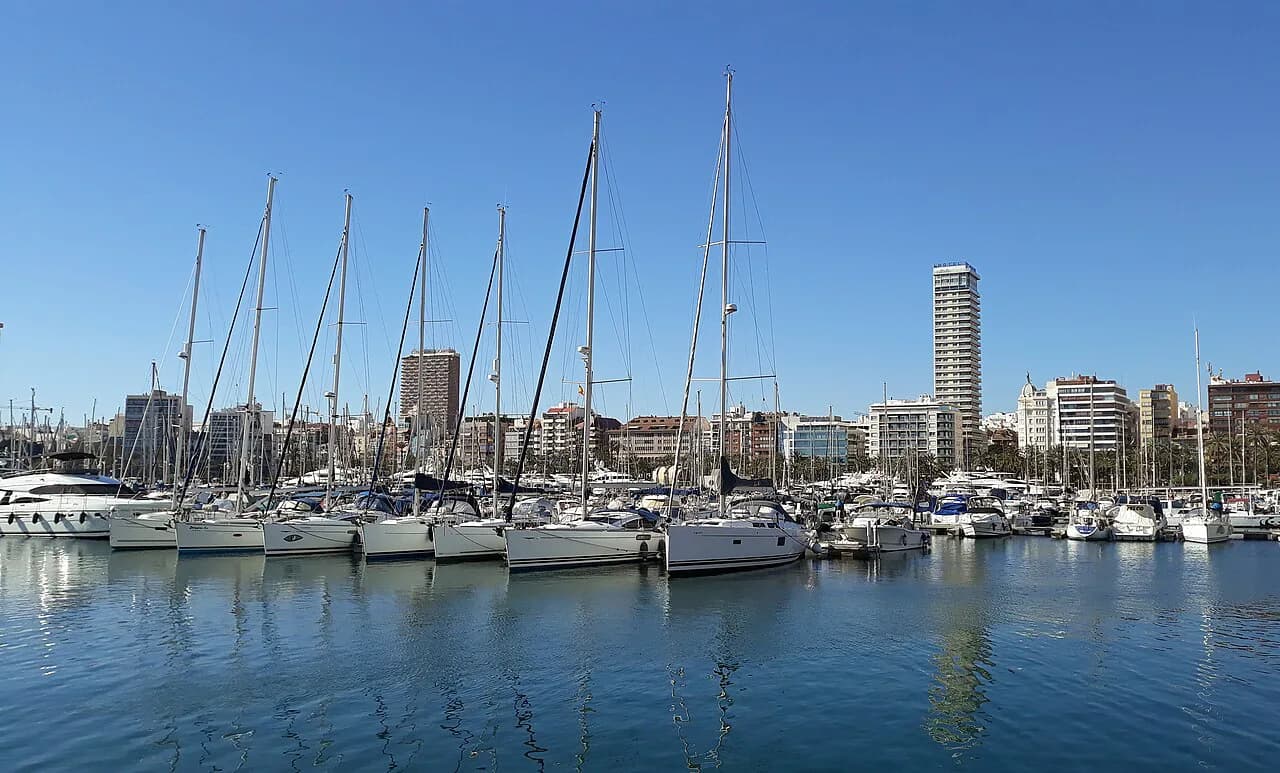
The boat is the only way across, because no cars or motorbikes are allowed on the island. Ferries run from Alicante and from Santa Pola, the crossing from Santa Pola taking roughly 25 minutes, and there is also a daily boat from Benidorm that spends about two hours at sea each way. Treat Benidorm as a long-sea alternative for people already staying on that stretch of coast, not as the quickest option.
Ferry timetables and fares vary by operator and season, so confirm departure times and prices when you book the crossing. There is a daily ferry from the port of Alicante and a daily boat from Benidorm, and booking your return at the same time as the outbound is what makes a full day workable, since a late-afternoon sailing sets your limit. If you would rather let someone else handle the logistics, Alicante boat trips cover the crossing and the coastal options in one place.
Arriving at the walls
You land beside a fortified village whose walls have been declared a Conjunto Histórico Artístico and a Bien de Interés Cultural. The defensive ring is the first thing you notice from the water, and walking through the gate into the grid of streets is the arrival moment that defines the visit. Give yourself a few minutes on the quay before pushing inside, because the village is small and the boat schedules set your pace.
Walking the walled village
Inside the walls the streets run in a straight grid to a central square, a plan that reflects the island's eighteenth-century resettlement rather than an organic Spanish old town. Calle Génova is the street most associated with the Genoese families, and the Puerta de Carlos III marks the royal connection at the village gate. Small shops selling drinks and souvenirs line the approach to the square, where a couple of cafés make a natural pause.
It is worth walking the whole circuit of streets rather than heading straight for the water, because the charm is in the lanes themselves and the village takes only a short while to cover. If you want to see how this compares with the mainland's own tangle of lanes, the Alicante old town gives you the counterpoint, with the Barrio de Santa Cruz climbing the hillside in a very different style.
Iglesia de San Pedro y San Pablo and the Museo Nueva Tabarca
The Iglesia de San Pedro y San Pablo and the Museo Nueva Tabarca sit within the village and together take under an hour. The museum opens Wednesday to Sunday, with winter hours of 11:00 to 14:00 and 15:30 to 16:30, and summer hours of 11:00 to 14:00 and 16:00 to 18:30, and entry is free. Go for the first slot after opening if you want the rooms to yourself, and remember the midday break closes the doors in both seasons.
If museums are the main reason you travel, the museums in Alicante on the mainland give you a fuller day than the island's single small collection, which is best treated as a short, free addition rather than the purpose of the crossing.
The lighthouse and the Punta Falcó night sky
The faro stands at the northern tip, built in the nineteenth century; a replacement went up in the 1970s and was demolished in 1998 so the original could be recovered, and the site now houses the Reserva Marina de Nueva Tabarca laboratory. It is the island's best photographic spot and the end point of the walk away from the village. Punta Falcó is a designated Starlight site for its low light pollution, promoted for night-sky observation across all four seasons, so the island is also a genuine evening destination for astronomy rather than only a daytime outing.
The marine reserve and snorkelling
The waters around Tabarca are a Mediterranean marine reserve, protected for water quality and the diversity of flora and fauna, and they are the reason many people make the crossing at all. Snorkelling is the activity to plan around; the reserve asks visitors to enter with a buoy, wear a flotation vest, stay alert to boats in summer, avoid touching or feeding anything, and take nothing living from the seabed. The three islets are protected and closed to landing, with access essentially limited to snorkelling in the reserve, so do not plan to set foot on La Cantera, La Galera or la Nao.
Lifeguard and rescue cover on the Playa de Tabarca runs from 15 June to 15 September, 11:00 to 19:00, which is a real constraint on when swimming is sensible rather than a formality. Outside that window you are on your own in the water, so a shoulder-season visit is better spent on the village and the lighthouse walk.
Half a day or a full day
Half a day covers the walls, the grid of streets, the church, the museum in one of its open slots and a short spell by the water; a full day adds the walk to the lighthouse, a proper snorkel and a slower lunch. What decides it is the boat you catch, not the size of the island, so an early crossing is what buys you the extra hours. Arriving around midday in high summer leaves you with the hottest stretch and the thinnest margin before the return sailing.
The trade-off is crowds against flexibility: summer boats fill and the village square gets busy, while a quieter crossing in spring or autumn gives you the streets almost to yourself but rules out guaranteed lifeguard cover. Whichever you pick, keep the island as a single clean block in your Alicante itinerary rather than trying to bolt it onto a day already heavy with mainland sights.
Practical points before you book
A seasonal information point operates on the island in summer, and the tourist office publishes phone contacts for the museum and for visitor queries. The Alicante map is a useful companion for judging how the port, the old town and the ferry departure points relate to each other.
Which boat should you book?
Book the earliest crossing your schedule allows and fix the return at the same time, because the boat timetable, not the island, is what limits your day. Aim the visit at the museum's Wednesday-to-Sunday opening in winter or summer, and treat the mid-June to mid-September window as when lifeguard cover operates on the beach. If you want the fullest picture of what sits around the port on the mainland side, work through the Alicante Attractions guides before you go.
Explore more Alicante guides
Frequently Asked Questions
How long does it take to walk around Tabarca island?
The inhabited part of the island is small, roughly 1,800 metres long and 400 metres wide, so the walled village and the lanes take well under an hour on foot. Add time for the lighthouse walk at the northern tip and the museum, which takes the visit to a half day or more depending on your boat.
Can you visit the small islets around Tabarca?
No. La Cantera, La Galera and la Nao are protected, and access is limited to snorkelling in the marine reserve rather than landing on them.
Are there cars on Tabarca?
No motorised vehicles are allowed on the island, so you arrive by boat and move around on foot.
Sources
Notes for your next Spanish town break
Optional updates to our guides.
You might also like
Continue reading
More guides you'll find useful