Alicante Itinerary: A Walkable One- and Two-Day Plan
Plan an Alicante itinerary by area: Santa Bárbara castle, the old town, Explanada and MACA, plus how Tabarca fits a second day and what to skip.
On this page
Alicante works as a one-day walking city: castle in the morning, old town and Explanada after lunch, harbour paseo at dusk. The tourism board's own timings make that realistic, budgeting two to three hours for the Castillo de Santa Bárbara and about an hour each for the Concatedral de San Nicolás and the Basílica de Santa María. This plan orders the day by walking distance rather than by a list, then shows how a second day to Isla de Tabarca fits a short break.
One-day Alicante itinerary at a glance
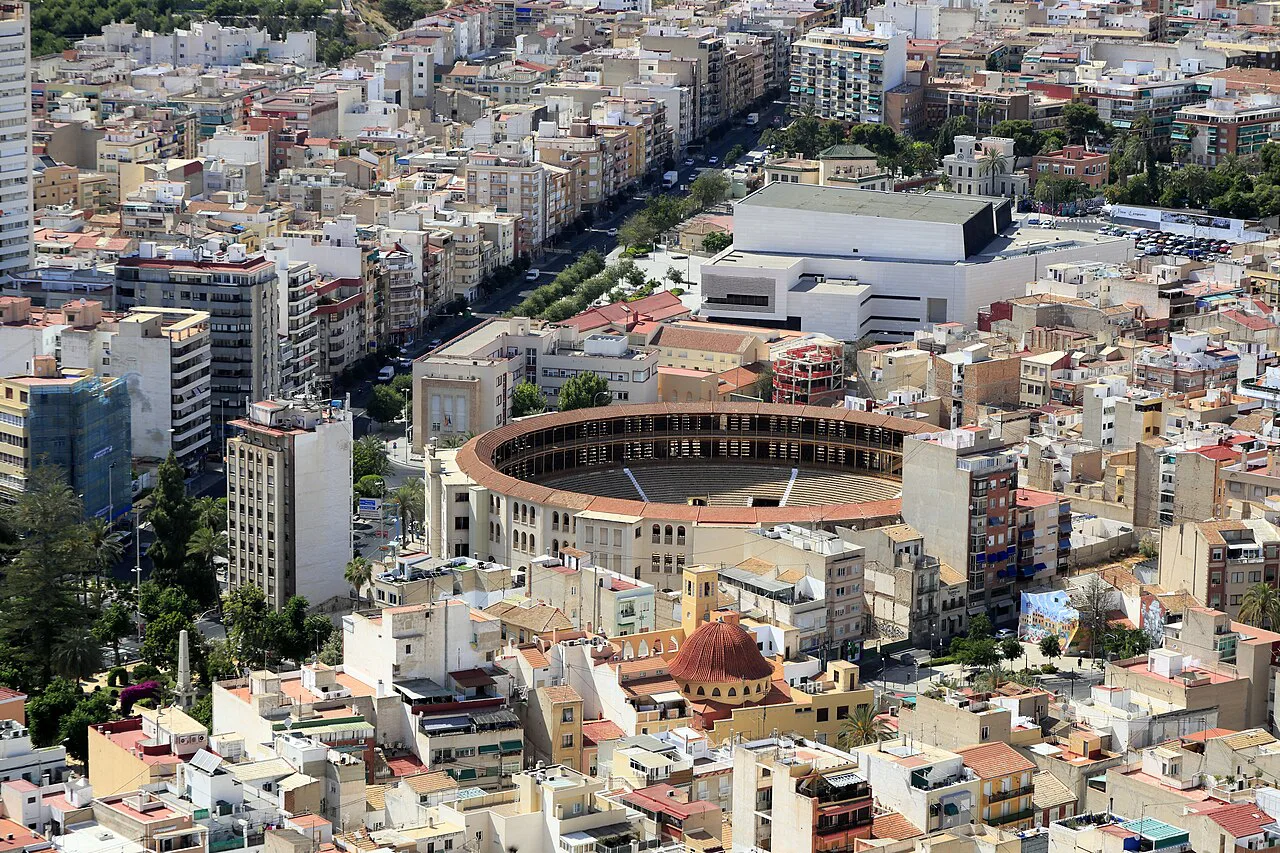
Morning goes to the Castillo de Santa Bárbara on Monte Benacantil, then you walk down through Parque de la Ereta and the Barrio de Santa Cruz into the old town. The afternoon is flatter: churches and a museum, then the Explanada de España, Plaza Gabriel Miró and the Casa Carbonell facade. Finish along the Marina Deportiva or with a swim at Playa del Postiguet, the city beach that sits right beside the Explanada.
The logic is uphill first, then downhill, so you climb once and spend the rest of the day roughly level. Aim to reach the castle as early as you can manage, because the old quarter's sights and the marble promenade fill the hours after it without much backtracking. If you only have one day, this is the version to keep.
Start at Castillo de Santa Bárbara
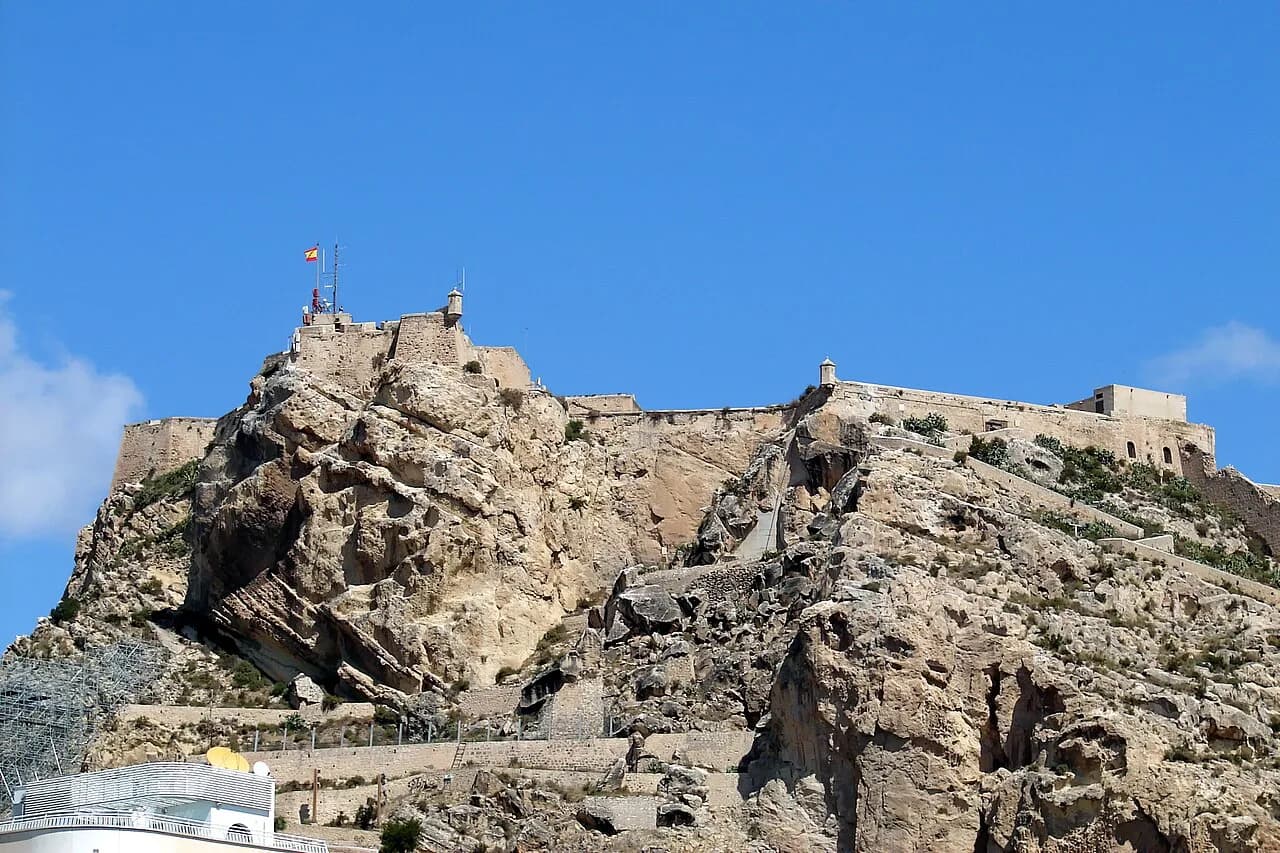
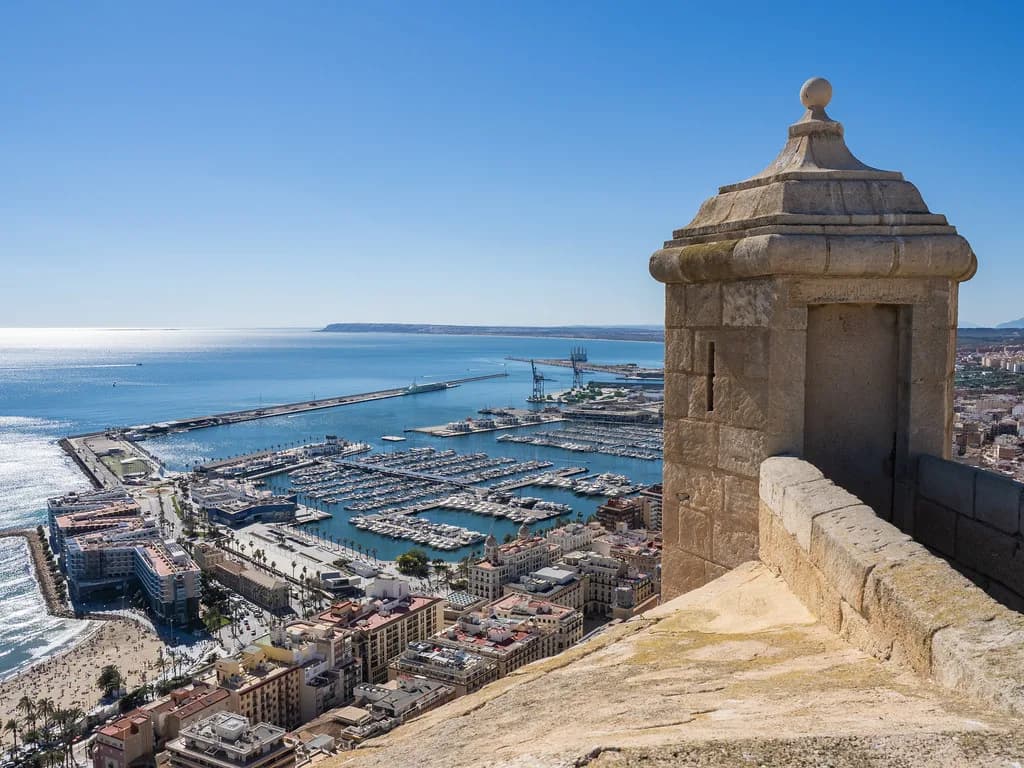
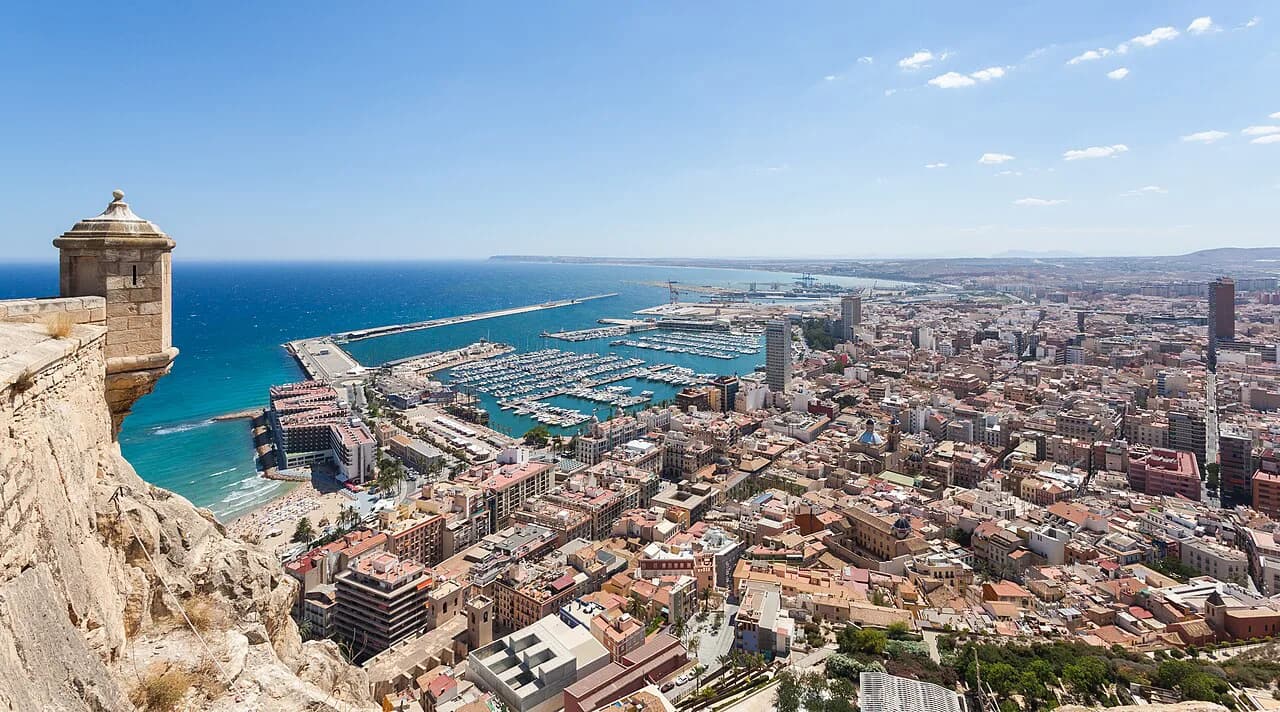
The fortress tops Monte Benacantil at 166 metres and gives the widest view over the city and the Mediterranean, which is why it opens the day rather than closing it. Entry is free, and there are three ways up: lift, car or on foot. In warm months the lift spares you the climb; the ascent is the part of the day most easily soured by midday heat.
The tourism board allows two to three hours here, including a guided visit if you want the history and legends explained. That is a generous estimate for the ramparts and exhibitions alone, so treat it as the morning's main block and Don't book anything tightly afterwards. Sunset light is lovely but would reorder the whole day; on a short break, morning wins.
Walk down through Parque de la Ereta and Santa Cruz
Parque de la Ereta sits on the castle's lower slopes and offers its own wide view across the city, a natural pause on the way down. Below it, the Barrio de Santa Cruz is a knot of narrow streets and white houses heavy with potted flowers, the most photogenic stretch of the descent. Read it as the gateway to Alicante Old Town and let it deliver you into the old town instead of retracing your steps to the lift.
This is the point to decide how much old-town detail you want. The neighbourhood rewards wandering more than ticking off, and a wrong turn costs nothing because the Concatedral de San Nicolás and the Basílica de Santa María both sit within it. Keep the descent loose and save your structured time for the churches.
Churches and museums in the old quarter
Allow about an hour for the Concatedral de San Nicolás, which stands in the casco antiguo with a calm cloister, and an hour for the Basílica de Santa María, the oldest religious building in the city. Both are working churches, so sightseeing can pause during mass; plan around services rather than expecting open doors all afternoon.
The MACA, Alicante's contemporary art museum, holds works by Saura, Picasso, Tàpies and Eusebio Sempere and takes one to two hours with its temporary shows. Pick it or the churches if the day is tight, or take both if you started early. Museum opening hours and any free-entry slots are published by each venue, so confirm before you set out.
Lunch and the afternoon paseo
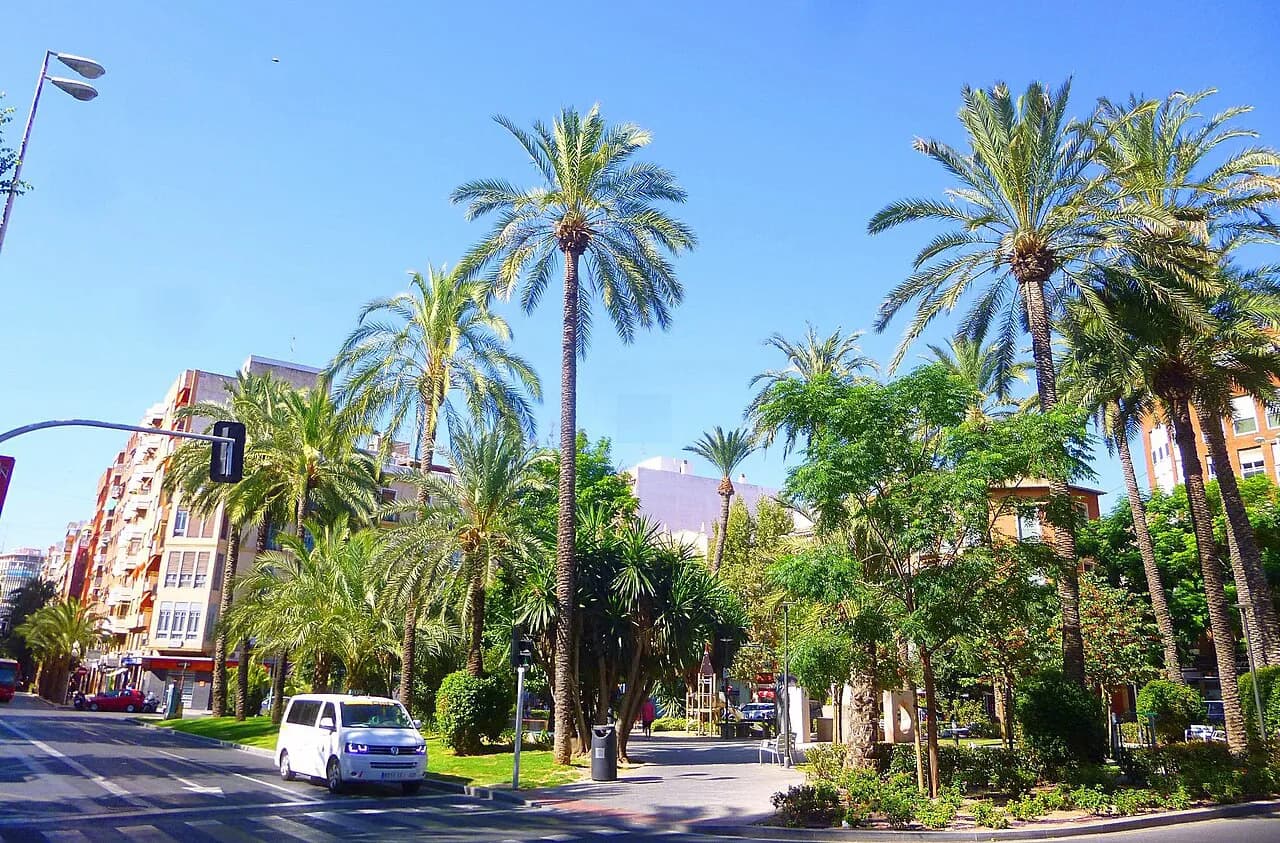
After lunch, the Explanada de España is the city's set piece: a promenade of more than 500 metres laid in a wavy red, white and blue marble mosaic, running between the Postiguet beach side and the Parque de Canalejas. The tourism board counts some 6.6 million marble tiles in the wave pattern. Walk its length once, then slow down on a second pass.
From the Explanada, the Casa Carbonell facade is one of the city's most photographed buildings, and Plaza Gabriel Miró, known locally as the Plaza de Correos, offers shade under century-old ficus trees and a fountain called La Aguadora. Both are short stops that break up the flat walking rather than destinations in themselves.
If you want a self-guided line through these pieces, a walking tour structure helps you link the Explanada, the old town and the harbour without doubling back. The city centre is compact enough that the order matters more than the pace.
Evening: harbour promenade or Postiguet
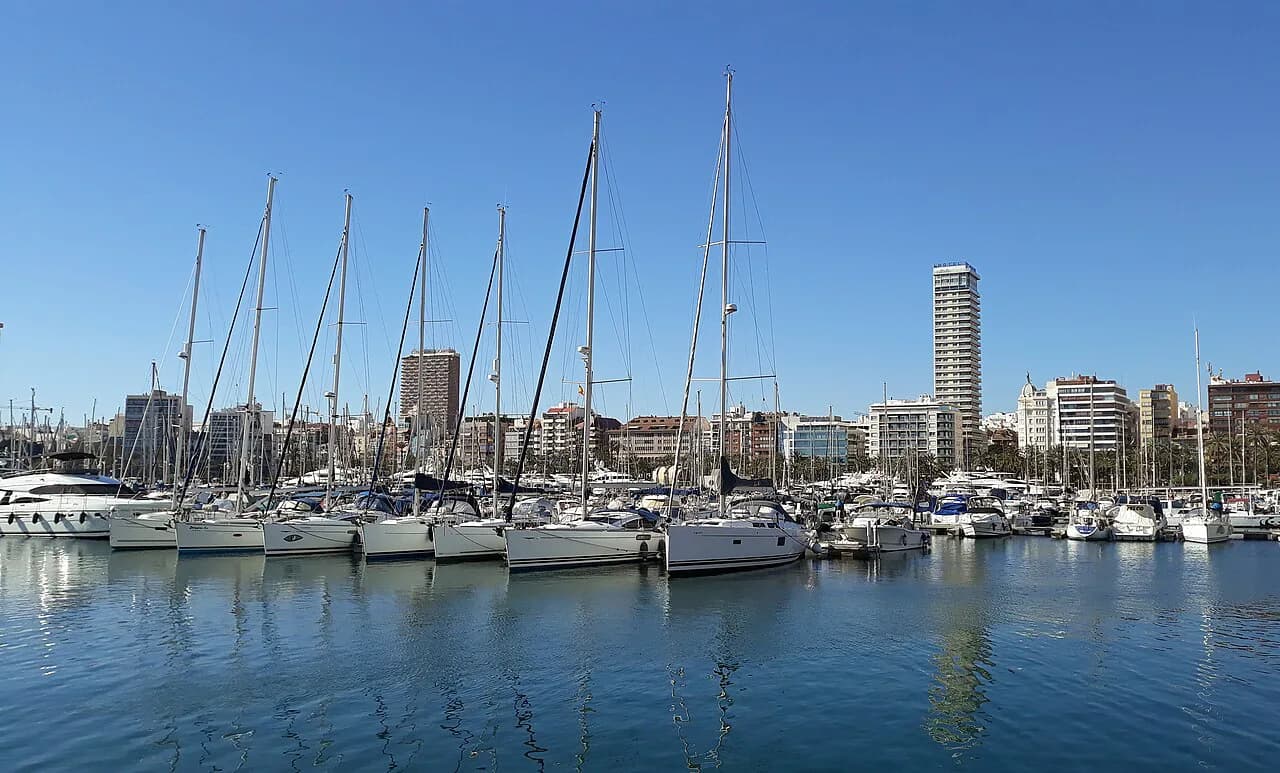
The Puerto de Alicante has a seafront promenade of more than a kilometre, good for an unhurried end to the day. Alternatively, Playa del Postiguet is a white-sand city beach right beside the Explanada, so a late swim costs you almost no travel time. Choose the harbour for a stroll and the beach for the water; you Don't need both.
The Marina Deportiva is the other evening option, with the old town behind you and the water in front. Whichever you pick, keep it within walking distance of the centre and the day stays car-free.
Two-day version: give the second day to Isla de Tabarca
Tabarca is the only inhabited island in the Valencian Community, a marine reserve with clear water and a Starlight-certified dark sky. The tourism board budgets around six hours for the excursion including two hours of transport, which makes it a genuine half-day or more rather than a quick add-on. That time comes out of the city, so it only pays off if you have a second day to spend.
Crossings reach the island from the mainland, and the operators publish their own timetables and fares; check who sails before you commit, and confirm the return sailing, since the day's shape depends on it. A boat trip is the whole point of the second day here, so treat the crossing as part of the visit rather than dead time.
If the sea is against you, keep the second day in the city instead. The Museo MARQ, an archaeology museum with an international reputation, takes one to two hours, and the Centro Cultural Las Cigarreras, a former tobacco factory now given over to exhibitions and events, fills another block. Both sit within the centre and need no transport planning.
Indoor alternatives if the weather turns
Rain or a hot spell rarely cancels the castle, but it can wreck a beach plan, and the MARQ and Las Cigarreras are the obvious swaps. The MACA is the third indoor card, already positioned in the old quarter where you would be walking anyway. None of them requires a car or a booked slot beyond the venue's own published arrangements.
Where to base the walking route
Everything in the one-day plan sits in a compact centre: Monte Benacantil and the castle at one end, the old town and Explanada in the middle, the harbour and Postiguet at the edges. Base yourself anywhere in that circle and the day needs no buses or taxis. Alicante's airport sits outside the city, so the only transport decision is the transfer in and out.
Two details sharpen the routing. First, the castle lift and the option of going by car save the climb, so treat the summit as a destination reached rather than a walk earned. Second, the old town's lanes connect the castle slopes to the Explanada directly, which means the day's two halves join without a detour.
What to skip on a short break
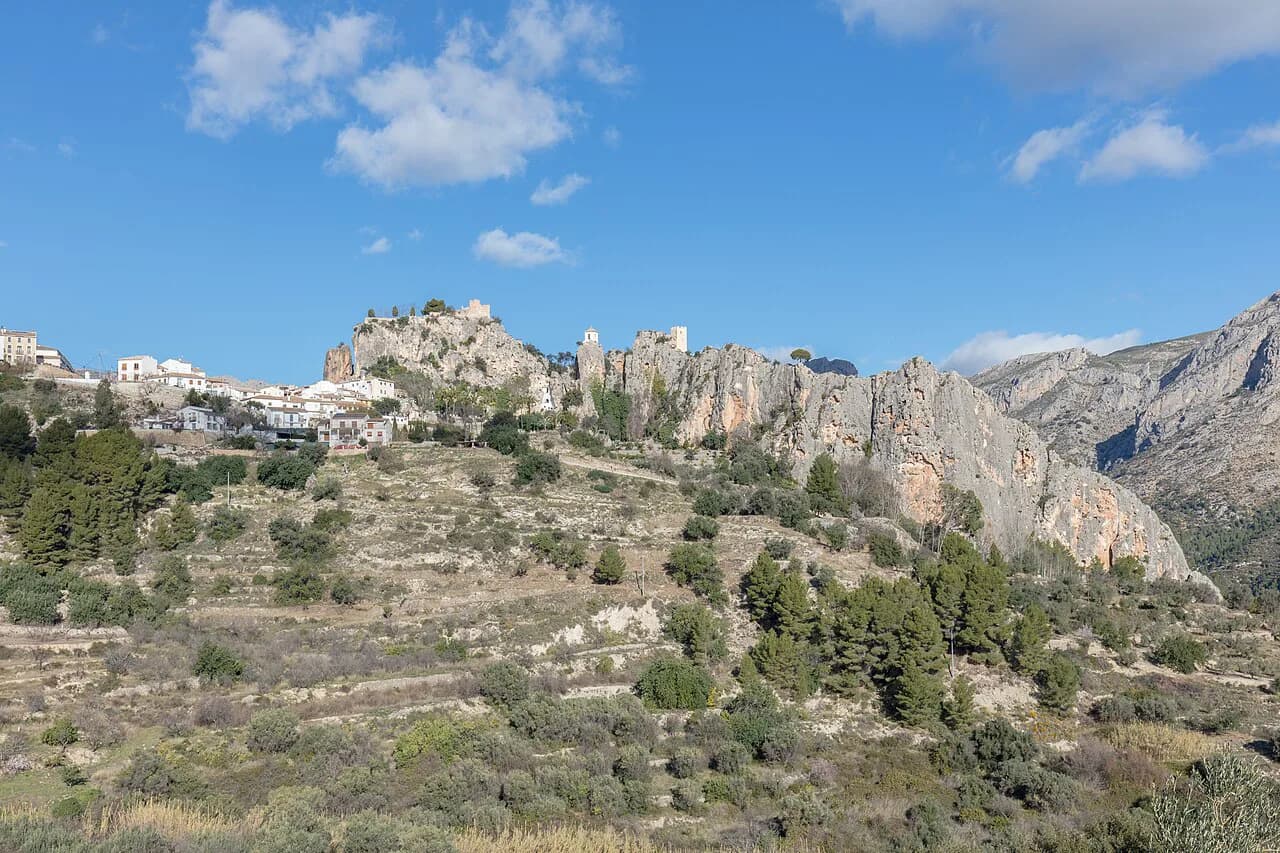
Elche, with its UNESCO-listed Palmeral and the Huerto del Cura garden, sits about 20 minutes from Alicante by car and is a fine half-day on its own. Guadalest, a mountain village with castle views and a miniature museum, and Altea, with its whitewashed old town and blue-domed church, are further and best reached by car. All three belong to a different trip from a city break, not to a packed one-day route.
The same goes for the countryside excursions: the Parque de la Font Roja and the Cuevas de El Canelobre reward a car and a full day, and squeezing them in would cost you the castle or the old town. On a short break, the city wins.
One day in the city, or two with the island?
Keep the first day as laid out: castle in the morning, Santa Cruz and the old quarter at midday, Explanada and Plaza Gabriel Miró in the afternoon, harbour or Postiguet in the evening. If a second day is available, give it to Tabarca and accept the transport time as part of the plan; if not, add the MARQ and Las Cigarreras instead.
Sort the castle timing and the Tabarca crossing first, since those two decisions shape everything else on the break. The rest of Alicante's centre you can walk without a schedule.
Explore more Alicante guides
Sources
Notes for your next Spanish town break
Optional updates to our guides.
You might also like
Continue reading
More guides you'll find useful