Churches in Alicante: Which Ones Are Worth Stepping Into
Two city-centre churches in Alicante deserve your time: the Basílica de Santa María and the Concatedral de San Nicolás, plus a modernist detour to Novelda.
On this page
Two churches in Alicante city centre repay a proper stop: the Basílica de Santa María, the oldest religious building in the city, and the Concatedral de San Nicolás de Bari, which dates from the seventeenth century. Both sit within a few minutes of each other in the old town, so you can see them in a single morning without rushing. This guide separates them by period and by what is actually inside, then looks at the modernist Santuario de Santa María Magdalena in Novelda and the churches further along the coast.
Expect working places of worship rather than museums. Services take priority over sightseeing, and a church that is open when you pass may be closed to visitors an hour later, so build your day around the monuments you can see at any hour, such as the Castillo de Santa Bárbara, and slot the churches in when the doors are open.
Which churches in Alicante are worth visiting
In the city itself, the Basílica de Santa María and the Concatedral de San Nicolás de Bari are the two that justify a detour. Santa María is the older of the pair, with fourteenth-century origins described as the earliest religious construction in Alicante, while San Nicolás grew from a seventeenth-century foundation.
Outside the city, the Santuario de Santa María Magdalena at Novelda is a modernist building often compared with Gaudí's work, and it is a separate excursion rather than an old-town stop. Along the coast, Altea, Benidorm and the island of Tabarca each have a church worth naming, but they belong to day trips, not to a morning in Alicante.
Basílica de Santa María: the city's oldest religious building and its baroque doorway
Santa María is the building to see first if you want the long view of Alicante's religious architecture. Its origins are placed in the fourteenth century, and it is described as the oldest religious construction in the city.
The feature to look for from the street is the large baroque main doorway, which dominates the exterior. Photographs from the twentieth century show the same portal and the church's choir, so the facade you meet is the one that has long defined this corner of the old town.
Because it stands in the heart of the historic centre, Santa María works best as one stop on a wider circuit. The surrounding streets climb towards the castle and the Barrio de Santa Cruz, so pair the church with a slow walk rather than treating it as a standalone visit.
Inside Santa María: the rococo high altar and the art it holds
The interior is where Santa María earns its place on your list. The high altar is described as a genuine rococo piece, and the church holds a substantial collection of artworks alongside it, so allow time to look rather than stepping in and out.
Treat the visit as you would a small gallery. The altarpiece and the paintings are the reason to come, and quiet, unhurried looking suits a building that still serves a parish. If your interest runs to collections, the city's museums in Alicante make a natural complement to a church-heavy morning.
Concatedral de San Nicolás de Bari: the seventeenth-century heart of the old city
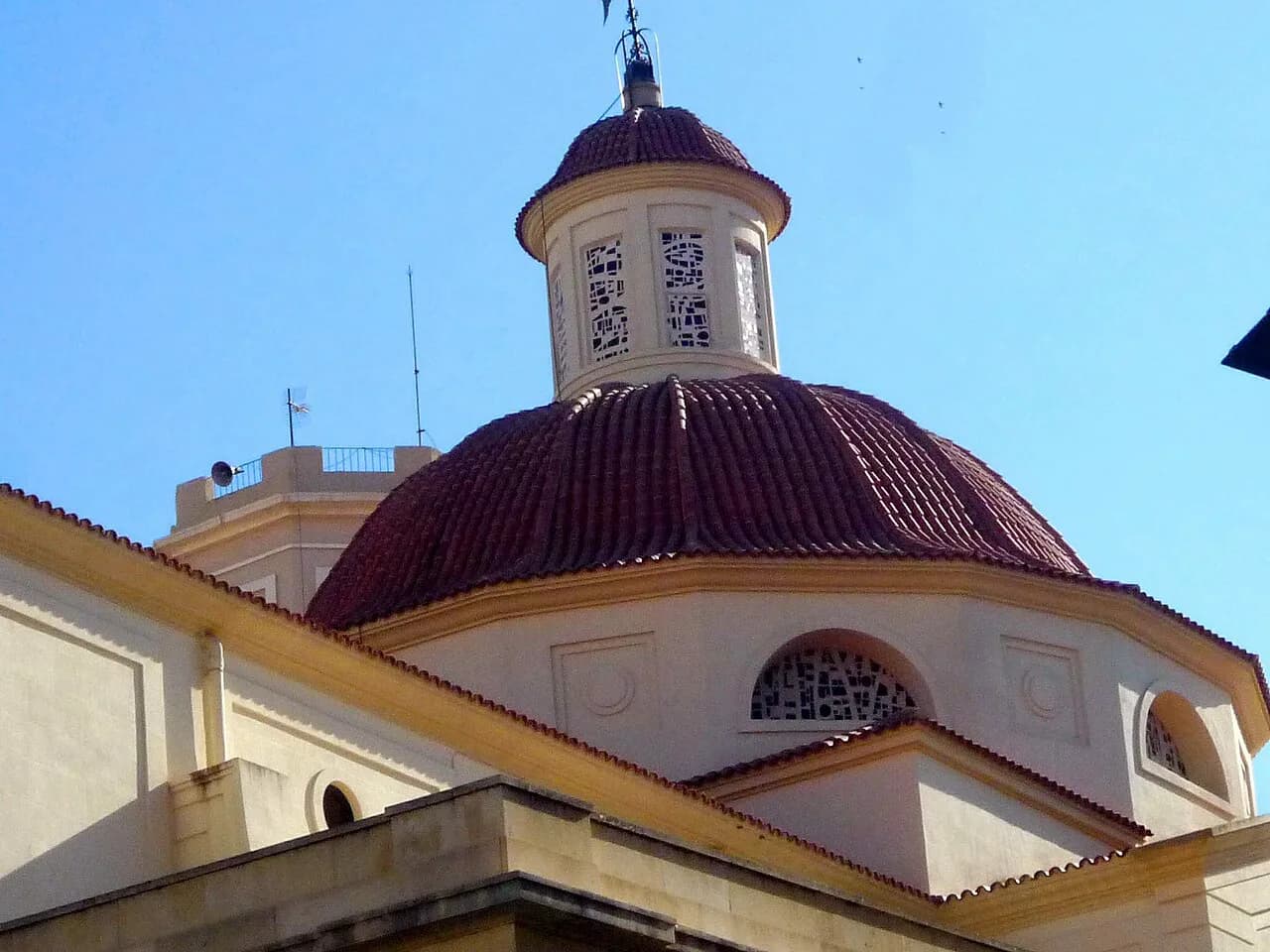
San Nicolás is the second city-centre church to prioritise, founded in the seventeenth century and set in the middle of the old city. Where Santa María gives you medieval origins and a baroque front, San Nicolás offers scale and a sense of ceremony.
Its position makes it easy to combine with the rest of the centre. The concatedral stands in the thick of the old-town streets, so you can move between the two churches on foot in a few minutes and still have the afternoon free.
What to look for in San Nicolás: the central vault, the chapel and the cloister
The interior is the draw at San Nicolás. Its central vault and overall breadth are what visitors single out, giving the nave a feeling of space that suits a building of this rank.
Look beyond the nave as well. Historical images of the church record a communion chapel and a cloister with its own doorway, both of which reward a few extra minutes if they are open when you visit.
San Nicolás is a working church, so services can interrupt sightseeing. Plan the churches for the part of the day when you are already in the centre and keep the castle or a museum as the flexible alternative if the doors are busy with worshippers.
Santuario de Santa María Magdalena in Novelda: the modernist church outside the city
Novelda's Santuario de Santa María Magdalena is the one church on this list that needs a trip of its own. It is a modernist building inspired by Gaudí and often likened to the Sagrada Família, which makes it a strange and memorable contrast with the baroque and medieval churches in Alicante.
The trade-off is time. Novelda sits inland from Alicante rather than in the city, so it takes a half-day at least and is best paired with the town itself rather than squeezed between two old-town stops. Check train and bus times for the day you plan to travel before committing.
The architecture is the reason to go. Modernist curves and detail fill the exterior and interior, and the setting gives you something the city-centre churches cannot: a building that looks nothing like the baroque and medieval churches of Alicante.
How the city-centre churches fit into a walk around the old town
Start at the Puerta del Mar end of the centre and work inland, taking in San Nicolás and Santa María before the streets climb towards the castle. The two churches are close enough that the walk between them is short, and the surrounding lanes are part of the experience rather than just a route.
If you want the whole picture of how the centre is laid out, a structured Alicante walking tour or a self-guided route using a map helps you avoid doubling back. The old-town streets are not on a grid, and the two churches sit close to the main sights without being obvious from every corner.
Build the day around opening rather than around a checklist. See the churches when they are open, then fill the rest of the time with the castle, the museums and the seafront, which do not depend on service times.
Practical points: mass, visiting hours and Monday openings
Churches in Alicante are active places of worship, and tourist access gives way to mass. Opening hours for visitors vary by church and by day, and no fixed schedule applies across the city, so confirm the times with each church or the local tourist office before you set out.
Monday is the day to watch elsewhere in Spain, when many museums and monuments close, so keep your church visits flexible and check the day's arrangements before you travel. If a door is shut, the castle and the museums give you alternatives nearby without wrecking the day.
Dress and behaviour matter more than in a museum. Cover shoulders and keep voices low, and if a service is in progress, wait or come back rather than walking the aisles. That is also the moment to leave the camera in your bag.
Churches nearby: Altea, Benidorm and Tabarca
Altea's Iglesia de Nuestra Señora del Consuelo sits in one of the province's most photogenic villages, with whitewashed streets and views over the Mediterranean. It is a reason to spend an afternoon in Altea rather than a stop on the way to somewhere else.
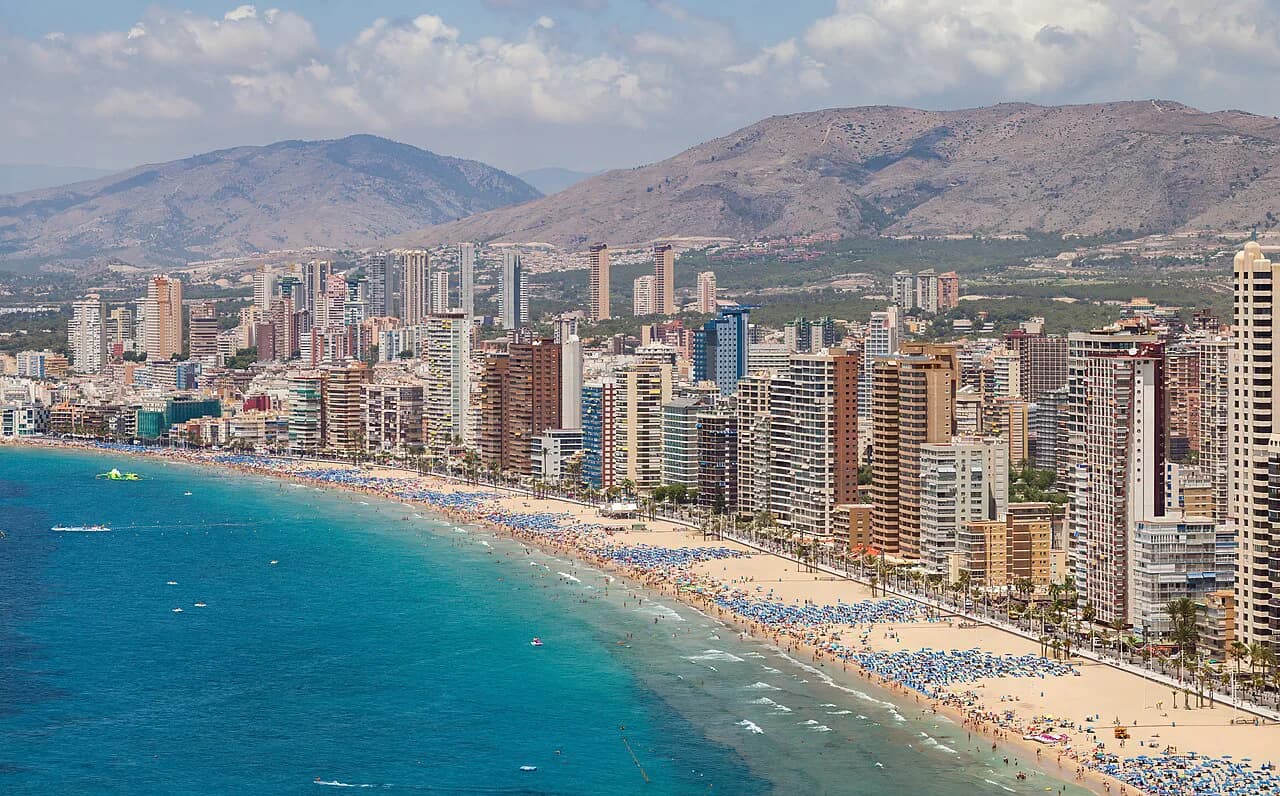
In Benidorm, the Iglesia de San Jaime y Santa Ana stands above the coast beside the Balcón del Mediterráneo. The combination of church and viewpoint is the point: you get the sea panorama and the building in one stop, which makes it worth the climb even in high summer.
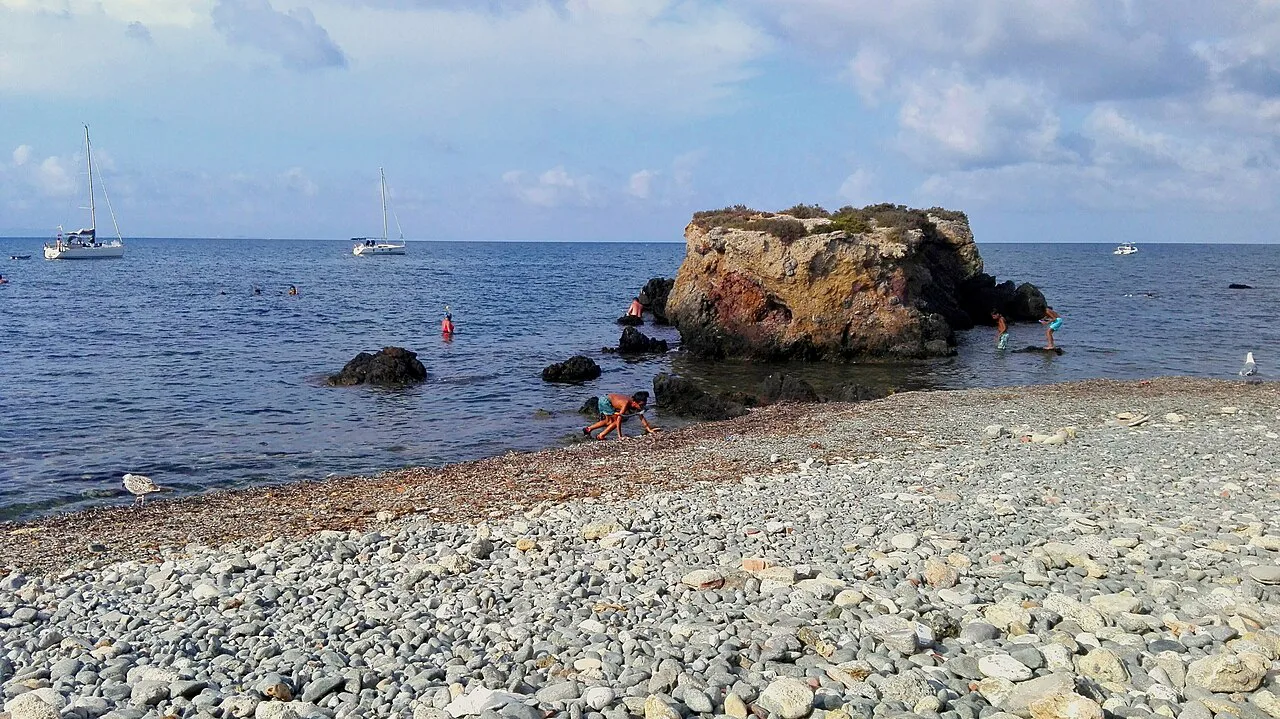
The Iglesia de San Pedro y San Pablo on Tabarca is a small eighteenth-century church declared a Bien de Interés Cultural, sitting right beside the water. Tabarca island is the only inhabited island of the Comunidad Valenciana, so the visit comes with the crossing; check sailings from Santa Pola or Alicante before you plan the day.
Allow a full day for Tabarca, since the boat schedule shapes everything. If your time is short, Altea and Benidorm fit more easily into a coastal day, and the island is the better choice when the ferry times work in your favour.
Which Alicante church should you see first?
See the Basílica de Santa María first for its fourteenth-century origins, baroque doorway and rococo high altar, then walk the short distance to the Concatedral de San Nicolás de Bari for the seventeenth-century interior and its central vault. Together they make a compact, rewarding morning in the old town, and the surrounding streets repay as much time as the buildings themselves.
Add Novelda's Santuario de Santa María Magdalena only if you have a half-day to spare for the modernist contrast, and treat Altea, Benidorm and Tabarca as coastal excursions rather than city stops. Check opening times with each church on the day you plan to visit.
Explore more Alicante guides
Frequently Asked Questions
What is the most famous church in Alicante?
The Basílica de Santa María is the city's oldest religious building, with fourteenth-century origins, a large baroque doorway and a rococo high altar. The Concatedral de San Nicolás de Bari, founded in the seventeenth century, is the other major city-centre church and is usually paired with it on a walk through the old town.
Are the churches in Alicante free to enter?
Entry arrangements vary by church, and visitor access can be limited by services. The parish or the local tourist office can confirm the current position for the day you plan to visit, since arrangements are not uniform across the city.
How long do the two city-centre churches take?
Plan around an hour for both if you look properly at the altarpiece, vault and side chapels, plus walking time between them. They sit close together in the old town, so the visit fits easily into a morning alongside the castle or a museum.
Is the Santuario de Santa María Magdalena in Alicante city?
No. It is in Novelda, inland from the city, and its modernist design is often compared with Gaudí's work. It needs a separate half-day trip, so check train and bus times before you commit to it.
Sources
Notes for your next Spanish town break
Optional updates to our guides.
You might also like
Continue reading
More guides you'll find useful