Costa Blanca Towns Worth Visiting: Old Towns, Castles and Hill Villages
Plan a Costa Blanca short break around Altea's whitewashed old town, Guadalest, Dénia, Xàbia and Villajoyosa, with what each is like and how to link them.
On this page
Altea, Dénia, Xàbia, Calpe, Villajoyosa and Guadalest are the Costa Blanca towns whose old centres justify the trip, and the northern cluster around Dénia and Altea is the easiest to combine without a car. The region runs from Dénia in the north down to Torrevieja, with Alicante and Benidorm in between, so where you base yourself decides how much of this you see. This guide covers what each old quarter is actually like, how the coast's tram and bus network fits a short break from Alicante, and the trade-offs between coast and inland village.
What the Costa Blanca covers, and where the old towns sit
The Costa Blanca is the stretch of Spain's Mediterranean coast in the province of Alicante, beginning in the north at Dénia and running south to Torrevieja. Alicante and Benidorm are the largest resorts within it, but the towns worth a deliberate stop for their old quarters sit mostly along the northern half. The northern coast puts mountains close to the sea, while the southern stretch flattens into plains and palm country, which shapes how each town feels on foot.
Treat the coast and the interior as two different trips. Altea, Dénia, Xàbia, Calpe and Villajoyosa give you compact old centres within reach of the coastal railway, while Guadalest sits inland behind Benidorm and works as a hill-village counterpoint. Dénia and Xàbia sit in the far north, so a short break based in Alicante means committing to that end of the coast for at least a full day. Before you go, it helps to read our guide to the Dénia Old Town: Streets, Squares and Castle Route so the castle and Baix la Mar fit into the day.
Altea: the whitewashed old town on the hill
Altea is the pick of the northern coast for an old quarter alone, with whitewashed houses, blue shutters and narrow cobbled streets climbing a hill above the sea. The Church of Nuestra Señora del Consuelo, with its two blue domes, anchors the Plaza de la Iglesia at the top, and entry to the church is free. From the beachside it is a short climb of roughly fifteen minutes up to the old town, which is where the reward lies.
The old town's lanes open onto several viewpoints, including the Mirador de los cronistas, Mirador Blanco and Mirador del Portal Vell, which look out over the rooftops and the bay. Small boutiques and terraces occupy the alleys, so the quarter rewards slow wandering rather than a checklist. The beach below is pebbly rather than sandy, which matters if you were planning to combine the old town with a swimming stop; our guide to the Altea old town maps the climb, the church square and each mirador in more detail.
Dénia: the castle rock above the harbour
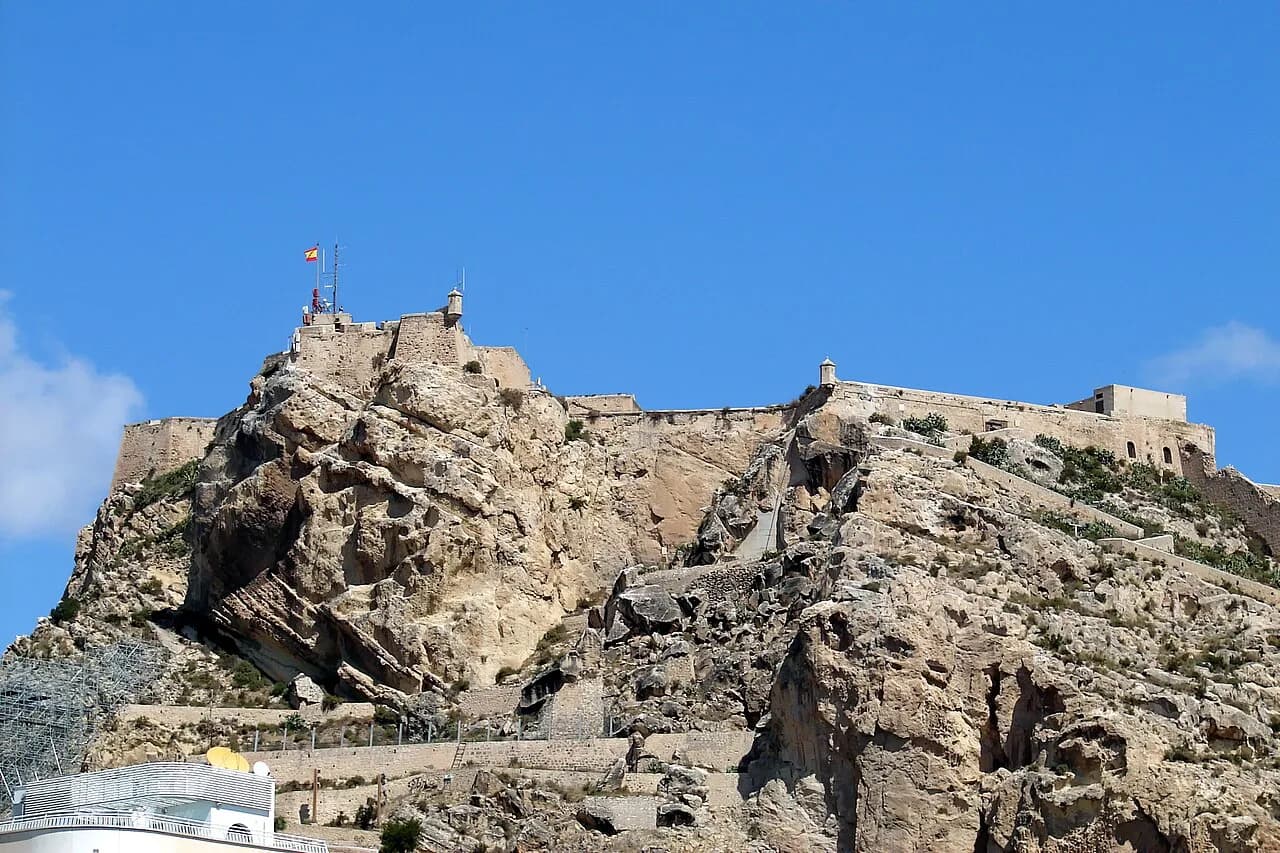
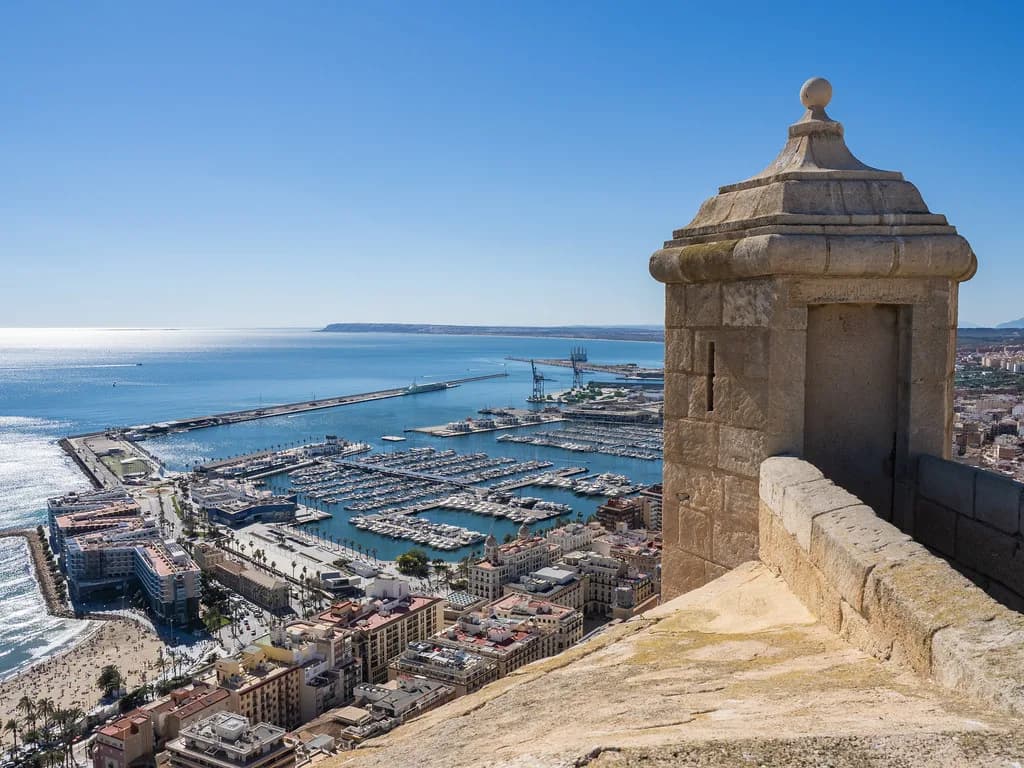
Dénia pairs a castle on a rock above the harbour with a flat, walkable centre and the El Montgó mountain as a constant backdrop. The main pedestrian spine is Marqués de Campo, and the Baix la Mar neighbourhood gives the town its most characterful streets. Allow time for the castle grounds and the old town rather than treating Dénia as a transport interchange.
The town is a useful base for the far north, because it sits at one end of the coast and puts Xàbia, Altea and Calpe within reach without a car. It also has proper out-of-season life, which makes it quieter in winter and busier in high summer. Pair the harbour front with the old town for a half day, then use the remaining time to reach the neighbouring towns.
Xàbia (Jávea): the medieval centre and the Montgó backdrop
Xàbia, still widely called Jávea, has a medieval historic centre of narrow streets and Mediterranean houses below the Montgó massif. The church of San Bartolomé, a Valencian Baroque building, is the monument to look for in the old town. The coves and beaches lie outside the historic quarter, so plan the two as separate stops rather than expecting to walk straight from one to the other.
The Montgó Natural Park forms the natural border between Dénia and Xàbia, and it dominates the skyline from both towns. Jávea is quiet out of season and busy in summer, so the old centre is best walked early in the day when the streets are emptier. From Dénia the two towns are close enough to pair in a single day, which makes Xàbia an easy addition to a Dénia-based break.
Calpe: old town streets and the Peñón de Ifach
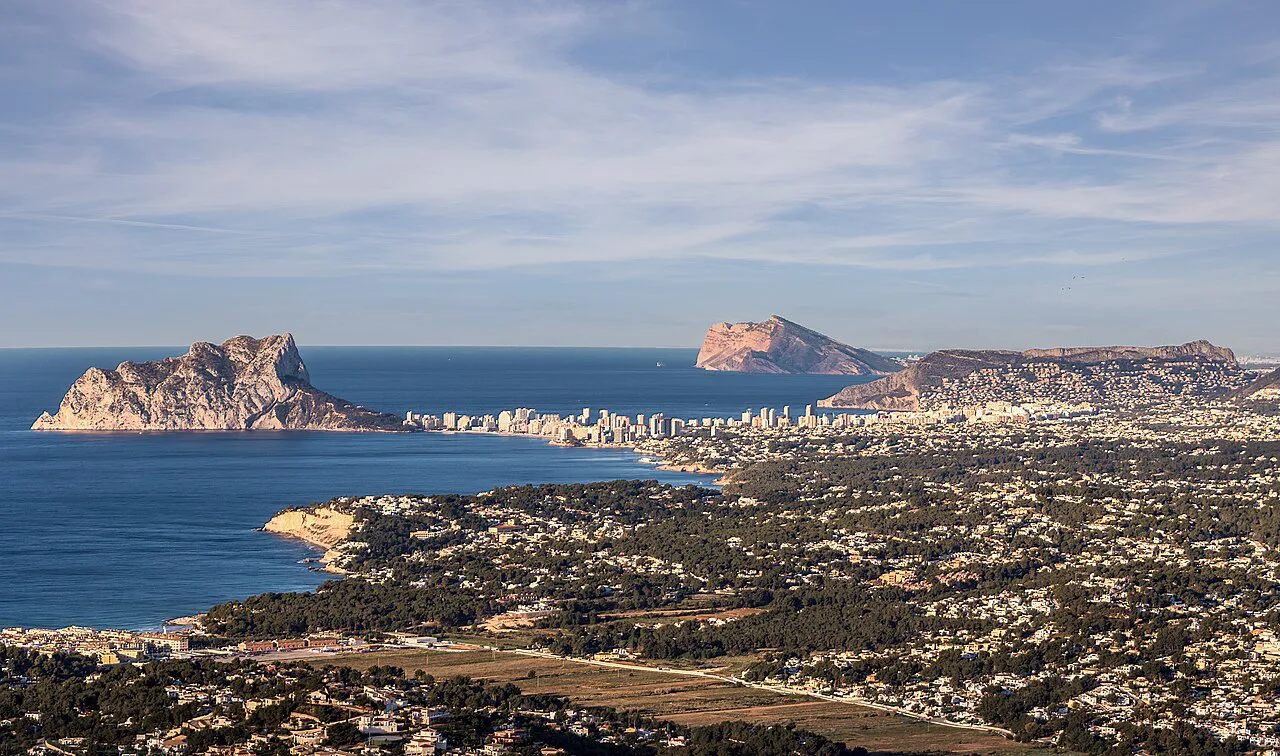
Calpe's identity is the Peñón de Ifach, the great rock that rises out of the sea and marks the whole stretch of coast. The old town has narrow streets with the remains of fifteenth-century fortifications, the Peça dungeon and the Baños de la Reina, remains left by the different civilisations that have lived here. Those monuments give the town a historical layer beyond its resort frontage.
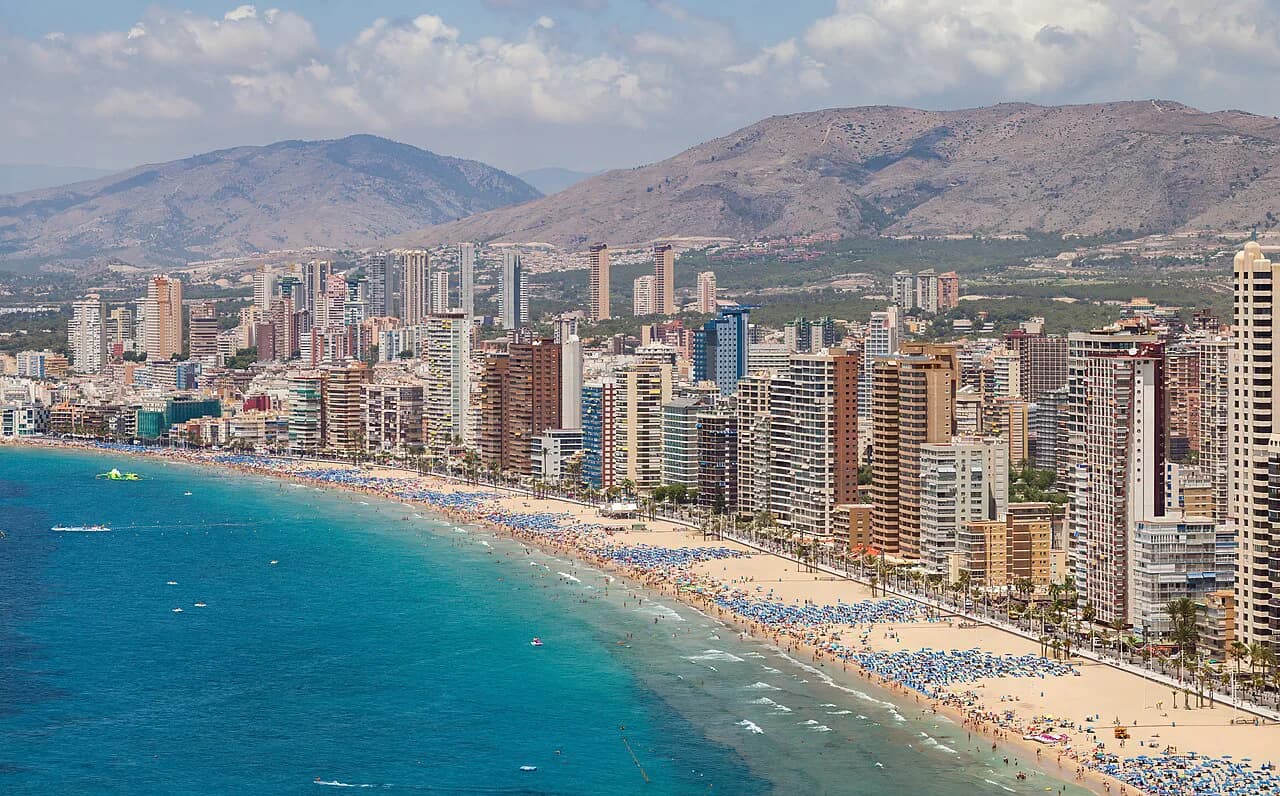
The trade-off is the development around the rock: high-rise blocks crowd the beachfront, which is why Calpe divides opinion. If you want the old streets and the lake in the middle of town, where flamingos and other birds can be spotted, the town delivers; if you want an unspoilt coastal setting, Altea and Xàbia suit better. The rock itself is the landmark to orient yourself by, whichever part of town you walk.
Villajoyosa: the coloured old town
Villajoyosa is the Costa Blanca town for colour, with an old fishermen's quarter of houses painted in bright Mediterranean shades. The old town is small enough to wander in an hour or so, which makes it an easy stop rather than a whole day. It sits south of Benidorm, so it fits naturally into a day moving along the coast from Alicante.
The town is also tied to chocolate, and a factory visit is one of the reasons travellers stop. The old town's narrow streets, street art and historical sights reward a slow walk rather than a quick photo stop. Treat the coloured houses and the chocolate story as the pair that makes the detour worthwhile.
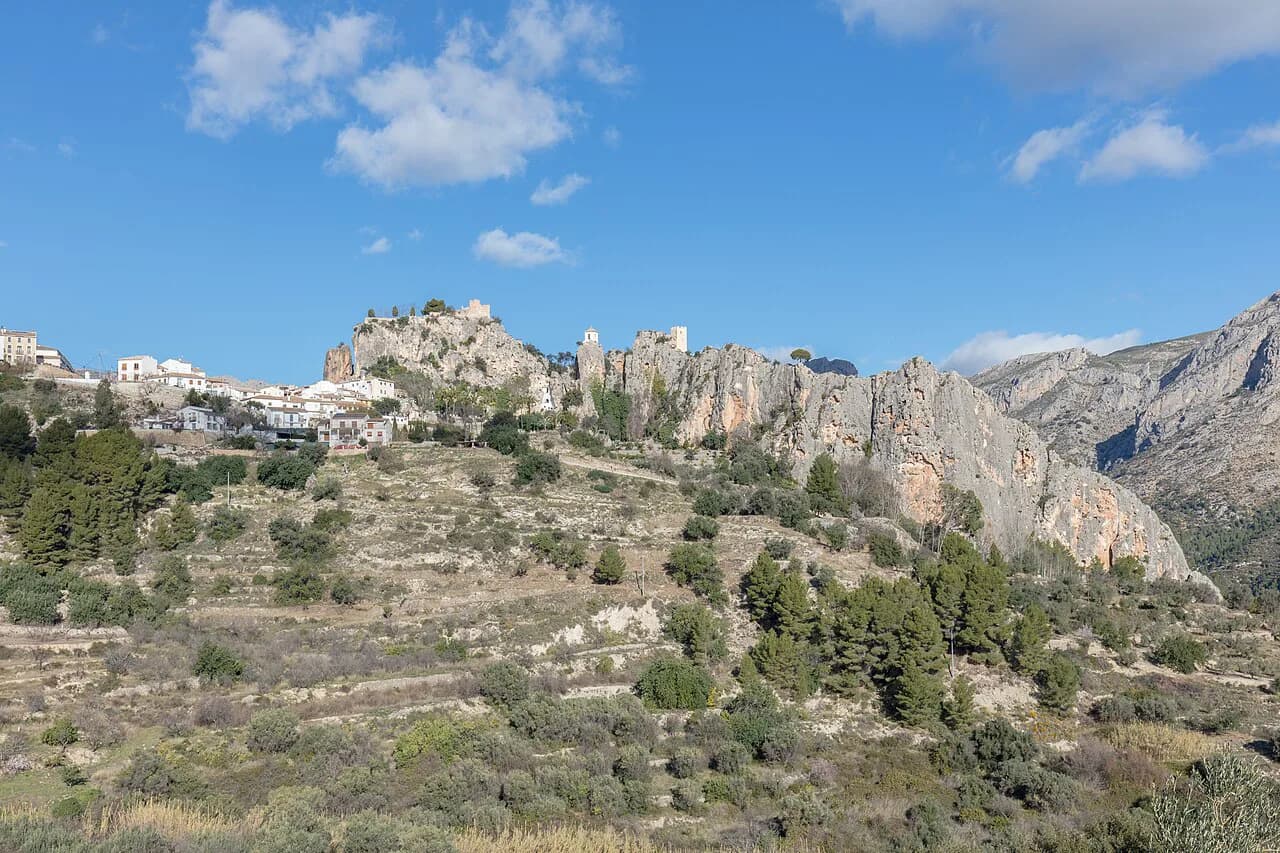
Guadalest: the hill village inland from Benidorm
Guadalest is the inland counterpoint to the coast: a hill village set among mountains behind Benidorm, reached by road rather than rail. It is the stop that shows you the province's interior, and it works best as a half day paired with a coastal town rather than as a base. Because it sits off the coastal line, it needs either a car or a bus connection rather than the tram that serves the coast.
Coming from the coast, the contrast is the point: whitewashed coastal quarters give way to stone, height and mountain views. Guadalest appears on shortlists of picturesque Costa Blanca towns alongside the coastal names, which is a sign of how different it feels. Build it into a day when you have a vehicle or a confirmed bus rather than squeezing it between two tram stops.
How to move between the towns
The northern Costa Blanca is served by a coastal tram and bus network that links Dénia, Xàbia, Altea and Calpe, so a car is not essential for the northern cluster. One traveller's account describes a scenic tram ride of about an hour from Dénia to Altea and a bus of roughly thirty minutes from Dénia to Xàbia, but treat both as rough indications only. Check current times and frequencies with the regional transport operator before you build a day around them.
Guadalest is the exception, because it sits inland and away from the coastal line, so plan a bus or a car for that day. Everything else on this list can be strung together from a Dénia or Altea base without driving. That makes the northern coast the practical choice for a car-free short break.
Linking the towns from Alicante
From Alicante, the coast splits into two workable clusters. The northern cluster around Altea, Calpe, Xàbia and Dénia needs a committed day or an overnight stay at that end, because the distances along the coast are real even on the tram. The southern cluster around Villajoyosa and Benidorm sits much closer to Alicante and fits a shorter outing. Either way, it helps to plan your base around the things to do in Alicante before committing to the coast.
If your base is Alicante, spend one day on the city's own sights and one on the northern coast, using the tram to cover Altea and Calpe together. If you want Dénia and Xàbia as well, stay a night or two in the north rather than trying to reach them and return the same day. Guadalest fits a separate inland day, ideally with a car.
Two inland alternatives extend the same idea of old quarters and castles: the Elche palm grove south of Alicante and the Xàtiva castle inland to the north-west. Both reward travellers who want the province beyond the coast and pair naturally with Alicante as a base. Choose one or the other rather than trying to fit both into a short break.
Heat, timing and the trade-offs
Coastal towns work best in the morning, before the heat builds and the old quarters fill. Inland Guadalest is hotter at midday in summer than the coast, so start early if you are driving up from Benidorm or the coast. Out of season the northern towns can feel empty: one account of a February visit found Jávea very quiet, with only locals and winter residents around.
The other trade-off is development. Calpe's old town is worth the stop, but the high-rise frontage around the rock changes the experience, and Altea's pebbly beach is not the sandy stretch some travellers expect. Set your expectations by what you want from a town rather than by the beach. Crowds in high summer and emptiness in winter are the two extremes to plan around.
What the day costs in euros
The reliable free stop on this route is Altea's Church of Nuestra Señora del Consuelo, where entry costs nothing. Castle and museum entry at Dénia, and any paid monuments in Calpe, should be budgeted separately, because ticket prices change and are set by each site. Check the official ticket pages for the castle and monuments you plan to enter before you travel.
The practical rule is to treat churches, viewpoints and old quarters as free and castles, museums and guided monument visits as paid. That split lets you build a cheap day from Altea, Xàbia and Villajoyosa, and a more expensive one around Dénia's castle. Confirm the current entry price at each site's own ticket office or website rather than relying on older figures.
Which Costa Blanca towns to put in your short break
For a car-free short break, base yourself in Dénia or Altea and work the northern coast: Altea's old town and church, Dénia's castle rock and Baix la Mar, Xàbia's medieval centre and Calpe's old streets and rock. From Alicante, add Villajoyosa on a southern day and save Guadalest for a day with a car or a confirmed bus.
Explore more Alicante guides
Frequently Asked Questions
What is the nicest town in Costa Blanca?
Altea has the strongest old quarter, with whitewashed houses, blue-domed Church of Nuestra Señora del Consuelo and several miradors over the rooftops. Dénia and Xàbia are close rivals if you want a castle, a harbour and a working town rather than a resort, while Calpe suits travellers who want the Peñón de Ifach as the backdrop.
Which Costa Blanca towns can you visit without a car?
The northern towns of Dénia, Xàbia, Altea and Calpe are linked by a coastal tram and bus network, so a car is not essential there. Guadalest sits inland and needs a bus or a car. Check current times and frequencies with the regional transport operator before planning a day around them.
Are the Costa Blanca towns crowded in summer?
The coastal towns get busy in high summer, and one account of a February visit found Jávea very quiet, with only locals and winter residents around. Start early in the morning to walk the old quarters before the heat and the day-trippers arrive.
Sources
Notes for your next Spanish town break
Optional updates to our guides.
You might also like
Continue reading
More guides you'll find useful