Costa Brava Towns: Old Quarters Worth the Trip
Costa Brava towns for their old quarters: Tossa de Mar's Vila Vella, Cadaqués, Figueres, Pals, L'Escala's Roman ruins and Girona as the practical base.
On this page
The Costa Brava rewards travellers who pick towns by their old quarters rather than their beaches. Tossa de Mar has the medieval fortress that encloses the Vila Vella above its main beach, Cadaqués climbs in whitewashed lanes above a rocky inlet on the Cap de Creus peninsula, and Figueres pairs the Dalí Theatre-Museum with the Sant Ferran fortress above the town. Inland, Pals adds a medieval hilltop village and L'Escala a Roman forum to the same short-break itinerary.
Girona works as the base: it sits between the coast and the inland villages, and the Costa Brava's best-known historic towns line up north and east of it. This guide covers what each old quarter actually contains, how the towns sit relative to one another, and how to combine them when you are arriving by air or train rather than driving. If you want to compare these old quarters with a larger historic core, our guide to things to do in Girona covers the city's own walls and cathedral.
What the Costa Brava towns are actually like
The Costa Brava runs along the Catalan coast from the edge of Barcelona province up to the French border, and its reputation rests on coves and harbours as much as on built heritage. Several of its towns grew around a headland fortress or a fishing port, so the historic core is often small, compact and elevated above the water rather than spread out behind a promenade. Tossa de Mar is the clearest example, with its walled old town standing directly above the main beach. That shape matters when you plan a day: you are usually walking up and through a walled or terraced old town, not strolling a long seafront. For a larger walled core on the same trip, compare these towns with the things to do in Girona.
Inland, the picture changes. Figueres is a working town with a historic centre and one of Europe's large fortresses, Pals sits on a hill in a medieval setting, and L'Escala preserves Greek and Roman remains beside its seafront. Treat the coast and the hinterland as one region: the distances are short, and a single base covers both.
Readers arriving by air most often use Girona–Costa Brava airport, with Barcelona also serving the southern end of the coast. Whichever you use, the towns below work as a series of half-days and full days rather than a single route, so pick two or three with genuinely different characters instead of ticking off every harbour. If you fly into Barcelona and have a spare day, Sitges, on the Garraf coast south-west of the city, is a different kind of seaside old town; see the things to do in Sitges.
Tossa de Mar: the Vila Vella fortress and the old town behind the walls
Tossa de Mar is the clearest case of a Costa Brava town whose historic core is the reason to come. Its medieval fortress encloses the Vila Vella, the old town, in walls that stand directly above the Platja Gran, so you can walk from the sand into the fortified streets in minutes. Inside, the lanes are narrow and the surviving stonework is substantial; the fortress walls themselves shelter restaurants and streets that look out over the coast.
Plan Tossa as a half-day at minimum: the climb through the Vila Vella, the stretch along the walls and a look back down at the bay take longer than the map suggests, and the lanes reward a slow pass rather than a brisk circuit. Because the fortress sits above the main beach, the walk up is the price of the view, and the reward is the coastline seen from the ramparts.
Tossa also has smaller coves beyond the main beach, which makes it one of the easier towns to combine a walk through the old quarter with time by the water. If you are building an itinerary around historic centres rather than sand, Tossa earns a full slot; if you only have an afternoon, the walled town alone justifies the stop.
Cadaqués and the Cap de Creus coast
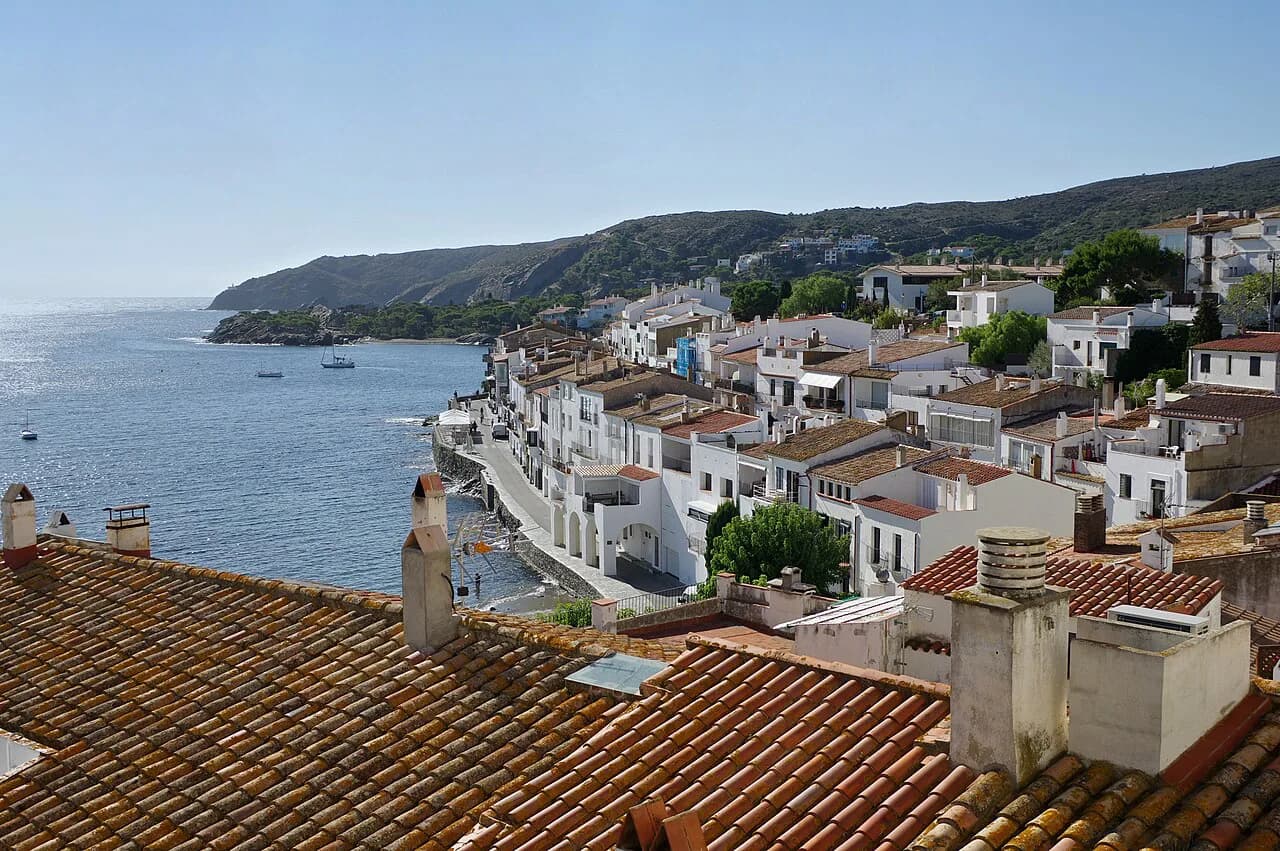
Cadaqués sits on a rocky inlet on the Cap de Creus peninsula, the wildest stretch of the Costa Brava, and its old town climbs in whitewashed terraces above the harbour. The lanes are steep and the streets are genuinely narrow, so the town is best explored on foot and at an unhurried pace. It is the coastal town on this list where the setting does as much work as any single monument; see the separate Cadaqués guide for the detail.
The peninsula's geology and light drew artists, and Salvador Dalí's association with the area is the reason many visitors add the Dalí house at Portlligat, just outside Cadaqués, to a day here. Pair the town with the Cap de Creus headland if you have a car; without one, Cadaqués is best treated as a destination in its own right rather than a quick stop.
The trade-off is access. Cadaqués is at the end of a winding approach road and the reward is a compact old town rather than a checklist of sights, so give it the better part of a day and avoid squeezing it between Figueres and the coast. Approach it as the day's main event.
Figueres: the Dalí Theatre-Museum, the historic centre and the Sant Ferran fortress
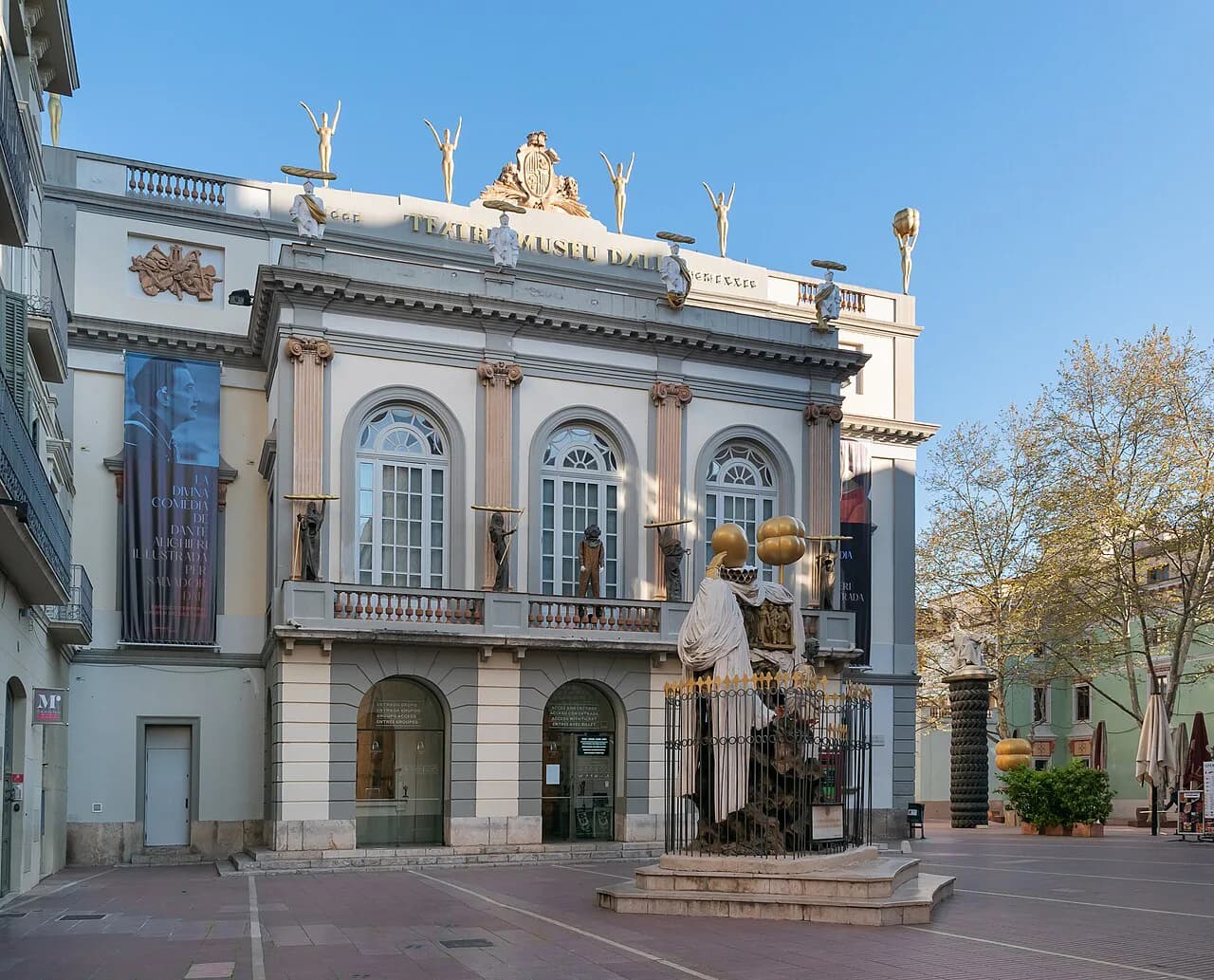
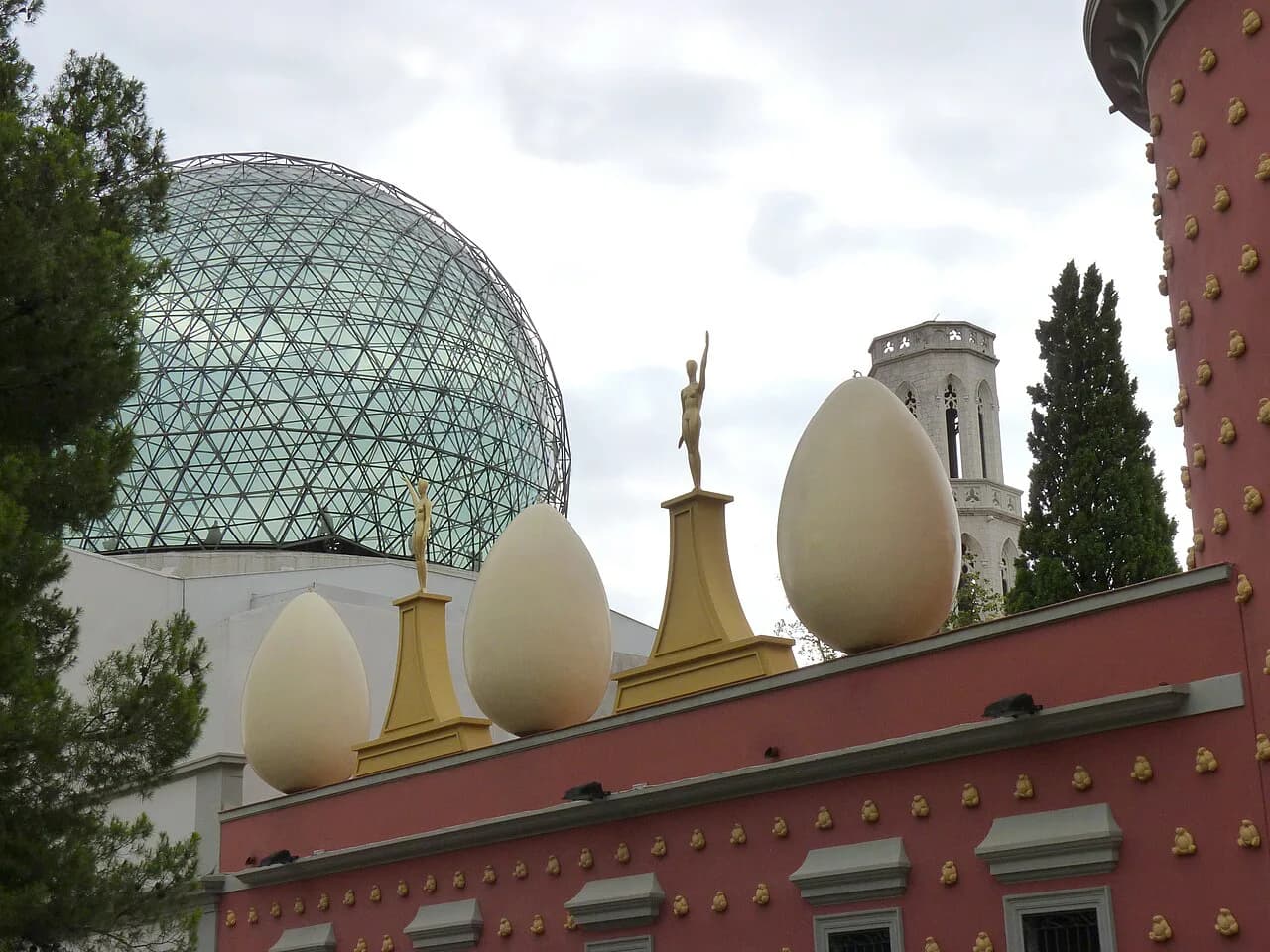
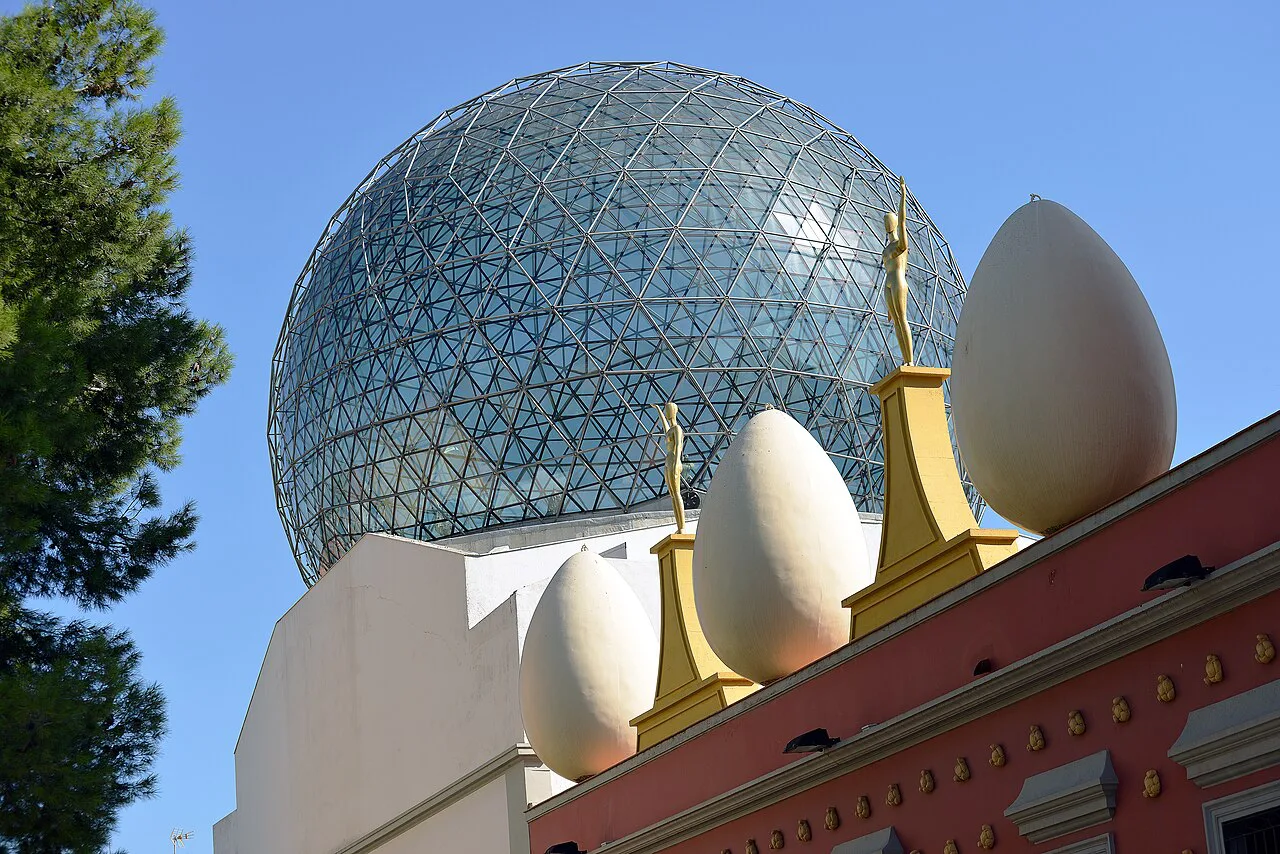
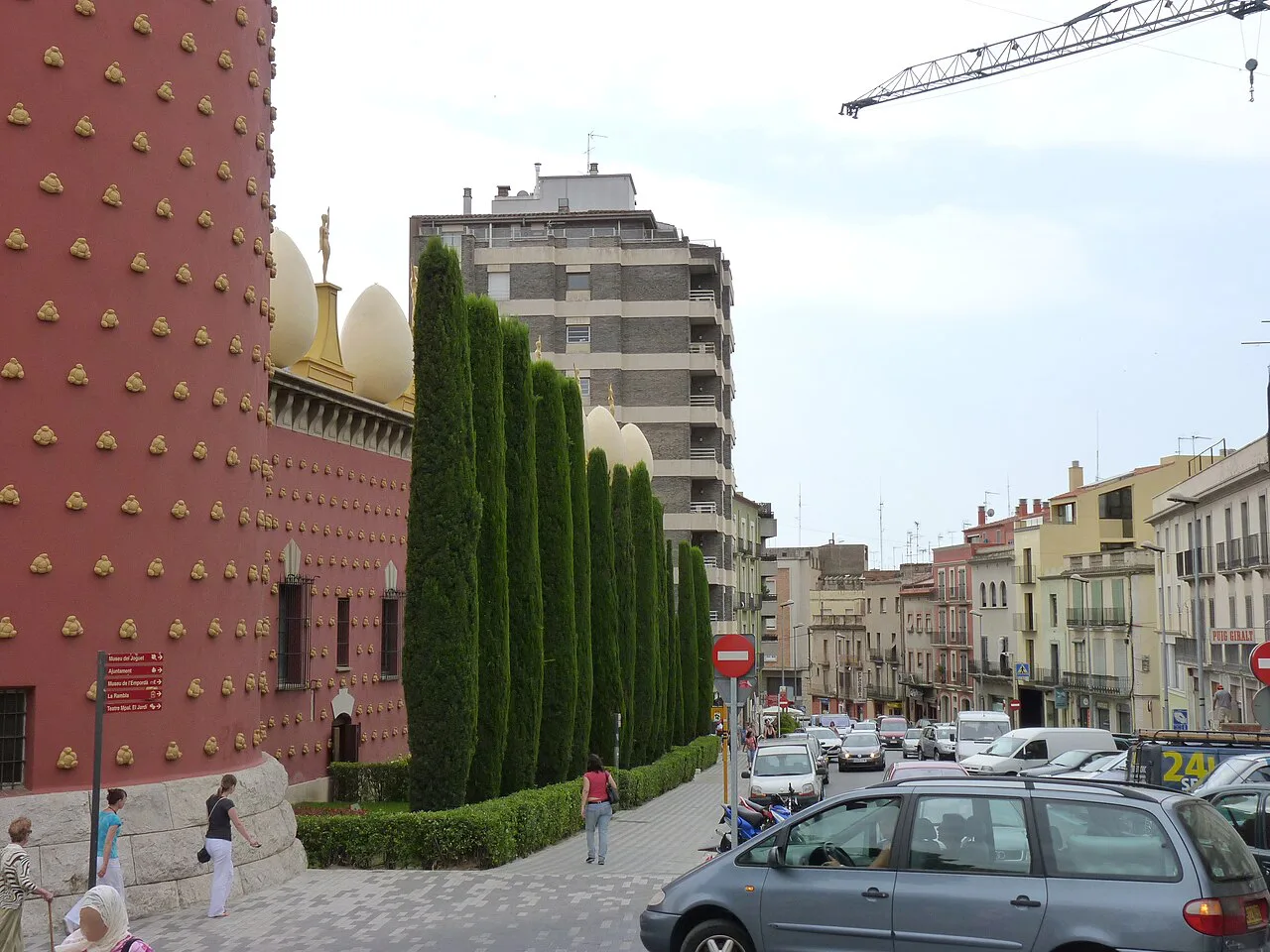
Figueres is the Costa Brava's big-hitter for art, and the Dalí Theatre-Museum is the reason most travellers stop. The museum occupies the rebuilt former theatre, destroyed by fire during the Spanish Civil War, where Dalí chose to create a monumental space for his own work, and it anchors a town that also has a historic centre worth a walk. If you want the detail on tickets and what is inside, start with the guide to the Dalí Theatre-Museum in Figueres.
Beyond the museum, Figueres has the Plaça de l'Ajuntament and the church of Sant Pere, plus remnants of the old Jewish quarter in the surrounding streets. Allow time for the town itself rather than treating it as a museum queue and an exit; the centre is compact and walkable, and the contrast between the busy commercial streets and the quieter old lanes is part of the visit.
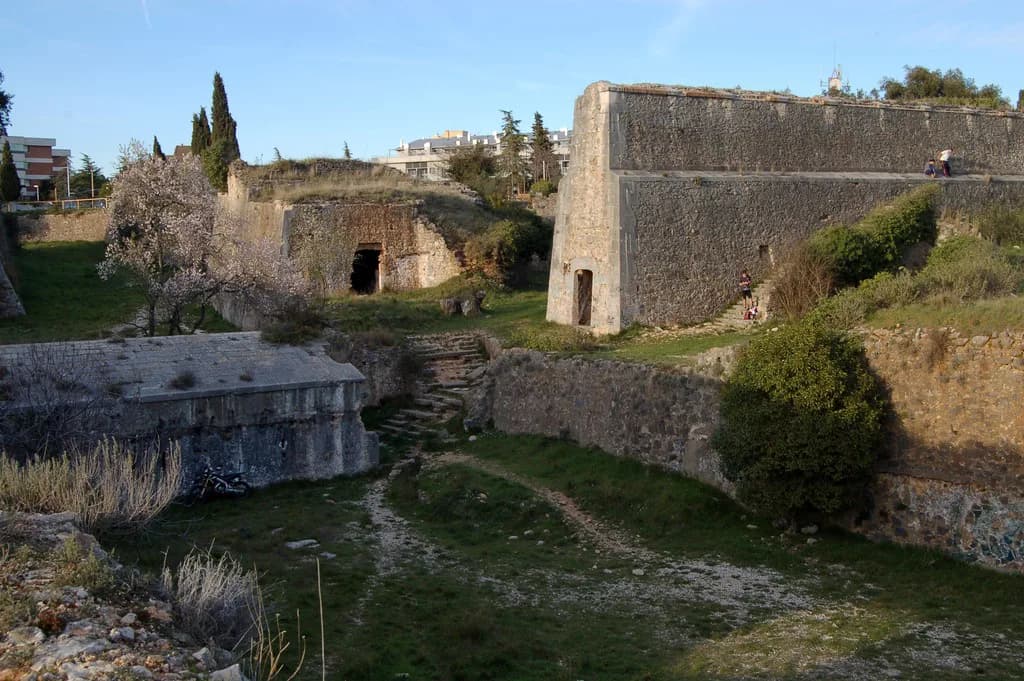
Above the town, the fortress of Sant Ferran is one of the largest fortresses in Europe, and it offers wide views over Figueres and the surrounding plain. It is the kind of site that rewards an interest in military engineering more than a quick photo stop, and walking its extent takes real time. Build it into the same day as the museum only if you start early, because the two together fill a full day comfortably.
Pals: the medieval hilltop village and its historic centre
Pals is an inland hill village whose historic centre has been declared a site of historic interest, and it feels markedly different from the coastal towns. The old core is a tight knot of stone lanes and towers on the hill, with the surrounding plain and the coast visible from the edge of the village. It is the sort of place where the pleasure is in walking the whole circuit rather than seeking out one building.
Pals pairs naturally with Figueres or with the coast, and it gives an inland half-day of a very different texture to Tossa or Cadaqués. The village is small, so the visit is a matter of an hour or two of walking rather than a full day. Combine it with a nearby medieval village rather than stretching it.
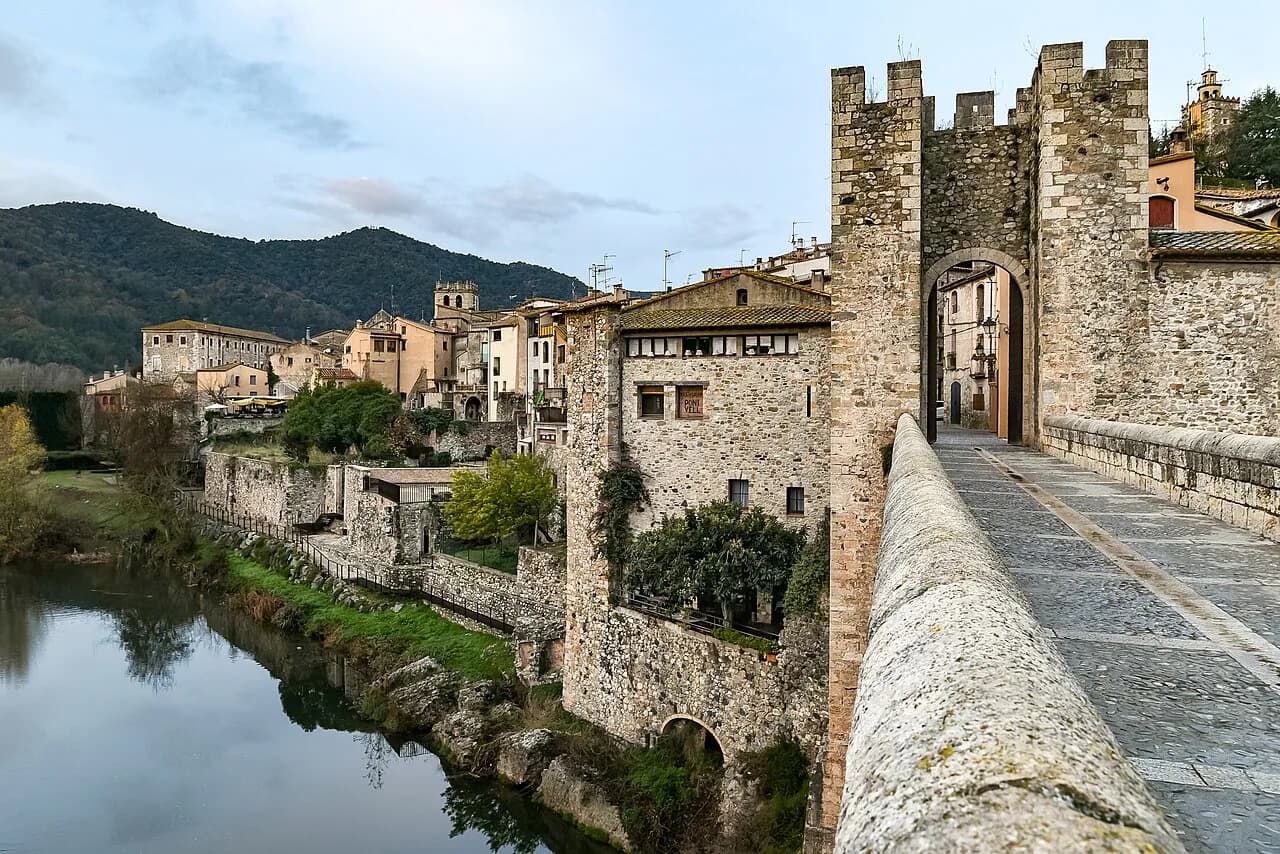
For a second medieval stop in the same inland pocket, Besalú, with its Romanesque bridge and old Jewish quarter, makes a logical pairing. Keep Pals and Besalú on the same day and you get two very different medieval fabrics without crossing the whole region.
L'Escala: the Roman forum and the Moll Grec ruins
L'Escala is a coastal town with an unusually layered past. It has the Archaeological Museum of Catalonia and a Roman forum that was the centre of the ancient settlement, plus Greek and Roman remains at the Platja del Moll Grec. For travellers who want ruins rather than ramparts, this is the Costa Brava stop that delivers.
L'Escala also has the Empúries archaeological area on its edge, which is the reason to give the town more than an hour. Pair the ruins with the seafront and the old fishing quarter, and treat L'Escala as a half-day or full-day destination rather than a lunch stop.
The town is also a natural bridge to Empuriabrava and Castelló d'Empúries further north, where the marina canals and the historic centre of Castelló give a different coastal character. If you are driving the coast, these three sit close enough to combine without much time in the car.
Girona as the base for the inland and coastal towns
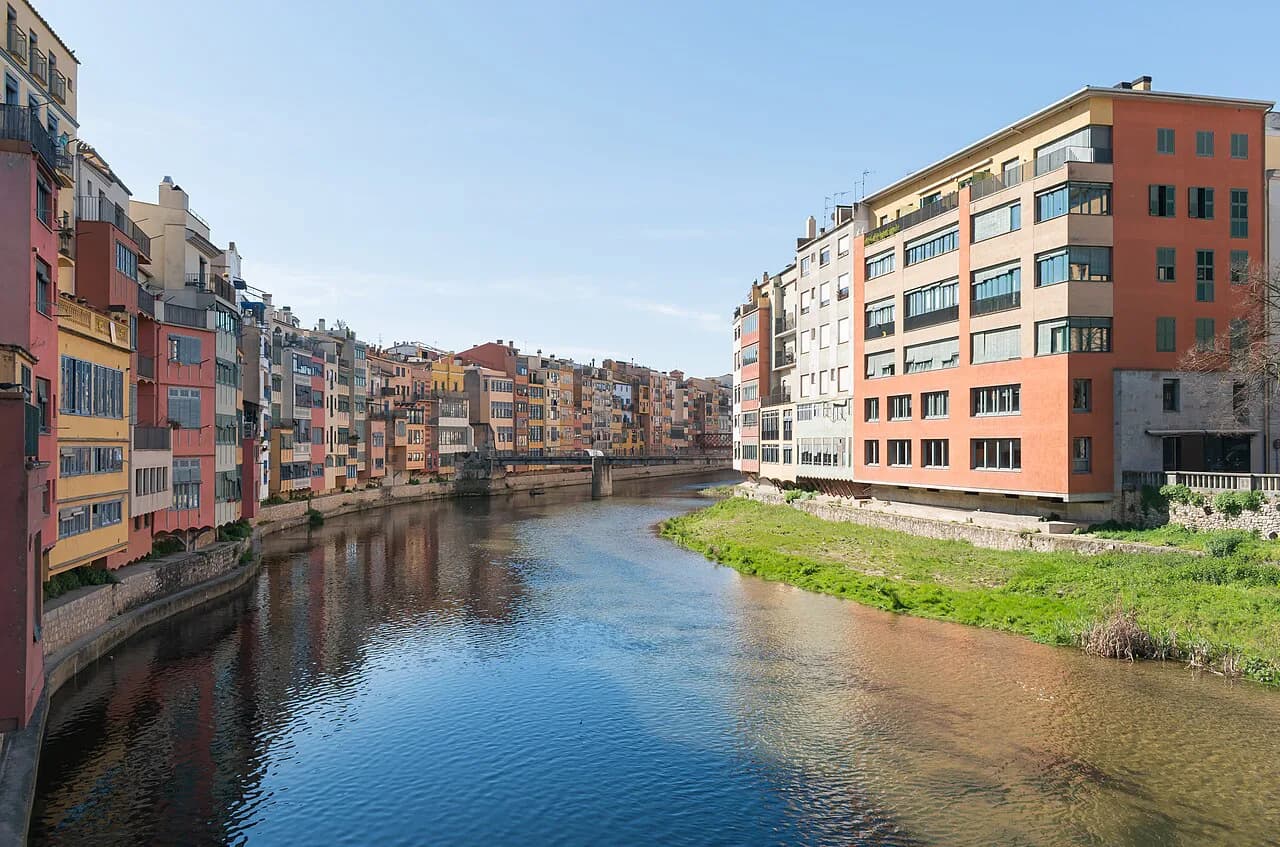
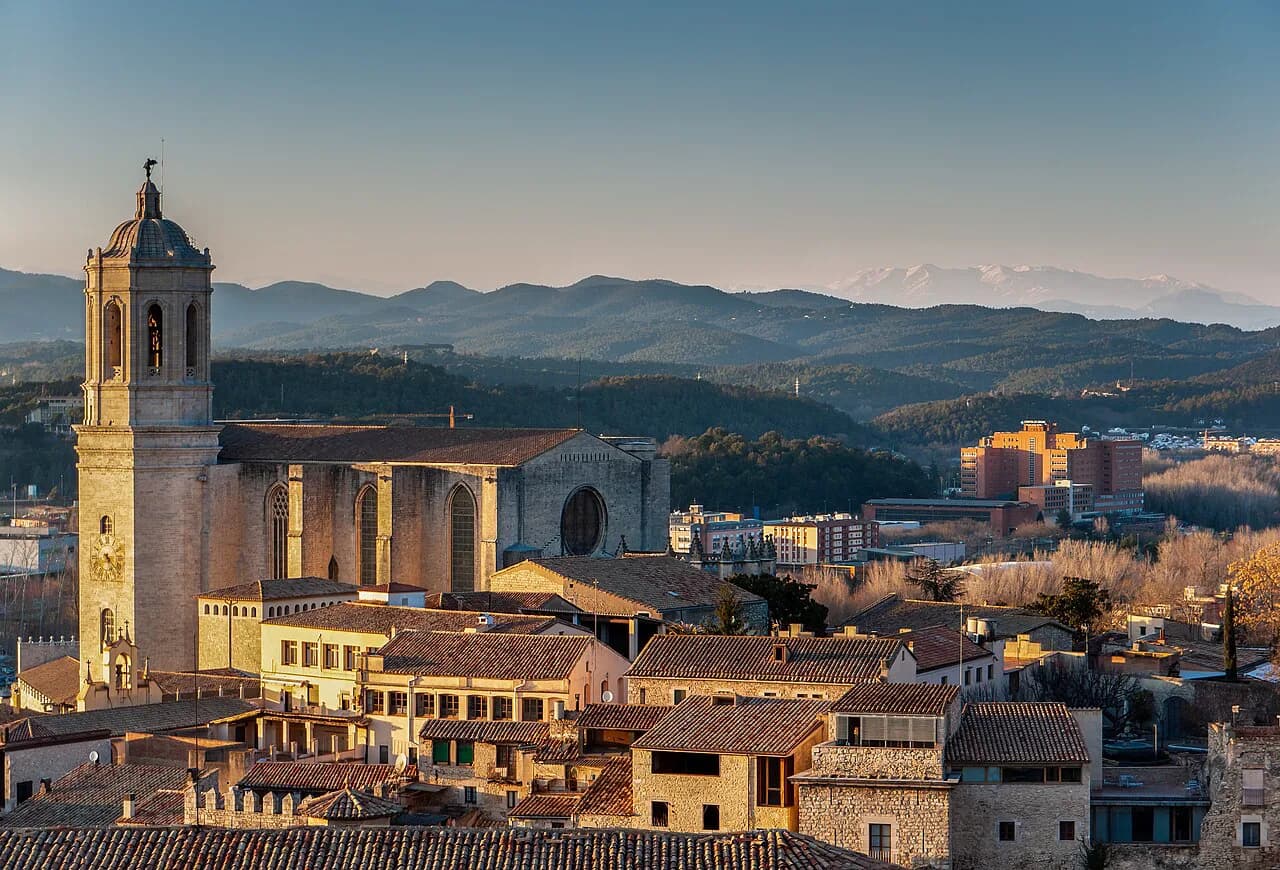
Girona is the practical base for this cluster. It sits inland between the coast and the medieval villages, it has its own historic core and the Riu Onyar, and it is where you are most likely to arrive by train or to pick up a car. Treat Girona as the hinge of the trip rather than another stop on the list.
If you have a spare half-day in Girona itself, the old town and the river front are worth an unhurried walk; the same historic core is covered in our guide to things to do in Girona. The city also gives you a fallback when the coast is busy or the weather turns, because there is enough indoors and under cover to fill an afternoon.
From Girona, the towns split into two loops: the coastal run north through Tossa, L'Escala and Cadaqués, and the inland run through Figueres, Pals and Besalú. Trying to do both loops in one day means spending most of it in the car, so pick a loop per day and give each town real time.
How to move between the towns without a car
Without a car, the Costa Brava towns are reachable but not all equally convenient. The coastal towns have bus and coach connections, and Girona is the hub where you change between the coast and the inland villages. Cadaqués and the Cap de Creus peninsula are the hardest to reach without driving, which is worth factoring in before you commit a day to them.
Figueres is the other transport hinge on this coast, with rail links and its own station, which makes it a sensible stop on the way to or from France. L'Escala, Tossa and Pals are reachable from Girona or Figueres by road, but the frequency of services varies by season and route, so check the operator's timetable and route map before you build a day around a connection.
The honest trade-off is time. A car turns two towns into a comfortable day; public transport turns the same two towns into a day with a timetable to respect. If you are relying on buses, choose one anchor town per day and use Girona or Figueres as the change point.
How the towns fit a short break from a Girona or coastal arrival
For a three-day break, the cleanest split is one day for Tossa de Mar and the coast, one day for Figueres with Pals, and one day for Cadaqués or L'Escala depending on whether you want the peninsula or the ruins. That gives you three genuinely different old quarters without spending the trip in transit, and it leaves Girona itself for an evening.
If you have four or five days, add L'Escala's Roman sites or a second inland village, and use the extra time to walk rather than drive. The towns are small enough that the second visit to a place often beats the first, and a spare morning in Girona is a better use of time than a fourth harbour.
If the Dalí Theatre-Museum in Figueres is the anchor of your trip, look up its ticket arrangements before you arrive and book if you want a fixed slot, because it is the one sight here that can absorb a whole day. Everything else works as a walk-up plan, and none of the towns requires a reservation to walk its old quarter.
Which Costa Brava towns to pick first
Start with Tossa de Mar if you want the single most complete old quarter on the coast, and add Figueres if art and a fortress day appeals. Pals and L'Escala are the natural second-tier picks, one for medieval lanes and one for Roman remains, and Besalú slots in alongside Pals without extra travel.
Use Girona as the base and build each day around one anchor town, then check tourist office and operator pages for current opening and transport information before you travel. That is the difference between a trip of three good old quarters and one spent checking your watch.
Explore more Girona guides
Frequently Asked Questions
Why is the Costa Brava famous?
The Costa Brava is known for its rocky coastline, coves and harbour towns, and for a cluster of historic centres such as Tossa de Mar's walled Vila Vella and the whitewashed lanes of Cadaqués. Inland, Figueres adds the Dalí Theatre-Museum and the Sant Ferran fortress, so the region mixes coast and heritage in a small area.
What are the must-see sights on the Costa Brava?
The Vila Vella in Tossa de Mar, the Dalí Theatre-Museum and Sant Ferran fortress in Figueres, the old town of Cadaqués, the medieval hill village of Pals and the Roman remains at L'Escala are the strongest historic picks. Pair them from a base in Girona, which sits between the coast and the inland villages.
Sources
Notes for your next Spanish town break
Optional updates to our guides.
You might also like
Continue reading
More guides you'll find useful