Costa del Sol Towns: Where to Go Beyond the Resorts
Which Costa del Sol towns deserve your time? A practical guide to Málaga, Marbella, Estepona, Nerja, Mijas, Frigiliana, Ronda and Antequera, and how to link them.
On this page
Start with Málaga. It is the only town on this coast where a Moorish fortress, a Renaissance cathedral and a major Picasso collection sit within a compact centre, and the rest of the coast is best planned around that. This guide covers the towns with a historic core worth the detour, from Marbella and Estepona in the west to Nerja at the eastern end, plus the white villages above the coast and the inland pair of Ronda and Antequera.
The Costa del Sol runs for more than 150 kilometres of coastline, a stretch promoted on the strength of up to 320 days of sun a year. That sunshine is the reason most visitors come, but the towns themselves have older layers: Roman and Moorish remains, the Alcazaba, old walled cores and historic churches. Plan around those centres and the coast stops being an undifferentiated strip of resorts.
What the Costa del Sol covers, and which towns have a centre worth the trip
Treat the coast as two halves either side of Málaga. West lie Torremolinos, Benalmádena, Fuengirola, Marbella, Puerto Banús and Estepona; east lie Rincón de la Victoria, Torre del Mar, Vélez Málaga and Nerja, with the Axarquía hills behind them. The eastern stretch is the less popular of the two and combines coast with white villages and mountain scenery.
For a short break built on old towns rather than beaches, the shortlist is Málaga, Marbella, Estepona, Nerja, Mijas, Frigiliana and Benalmádena on the coast, with Ronda and Antequera inland. Torremolinos and Fuengirola work as transport nodes and as places to sleep, but their appeal is seaside rather than monumental. If you are weighing Málaga against the smaller old towns, the guide to things to do in Málaga shows how much sightseeing the city centre holds in a single day. The towns below are ordered so that you can pick two or three and build a coherent route from Málaga.
Málaga: the Alcazaba, the cathedral, the Picasso Museum and the Atarazanas market
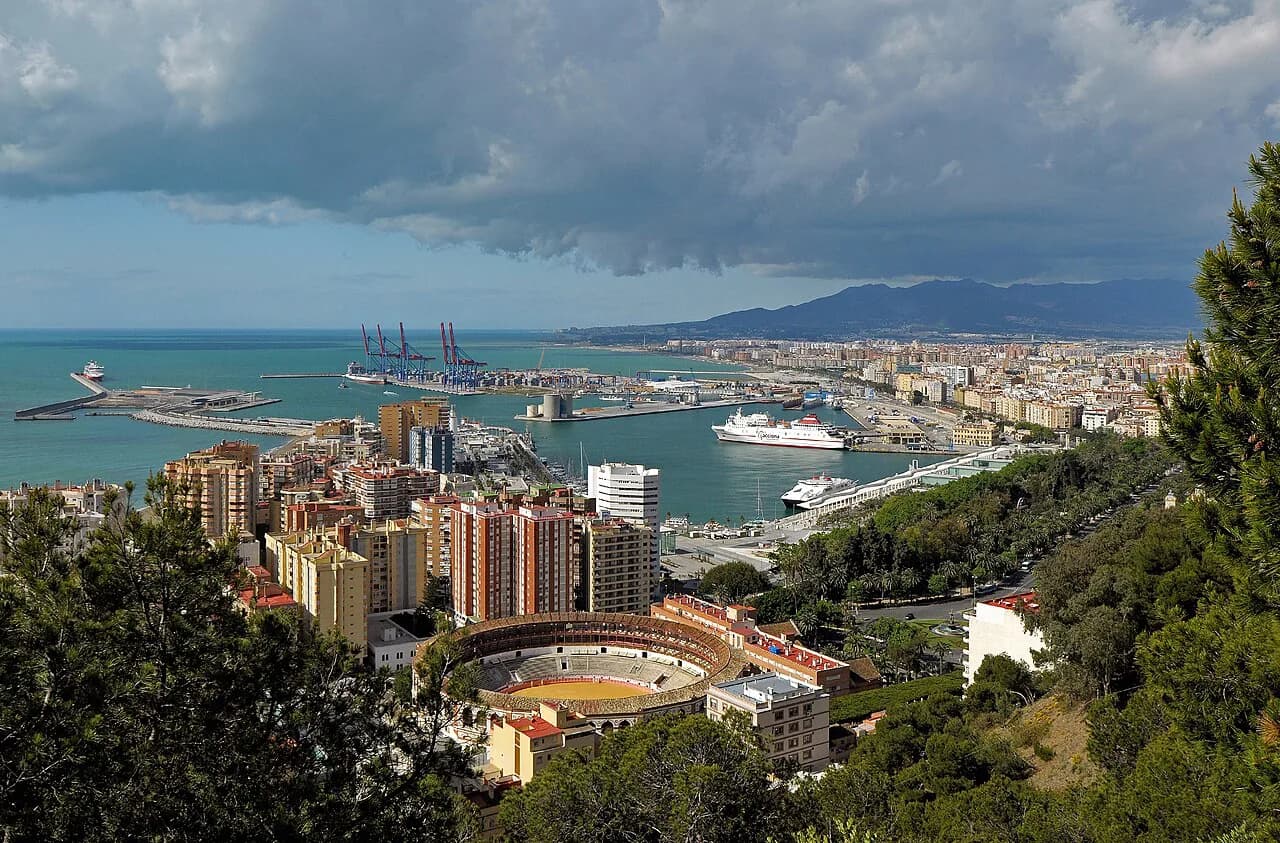
Málaga's historic centre is dominated by the Alcazaba, a Moorish fortress built in the eighth century and rebuilt in the eleventh, later joined to Gibralfaro, the castle raised on the hill above in the fourteenth century. Inside the Alcazaba you get historic architecture, green gardens and views over the surrounding city, including the port.
The cathedral, the Santa Iglesia Catedral Basílica de la Encarnación, was begun in 1500 and finished centuries later, which explains the mix of styles in one building; the tower gives a panoramic view over the city. The Picasso Museum holds more than 230 works and has been open since 2003, and it is one of the strongest indoor stops in the city.
Add the Mercado Central de Atarazanas, the iron-and-glass market hall, and the Alcazaba gardens above the old town. Together with the cathedral and the Picasso Museum, that is a full day of sightseeing without leaving the centre. For a wider set of options and practical detail on each, see the guide to things to do in Málaga.
How long Málaga's old town and fortress hill take, and where the walking is steep
Allow a full day for the centre. The Picasso Museum and cathedral are close together in the historic core, but the climb up to the Alcazaba and on to Gibralfaro is sustained, so do the fortress in the morning and keep the museums for the afternoon.
Ticket prices for the Alcazaba, Gibralfaro and the cathedral change, so check the official pages for each monument before you go rather than relying on a guidebook figure. If you are short of time, the Alcazaba's gardens and the view from the walls give the best return for the climb; Gibralfaro is a longer walk for a wider panorama, a trade-off that also shapes the guide to things to do in Málaga.
Marbella old town and Puerto Banús: the historic core versus the marina
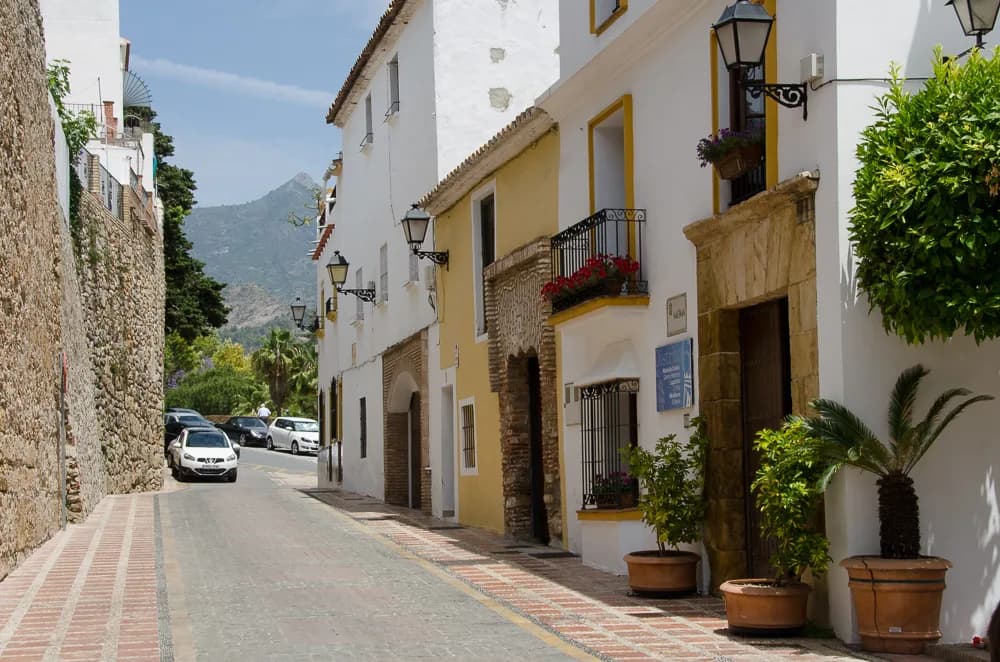
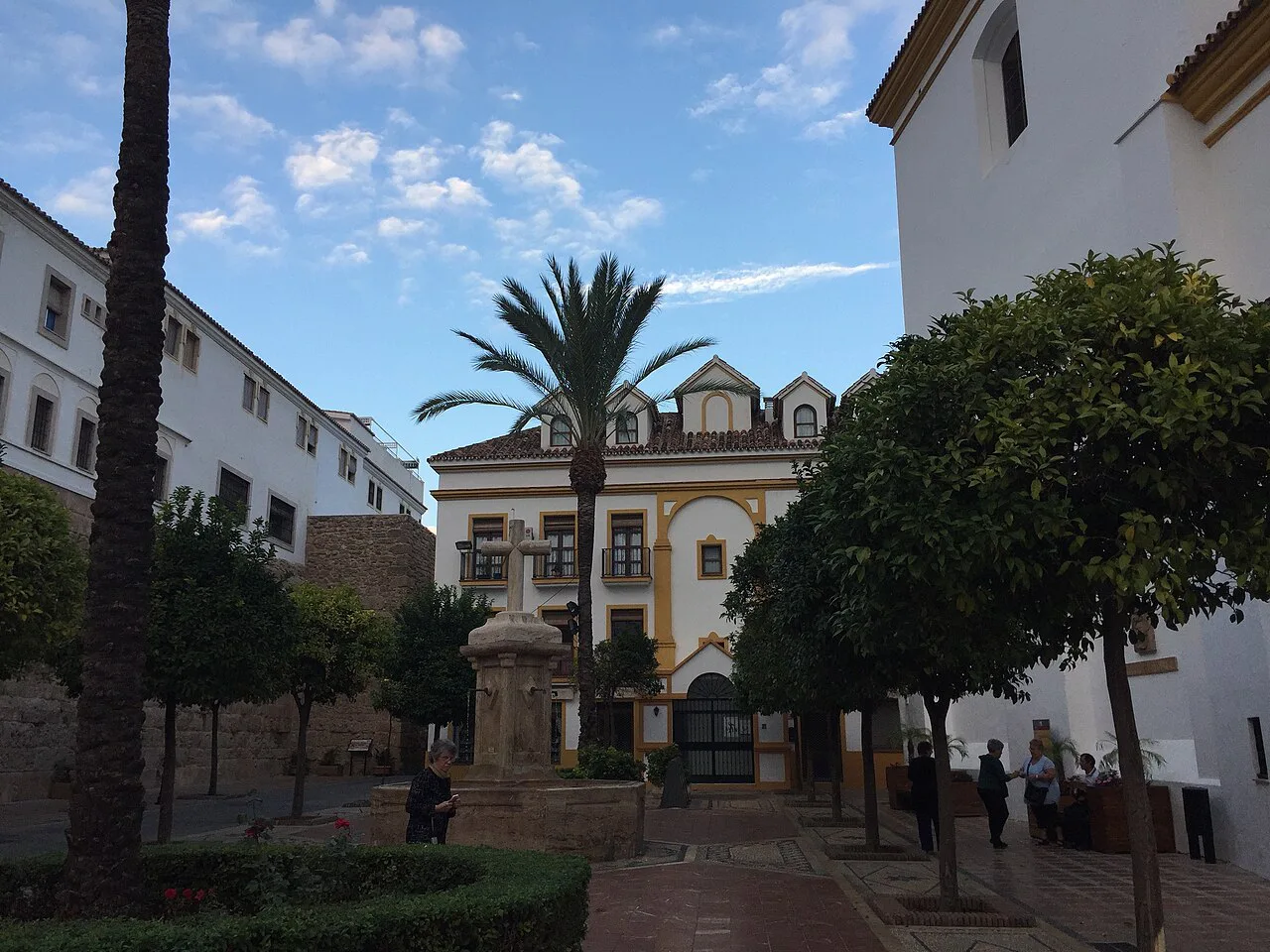
Marbella splits into two quite different places. The Casco Antiguo is a compact grid of whitewashed streets, and it rewards an unhurried hour or two on foot. Puerto Banús, a few kilometres west, is a marina of moored yachts, luxury shops and restaurants, and it works as a place to look rather than to explore.
Marbella also has several museums, libraries, a cinema and a theatre, though the town's emphasis is on upmarket shopping and dining rather than on monuments. That makes it a pleasant stop if you want an old centre with polish, and a less compelling one if you are chasing cathedrals and castles. Our guide to the Marbella old town walks through the streets, squares and surviving walls in detail.
Estepona: flower-lined streets, murals and a sculpture route
Estepona is a strong half-day town for street-level wandering. Known as the garden of the Costa del Sol, it strings together colourful streets hung with flowering pots, a poetry and sculpture route, murals on the walls of the old centre and small museums. None of it is monumental, but the whole is greater than the parts, and it suits a morning or an afternoon rather than a full day.
Because the appeal is the streets themselves, plan Estepona for a day when you are content to walk without a checklist. Combine it with Marbella, further east, if you want one day covering both old centres.
Nerja: the Cueva de Nerja and the white-street centre
Nerja sits at the eastern end of the coast and its two draws are very different. The Cueva de Nerja is a cave system with stalactites, stalagmites and prehistoric paintings, reached by a prepared route that makes it manageable for most visitors. The town itself is a warren of white streets and small squares on the clifftop above, and our Nerja guide covers what to see on a walk through that historic centre.
The cave is a prepared, ticketed visit rather than a free wander, so plan it as the day's main outing rather than something you stroll to from the centre.
Mijas and Frigiliana: the white villages above the coast
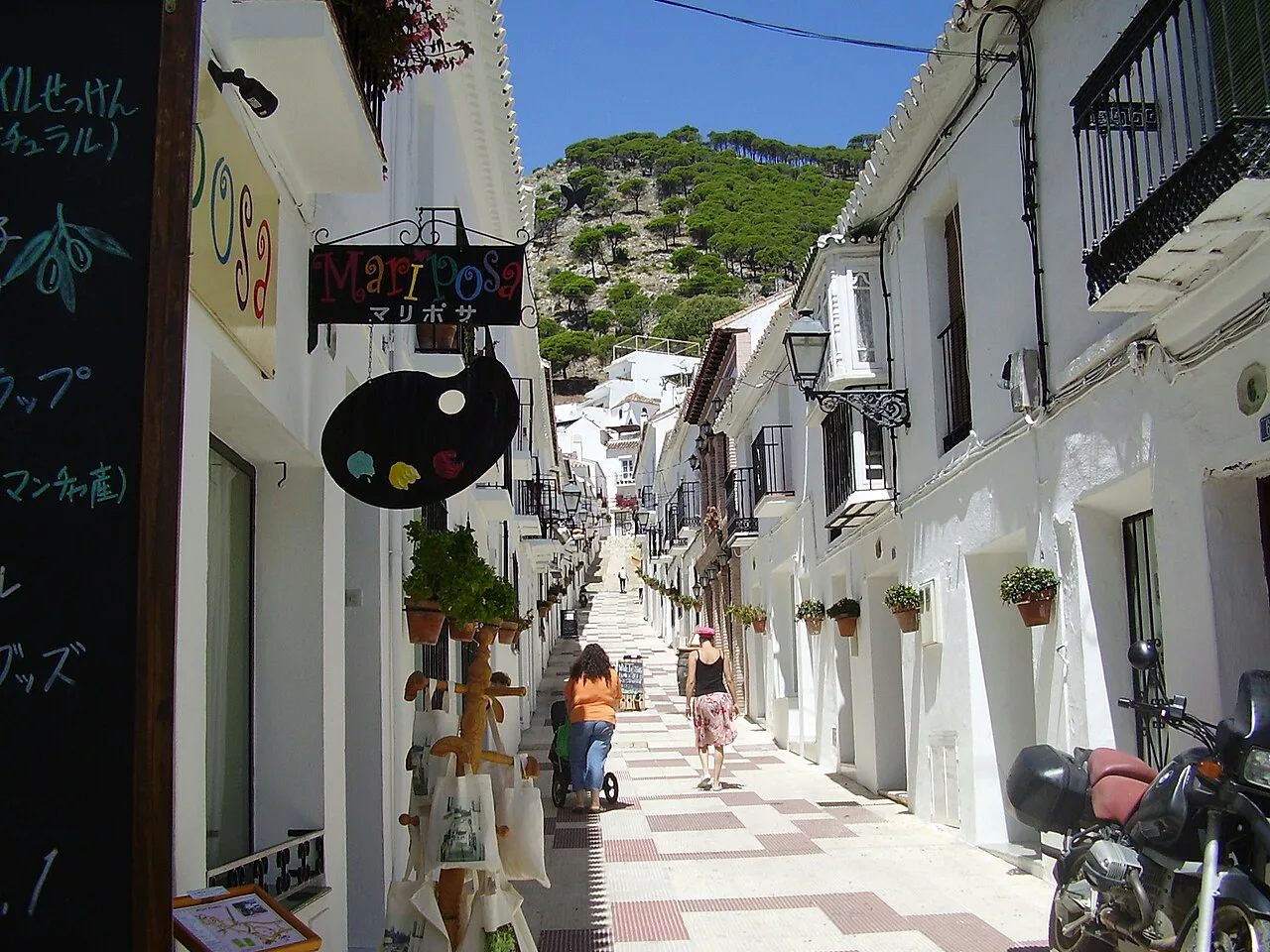
Mijas and Frigiliana are the two white villages most easily grafted onto a coastal break, and both sit above the coast rather than on it. Frigiliana, above Nerja, is the steeper and more atmospheric of the two, with stepped lanes climbing through the old quarter; if you are weighing it against the inland alternative, this guide to Frigiliana: What to See in the Moorish Old Town covers its lanes in detail. Mijas, above Fuengirola, is easier to reach and more touristy, with souvenir shops along its main streets.
The trade-off is the climb and the crowds. Go early in the day, wear shoes that grip on polished stone, and accept that the central lanes will be busy in high season. Both villages work as a half-day from the coast, and neither needs a full day unless you plan to walk out into the surrounding hills.
Benalmádena: the teleférico and Puerto Marina for a shorter stop
Benalmádena offers two distinct stops that suit a short or mixed-age visit. The Teleférico carries you up Mount Calamorro for views back over the coast, and Puerto Marina is the largest marina on the Costa del Sol, with a shopping centre, an aquarium and restaurants along the water. The marina is a family-oriented place by day and turns into a nightlife hub after midnight, so choose your timing accordingly.
Near the marina, the Parque de las Palomas gives you a green pause with plants and birds, useful if the afternoon needs a break from walking. Benalmádena is not an old-town destination; treat it as a flexible stop when the day needs to be shorter or when the group wants attractions rather than churches.
Ronda and Antequera inland: the gorge town and the dolmens
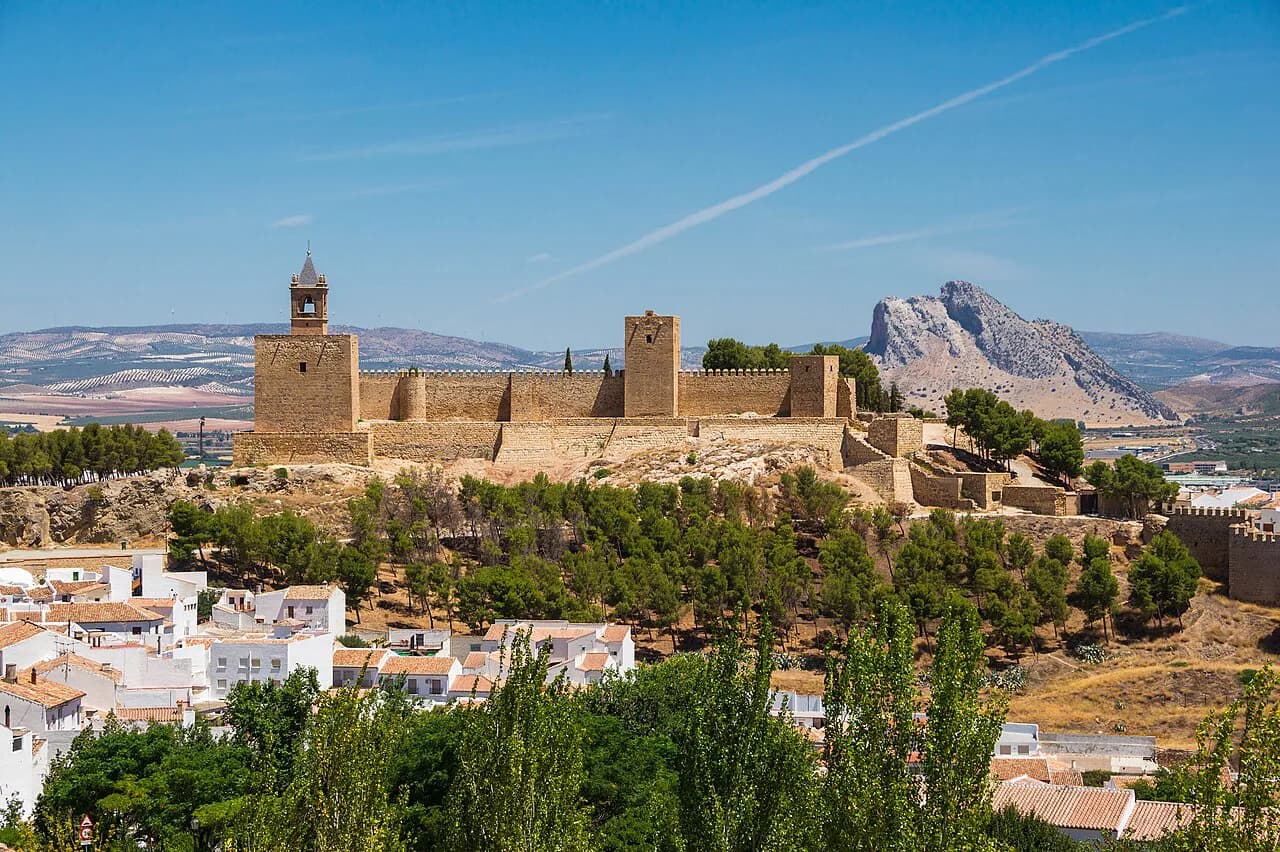
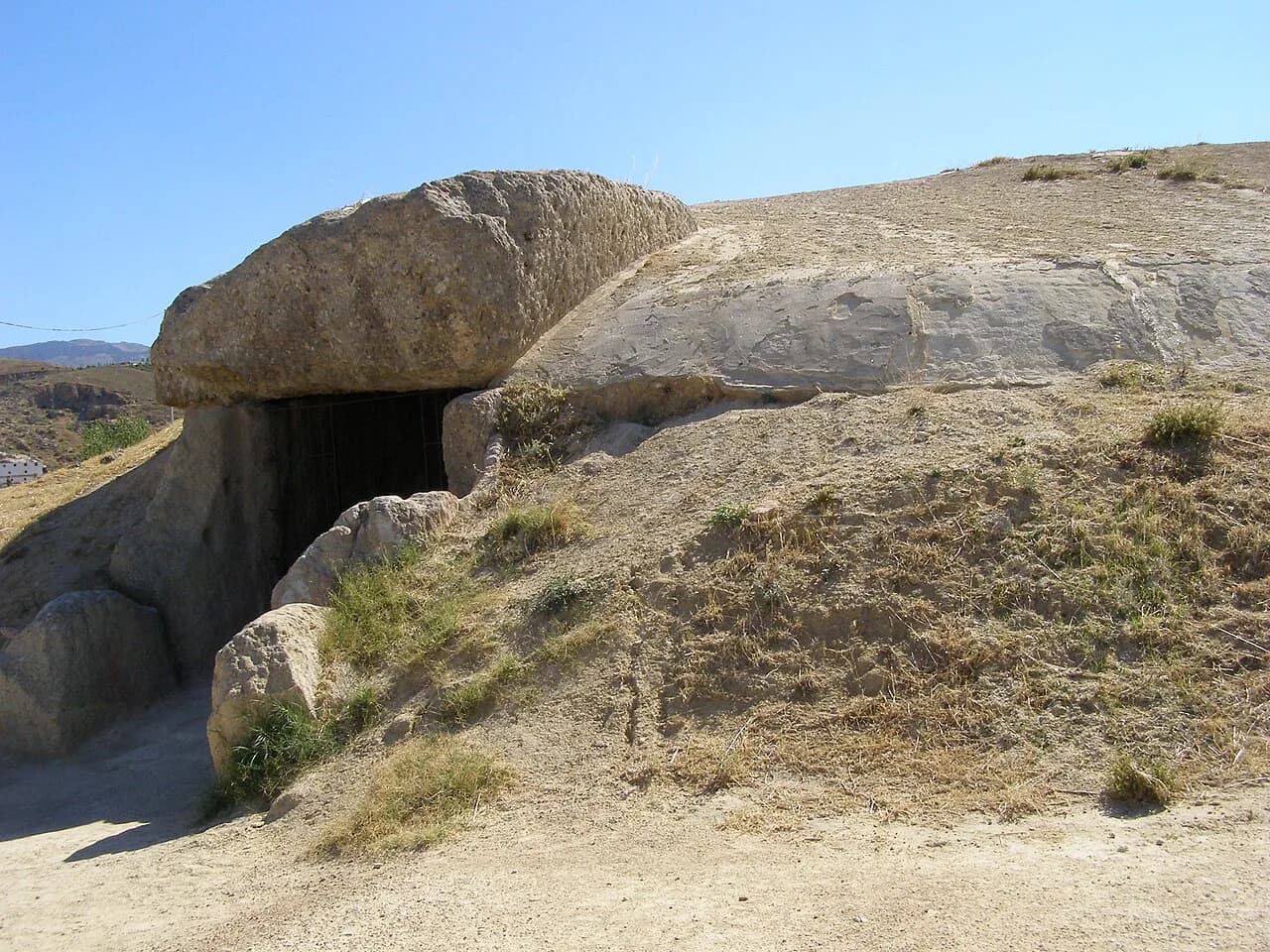
Ronda and Antequera are inland towns in Málaga province, and both justify a full day rather than an afternoon. Antequera is a lower-key town of churches and convents, with the Site of the Dolmens of Antequera outside the centre.
The Antequera dolmens are the reason to give the town more than a passing stop. The Dolmen de Menga and the neighbouring structures form the Site of the Dolmens of Antequera, among Spain's most important prehistoric monuments, just outside the town. Give them their own few hours.
Between the two towns, choose by what you want from the day: Antequera for prehistory and quiet churches, Ronda for a historic inland town that is more than a stop on the way. Neither works well squeezed alongside a coastal town, so give each its own day.
Getting between the towns from Málaga
Málaga is the hub. The airport connects to the centre and the coast by the Cercanías commuter line; the same network and the regional bus companies cover the rest of the coast, but timetables change by season. Check the current schedules on the operator sites before you commit to a route, and build in slack for the Cercanías, which is busy at commuter hours.
The inland pair needs more planning. Antequera and Ronda are both feasible by public transport, but the connections add hours, so if you want to combine two inland towns in one day, a car is the more realistic option.
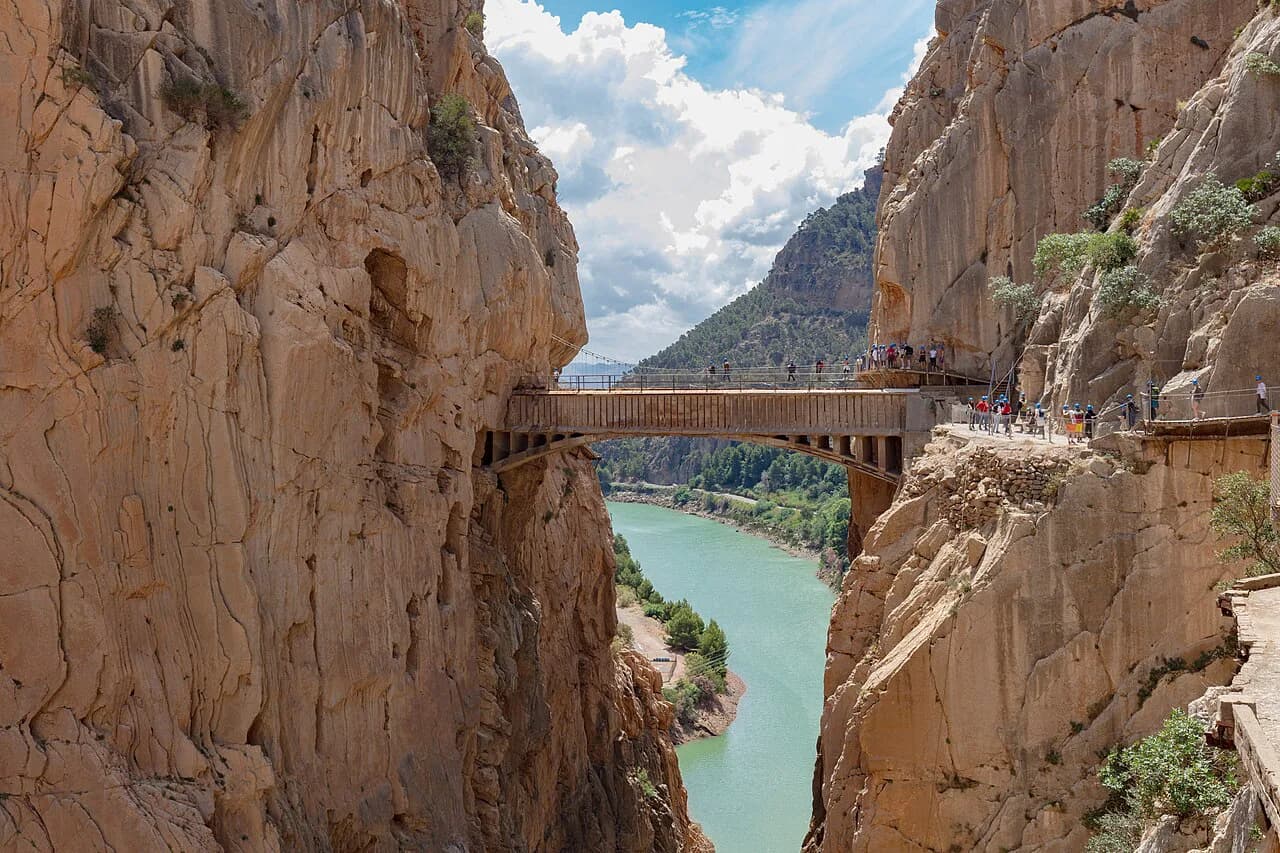
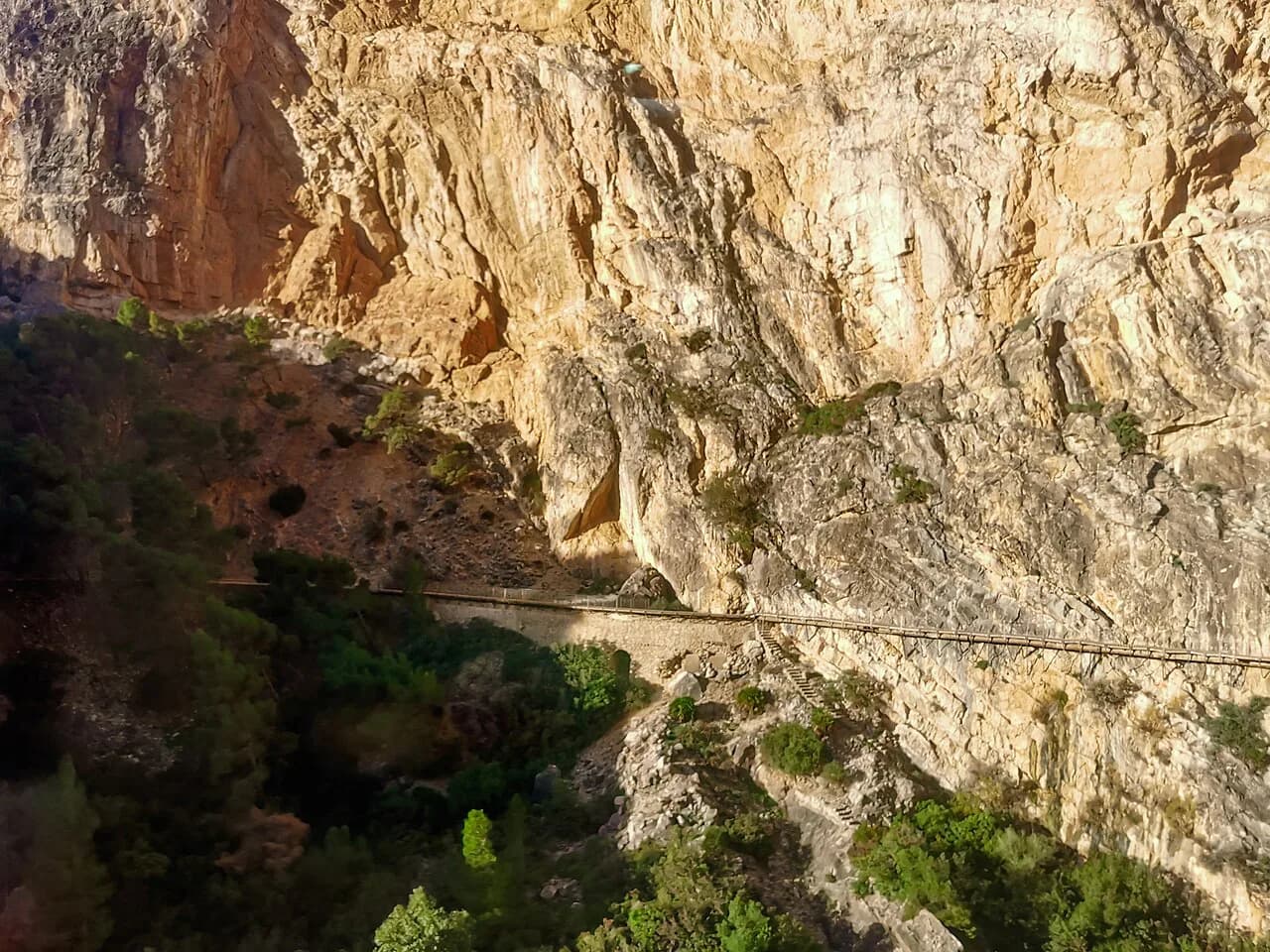
A car gives you the most freedom for the white villages and the inland sites, but parking in Málaga, Marbella and Nerja can be tight. A workable compromise is to base in Málaga without a car, use trains and buses for the coastal towns, and hire a car for one day for Ronda or Antequera. The walk at the Caminito del Rey is timed, ticketed and heavily booked, so reserve ahead.
Where to base yourself for old towns rather than beaches
Base in Málaga if you want the strongest concentration of monuments and the easiest transport links. Its centre has the Alcazaba, cathedral, Picasso Museum and market within walking distance, and the airport and main rail and bus stations make day trips to the rest of the coast straightforward. For a short break built on sightseeing, no other town on this coast competes.
Base in Marbella or Estepona if you want a smaller-town feel with a proper old centre and easy access to the western coast. Base in Nerja if the eastern end and the Axarquía appeal. Torremolinos and Benalmádena are practical, well connected and central, but their strengths are seaside and attractions rather than historic streets.
Heat, closures and midday hours: the constraints on a short break
Inland Andalucía is hot at midday in summer, and Málaga's fortress hill is exposed. Shift the outdoor sights to the morning and keep the museums for the hotter hours. Churches in Spain often close to tourists around midday Mass and reopen later, so check the cathedral and parish church times for the day you plan to visit rather than assuming they are open all afternoon.
Monday is the day that breaks short breaks. Many museums and monuments in Spain close on Mondays, and small town museums often keep reduced hours outside high season, so plan your indoor day for Tuesday onwards and use Monday for streets, squares and the coast. Check the cave at Nerja and the teleférico's opening days before you build a day around them outside peak periods.
Which town should you plan around?
Plan your break around Málaga and add one or two towns that suit your taste: Marbella or Estepona for old streets with polish, Nerja for the cave and the clifftop, Mijas or Frigiliana for white villages, and Antequera for a full inland day with the dolmens. Two coastal stops plus one inland day is a realistic shape for a short break, and it avoids spending your trip in transit.
Before you book, confirm the current ticket prices and opening hours on each monument's official page, and check train and bus times on the operator sites rather than relying on outdated listings. Those details, more than the beaches, decide whether a town fits your plan.
Explore more Málaga guides
Frequently Asked Questions
Which is quieter, Benalmádena or Torremolinos?
Benalmádena has quieter pockets around the teleférico and the Parque de las Palomas, but Puerto Marina is busy by day and a nightlife hub after midnight. Torremolinos is more consistently built around seaside tourism. If quiet matters most, consider a smaller town such as Estepona or Nerja.
Which Costa del Sol town suits couples?
Estepona and Marbella suit couples who want an old centre to wander in the evening, with Estepona the more compact and flower-filled of the two. Nerja works if you prefer the eastern coast and its clifftop setting.
Is the Costa del Sol good for families outside the beaches?
Benalmádena's teleférico and Puerto Marina give families a manageable day, and the Cueva de Nerja is a straightforward, prepared route. Antequera's dolmens involve walking, so they suit children who are happy to cover some ground on foot.
What is Málaga close to?
Málaga sits at the centre of the coast, with the airport nearby and the Cercanías line running along the shore. Torremolinos and Benalmádena are quick hops west, Nerja is at the eastern end of the province, and Antequera is an inland town within reach for a full-day trip.
Sources
Notes for your next Spanish town break
Optional updates to our guides.
You might also like
Continue reading
More guides you'll find useful