Antequera: Dolmens, the Alcazaba and the Old Town
Plan a short break in Antequera around the UNESCO dolmens, the Alcazaba and the old town, with the hill layout and summer heat that shape a visit.
On this page
Antequera is worth a short break because three different things sit within one town's reach: a hilltop Alcazaba above steep stone lanes, a UNESCO megalithic site out in the vega, and the karst country of El Torcal. The old town itself is a morning and an afternoon of climbing between churches, convents, walls and miradors; the dolmens and El Torcal are separate outings that need transport. This guide sets out the town's layout, what each sight contains, and the heat and closing-hour trade-offs that decide when you walk.
What Antequera is known for
The town's visitor office names the Site of the Dolmens of Antequera as World Heritage, and lists the Alcazaba, El Torcal de Antequera and the Caminito del Rey among the essential visits alongside the Roman villa at the Estación. Those four names set the agenda, but they are not in the same place. The dolmens, El Torcal and the Caminito sit outside the built-up centre; the Alcazaba sits on the hill inside it.
The megalithic monuments are the reason for the UNESCO listing, and the town marks the anniversary of that inscription each year with the Antequera Light Fest, a light and sound festival it describes as the largest of its kind in southern Europe. Treat the festival as a recurring annual event rather than a fixed date in your diary, and check the town's agenda before booking around it.
Antequera also marks the Camino Mozárabe, the Mozarabic branch of the Camino de Santiago, which the tourism office describes as one of the less-known pilgrim routes heading for Santiago de Compostela. You will see walkers with packs in the old town rather than tour groups alone, which is a fair signal of the town's scale: it is a working Andalusian town with a monument-heavy centre, not a resort.
Where Antequera sits in Málaga province
Antequera lies in the north of Málaga province, set above the Vega de Antequera, the broad agricultural plain that the town's tourism office ties to the cereals, vegetables and olive oil grown around it. That inland position is the practical point for a short break: you are in Andalusia's interior, not on the coast, and the town reads as a base for landscape and megaliths rather than for beaches.
For the wider regional picture, the Costa del Sol towns guide is the place to compare Antequera with coastal stops; Antequera is the inland counterweight to them, with cooler nights and a monument-first centre. If you are coming from Málaga, plan the journey with the current timetable from the operator rather than assuming a frequency, and allow the day for the town rather than tacking it onto a coastal morning.
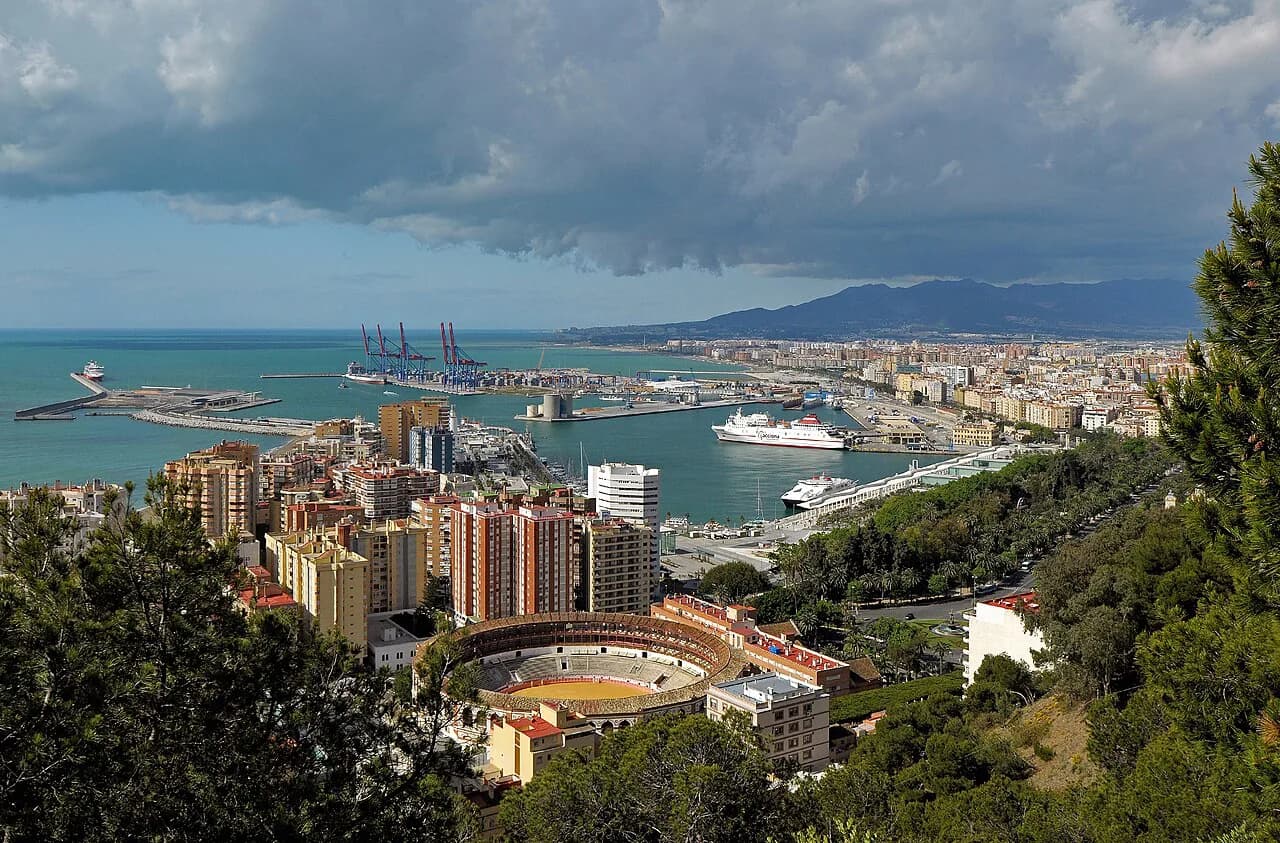
Málaga itself rewards a day before or after, and the Málaga attractions hub covers the city's own sights if you are building the break around a flight into the airport. The trade-off is straightforward: Antequera's monuments are concentrated and walkable once you are in the centre, but getting there and reaching the outlying sites takes planning.
How the town is laid out: the old town on its hill
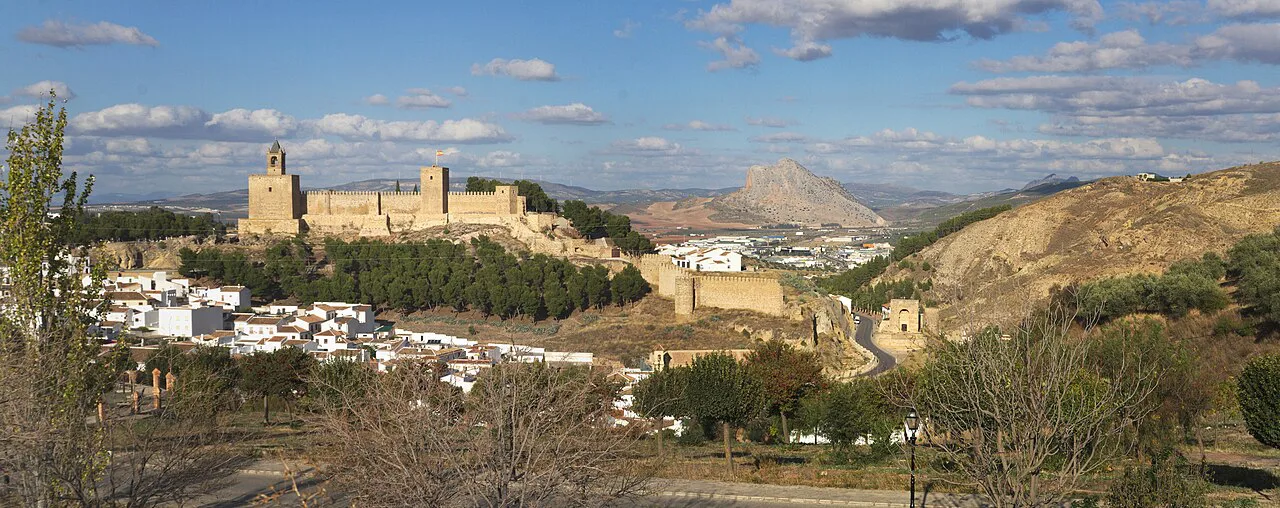
The historic centre climbs a hill, and the streets approaching the Alcazaba are cobbled and steep, with the Cuesta de San Judas among the lanes leading up to the walled enclosure. Walkers describe the centre as a tangle of churches, palaces, walls, gates, arches and stairways, which is accurate enough to plan around: you will be going up and down all day. Wear shoes that grip stone, and treat the climb to the Alcazaba as the day's main effort rather than an afterthought.
Miradors do much of the work of a visit here. The best known are the Mirador de Las Almenillas and the Mirador Michael Hoskin, both close to the Fuente del Toro, and they give you the vega and the town's roofline without a ticket. Build them into the walk as breathing points between monuments rather than as a separate excursion.
The old town on foot: churches, convents, walls and the Fuente del Toro
Antequera's centre holds a dense run of churches, convents and bell towers, the legacy of the religious orders that settled a town placed between Granada and Sevilla. The tourism office promotes a route through the churches of Antequera's Baroque, which is the efficient way to see several interiors without wandering into closed doors. Pick two or three to enter properly rather than rushing a dozen façades.
The Fuente del Toro carries the town's best-known legend, the carved bull's head from which water flows and the inscription about treasure hidden opposite the bull. It also carries the phrase associated with the town, about the sun rising over Antequera, and it sits near the two main miradors, so it works as a natural hinge in a walking route. Stop there, read the stone, then take the viewpoints in.
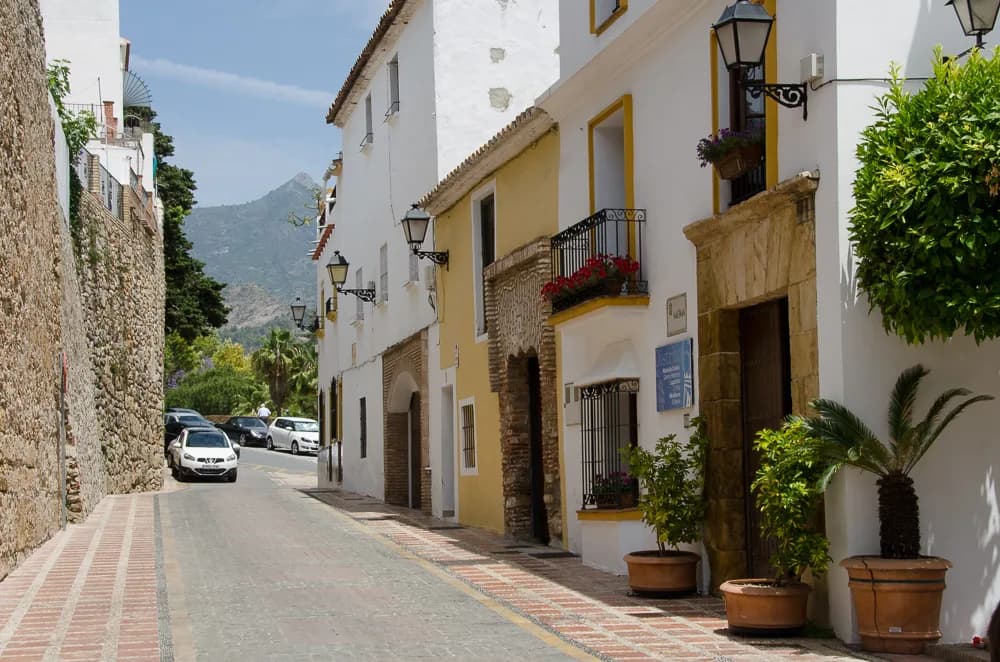
Expect church and convent interiors to keep separate visitor hours from the street, and plan the walking day so that indoor visits fall in the middle of the day and the lanes and miradors fill the cooler ends. If you want a comparison for how another Andalusian old town organises its squares, the Marbella old town guide covers the Plaza de los Naranjos and the Casco Antiguo, a very different, coastal arrangement of the same ingredients.
The Alcazaba: the walled enclosure above the town
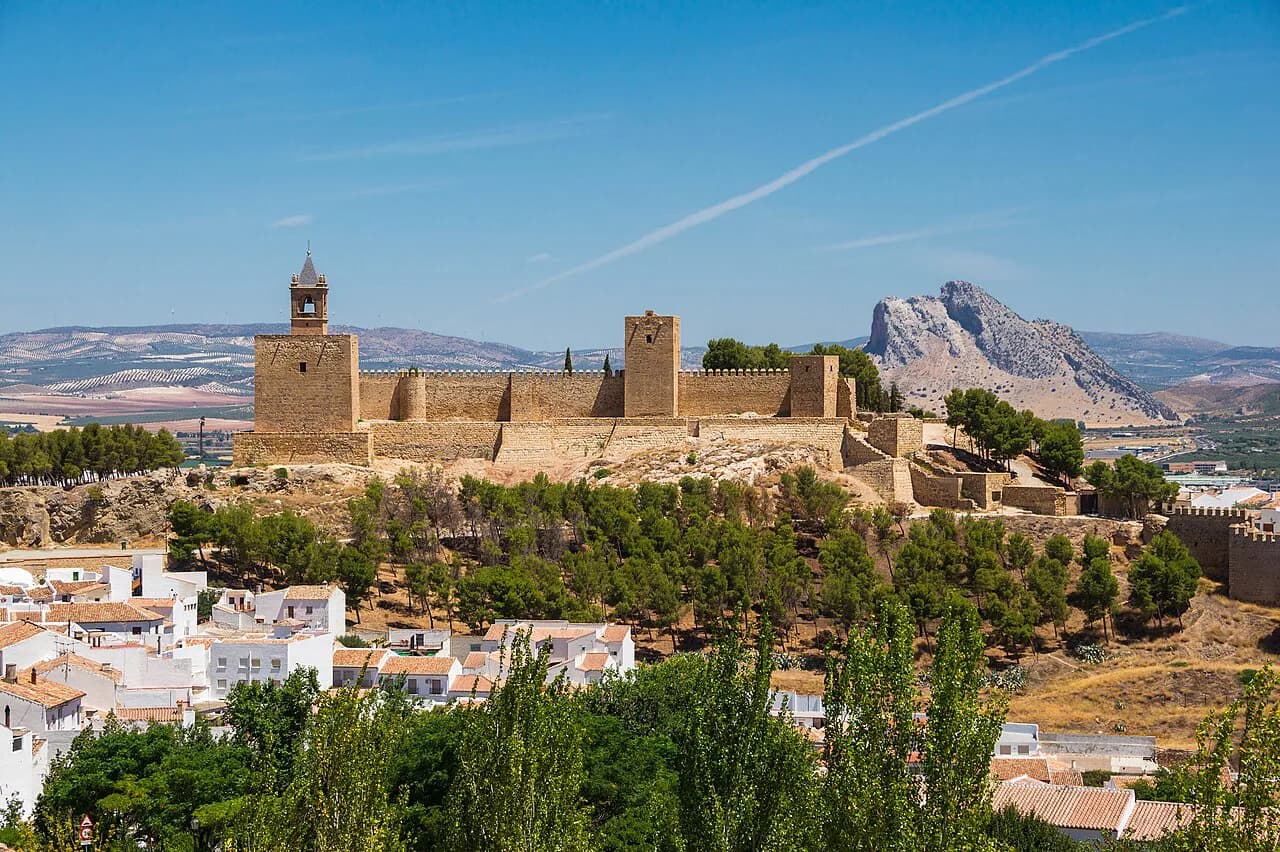
Antequera's Alcazaba is the walled enclosure on the hill, reached by the steep lanes of the old town and read best from below first, so you can see how the walls sit over the houses. The tourism office lists it among the town's essential visits and runs theatrical visits there during its summer Luz de Luna programme, when the old town's heritage is opened up at dusk. If you want the enclosure with atmosphere rather than full midday sun, that summer programme is the version to look for.
Pair the walls with the miradors rather than treating them as rivals: the viewpoints give you the vega, the walls give you the town beneath them. The climb is short but genuinely steep, so do it early or late, and keep the visit to the enclosure itself modest in length if you are fitting the centre into a single day.
The Museo de Antequera and the Roman past
The Museo de Antequera, the town museum, traces its origin to 1908 and the municipal archaeological museum, and the tourism office presents it as the place where Antequera's Roman past comes alive alongside its cultural present. It is the indoor anchor of a town walk and the sensible choice when heat or rain rules out the lanes. Give it a proper slot rather than a quick pass, because the collection sets up both the Roman villa at the Estación and the prehistoric landscape outside town.
The Roman villa at the Estación is listed separately among the town's essential visits, so if Roman remains are your reason for coming, the museum and the villa belong together in the plan. Check the museum's own site through the tourism office for the days and times it opens before you build a day around it.
The Site of the Dolmens: the megalithic monuments
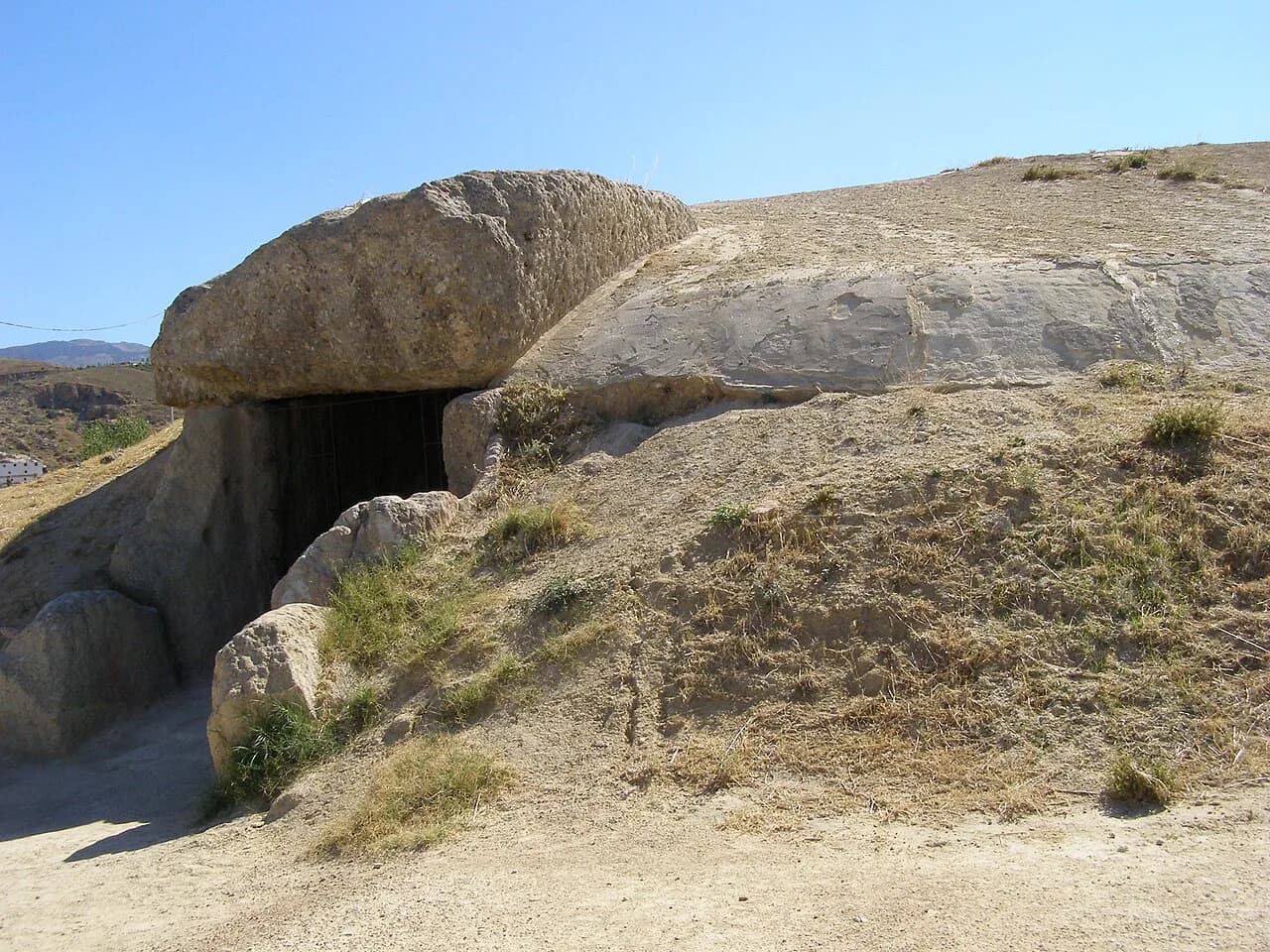
The Site of the Dolmens of Antequera is the UNESCO World Heritage property that gives the town its international standing, a megalithic landscape out in the vega rather than in the streets. The tourism office lists it first among the essentials and ties its inscription to 2016, the anniversary the Light Fest commemorates. Plan it as a half-day outing with transport, not a walk from the old town.
The dolmens guide covers the individual monuments and how to approach them, which is the right place to sort out which tomb to see first and how the site is arranged. Visitors who try to combine the dolmens and the old town on foot lose the best of both; the climb to the Alcazaba and the walk around the tombs are separate efforts.
El Torcal and the Peña de los Enamorados
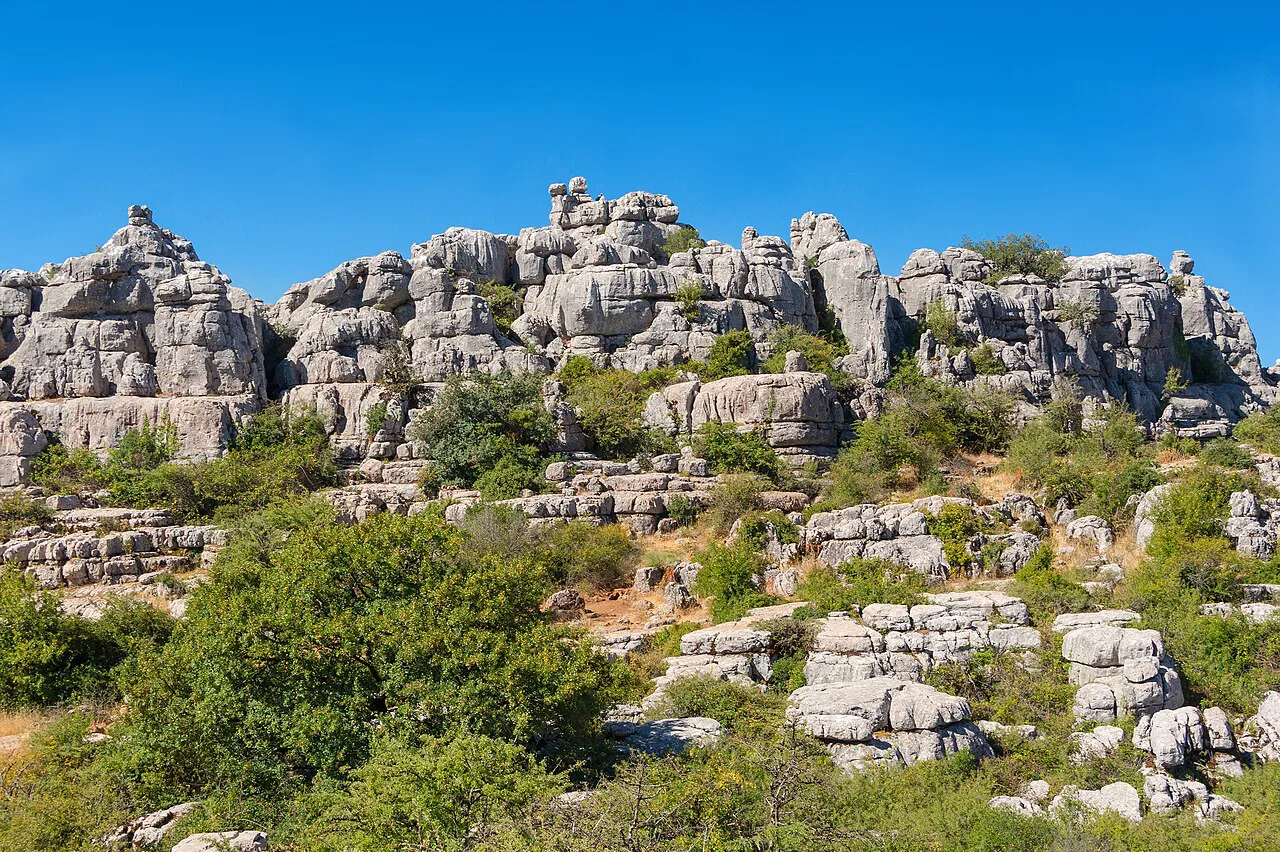
El Torcal de Antequera is the karst landscape above the town, a limestone country of sculpted rock that the tourism office lists as an essential visit and uses for night-sky observation during its summer programme. The Peña de los Enamorados, the rock outcrop tied to the town's legends, belongs to the same surrounding landscape. Neither is a stroll from the centre; both need transport and their own time.
The tourism office also sells the landscape as a whole, including balloon flights over Antequera and visits to the Laguna de Fuente de Piedra, so the surrounding country can absorb more time than the town if you let it. Decide before you book whether Antequera is a town break with a landscape day attached, or a landscape break with a town attached; the answer changes how many nights you need.
The Caminito del Rey in Antequera's visitor listings
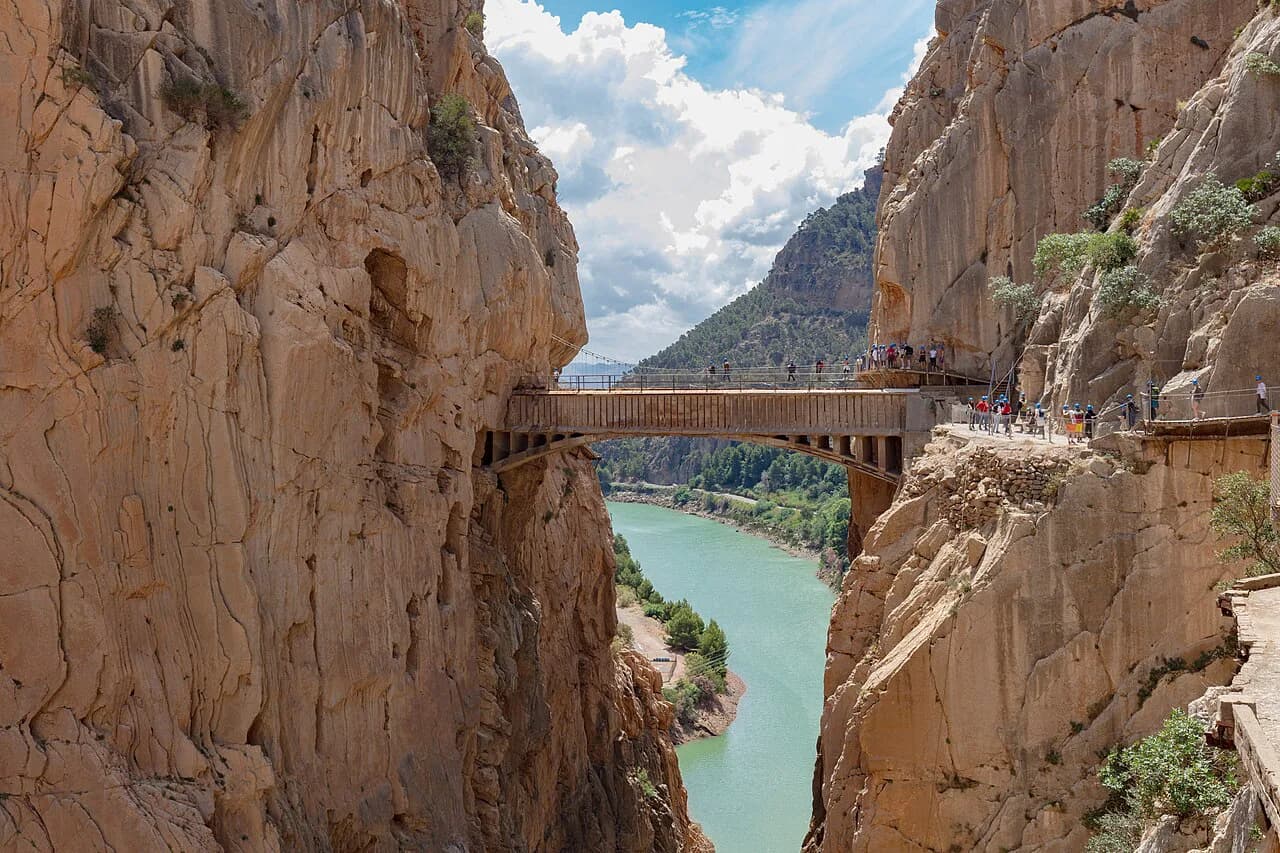
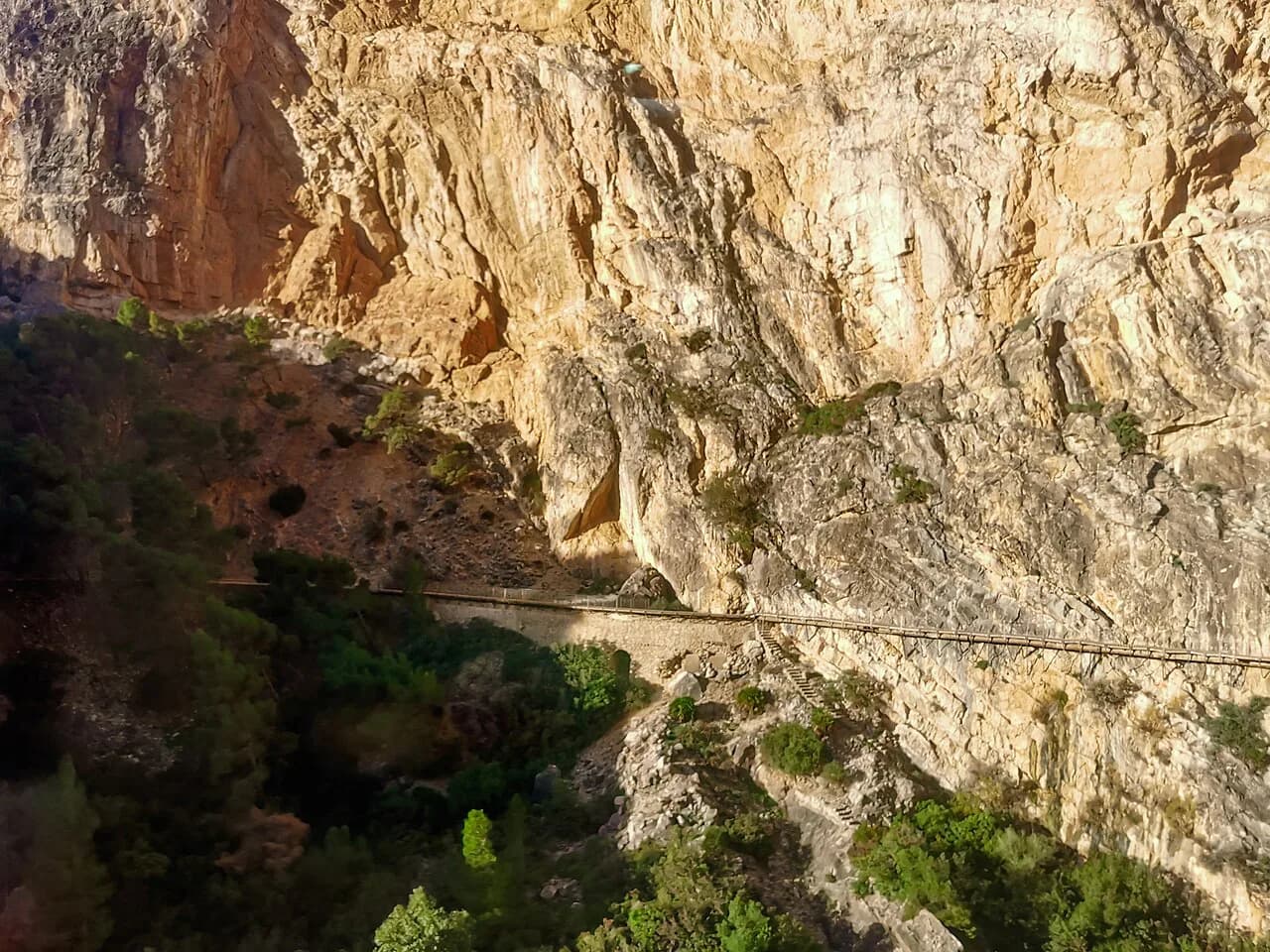
The Caminito del Rey appears among Antequera's essential visits because it is reachable from the town, not because it starts there. It is a separate logistical commitment in the Desfiladero de los Gaitanes, with its own access and ticket system, and it needs a booked slot rather than a spontaneous arrival. The Caminito del Rey guide explains the route and what the walk involves.
Sort out Caminito del Rey tickets before you fix the rest of the break, because the timed entry governs the day and the transfer to El Chorro eats into it. Read the tickets page for how booking works, then decide whether the walk fits alongside the town or replaces one of its days.
Summer heat and siesta-hour closures
Antequera is an inland Andalusian town, and the tourism office schedules its Luz de Luna heritage programme at dusk precisely because the light is better and the temperature more bearable then. That is the local logic for your own day: walk the steep lanes and the climb to the Alcazaba in the morning and evening, and keep the middle of the day for the museum, church interiors or a long lunch.
Plan around the fact that churches, convents and small shops keep their own visitor hours and may not be open continuously through the afternoon. Rather than assuming a door will be open, choose the interiors you most want and confirm their times, then leave the streets and miradors as the flexible part of the day. That way a closed door costs you nothing.
How long the town itself needs
The town justifies a full day on foot: the old town lanes, two or three church interiors, the Fuente del Toro and the miradors, the Alcazaba and the Museo de Antequera fill a morning and an afternoon comfortably at a walking pace. Add a second day for the dolmens, and a third if El Torcal or the Caminito del Rey is the point of the trip. Trying to fold the monuments and the megalithic site into one day means short-changing both.
Leave the Roman villa at the Estación, the Laguna de Fuente de Piedra and the Barroque church route for a return visit if time is tight; each is a proper outing rather than a stop. The honest trade-off is that Antequera rewards a night's stay rather than a rushed call from the coast, because the best of the old town happens when the day visitors have gone and the light softens.
Which part of Antequera gets your day
Give the hill your first day: the old town lanes, the Fuente del Toro, the miradors, the Alcazaba and the Museo de Antequera, with the steep climbing done at the cooler ends. Then choose your second day by appetite, between the UNESCO dolmens out in the vega and the karst country of El Torcal. The Caminito del Rey is a separate booking and a separate day, not a walk from town.
Before you book, confirm opening times for the museum, the Alcazaba and the church interiors, and the entry arrangements for the dolmens and the Caminito, since those details decide the shape of the break. Then build the plan around the walking geography rather than around a list of sights.
Frequently Asked Questions
Does Antequera have a train station?
Plan the rail leg with the current timetable from the operator before you commit, and check how the station connects to the old town, because the centre sits on a hill above the vega and the final stretch is not a flat walk.
Where is Antequera in Spain?
Antequera is in the north of Málaga province in Andalusia, set above the Vega de Antequera agricultural plain. It is an inland town, not a coastal one, which is why it plans as a monument and landscape break rather than a beach stop.
What is Antequera best known for?
The Site of the Dolmens, which holds World Heritage status, together with the hilltop Alcazaba and the karst landscape of El Torcal de Antequera. The town's Baroque churches and its miradors fill out a day in the centre.
Sources
Notes for your next Spanish town break
Optional updates to our guides.
You might also like
Continue reading
More guides you'll find useful