Pedregalejo, Málaga: The Old Fishing Quarter by the Sea
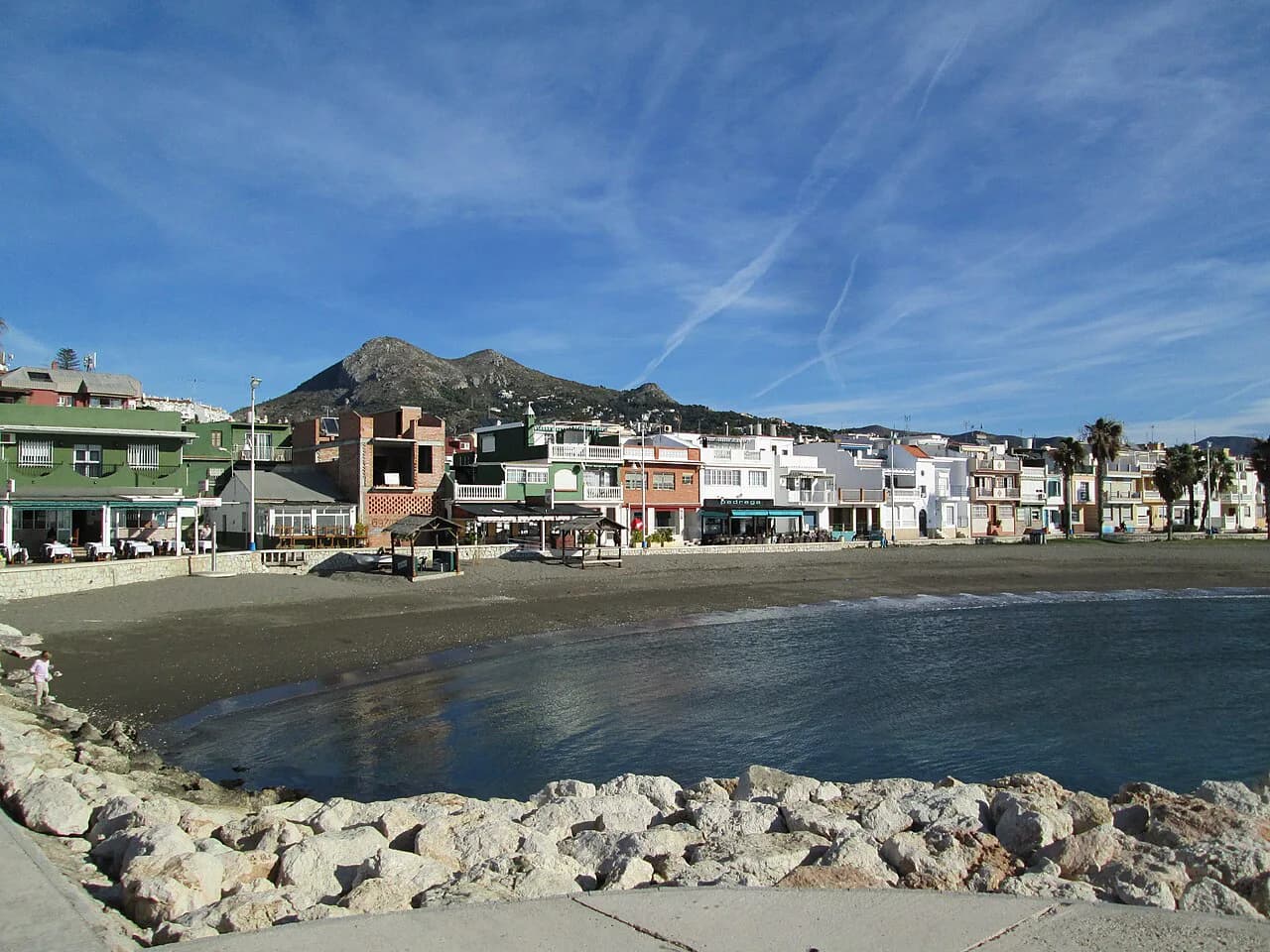
Pedregalejo is Málaga's old fishing quarter, three kilometres east of the centre, with a 1,200-metre beach, six sheltered coves and a seafront promenade.
On this page
Pedregalejo is worth visiting if you want a calmer, more traditional slice of Málaga's seafront within walking distance of the centre. It is one of the city's oldest fishing neighbourhoods, three kilometres east of the centre, with a 1,200-metre beach, six small coves behind breakwaters and wooden fishing boats drawn up on the sand. This guide covers the layout of the quarter, the promenade walk, the landmarks that break up the route from the centre, and where Pedregalejo ends and El Palo begins.
Treat it as a half-day on foot rather than a beach day: the appeal is the low-rise fishing streets, the paseo marítimo and the series of small bays, not sunbathing in the sense of a resort. The walk out from the old town passes La Malagueta and Baños del Carmen, so it slots easily into a short break in Málaga without a car. For the wider picture of what else the city offers, see our guide to things to do in Málaga.
What Pedregalejo is
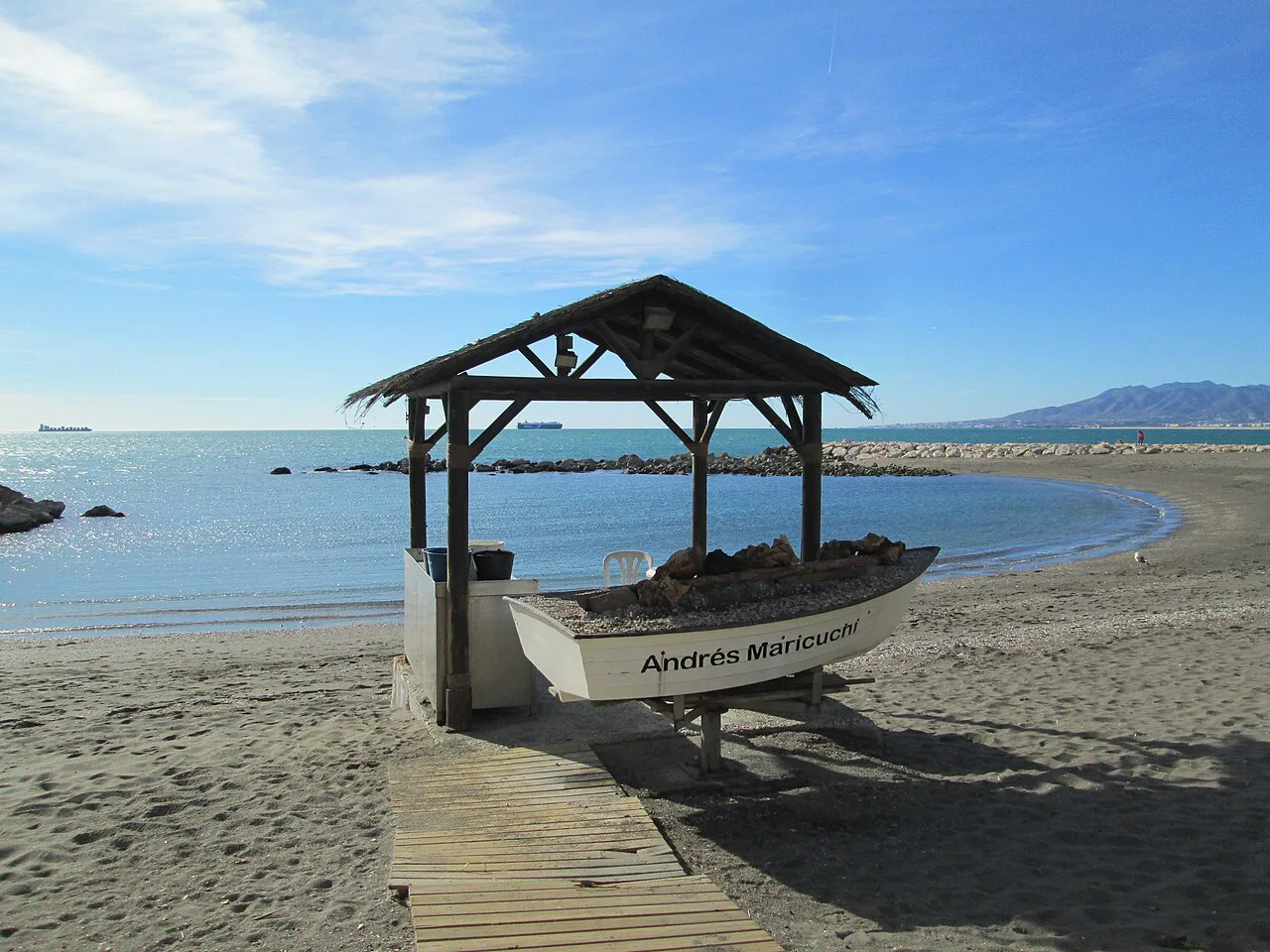
Pedregalejo is one of Málaga's most traditional fishing neighbourhoods, and that identity still shapes it: old wooden fishing boats rest on the beach and there are no high-rise blocks crowding the sand, which gives the seafront a different scale from the built-up central beach. The neighbourhood sits directly on the coast, so the promenade, the boats and the low streets behind them are all within a couple of minutes of each other.
The beach is officially listed as urban, 1,200 metres long and 20 metres wide, with dark sand and a moderate swell. That narrow width matters: at busy times the strip of sand fills quickly, and the promenade rather than the beach becomes the place to walk.
Where Pedregalejo sits in Málaga
The quarter lies east of La Malagueta and west of El Palo, and the seafront promenade runs through all three, so you can string them together in one coastal walk. La Malagueta is the closest beach to the historic centre and the busiest of the group, with around 1,200 metres of sand and a palm-lined paseo.
Pedregalejo and El Palo are the quieter, more workaday neighbours further east. If you are basing yourself in the centre, the old town and its streets around Calle Larios make a natural morning, with the coast saved for the afternoon. Our Málaga old town guide covers that half of the day.
The beach and its six coves
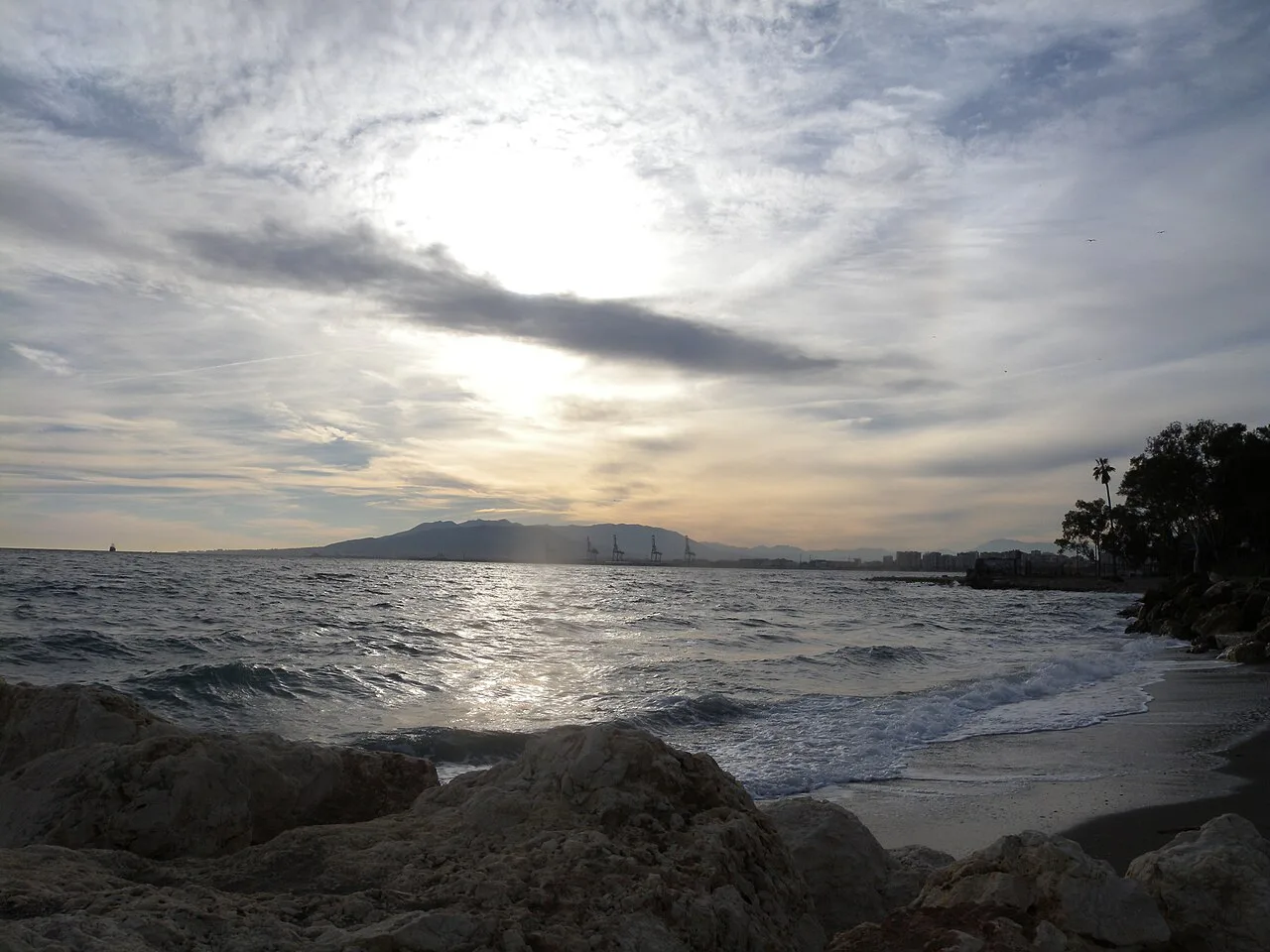
The shoreline is broken into six small calas by breakwaters, which is why it feels more sheltered and less exposed than one long open beach. The listing gives a moderate swell and dark sand, so the swimming is not the flat, pond-calm water some expect from a bay; check conditions on the day rather than assuming.
Facilities along the beach include showers, toilets, foot showers, access walkways, umbrella and sunbed hire and a children's area, according to the official beach listing. Lifeguard surveillance is listed as part of the service, but seasonal timings are not given, so confirm on arrival if you are relying on it.
The paseo marítimo
The promenade is the spine of the visit: a flat seafront walk with the coves on one side and the low-rise streets of the barrio on the other. Walking it is the point rather than a means to an end, and it is easy to combine with the boatyard and the fishing boats as you go.
Behind the promenade, Pedregalejo keeps a residential, low-rise feel, which is what separates it from the hotel frontage nearer the centre. Aim to walk one way along the water and return through the streets, so you see both the seafront and the everyday quarter.
Walking there from the centre
On foot, follow the coast east past La Malagueta and Baños del Carmen; the route is continuous seafront rather than a detour inland. Allow a relaxed hour or so each way depending on pace and stops, and wear shoes you can walk in on the promenade rather than sandals for the beach.
The listing gives Pedregalejo as three kilometres from the city, so it is a genuine walk rather than a stroll, and the promenade is exposed with little shade at midday. If you are planning a full day on foot, our Málaga walking tour suggestions help you order the old town and the coast sensibly.
Baños del Carmen, Astilleros Nereo and Peñón del Cuervo
Three landmarks break up this stretch of coast. Baños del Carmen is a historic 1920s bathing house now used as a seafront restaurant, Astilleros Nereo is described as one of Spain's oldest boatyards and still restores traditional craft, and the Peñón del Cuervo is a rocky point further east along the shore.
These are sights to note as you pass rather than ticketed attractions with set hours, so build them into the walk instead of planning around them. If you would rather see the coast from the water, compare options through our guide to Málaga boat trips.
Where Pedregalejo ends and El Palo begins
El Palo is the easternmost of the city's coastal barrios, sitting between the beach where the fishing boats gather and the slopes of the Monte de San Antón. It continues Pedregalejo's fishing character but has its own rhythm, with older fisherman's streets mixing with newer residential areas.
In practice the two quarters blur along the promenade, so the simplest plan is to walk east through Pedregalejo and keep going into El Palo before turning back. The difference you will notice is scale and quiet: fewer visitors, more everyday street life, and the same low-rise frontage.
Best time of day and practical trade-offs
Mornings are the calmest time on the promenade, before the beach fills and the sun gets high; the official listing records a high occupancy grade for this beach, so expect company later in the day. Late afternoon gives softer light on the water and a cooler walk back towards the centre.
The main trade-off is exposure: the promenade is open and hot at midday in summer, with limited shade, so plan the walk for the morning or evening and keep the middle of the day for the old town, museums or a shaded plaza. Our Málaga itinerary suggests how to fit the coast around indoor stops.
There is no entry charge for the beach or promenade, and the listing names no ticket office, so budget only for what you hire or eat. Sunbed and umbrella hire is advertised on the beach, but rates are not given, so ask at the point of hire.
Should Pedregalejo be on your Málaga short break?
Yes, if you want a real neighbourhood rather than a resort front, and you are happy to walk. The combination of a fishing quarter, six sheltered coves and a flat promenade three kilometres from the centre makes it the obvious counterweight to the busier central beach, especially in the morning or late afternoon.
Build it into a coast day that starts past La Malagueta and ends in El Palo, and keep the middle of the day for the old town and its museums. Use a Málaga map to fix the promenade line before you set out, since the seafront is easier to follow than the streets behind it.
Explore more Málaga guides
Frequently Asked Questions
Is Pedregalejo worth visiting?
Yes, if you want a traditional fishing neighbourhood and a seafront walk rather than a resort beach. It sits three kilometres east of the centre, has a 1,200-metre beach split into six coves behind breakwaters, and keeps its wooden fishing boats on the sand.
Which area of Málaga should I avoid?
That depends on what you want from the trip, so this guide does not steer you away from any district. What is worth knowing is that Pedregalejo's promenade is exposed and busy in high season, so plan it for the morning or late afternoon rather than the middle of a summer day.
What is the prettiest part of Málaga?
There is no single answer, but Pedregalejo's low-rise fishing streets, its boats and the small coves behind the breakwaters give it a character the central beach lacks. For a different kind of pretty, the old town around Calle Larios and the cathedral quarter covers the city side.
What is the prettiest village near Málaga?
Pedregalejo is a city barrio rather than a village, and it is best treated as a coastal walk from the centre. Use our Málaga map to plan the route and keep the promenade as the spine of the day rather than trying to reach outlying villages without your own transport.
Sources
Notes for your next Spanish town break
Optional updates to our guides.
You might also like
Continue reading
More guides you'll find useful