Museums in Málaga: Which Ones to Visit and How Long They Take
Pick the Málaga museums that fit a short break, from the Picasso and Thyssen to the Museo de Málaga, with opening days, hours and what each one holds.
On this page
For a short break, book the Museo Picasso Málaga and the Museo de Málaga and treat everything else as a bonus. The Picasso holds the painter's own story in a sixteenth-century palace, while the Museo de Málaga puts Phoenician, Roman and Arab finds alongside nineteenth-century painting in the Palacio de la Aduana. This guide sets out what each collection contains, how long to allow, which days catch people out and how the museums group on foot between the old town and the port.
The city's museum scene is wider than those two names suggest, from a contemporary outpost of the Centre Pompidou to the house where Picasso was born and a small sacred-art collection inside the cathedral. Opening hours vary sharply by museum and season, so pick your days before you buy anything. Pair the museums with the plazas and monuments in this guide to things to do in Málaga so a wet morning does not become a wasted one.
Which museums in Málaga are worth a slot in a short break
Two museums repay the time: the Museo Picasso Málaga and the Museo de Málaga. The Picasso is the obvious draw for anyone interested in the painter, and the Museo de Málaga is the largest state museum in Andalusia, with 15,000 archaeological pieces and 2,000 works of art under one roof. If you have a third slot, choose between the Carmen Thyssen for Andalusian painting and the Centre Pompidou for contemporary work, depending on which you would actually enjoy in the time left.
Budget real time rather than squeezing in all of them. The Museo de Málaga alone runs to 18,000 square metres of galleries, which is a half-day if you read the labels, and the Picasso's chronological hang of paintings, sketches and studies rewards a slow hour and a half. Two museums in a day is a sensible ceiling; three means skimming rooms you paid to see.
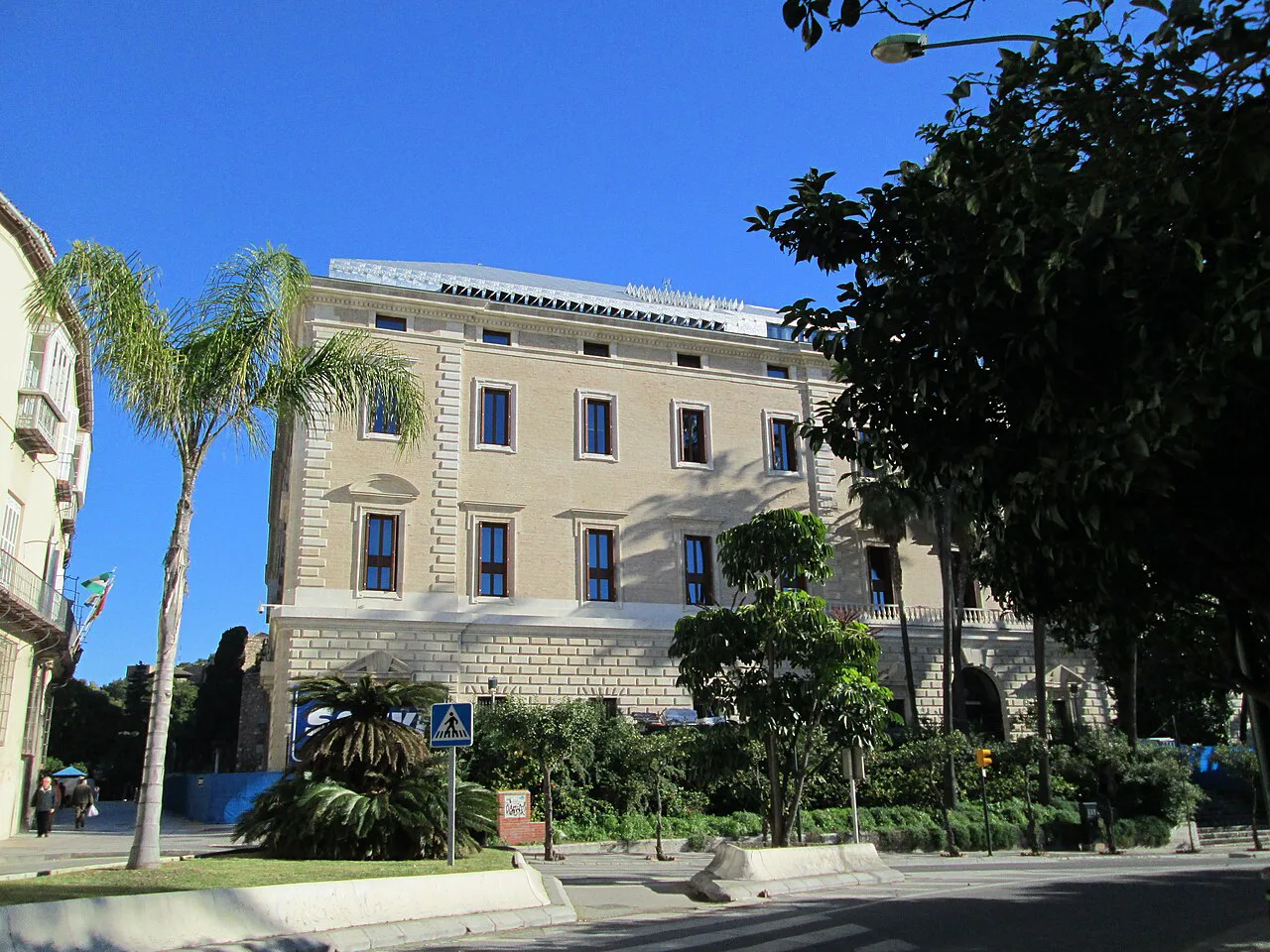
Museo Picasso Málaga: the Palacio de Buenavista collection and Picasso's periods
The collection sits in the Palacio de Buenavista, a Renaissance building on Calle San Agustín 8, and opens every day from 10:00 to 19:00. The hang works through Picasso's blue and rose periods, cubism, neoclassicism and surrealism to the late works, so you can read his career in order without leaving the building. Among the pieces are The Weeping Woman from the surrealist years and The Embrace from the neoclassical phase.
There is a section devoted to Guernica, built around preparatory studies and sketches for the painting that hangs in the Reina Sofía in Madrid. A temporary exhibition usually runs alongside the permanent rooms and tends to circle back to Picasso's life and influence. Because the museum opens daily, it is the easiest of the big names to fit around a Monday arrival.
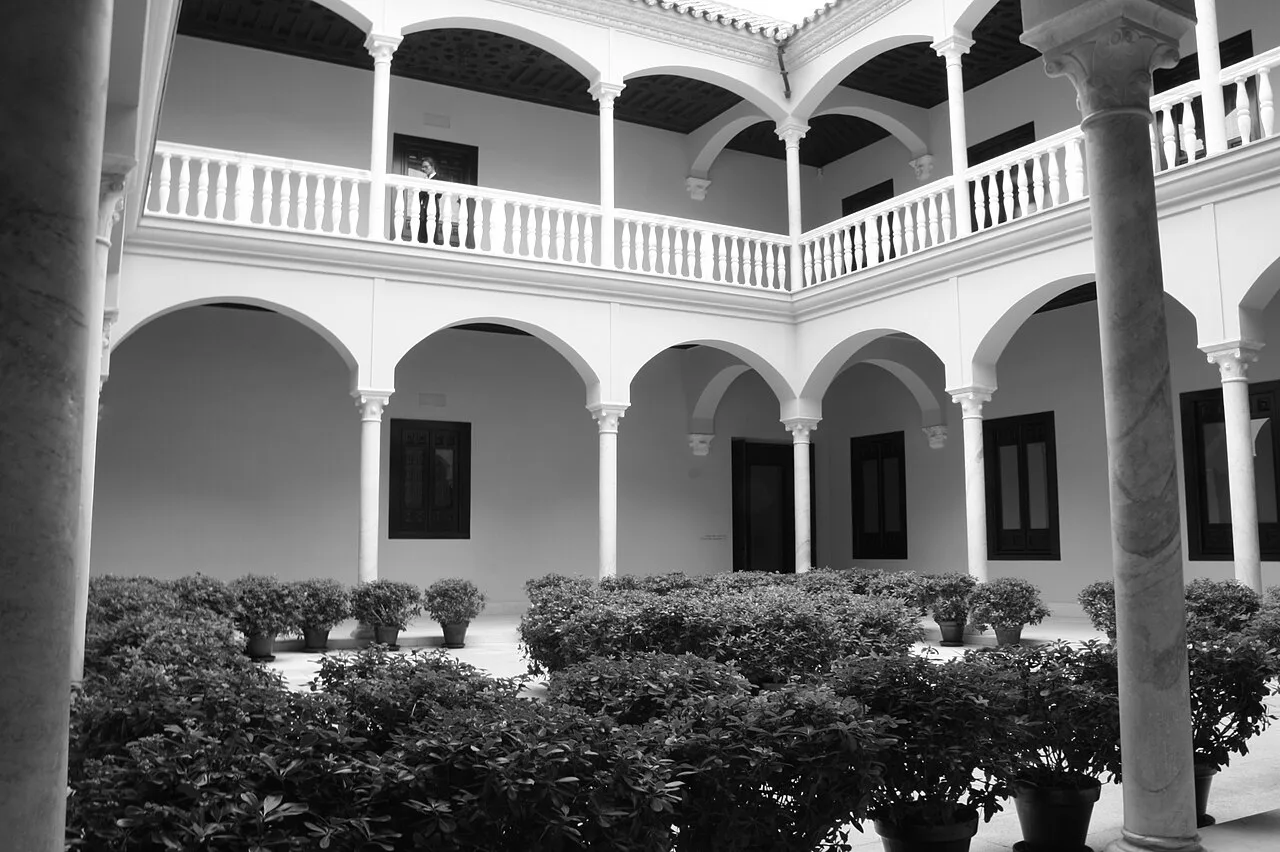
Museo de Málaga in the Palacio de la Aduana: archaeology and fine art under one roof
The Museo de Málaga occupies the Palacio de la Aduana on Plaza de la Aduana, a late eighteenth-century neoclassical customs house that became the museum's home only in 2016. It merges the old provincial fine arts museum, running since 1913, with the archaeological museum that grew out of the Alcazaba excavations from 1945. The archaeology runs from prehistory and the Phoenician period through Roman, Byzantine and Arab material, and the fine arts side holds a strong run of nineteenth-century painting plus Spanish modern art up to the mid-twentieth century.
Hours are Tuesday to Saturday 09:00 to 21:00 and Sundays and public holidays 09:00 to 15:00, which makes it a good evening option midweek. It closes on Mondays except when a Monday falls on the eve of a public holiday, when it opens 09:00 to 15:00, and it also closes on 1 and 6 January, 1 May and 24, 25 and 31 December.
The building sits at Plaza de la Aduana, between the old town lanes and the port, so it pairs naturally with a morning on the surrounding streets. The Alcazaba and the Teatro Romano are a short walk uphill from the museum, which makes a history-heavy day easy to assemble. Work out the streets in advance with a Málaga map so you are not circling the block in the heat.
Museo Carmen Thyssen Málaga: nineteenth-century Andalusian painting
The Carmen Thyssen collection concentrates on nineteenth-century Andalusian painting, with landscapes and costumbrista scenes that show how the region saw itself in the century before tourism. It is a smaller proposition than either of the two big museums, and a good choice if you want one museum that fits comfortably into a morning.
If you are deciding between this and the Centre Pompidou for a third slot, choose by century rather than by reputation: the Thyssen is for figure painting and landscape, the Pompidou for modern and contemporary work. Neither is a substitute for the Picasso, so do not try to swap one for the other in a short break.
Centre Pompidou Málaga: the contemporary outpost and what it shows
The Centre Pompidou Málaga is the only branch of the Paris museum outside France, which is the reason it draws a queue even from travellers who would normally skip contemporary art. In practice it means a rotating selection from the Paris collection rather than a fixed hang, so what you see depends on the temporary programme. The name promises more than a short visit can deliver if the current show does not appeal.
Its waterfront location puts it near the port rather than in the old-town lanes, which changes how you plan the day. The museums in the historic centre are within easy walking distance of each other; the Pompidou is not, so treat it as its own outing.
Museo Casa Natal Picasso: the painter's birthplace
The Casa Natal occupies the building where Picasso was born, and it is a modest stop rather than a full museum visit. Expect a small collection of work and memorabilia rather than a survey of his career; the serious Picassos are at the Palacio de Buenavista.
If you want the fuller account of Picasso's Málaga, go to the main museum first and use the birthplace to fill in the beginnings. Pairing them on the same day gives you the career and the origin without repeating the same wall text twice.
Museo Catedralicio: sacred art inside the cathedral
The cathedral museum holds the diocese's artistic heritage, mostly religious in theme, with paintings by Alonso Cano and the seventeenth-century Málaga painter Juan Niño de Guevara. There is sculpture by Pedro de Mena, a section on goldsmiths' work and liturgy, and richly decorated chalices and processional pieces used in the city's ceremonies. It sits inside the Catedral de Nuestra Señora de la Encarnación, so one visit covers both.
Hours change with the season. From 26 October to 29 March the museum opens Monday to Friday 10:30 to 18:30, Saturday 10:30 to 18:00 and Sunday 14:00 to 18:00; from 30 March to 30 May the weekday close moves to 19:30; and from 1 June to 25 October weekdays run 10:30 to 20:00. Those who want to compare other city churches will find more in this guide to Málaga churches.
Smaller collections: Unicaja arts and customs, glass and crystal, automotive and fashion, Russian collection and CAC
Beyond the headline names, a cluster of smaller museums fills odd hours. The Museo Unicaja de Artes y Costumbres Populares covers everyday life in the province before the internet age, the Museo del Vidrio y Cristal is for glass and crystal, and the Museo Automovilístico y de la Moda combines classic cars with couture. The Colección del Museo Ruso de San Petersburgo brings Russian art to the city, while the Centro de Arte Contemporáneo, usually shortened to CAC, shows contemporary work; MUPAM holds the municipal heritage collection and the OXO museum covers video games.
Treat these as complements, not substitutes. None carries the weight of the Picasso or the Museo de Málaga, but if a rainy afternoon leaves you with two hours and no appetite for a big collection, one of them will fill it well. Pick by subject you actually like rather than by ticking off a list.
Opening days and hours: Monday closures and Sunday variations
The pattern to watch is the Monday closure at the Museo de Málaga, which catches people who assume all state museums open seven days. Elsewhere the schedules differ enough that a single rule does not work: the Picasso opens daily 10:00 to 19:00, and the Museo de Málaga's Sunday hours stop at 15:00. Build your days around those facts and most of the risk disappears.
Two details are easy to miss. The Museo de Málaga opens on a Monday only when that Monday is the eve of a public holiday, and then only 09:00 to 15:00; the same museum also shuts on 1 and 6 January, 1 May and 24, 25 and 31 December. The cathedral museum's weekday closing time stretches as the year warms, which pushes a late visit later in summer than in winter.
What tickets cost and where free entry applies
Ticket prices are set by each museum and are not given in the sources used here, so open the museum's own ticket page before you travel and buy ahead for the Picasso and the cathedral museum. The cathedral museum in particular advises booking in advance in high season, when walk-up places run out. That is also where you will find any reduced or free slots, rather than assuming a general free Sunday applies across the city.
For the Museo de Málaga, the state museum network publishes its own ticket information alongside the opening hours, which is the page to check for concessions and free entry windows. Budget for two paid museums in a short break and treat any free slot as a bonus rather than a plan.
How to group museums on foot around the old town and the port
The old-town museums group tightly: the Picasso on Calle San Agustín, the Casa Natal and the cathedral museum all sit within walking distance, so one morning can cover two of them without transport. The Museo de Málaga and the Pompidou sit further out towards the port and the waterfront, which makes them a natural pair for a separate half-day. Plotting the streets first saves you from backtracking: this guide to the Málaga old town covers the layout around Calle Larios and the lanes north of it.
If you would rather follow a set route than build one, a Málaga walking tour can stitch the plazas and monuments together with a guide, leaving the museums for the hours when it rains. The Teatro Romano and the Alcazaba sit between the old town and the port, so they slot into the same loop as the Museo de Málaga if you start early.
Which museum to choose if you only have one rainy afternoon
With half a day and rain on the windows, go to the Museo de Málaga. It is the larger collection, it holds both archaeology and painting, and its Tuesday-to-Saturday hours of 09:00 to 21:00 keep it open late enough to absorb a washed-out afternoon. The range also means a mixed group can split between Roman finds and nineteenth-century canvases without anyone being bored.
Choose the Picasso instead if you came to Málaga for the painter, or if the day is a Monday, when the Museo de Málaga is shut. If you have a full wet day rather than an afternoon, do the Picasso in the morning and the Museo de Málaga afterwards on any day except Monday. Keep a third, smaller museum in reserve for the evening rather than packing all three into daylight hours.
Decide before you book the Picasso slot
Fix the Museo Picasso Málaga first, since it opens every day and the time slot shapes the rest of your day, then add the Museo de Málaga on a Tuesday-to-Saturday when its long evening hours give you room to spare. If your dates include a Monday, move things around rather than turning up to a closed door.
Check the ticket page for each museum before you go, because prices and any free entry are set individually and change with the season. Then build the rest of the break around the old-town and port geography so the museums sit inside a day of plazas, churches and waterfront walks rather than swallowing it. A short break with two good collections and time left over beats one spent queueing.
Explore more Málaga guides
Sources
Notes for your next Spanish town break
Optional updates to our guides.
You might also like
Continue reading
More guides you'll find useful