Málaga Itinerary: Two Days on Foot, Area by Area
A two-day Málaga itinerary grouping the Alcazaba, cathedral, Picasso museums and Gibralfaro into a walkable plan, with the trade-offs that shape each day.
On this page
Two days in Málaga are enough for the Alcazaba, the cathedral, Gibralfaro and one serious museum if you group each cluster on foot and stop moving between them at lunchtime. The city rewards a loop rather than a list: the old town, the hill and the port sit close enough to link in one day each.
Day one climbs: the Roman theatre, the Alcazaba fortress above it and the Castillo de Gibralfaro on its 132-metre hill, with the old town streets as the natural pause between them. Day two stays low: the Catedral de Málaga, a choice between the city's art collections, then the Mercado de Atarazanas, the Palmeral de las Sorpresas and the harbour at Muelle Uno.
Day one, morning: the Roman theatre and the Alcazaba
Start at the foot of the hill, where the Teatro Romano sits directly below the Alcazaba walls. The theatre dates from the 1st century BC, the fortress above it from the 11th century, and seeing them stacked together explains the city's layering faster than any museum.
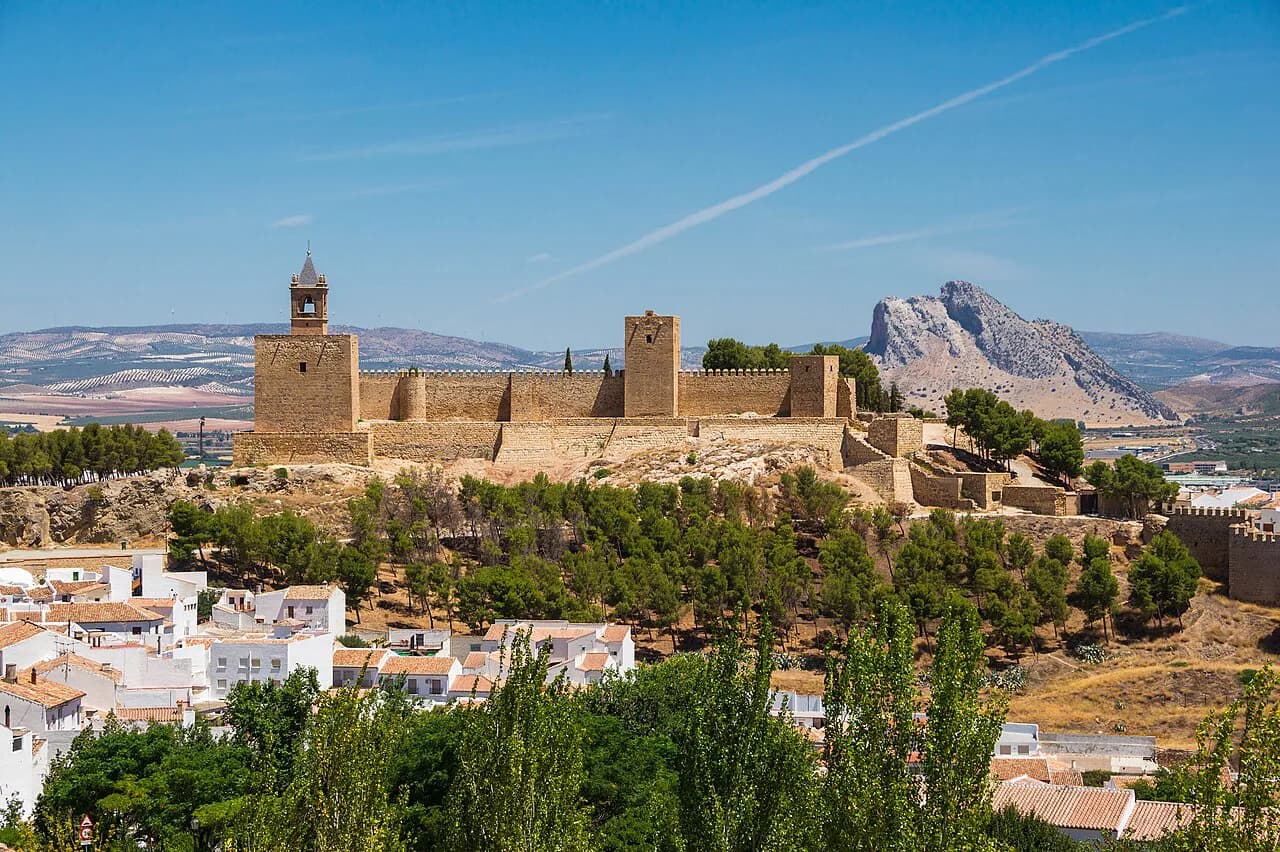
Walk up through the Alcazaba's passageways and planted courtyards rather than rushing the ascent, because the terraces and the views back over the port are the point of the visit. The fortress gardens give shade and a place to sit, which matters if you are climbing in the middle of a warm morning.
Allow the whole morning for the theatre and fortress together and treat the climb as part of the sightseeing, not a transfer. The Alcazaba is the broader pick for Roman and Moorish Málaga, with the old town, cathedral and port close enough to link into the rest of the day; for the wider short-break plan, see Things to Do in Málaga.
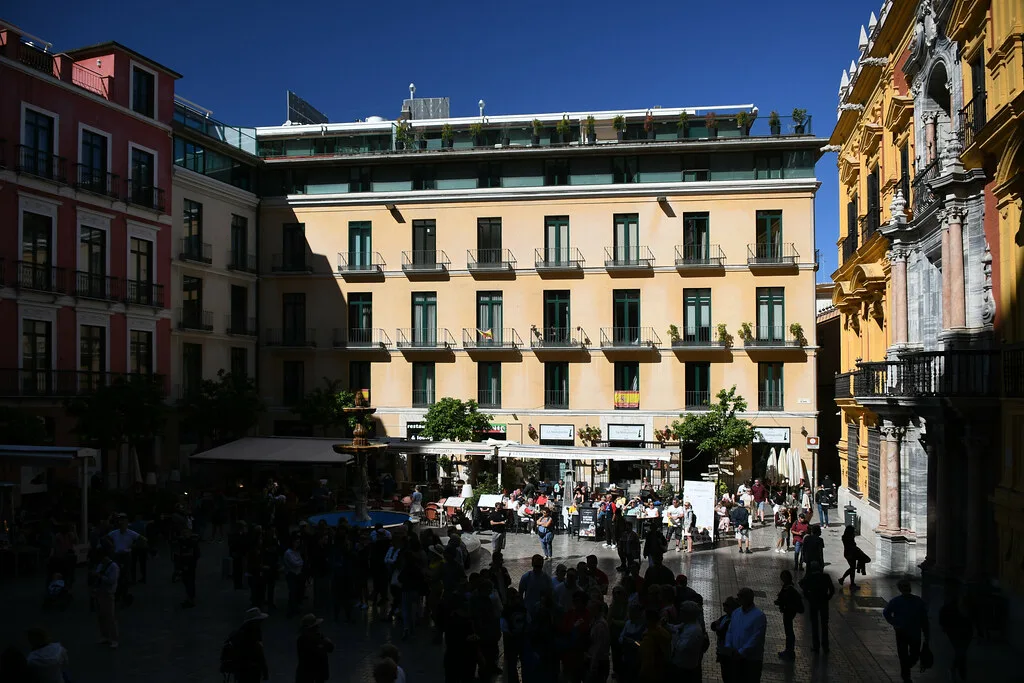
Day one, midday: Calle Larios and Plaza de la Constitución
Come down from the Alcazaba into the old town and use Calle Larios, the pedestrian spine of the centre, as your midday pause. It runs to the Plaza de la Constitución, the square at the heart of the historic quarter, where you can stop for a drink before the afternoon climb.
The old town between the cathedral, the Plaza del Obispo and Calle Santa María is compact and made for wandering rather than routing, so let the square-to-square walk fill the slack in your morning. A paper or offline map helps here, because the streets bend and the signposts thin out.
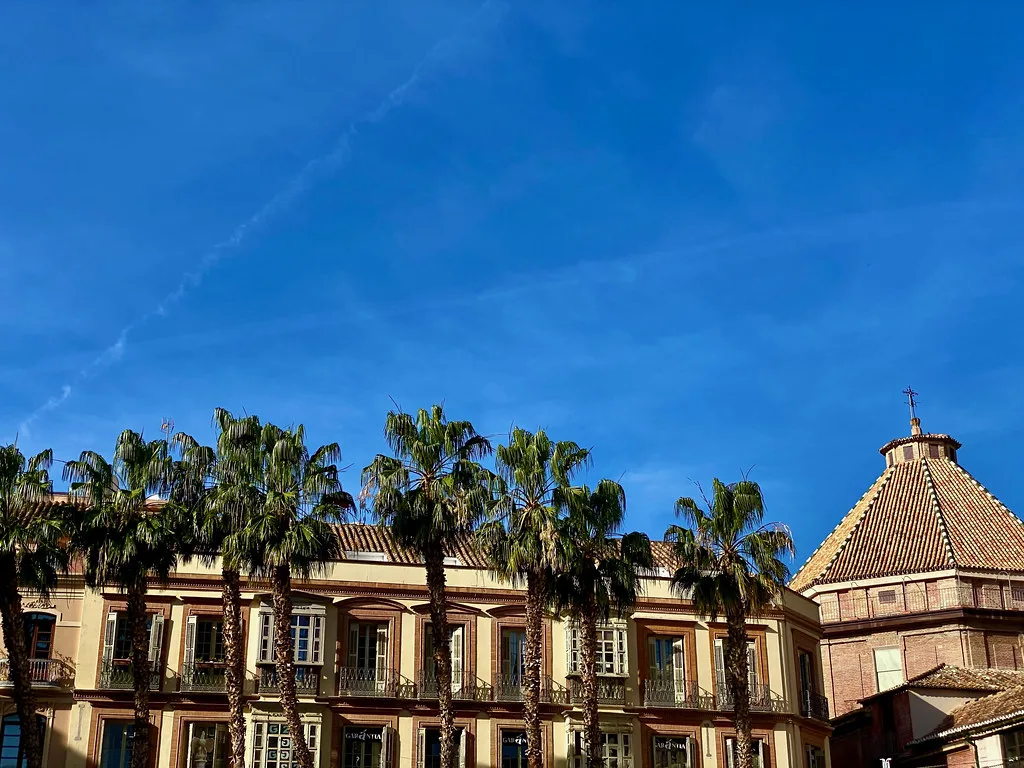
Day one, late afternoon: the climb to Gibralfaro
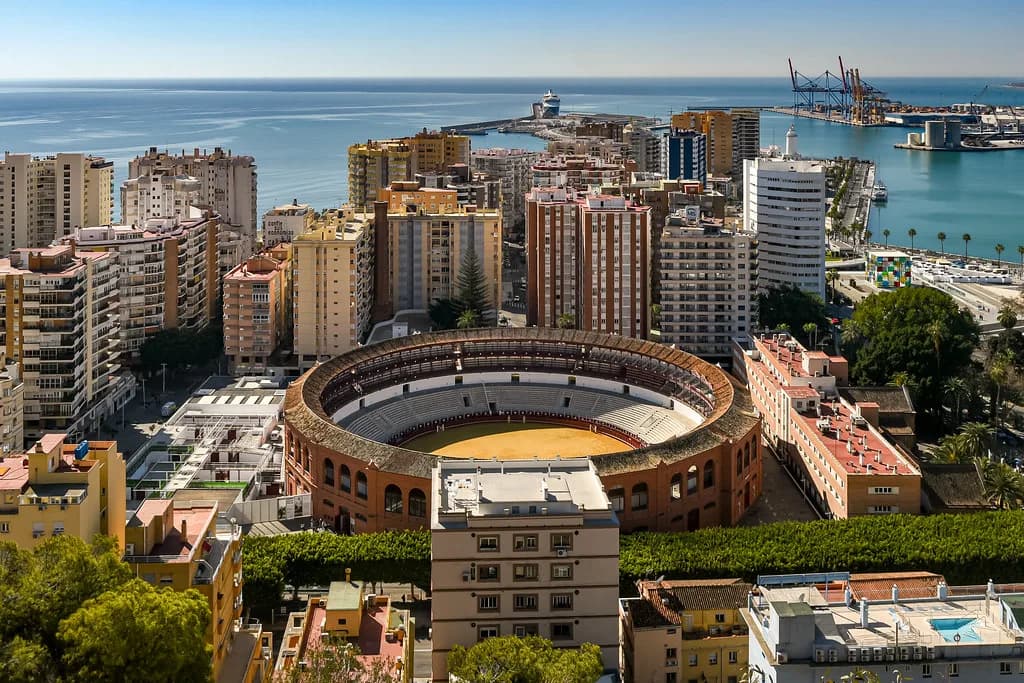
The Castillo de Gibralfaro sits on its hill 132 metres above sea level, and the mirador beside it gives the best single panorama in the city. From the top you look down on the Plaza de Toros de la Malagueta, the Parque de Málaga, the Palmeral de las Sorpresas and the harbour at Muelle Uno.
The walk up is genuinely steep, so decide honestly whether your legs or the local bus are the better option on the day. Either way, time the summit for late afternoon so the heat has dropped and the light over the port and bullring is worth the effort.
Bring water and give yourself a proper gap at the top rather than arriving and turning straight round. The exposed ridge offers little shade, and the descent on tired legs takes longer than you expect.
Day two, morning: the Catedral de Málaga and La Manquita
Begin day two at the Catedral de Málaga, begun after the Castilian conquest of 1487 and one of Andalusia's most important Renaissance buildings. Look up at the tower that was never finished, which is why the cathedral is known locally as La Manquita, the little one-armed lady.
Go early, because the cathedral holds services and tourist visits can be paused while mass is on. Check the day's visiting arrangements with the cathedral before you build the morning around it, then walk the short stretch to the Plaza del Obispo and Calle Santa María.
Day two, midday: choosing your museum
Málaga has more than 30 museums, so pick one and give it real time rather than ticking three. The Museo Picasso Málaga holds 233 works, including Las señoritas de Avignon and Bodegón con Minotauro y paleta, and it sits in the old town within easy reach of the cathedral.
The alternatives each have a different pull: the Museo Carmen Thyssen for Andalusian painting, the Centro Pompidou in the port area for modern art, and the Museo Casa Natal de Picasso for the painter's birthplace. Choose by appetite, not by distance, because museum visits are what eat a two-day plan fastest.
If contemporary work appeals, the Centro de Arte Contemporáneo in the Barrio del Soho sits at the edge of the centre and pairs with a walk through that neighbourhood afterwards (Málaga Old Town). Book ahead in high season, when the popular collections fill up and the summer heat pushes everyone indoors.
Day two, afternoon: Atarazanas, the Palmeral and Muelle Uno
After the museum, head to the Mercado de Atarazanas, a covered market in a former Nasrid shipyard building that mixes Islamic and later architectural elements. Even a quick circuit shows you the local produce and the working life of the city, and it recharges the afternoon after a dark gallery.
From there the Parque de Málaga leads along to the Palmeral de las Sorpresas, a shaded palm-lined promenade beside the harbour, and on to Muelle Uno. The port side is the modern, open counterpoint to the old town and an easy place to end a walking day.
If you want a garden detour, the Jardín Botánico-Histórico La Concepción lies outside the centre and needs its own half-day, so it belongs in this plan only if you drop a museum. Keep it as the swap rather than an addition.
Day two, evening: La Farola and La Malagueta
End the second day at La Farola, the lighthouse that has guided sailors since the 19th century, and carry on to the Playa de La Malagueta. The beach sits a few minutes' walk from the historic centre, so it makes a natural finish without a bus ride.
The evening paseo along this stretch closes the loop of the two days: hill and fortress first, cathedral and collections second, harbour and shoreline last. If you have energy left, a flamenco show in the centre is the one evening plan worth booking in advance.
What to drop when two days is not enough
The museums eat time, and two days only stretch to one large collection plus the cathedral. Drop the second and third museums first, then the garden detour, then the beach if the weather turns; keep the Alcazaba and Gibralfaro, because the city's shape only makes sense from above.
A panoramic bus covers three routes and 14 stops with a 75-minute full loop, which suits a first orientation but not a substitute for walking the old town. Use it if mobility or heat is a constraint, rather than spending a fine morning on it.
Arriving from the airport and onward trips
A short break usually starts with a flight into Málaga and a transfer into the centre, so build the first afternoon around one cluster near your arrival point rather than a cross-town dash. Book popular collections ahead in August, when the Feria de Málaga brings extra visitors and accommodation fills early.
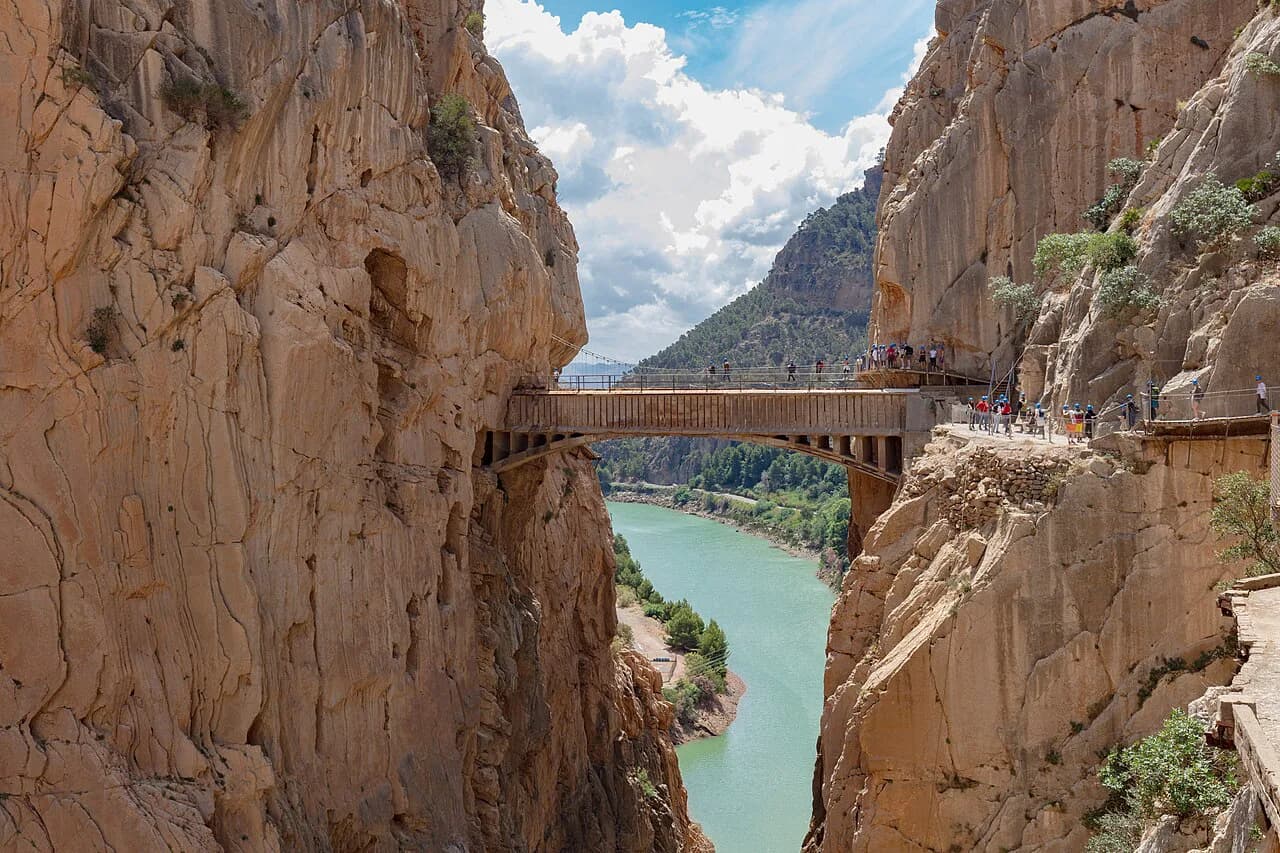
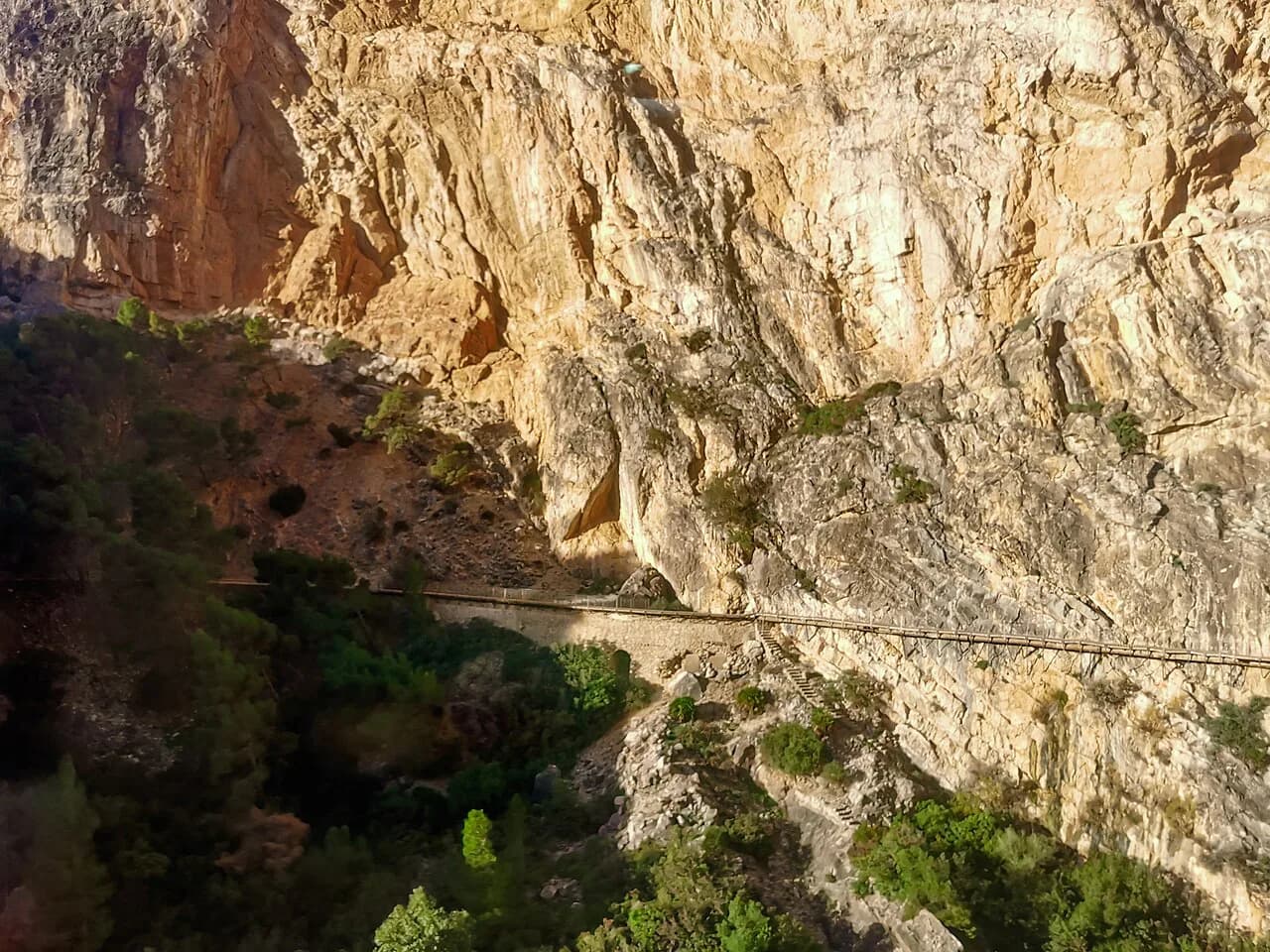
With a spare day, Ronda and Setenil de las Bodegas work as an excursion into the sierra, and the Caminito del Rey offers a guided walk of roughly 7 km lasting about three hours, around 70 km from the city. Treat these as separate day trips with their own timetables rather than squeezing them into the two-day plan.
Which half of Málaga do you book first?
Decide before you arrive which single museum gets your time and whether the Gibralfaro climb is on foot or by bus, and the rest of the two days falls into place. Keep day one for the hill and the old town and day two for the cathedral, one collection and the harbour.
Check cathedral visiting times and museum opening days the week you travel, since services and closures shift through the year. Everything else here is walking order, which does not change.
Explore more Málaga guides
Frequently Asked Questions
Is two days in Málaga enough for the Alcazaba and Gibralfaro?
Yes, if you give the hill one morning and one late afternoon rather than splitting it across days. The Teatro Romano and Alcazaba sit together at the foot of the climb, and Gibralfaro rewards a separate ascent later in the day when the light and heat are kinder.
Do I need to book Málaga's museums in advance?
Booking ahead is sensible in high season, especially in August when the city is busiest. Check each collection's own booking page for the day you plan to visit, and pick one museum rather than three so the two-day plan still has room for the old town.
Is the walk up to Gibralfaro difficult?
The ascent is steep, and the summit sits 132 metres above sea level with little shade on the way up. A local bus covers the climb if you would rather save your legs for the old town streets below.
Sources
Notes for your next Spanish town break
Optional updates to our guides.
You might also like
Continue reading
More guides you'll find useful