Málaga Roman Ruins: Theatre, Thyssen Site and City Routes
Málaga's Roman ruins explained: the theatre below the Alcazaba, the newly opened site under the Carmen Thyssen and the city's archaeological routes.
On this page
Málaga's Roman remains are a half-day on foot in the centre, not a trip out of town: a theatre at the foot of the Alcazaba, a 700-square-metre excavated complex under the Museo Carmen Thyssen, and a set of signposted archaeological routes that tie the pieces to the Phoenician and Muslim city. For the wider picture of what to see alongside them, start with our guide to things to do in Málaga. This article sets out what each site actually is, what the Thyssen excavation shows in sequence, and how to organise the centre around them.
Roman Malaca began with a Phoenician foundation and was taken by Rome at the end of the third century BC, so the streets you cross in the old town carry layers far older than the sixteenth-century churches above them.
What Roman Málaga actually is
Malaca was already a Phoenician settlement before Rome took the city at the end of the third century BC, and the Roman phase grew on top of that older street plan rather than replacing it. The city's archaeological routes describe three civilisations layered in the same few hectares: Phoenician and Punic Malaka around the Alcazaba, Cathedral and San Agustín, then the Roman and late-antique city, then the Muslim medina with its walls and arrabales.
That layering is the reason the Roman material is mostly below ground and often below buildings, which is exactly the case at the Palacio de Villalón, the palace that now houses the Museo Carmen Thyssen. When you plan your time, think of the Roman layer as an underground city reached through later buildings rather than as a set of free-standing monuments.
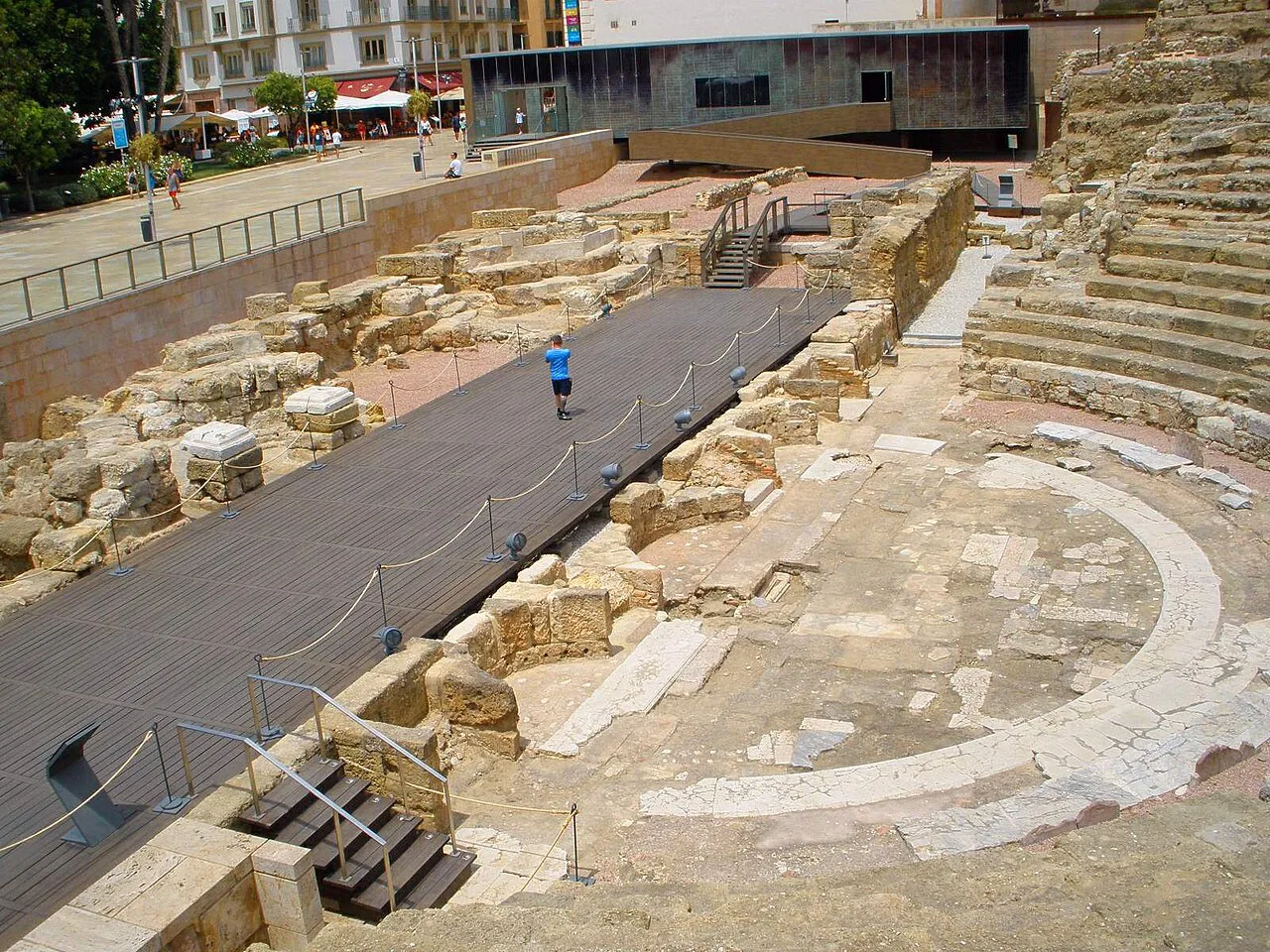
The Roman theatre at the foot of the Alcazaba
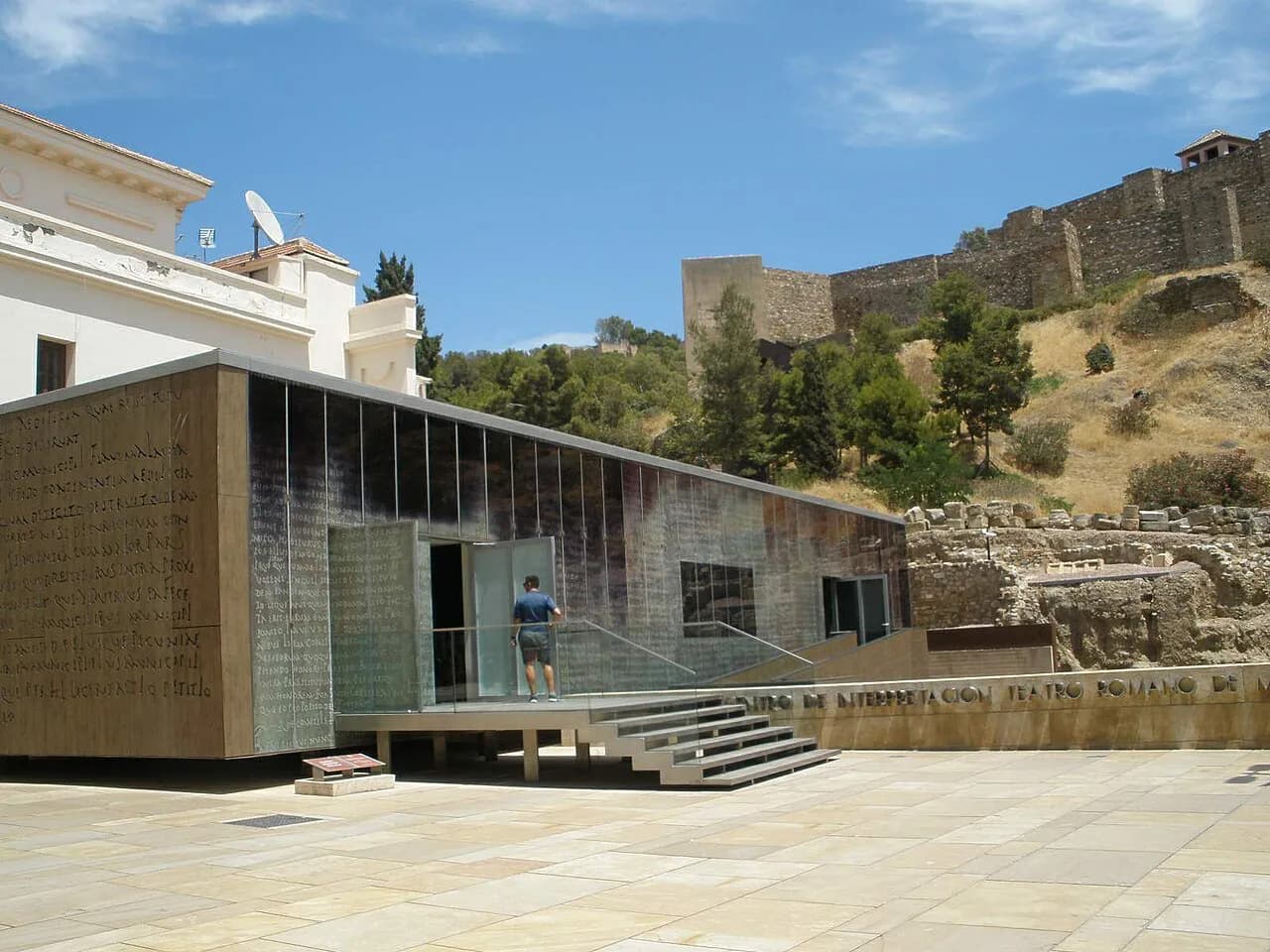
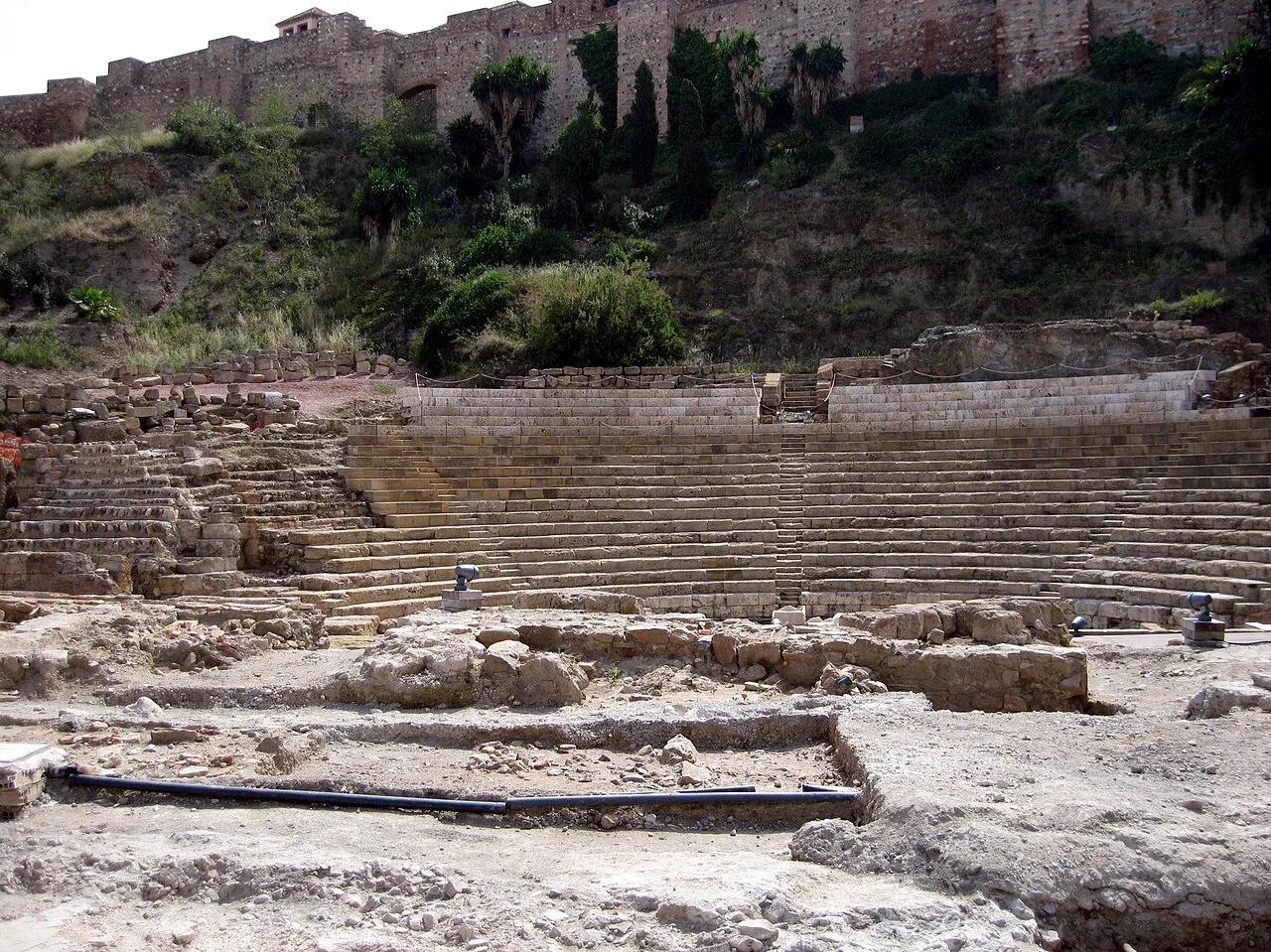
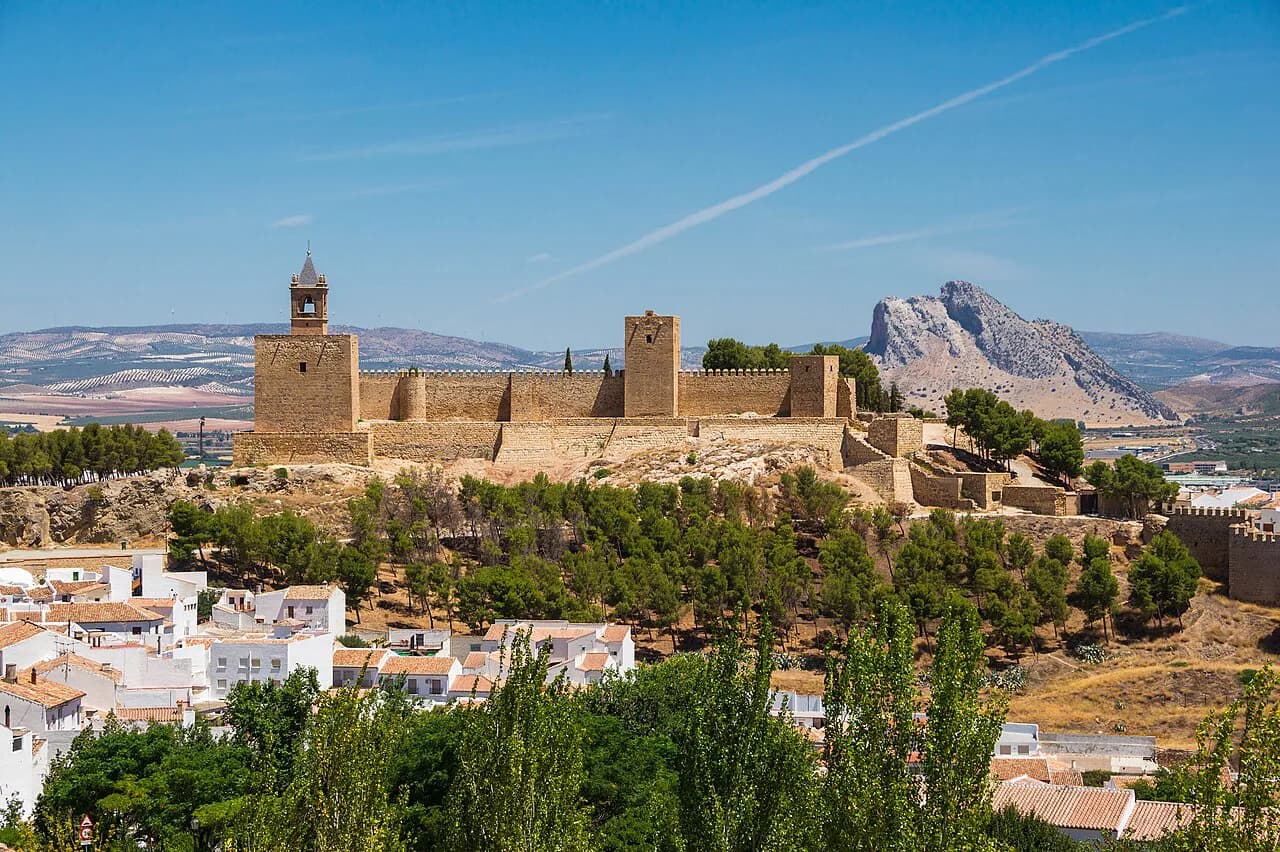
The theatre is the Roman monument most visitors meet first, because it sits at the base of the Alcazaba hill on the way up to the fortress. Treat it as the start of the archaeological walk rather than a separate outing: the city's routes begin at the Alcazaba gate and run through the ancient remains towards the Museo Arqueológico.
The practical constraint is the hill itself. The theatre and the Alcazaba share the same slope, so the climb and summer midday heat shape how much of the Roman layer you can comfortably take in during one morning, and a shaded later-afternoon slot for the uphill section is the sensible trade-off. The Alcazaba repays a slower pass than the theatre alone.
The Roman site under the Museo Carmen Thyssen
The excavation beneath the Palacio de Villalón opens to the public on 3 March, with general entry at 15 euros including access to the museum, and tickets have been on sale in advance. The visitable area covers roughly 700 square metres and documents six centuries of continuous occupation, from the first century AD to the start of the Byzantine period.
The earliest phase is industrial: a salt-fish factory with a battery of four piletas, the tanks used for curing catches, plus a shallow working area used for preparing fish, filling the tanks and lifting the finished conserves. That detail matters for what you are looking at, because the first rooms on the route are the working edge of the Roman city, tied to the sea economy, not a grand villa.
Above and after the factory came a high-status residential complex. Its centrepiece is the Ninfeo de los Peces, a monumental fountain in an interior courtyard that supplied water to the kitchen and washing area and doubled as a statement of the owner's standing, with black-ground wall paintings of fish described as unique in the province of Málaga, plus marble revetments and geometric mosaics.
What the Thyssen site shows you in sequence
Read the route as a story in four moves. First the salt-fish factory and its four piletas; then the courtyard fountain with the fish paintings; then the fourth-century revival, when a finer building went up over the earlier structures reusing its stone and laying black-on-white tessellated floors; and finally the Byzantine-era necropolis, when the complex was abandoned and the space became a burial ground.
Because the site is musealised in place with interpretation and digital resources, including a virtual-reality element on Roman Málaga, it rewards a slower pass than a courtyard of loose masonry. If you are choosing between the Thyssen site and a general old-town wander, this is the one to book ahead and give a proper hour to.
Tickets and timing for the Thyssen site
Book in advance rather than turning up: the site is visited in controlled numbers with timed access, and the ticket bundles the excavation with the museum's collection, so the visit naturally pairs with the painting galleries upstairs. The general price of 15 euros and the opening date were reported ahead of launch, so confirm the current tariff and slots on the museum's own booking page before you build a day around it.
The museum also runs free-access periods, which change the calculation if you are in Málaga on a budget. Check the museum's published free slots for the dates you are travelling rather than assuming the pattern holds across the year.
Following the city's archaeological routes
The Rutas Arqueológicas are the organising structure for a Roman walk in Málaga. The route starts at the door of the Alcazaba and continues through landmarks of the city's ancient history to the Museo Arqueológico, where the story runs from the ninth century BC onwards.
Use the route map to sequence your stops instead of criss-crossing the centre: the Alcazaba, Cathedral and San Agustín area holds the Phoenician core, the Roman and late-antique stops follow the same streets, and the Muslim medina, arrabales and fortress system sit over the top. If you would rather have someone else hold the thread, a guided Málaga walking tour covers similar ground.
How the routes split by era
The city divides its archaeology into three signed itineraries: Phoenician and Punic Málaga from the eighth to the third century BC, Roman and late-antique Málaga from the third century BC to the seventh century AD, and Muslim Málaga from the eighth to the fifteenth century. Pick the Roman and late-antique route if antiquity is your priority, and treat the other two as context you will pass through anyway.
The Phoenician and Punic label is not a technicality: the original Malaka occupied the ground between the Alcazaba, the Cathedral and San Agustín, which is precisely where you will walk. Knowing that makes the Roman theatre and the Thyssen excavation read as later chapters in the same few streets.
Roman sites outside the city
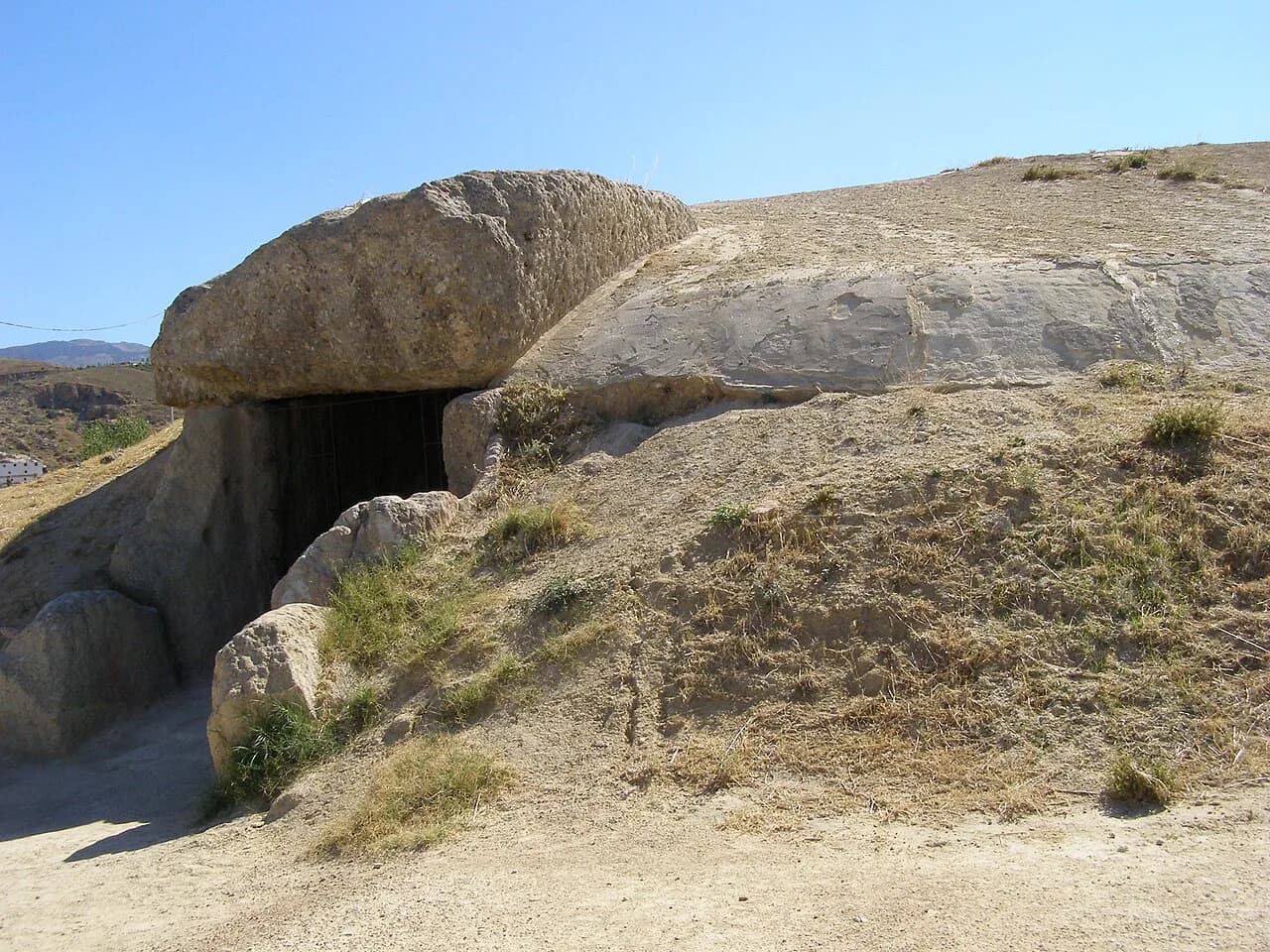
The province holds 51 archaeological sites protected as Bien de Interés Cultural, spread across 26 municipalities, with Antequera carrying ten, Málaga and Ronda five each and Marbella four. Most need a car or a bus and a full day, so they belong to a longer Andalusian trip rather than a city break.
Three are worth knowing about: the Roman city of Singilia Barba near Antequera, the Roman city of Lacipo near Casares, and the Roman theatre ruins at Ronda. Each is a protected archaeological zone, so check access and opening arrangements before travelling out; Ronda's theatre is the easiest to fold into a town visit.
Fitting the Roman layer into a short break
One half-day covers the centre comfortably: the theatre at the Alcazaba, the Thyssen excavation on a pre-booked slot, and the walk to the Museo Arqueológico following the city route. Keep the itinerary light on the day you climb the Alcazaba, and put the underground Thyssen visit in the hottest hours instead, where the temperature and the light are controlled.
Flights into Málaga put the city within easy reach of a short break, and the Roman sites sit inside the old town rather than on its edge. If you want the wider picture of what to see alongside them, our guide to the best museums in Málaga and the main Málaga attractions will fill the rest of the day.
Book the Thyssen site first, then build the walk around it
The Thyssen excavation is the one piece of Roman Málaga that needs a decision before you travel, because access is timed and ticketed; secure that slot, then treat the theatre and the city's archaeological route as the walk that surrounds it. Leave the provincial sites such as Singilia Barba and Lacipo for a trip with a car and a spare day.
If Roman history is only part of your plan, pair it with the Cathedral quarter and the old town's streets on the same loop, and keep an eye on midday heat on the Alcazaba slope. The full picture of the city, from its Phoenician origins to its Muslim walls, sits in our Málaga history guide.
Explore more Málaga guides
Frequently Asked Questions
Where are Málaga's Roman ruins?
They are in the city centre. The Roman theatre sits at the foot of the Alcazaba hill, and the excavated Roman complex under the Museo Carmen Thyssen occupies the Palacio de Villalón in the old town. The city's archaeological routes link these stops and continue to the Museo Arqueológico.
Do I need to book the Roman site under the Museo Carmen Thyssen?
Tickets went on sale ahead of the opening, and the ticket bundles the excavation with the museum's collection, so book through the museum's own channel and check the current price, slots and any free-access periods before fixing your day around it.
Can I see Roman Málaga without leaving the city centre?
Yes. The theatre, the Thyssen excavation and the archaeological route to the Museo Arqueológico are all within the historic centre on foot. The protected Roman sites elsewhere in the province, such as Singilia Barba, Lacipo and Ronda's theatre, need a car or bus and a separate day.
Sources
Notes for your next Spanish town break
Optional updates to our guides.
You might also like
Continue reading
More guides you'll find useful