Shopping in Málaga: Calle Larios, Malls and Local Shops
Shop Málaga on foot: Calle Larios, the pedestrian centre, Rosaleda's malls and the independent shops worth a detour, with closing patterns.
On this page
Shopping in Málaga is a half-day in the pedestrian centre, not a mall crawl: Calle Larios runs about 350 metres from plaza de la Constitución down to the Alameda Principal, and most streets you want branch off it. Plan the centre on foot and treat the malls as a separate trip for a hot afternoon or a rainy day. This guide covers the main streets, the malls worth the ride out, the independent shops with real character, and the closing patterns that catch visitors out.
Come with a plan rather than a list of chains: the centre rewards browsing for fashion, art, regional food and souvenirs, while Rosaleda does the practical jobs — a Carrefour hypermarket, a cinema and a covered roof when the heat peaks. Clothing shopping is genuinely good, from international names on Larios to small local labels a few streets away.
Where shopping in Málaga happens: the centre versus the malls
Start in the centre. The streets between plaza de la Constitución and the Alameda Principal are largely traffic-free, so you can link shops, plazas and monuments without breaking the walk. The official Calle Larios guide describes it as the city's most emblematic pedestrian avenue, lined with national and international fashion stores, which makes it the natural spine of a shopping afternoon.
The malls sit away from the historic core and serve a different purpose: parking, a supermarket under one roof, a cinema and familiar brands. Centro Comercial Rosaleda has twelve cinema screens, more than 120 commercial units, restaurants and a large Carrefour hypermarket, and it advertises free parking. Choose the centre for atmosphere and gifts, the mall for groceries, electronics and a cool indoor afternoon.
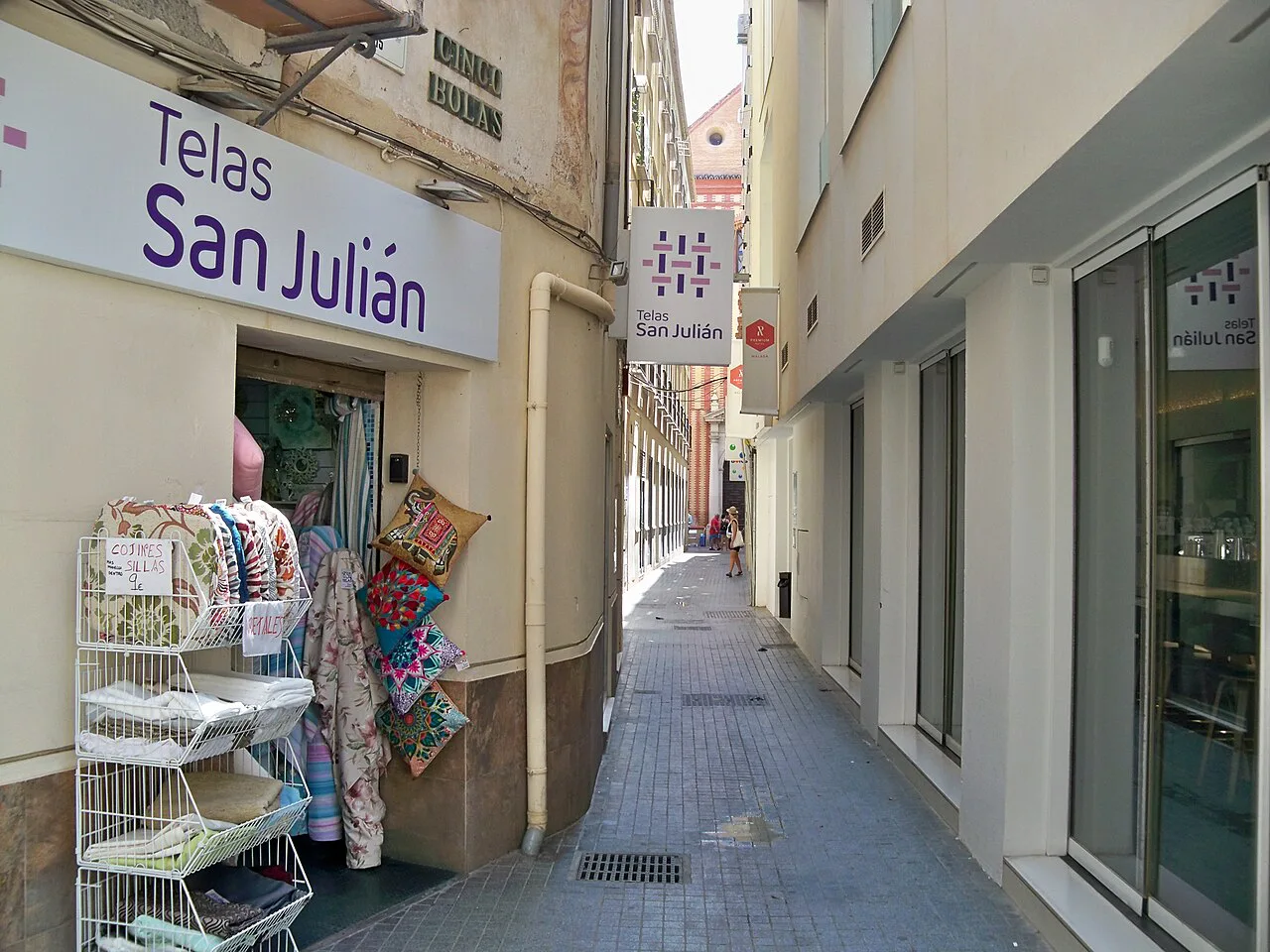
Calle Larios: what it is and how long it takes
Calle Larios is short enough to walk in a few minutes and long enough to fill an hour if you browse. The official guide gives its dimensions as roughly 350 metres long and 16 metres wide, laid out in 1891 between plaza de la Constitución and the Alameda Principal. Use it as a compass: whatever else you plan, you will cross it.
The architecture is part of the draw. The street is flanked by symmetrical buildings with rounded corners by the Málaga architect Eduardo Strachan, and the guide traces the inspiration to the Chicago school. Look up between windows: the La Equitativa building is among the landmarks the guide highlights on the street.
Expect fashion rather than bargains: chains, shoes and accessories, plus Casa Mira for turrón and ice cream, which the same guide singles out on the street. Its rents are among the highest in Europe, so the mix skews to big brands. For independent labels, walk the lanes behind it.
In summer the street is covered with awnings to make walking more bearable, according to the official guide, which matters before you plan a midday circuit. Shop in the morning or late afternoon and use the shaded stretch at the hottest hour. To fold the street into a wider sightseeing route, our guide to the old town starts from the same square.
The streets around plaza de la Constitución and the Alameda Principal
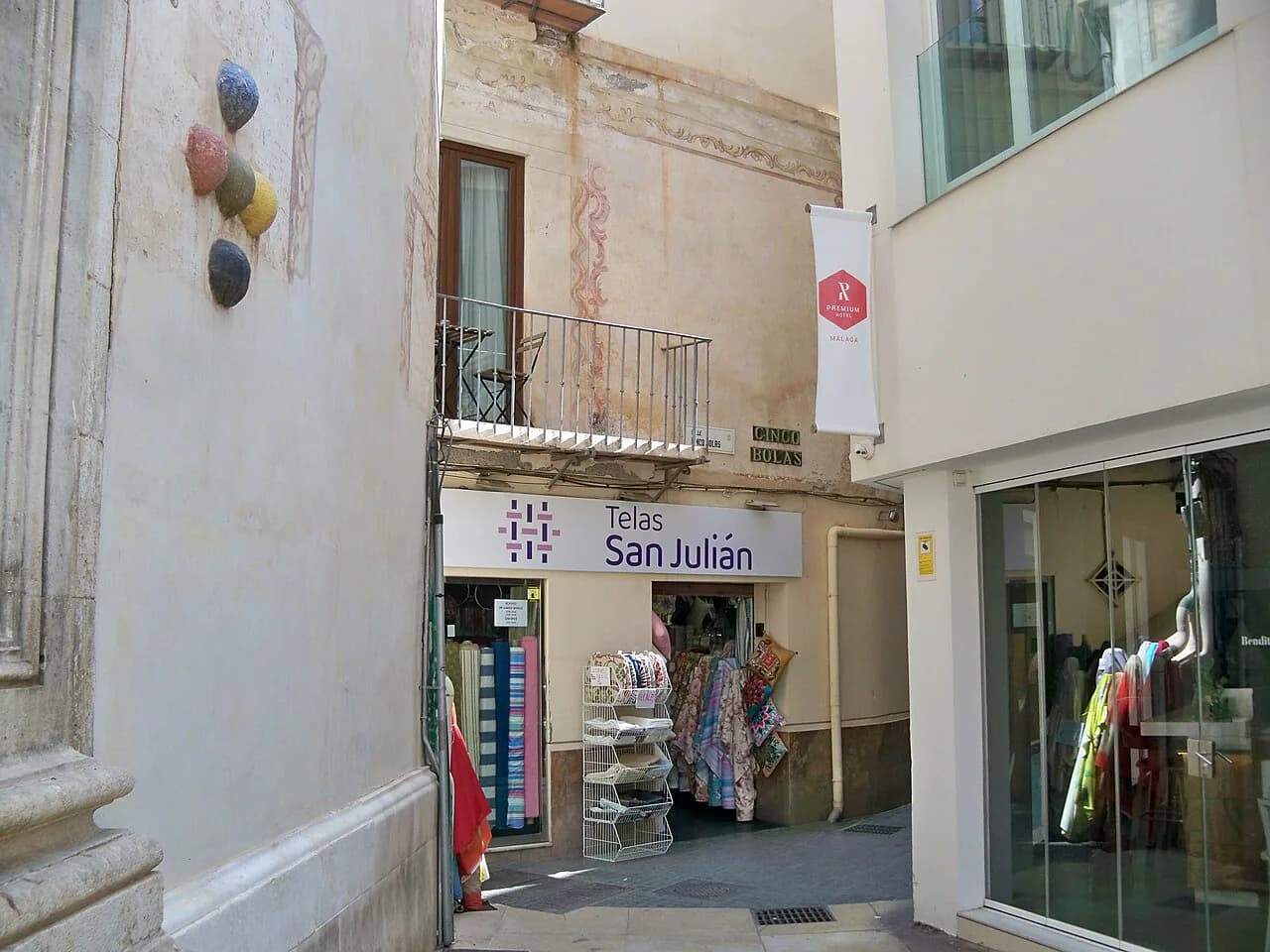
Plaza de la Constitución is the hinge: Calle Larios leaves it at one corner and the lanes of the historic core radiate from the others. Calle Granada climbs towards plaza de la Merced with a mix of small shops and food retailers, and the lanes around Compañía feed off the Museo Carmen Thyssen area. Wander rather than follow a fixed list; the density of small shops in a compact grid is the pleasure here.
The Alameda Principal marks the southern end of the route and leaves you a short walk from the port. Treat this end as your exit: finish the shops, cross the Alameda and you are on the waterfront promenade. A boat trip slots neatly after a morning spent browsing, and our Málaga boat trips page sets out the options.
Centro Comercial Rosaleda: what is inside and why you would go
Rosaleda is the big, familiar mall: over 120 shops, twelve cinema screens, restaurants, a children's play area and a Carrefour hypermarket in one building. Its own site runs a brand directory spanning fashion, home, sport, health and beauty, so you can solve most practical shopping problems in a single visit. It is the right call when you need something specific without traipsing between small shops.
The chief advantage for a visitor is the parking it advertises: arrive by car and skip hunting for a space in the centre. The site also flags click-and-collect, home delivery, order pickup and a vehicle locator, which help if you are buying bulky items early in a trip. It is a working city mall rather than a tourist attraction, so it delivers convenience, not atmosphere.
Hours are the detail to check before travelling out. The mall publishes a dedicated hours page, including the public holidays on which it opens, so confirm the current timetable on its site rather than relying on a guidebook. That is worth doing around national and Andalusian holidays, when some shops in the centre shut and the mall may not.
A covered mall is also the sensible refuge during an inland Andalusian heatwave, when the middle of the day is best spent indoors. Save the plazas, the Alcazaba and the cathedral for the cooler ends of the day and slot the mall in between. Our Things to Do in Málaga guide helps you order those outdoor stops around the shops.
Centro Vialia and Málaga Plaza: the practical alternative
Vialia's position at the María Zambrano station makes it the most useful alternative for travellers on a short break: shop before your train and avoid a separate trip across town. The Calle Larios city guide lists both Centro Vialia and Málaga Plaza among the shopping centres in central Málaga, so you can compare them before deciding which fits your route.
Málaga Plaza works as a quick stop for a pharmacy, a phone shop or a supermarket while sightseeing. Neither mall will give you the souvenir or design-shop experience of the old town, so treat them as logistics rather than destinations. The sensible split is independent shops in the centre, chains and groceries at the mall.
Independent shops in the centre: bookshops, art and fashion
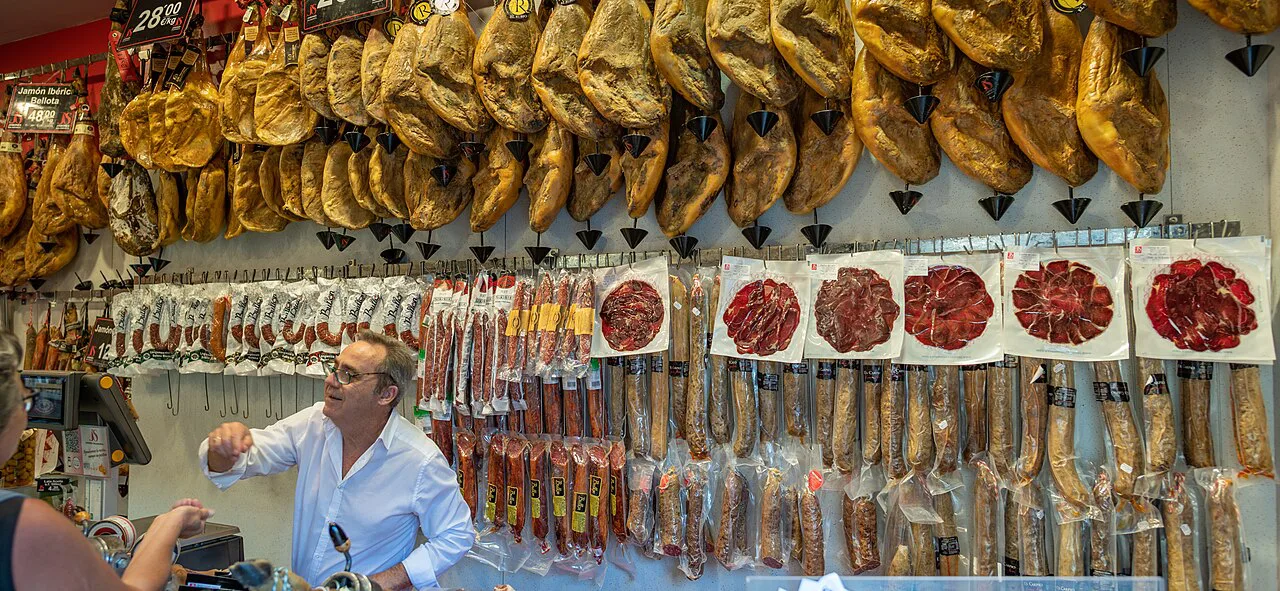
Beyond the chains, Málaga has a cluster of small shops with genuine character, mostly in the lanes between plaza de la Constitución and plaza de la Merced. Mapas y Compañía on Compañía, 33 is a travel bookshop hung with globes and model airships, close to the Museo Carmen Thyssen and a good stop for maps and specialist travel books. If you like shops that double as small museums, this is the one to seek out.
For fashion with a personal stamp, Corazón de tiza sells organic cotton dresses, wool jackets and delicate jewellery at accessible prices, according to a local roundup of the city's more curious shops. Srta. White Shop stocks a mix of Spanish labels in a vintage-decorated space, and Veganized focuses on clothing and footwear made without leather or animal testing. These are small shops, so stock changes quickly.
For art, La Casa Amarilla shows around twenty contemporary artists at a time with works for sale, and Benedito in the Judería is a long-established gallery selling more traditional painting. Both welcome browsers, which makes them a low-pressure way to buy something original rather than a souvenir. Golden Tips covers loose-leaf tea, coffee and chocolate, while Detalletes and Comic Stores handle gifts and comics.
These shops are dispersed, so group them by street rather than zig-zagging: Compañía and the Judería lanes for books and art, Calle Granada for food shops. If you would rather have the route planned, our Málaga walking tour covers the centre on foot and can be combined with browsing time.
Buying olive oil and regional food products to take home
Andalusian olive oil is the obvious edible souvenir, and Extravirgen on Calle Granada, 84 near plaza de la Merced sells oils you can taste before buying, along with other gourmet products and wines grouped under the Sabor a Málaga label. Buying here means you sample first and choose a single bottle rather than guessing at the airport. Our museums in Málaga guide sets out the collections nearby if you want to pair the stop with a gallery.
Casa Mira on Calle Larios is the traditional stop for turrón and ice cream, and the official street guide lists it among the things to do on the street. Pack liquids in checked luggage and check airline rules before you buy oil in quantity.
Opening hours, siesta hours and Sunday closing
Plan around retail hours. Small independent shops in the centre often close for a long midday break and many shut on Sundays, while big malls keep continuous hours and open on more Sundays and public holidays. Check each shop's own listing for the day you plan to visit, because hours shift with the season and around holidays.
Rosaleda publishes a specific page for its hours and the public holidays on which it opens, which is the reliable place to confirm whether a Sunday or a festivo will work for you. Use the same principle for the centre: if a shop matters to your trip, look it up before you walk there. A short break is too short to spend on locked doors.
For sightseeing rather than shopping, the same midday rhythm can apply: churches and small museums often pause at midday, so check times before setting out. Our museums in Málaga guide sets out which collections suit a hot afternoon, and the churches page covers visiting hours for the main religious buildings.
What a shopping day in Málaga costs, and how to keep it cheap
Budget qualitatively: Calle Larios rents are among the highest in Europe, so the brands there charge full price, while the small shops around plaza de la Merced and Calle Granada offer more affordable pieces. Compare labels and ask in store rather than trusting a guidebook figure, since individual shops do not publish prices centrally. A browsing day with one deliberate purchase is the cheapest way to shop here.
To keep costs down, buy food and drink at the mall hypermarket rather than at street kiosks, use the parking at Rosaleda if you have a car, and time your shopping around free sightseeing. Many of the city's monuments and galleries have free slots, which leaves more of the budget for actual purchases. Our Málaga itinerary helps you slot those free stops around shopping time.
Which Málaga shopping day suits you?
If you want atmosphere and gifts, spend the day in the centre: start at plaza de la Constitución, walk Calle Larios to the Alameda Principal, then loop through the lanes around Calle Granada and Compañía for the independent shops. If you need practical shopping, a supermarket run or a cinema, head out to Rosaleda and use its parking.
Either way, check the day's hours before you set out, buy olive oil and turrón towards the end of the day so they Don't weigh you down, and keep the middle of a summer afternoon for a covered mall or a museum.
Explore more Málaga guides
Frequently Asked Questions
Which is the main shopping street in Málaga?
Calle Larios is the main shopping street: a pedestrian avenue of roughly 350 metres running from plaza de la Constitución to the Alameda Principal. It carries national and international fashion brands, with Casa Mira among the food stops. The lanes around plaza de la Constitución, Calle Granada and Compañía hold the smaller independent shops.
Is Málaga good for clothes shopping?
Yes. Calle Larios covers international and Spanish fashion chains in a compact pedestrian stretch, while small shops in the centre stock independent labels such as Corazón de tiza and Srta. White Shop. For sportswear, shoes and household names, Rosaleda has the widest single concentration under one roof.
Do shops in Málaga close on Sundays?
Many small shops in the historic centre close on Sundays, while larger shopping centres open on more Sundays and public holidays. Rosaleda publishes a page listing its hours and the public holidays on which it opens, which is the most reliable place to confirm a specific date before travelling out.
Is shopping in Málaga cheap or expensive?
It covers the full range. Calle Larios is one of Europe's most expensive retail streets by rent, so the big brands there charge full price, while small shops around Calle Granada and plaza de la Merced sell more affordable fashion and gifts. Compare labels in store; individual shop prices are not published centrally.
Sources
Notes for your next Spanish town break
Optional updates to our guides.
You might also like
Continue reading
More guides you'll find useful