Málaga Walking Tour: Old Town Route, Stop by Stop
Walk Málaga's old town from Calle Larios to the Alcazaba with stop-by-stop timings, cathedral and fortress ticket prices, and advice on guided tours.
On this page
Málaga's old town is a half-day walk on foot, starting at Calle Larios and ending at the Alcazaba, with the cathedral, the Roman theatre and the Museo Picasso Málaga falling naturally along the way. The route below fixes the stops in street order so you never double back, and it adds cited hours and ticket prices where you need them. It also sets out when a free walking tour or a private guide is the better buy for this stretch of the city.
What the walk covers and how long it takes
The walk runs roughly two kilometres through the casco antiguo, and most visitors stretch it to a half day once cathedral and fortress interiors are counted. Everything sits inside the flat historic centre until the optional climb to Gibralfaro, so you can break it for lunch and pick it up again. Treat the order as fixed by the street layout rather than by preference: Larios feeds into the Plaza de la Constitución, which sits a short block from the cathedral square and the Alcazabilla.
Two transport points bracket the route. Atarazanas metro station and the Carretería–Puerta Nueva bus stop sit closest to the Plaza de la Constitución start, while the Paseo del Parque bus stops serve the Alcazaba end, according to the operator's route notes. If you plan the day around the walk, the wider list of things to do in Málaga is worth reading before you fix the order of monuments.
Stop 1: Calle Larios and the Plaza de la Constitución
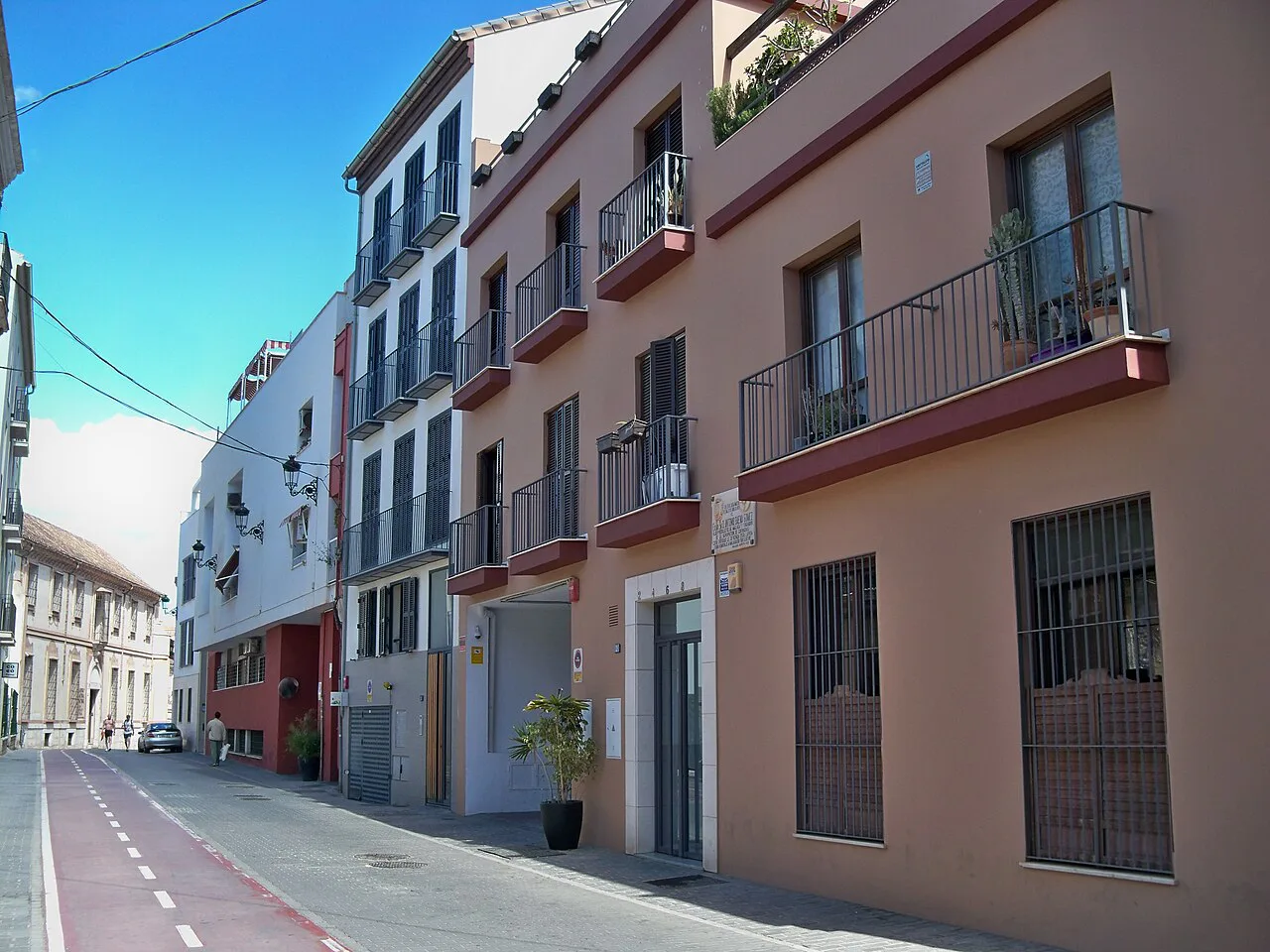
Calle Larios runs in a straight, symmetrical line through the heart of the centre, and the Plaza de la Constitución opens at its top end with the marble Fuente de Génova in the middle. Look up the street from the plaza end first: the axis explains why this is the natural start for any old town walk. The square is the meeting point for the free walking tour described below, so you will often find groups gathering here.
From the plaza, turn towards the Pasaje Chinitas, the narrow passage named after the café once frequented by Federico García Lorca. It is a two-minute detour, not a sight in itself, and it drops you towards the cathedral square without losing the thread of the walk.
Stop 2: Plaza del Obispo and the Catedral de Málaga
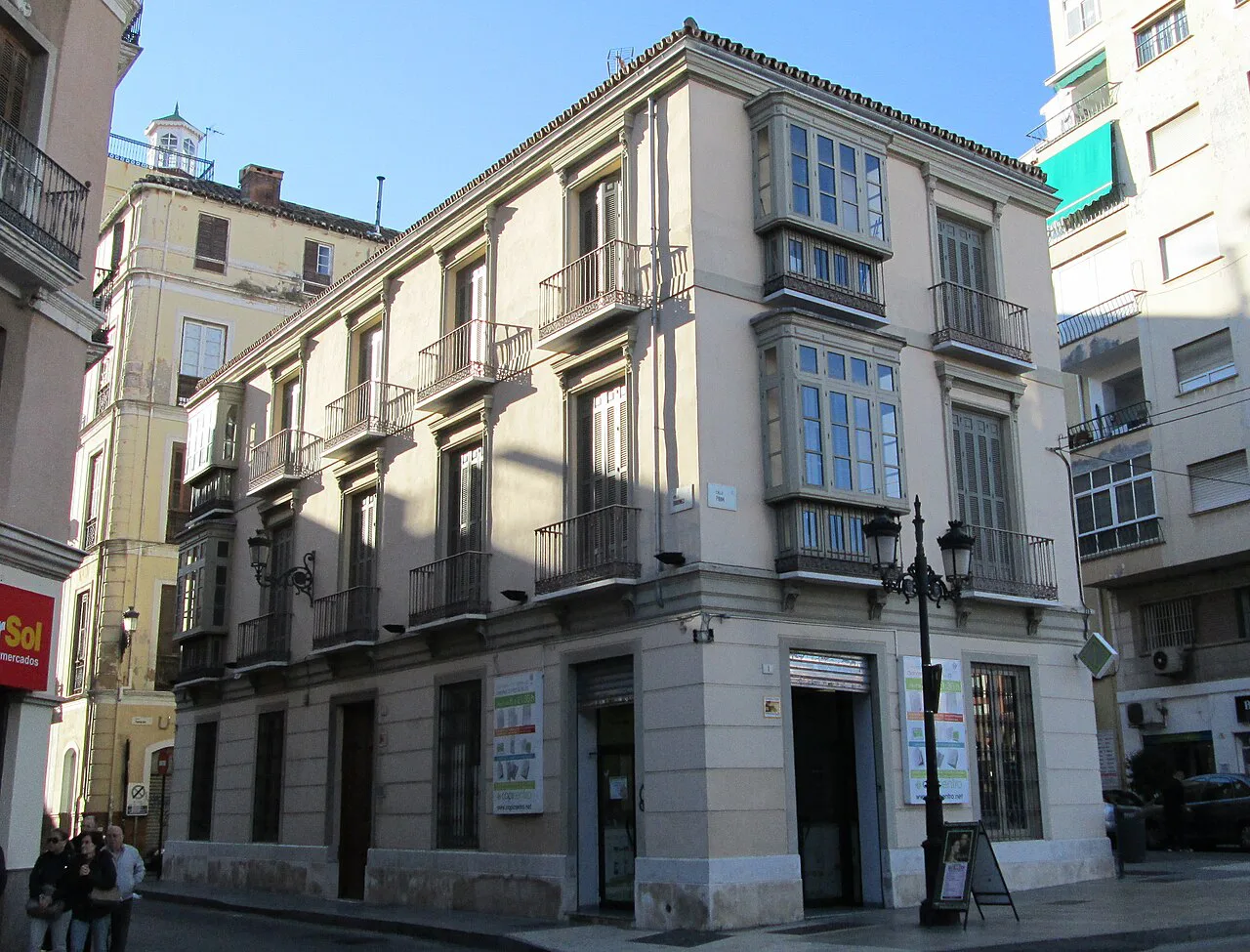
The Plaza del Obispo is the cathedral's front garden, and it is where you see the unfinished tower that earned the building its nickname, La Manquita. The cathedral charges 10 euros for general entry including an audio guide, or 15 euros with a 360-degree virtual-reality experience added, and it opens Monday to Saturday from 10:00 to 18:00, with Sundays reserved for arranged visits only. Modest dress matters as much as the ticket here, and the audio guide is the reason the standard entry is worth taking rather than peering in from the square.
Sunday is the awkward day: you cannot simply turn up as a tourist, so either book a visit in advance or save the interior for a weekday morning. If church interiors are a priority, the wider set of Málaga churches repays a separate look, since opening hours vary from parish to parish.
Stop 3: Calle Alcazabilla, the Roman theatre and the Alcazaba
Calle Alcazabilla is barely 230 metres long, and within that short stretch you get the Roman theatre at street level and the Alcazaba rising behind it. The theatre is a first-century relic visible from the pavement, which makes this the easiest archaeological stop on the walk. Read the layers here in order: Roman below, Moorish fortress above, cathedral behind you.
The Alcazaba, an eleventh-century fortress on the slope of Monte Gibralfaro, holds gardens, courtyards and walls, and gives panoramic views back over the centre and the sea. Hours run 09:00 to 20:00 from April to October and 09:00 to 18:00 from November to March; general entry is 3.50 euros, a guided visit 10 euros, and a combined Alcazaba and Gibralfaro ticket 5.50 euros. Entry to the Alcazaba is free from 14:00 on Sundays, which is excellent value but draws a queue.
Stop 4: Plaza de la Merced and the Iglesia de Santiago
From the Alcazabilla, the route follows Picasso's footprints to the Plaza de la Merced, the square tied to the painter's early life, before reaching the Iglesia de Santiago. The church is one of the city's best loved, but its interior can only be visited when it is open for worship, so treat it as a bonus rather than a guaranteed stop.
This eastern edge of the centre is also where you feel the midday heat most in summer, with little shade between the squares. Walking it in the morning, before the Alcazaba, is the sensible order if you are visiting in high summer. For a gentler afternoon, the city's gardens and parks offer shade without leaving the centre.
Stop 5: The Palacio de Buenavista and the Museo Picasso Málaga
The walk finishes at the Palacio de Buenavista, the palace that houses the Museo Picasso Málaga and holds a large collection of the painter's work. It is the logical full stop: you are already at the eastern end of the centre, and the museum absorbs however much time you have left. Book ahead if Picasso is the reason for your trip, because this is the busiest single interior on the route.
If you would rather spread the city's collections across a whole day, the wider set of museums in Málaga gives you alternatives within walking distance of this route. Pairing two or three smaller collections often works better than stacking the big names back to back.
The optional climb to Castillo de Gibralfaro
From the Alcazaba, the path up to the Castillo de Gibralfaro takes an estimated 20 to 30 minutes on foot, or you can take bus line 35 from the Alameda Principal. The 5.50 euro combined ticket covers both the Alcazaba and the castle. The walls outside the castle form one of the best viewpoints in the city, looking over the centre, the port and the beach at La Malagueta.
Make the climb in the morning or late afternoon, because the exposed path bakes at midday in summer. The reward is a view that ties the whole walk together: you can trace the route you just covered from Larios to the cathedral in one sweep. If you would rather see the city from the water instead, a boat trip from the port offers a different angle on the same skyline.
When a free walking tour helps
Walkative lists a 1 hour 30 minute English-language tour of the historic centre, organised by Explora Malaga, starting at the Plaza de la Constitución and finishing at the Alcazaba entrance on Calle Alcazabilla. It has no fixed price: you decide what to leave at the end, and the operator reports that most visitors give between 10 and 50 euros per person. Booking is compulsory, and groups of nine or more cannot join the pay-what-you-wish format.
The tour earns its place if you want the layers of Phoenician, Roman, Moorish and Christian history explained as you walk, rather than read from a plaque. It does not include monument interiors, so you still pay separately at the cathedral and the Alcazaba. If you are in Málaga for the art above all, a flamenco show in the evening makes a good pairing with an afternoon museum visit.
What a private guided tour adds
CM City Tours offers a private accredited guide for the same historic circuit, from the Calle Larios monument to the Palacio de Buenavista, with the option of adding entry to one monument or museum of your choice. The plain walk covers the streets only; the combined option includes the entrance fee for that one interior, and the company notes that other building entries are not included. Free cancellation applies up to 48 hours before the tour.
The route is described as accessible for visitors with reduced mobility, though the operator asks you to check if you choose the combined monument option. Choose the private format when you want questions answered at your own pace; choose the free tour when the budget matters more than the depth.
Practical trade-offs on this route
The three predictable frictions are heat, Sunday crowds and closed doors. Sunday after 14:00 brings free entry to the Alcazaba and Gibralfaro, which saves money but lengthens queues, and the cathedral keeps Sundays for arranged visits. In summer, the Gibralfaro climb is the part to move to the coolest hour of the day.
Siesta hours still close some smaller churches and shops in the early afternoon, so a route walked straight through from morning to mid-afternoon avoids the dead hours. Carry water for the exposed stretches and keep the museum interiors as your shaded break. If you want to see the port and Muelle Uno afterwards, it is a short walk downhill from the Alcazaba.
Which version of the walk should you take?
Walk it yourself if you want to move fast and stop where you like: the route is compact, the stops are signposted, and the cathedral, Alcazaba and Picasso museum can all be entered at your own pace. Book the free tour if you want the history narrated for 90 minutes at a contribution you set, and book the private guide if you need a seat-by-seat explanation or accessible routing.
Either way, start at Calle Larios in the morning, reach the Alcazaba before midday heat, and keep the climb to Gibralfaro for the cooler end of the day.
Explore more Málaga guides
Frequently Asked Questions
Are free walking tours in Málaga actually free?
There is no fixed ticket price. You pay what you think the tour was worth at the end, and the operator sets out its contribution guidance on the booking page. Booking in advance is required, and the pay-what-you-wish format does not accept groups of nine or more.
Where do you start this old town walk in Málaga?
At Calle Larios, which runs straight into the Plaza de la Constitución. Atarazanas metro station and the Carretería–Puerta Nueva bus stop are the closest public transport points to the plaza end of the route.
What is the most famous walkway near Málaga?
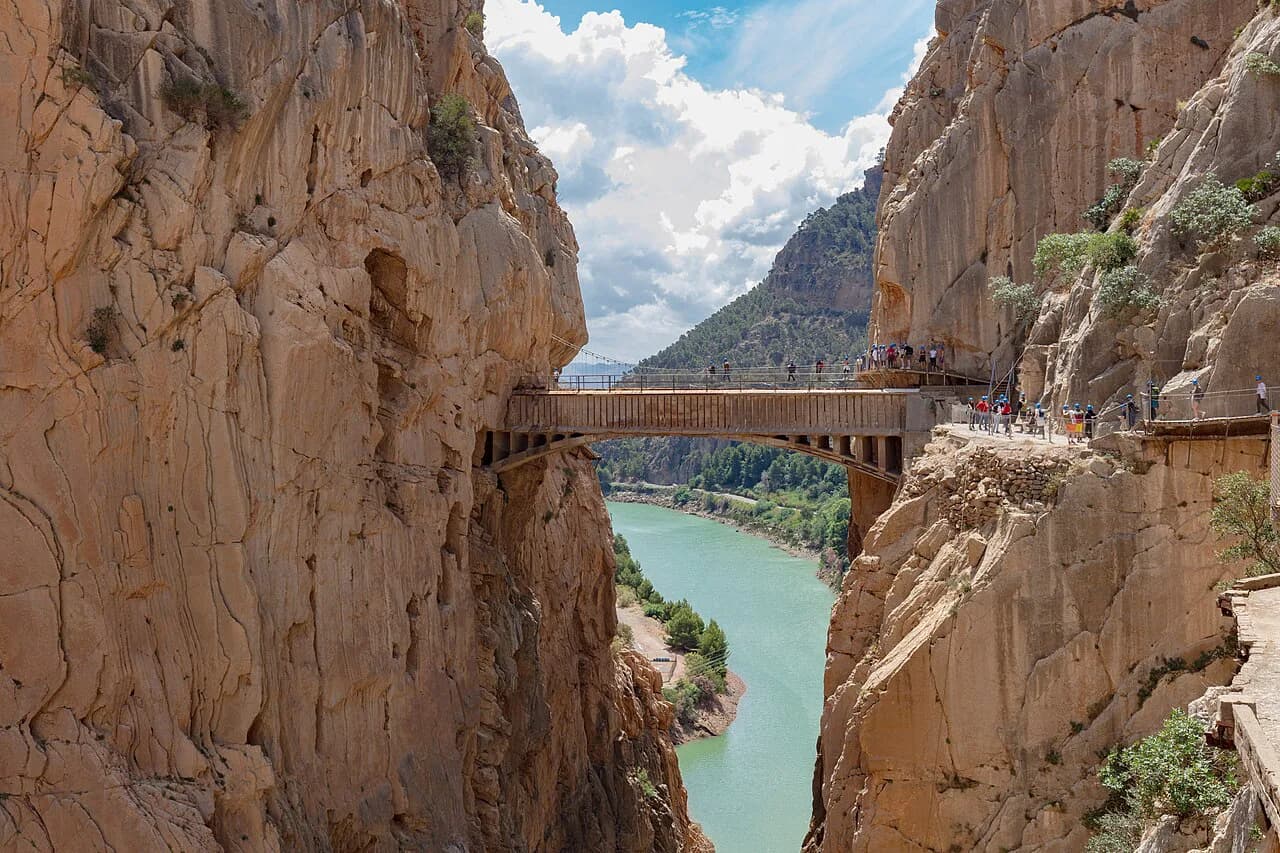
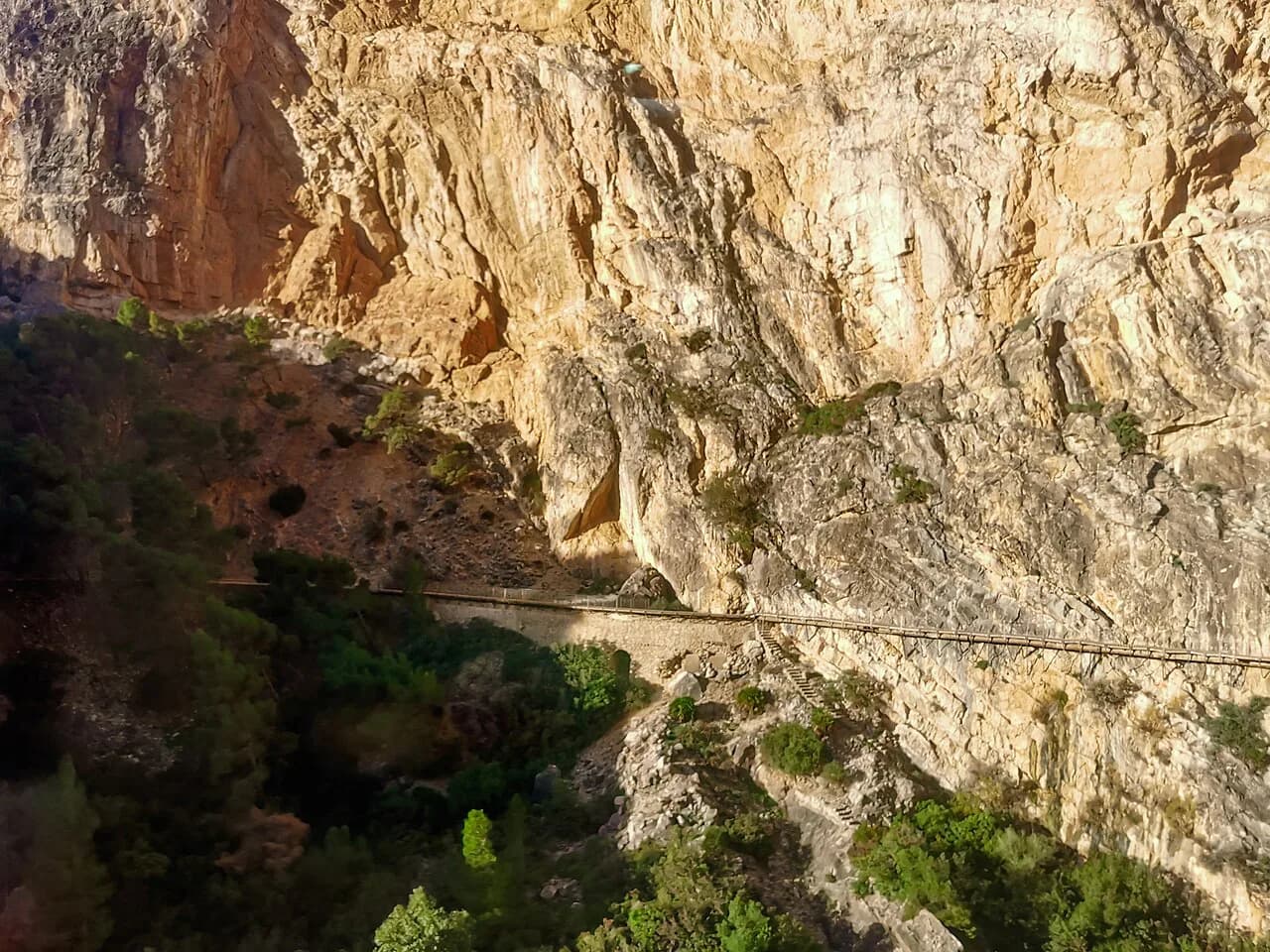
The Caminito del Rey is the famous cliff walk in the province, but it is well outside the city and needs its own booking and transport planning; it is not part of this old town route. Within Málaga, the walk down Calle Larios and Calle Alcazabilla is the closest equivalent in footfall.
Sources
Notes for your next Spanish town break
Optional updates to our guides.
You might also like
Continue reading
More guides you'll find useful