Málaga History: A Visitor's Timeline of the City's Monuments
Málaga's history runs from Phoenician Malaka through Roman garum and Moorish rule to 1487, and each era left a monument you can still visit in the old centre.
On this page
Málaga's history is readable on foot: a Phoenician colony founded around 770 BC, a Roman town whose theatre and fish-salting works survive, a Moorish Málaqa crowned by the Alcazaba and Gibralfaro, and a Castilian city taken by the Reyes Católicos in 1487. This page follows that timeline and ties each period to a monument, a street or a museum you can still visit.
The route starts in the old town around Calle Alcazabilla, where Roman and Moorish layers sit almost on top of each other, then climbs to the hilltop fortress, and finishes in the bourgeois city of the nineteenth and twentieth centuries around the port. Treat it as a spine for a short break rather than a checklist to complete in one day.
Why Málaga's past is still visible in the old centre
Few Spanish cities put so many centuries within a few minutes of each other. The Roman theatre sits at the foot of the Alcazaba, which in turn looks down on streets that were laid out under Muslim rule and rebuilt after the Christian conquest. That density means you can read the city's archaeology without leaving the centre.
The practical consequence is that a history-minded visit is mostly a walking visit, with the hill to the Alcazaba and Gibralfaro as the only serious climb. Build the day around the Alcazabilla area first thing, before the open squares trap the heat, and save the lower, flatter streets for later.
Fenicios, púnicos e íberos: the colony of Malaka
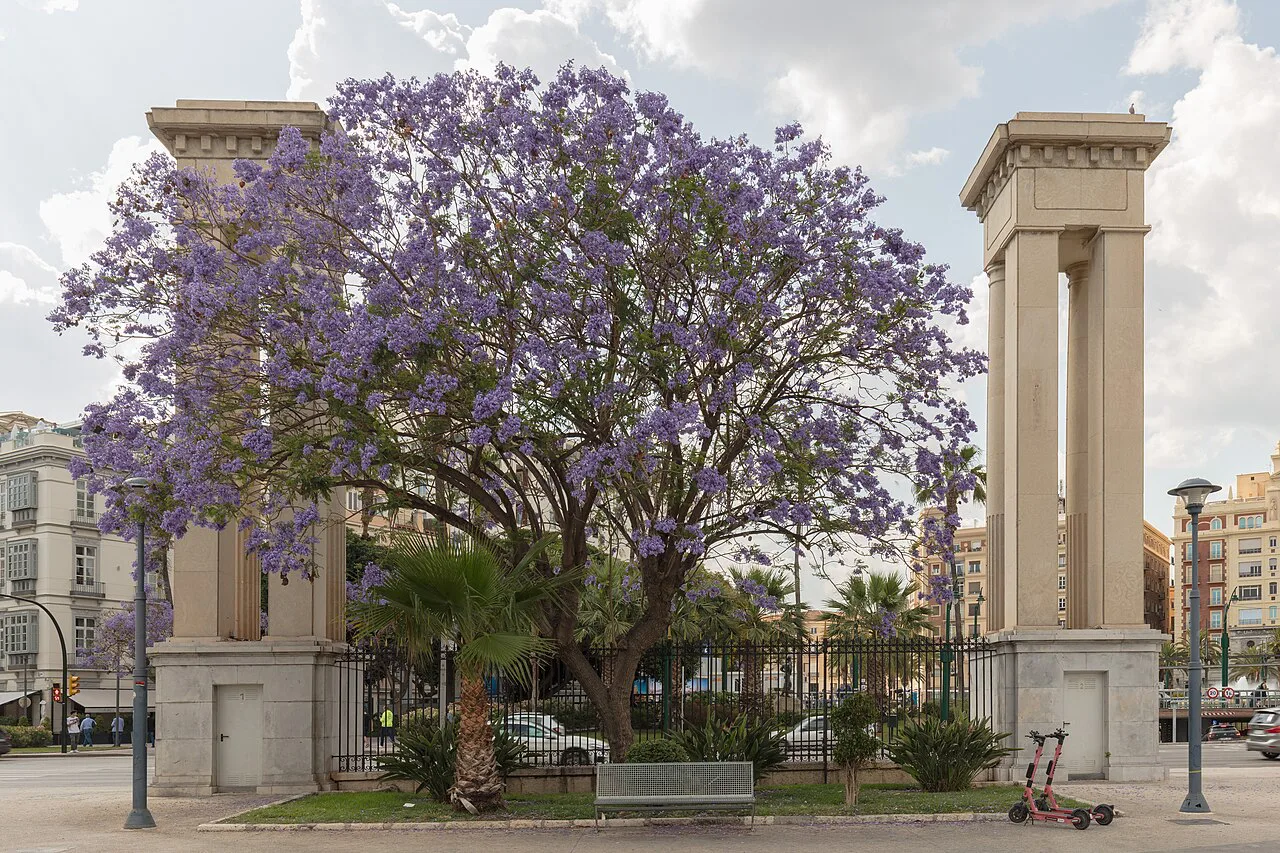
Málaga began as a Phoenician trading settlement called Malaka, founded around 770 BC according to the city's history. The Phoenicians were drawn by timber for metalworking and by the fish trade, preserving catch in salt and producing purple dye, which explains why the sea rather than the hinterland shaped the early town.
From the sixth century BC the Phoenician colonies in the area declined as Carthaginian power took over the southern coast, and the coastal population is described as Libiofenicios, with Iberian and Turdetanian peoples inland. For a visitor, the visible legacy of this period is thin; the story is best picked up in the city's museums rather than at a single ruin.
Roman Malaga: the Teatro Romano, the Lex Flavia Malacitana and the garum pits
Rome took the coast from Carthage at the end of the third century BC, and Málaga became part of Hispania Ulterior. Under the empire the town gained new roads and legal status, including the Lex Flavia Malacitana issued in AD 81, a municipal law whose fragments can be read today in the Centro de Interpretación del Teatro Romano.
The Teatro Romano is the headline Roman sight, now recovered and used again as a performance space, and a glass prism on Calle Alcazabilla reveals Roman garum tanks below street level. Garum, the fermented fish sauce exported across the empire, was one of the town's economic mainstays, so the pits are worth a pause even though they are modest.
Visigoths and Byzantines between empires
After the western empire fell, Málaga passed into Visigothic hands with a period of Byzantine control along the coast before the Visigoths reasserted themselves at the start of the seventh century. The period left little that a visitor can see on the ground compared with the Roman and Islamic layers, so it is a chapter to read up on rather than to tour.
Málaqa under Muslim rule: the Alcazaba and the Castillo de Gibralfaro
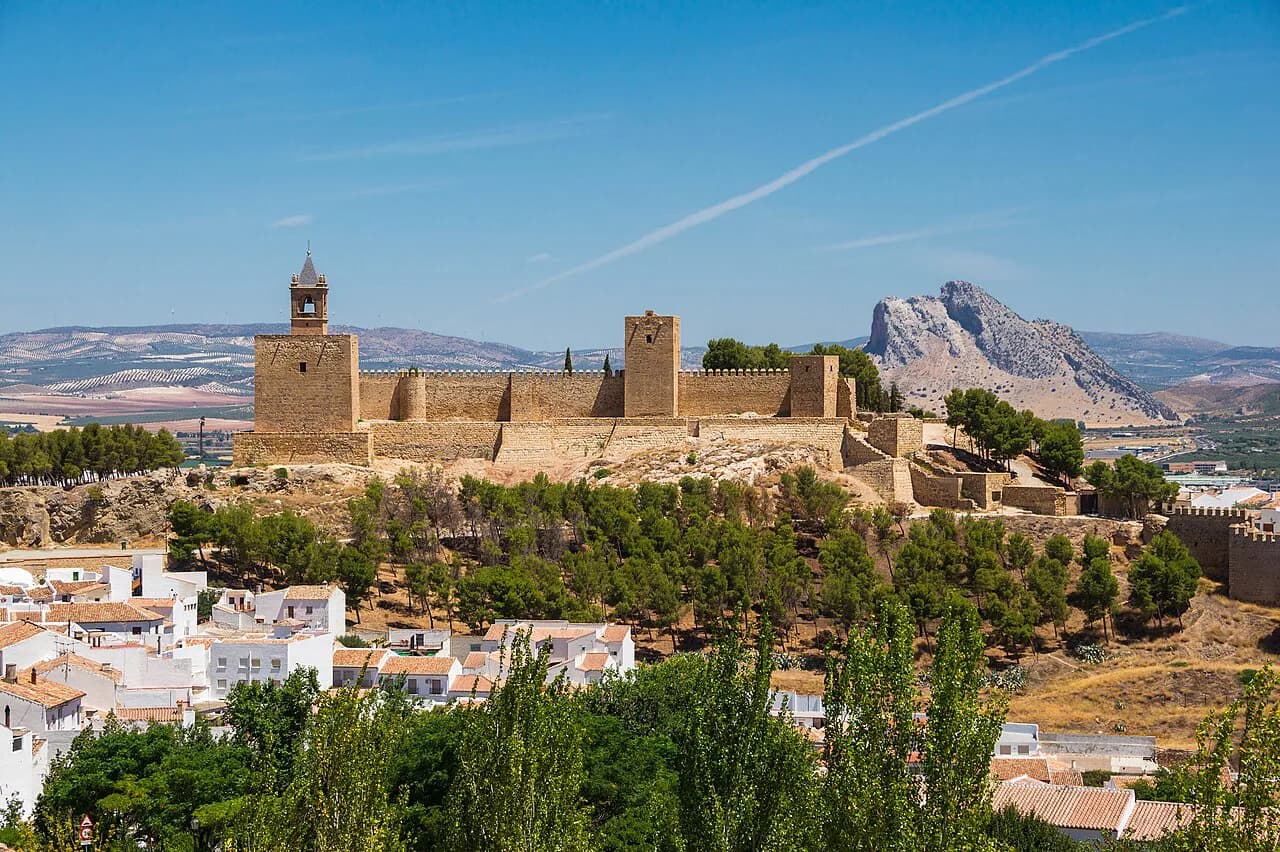
The Muslim arrival in the eighth century transformed the town, known as Málaqa, into a major centre of Al-Ándalus. The Alcazaba and the Castillo de Gibralfaro, the fortress complex that defines the city's skyline, date from this era, and their patios and defensive walls are the clearest surviving expression of Islamic architecture in Málaga.
Plan the climb honestly. The two sites sit on the same hill, the Alcazaba lower and closer to the theatre, Gibralfaro higher and more exposed, so summer visitors often pick one for a proper look and treat the other as a viewpoint. There is no shade to rely on at midday, and the walk between them is steep.
1487 and the Reconquista: the Catedral and the city turned Castilian
In 1487 the Reyes Católicos took Málaga and incorporated it into the kingdom of Castile, a change that reshaped the city's religious landscape: mosques became churches and new buildings went up, including the Catedral de Málaga. The cathedral is nicknamed La Manquita because one of its towers was never finished, a detail that gives an otherwise formal building a human edge.
The Renaissance and Baroque centuries then brought prosperity through the port, which traded with the Americas and paid for churches and civic buildings across the centre. If you want to compare the interiors rather than just the exteriors, the city's churches are where that money shows.
The port, the railway and industrial Málaga
The nineteenth century industrialised Málaga: factories, a modernised port, textile and iron works, and the arrival of the railway in 1862, which linked the city to the rest of Spain. This is the era that explains the wide nineteenth-century avenues and the commercial confidence of the centre.
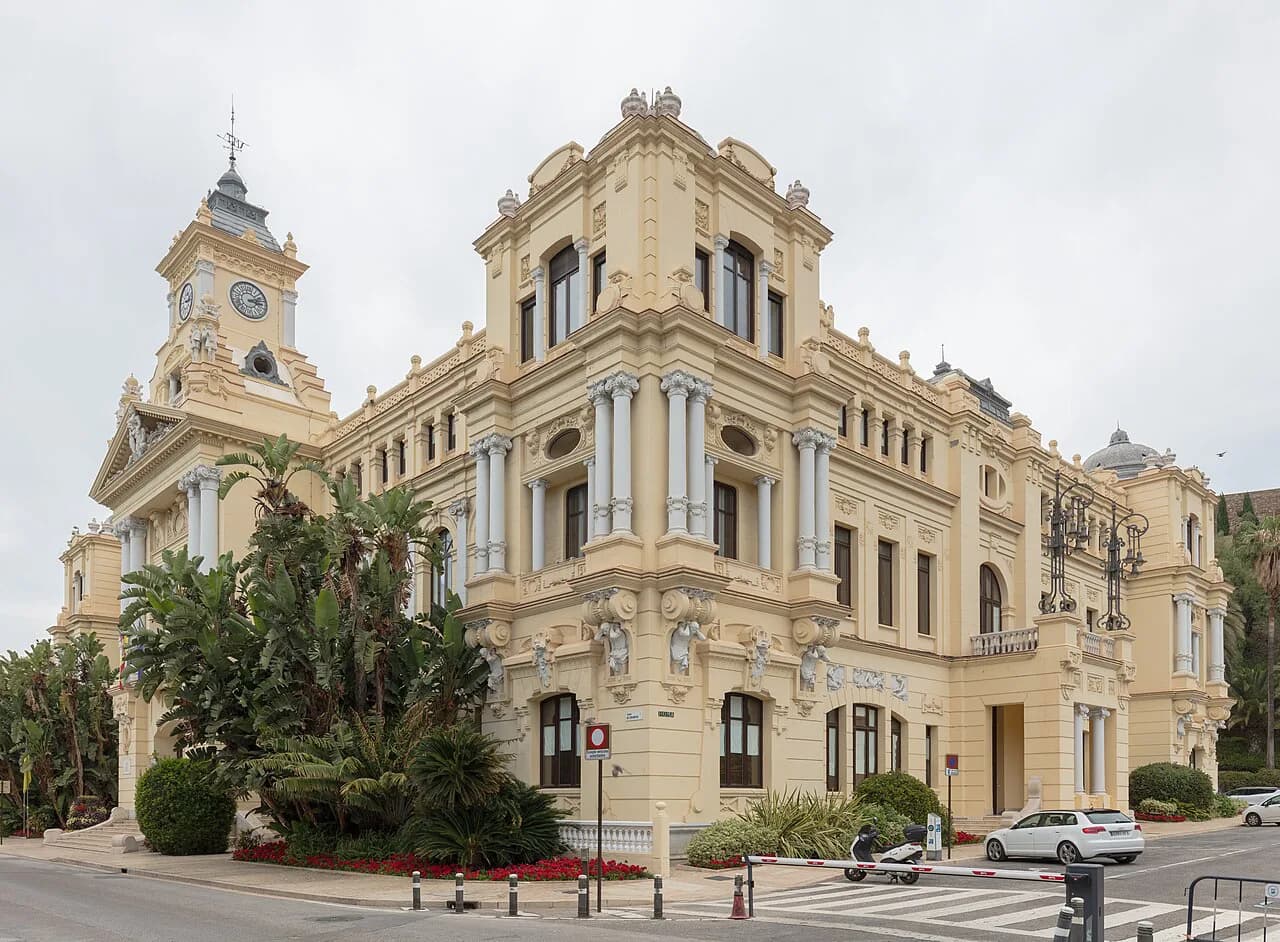
Calle Larios is the obvious monument to that commercial city, a shopping street laid out for the bourgeoisie rather than for defence or worship, and it makes a natural end point to a walk downhill from the Alcazabilla area.
Belle Époque to the present: the Parque de Málaga, the Teatro Cervantes and the Picasso museum
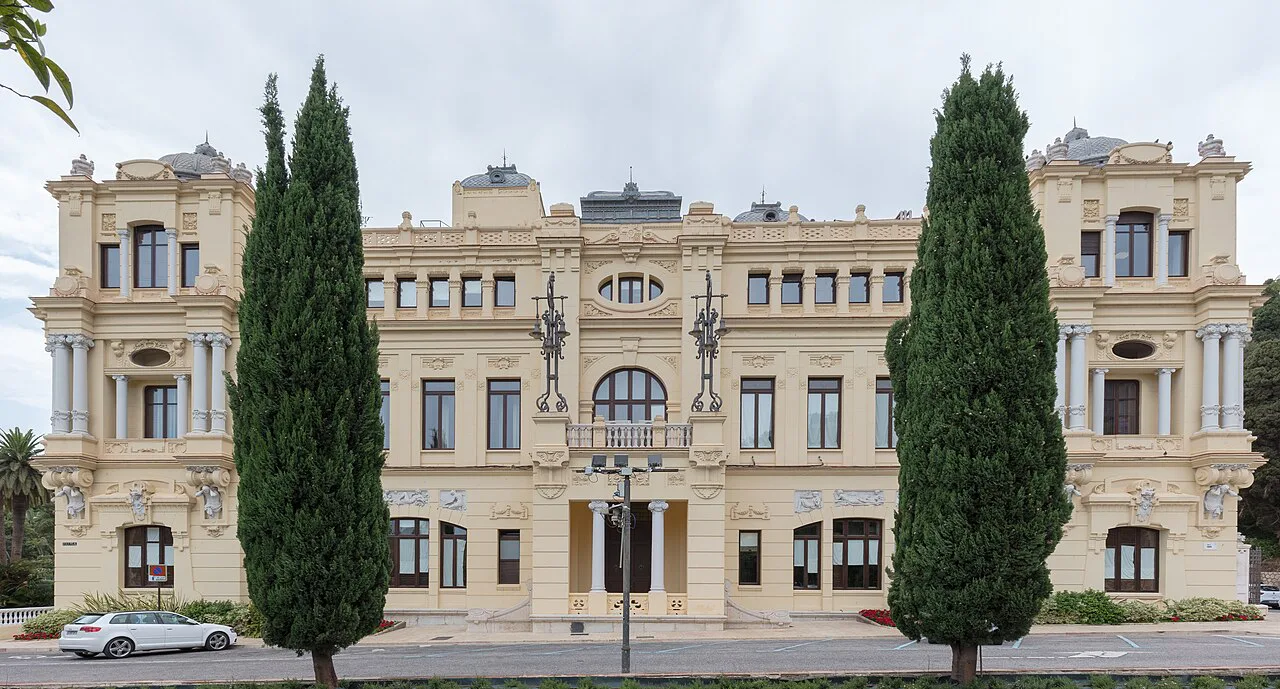
The Belle Époque brought theatres, parks and avenues, and the Parque de Málaga and the Teatro Cervantes survive from that flourishing period as the city's most civilised legacies. Both sit close to the port, so they fit easily into an afternoon that is more about strolling than sightseeing.
The twentieth century brought civil war and reconstruction before tourism took over the Costa del Sol, and in recent decades the old centre has been renovated and filled with cultural spaces. The Museo Picasso Málaga is the emblem of that reinvention, and the city's museum cluster rewards a deliberate half-day rather than a rushed one.
For the garden side of the modern city, the historic botanical garden at La Concepción sits away from the centre, so give it its own slot rather than bolting it onto a monument walk.
A walk that follows the timeline: Alcazabilla and the Roman theatre, then up to the Alcazaba and Gibralfaro
Start on Calle Alcazabilla, where the Roman theatre, the glass-covered garum tanks and the foot of the Alcazaba are effectively one stop. The Centro de Interpretación del Teatro Romano adds the Lex Flavia Malacitana fragments, so you can see the law as well as the stage.
From there, climb into the Alcazaba before the heat builds, then decide whether to push on to Gibralfaro or to drop back down through the old town towards the cathedral and Calle Larios. The descent through the old town is the reward for the climb, and it keeps the day's shape chronological from Roman to Castilian to bourgeois.
Keep a map handy for the tangle of lanes between the hill and the cathedral, and for the one-way streets around the port if you are finishing at the Parque or the Teatro Cervantes.
Opening hours, tickets and how to plan around them
Check the official pages for the Alcazaba, Gibralfaro, the cathedral and the Museo Picasso Málaga before you fix a day, because hours and ticket prices change and are not repeated here. Opening hours and prices are set by each monument rather than by the city, so one page will not cover them all.
Build the day so that the paid interiors fall in the morning and the free streets and squares fill the afternoon, and hold a wet or very hot day in reserve for the museums. A sea-level activity such as a boat trip is a sensible swap when the hill is unappealing.
Which era should you follow first?
If you have one day, follow the Roman-to-Moorish spine: Calle Alcazabilla and the theatre, then the Alcazaba, then down through the old town to the cathedral and Calle Larios. It gives you the city's most legible layers with the least walking between them.
If you have more time, add the nineteenth-century city and the museum cluster, and plan the Gibralfaro climb for a cooler hour. Sequence the days around one monument at a time rather than trying to cover the whole timeline in a single afternoon.
Explore more Málaga guides
Frequently Asked Questions
Does Málaga have an old town?
Yes. The historic centre around Calle Alcazabilla, the cathedral and Calle Larios holds the Roman theatre, the Alcazaba's lower walls and the Castilian-era streets, all within walking distance of each other.
What does Málaga's name come from?
The city began as the Phoenician colony of Malaka, founded around 770 BC, and the name carried through the Roman town and the Muslim Málaqa before becoming Málaga.
Sources
Notes for your next Spanish town break
Optional updates to our guides.
You might also like
Continue reading
More guides you'll find useful