Altea Old Town Guide: White Lanes, Blue Dome and Viewpoints
Plan a walk through Altea old town: the Portal Vell and Portal Nou gates, Calle Salamanca, the blue-tiled church dome and the viewpoints over the bay.
On this page
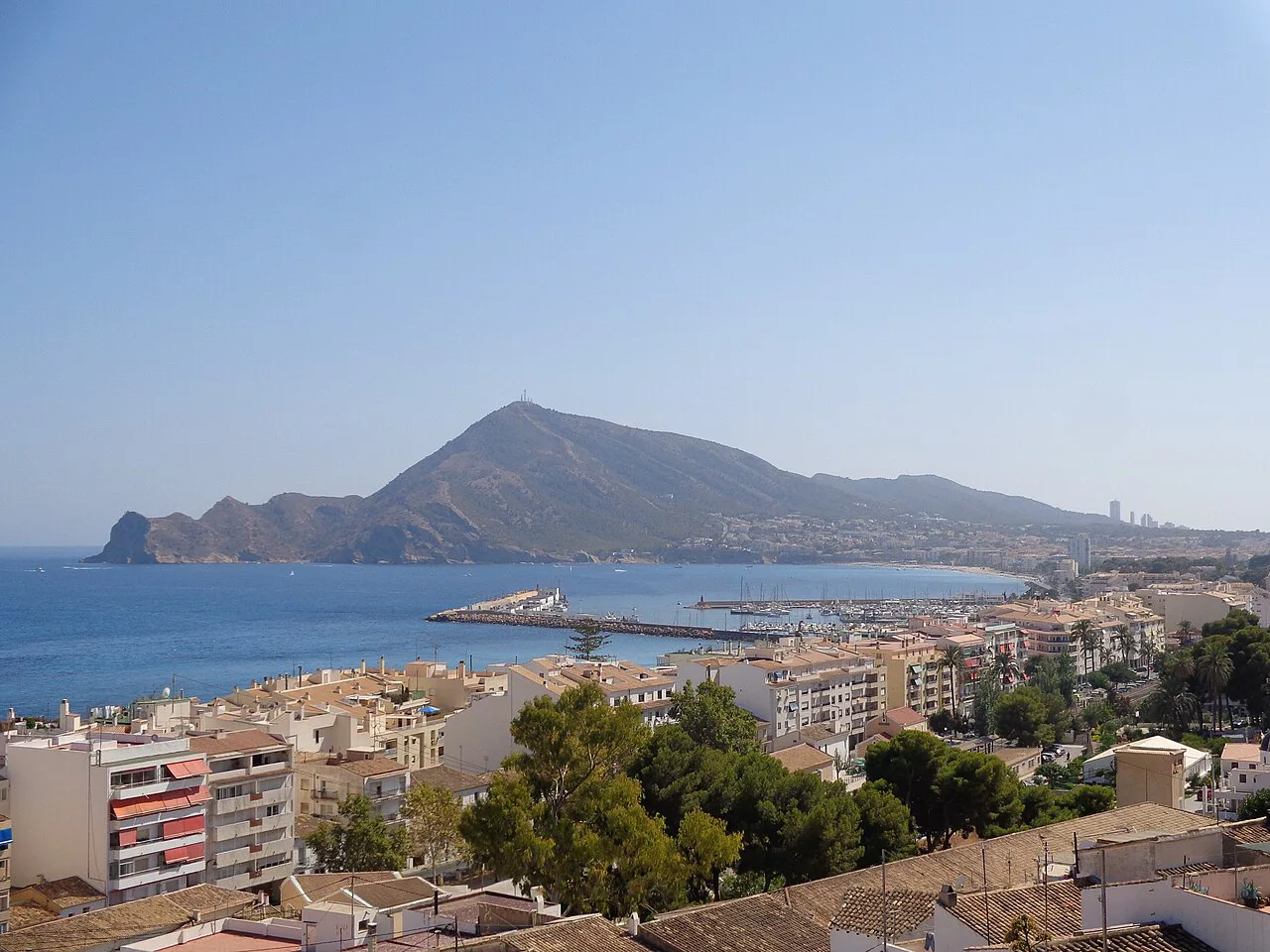
Altea old town is one half-hour of uphill lanes and lookouts that repays the climb: a fortified hilltop core of white houses, blue domes and sea views, with the tiled dome of the parish church as its landmark. It is the oldest and most picturesque part of Altea, in the La Marina Baixa region of Alicante province, and the regional tourism board calls the town the dome of the Mediterranean. This guide covers what the old town contains, a walking order from the Portal Vell to the church square, the gates and tower to look for, and the practical points that decide how long you linger.
What Altea old town is
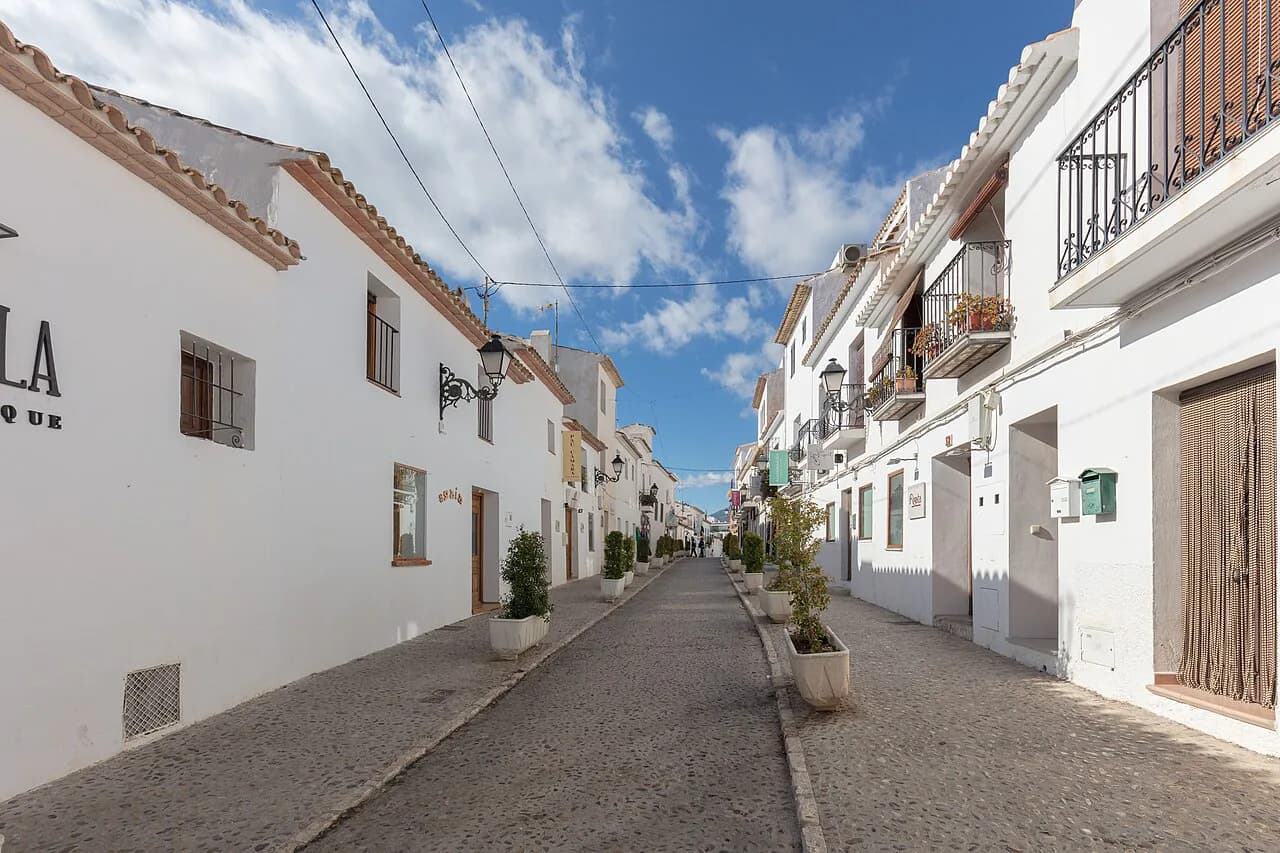
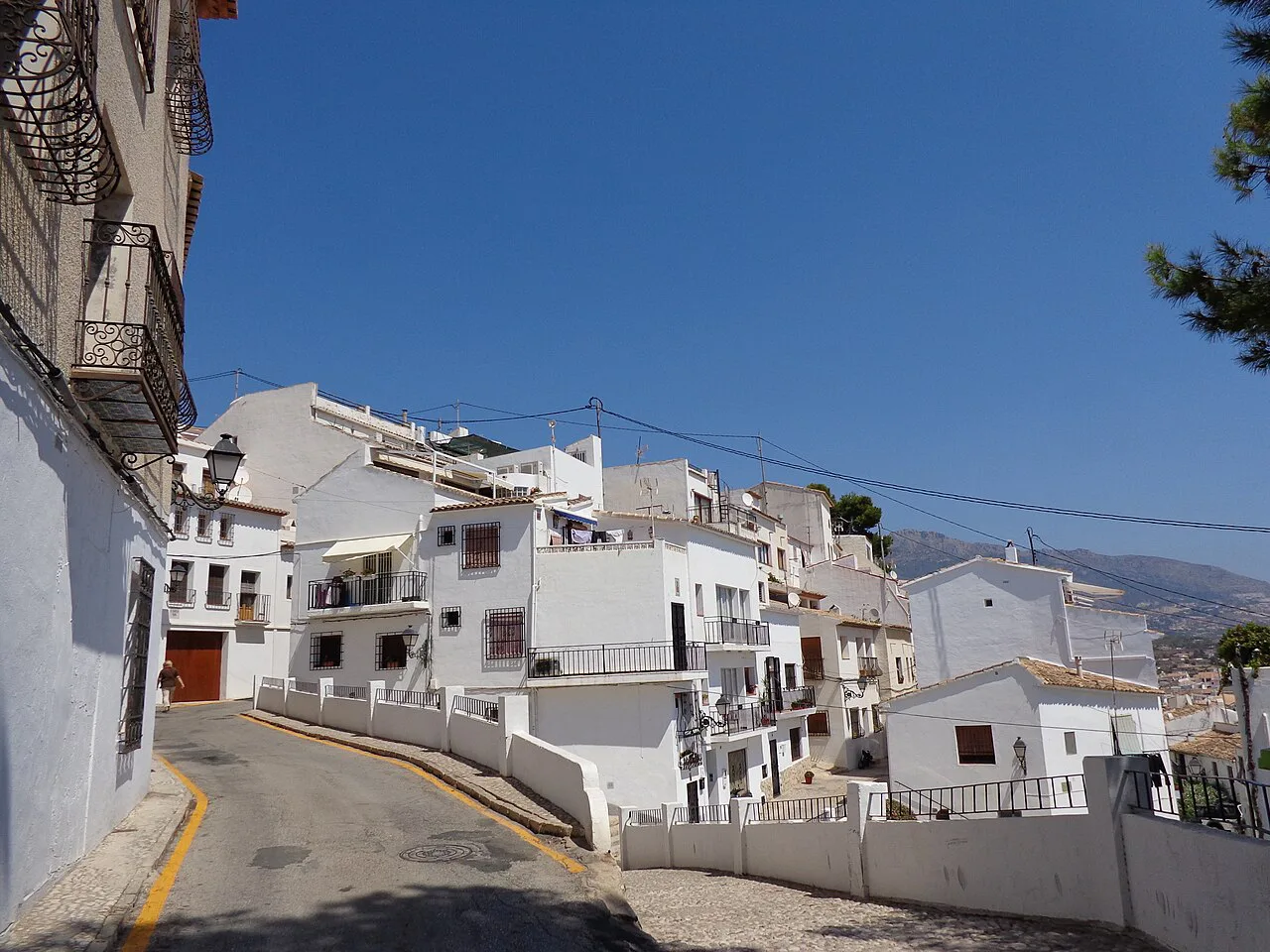
The old town sits above the coast, inside what is designated the Historic Site of the Baluarte and Renaissance Enclosure of the Town. Within it you find the remains of the walls and defences of the fortified town, alongside a dense centre of white façades, shades of blue, bougainvillea and panoramic lookouts. Treat it as a small walled quarter rather than a museum: the interest is the street pattern, the gates and the views as much as any single monument.
This is one of several rewarding stops on the Alicante coast, and it works differently from the bigger names nearby. Altea old town gives you a short, concentrated historic core rather than a full day of monuments, so it slots neatly into a break built around Alicante or the northern Costa Blanca towns. If you are shaping an itinerary, browse the wider set of Costa Blanca towns before committing days.
How the old town is laid out, and a walking order
The old town runs uphill from the old wall entrances towards the square where the parish church stands. A sensible order is to start at the Portal Vell, one of the entrances to the old walls, follow Calle Salamanca with its 18th- and 19th-century houses, continue to the Maño roundabout for the view, carry on to the Portal Nou, another of the gates, and finish at the church square. That sequence keeps the climb gradual and puts the best-known landmark at the end, where you can pause.
Calle Salamanca is worth treating as its own stretch rather than more whitewashed lanes: the 18th- and 19th-century houses along it give the walk a different, more urban texture between the gates. The lanes are narrow and rise steadily, so plan on walking the whole circuit on foot and wearing shoes that cope with cobbles. Keep the map on your phone to hand, because the turns between lanes are not always obvious.
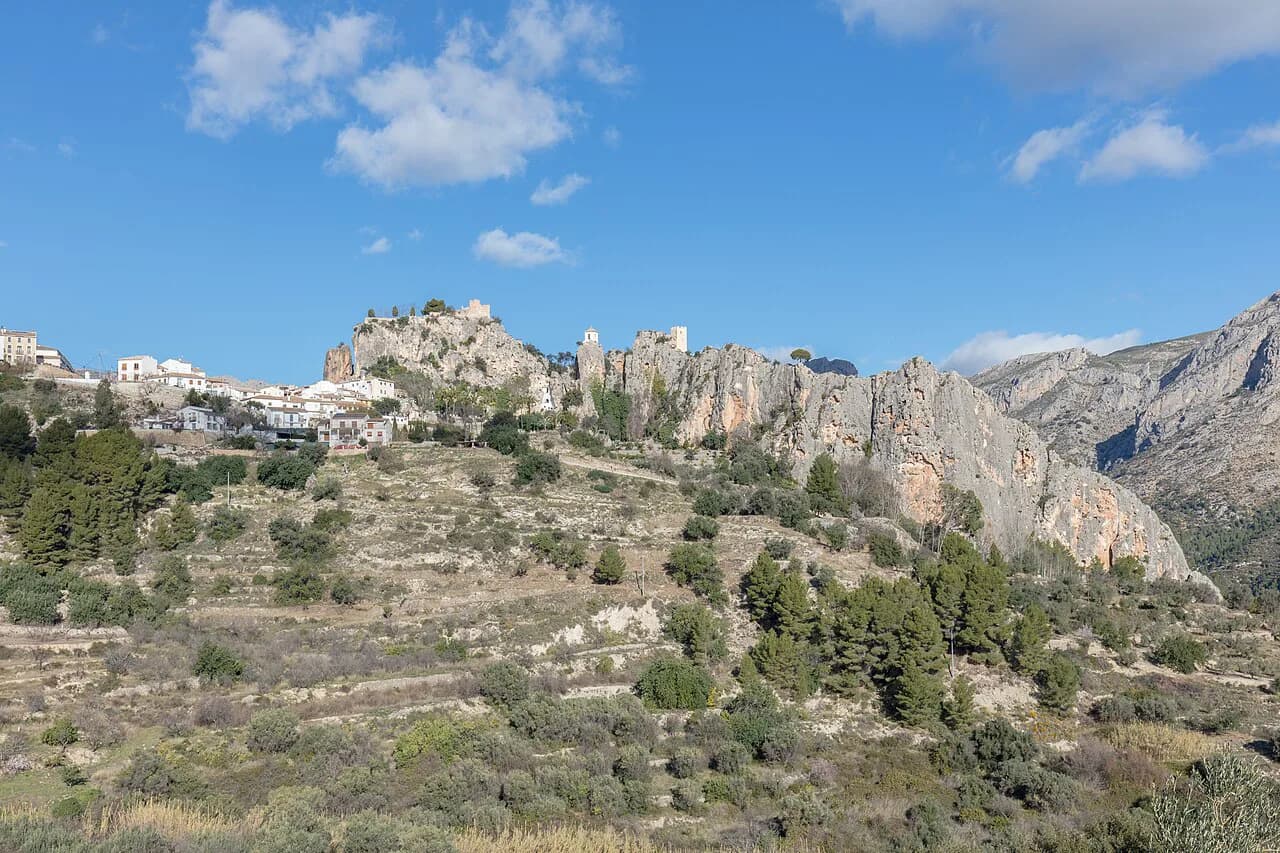
Altea is a good companion stop to inland hill towns such as Guadalest, where the castle and reservoir views give you a very different day from the coastal white lanes. If you want the contrast, read up on Guadalest before you decide which day gets which.
The gates and walls: Portal Vell, Portal Nou and the Bellaguarda Tower
The two gates are the clearest markers of the old defences. The Portal Vell is one entrance to the old walls and the Portal Nou is another, and both sit within the historic site that preserves the remains of the town's fortifications. Look for the surviving stretches of wall as you pass, because they are easy to walk by when you are following the lane uphill.
The Bellaguarda Tower is the other structure to seek out, visited after the church. Read the sequence as a loop: gates at the bottom, Calle Salamanca across, the church and its square at the top, then the tower before you drop back towards the sea. Treat the tower as part of the street walk rather than a scheduled visit, and check locally if you want to know whether it can be entered.
Nuestra Señora del Consuelo Parish Church and its blue and white dome
The parish church of Nuestra Señora del Consuelo is the image of Altea, topped by a dome of blue and white ceramic tiles and standing in the square at the top of the old town. It is the natural end point of the walk, and every corner of the historic centre below it gives you a photograph back towards the dome. Approach it as a working parish church: when services are on, tourists should expect to stay outside or wait, and the square is the place to do that.
See the exterior and square as the fixed part of your visit, and ask at the tourist office about going inside the church. The square itself is where the climb pays off.
The viewpoints: the Maño roundabout and the lookouts on the way up
The view is the point of the old town as much as the buildings. The Maño roundabout gives spectacular views and sits naturally between Calle Salamanca and the Portal Nou, so build it in as a stop rather than an afterthought. Further viewing spots appear on the way to the church square, which means you do not need to chase a single famous mirador.
Beyond the old town, the Serra Gelada Natural Park and the Bernia mountains frame the coast and are visible on clear days. They are surrounding hills rather than part of the walk, so keep them as scenery and save the walking for the lanes.
How long the old town needs, and how to pace it alongside the coast
The old town is small enough to walk in a couple of hours at an unhurried pace, including stops at the gates, the Maño roundabout, the church square and the Bellaguarda Tower. Add time for photographs, because the white façades and blue domes invite them at every turn. It is a morning or late-afternoon visit, not a whole day.
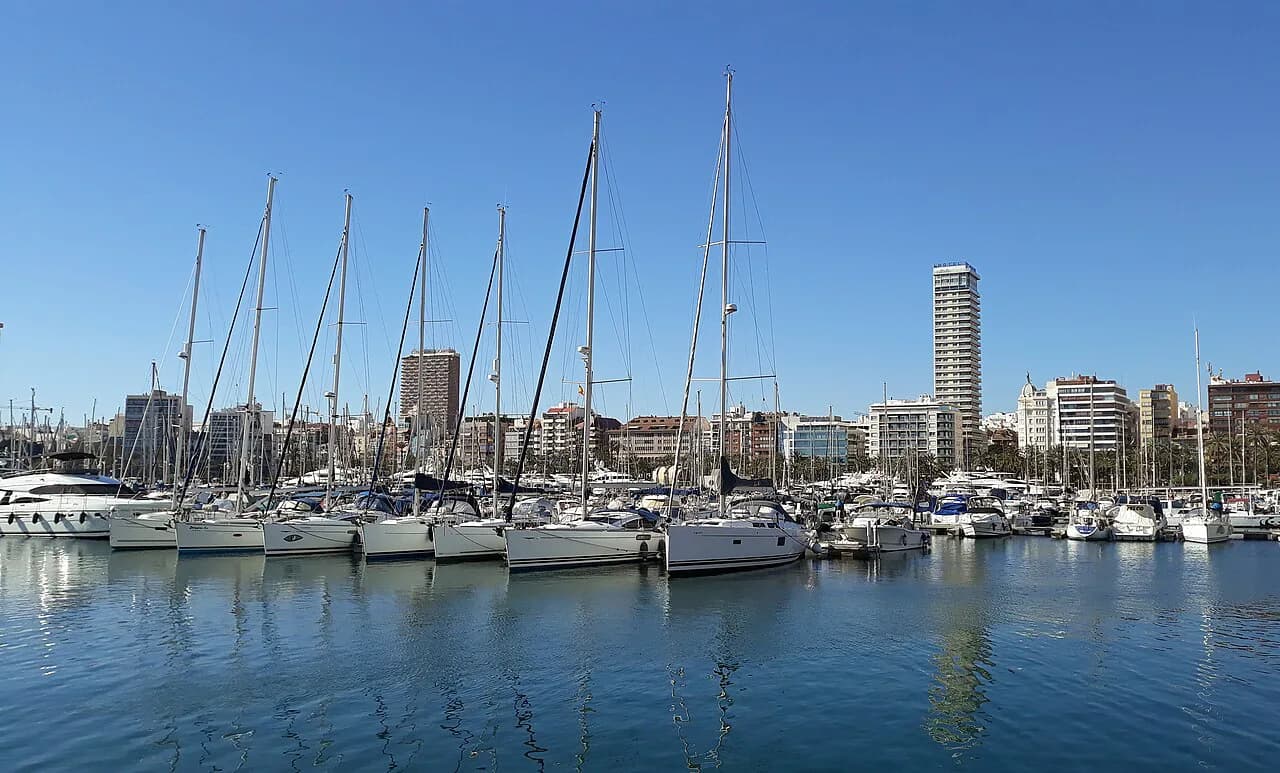
The rest of Altea is coastal and lower down: the town has three marinas and a shoreline of pebble beaches, so you can pair the hilltop lanes with a walk by the water. Decide the order by the heat rather than the map, going up early and coming down for the coast. If you want more of the province, the Alicante Attractions: 6 Visitor Guides give you the urban counterpart to these small-town lanes.
Practical points: uphill lanes, summer heat and closures
The whole old town is uphill, and the lanes are steep in places, so a short visit still means real walking. In summer, do the climb in the morning or later in the day and leave the middle hours for the shade of the church square or the coast. Carry water for the ascent.
Plan the walk around the streets and viewpoints, and treat any interior visit, such as the church, as a bonus that depends on the time of day. If a market is part of your plan, confirm the day locally at the tourist office before setting your morning around it.
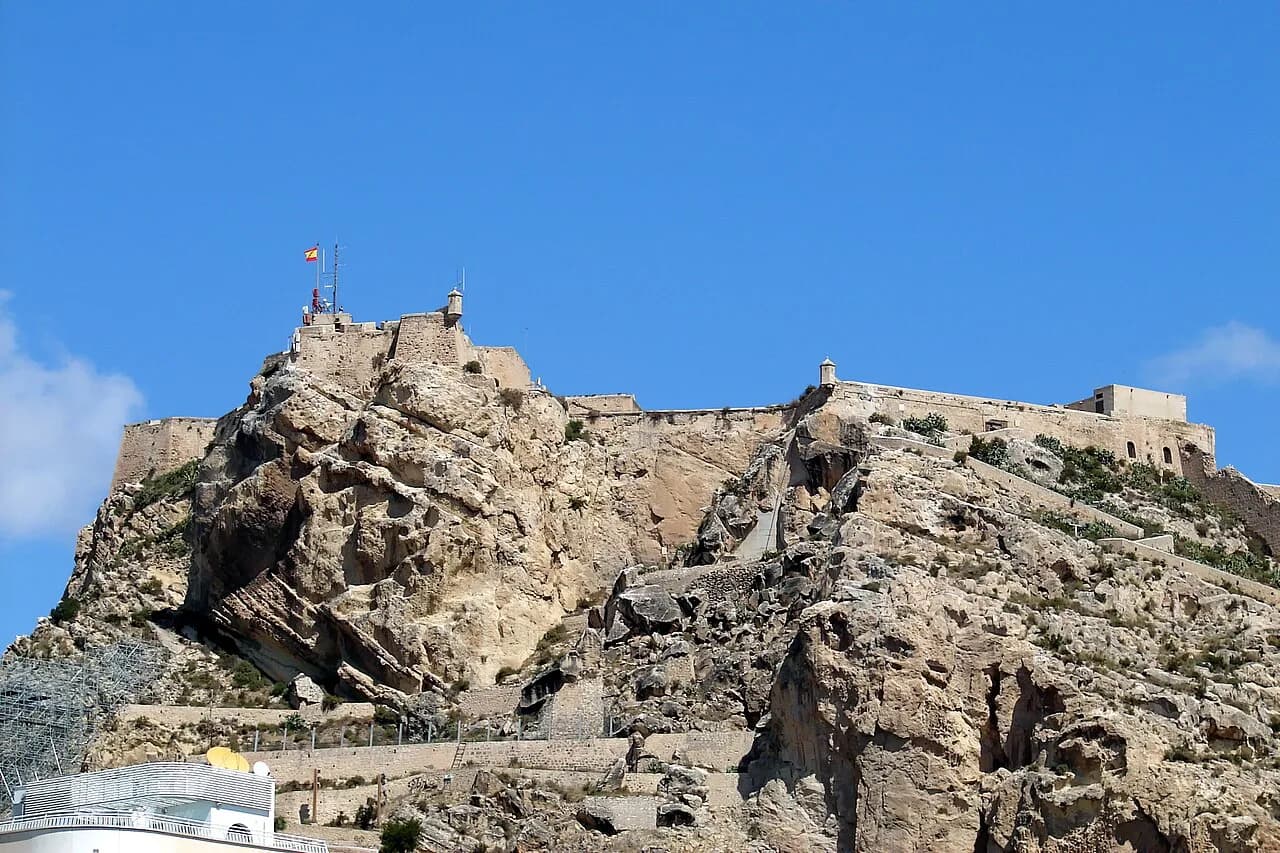
If your break includes other historic towns, Xàtiva castle offers a much bigger fortified site inland, with a serious climb of its own. Keep it as a separate day rather than trying to combine it with Altea.
Should you put the old town before or after the coast?
Walk the old town first, early, then come down to the coastal side of Altea; that order uses the cooler hours for the climb and leaves the afternoon free. The fixed elements are the gates, Calle Salamanca, the viewpoints, the church square and the tower. Everything else about Altea's old town is a matter of pace.
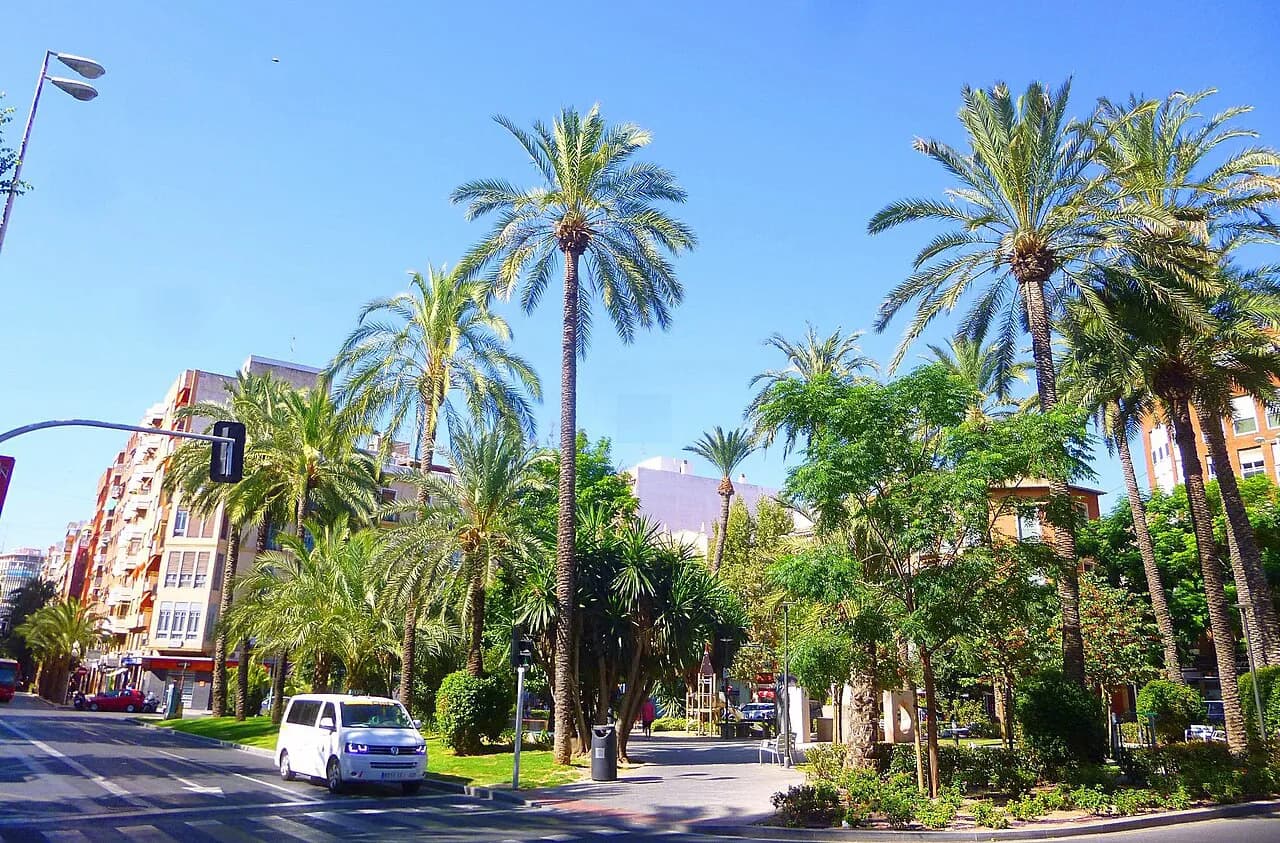
If your trip stretches further along the Costa Blanca, the Elche palm grove and its UNESCO World Heritage listing make a strong contrast with these white hill lanes.
Frequently Asked Questions
Does Altea have an old town?
Yes. Altea's old town is the fortified hilltop core above the coast, designated the Historic Site of the Baluarte and Renaissance Enclosure of the Town. It contains remains of the old walls, the Portal Vell and Portal Nou gates, Calle Salamanca, the Bellaguarda Tower and the parish church of Nuestra Señora del Consuelo with its blue and white tiled dome.
What day is Altea market?
Confirm the market day and location locally at the tourist office when you arrive, and plan the old town walk independently of it.
How long does the old town take to walk?
Allow a couple of hours at an easy pace for the gates, Calle Salamanca, the Maño roundabout, the church square and the Bellaguarda Tower. The lanes climb steadily, so in summer go early or late and keep the middle of the day for the coast.
Sources
Notes for your next Spanish town break
Optional updates to our guides.
You might also like
Continue reading
More guides you'll find useful