
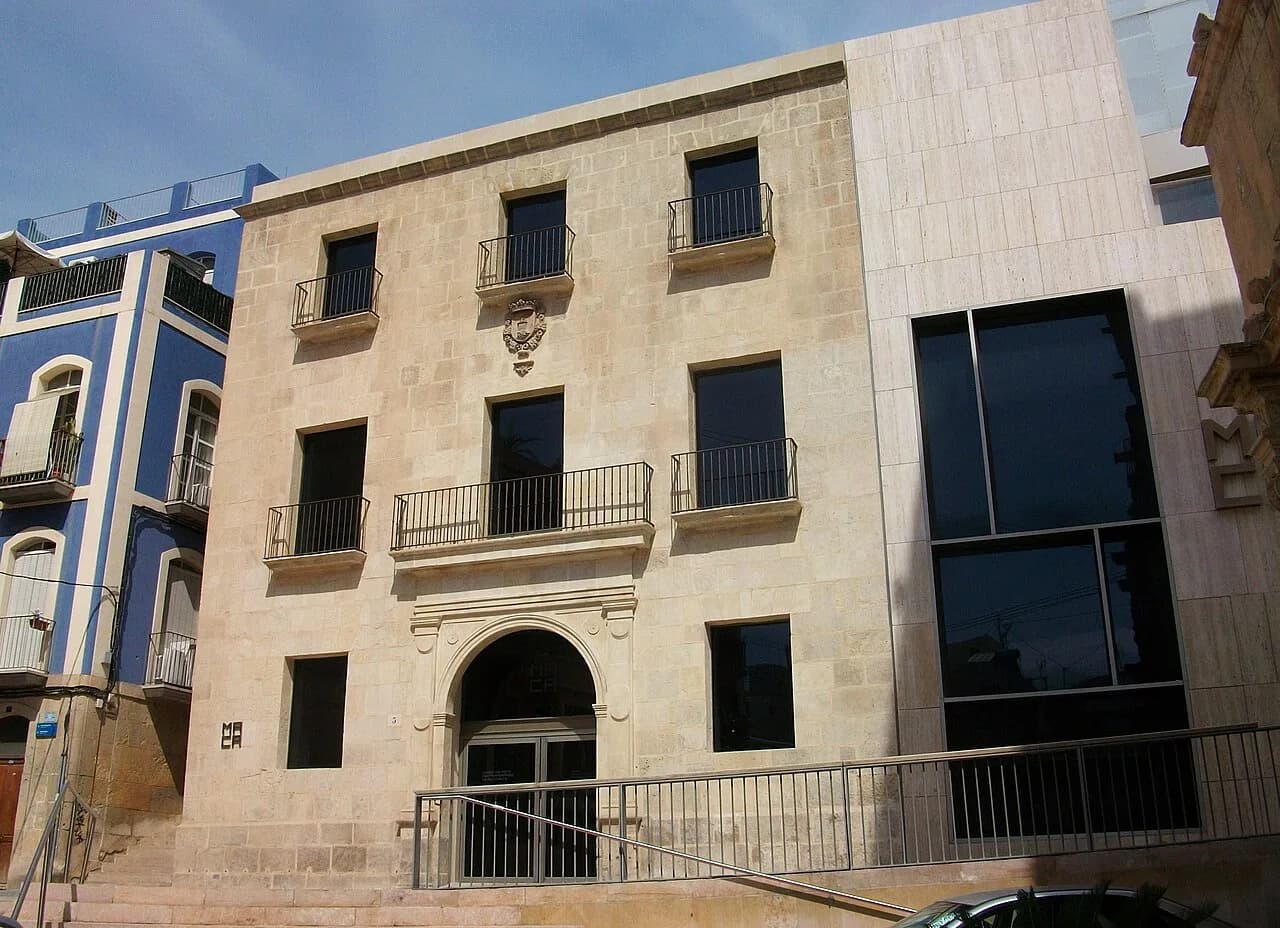
MACA Alicante: what to see at the city's contemporary art museum

MACA, the Museo de Arte Contemporáneo de Alicante, is a compact modern-art museum on the Plaza de Santa María in the old town, and an hour to ninety minutes covers it comfortably. It is built around Alicante's own artists rather than a national survey, which makes it a better use of a short break than its size suggests. This guide covers the layout, the collections, the published hours and how the museum fits around the cathedral and the Explanada, one of six stops in our Alicante Attractions: 6 Visitor Guides.
Where MACA sits in Alicante's old town
The museum occupies the Plaza de Santa María, 3, in the 03002 postcode, on the same square as the Basílica de Santa María. That puts it in the knot of lanes below the Santa Bárbara hill, between the Co-cathedral of San Nicolás and the old town's northern edge. Coming from the Explanada de España, you walk inland and uphill through the old town rather than along the seafront, and the last stretch is on foot through narrow streets. The address and phone number are listed on the museum's own site.
Because the entrance opens straight onto a small historic square, MACA works well as one stop in a walk that takes in the basilica Santa Maria Alicante next door and carries on to the Co-cathedral of San Nicolás. Treat the museum as the indoor anchor of that circuit, not as a separate excursion.
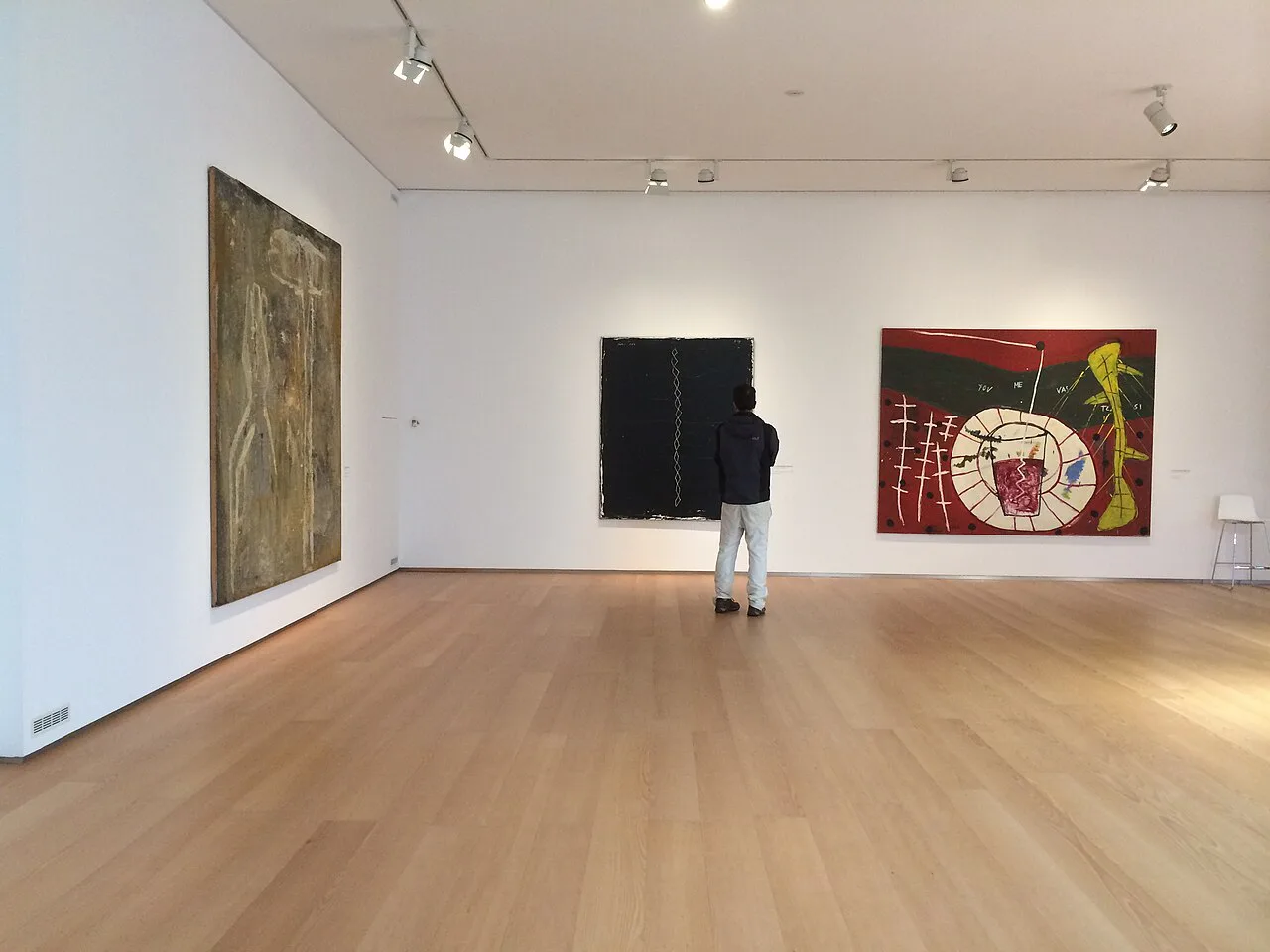

Opening hours and the Monday closure
The museum publishes its hours on its visit page: Tuesday to Friday 10:00 to 20:00, Saturday 11:00 to 20:00, and Sundays and public holidays 10:00 to 14:00, with Monday closed. Note the Sunday and holiday window is the morning only, so a late-afternoon plan on those days will find the doors shut. Any change to the timetable is announced on that page, which is the one to consult if your visit falls on a public holiday.
The library keeps different hours from the galleries: Tuesday to Friday 10:00 to 14:00, closed Saturdays, Sundays and public holidays. If research is the purpose of the trip rather than a general visit, that mismatch decides your day, because the reading room shuts in the early afternoon while the galleries stay open.
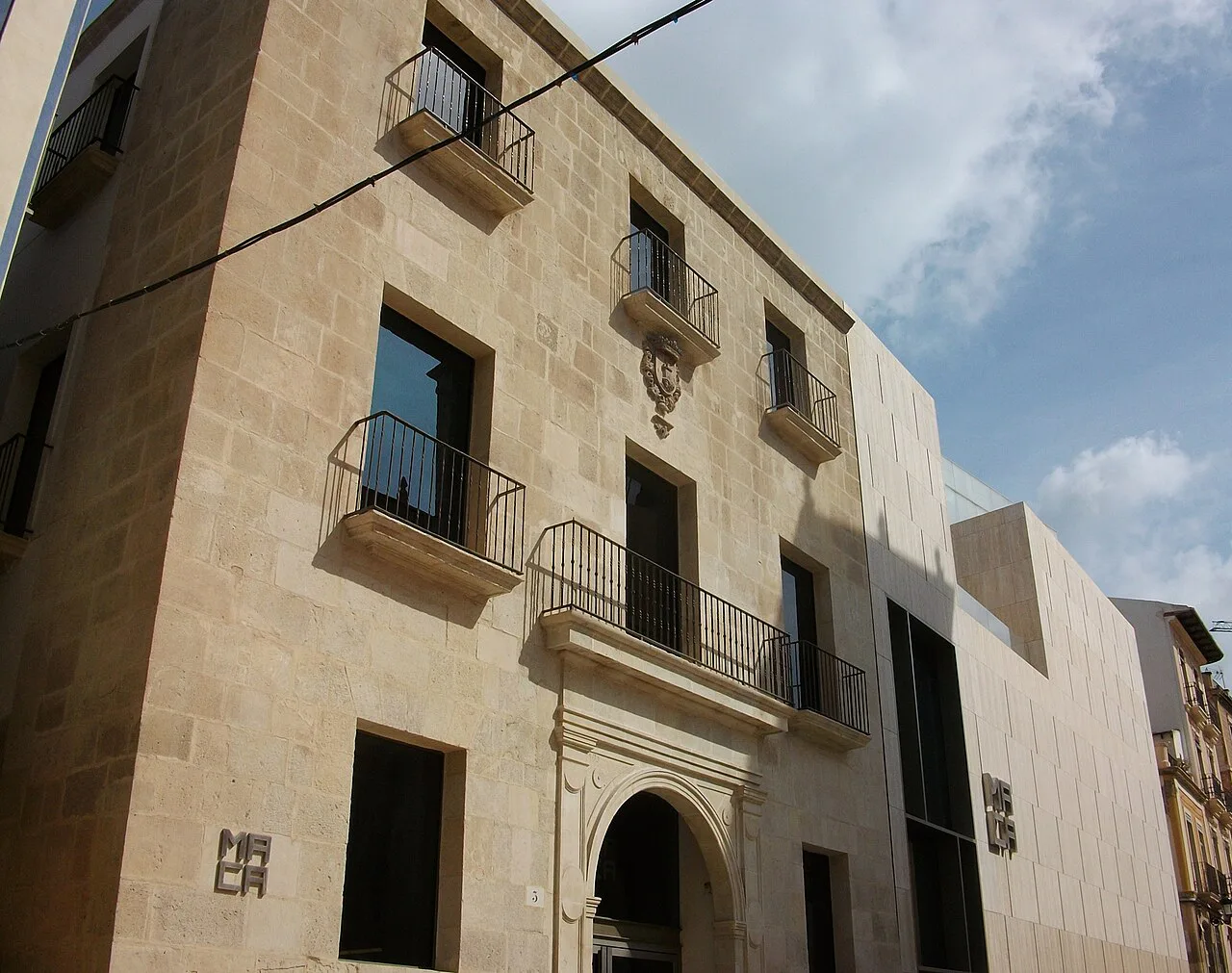

What to see inside: the five collections
The permanent holdings are grouped into five named collections: Eusebio Sempere, with 874 works according to the museum, the Michael Jenkins–Javier Romero collection at 515, the Fundación Mediterráneo at 213, the 20th-century art collection at 177 and Juana Francés at 134. Knowing the numbers helps you pace the rooms: Sempere is by far the largest single presence and the one to give the most attention.
Sempere was an Alicante-born artist whose optical and kinetic work rewards standing still rather than walking past, and the museum also holds his graphic output. The Juana Francés collection covers an Alicante painter who moved from figuration into abstraction, and the museum has built documentary material around her as well as the canvases. Budget your time so that these two come before the general 20th-century rooms.
The Michael Jenkins–Javier Romero and Fundación Mediterráneo collections widen the picture beyond a single local artist, and the 20th-century collection supplies the context the solo holdings lack. A sensible order is Sempere first, Francés second, then the remaining collections, so the strongest material gets your fresh attention.
Temporary exhibitions and how they change a visit
MACA programmes temporary exhibitions alongside the permanent rooms, and these are what can stretch a short visit into a longer one. The schedule includes Del color en el Arte (COLORAMAS), listed as extended to 10 January 2027, and Rigor lírico: el hilo no es lo mismo que la línea, listed for 18 May to 31 December 2026, alongside the long-running Amb el temps 3 from the Fundación Mediterráneo collection. Dates like these are programming rather than a guarantee, so confirm what is actually hanging before you go.
If a temporary show is the reason for your visit, allow more time than the permanent collections alone would need, and check the exhibition calendar first; a museum of this size with one large temporary display can absorb an extra half hour without difficulty. If you are indifferent to the temporary programme, the permanent rooms remain the core and the short visit still works.
How long to allow and a sensible order through the rooms
Plan on an hour to ninety minutes for the permanent collections, and add half an hour if a temporary exhibition is running. The building is not a rambling national gallery, so there is little risk of fatigue, but also little slack for dawdling. If you are combining MACA with the Basílica de Santa María and the Co-cathedral of San Nicolás, give the old town half a day and slot the museum in the middle.
Go up rather than across if you are short of time: start with the Sempere holdings and the Juana Francés material, then let the 20th-century collection fill whatever time remains. On a Sunday or public holiday, the 14:00 closing forces a tighter order, so arrive near opening rather than mid-morning.
Getting there from the old town, cathedral and Explanada
MACA is reached on foot, and the walk from the Explanada de España through the old town is the natural approach for anyone staying in the centre. The museum asks visitors who need car access because of reduced mobility to contact it by email at maca@alicante.es so that access and parking can be arranged, rather than arriving and improvising. For everyone else, the lanes around the Plaza de Santa María are pedestrian territory.
Pair the walk with the Alicante cathedral, which sits between the Explanada and the old town, and with the Ayuntamiento de Alicante square if you are coming from the port side. The Castillo de Santa Bárbara on the hill above is a separate outing with its own lift and paths, not an add-on to a museum morning.
What is nearby: the square, the Basílica and San Nicolás
The Plaza de Santa María itself is the immediate neighbour, with the Basílica de Santa María facing the museum across the square. That makes a combined visit straightforward: the church interior and the museum's collections sit within a minute of each other, and you can adjust the order depending on which one is open when you arrive. Churches in Alicante close to visitors during services, so the museum is the reliable indoor stop if the Basílica is busy.
Down towards the port, the Co-cathedral of San Nicolás and the Plaza del Ayuntamiento anchor the other end of a short old-town walk. The archaeological museum, the MARQ Alicante, sits further out and is a separate visit rather than a stop on this circuit.
The library and documentation centre
The museum runs a library and documentation centre specialising in contemporary art, with a particular focus on artists represented in its collections and on art from Alicante. It is a working resource rather than a visitor attraction, and it opens Tuesday to Friday 10:00 to 14:00, shut at weekends and on public holidays. If you want to consult material, plan the morning around it and see the galleries afterwards, since the library shuts when the museum is still open.
The museum also runs an education programme through the Consorci de Museus de la Comunitat Valenciana, with guided routes for school groups from infant level through to sixth form and degree students. Sessions are free with advance registration, run 90 minutes, and take place on weekday mornings and late afternoons, so some rooms can be busy with groups during term time.
Practical trade-offs: Mondays, short Sundays and holiday crowds
The single biggest planning constraint is the Monday closure, which rules out the museum on the first day of many short breaks. The second is the Sunday and public holiday closing at 14:00, which pushes those visits into the morning. If your trip includes a public holiday, check the museum's visit page for announced timetable changes rather than assuming the standard pattern holds.
School groups and temporary-exhibition openings are when the small rooms feel crowded; outside those periods it is a calm museum. Admission is not listed among the published visitor information, so check whether there is a ticket charge or a free slot on the museum's own site before you go.
Should MACA be on your Alicante shortlist?
Yes, if you want one small, well-defined museum that tells you something about Alicante rather than a general art survey. Sempere and Francés are the reason to go, and an hour in the rooms fits neatly between the Basílica and the cathedral. Skip it if modern art is not your interest; the old town's churches and the castle will fill the same time.
Build the day around the published hours rather than the other way round: a weekday gives you the full 10:00 to 20:00 window, while Sunday and public holidays compress everything into the morning. Line up the surrounding sights first, then let MACA fill the slot that fits.
Explore more Alicante guides
Frequently Asked Questions
Which artists are best represented at MACA?
Eusebio Sempere has the largest holding by far, at 874 works according to the museum, followed by the Michael Jenkins–Javier Romero collection and the Fundación Mediterráneo collection. The Juana Francés collection of 134 works is smaller but gives the museum a strong second local focus.
Can I visit MACA and the Basílica de Santa María on the same morning?
Both sit on the Plaza de Santa María, so a combined morning is practical. Check the Basílica's visiting times around services, and use the museum as the fixed point since its hours are published.