
Alicante Cathedral (Concatedral de San Nicolás de Bari): What to See and How to Visit

Alicante does have a cathedral, but it is a co-cathedral: the Concatedral de San Nicolás de Bari on Plaza del Abad Penalva in the old town, sharing the seat of the Diocese of Orihuela-Alicante with Orihuela. It is a compact visit of roughly an hour, built between the 17th and 18th centuries to a design by Agustín Bernardino and crowned by a dome of almost 45 metres by Miguel del Real. This guide covers what the ticket includes, how the cultural-visit hours differ from the temple's own opening times, and what sits within a few minutes' walk.
What Alicante's cathedral actually is
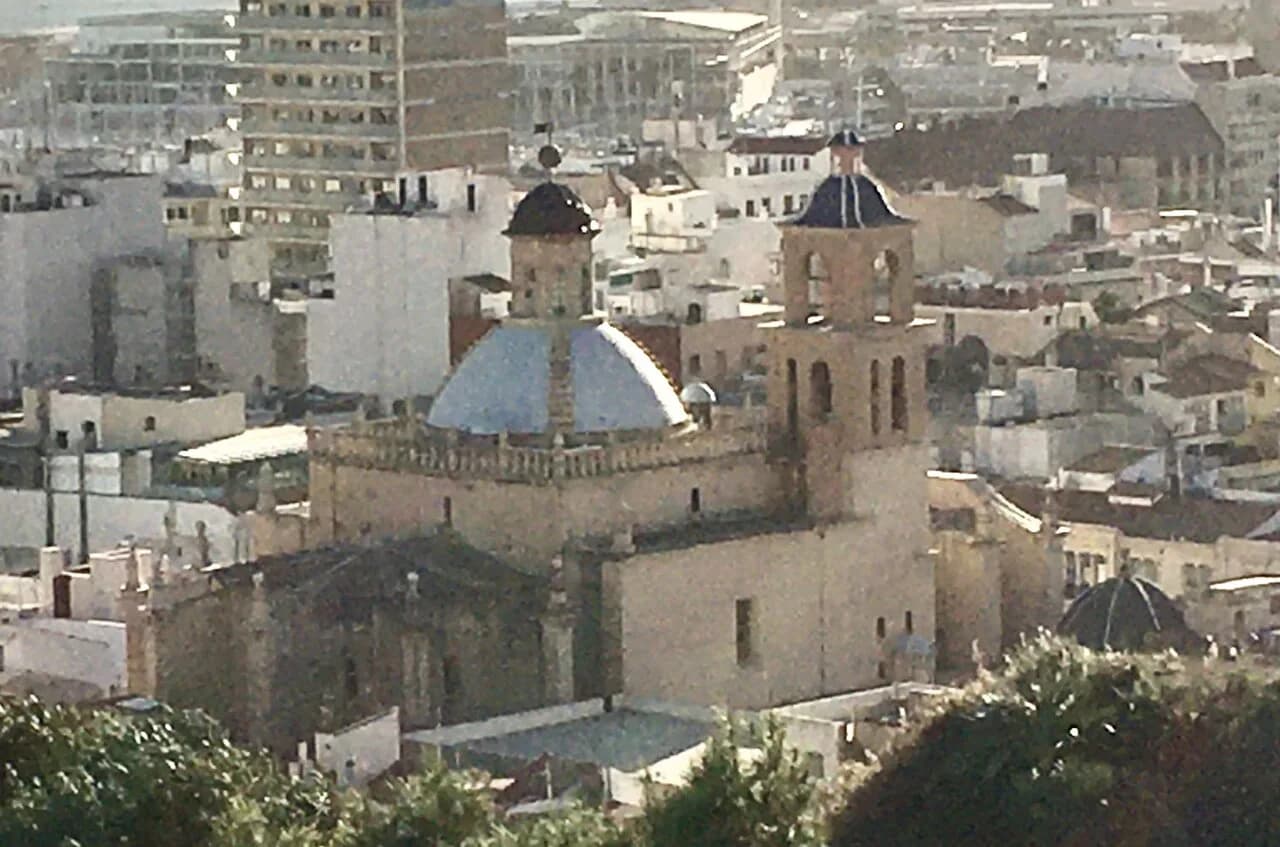
The church was raised to cathedral status in 1959, which is why you will see it called both a concatedral and a Catedral in local signage. The building itself is late Renaissance in manner, severe on the outside and Baroque in parts within, and it stands on the site of an earlier mosque and Gothic church. Plan for architecture and quiet rather than a grand Gothic nave: the reward here is the cloister and the chapels.

Where it is and how to reach the door
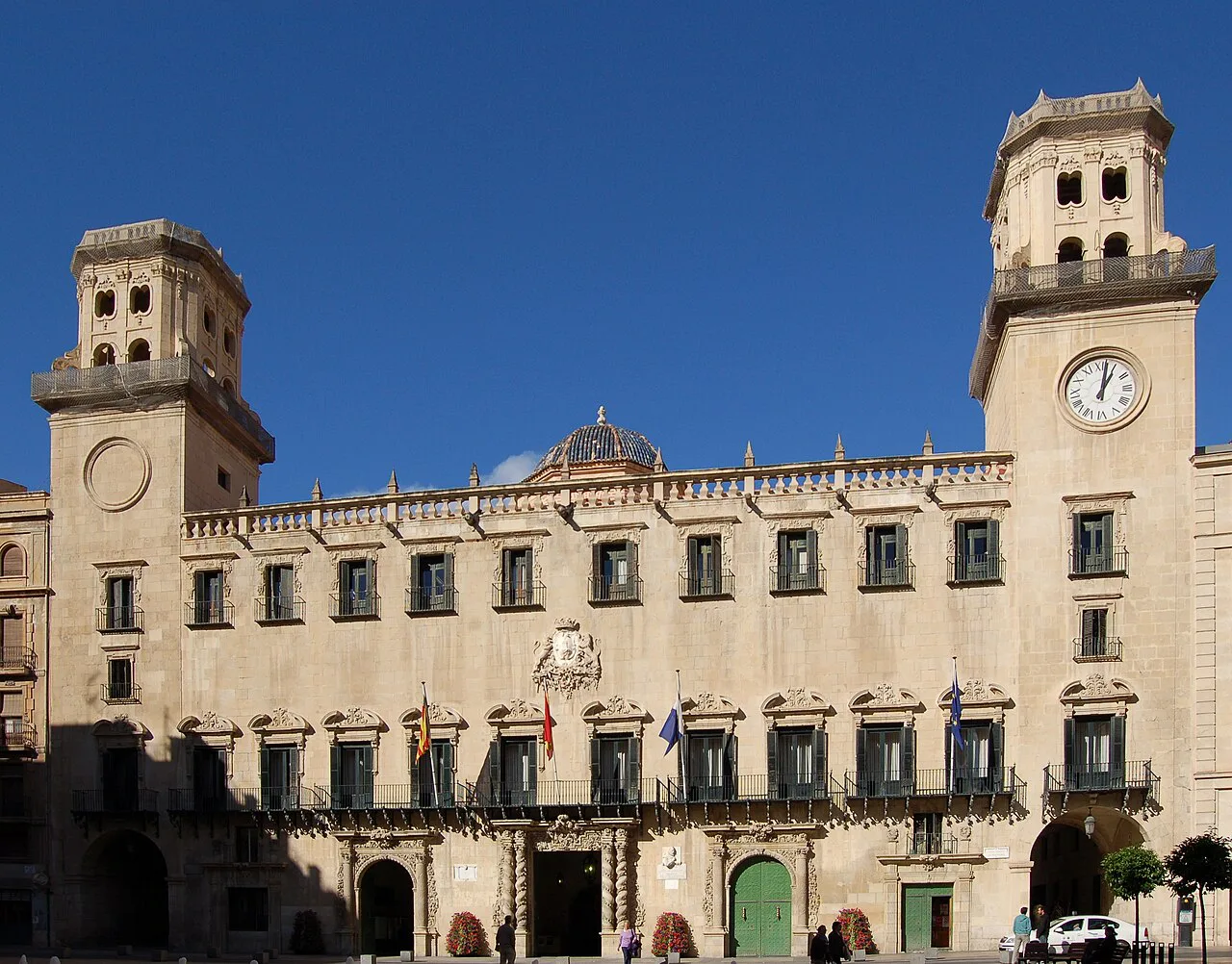
The address is Plaza del Abad Penalva 2, in the heart of Alicante's old town, a short walk from the waterfront and from the Alicante town hall on Plaza del Ayuntamiento. If you are coming from the harbour side, aim for the old-town lanes behind the town hall and follow signs for San Nicolás; the plaza opens up suddenly between narrow streets. The cloister has its own entrance from Calle Labradores, one of the busiest old-town streets, which is useful if you only want the cloister and the museum circuit.
On foot is the sensible way in: the old town is compact and the streets around the cathedral are pedestrian. Trams and buses stop within the city centre, but the final approach is on foot through the lanes, so allow ten minutes of wandering from the main shopping streets. The Alicante Attractions: 6 Visitor Guides hub maps the other monuments in the same quarter if you want to plan a loop.

What to see inside: cloister, chapels and dome
The cloister is the oldest part of the visit and the reason to pay for the full circuit: it dates to the 15th century, predates the present church and survives in Valencian Gothic style, reached through a Baroque doorway and built around a small garden. Inside the church, look for the Chapel of the Communion, held up as one of the finest examples of Spanish Baroque in the city, and the 18th-century altarpiece of Saint John of Nepomuk by Agustín Espinosa. The dome, almost 45 metres high with an oculus that lights the interior, is the feature most visitors photograph.
The 16th-century organ is the oldest in the Valencian Community and among the oldest in Spain, and it forms part of the cathedral's appeal for anyone interested in music as well as stonework. The cultural route covers the cloister, the chapter house museum, the ante-sacristy, the chapel of the Virgin of Remedio, the upper galleries, the bell-ringer's room and the bell tower roof, so the ticket is a circuit rather than a single room.
Tickets: what you pay and who goes free
Tickets include a free audio guide and are priced by age and status: adults aged 18 to 64 pay €8, over-65s pay €7, and visitors aged 13 to 17 or holding a youth or student card up to 25 pay €6. Groups of 20 or more pay €5, school groups accompanied by teachers pay €4, and people with a disability of 33 per cent or more pay €6. Children under 12 with an adult, people with a disability of 63 per cent or more, and children from large families up to 17 with an adult enter free, collecting a ticket at the office; free tickets do not include the audio guide. The current rates are listed on the Alicante tourism page for the co-cathedral, and tickets are sold through the Procuratur Cultural booking site linked there.
Opening hours for cultural visits
Cultural visits follow a seasonal timetable that differs between the October to April and May to September periods, and the closing time shifts by day within each season. In the October to April season, visits run Monday to Friday from 10.30am to 7pm, Saturday from 10.30am to 5.30pm and Sunday from 1.30pm to 5.30pm. In the May to September season, the weekday window extends to 7.30pm, Saturday runs to 6.30pm and Sunday keeps the same 1.30pm to 5.30pm slot. Last admission is 30 minutes before closing, so a late Sunday arrival needs to be at the door by 5pm. The full seasonal table is published by the city tourist board.
The temple itself, as distinct from the cultural circuit, keeps separate opening hours for prayer and visits, with a long midday break and a shorter Sunday morning. In winter (1 October to 30 April) that means Monday to Friday 8.30am to 1pm and 5.30pm to 8pm, with later afternoon closing on Saturdays and the eve of public holidays and a Sunday pattern of 8.30am to 1.45pm and 5.30pm onwards in the afternoon. The summer pattern keeps the same morning break but shifts the afternoon start to 6pm and later closing on Saturdays. If you only want a few minutes in the nave, the temple hours and the cultural circuit do not line up, so plan around one or the other.
The central hall and its 1pm to 5pm window
Access to the central hall runs Monday to Sunday from 1pm to 5pm, which sits inside the broader cultural-visit timetable and is the detail most likely to catch people out. If the nave is the part you care about, build your day around that afternoon window rather than arriving at 10.30am and finding the circuit open but the hall closed. Sunday visitors should note that cultural visits do not start until 1.30pm, so the hall is effectively the first thing you can see.
Mass, services and visiting etiquette
This is an active parish church as well as a monument, so worship takes priority over sightseeing when a service is on; the cathedral's own site and the tourist office keep the current service schedule. Dress modestly and keep voices low in the chapels, and expect photography to be restricted during services. If you want the building quiet for the architecture, the cultural circuit is the part designed for visitors.
How long to allow and what is nearby
An hour covers the cloister, chapels, museum rooms and the climb to the upper galleries; add twenty minutes if you listen to the audio guide in full. The cathedral sits within a few minutes of the Plaza del Ayuntamiento, the Basílica de Santa María and the MACA contemporary art museum, so it works best as one stop on an old-town morning rather than a destination in itself. Wear shoes for stairs if you intend to reach the bell tower roof.
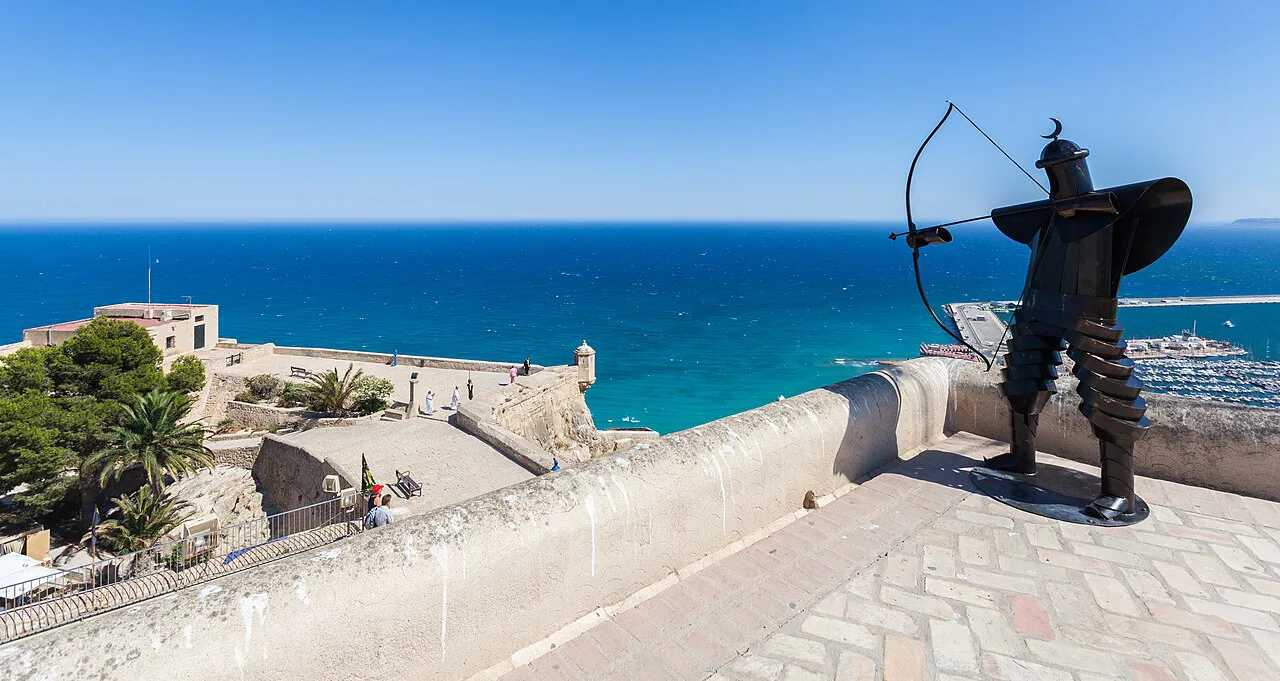
Above the old town, the Castillo de Santa Bárbara gives the wide view back over the cathedral dome and the harbour, and it pairs naturally with a morning in the lanes. Two other stops in the same quarter are worth knowing: the Museo de Arte Contemporáneo de Alicante, known locally as MACA, and the Basílica de Santa María, Alicante, the older parish church a few streets away.
Booking, audio guide and last admission
Buy online before you go if you are visiting on a Sunday afternoon or in a group, since the circuit has fixed closing times and last entry is half an hour before. The audio guide is included with paid tickets but not with free ones, so families with young children may prefer to share one paid ticket for the commentary. Bring the booking confirmation on your phone, and collect any free ticket at the ticket office at the Plaza del Abad Penalva entrance.
For the wider old town, including the town hall and the castle, start from the Alicante Attractions: 6 Visitor Guides hub and work outwards. Alicante Town Hall is the natural first stop on foot from the harbour, and the cathedral is five minutes beyond it.
Should the cathedral be your first stop in Alicante?
Make it your first stop if you want the old town to make sense: the cloister explains the layers beneath the Renaissance church, and the walk from the town hall to the cathedral sets up the rest of the quarter. Skip the full circuit if you only have twenty minutes before a train, since last admission and the afternoon-only central hall make a rushed visit frustrating.
Check the seasonal cultural-visit hours and the 1pm to 5pm hall window the day before you go, then build the morning around the cloister and the chapels. The altar of Saint John of Nepomuk and the dome are the two details worth slowing down for, and both sit inside the standard circuit.