Things to Do in Murcia: Cathedral, Old Town and River Walks
Plan a short break in Murcia with its cathedral, Casino, Salzillo museum, old-town streets and river gardens, and see how the sights group together on foot.
On this page
Murcia's essential sights sit within a compact centre: the cathedral on the Plaza del Cardenal Belluga, the Casino a few streets away on Calle Trapería, and the river gardens a short walk beyond. Two museums, the Salzillo and Santa Clara, reward a half-day between them, while the Fuensanta sanctuary and the Monteagudo castle need their own trip out of town. This guide groups everything by area so you can walk a logical route rather than ticking a list, and it flags the plazas and streets that cost nothing against the monuments that do not.
The city rewards slow wandering as much as set-piece visits, with monuments, museums, streets and squares packed into a small area. Use the Murcia Attractions: 5 Visitor Guides hub to jump to individual sights, and treat the grouping below as the backbone of a day or two on foot.
The short answer: what to see in Murcia in a short break
Start with the cathedral and the Plaza del Cardenal Belluga, walk up Calle Trapería to the Casino, then loop through the plazas and down to the river gardens. Add the Museo Salzillo and the Museo de Santa Clara if you have a second day, and save the Santuario de la Fuensanta and the Castillo de Monteagudo for a half-day each outside the centre.
What makes Murcia easy to plan is that the centre is dense: the Catedral de Santa María, the Casino, the Teatro Romea and the Plaza de las Flores all sit within a few minutes of each other. The Murcia old town holds most of this, so a single morning covers the headline monuments before the heat builds.
Budget your time by type: the cathedral and Casino are ticketed interiors that swallow an hour or more each, the plazas and Calle Trapería are free to walk, and the two museums are the sort of places where an hour disappears. The official Murcia tourism site lists these as the city's monuments and museums, which is a sensible checklist to build a route around.
Murcia Cathedral and the Plaza del Cardenal Belluga
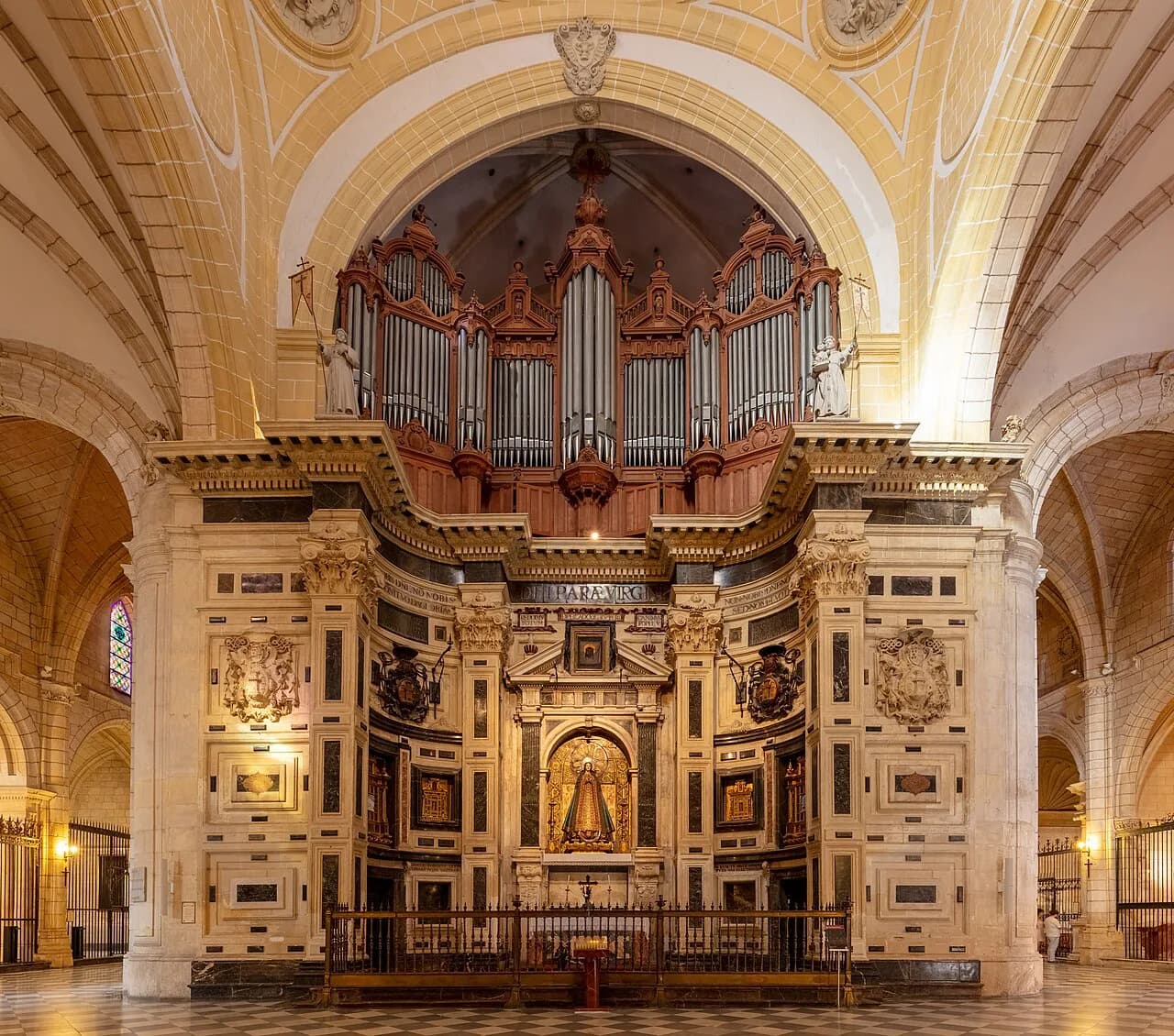
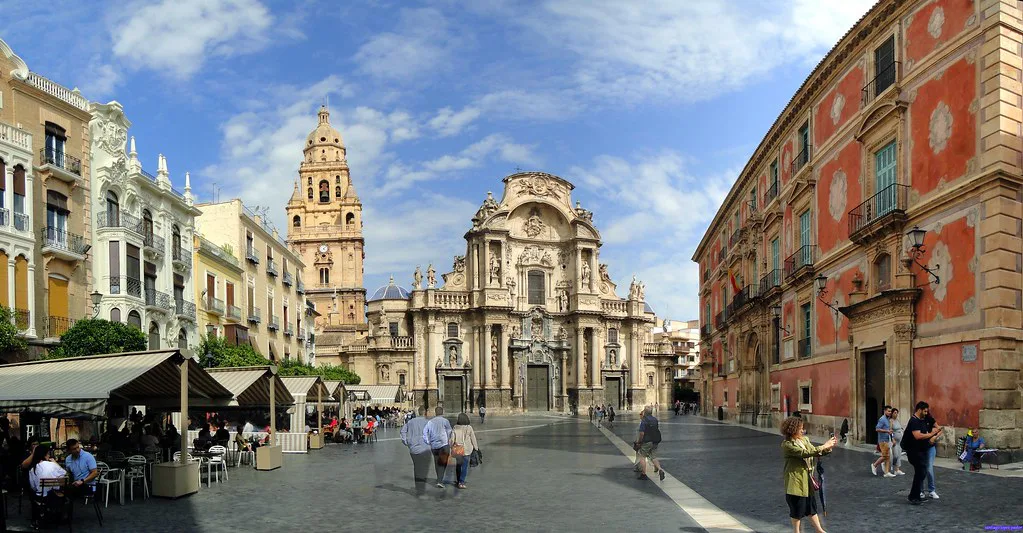
The Catedral de Santa María is the city's most emblematic monument and one of Spain's finest pieces of baroque building, fronting the Plaza del Cardenal Belluga. Its carved facade is the image most travellers carry home, and the square in front is the natural place to start any walk through the centre.
The cathedral mixes Renaissance and later elements rather than presenting a single style, which rewards a slow look at the stonework rather than a quick photo stop. Spain's official tourism portal singles it out as a must-see in the region, alongside the Salzillo museum and the Lorca castle.
The square also holds the Palacio Episcopal, a diocesan palace whose Italianate lines are best admired from a café terrace across the plaza, and which takes on a different character when lit at night. Pair the two buildings in one visit and you have the ceremonial heart of Murcia done.
Expect the cathedral to close its doors to tourists during services, as churches across Spain do, so build some flexibility into the day rather than treating it as a fixed stop. For the deeper story behind the facade, the Murcia history pages set the cathedral in its older context. Ticket prices and visitor hours are set by the cathedral itself, so check them before you travel.
The Casino on Calle Trapería and the old-town streets
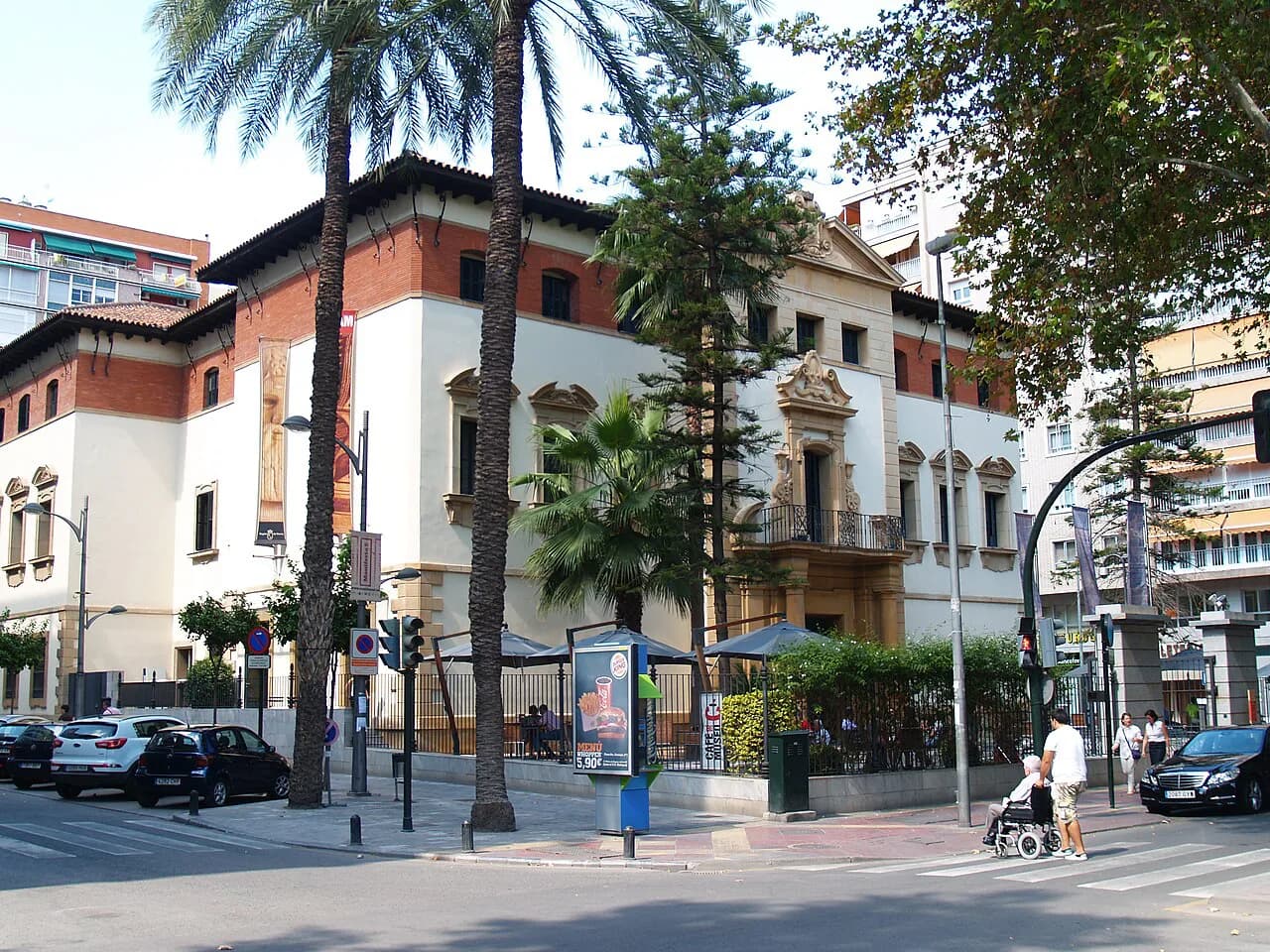
The Casino de Murcia sits on Calle Trapería behind a splendid facade, and inside it holds a building overflowing with art and architecture of real finesse. It is a private club with a visitor route rather than a gambling hall in the popular sense, and it is one of the city's most rewarding interiors.
Calle Trapería and Calle Platería are the two most famous and historic shopping arteries in Murcia, a few minutes from the cathedral. They make an easy, free walk between the cathedral square and the Teatro Romea, and they are where the centre feels most alive.
If browsing the shops is part of the plan, the shopping in Murcia guide covers the centre and the out-of-town alternatives such as Nueva Condomina. Keep the street walk for the cooler hours, since these lanes offer little shade at midday in summer.
Museums worth your time: the Salzillo and Santa Clara
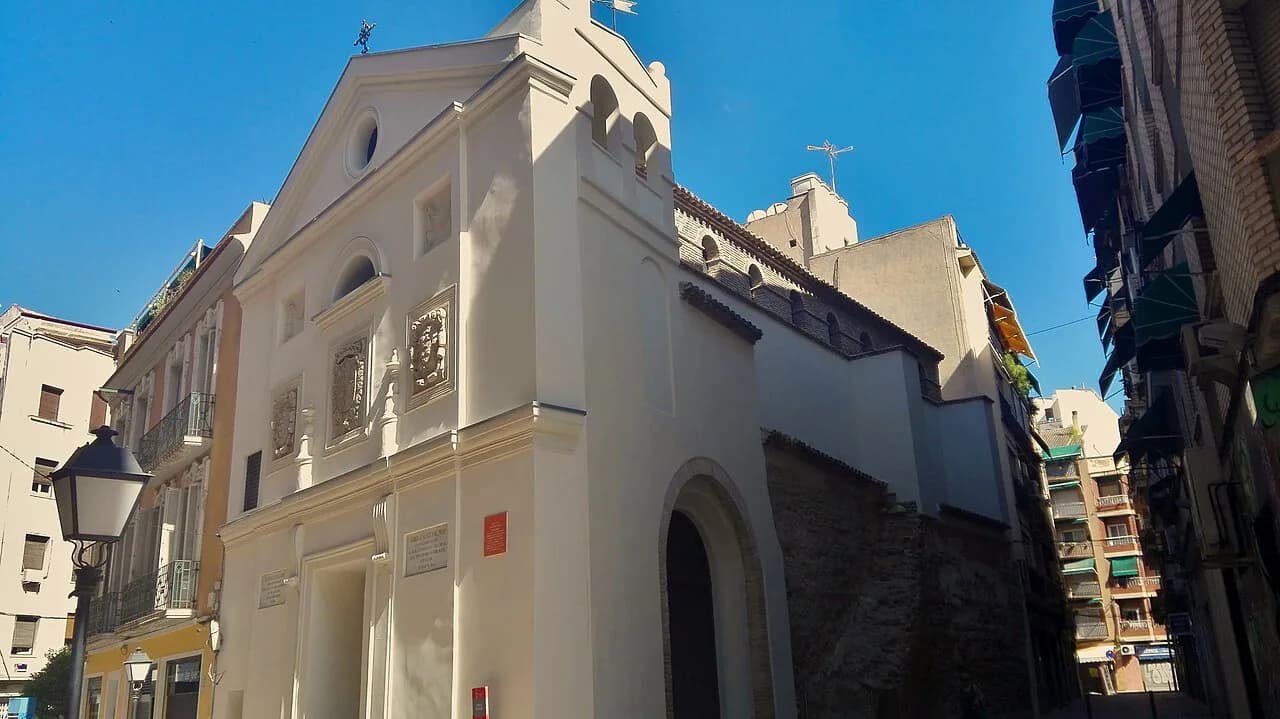
The Museo Salzillo displays the whole output of Francisco Salzillo, the Murcian baroque sculptor born in 1707, inside the Iglesia de Nuestro Padre Jesús. It is the collection to see if you want one museum that explains Murcia to itself, and it sits a short walk from the old-town core.
The Museo de Santa Clara is a different pleasure: a 13th-century Arab pool set in a calm enclosure that feels like an oasis in the middle of the city. It is small, atmospheric and easy to fold into a walk rather than a whole afternoon.
Both museums are the kind of place where an hour disappears, so give them room rather than squeezing them between monuments. Our Museums in Murcia guide has the detail on what each one holds; confirm opening days and ticket prices with the museums themselves, since these change.
Plazas and everyday squares: Las Flores and Julián Romea
The Plaza de las Flores is a small, charming square that the city's own tourism office counts among Murcia's most beautiful, and it is free to wander. It is the sort of place to sit for ten minutes between sights rather than a destination in itself.
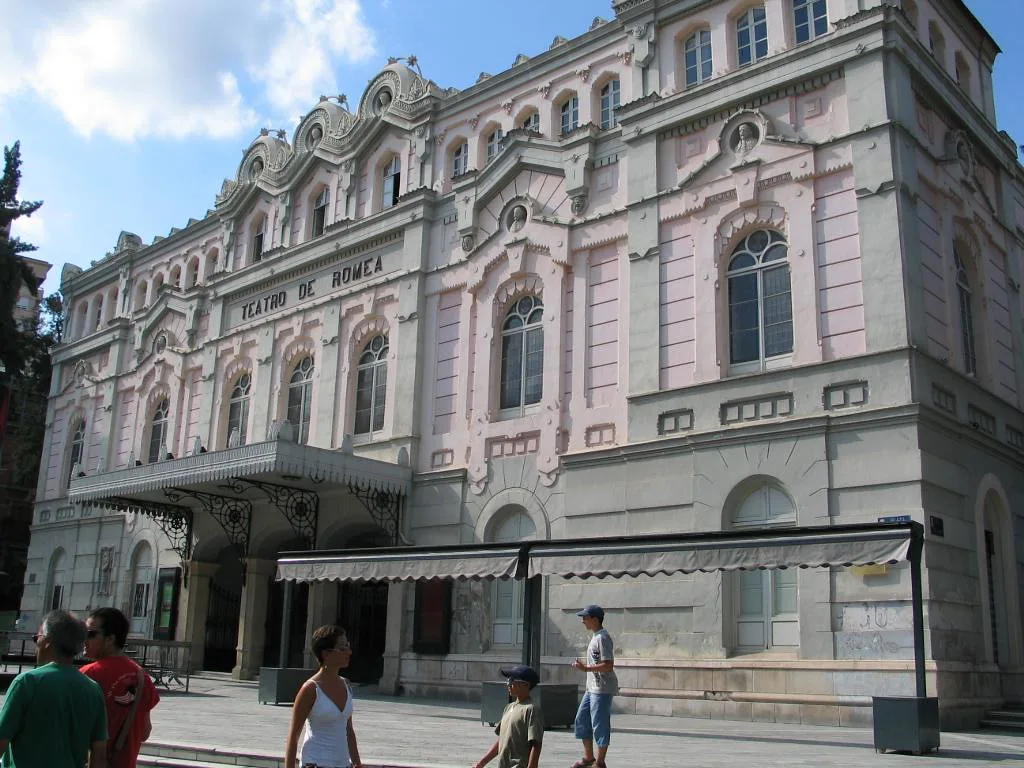
The Teatro Romea, one of the loveliest theatres in Spain, anchors the Plaza de Julián Romea at the heart of the old town. Even from outside, the square and the theatre front make a natural pause on the walk from Calle Trapería.
The Mercado de Verónicas is one of the city's main food halls and sits on the route between the centre and the river, so treat it as an architectural stop rather than a food recommendation. These squares cost nothing and fill the gaps between ticketed monuments, which is exactly what a short break needs.
The river side: Malecón, Puente de los Peligros and La Glorieta
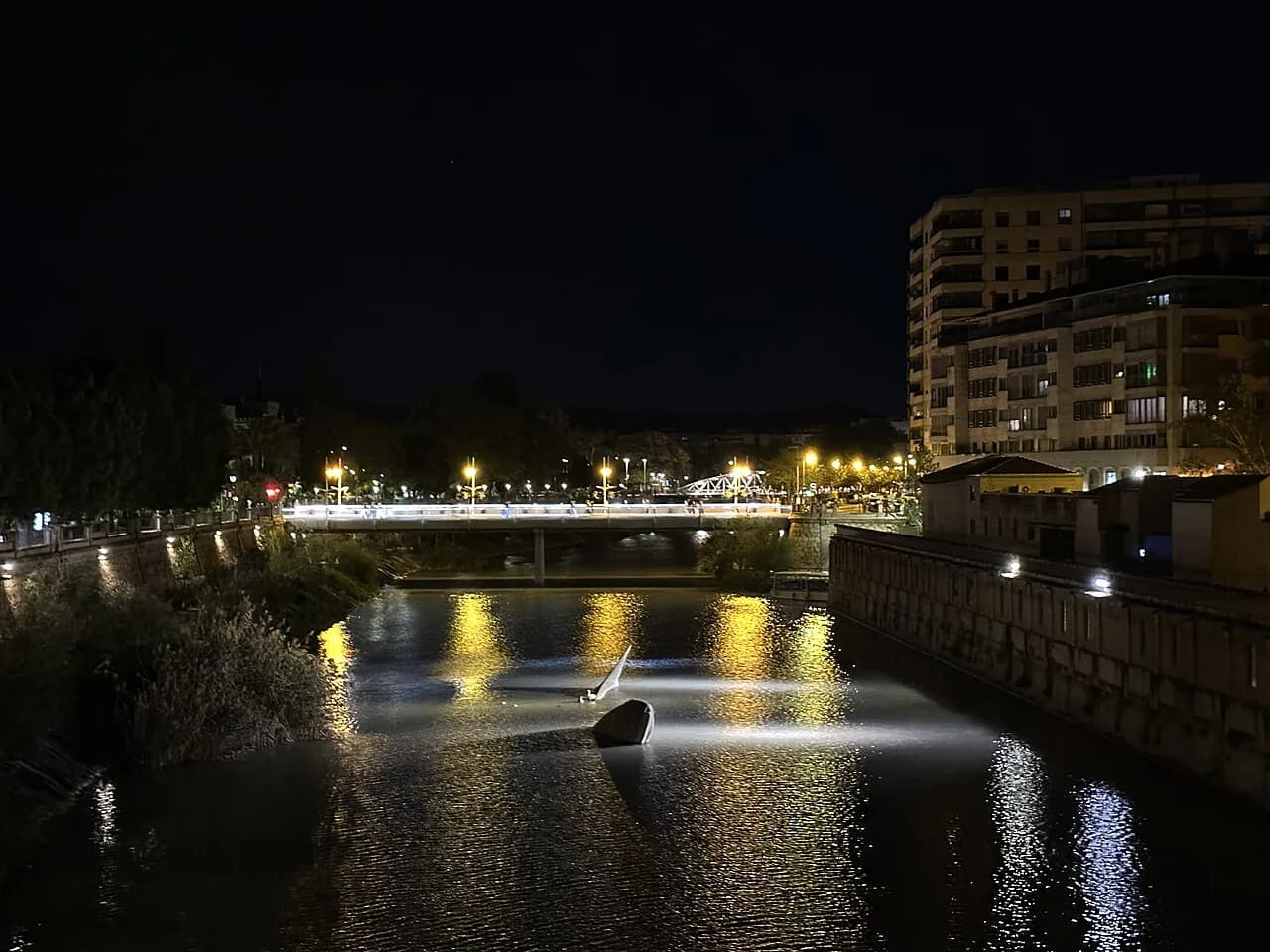
The Paseo del Malecón is an 18th-century promenade that runs beside the river through gardens and monuments, reaching some 1.5 kilometres into Murcia's huerta. It is a walk, not a ticket, and it gives you a sense of the market-garden plain that surrounds the city.
The Puente de los Peligros is the oldest bridge in Murcia, built in the 18th century, and links the Barrio del Carmen with the historic centre. Cross it on foot to connect the river gardens with the old town rather than doubling back.
The Glorieta de España, known simply as La Glorieta, is one of the city's most lived-in and popular open spaces and a natural place to end a river walk. Together with the Malecón and the bridge it forms a free, green half-day that most short lists leave out.
Green breathing spaces: Jardín de Floridablanca
The Jardín de Floridablanca fills a large block in the heart of the Barrio del Carmen, one of Murcia's most characterful neighbourhoods, and offers shade and benches rather than monuments. Spain's official tourism portal lists it among the city's essential sights, which says something about how central gardens work here.
Use it as a breather between the river and the old town, or as a place to sit out the fiercest midday heat in summer. It costs nothing and pairs naturally with the Puente de los Peligros crossing.
Views over the city and huerta from the Santuario de la Fuensanta
The Santuario de la Fuensanta sits above the city and offers a magnificent panoramic view over Murcia and its huerta, with the image of the city's patron saint inside. It is a trip out of the centre rather than a stop on the old-town walk, so give it its own slot in the plan.
Because it lies outside the historic core, getting there needs a deliberate decision: either a taxi or the local bus, with times confirmed locally rather than assumed. The reward is the view and the sanctuary itself, which together fill a half-day rather than a quick detour.
It pairs naturally with a slow morning, and it is the obvious choice if you want one elevated view of the city without leaving Murcia's municipal area. The Murcia map shows how the sanctuary sits relative to the centre and the huerta.
Out of the centre: Castillo de Monteagudo
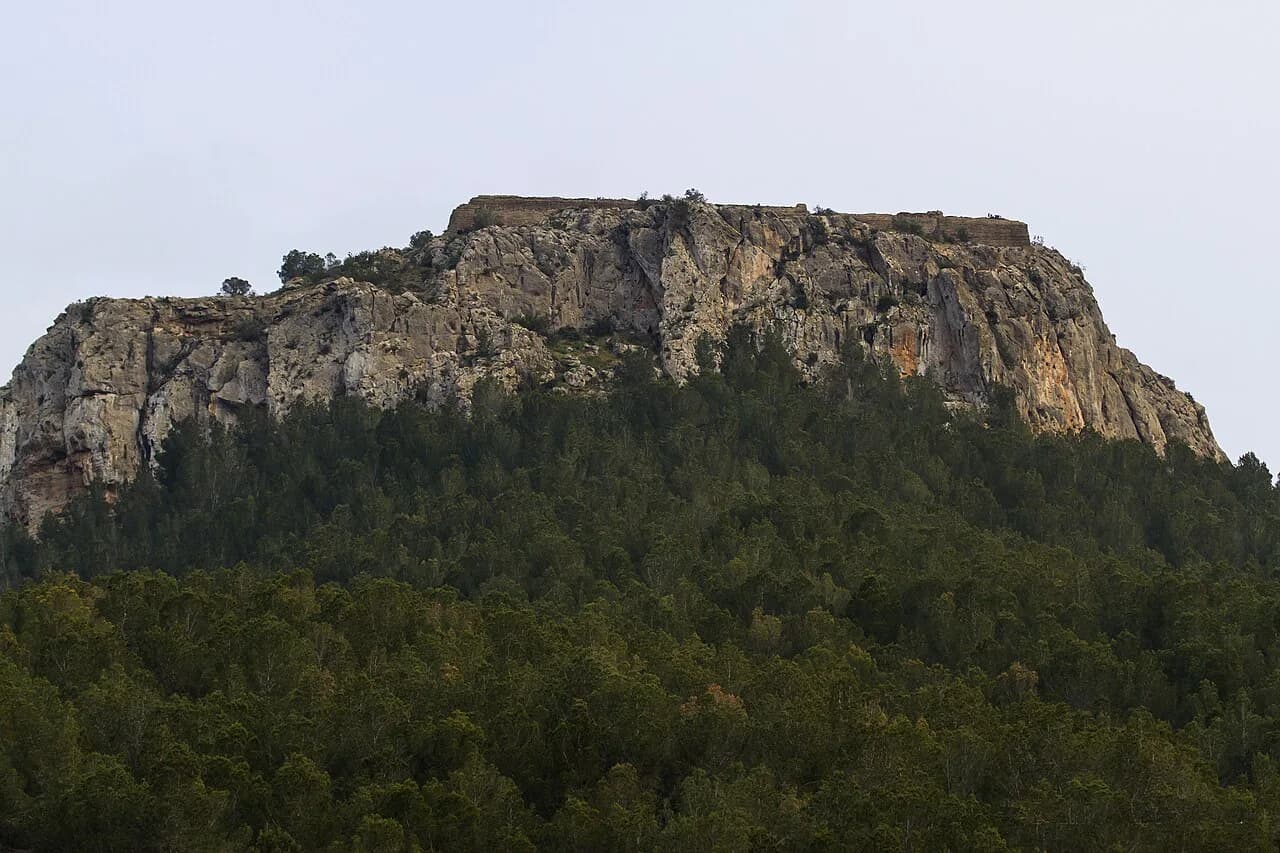
The Castillo de Monteagudo clings to a rocky outcrop rising 149 metres above sea level, crowned by a 14-metre statue of the Sacred Heart, and it is an icon of Murcia. You see it from the approach roads long before you reach it, and it makes a striking contrast with the baroque centre.
Like the Fuensanta, it needs its own transport and its own time slot, so plan it as a separate excursion rather than tacking it onto a cathedral morning. Check locally what access to the castle itself is possible before setting out.
How the sights group together and how long each needs
Group A is the cathedral, Palacio Episcopal, Calle Trapería, the Casino, the Teatro Romea and the Plaza de las Flores, all walkable within the old town and enough for a full morning. Group B is the two museums and the Mercado de Verónicas, better for a second day or a slower afternoon. Group C is the river side and gardens, an easy late-afternoon walk.
Groups D and E are the Santuario de la Fuensanta and the Castillo de Monteagudo, each needing its own transport and half-day. The Murcia map helps you see how the centre, the river and the outlying sights relate, so you can sequence them without wasted crossings.
Be realistic about heat: inland Murcia bakes at midday in summer, so put the walking-heavy old-town stretches in the morning and save interiors and gardens for the afternoon. Churches also close their doors to tourists during services, so treat any visit to the cathedral as flexible rather than fixed.
Getting around Murcia on foot
The centre is compact and flat enough that the cathedral, Casino, plazas, river and gardens form one continuous walk with no need for transport. Wear comfortable shoes and carry water in summer, since shade is patchy between the squares.
For the two outlying sights, plan transport in advance: the Fuensanta and Monteagudo are not on the old-town circuit. A taxi or local bus is the sensible approach, with times confirmed on the ground rather than assumed from a website.
Where Murcia fits a longer trip: Cartagena, Lorca and Caravaca de la Cruz
Murcia sits in a region dense with other places worth a stop: Cartagena with its Roman theatre, Lorca with its hilltop castle and Caravaca de la Cruz with its basilica-shrine. Spain's official tourism portal lists all three alongside Murcia's own cathedral and Salzillo museum, which makes them natural companions in a regional itinerary.
Cartagena is the closest fit for a Roman-history theme, and its Teatro Romano museum displays the finds from the excavations. If you are building a two-centre break, pair the cities rather than trying to see both in one day.
Beyond the region, the same approach works elsewhere: things to do in A Coruña and things to do in Alcúdia show how a compact centre, a waterfront and one strong monument can each anchor a short break.
Which Murcia day should you build first?
Build your first day around the cathedral, Calle Trapería, the Casino and the plazas, then finish by the river at La Glorieta and the Malecón. That route needs no transport, costs nothing for the streets and squares, and leaves the museums and the two outlying sights for a second day or a return visit.
If you only have one day, choose between the museums and the Fuensanta rather than trying to do both; the city rewards depth over ticking off a list. One full day honestly covers the cathedral, the old-town streets, the Casino and the river side. Confirm cathedral, museum and Casino opening times and ticket prices with each venue before you travel, since these change.
Explore more Murcia guides
Sources
Notes for your next Spanish town break
Optional updates to our guides.
You might also like


Continue reading
More guides you'll find useful