Things to Do in Nerja: Sights, Caves and Old Town Walks
Plan things to do in Nerja: the Balcón de Europa, the Cueva de Nerja, old-town streets and viewpoints, grouped by area with a walking order for one day.
On this page
Nerja's first stop is the Balcón de Europa, the clifftop balcony at the end of the old town, and the compact historic centre around it can be walked in a few hours. Plan the Cueva de Nerja as a separate trip outside the centre, then group the churches, the Museo de Nerja and the coastal miradors around the balcony so you never double back. This guide sets out what to see and how the pieces fit together.
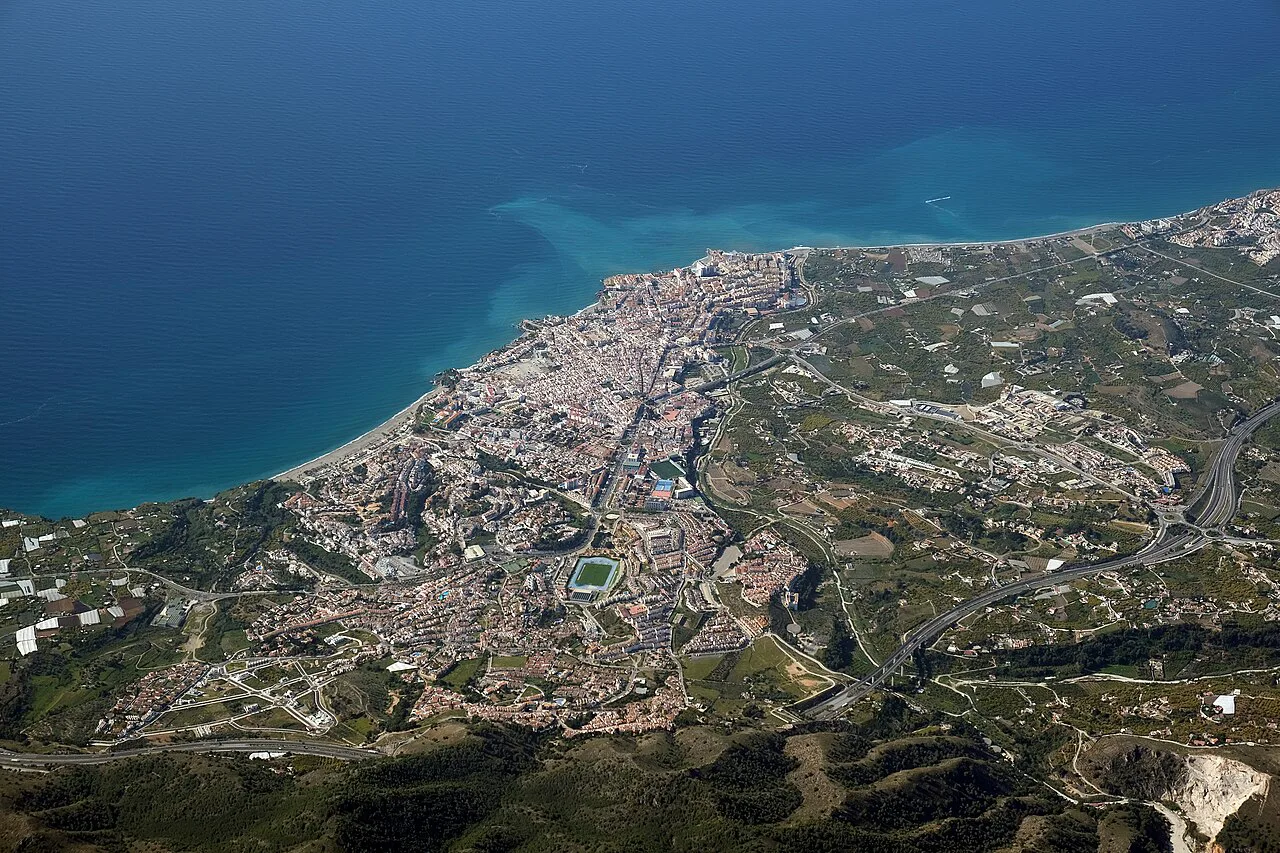
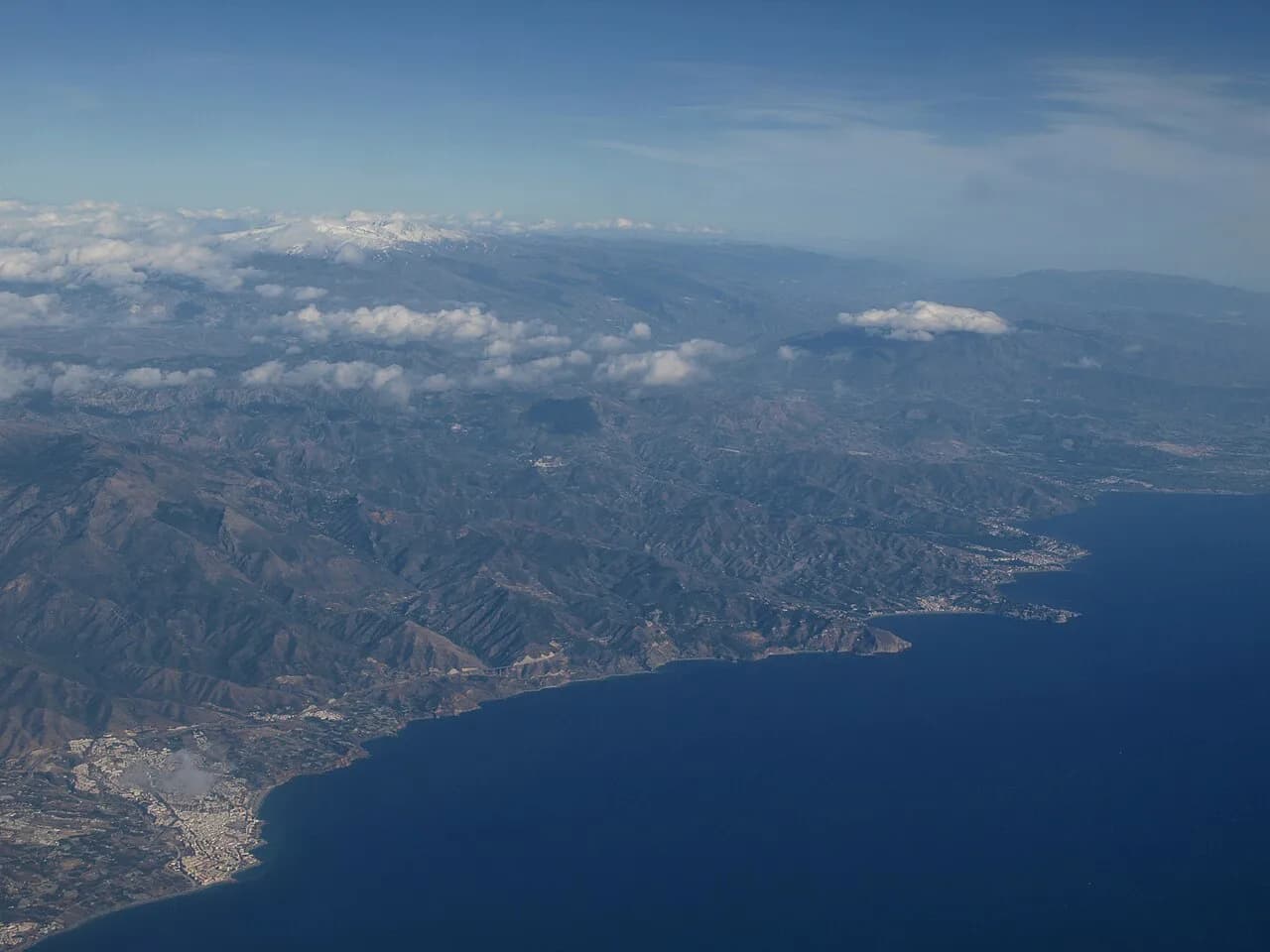
Nerja sits in the Axarquía, in Málaga province, at the eastern end of the Costa del Sol and near the border with Granada province. The coast here runs for 14 km, much of it protected, and the whitewashed centre is small enough to cross on foot. Málaga is the nearest city and the usual arrival point for the area.
What to do in Nerja first: the Balcón de Europa and the old town around it
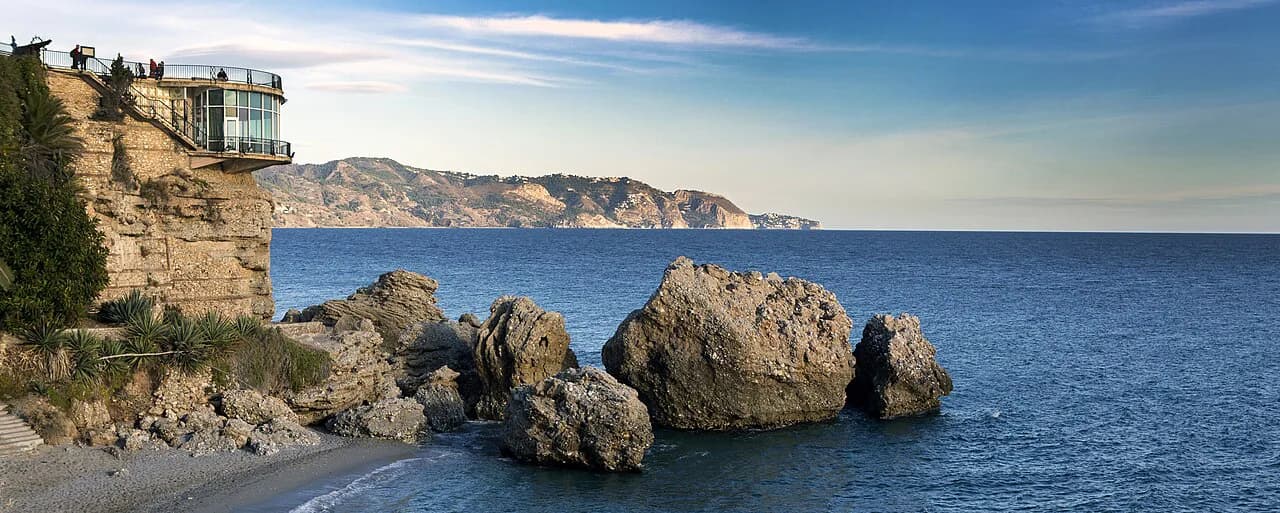
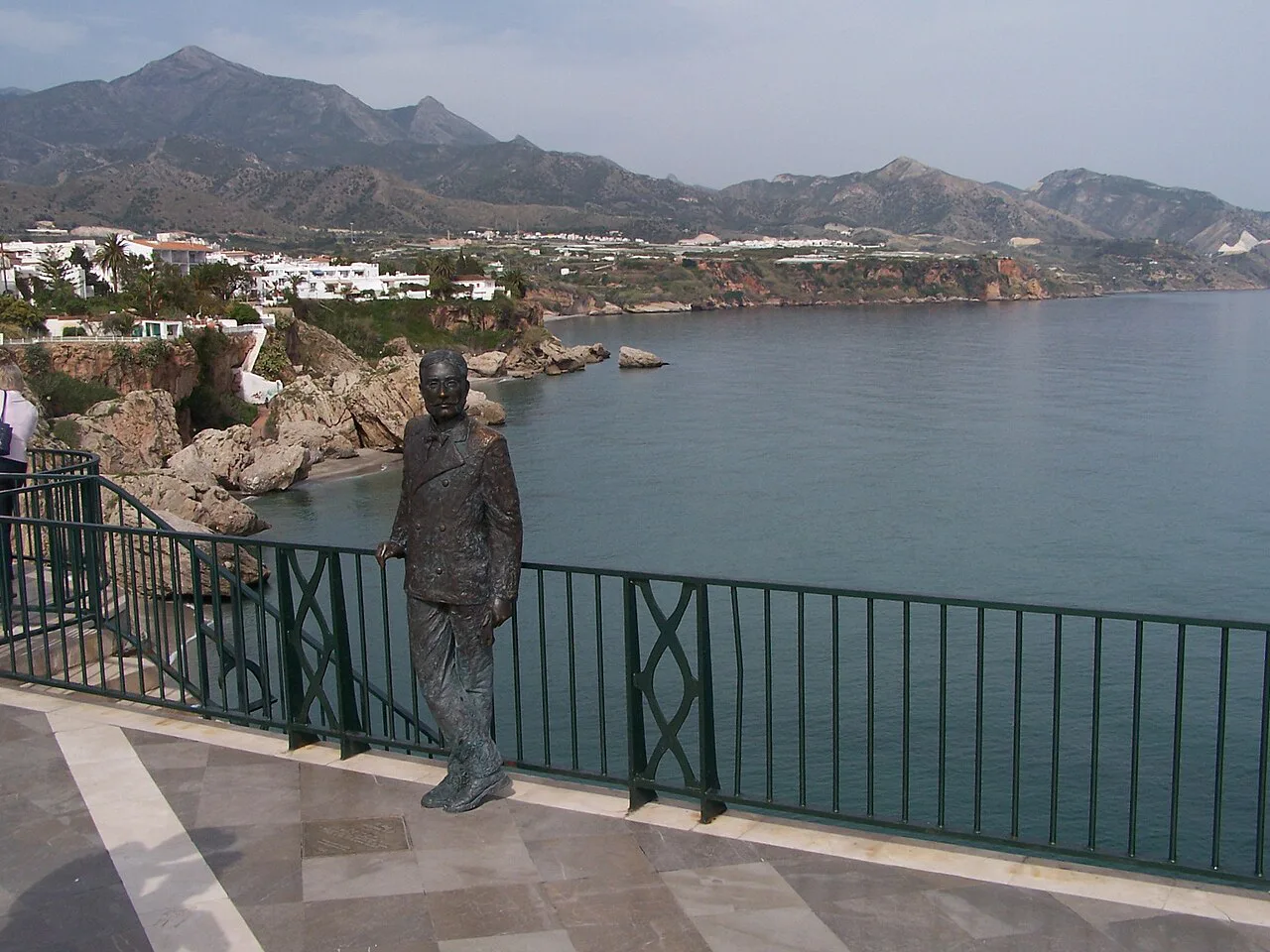
The Balcón de Europa is a promontory, the meeting point in the prolongation of Plaza Balcón de Europa, and it began as a defensive lookout before becoming the town's gathering place. From the railing you look down on the small Playa de Calahonda and along the cliffs. Go early or towards sunset: the open square is exposed at midday.
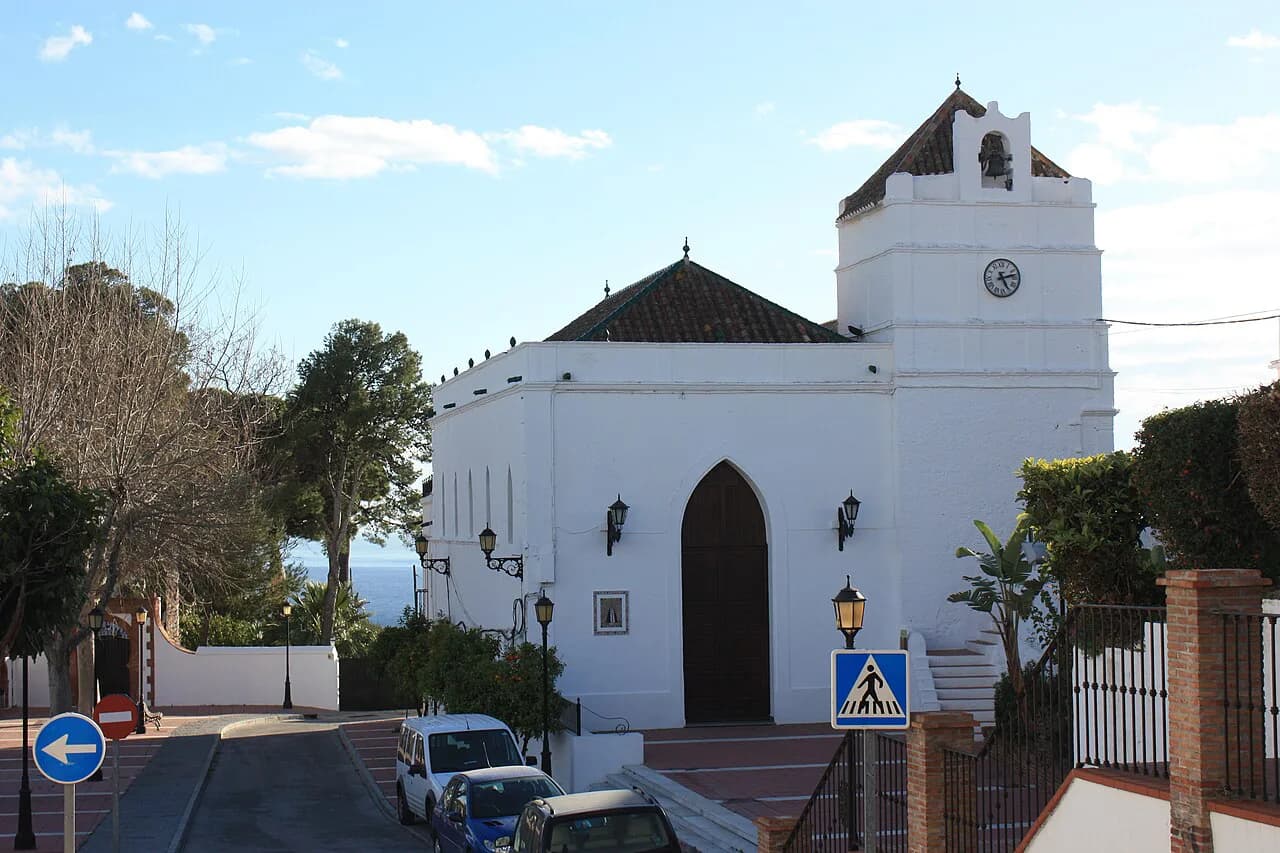
The Iglesia del Salvador stands beside the Balcón de Europa on the same square, a 17th-century building in Baroque and Mudéjar styles and the seat of Nerja's patron, the Archangel St Michael. It anchors the square visually and is the natural first thing to step into while you are there.
From the balcony, the old town runs inland along Calle Pintada and Calle Almirante Ferrándiz, the two main shopping streets, with smaller lanes between them. Everything here is a short walk from the balcony, so treat the square as your base and loop out from it rather than criss-crossing town.
The Cueva de Nerja: the great column and the early free slot
The Cueva de Nerja lies outside the centre and is the one sight here that needs planning: it is a large cave system, several kilometres of galleries, with stalactites and stalagmites throughout. The standout is the column in the Sala del Cataclismo, which reaches 32 metres and was recorded as a Guinness World Record.
The cave opens at 09:30, and on weekdays entry at that opening time is free; you reserve through the cave's own website. At other times the ticket costs 15.50 euros. That early slot is the reason to start your day here before walking into the centre.
Nerja's cave also holds Palaeolithic paintings attributed to Neanderthals and dated to around 42,000 years ago, which are described as the only known Neanderthal paintings. They are not part of the ordinary visit, so read up before you go if that is your reason for coming.
Old-town streets worth walking: Calle del Salón, Calle Carabeo and its miradors
Calle del Salón is a short street running towards the Playa del Salón, lined with old fishermen's cottages, and it is the most photogenic lane in the centre. Walk down it and you reach the small beach of the same name. A local tradition links the name to the Sephardic Jews expelled from the area in the 16th century, whose farewell was heard as shalom.
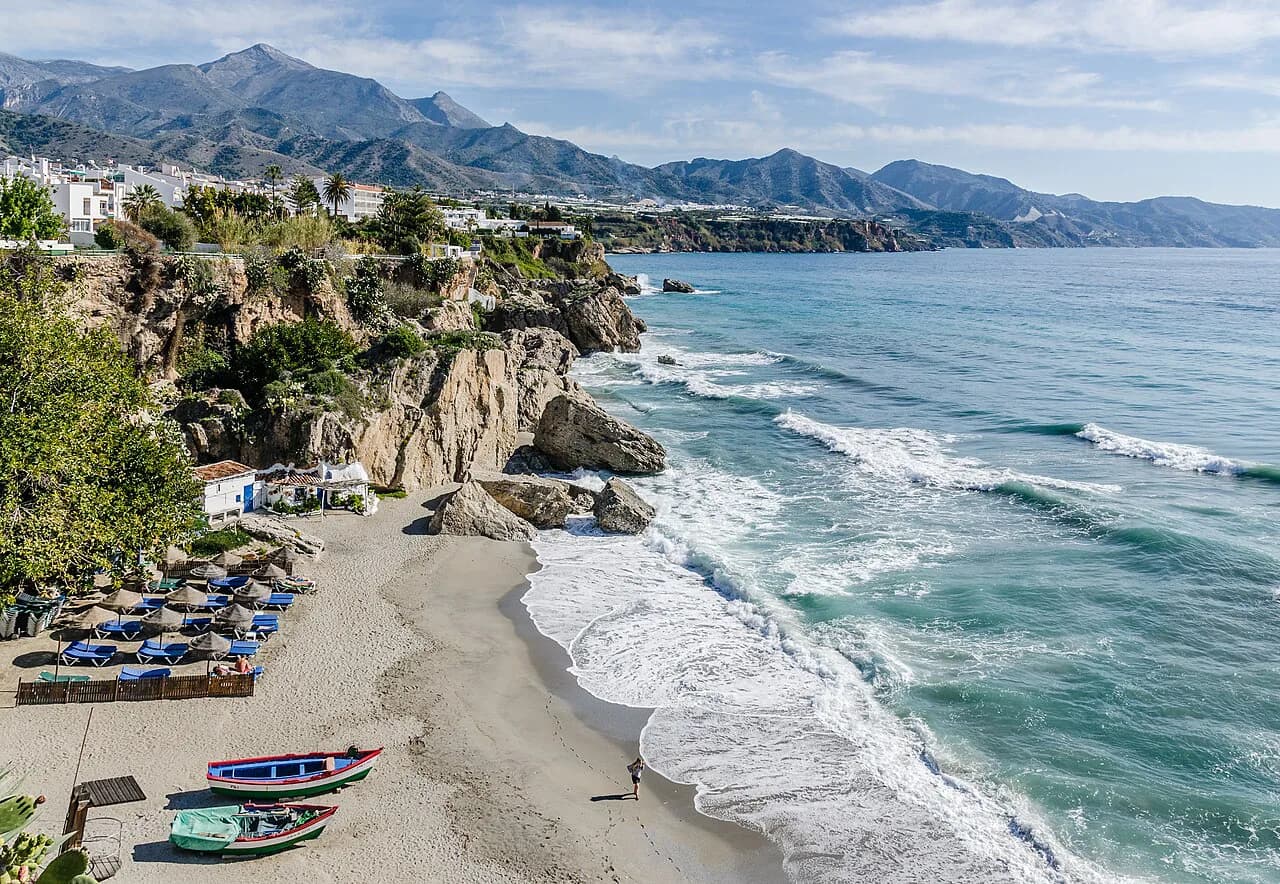
Calle Hernando de Carabeo, known simply as Calle Carabeo, starts beside Plaza Balcón de Europa and is quieter than the shopping streets. It has its own balcony over the sea and views down to the small Playa del Carabeillo, then continues to the Mirador del Bendito for a wide panorama. Below the mirador are the Carabeo and Carabeillo beaches.
Plaza de la Ermita, with the Ermita de Nuestra Señora de las Angustias, is a small square with an Andalusian feel that works as a pause between the centre and the coast road. The old town is easy to wander but easy to get lost in, so use the balcony and the plaza as fixed points. A street map of the centre saves time if you are only here for a day.
Churches and museums: Iglesia del Salvador, Plaza de la Ermita and the Museo de Nerja
Beyond the Iglesia del Salvador, the religious sights are small and easily combined with the streets above. The Ermita de Nuestra Señora de las Angustias on Plaza de la Ermita can be visited and gives the square its name. Churches in Andalusia close to visitors during mass, so plan a visit around service times rather than arriving at random.
The Museo de Nerja covers the town's history and sits near the Plaza de España. Treat it as the wet-weather or midday-heat option: it gives context on the cave and the coast without adding much walking.
Spanish practice matters here: small shops and some churches shut in the early afternoon, and inland Andalusian towns get fierce midday heat in summer. In Nerja the sea moderates the heat, but the cave and the centre still make sense in the morning, with the indoor sights saved for the hottest hours.
Verano Azul landmarks: the La Dorada boat and the Chanquete sculpture
Nerja became famous across Spain with the television series Verano Azul, broadcast from the early 1980s, and the town still trades on it. The boat La Dorada, Captain Chanquete's vessel, is remembered by a full-size replica parked on Calle Antonio Ferrandis Chanquete.
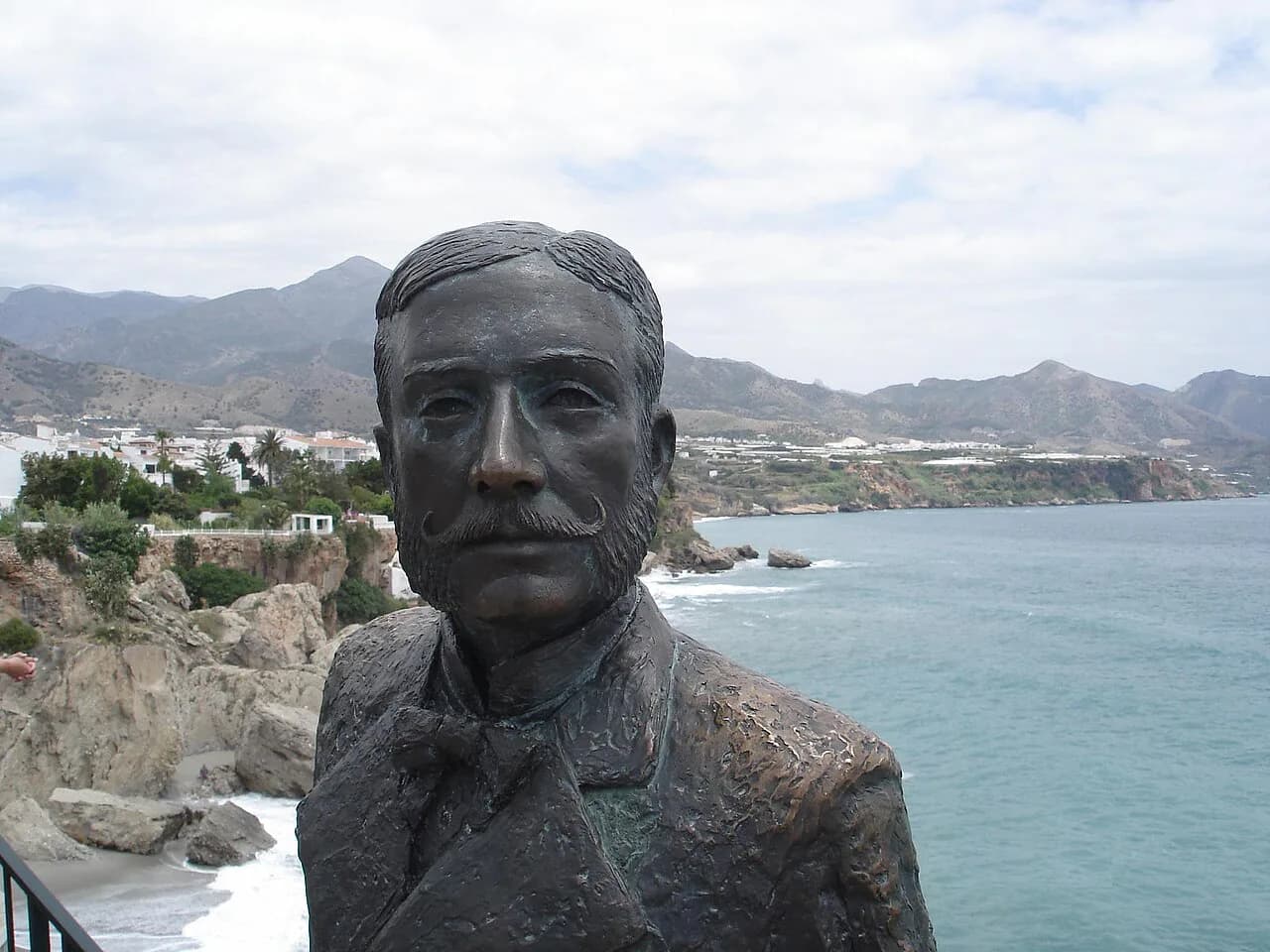
A sculpture of the actor who played Chanquete stands at the Mirador del Chanquete, so the television trail doubles as a viewpoint stop. For British visitors of a certain age the series is part of why the town is familiar, and the landmarks make a short detour rather than a sight in themselves.
Cliff and coast viewpoints: Calahonda, Carabeillo and the Acueducto del Águila
From the Balcón de Europa you look straight down on Playa de Calahonda, reached through the Boquete de Calahonda on Calle Puerta del Mar. It is a tiny, sheltered cove with a cave house, and it is best seen early before the beach fills. Playa de Burriana, the larger beach east of the centre, is where many visitors end the afternoon.
The Acueducto del Águila is an old aqueduct carrying water across a valley towards the coast, and it is one of the town's more unusual sights. The old sugar-cane factories nearby recall the era when the coast lived from cane rather than tourism. Both sit away from the central lanes, so fit them in only if you have more than a day.
Nerja's name comes from the Al-Andalus period, when the Arabs called it Narixa for its abundant water, fed by the Higuerón and Chillar rivers and the Arroyo de la Miel. That water, and the Sierra de Almijara behind the town, explain why the coast here feels greener than the built-up Costa del Sol further west.
Where Nerja sits: Axarquía, Málaga province and the Maro-Cerro Gordo park
Nerja is the last town on the Málaga coast before Granada province, which puts it at the edge of the Axarquía and within easy reach of the protected Maro-Cerro Gordo natural area. That stretch of coast, with the cliffs of Maro and Cantarriján, is why the shoreline here still looks wild.
The village of Maro sits just outside Nerja and gives its name to the caves. Frigiliana, a white village of stepped, cobbled lanes, is about ten minutes away by car. Neither is a walk from the centre, so plan them as a separate half-day.
Boat trips run from the coast here, which is a way to see the cliffs and the Maro-Cerro Gordo coves from the water rather than from the road. Check departure points and conditions before committing a day to it, since sea state decides the plan.
A walking order for one day in Nerja
Start at the Cueva de Nerja for the opening time, taking the free weekday slot if you have reserved it, and allow an hour or so underground. Then drive or take transport into the centre and head for the Balcón de Europa. Doing the cave first keeps the old town for the hours when the light is best on the cliffs.
From the balcony, walk Calle Carabeo to the Mirador del Bendito, drop to the Carabeillo and Calahonda coves if the tide and time allow, then loop back through Calle del Salón and the shopping streets to the Iglesia del Salvador and Plaza de la Ermita. Finish with the Museo de Nerja or the Verano Azul boat if either appeals. The whole circuit is short, but the steps to the coves add time.
If you have a second day, give it to Maro and the coast, or to Frigiliana, rather than trying to see everything on the first. Nerja rewards a slower pace: the balcony, the small coves and the lanes are the point, not a tick-list.
How long Nerja needs and how the town is laid out
The historic centre is compact: the Balcón de Europa, the Iglesia del Salvador, Calle del Salón, Calle Carabeo and the main shopping streets are all within a short walk of each other. A morning and an afternoon cover the centre comfortably, with the cave adding a separate block of time. Two nights gives you room for the coast and a nearby village.
The layout is easy to learn: the balcony marks the seaward end, Calle Pintada and Calle Almirante Ferrándiz run inland as the commercial spine, and the coastal road links the beaches. The cave, Maro and the Acueducto del Águila sit outside this grid and need transport or a longer walk.
Nerja is one of several Andalusian and Spanish coastal towns worth a short break, and the same logic applies elsewhere: group the sights by area, keep the cave or big monument for a booked slot and leave the lanes for wandering. The approach used here for the Balcón de Europa works in any old town, and the same holds for the things to do in a Coruña, where the old town and waterfront sit close together.
Practical points: heat, church closures and siesta hours
Summer on this coast is hot, and the open balcony and the walk to the cave have little shade. Do the outdoor sights early, keep the middle of the day for the cave or the museum, and carry water. Inland Axarquía villages such as Frigiliana are hotter still at midday than Nerja itself.
Churches in Spain close to tourists during mass, and small shops often shut in the early afternoon. Build the Iglesia del Salvador and the Ermita into the morning or late afternoon, and do not expect every shop on Calle Pintada to be open at three.
The cave's free weekday opening slot and the paid rate at other times are the one booking decision that shapes the day, so secure the cave ticket before you fix the rest. Opening days and prices for the cave and the churches change with the season, so check the cave's own website for the day you plan to visit.
Book the cave, then walk the balcony
Decide the cave first: reserve the free weekday opening slot if it fits, otherwise buy the paid ticket, and build the rest of the day around it. Then give the centre a morning and an afternoon on foot, starting and ending at the Balcón de Europa.
If there is a second day, put it towards Maro and the protected coast or the white village of Frigiliana rather than adding more of the centre. That is the honest split: the town is small, and the countryside around it is the reason to stay longer.
Explore more Nerja guides
Sources
Notes for your next Spanish town break
Optional updates to our guides.
You might also like
Continue reading
More guides you'll find useful