Things to Do in Oviedo: Old Town, Museums and Pre-Romanesque Churches
Plan a short break in Oviedo with the cathedral and Cámara Santa, old-town plazas, two art museums and the pre-Romanesque churches beyond the centre.
On this page
The best things to do in Oviedo are concentrated in a small old town called el Antiguo, so you can cover the cathedral, several plazas, a park and at least one museum on foot in a single unhurried day. The exception is the pre-Romanesque architecture on the hills outside the centre, which needs a car, bus or taxi. This guide groups the sights by area, explains what makes each one worth your time and sets out how the city fits a short break in Asturias.
Oviedo in a Nutshell: What the City Is Known For
Oviedo is the capital of Asturias, in Spain's green north, and its reputation rests on three things: a Gothic cathedral holding pre-Romanesque relics, a dense medieval core of arcaded plazas, and early medieval churches on the edge of town that carry UNESCO World Heritage status. The city also hosts the annual Princesa de Asturias awards, presented at the Teatro Campoamor, which gives the centre a certain civic polish.
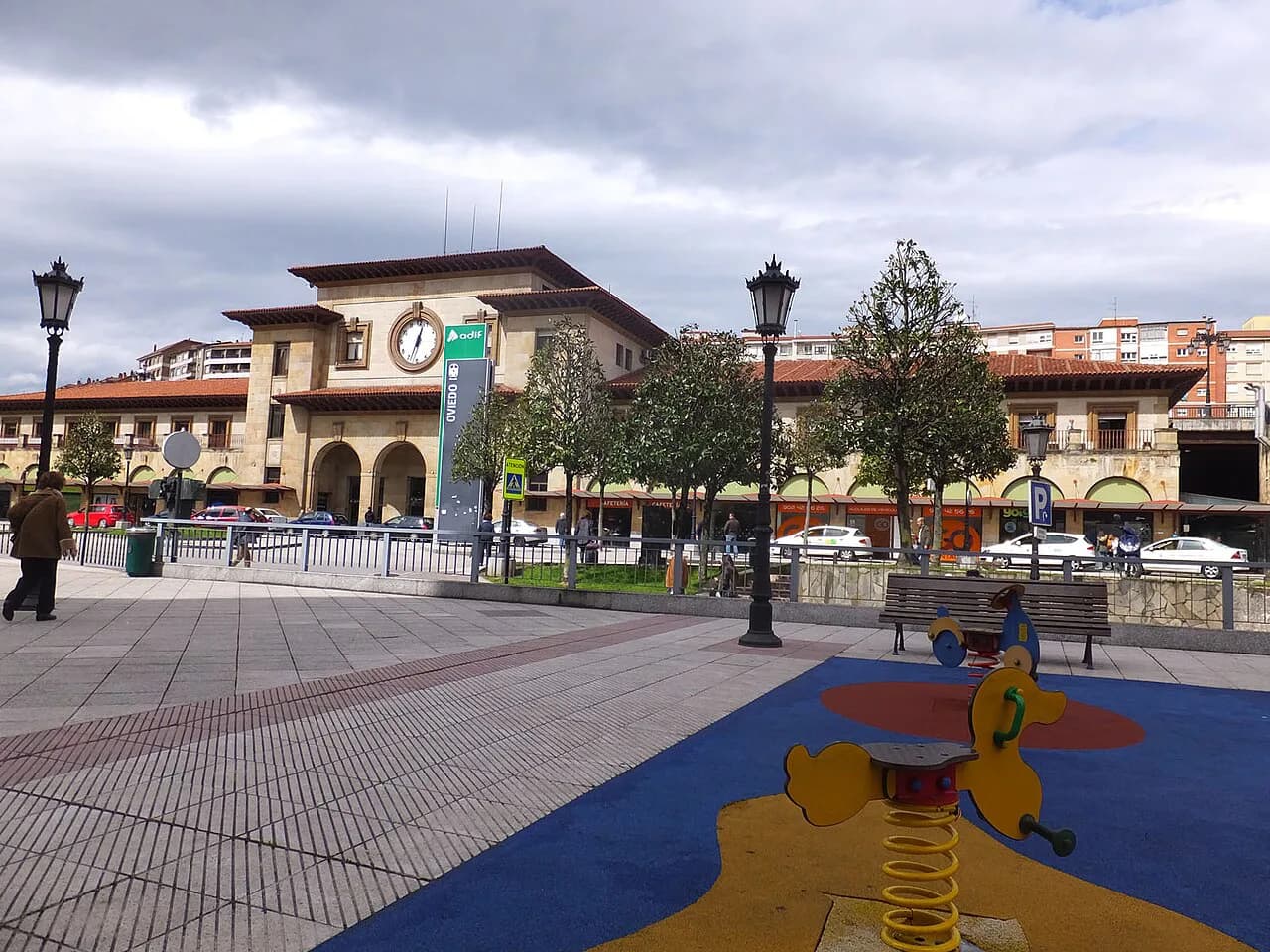
The layout is straightforward. Calle Uría runs from the railway station to the edge of the old town, so the natural first move is to walk that street and then step into the tangle of lanes around the cathedral. Almost everything named in this guide sits within that core or a short walk from it, and the outlying churches are the one part of an Oviedo visit that needs wheels.
The Old Town on Foot: Plaza Alfonso II el Casto and the Cathedral Square
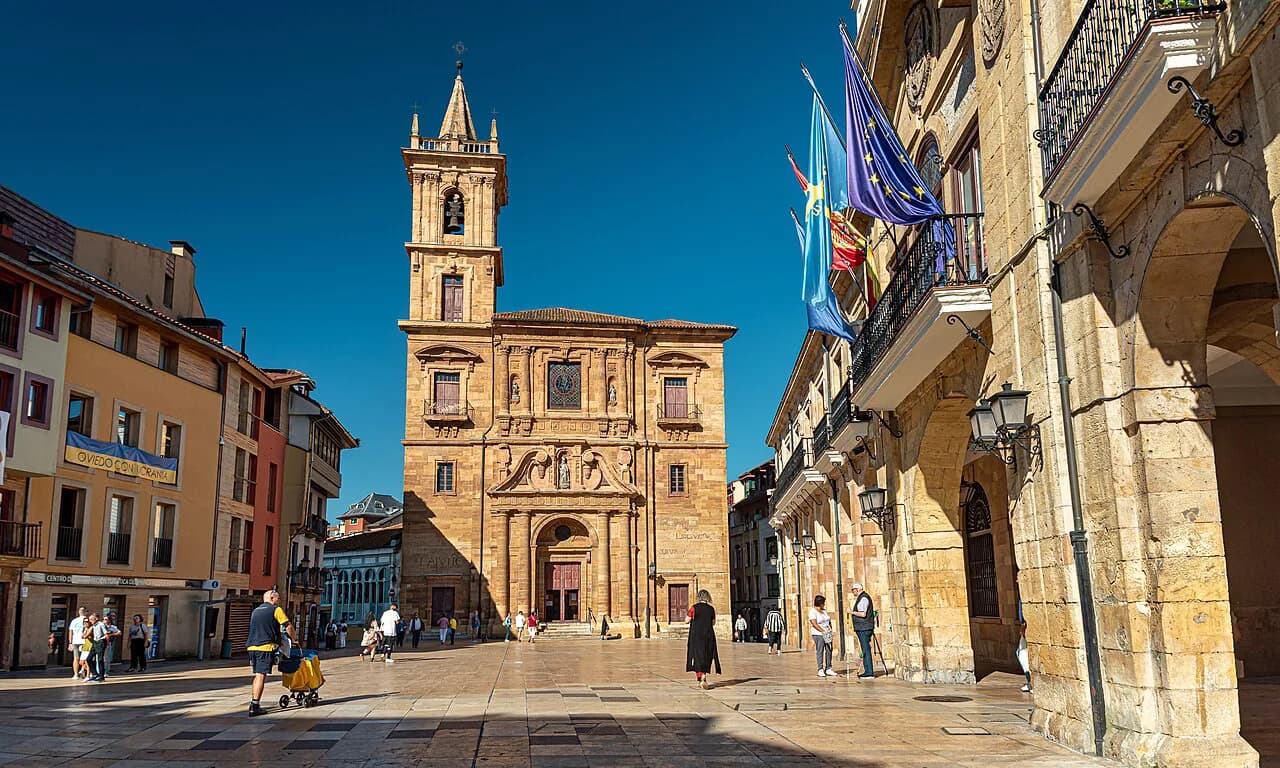
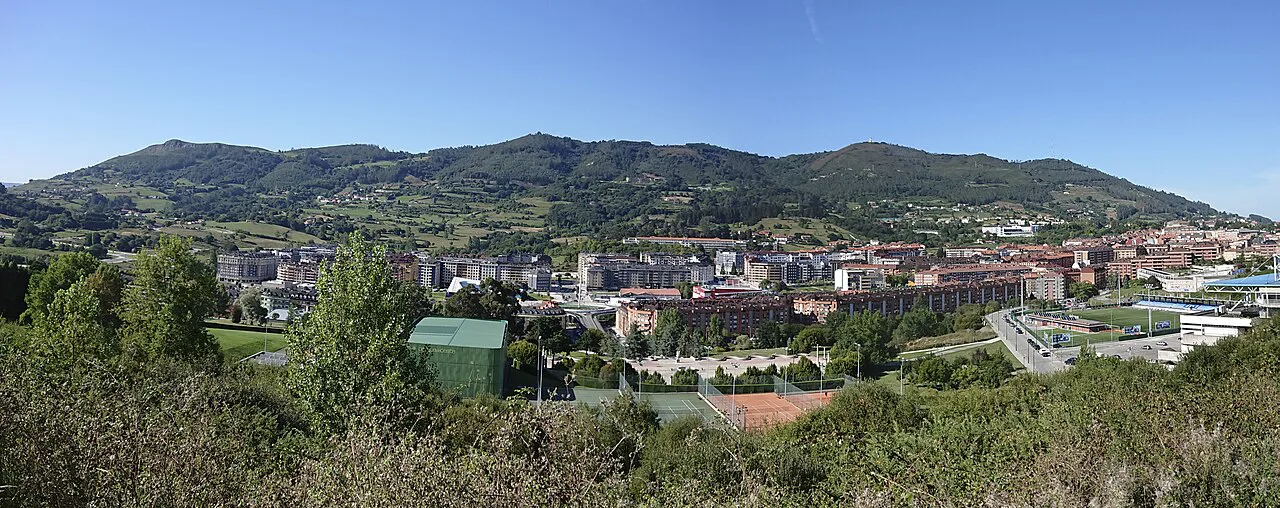
Start at the Plaza Alfonso II el Casto, the official name of the square most people call the Plaza de la Catedral. It holds the cathedral, the Museo de Bellas Artes and the Palacio de Rúa, and it is also where you find the statue of La Regenta, the heroine of Leopoldo Alas Clarín's novel. Treat the square as your orientation point rather than somewhere to tick off and move on.
From there, walking rather than mapping is the pleasure of Oviedo old town: lanes open unexpectedly onto arcaded squares, and the streets between the cathedral and the Fontán are short enough to wander without a plan. Give the core a couple of hours on foot before you commit to any interior, because the scale becomes clear quickly.
Oviedo Cathedral and the Cámara Santa
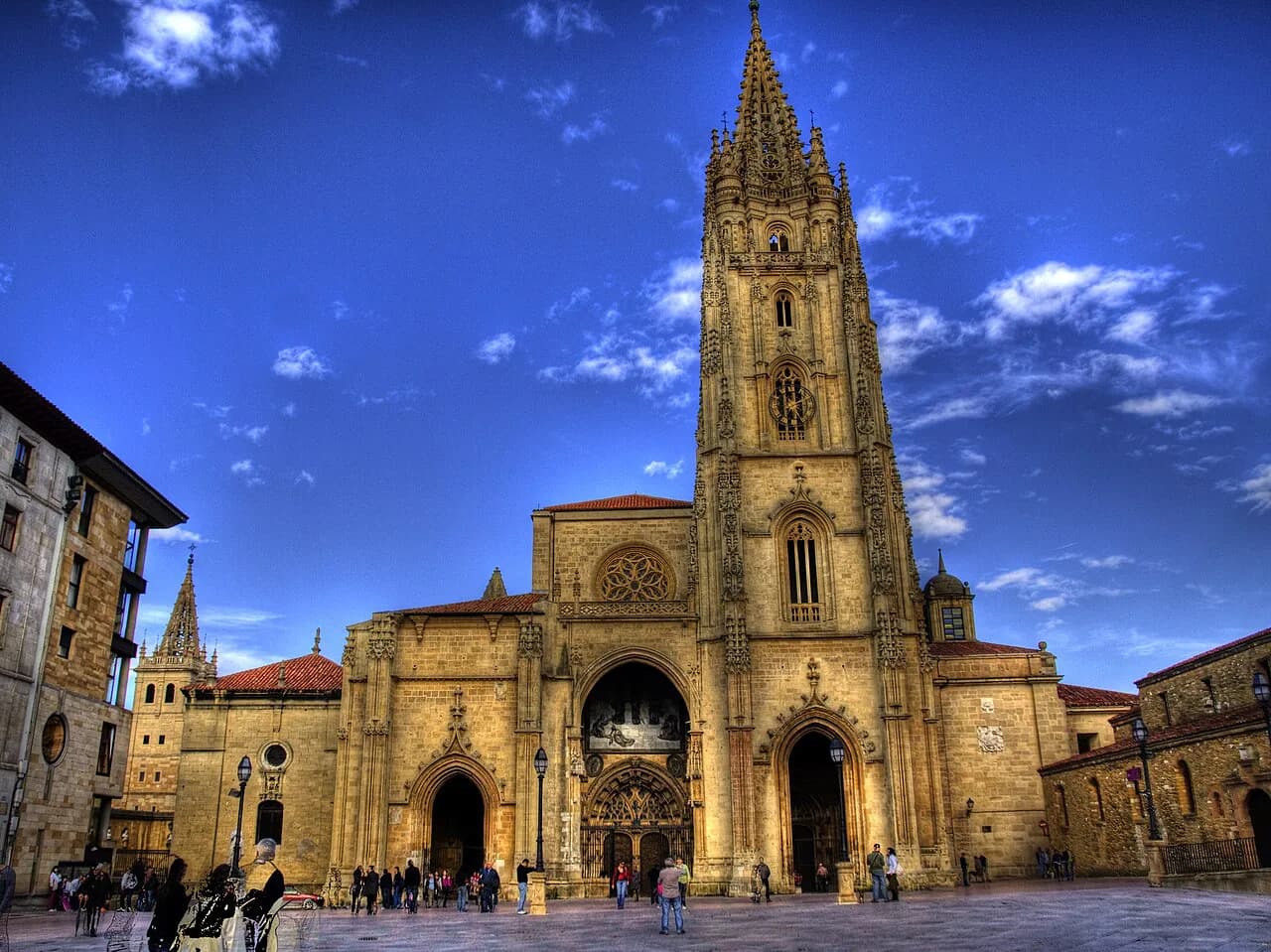
The Catedral de San Salvador is the city's central monument, built over several centuries, which is why Gothic, Romanesque, Renaissance and Baroque work sit alongside each other. Its pre-Romanesque Cámara Santa is a UNESCO World Heritage Site and holds the cathedral's most valuable pieces, including the Cruz de la Victoria, the Cruz de los Ángeles and the Arca Santa. Beneath the chamber lies the Cripta de Santa Leocadia, another space of real historical weight.
For visitors the practical decision is how much of the cathedral to take on: the Cámara Santa and the cloister are the two parts most often singled out, but the walnut doors and the interior as a whole reward a slower pass. Guided visits of the interior are sold, which suits anyone who wants the relics explained rather than merely seen. As with any working cathedral in Spain, tourist visits pause for mass, so time your arrival around the services posted at the door.
Which Museum to Pick: Bellas Artes or Arqueológico
Oviedo has two museums worth building a day around, and they do different jobs. The Museo de Bellas Artes de Asturias, next to the cathedral square, is the one for painting and sculpture, and it sits so close to the Cámara Santa that pairing them costs almost no walking. The Museo Arqueológico de Asturias is the better choice if you want the region's prehistory and the context behind the pre-Romanesque sites you may see later.
If you have time for only one, choose Bellas Artes to stay in the old town and keep your day compact, or the Arqueológico if the Asturian past is your reason for coming. Neither demands a whole afternoon, so a museum plus a cathedral visit plus a walk is a realistic shape for one day. Opening hours and any free-entry slots change through the year, so confirm them on each museum's own site before you go.
Plazas Worth Stopping At: Trascorrales and El Fontán
The Plaza de Trascorrales is the prettiest small square in the old town, ringed by colourfully painted buildings with iron balconies, and it works best as a pause rather than a destination. It is also a natural place to sit under the arcades with a glass of sidra and watch the city go about its business.
The Plaza del Fontán, close by, is the other square to know: larger, busier and a useful landmark when you are finding your bearings between the cathedral and Calle Uría. Together with Trascorrales it forms the second half of any old-town wander, and both are free to enjoy at any hour.
Calle Uría, the Teatro Campoamor and the Campo de San Francisco
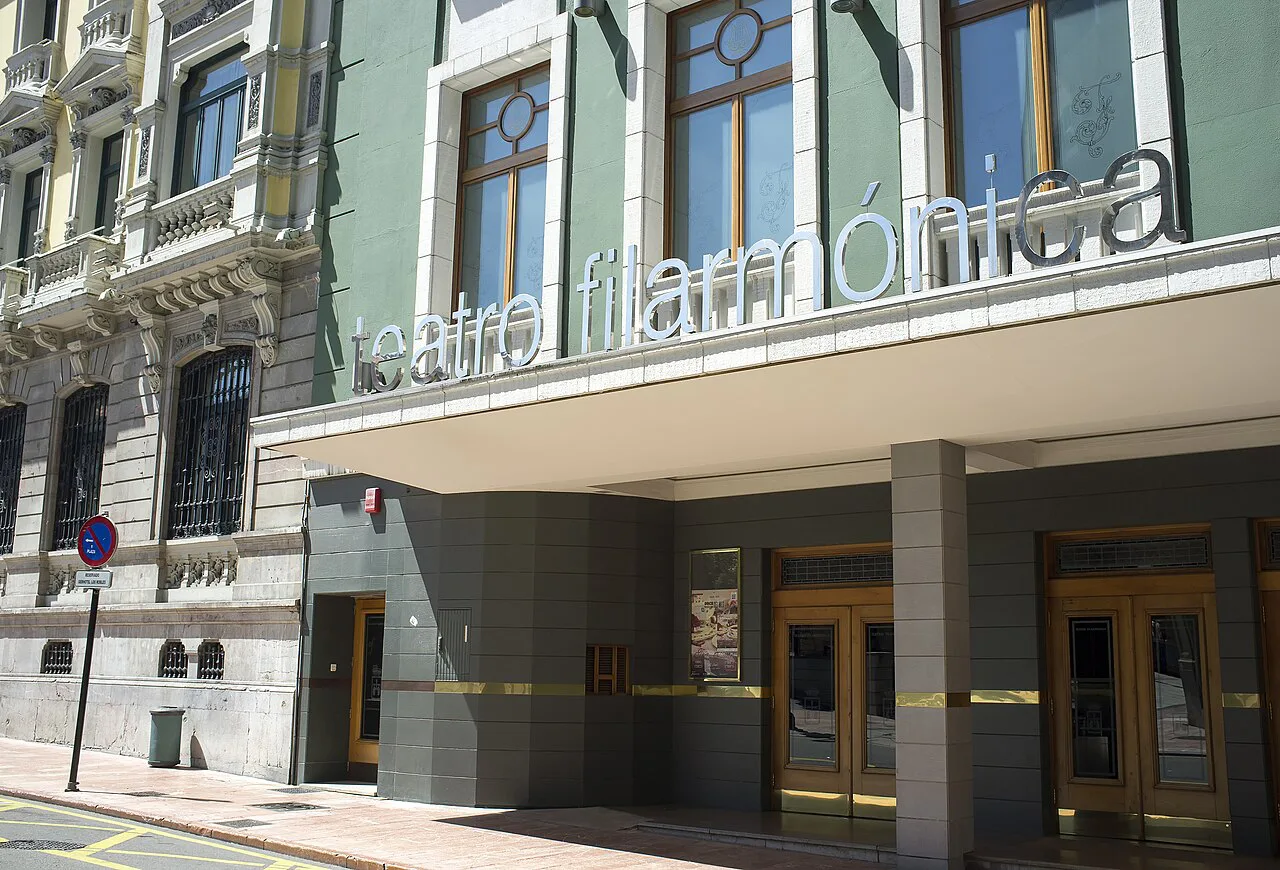
Calle Uría was laid out to link the historic centre with the railway station and is now Oviedo's main shopping street, close to a kilometre of shops, cafés and some genuinely grand facades. It makes a sensible first or last stretch of the day because it delivers you to the old town without any transport. The Teatro Campoamor sits across the street from it, an 1892 opera house that hosts the Princesa de Asturias awards and runs a zarzuela season; occasional guided visits take visitors backstage.
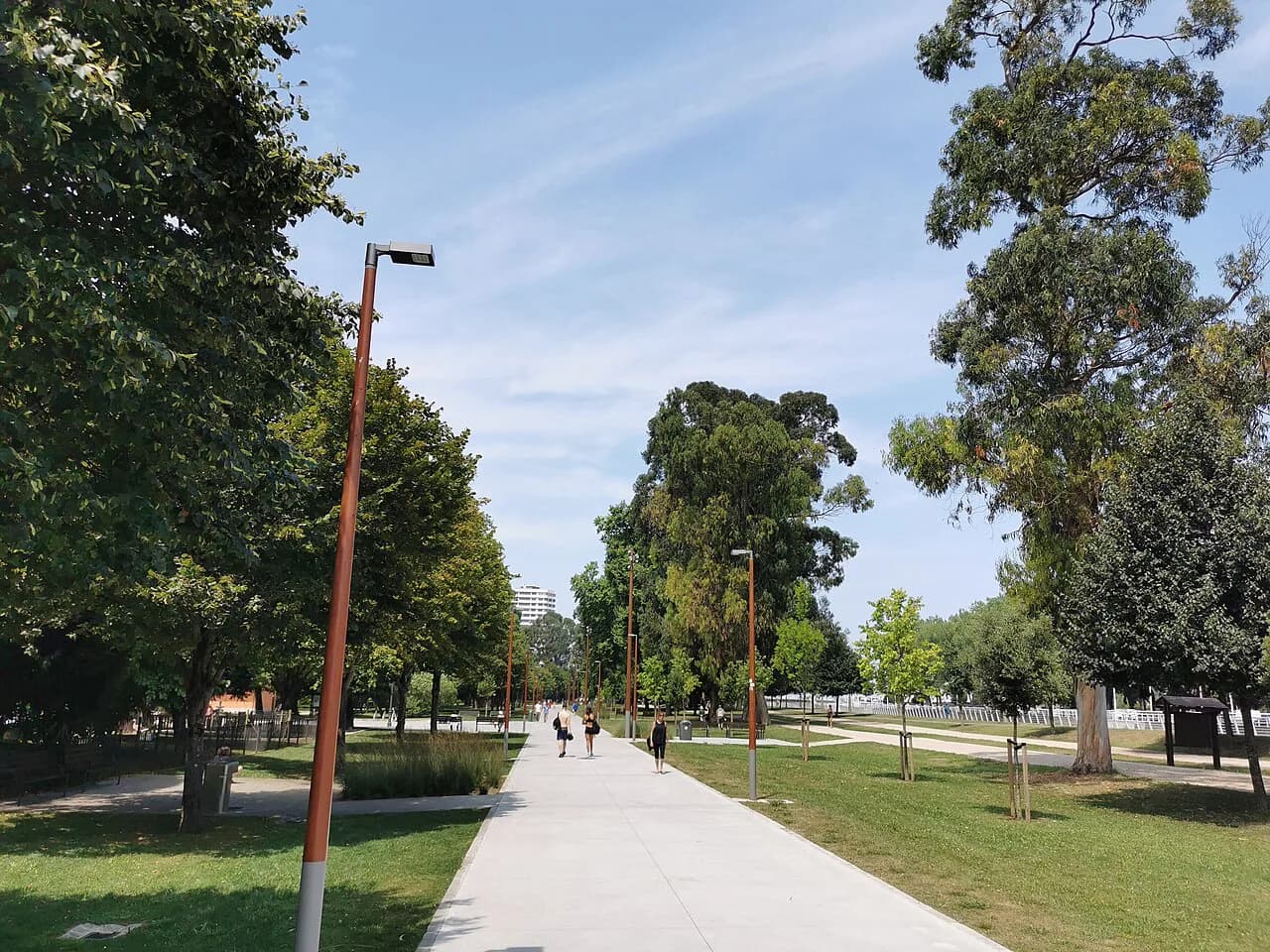
The Campo de San Francisco, five minutes' walk from Calle Uría, is the city's largest park and its main green lung, laid out on what were once the vegetable gardens of a Franciscan convent. Expect gardens, a bandstand, two ponds and scattered sculptures, plus the Mafalda statue on a bench by the duck pond, installed when her creator Quino received the Princesa de Asturias award. It is the obvious place to slow down between museums.
Oviedo's Statues: La Regenta, Mafalda and Woody Allen
Oviedo has made a quiet speciality of street sculpture, and hunting them gives a walk through the centre a purpose beyond the monuments. La Regenta stands in the cathedral square, Mafalda sits in the Campo de San Francisco, and there is a Woody Allen figure among the city's better-known pieces. None takes more than a minute to see, which is precisely why they work as a thread between the plazas rather than a separate outing.
Calle Gascona and Sidra Asturiana
Calle Gascona is Oviedo's sidra street, lined with cider houses where Asturian cider is poured in the traditional way. Even if you are not stopping for a meal, walking it gives you a sense of the local ritual around cider, which matters more here than in almost any other Spanish city. It is a short detour from the old town and easy to fold into an evening.
The Pre-Romanesque Churches Outside the Centre
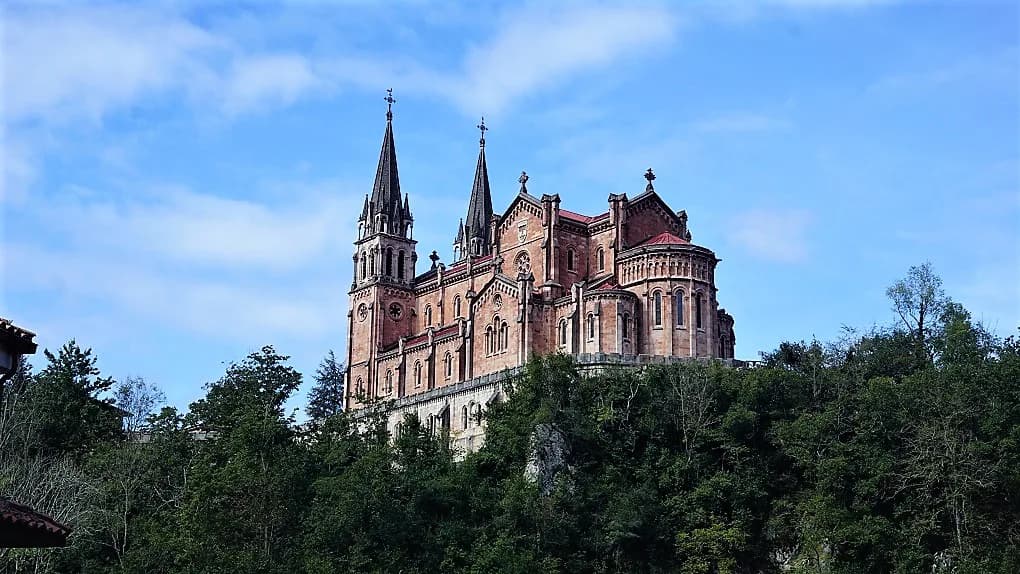
Santa María del Naranco and San Miguel de Lillo stand on the slopes of Monte Naranco above the city and are the architectural reason many travellers come to Oviedo at all. One source describes Santa María del Naranco as a pre-Romanesque church; it and San Miguel de Lillo belong to the same early medieval programme and are visited on the same trip.
These sites sit well outside the walkable core, and both local guides treat them as the part of an Oviedo visit that needs a vehicle. That is the key planning decision: either give up half a day to a taxi, bus or car, or accept that the centre alone will fill your time. Visiting hours for the churches are limited and separate from the city museums, so check the Asturian tourism site before setting out.
A Sample Day in Oviedo
Begin on Calle Uría, walking from the station end towards the centre, then cut into the old town via the Plaza del Fontán and the Plaza de Trascorrales. Reach the Plaza Alfonso II el Casto for the cathedral and, if the timing works, the Cámara Santa, then take the cloister slowly. A museum after lunch keeps you off your feet during the wettest part of an Asturian afternoon.
Finish with the Campo de San Francisco and the Mafalda bench, then walk down to Calle Gascona for cider, or double back to Calle Uría for the shops. If you want the pre-Romanesque churches, move them to a second morning when you have transport arranged, rather than squeezing them into the same afternoon. This order keeps the walking short and puts the indoor stops where the rain is most likely to catch you.
How Long Oviedo Needs and How It Fits a Northern Spain Break
One full day covers the old town, the cathedral and one museum at a comfortable pace, and a second day lets you add the Monte Naranco churches without rushing. If you only have an afternoon, prioritise the cathedral, the Cámara Santa and a wander between the plazas. If you are linking towns, Gijón and Avilés are the closest neighbours and both are treated as natural companions to Oviedo in Asturian itineraries.
Oviedo is also a manageable stop within a wider northern circuit: the coast and the Picos de Europa lie beyond, and travellers heading west towards Galicia can compare notes with our guide to things to do in A Coruña when planning the second half of the trip. What Oviedo is not is a beach base or a nightlife city; its appeal is architecture, museums and the old town's everyday life.
Getting Around Oviedo on Foot
The old town is genuinely walkable and, once you are inside it, flatter than its hillside setting suggests. Calle Uría links the station to the centre, and the Campo de San Francisco is only minutes from the shopping street, so a car is a liability in the core. For the Monte Naranco churches, the reverse applies: they are the one part of Oviedo that rewards arranging transport in advance.
Use the Oviedo Map to fix the relative positions of the cathedral square, the Fontán, Calle Uría and the park before you arrive, because the street pattern is medieval and a rough mental picture saves a lot of doubling back. Beyond that, the city is small enough that the map is a support rather than a necessity.
Practical Trade-Offs: Rain, Church Hours and Museum Days
Oviedo's weather is Atlantic, which means rain spread across the year rather than Andalusian midsummer heat, so the sensible plan builds in indoor stops such as the cathedral, the Cámara Santa and the two museums instead of relying on a dry afternoon. Churches are working buildings, and tourist visits stop for mass; the cathedral publishes its service times, which is where to look rather than guessing. Museum opening days vary, so confirm the specific day on each museum's own site before travelling.
Spain's inland cities punish midday summer walking, but that is less of an Oviedo problem than a wet-day problem, and the compact centre means you are never far from shelter. The trade-off for the pre-Romanesque churches is time and transport: they are short visits that consume half a day once travel is counted. Decide which of those two constraints matters more to you before you book.
Should Oviedo Be Your Next Northern City Break?
Yes, if you want a compact, cultured Spanish city where the main sights sit within a walk of each other and the surrounding countryside holds early medieval buildings of real importance. Book around the cathedral and the old town for one day, then decide whether the Monte Naranco churches justify a second.
Check the cathedral's service times and each museum's opening days before you travel, and arrange transport for the churches if you intend to see them. Our Oviedo Attractions hub gathers the individual monument guides in one place.
Explore more Oviedo guides
Frequently Asked Questions
Where is Oviedo located in Spain?
Oviedo is the capital of Asturias, in the north of Spain, set slightly inland between the Cantabrian coast and the Picos de Europa. It is reached by train and road from the rest of northern Spain, and its historic centre sits a short walk from the main railway station along Calle Uría.
Is Oviedo an expensive city to visit?
The main sight in the city, the cathedral, charges for entry, and the two main museums publish their own ticket prices and any free-entry periods on their websites. The plazas, the old town, Calle Uría and the Campo de San Francisco cost nothing, so a day in Oviedo can be kept inexpensive by choosing one paid interior.
Do I need a car to see the pre-Romanesque churches near Oviedo?
They sit outside the walkable centre on Monte Naranco, and local guides treat them as the part of an Oviedo visit that requires a vehicle. A taxi, bus or car is the practical way to reach Santa María del Naranco and San Miguel de Lillo, and their visiting hours should be confirmed with the Asturian tourism authority.
Sources
Notes for your next Spanish town break
Optional updates to our guides.
You might also like
Continue reading
More guides you'll find useful