Oviedo Map: Old Town, Plazas and Monuments by Area
A visitor's map guide to Oviedo, grouping the cathedral, plazas and Monte Naranco churches by area, with walking links and arrival points.
On this page
Oviedo's map splits into two halves: a compact, flat historic centre you can cross on foot in one sweep, and Monte Naranco on the northern edge, which needs its own trip up. Grouping the sights by area rather than following a numbered list lets you draw a route around your arrival point, whether that is Plaza de la Escandalera or a car park on the edge of town. This guide covers those areas, the streets linking them and the monuments further out.
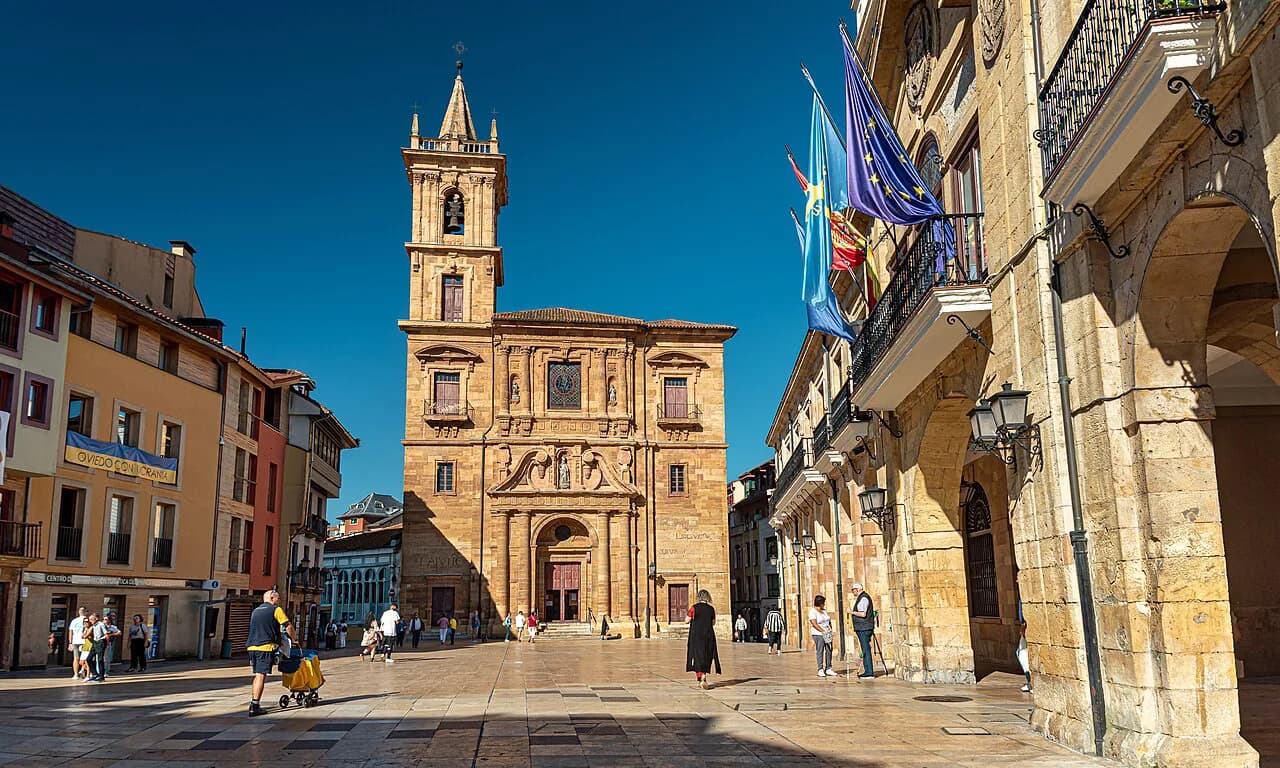
The centre stacks its main monuments tightly. The Catedral de San Salvador, the Cámara Santa and the Santo Sudario sit in one quarter; the plazas at the heart of the city string together a few minutes' walk apart; and a green space with the Teatro Campoamor borders the east side. Anything you plan for the city itself should assume walking, since every sight in the old centre is on flat ground.
The cathedral quarter
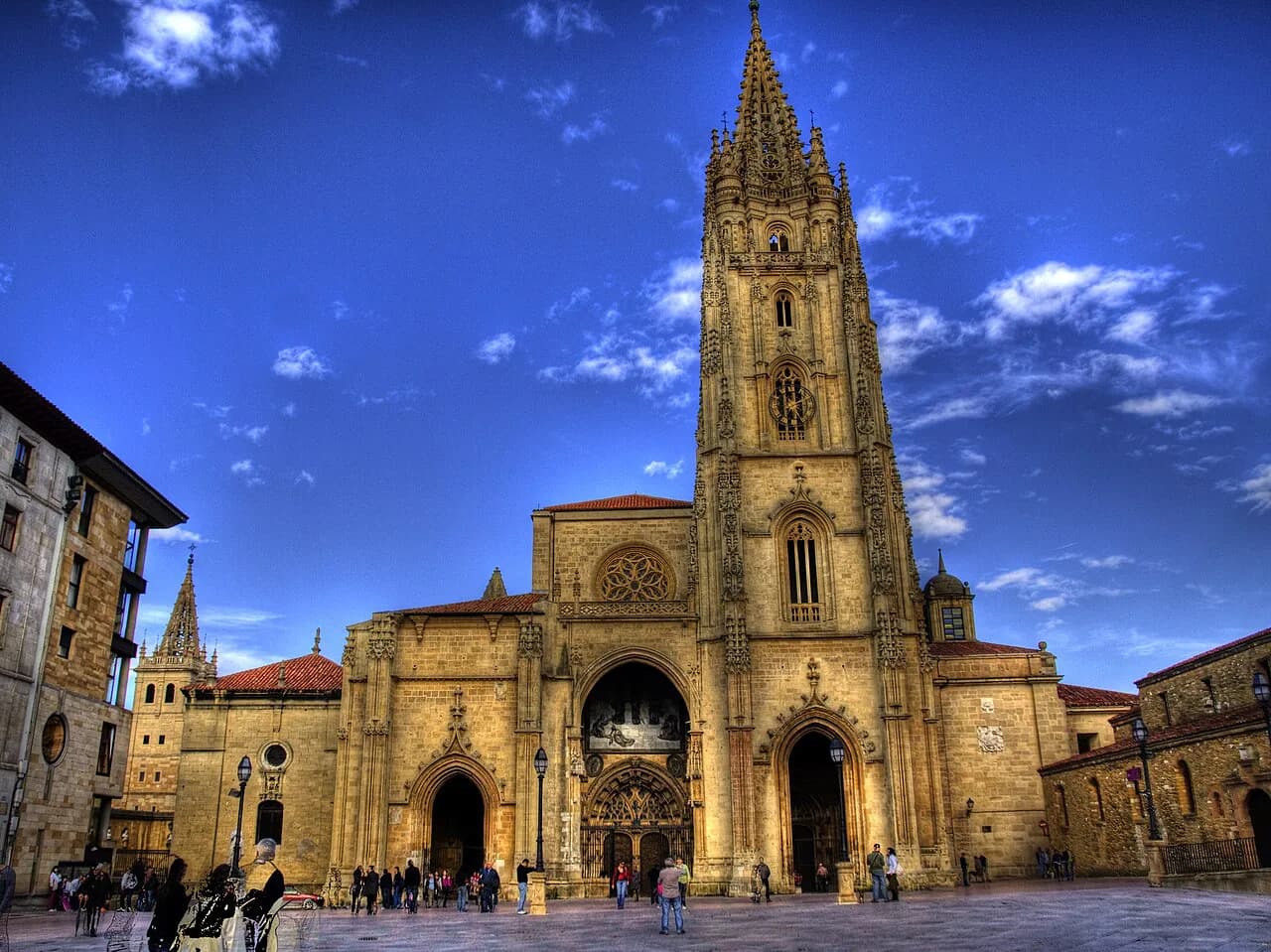
Start your map at the Catedral de San Salvador, the anchor of the old centre. The Cámara Santa holds the Santo Sudario and the Cruz de la Victoria among the pieces known as the Joyas de Asturias, which makes the cathedral complex the one sight worth planning around rather than slotting in. The streets immediately around it are the tightest part of the map, so allow for slower progress here than on the wide plazas.
Treat the cathedral as a fixed point and build the rest of your route outward from it. The Cámara Santa and the Santo Sudario are inside the cathedral complex, so they belong to this quarter rather than to the Monte Naranco leg. Details of when the cathedral admits sightseers and what it charges are best confirmed through the cathedral's own published information before you set out, since tourist access can be suspended around services.
The plazas at the centre
Four plazas do most of the work of orientation: Plaza de la Escandalera, Plaza de Feijoo, Plaza Trascorrales and Plaza del Fontán. They sit close enough together that you can link them on foot and use them as waypoints when the medieval street pattern turns confusing. Plaza de la Escandalera is the one to memorise, because it doubles as the centre's main arrival point for buses and cars and is the most straightforward place to regain your bearings.
Use the plazas as a chain rather than as separate stops. Walking from Escandalera through Feijoo towards Trascorrales and the Fontán takes you past churches and civic buildings without a detour, and each square gives you a clear sightline to the next stretch. A guide to the city's fifteen key sights lists these squares alongside the cathedral and the sculpture route, which confirms they sit on the natural walking line through the centre.
Shopping and strolling streets
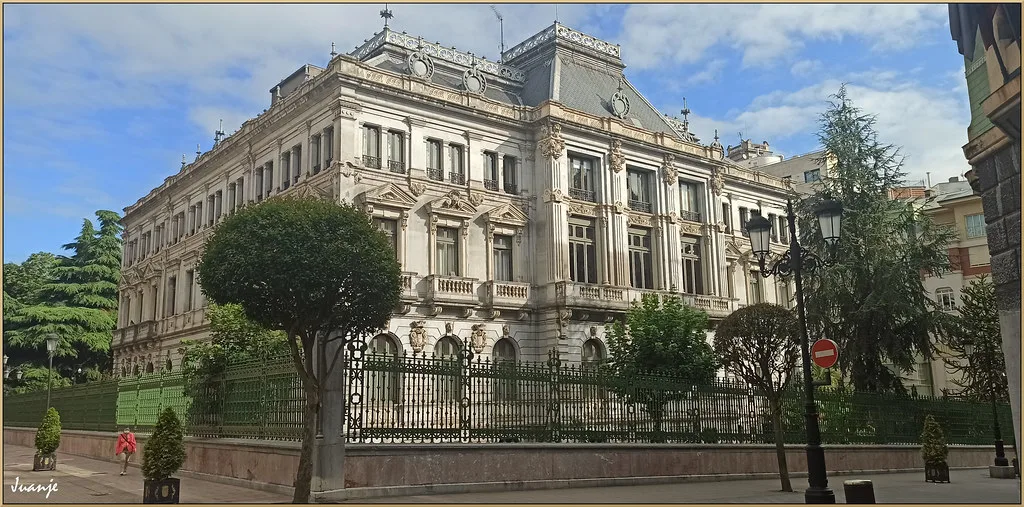
Calle Uría and the parallel streets running off it form the commercial spine, and they are where the map turns from monuments to shopfronts. Calle Mon and Calle Gascona connect the shopping grid back towards the plazas, so you can cross the centre without retracing steps. Spanish retail hours mean some shops close in the middle of the day and on Sundays, which makes the streets most useful as a walking link rather than as a fixed shopping stop.
Plan the shopping streets for the part of the day when you want a break from churches. They run east-west across the centre and give you a shortcut between the cathedral quarter and the plazas without another monument in between. If your break is short, treat Calle Uría as your return line to Plaza de la Escandalera and pick up the cathedral again from there.
Green space east of the centre
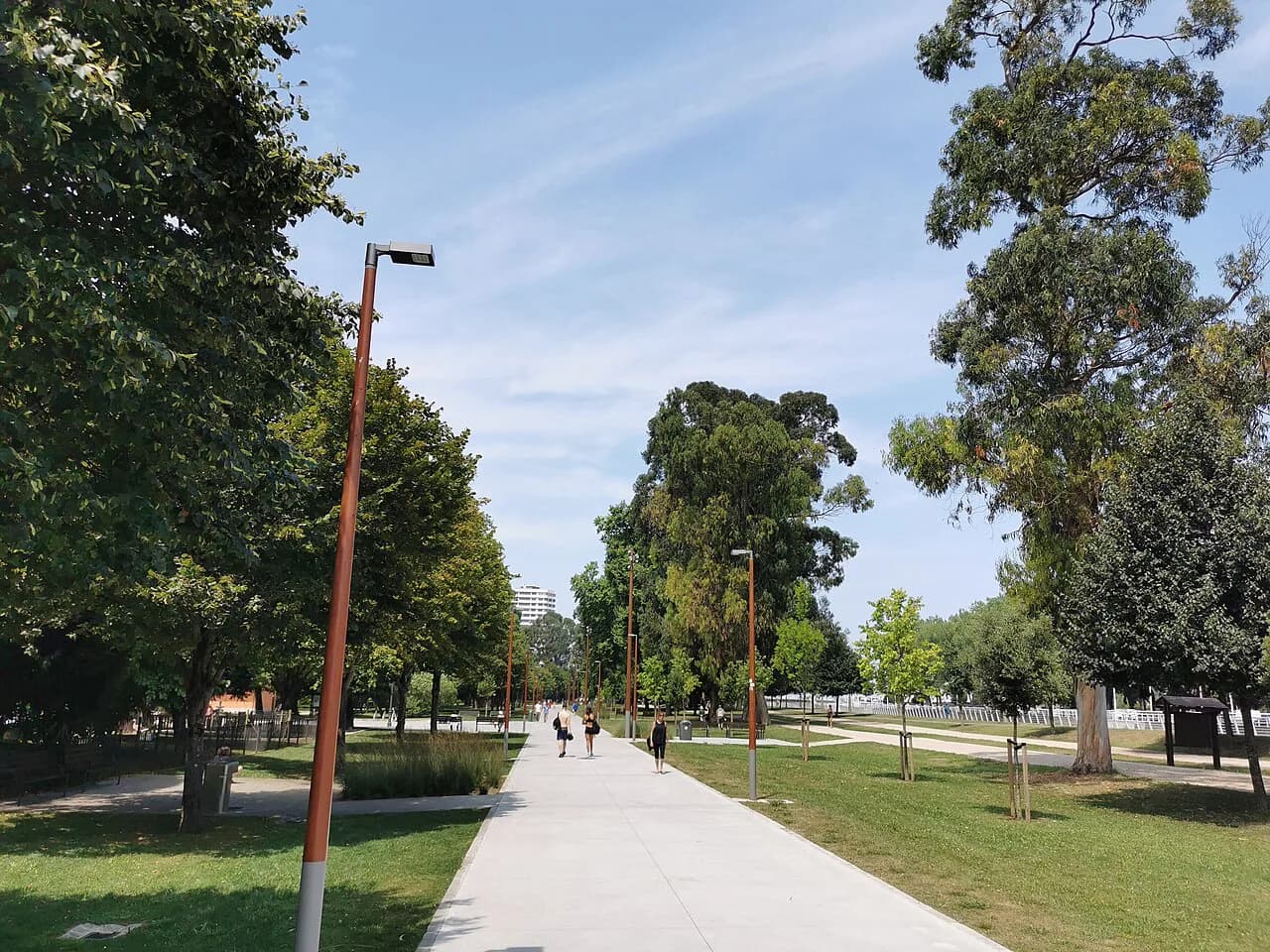
Campo de San Francisco is the largest green space inside the city centre, and the Teatro Campoamor sits beside it. On the map it marks the eastern edge of the walkable core: cross the park and you are through the historic centre rather than heading towards another cluster of monuments. That makes it a natural turning point on a loop, rather than a sight to tick off.
Pairing the park with the theatre works because they share the same block of the map. The park is also where you can sit out the middle of the day in summer without giving up ground, as Oviedo's northern climate is gentler than the inland Andalusian cities. If you are short of time, walk the edge of the park that faces the theatre and leave the rest for a longer stay.
The sculpture route as a way of crossing the centre
Oviedo's street sculpture works as a navigation aid as much as an attraction: the pieces are scattered through the public streets, so following them carries you across the centre on foot. The Botero maternity figure on Plaza de la Escandalera is one of the landmarks that anchors that route to a square you will already be using for orientation. Treat the sculptures as a path between areas rather than a single stop.
This is the best way to cover ground you would otherwise walk twice. Set out from one plaza, follow the sculpture trail through the streets, and pick up the cathedral quarter or the shopping streets at whichever end suits your route. You get the public art without adding a separate outing to the plan.
Monte Naranco and the pre-Romanesque churches
Santa María del Naranco and San Miguel de Lillo stand on Monte Naranco, north of and above the centre, and they belong to a separate trip rather than a walk from the plazas. San Miguel de Lillo has pre-Romanesque frescoes, and San Julián de los Prados adds a third pre-Romanesque site in the city. Two centuries of Asturian art produced these buildings, and they are what sets Oviedo apart from other northern cities.
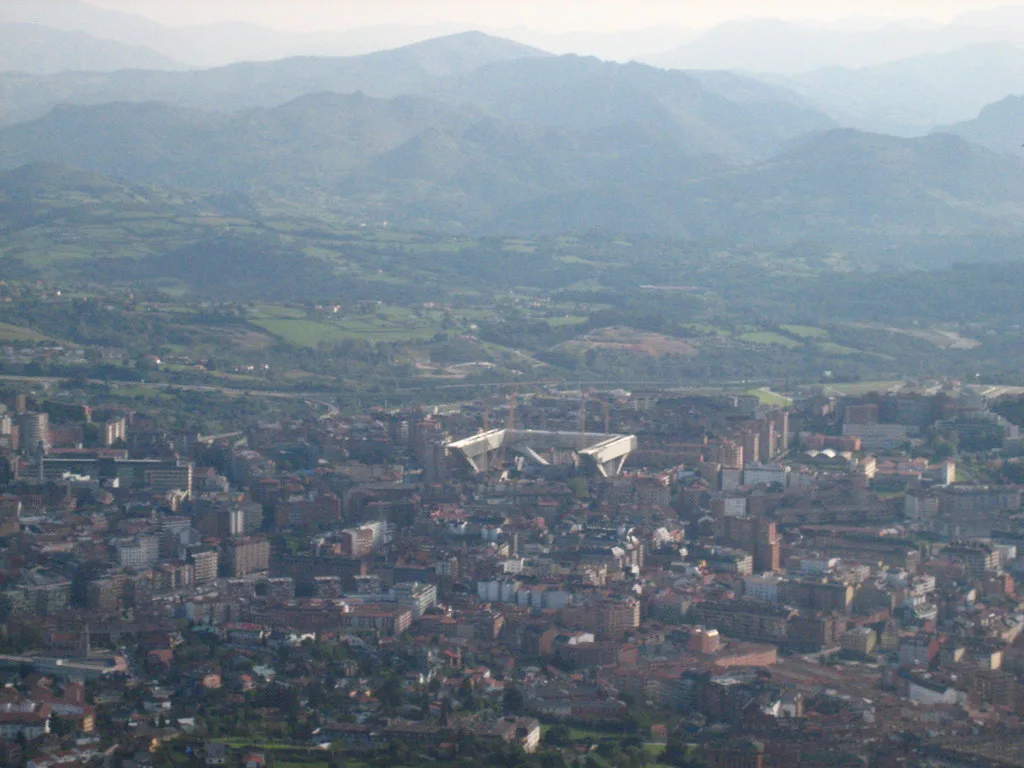
The hill also gives you the city's best-known panoramic view, which makes the climb part of the visit rather than pure transport. Plan Monte Naranco as a block of its own, either at the start or end of a day, and do not try to fold it into a walk between plazas. A half-day is the sensible unit if you want the churches and the viewpoint without rushing.
Monuments further out on the map
Beyond the cathedral quarter, the mapped monuments include the Fuente Foncalada, the Palacio de la Rúa and San Julián de los Prados. These are the sites that reward a second look at the map: San Julián de los Prados in particular sits away from the central cluster, while the Fuente Foncalada and the Palacio de la Rúa appear on monument plans that group the cathedral with the pre-Romanesque churches.
Fit these in only after you have settled the centre and the hill. Their value lies in rounding out the pre-Romanesque and medieval picture, not in filling a morning. If you have one day, leave them out and use the time on the cathedral and Monte Naranco instead.
Arriving and getting your bearings
The nearest airport is Asturias (OVD). Line A1 runs from the airport to Plaza de la Escandalera, which puts you at the centre's orientation point on arrival; the service runs less often late at night, so a late landing may need a different plan. A taxi to the centre takes roughly 35 to 45 minutes depending on traffic and costs between about 55 and 70 euros.
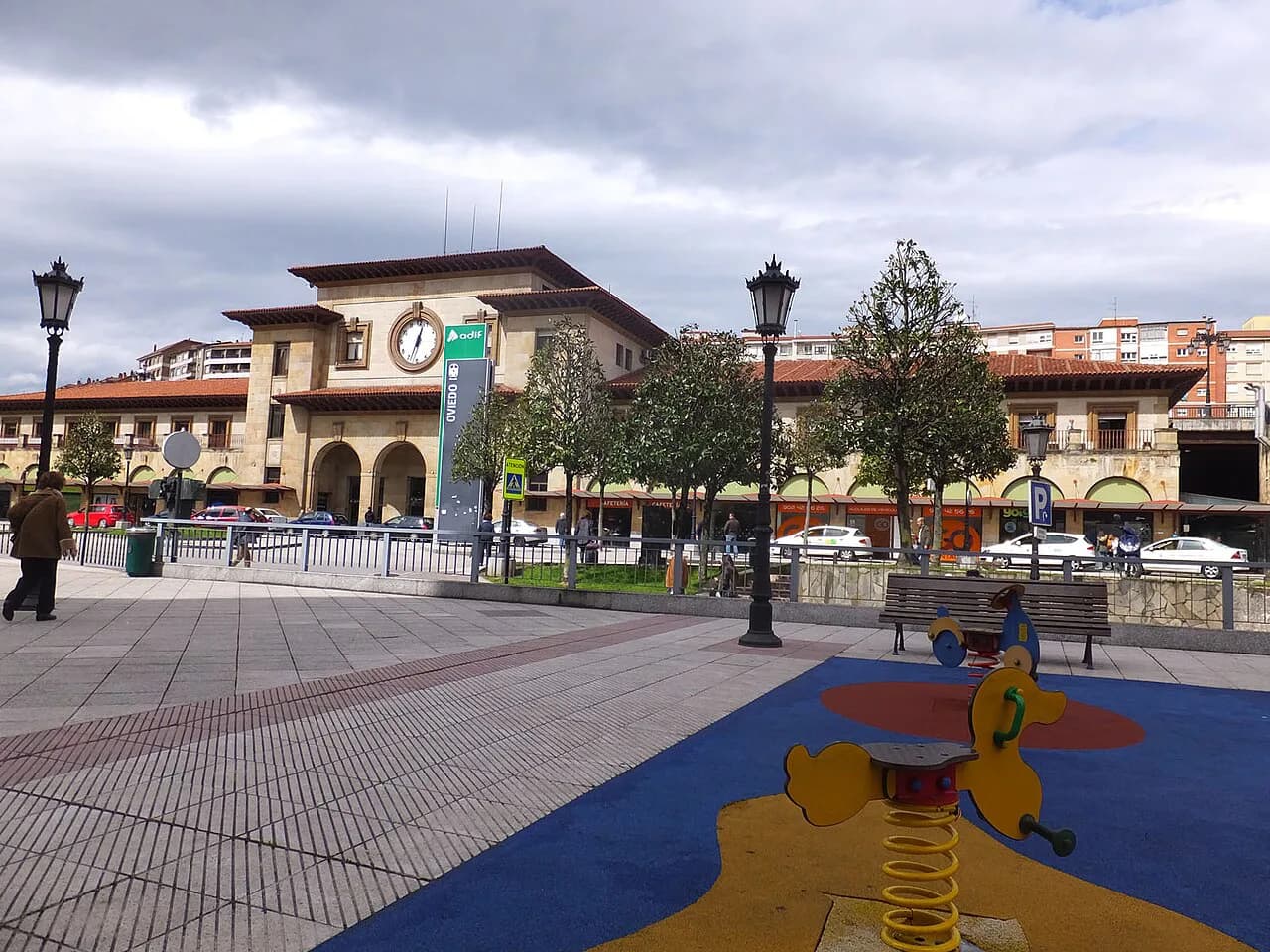
By rail, the city's stations sit south of the historic centre, within reach of the plazas on foot once you know which way to walk. If you arrive with luggage, take a taxi or bus to Plaza de la Escandalera first and unpack the map from there. Gijón is the other Asturian city worth knowing about if you are moving on along the coast.
Parking and orientation by car
Plaza de la Escandalera has an underground car park and is the most central option for a day in the old town. For easier motorway access from Gijón, the edge-of-town car parks El Carbonero and El Vasco trade centrality for a quicker exit. El Carbonero is described by one Asturian guide as its pick, larger and brighter than the alternatives, and was advertised at 12 euros per day, but rates change, so confirm the current charge when you book or arrive.
Think about where you will finish before choosing where to park. If you intend to drive on to Covadonga or the Picos de Europa, the motorway-side car parks save a slow crawl back through the centre at the end of the day; if you plan to go on foot to the cathedral and plazas, Escandalera wins. The difference is minutes at the wheel against minutes at a ticket machine.
Laying a half-day or full-day route
For a morning, restrict yourself to the flat centre: Plaza de la Escandalera, the cathedral quarter, the plazas and the shopping streets, with the Campo de San Francisco as your end point. That sequence keeps you on level ground and inside the walkable core. If you have a full day, add Monte Naranco in the morning or late afternoon and come back down into the centre for the cathedral and plazas.
If you only have a morning, cut the pre-Romanesque churches on Monte Naranco first, not the cathedral. The hill needs travel up and back, while the centre's main sights are minutes apart on foot. A second day lets you take the hill slowly, add the pre-Romanesque churches, and go back to the plazas when you are not watching the clock.
Which sights to cut when the map gets tight
Draw the map in two blocks: the flat historic centre for half a day, Monte Naranco for the rest. Everything else, from the Fuente Foncalada to San Julián de los Prados, is an addition for a longer stay, not part of the essential route. Sorting the sights by area rather than by ranking is what lets you cut a line without losing the city's defining monuments.
Decide your car park or bus stop first, because that choice sets the first and last leg of the day. The airport bus into Plaza de la Escandalera is the simplest arrival if you are flying, and Gijón is the natural next stop on an Asturian coastal trip.
Explore more Oviedo guides
Frequently Asked Questions
Where in Spain is Oviedo?
Oviedo is in Asturias, in northern Spain, and is the region's capital. It sits inland, south of the coast and west of Gijón.
What is Oviedo famous for?
Oviedo is known for its pre-Romanesque architecture, notably Santa María del Naranco and San Miguel de Lillo on Monte Naranco, and for the cathedral complex with the Cámara Santa and the Santo Sudario.
Is Oviedo worth visiting?
Yes, for a compact old town and a hill of pre-Romanesque churches a short trip from the centre. Whether it earns a night of a short break depends on how much pre-Romanesque architecture interests you.
Do the cathedral or Monte Naranco churches charge admission?
Ticket prices and free-entry slots vary. Ask at the cathedral's information point and at the Naranco visitor reception on the day rather than relying on an old figure.
How far is Oviedo from Madrid?
It is a long cross-country journey rather than an easy day trip. Check current rail and coach timetables for times, as services change between seasons.
Sources
Notes for your next Spanish town break
Optional updates to our guides.
You might also like
Continue reading
More guides you'll find useful