
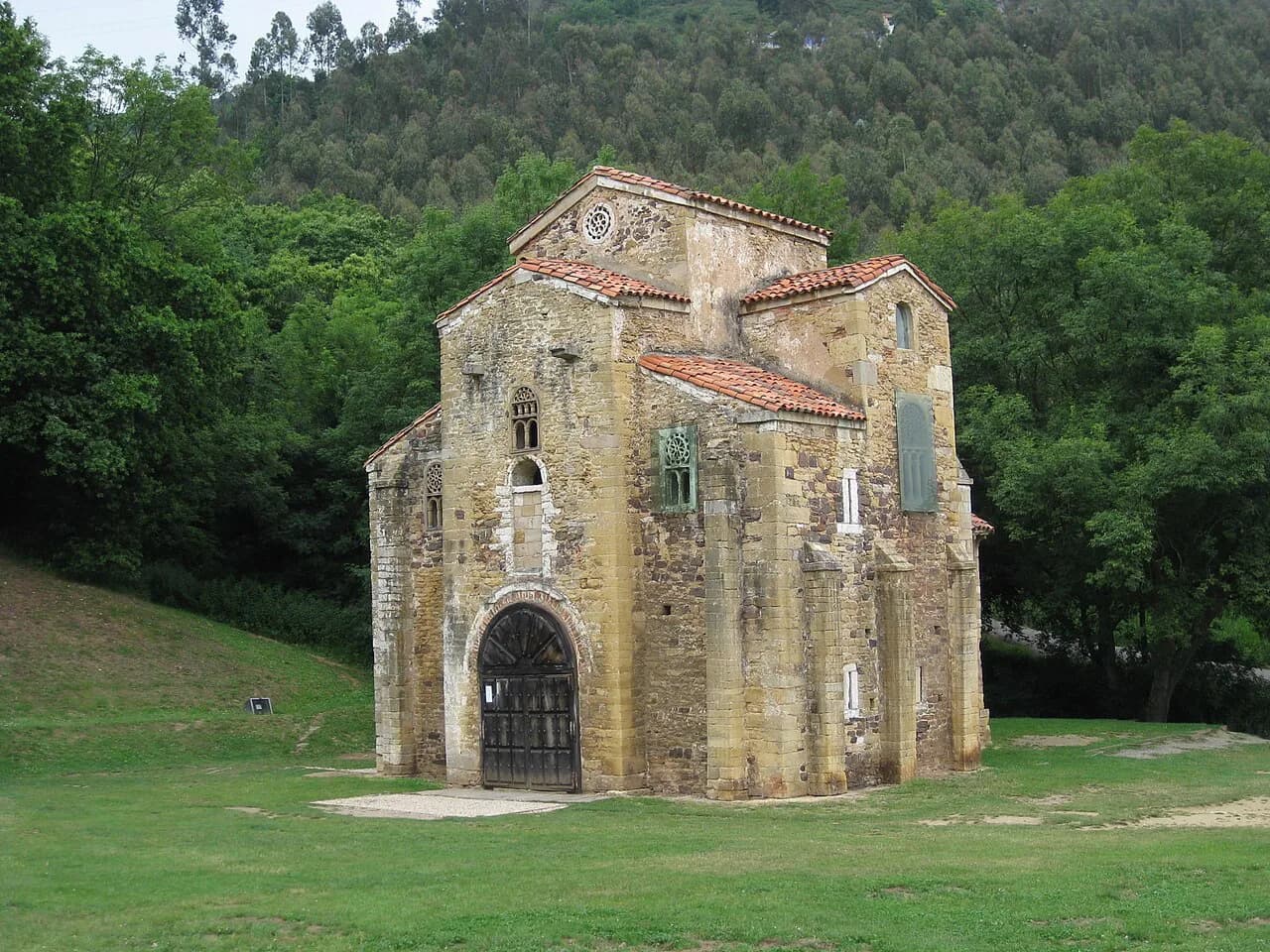
San Miguel de Lillo: the Pre-Romanesque Church on Monte Naranco

San Miguel de Lillo is worth seeing as one half of a pair, not on its own. The ninth-century church stands about 100 metres from Santa María del Naranco on the southern slope of Monte Naranco, roughly four kilometres from the centre of Oviedo, so the sensible plan is one trip covering both buildings. Allow 45 minutes to an hour in total, and treat the church as the shorter stop of the two.
What San Miguel de Lillo is and why it matters
The church was built during the reign of Ramiro I and consecrated in 848, which places it in the same royal building programme as Santa María del Naranco next door. Both form part of the monuments of Oviedo and the Kingdom of Asturias inscribed on the UNESCO World Heritage list, which is the main reason the detour up the hill repays the effort. What you see today is a fragment, and knowing that before you arrive changes how you read the building.
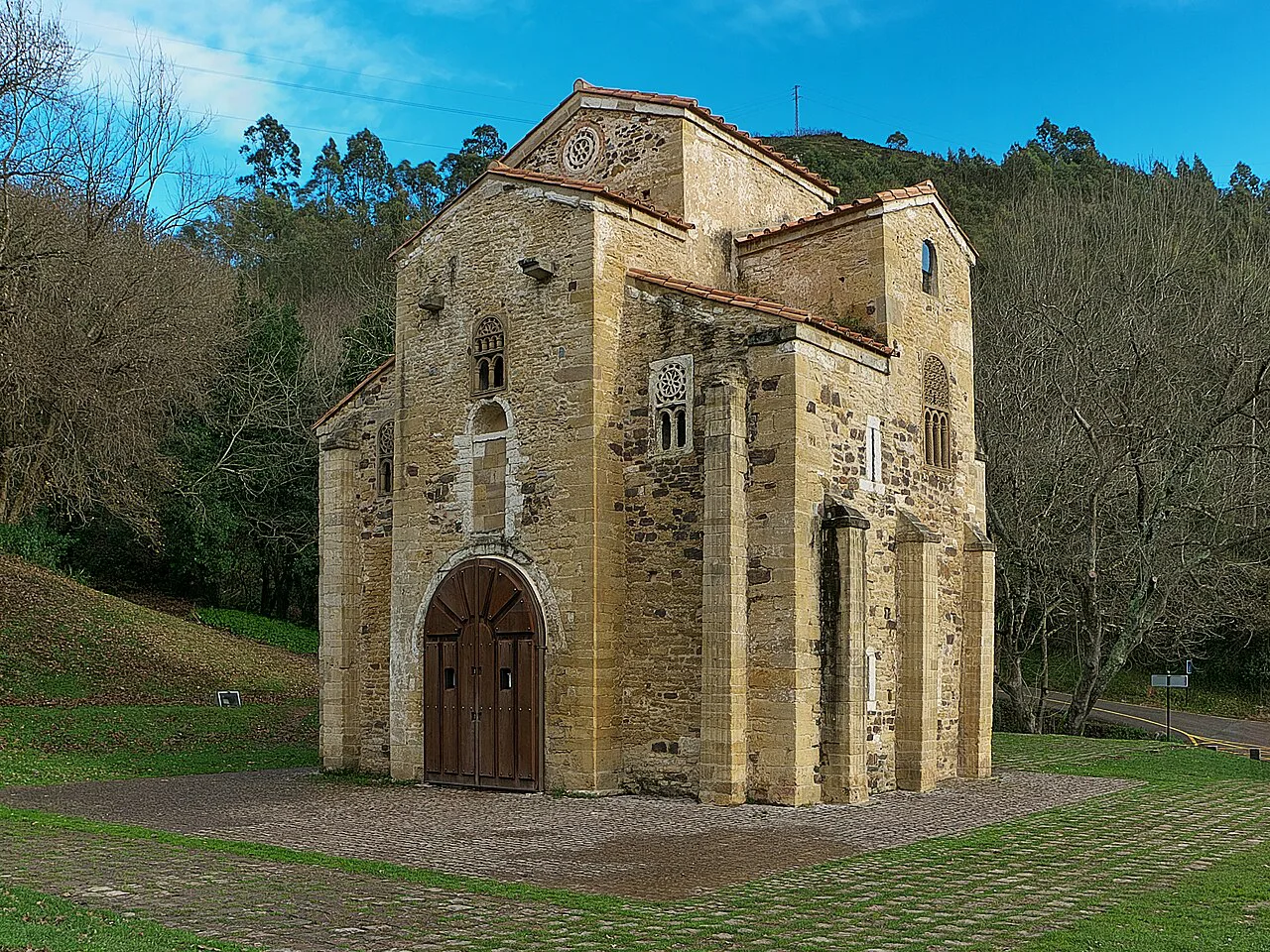
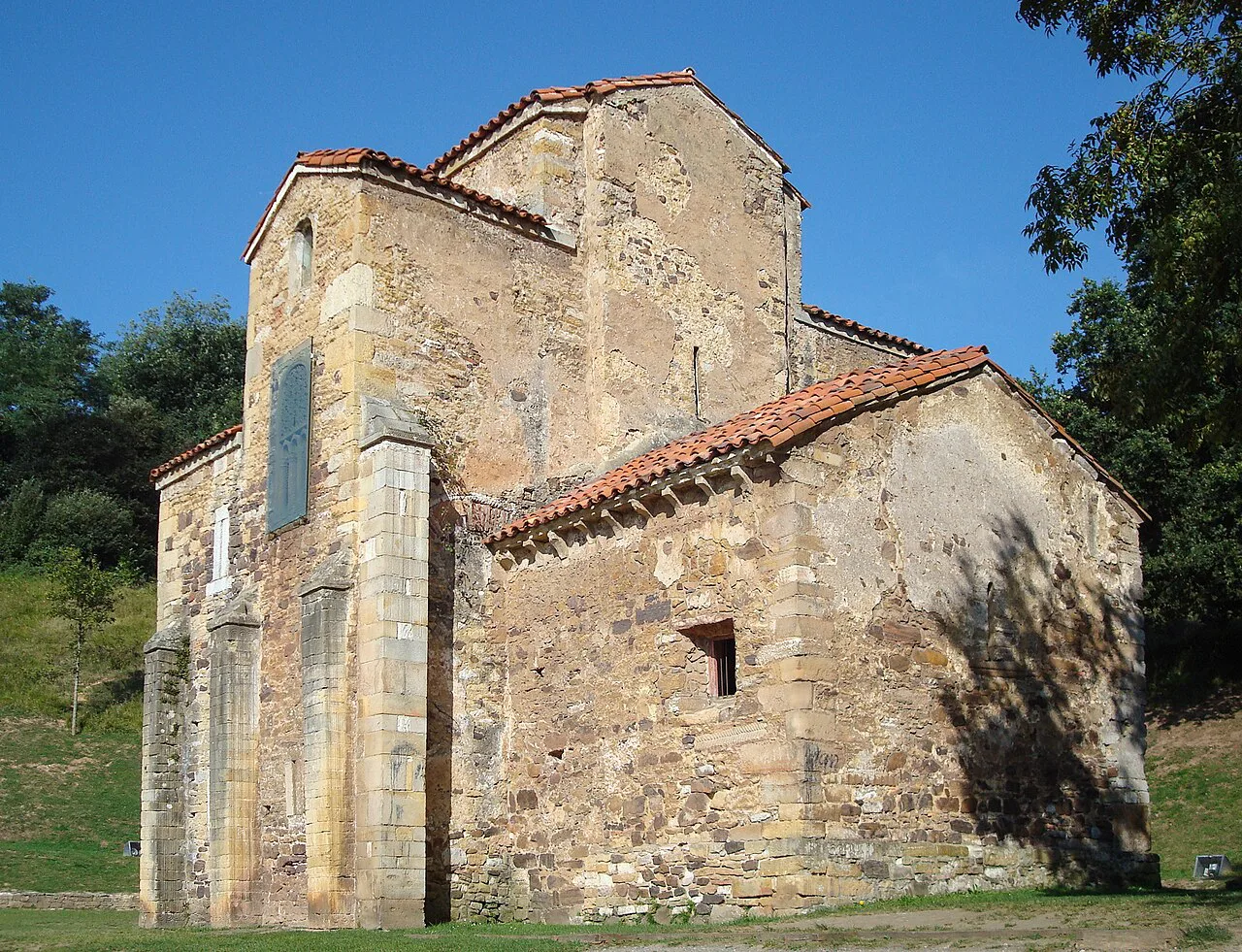
Roughly a third of the original church still stands, the rest having collapsed between the late ninth and early tenth centuries. The surviving section keeps its vertical emphasis and exterior buttresses, a markedly different silhouette from the long, horizontal palace-hall form of Santa María del Naranco. Seen together, the two buildings show how varied the Ramirense period was within a single royal complex.

Where it sits on Monte Naranco
The church occupies the southern hillside of Monte Naranco, about four kilometres from central Oviedo, with wide views back over the city and the Asturian countryside. The two monuments sit barely 100 metres apart, so there is no second journey to plan once you are up there. This is a hillside site rather than a town-centre church, which is why transport and footwear matter more than they would for a city visit.
Bring shoes that cope with an unsurfaced path rather than city shoes; the approach from the parking area climbs about 150 metres to Santa María del Naranco. The exterior and grounds can be seen freely, so a walk up without a ticket is a legitimate way to spend an hour if the interior slots do not suit your timing.
How to get there from Oviedo
The simplest car-free option is urban bus line A2 from Oviedo, getting off at the Prerrománico stop, which puts you within walking distance of both monuments. Drivers use the parking area below the sites and walk up from there. The hill is steep enough that the bus-and-short-climb combination suits most short-break visitors better than a long walk from the centre.
If you are basing yourself in the city and working through its sights, the broader set of Oviedo guides is a useful way to sequence the cathedral, the old town and this hillside excursion into one or two days. Getting up to Naranco and back takes a chunk out of a morning or afternoon, so place it at the start or end of a day rather than in the middle of a tight schedule.
What to look for inside
The carved reliefs on the jambs of the entrance are the highlight, and they reward a slow look before you step through the door. Inside, the church retains capitals, latticework screens known as celosías and traces of wall painting, all of which survived the partial collapse. Because the building is small, the details are close at hand and the visit is short but dense.
The interior volume is limited and entry is managed in slots that shift with the season, so a spontaneous arrival may mean waiting or missing out. Check the current timetable and any closures through Turismo de Asturias before you set out. A guided visit adds context on the building's original function and the sculpture that a quick walk-through will miss.
Pairing it with Santa María del Naranco
The other half of the pair is the reason most people come up the hill at all, and you should see it in the same visit rather than treating San Miguel de Lillo as a standalone stop. The hall was built between 842 and 850 as part of the same palatial complex under Ramiro I, and it later served as a church, which is how it has come down to us. Its two-storey rectangular form, end viewpoints and interior barrel vault explain its reputation as a masterpiece of European Pre-Romanesque architecture.
Walk between the two while you are there, since the 100-metre gap makes a combined visit far more efficient than two separate trips up the hill. If Pre-Romanesque architecture appeals, San Julián de los Prados (Santullano) in Oviedo extends the same thread within the city and needs no second excursion.

Tickets, opening times and the free exterior
The published general ticket is 5 euros, with interior capacity kept small and opening hours changing with the season. Confirm slots and possible closures through Turismo de Asturias before travelling, particularly outside the main summer months. The exterior, by contrast, can be viewed freely, so the entry fee buys you the interior and, in practice, the explanation of what you are looking at.
Limited capacity and seasonal timetable changes are the two things most likely to spoil a visit, so book your day around a confirmed interior slot rather than hoping to walk in. If slots are full, the grounds and both exteriors still justify the trip up. Keep the paid stop short: the interior of San Miguel de Lillo is a 15-to-20-minute look once you are inside.
What else to see in Oviedo afterwards
Back in the centre, Oviedo Cathedral is the natural next stop and anchors the old town; pair it with a walk through the surrounding streets after a morning on the hill.
The Museo de Bellas Artes de Asturias, spread across the Palacio de Velarde and adjoining buildings, gives you a wet-weather alternative with Spanish and Asturian painting, and rounds out a short break nicely when the Naranco weather turns. The full Oviedo Attractions: 6 Visitor Guides collection covers the rest of the city's sights if you have a second day.
Should San Miguel de Lillo be on your Oviedo shortlist?
Yes, but as part of a Naranco morning rather than a destination in its own right. Budget 45 minutes to an hour for both monuments, take bus A2 to the Prerrománico stop or drive to the parking area, and secure an interior slot before you go if the carved jambs and painted fragments matter to you. The free exterior remains a fair consolation if the timetable defeats you.
Explore more Oviedo guides
Frequently Asked Questions
How long does a visit to San Miguel de Lillo take?
Allow 45 minutes to an hour for San Miguel de Lillo together with Santa María del Naranco, which stands about 100 metres away. The church itself is small, so most of that time goes on the walk between the two buildings, the views over Oviedo and the carved detail at the entrance.
Can you see San Miguel de Lillo without a ticket?
The exterior and the grounds can be viewed freely, so you can walk up and see the building from outside at no cost. The interior is ticketed and capacity is limited, with entry in slots that change with the season, so confirm the current arrangement through Turismo de Asturias before relying on getting inside.
How do you reach Monte Naranco from Oviedo without a car?
Urban bus line A2 runs from Oviedo to the Prerrománico stop, from which both monuments are a short walk. Drivers park below the sites and climb roughly 150 metres of path to Santa María del Naranco, with San Miguel de Lillo just beyond.