
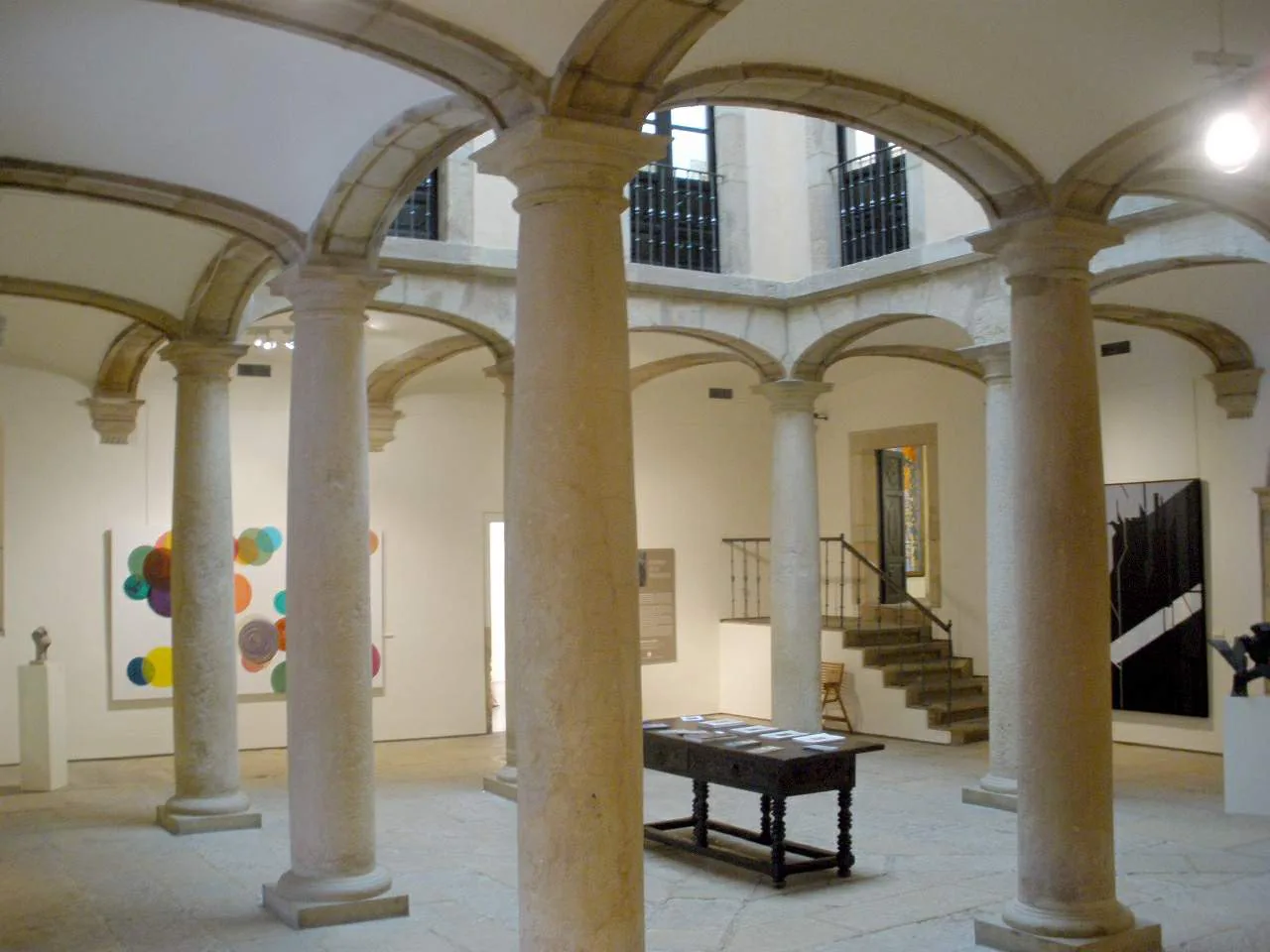
Museo de Bellas Artes de Asturias: a Visitor's Guide to Oviedo's Art Museum

The Museo de Bellas Artes de Asturias is the region's flagship art collection, opened in 1980 and now holding around 15,000 pieces spanning the 14th to the 21st century. It sits in a run of connected buildings immediately beside the cathedral in Oviedo's old centre, so it slots easily into a morning or afternoon of sightseeing. This guide covers the building layout, the artists and works to look for, rough timings and how to check tickets and hours.
Treat it as several galleries under one roof rather than a single linear museum: the historic Palacio de Velarde, the 17th-century Casa de Oviedo-Portal and the modern Ampliación each hold different periods. Knowing that saves you from wandering the wrong floor looking for Goya.
Where the museum is in Oviedo
The museum occupies part of a block next to the cathedral in the historic centre of Oviedo, within easy walking distance of the old town's main squares. The newest building, the Ampliación, has its own address on Plaza de Alfonso II, which is the entrance to aim for if you want 20th-century and contemporary art.
Because it is embedded in the old centre, you can pair a gallery visit with a walk round the neighbouring streets rather than making a separate trip across town. If you are planning a wider circuit of the city's sights, our guide to Oviedo Attractions sets out the other monuments within reach.
Arriving on foot from the cathedral quarter is the simplest approach; the surrounding streets are narrow and pedestrian-heavy, so allow a few extra minutes to orientate yourself at the right doorway.

How the museum is laid out across four buildings
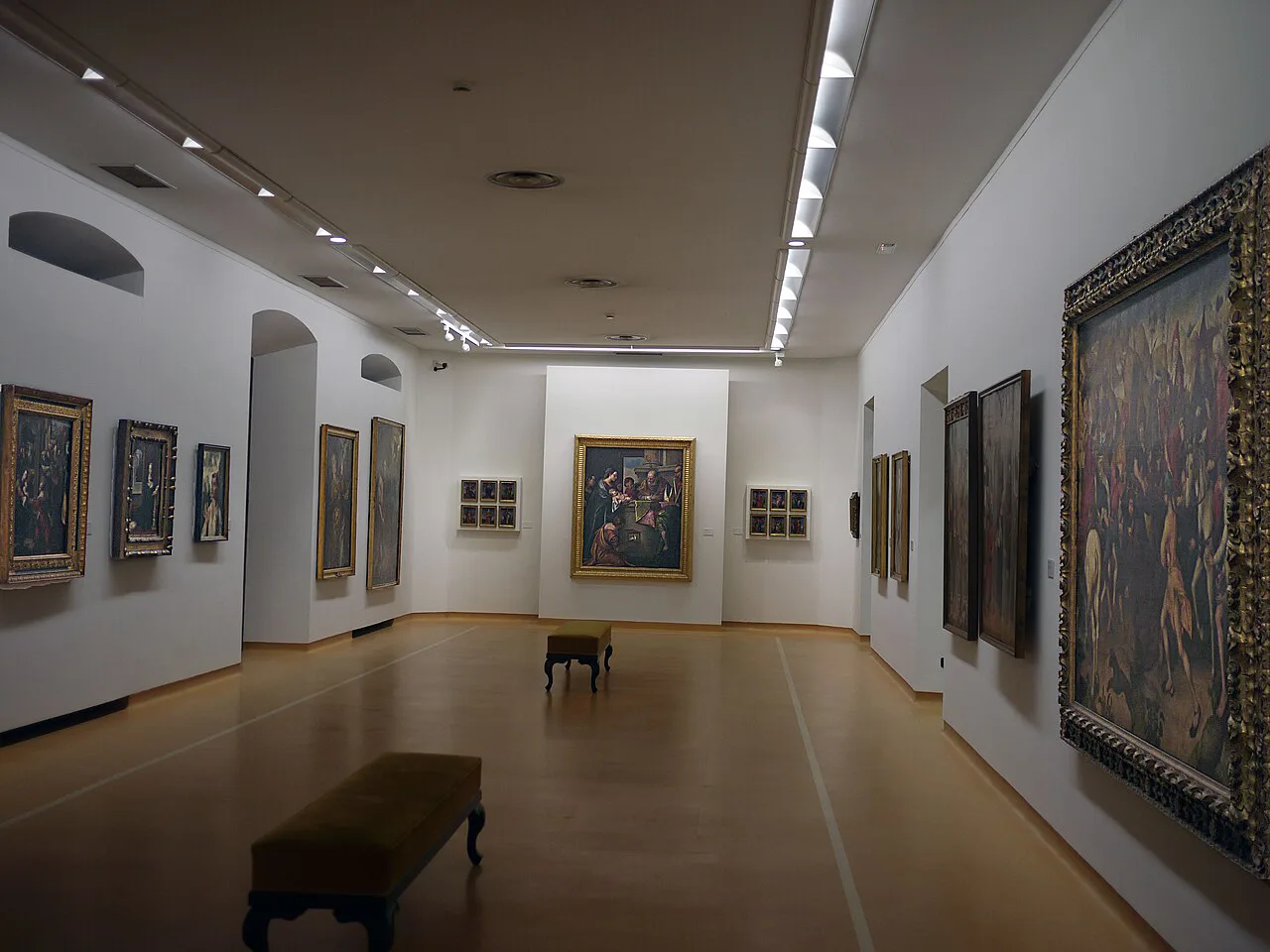
The collection is housed in a group of buildings dating from the 16th to the 21st century, which together fill part of one block beside the cathedral. The museum opened in the remodelled Palacio de Velarde in 1980 with seven rooms and 78 works, and later absorbed the adjoining Casa de Oviedo-Portal before a purpose-built Ampliación was presented in 2015. A further building handles offices and internal services, making four in all.
In practice this means you pass between historic rooms, a 17th-century house and a modern gallery, and the chronological hang generally moves from older painting towards contemporary work. Start at the Palacio if you want Old Masters, or head straight to the Ampliación if modern Spanish art is your priority.
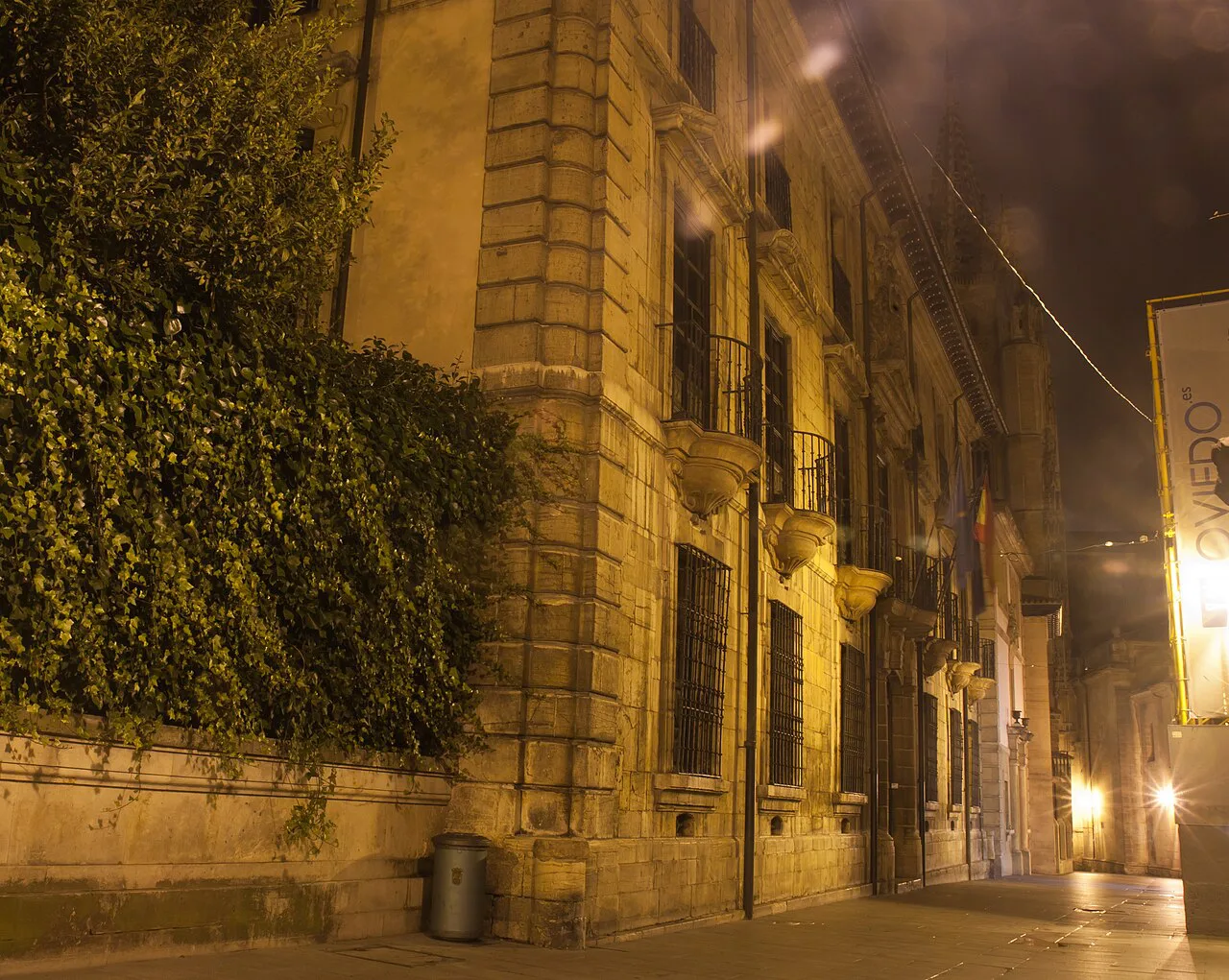

Palacio de Velarde: the historic core
The Palacio de Velarde holds the museum's historic collections from the 14th to the 19th century, with temporary exhibitions on the ground floor. Look out for works on the secondary staircase as well as in the main rooms, including oils by Francisco Antonio Martínez Bustamante and a stained-glass piece by José Uría Uría.
On the upper floors the Spanish Old Masters take over: El Greco's Saint Paul, Zurbarán's dead Christ, Murillo's Saint Peter and Carreño de Miranda's portrait of Carlos II as a boy. The floor above carries 18th- and 19th-century Spanish painting and sculpture, among them Goya's portrait of Jovellanos on the beach at San Lorenzo.
Casa de Oviedo-Portal and 19th-century Asturian art
The 17th-century Casa de Oviedo-Portal, annexed to the palace, is given over largely to 19th-century collections with Asturian painting as the centrepiece. Its two floors hold work by Juan Martínez Abades, Ventura Álvarez Sala, Ignacio León y Escosura and Dionisio Fierros, plus selections from the museum's drawing and print holdings.
The museum's library sits under the roof of this building and opens Tuesday to Friday from 10:30 to 14:00, with access arranged in advance by email or telephone. That makes it a resource for researchers rather than a casual stop on a short break.
The Ampliación: 20th-century and contemporary art
The Ampliación building carries the modern and contemporary hang: Spanish painting and sculpture from the early 20th century, then post-impressionism, Art Nouveau and the avant-garde, and finally work made after the Civil War. The lower floor is dominated by the Asturian sculptor José María Navascués, while the ground floor holds Sorolla's Running Along the Beach and a self-portrait by Darío de Regoyos.
Higher up you reach Nicanor Piñole, Aurelio Suárez, Picasso, Dalí and Miró, with Antonio Suárez, Tàpies and Barceló representing later Spanish art. If you only have an hour, this building delivers the biggest concentration of names most visitors come for.
Named works to look for
The museum's own summary of its holdings lists El Greco, Goya, Sorolla, Picasso, Dalí and Miró among the artists represented, with 15,000 pieces across seven centuries. That breadth is unusual for a regional museum and is the reason it rewards more than a quick pass through.
Beyond the headline names, the Spanish and international picture collection includes Zurbarán, Murillo, Titian, Veronese and Rubens, alongside a deep bench of Asturian painters such as Nicanor Piñole and Evaristo Valle. Sculpture, graphic arts, photography and ceramics round out the holdings, so the museum is not purely a picture gallery.
Women artists in the collection
The collection includes work by Sofonisba Anguissola, Angelica Kauffmann and the sisters Ana and Francisca Meléndez, among other women artists. It is worth seeking them out specifically, because they tend to sit in the historic rooms rather than in the modern wing and are easily passed over.
How long to allow and where to start
For a short Oviedo break, budget around two hours for the highlights: the Palacio de Velarde's Old Masters and the Ampliación's modern floors, skipping the deeper 19th-century rooms if time is tight. Anyone with a serious interest in Spanish painting should set aside a half day to work through the whole museum at a proper pace.
Start with whichever period you care about most rather than following the map from the entrance, because the buildings are separate and you can double back easily. If you are fitting the museum into a wider day, the Oviedo guide covers how the old town's monuments sit together.
Tickets and opening hours
The museum publishes a visit page with its current opening hours, prices and any free-entry slots, and that is the page to trust rather than blog figures or event listings. Check it before you travel, particularly around public holidays, when museum hours in Spain often shift.
Nearby: the cathedral and the old town
The museum's block sits directly beside the cathedral, so the two make an obvious pairing. The Catedral de San Salvador de Oviedo holds its own artistic treasures and is a few steps from the museum doors.
On the edge of the old centre, the Campo de San Francisco offers open ground and shade after a few hours in the galleries. Further out, the pre-Romanesque churches are a separate excursion and need their own transport or a longer walk, with Santa María del Naranco and San Miguel de Lillo on the slopes of Monte Naranco.
Noche Blanca openings
During Oviedo's Noche Blanca, the museum has opened the Ampliación on Plaza de Alfonso II for a late-night walk through part of the permanent collection, with the focus on Spanish painting and sculpture from the early 20th century onwards. These are event-specific hours and do not reflect normal opening times.
This is one for travellers whose dates happen to coincide with the festival, and it is worth checking the programme for the year you visit rather than assuming a repeat of any earlier schedule.
Which building should you head for first?
Head for the Palacio de Velarde if you want El Greco, Zurbarán, Murillo and Goya, and go straight to the Ampliación if Sorolla, Picasso, Dalí and Miró are the draw. With two hours, pair those two buildings and leave the 19th-century rooms for a return visit.
Either way, the museum is small enough to visit on foot from the cathedral quarter and serious enough to justify clearing a proper slot in your Oviedo itinerary. Confirm the current hours and admission on the museum's visit page before setting out.
Explore more Oviedo guides
Frequently Asked Questions
Is the Museo de Bellas Artes de Asturias free to enter?
Admission terms and any free-entry slots are set by the museum and published on its visit page, so check there for the current position before you go rather than relying on older blog posts.
How long does it take to see the museum?
Allow about two hours for the highlights — the Palacio de Velarde's Old Masters and the modern floors of the Ampliación — and closer to half a day if you want to work through the 19th-century Asturian collections as well.
Where is the museum entrance?
The museum sits on a block beside Oviedo cathedral in the historic centre, and the Ampliación building is addressed on Plaza de Alfonso II. Which door you use depends on which building you plan to start in.