Oviedo Old Town: Streets, Squares and Monuments to Walk
Plan a walk through Oviedo old town, from the cathedral and Plaza del Fontán to Calle Gascona and the Antiguo, with a route order and landmarks.
On this page
Oviedo old town is a compact medieval core you can walk in a few hours, centred on the cathedral and the lanes of the Antiguo. The trick is to follow one line from the cathedral through the old squares down to Plaza del Fontán and finish on Calle Gascona, rather than criss-crossing the centre. This guide sets that order, explains what each square is actually like, and flags the monuments that sit outside the old town.
What Oviedo old town covers and where it sits
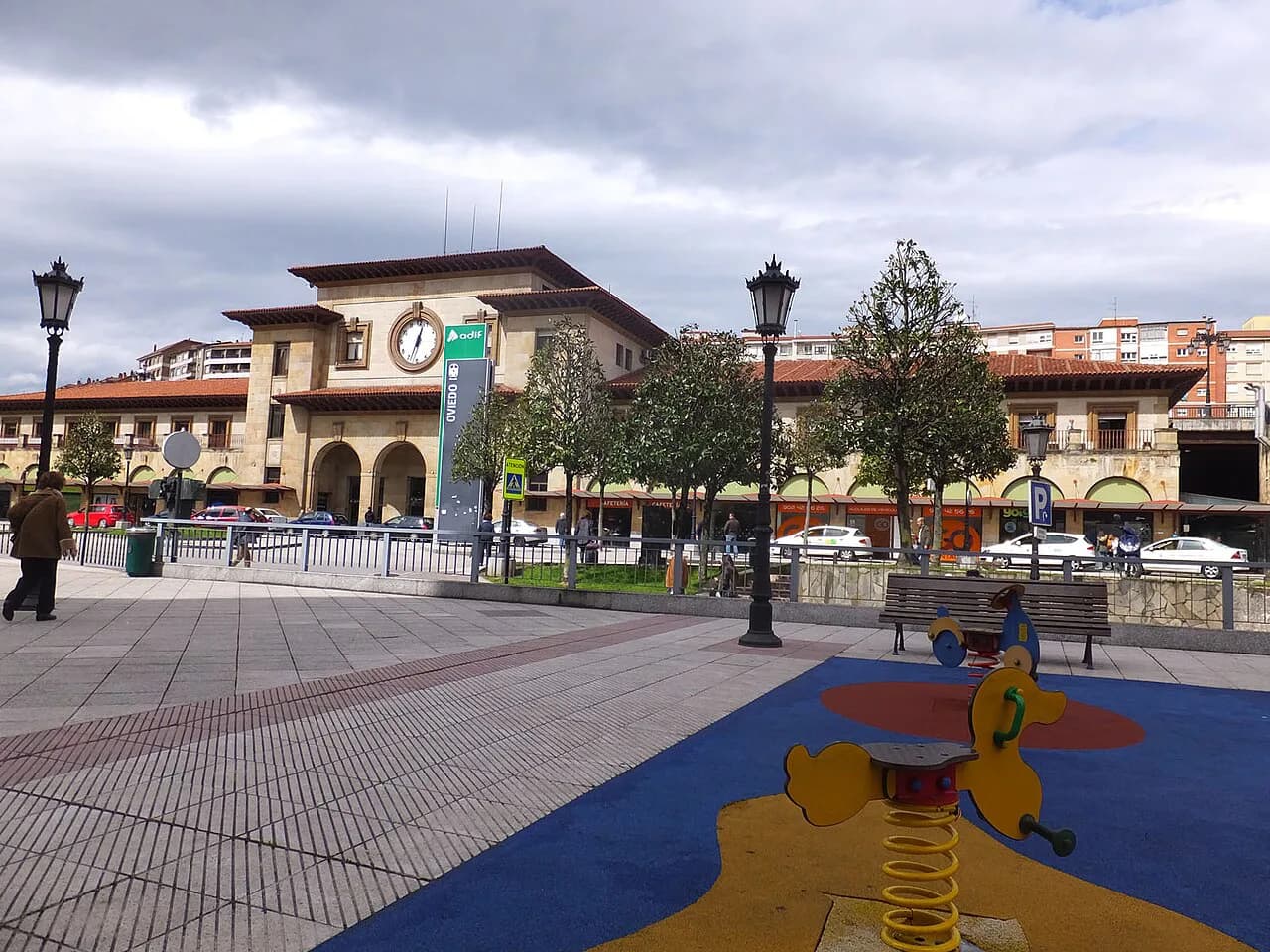
Oviedo is the capital of Asturias and sits at the centre of the region, with its historic quarter gathered around the cathedral and the streets of the Antiguo. The old town is the walkable part: the cathedral square, the lanes behind it, Plaza Trascorrales, Plaza de Feijoo and Plaza del Fontán. The wider city spreads out around it, including the shopping axis of Calle Uría, which was laid out in the late nineteenth century to connect the centre with the railway station.
Treat the old town and the wider monumental city as two different things. The medieval core is small and best on foot; the pre-Romanesque churches on Monte Naranco and San Julián de los Prados sit away from the lanes and need their own transport time. Planning them as a separate half-day keeps the old town walk relaxed.
The cathedral quarter: Plaza de Alfonso II el Casto and San Salvador
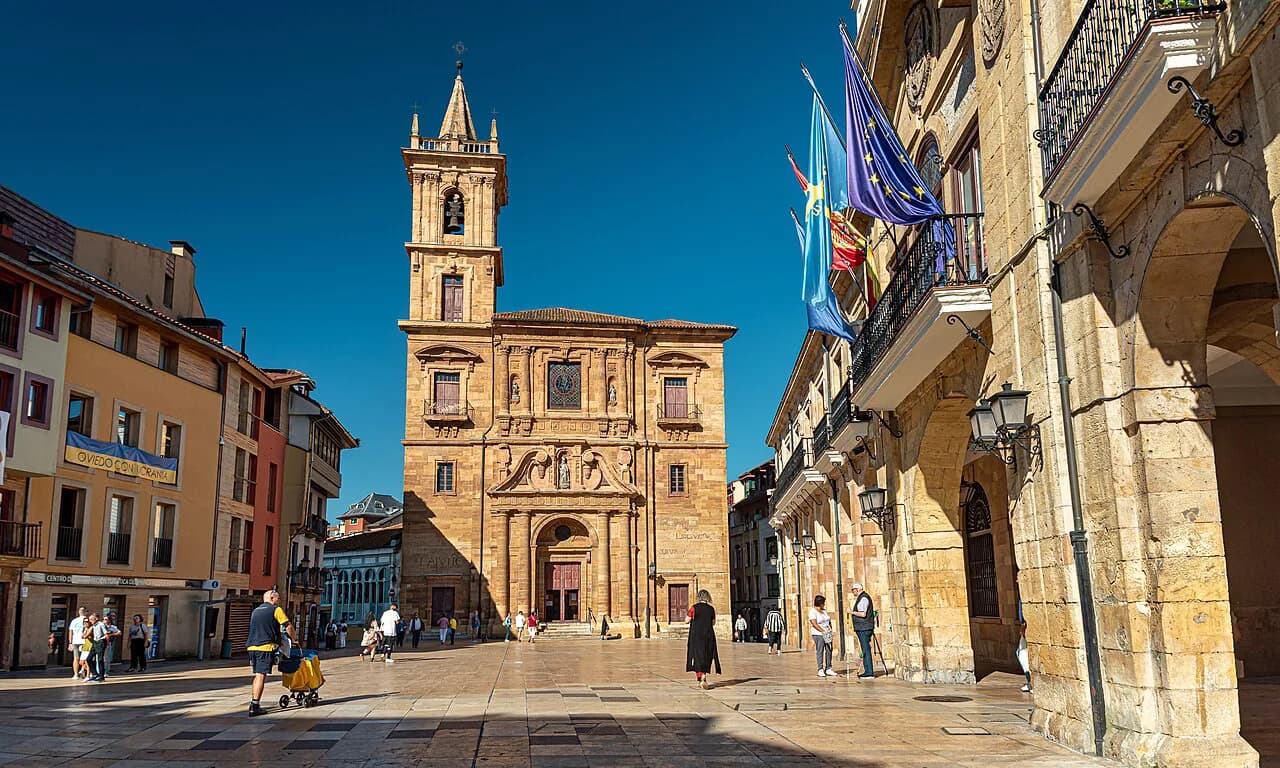
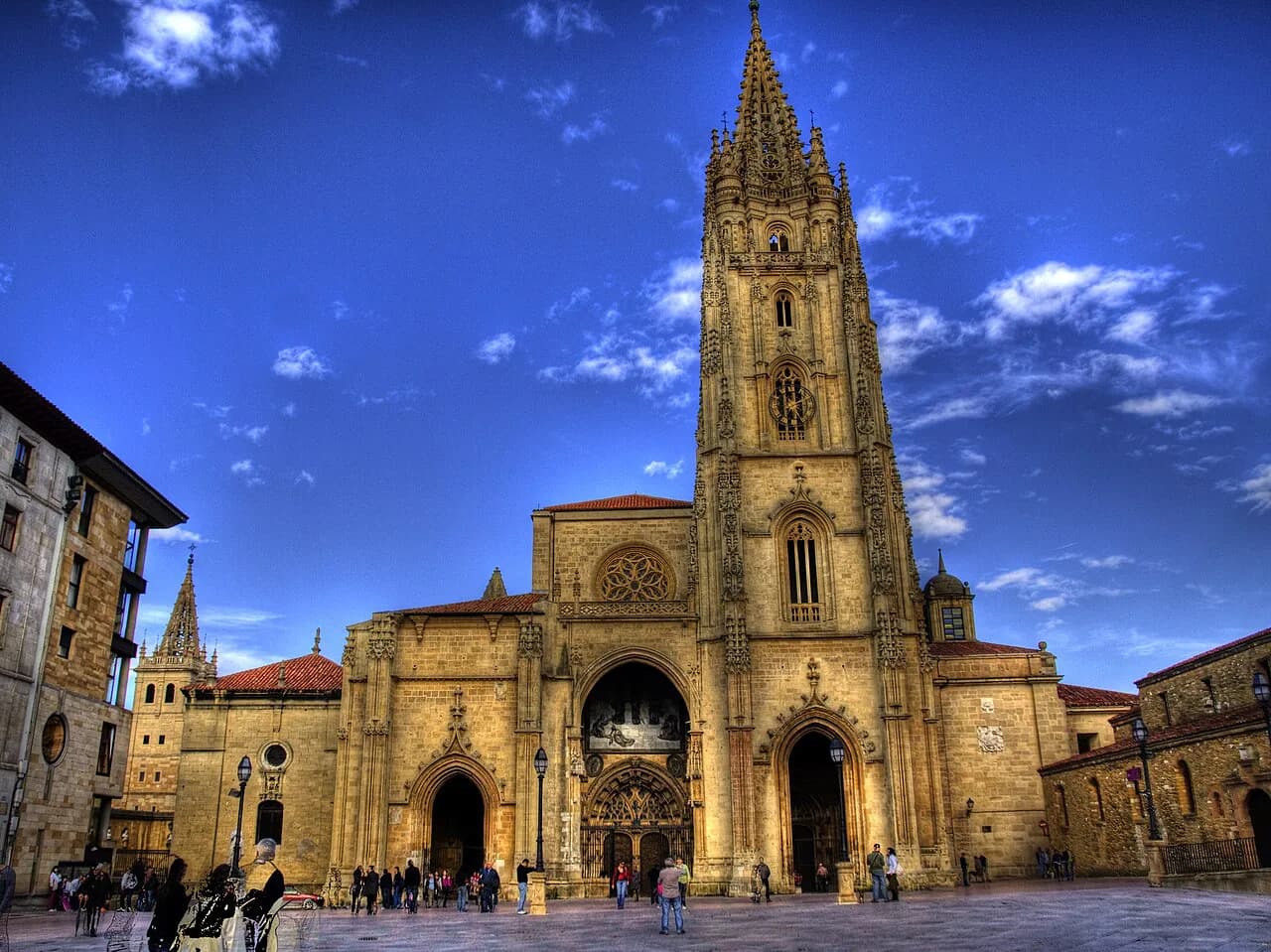
The Catedral de San Salvador anchors the old town on Plaza de Alfonso II el Casto, the square that also serves as the traditional gathering point for pilgrims starting the Camino Primitivo. Construction of the Gothic cathedral began in the fourteenth century and finished in 1587, with Juan de Badajoz responsible for the facade. Inside, look for the Capilla de Santa Bárbara, the altar of Santa Teresa, the balcony where the Santo Sudario is displayed and the Cámara Santa.
The Cámara Santa, inside the cathedral, is the reliquary chapel, and the cathedral museum adds archaeological and sacred-art collections. The high altarpiece is often compared with those of Toledo and Seville. The square outside is the place to pause and take the city's pulse before heading into the lanes.
Walking the Antiguo: Calle Mon, Plaza Trascorrales and Plaza de Feijoo
From the cathedral, the Antiguo's streets of stone lanes and grand townhouses are the heart of the walk. Calle Mon is one of the quarter's main shopping streets and leads naturally towards Plaza Trascorrales. That square once hosted a market selling milk, cheese, vegetables and fish, and statues of a milkmaid with her donkey recall the trade.
Plaza de Feijoo follows, one of the small squares that give the Antiguo its rhythm between the bigger set pieces. Walk slowly here rather than treating the lanes as a corridor between monuments; the pleasure of this quarter is the sequence of arcades, stone and openings rather than a single sight. For the full list of sights, see Things to Do in Oviedo.
Plaza del Fontán and the market square
Plaza del Fontán defines the character of Oviedo for many visitors, with its arcades and balconies giving the square a shape unlike the others in the centre. Its name means a spring or pool in Asturian, and the site was once a lagoon beside a medieval market before being drained in the sixteenth century and turned into a wash-house. The cañu del Fontán fountain survives as a reminder of that past.
The square is a place to sit under the arcades rather than a monument to tick off. The nearby plaza de Abastos and an open-air market set up beside it on Tuesdays, Thursdays and Sundays make this a busy corner of the old town, and the Fontán is a different kind of stop from Gascona: a square to linger in rather than a street to stroll. Check the market's own notices for the days it operates before you plan a morning around it.
Calle Gascona, the Bulevar de la Sidra
Calle Gascona is known as the Bulevar de la Sidra, the boulevard of cider, and it works as the ending point of the walk rather than another square. The street is lined with cider houses, and it sits close enough to the old town to reach on foot from the cathedral. Treat it as a street to stroll at the end of the afternoon, not a monument.
Green breaks and open squares: Campo de San Francisco and Plaza de la Escandalera
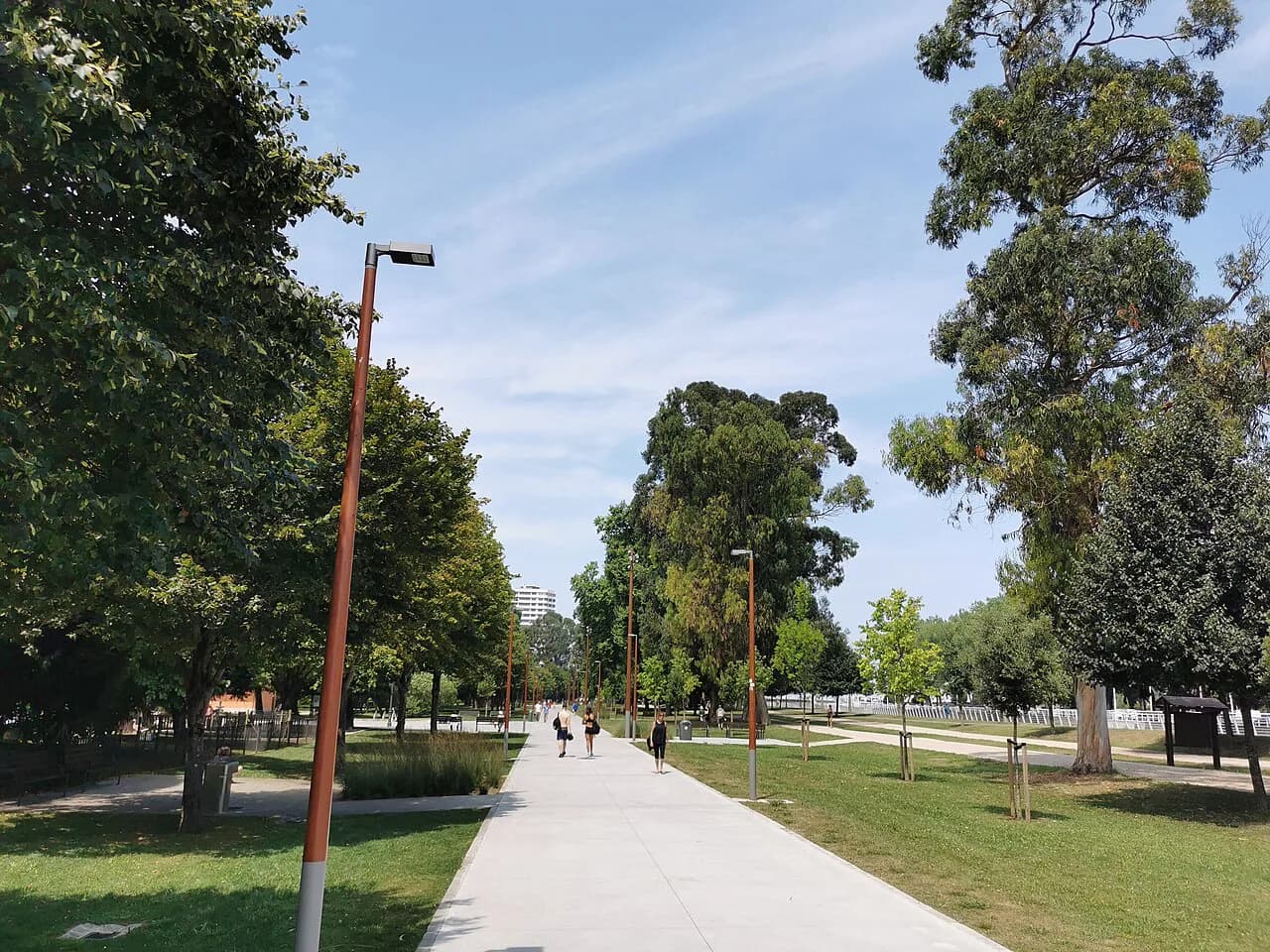
Campo de San Francisco is the historic park at the edge of the centre, laid out on the former orchard of a Franciscan monastery. Today it is a space of trees, fountains and ponds where the city comes to breathe, and it makes a natural stop after the tight lanes of the Antiguo. Plaza de la Escandalera, with its open views and the Botero statue of La Maternidad, marks the transition from the old town to the newer city.
The Teatro Campoamor, built at the end of the nineteenth century, hosts the opera festival and the Princess of Asturias Awards ceremony, and its facade marks the edge of the old-town walk near the Escandalera. These open spaces give the route a shape: lanes, then park, then a wide square before returning to the station or the cathedral.
The city's statues as a way of navigating the centre
Oviedo has more than a hundred statues scattered through its streets and squares, from Woody Allen to Mafalda and La Regenta, and they work as waymarks through the old town. Woody Allen, a Princess of Asturias Award winner, described Oviedo as a fairy-tale city, and the bronze statue of him on Calle de las Milicias Nacionales is one of the most photographed. Following a few of these sculptures gives the lanes a purpose beyond the main sights.
Pre-Romanesque sites outside the old town: Naranco, Lillo and Santullano
The pre-Romanesque churches sit away from the old town and need separate time. Santa María del Naranco, on the flank of Monte Naranco about four kilometres from Oviedo, was built in 848 as the royal hall of King Ramiro I's palace before becoming a church in the twelfth century. San Miguel de Lillo stands nearby on the same hillside.
San Julián de los Prados, known as Santullano, is the largest building of Asturian pre-Romanesque architecture and was declared a UNESCO World Heritage Site in 1998. It sits near the A66 exit towards Gijón and Avilés, with a painted central nave and some of the best-preserved decoration of its era in Europe. Both the Naranco group and Santullano are worth a separate trip rather than an extension of the old-town walk.
A practical order for walking the old town on a short break
Start at the cathedral on Plaza de Alfonso II el Casto, continue through Calle Mon to Plaza Trascorrales and Plaza de Feijoo, then reach Plaza del Fontán and finish on Calle Gascona. That order avoids doubling back through the Antiguo and keeps the park and Escandalera for a second loop if time allows. The route fits an afternoon, leaving the Naranco churches or Santullano for a separate morning. Use the Oviedo Map to follow the squares in order as you walk.
Leave the Monte Naranco churches and San Julián de los Prados for a separate visit with their own transport time. Check those monuments' own websites for current visiting arrangements before you set out, as access can vary.
How the old town fits with the airport, buses and the Camino Primitivo
Oviedo is served by Asturias airport, and the centre is reachable by road and public transport; a local bus runs between the airport and Plaza de la Escandalera, which puts you at the edge of the old town. Check the operator's own timetable rather than relying on times printed in a guide, since services change. Once in the centre, everything on this route is walkable.
The Camino Primitivo starts in Oviedo, the route traditionally taken by Alfonso II in the ninth century, and the cathedral square is where pilgrims gather before setting off. That makes the old town both a city-break destination and a starting point for the walk to Santiago. For a seaside contrast nearby, see the Cimadevilla quarter and Roman baths in Gijón.
Where to start your Oviedo old town walk
Begin at the cathedral on Plaza de Alfonso II el Casto, work through the Antiguo lanes to Plaza del Fontán, and finish on Calle Gascona as the light softens. Keep the Naranco churches and Santullano for a separate trip, and leave the park and Escandalera for a slower second loop. That simple order is the difference between a rushed circuit and an old town you actually remember.
Explore more Oviedo guides
Sources
Notes for your next Spanish town break
Optional updates to our guides.
You might also like
Continue reading
More guides you'll find useful