Murcia Old Town: Streets, Plazas and What to See on Foot
Walk Murcia's old town past the cathedral's baroque facade, the Real Casino on Calle Trapería and the Plaza de las Flores, with a route and honest trade-offs.
On this page
Murcia's old town is small enough to walk end to end in a morning, and its main sights sit on one short line: the cathedral, Calle Trapería and the Plaza de las Flores. Plan on three to four hours on foot if you look inside the cathedral and the Real Casino, and less if you only walk the streets. This guide lays out the historic centre street by street, marks the points where it opens out towards the river and the hills, and ends with a workable half-day route.
What the old town covers and how compact it is
The historic centre runs from the Catedral de Santa María north to the Plaza de Santo Domingo, with Calle Trapería and Calle Platería doing most of the connecting work between the two squares. Everything in that core is within a few hundred metres of the cathedral, so you can treat it as a single walk rather than a series of separate trips. The streets are narrow and much of the centre is pedestrianised, which makes it easy to wander without a fixed plan.
Two places sit outside that core and need a separate decision: the Santuario de la Fuensanta, up in the sierra on the edge of the city, and the Malecón, which leads out from the river towards the huerta. Both reward the detour, but neither belongs in a short old-town walk, so it helps to see them as extensions of the day rather than stops on the route.
Start at the Catedral de Santa María: the imafronte, the Capilla de los Vélez and the tower
The cathedral's principal facade, the imafronte, is one of the high points of Spanish baroque and reads like a giant stone retable, its colour shifting as the sun moves across it. Walk round to the Capilla de los Vélez, a flamboyant Gothic chapel whose carved stone looks almost like lace. The cathedral holds the urn containing the heart of Alfonso X el Sabio, who asked that it rest in the city he loved.
The cathedral tower, the second tallest in Spain after the Giralda in Seville, gives you a panorama over the whole Segura valley, and it is the best way to see how the old town sits inside the wider city. Whether the tower and interior are open, and what they cost, varies with the liturgical calendar, so check the cathedral's own published times rather than relying on a guidebook. The things to do guide covers the individual sights in more depth than this walk-through.
Calle Trapería and the Real Casino de Murcia: the patio Árabe, library and ballroom
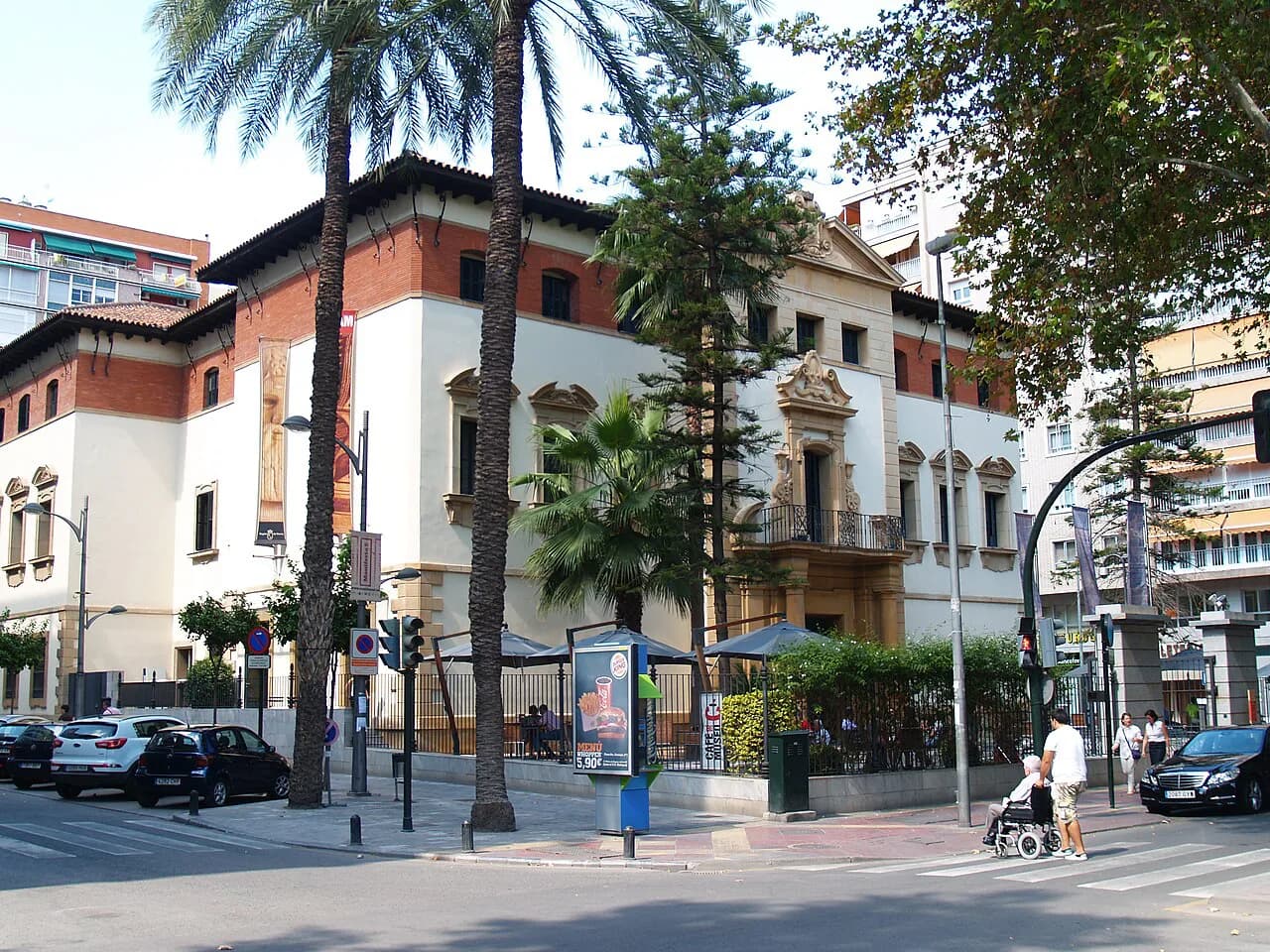
A few steps from the cathedral, on Calle Trapería, the Real Casino de Murcia is a private social club, not a gambling house, and its rooms are opened to visitors. Its Arab patio, inspired by the Alhambra and the Alcázar of Seville, is covered in more than 20,000 sheets of gold leaf, and the rest of the building moves from an English wooden library to a French-style ballroom with rock-crystal lamps and a Pompeian courtyard. It is one of the most visited buildings in the Región de Murcia, and the vestibule alone shows why.
Walking Trapería and Platería between the cathedral and the squares is also the best look at the centre's bourgeois architecture and traditional shops, with the commercial life of the old town packed into a few hundred metres.
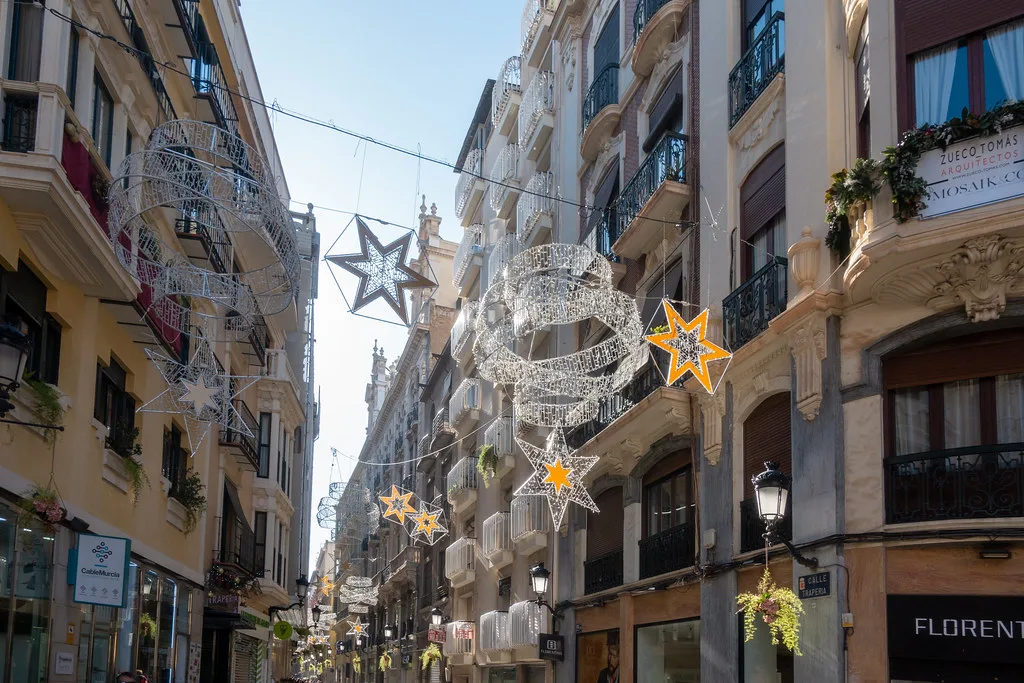
Plaza de las Flores and Plaza de Santo Domingo: the two squares that anchor the centre
The Plaza de las Flores is the centre of the old town's eating and drinking life, ringed by flower stalls and colourful buildings, and it is where you order a marinera, a ring doughnut topped with Russian salad and an anchovy, or a matrimonio.
A short walk away, the Plaza de Santo Domingo offers shade under a huge old ficus and works as the city's meeting point; seen together with the Plaza de las Flores, the two squares make the old town feel like one continuous line rather than a scatter of sights.
If you want a local sweet while you walk, look for a paparajote, a lemon-tree leaf dipped in sweet batter, fried and dusted with sugar and cinnamon; the leaf is only there for flavour and is not eaten.
Museo Salzillo and the Holy Week carvings, an easy add-on
Francisco Salzillo defines the city's artistic identity, and his museum holds the processional pasos carried through the streets on Good Friday, masterpieces of polychrome wood baroque. The Belén de Salzillo, with more than 500 figures depicting country life of the period, is the most engaging part of the collection and one of the great collections of religious imagery anywhere.
The museum sits slightly away from the cathedral–Plaza de las Flores line but still within easy walking distance, so it makes a natural add-on when you have a spare hour. Ticket prices, opening days and any free slots are best taken from the museum's published information and from the museums guide, which covers the city's collections one by one.
The Río Segura, the Malecón and the walk out towards the huerta
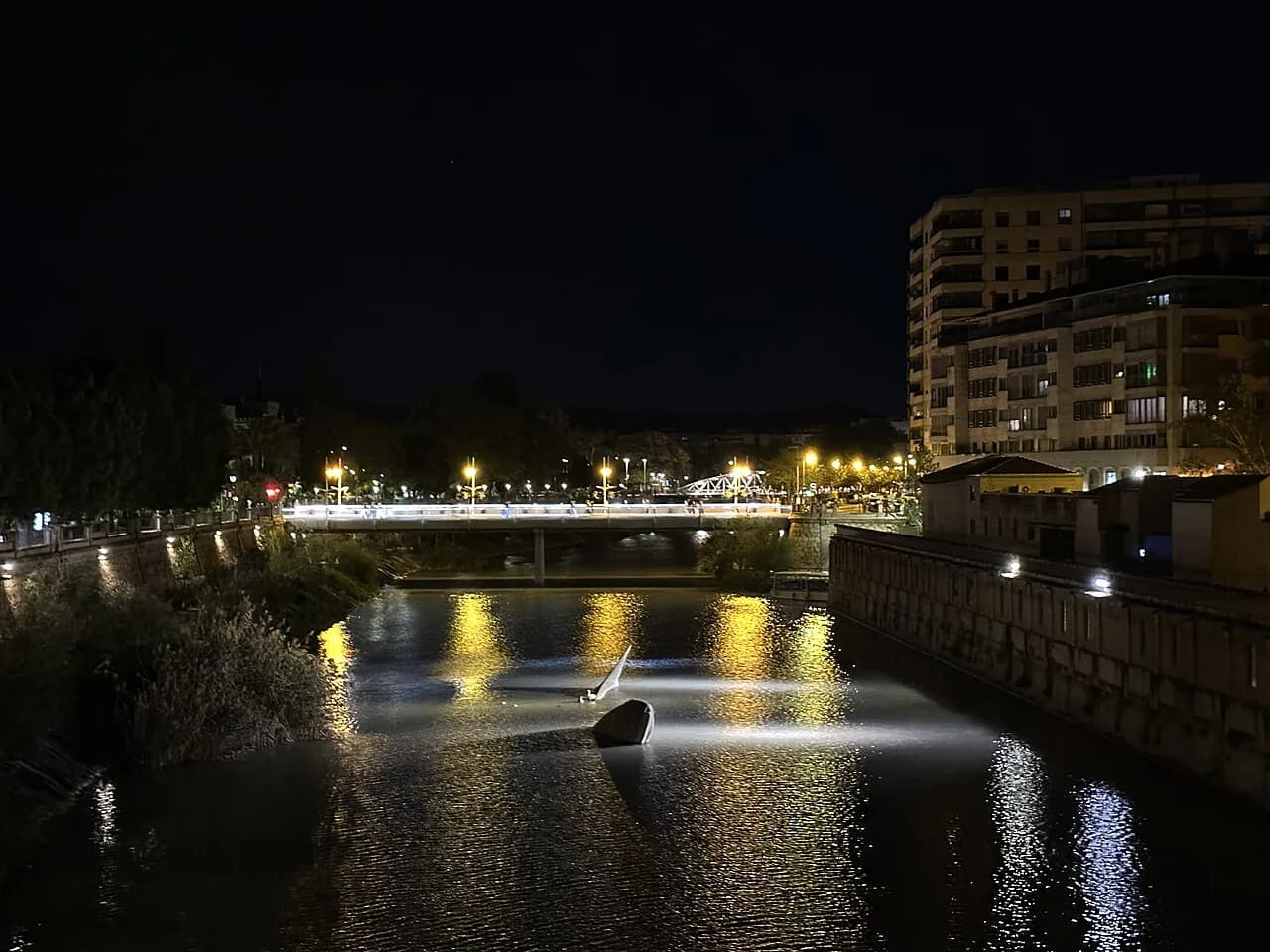
The Río Segura has been brought back to life, and its banks now form a linear park suited to an unhurried stroll; small rowing boats can be hired to see the city from the water. Beside the river, the Paseo del Malecón, an old flood wall turned promenade, leads straight out towards the huerta, the green belt around the capital.
This is a different kind of walking from the old town: flatter, greener and quieter, and a sensible place to end a hot morning once the narrow streets have warmed up. Treat it as an extension rather than a stop on the historic-centre route.
Santuario de la Fuensanta: the viewpoint above the city, and whether it fits your day
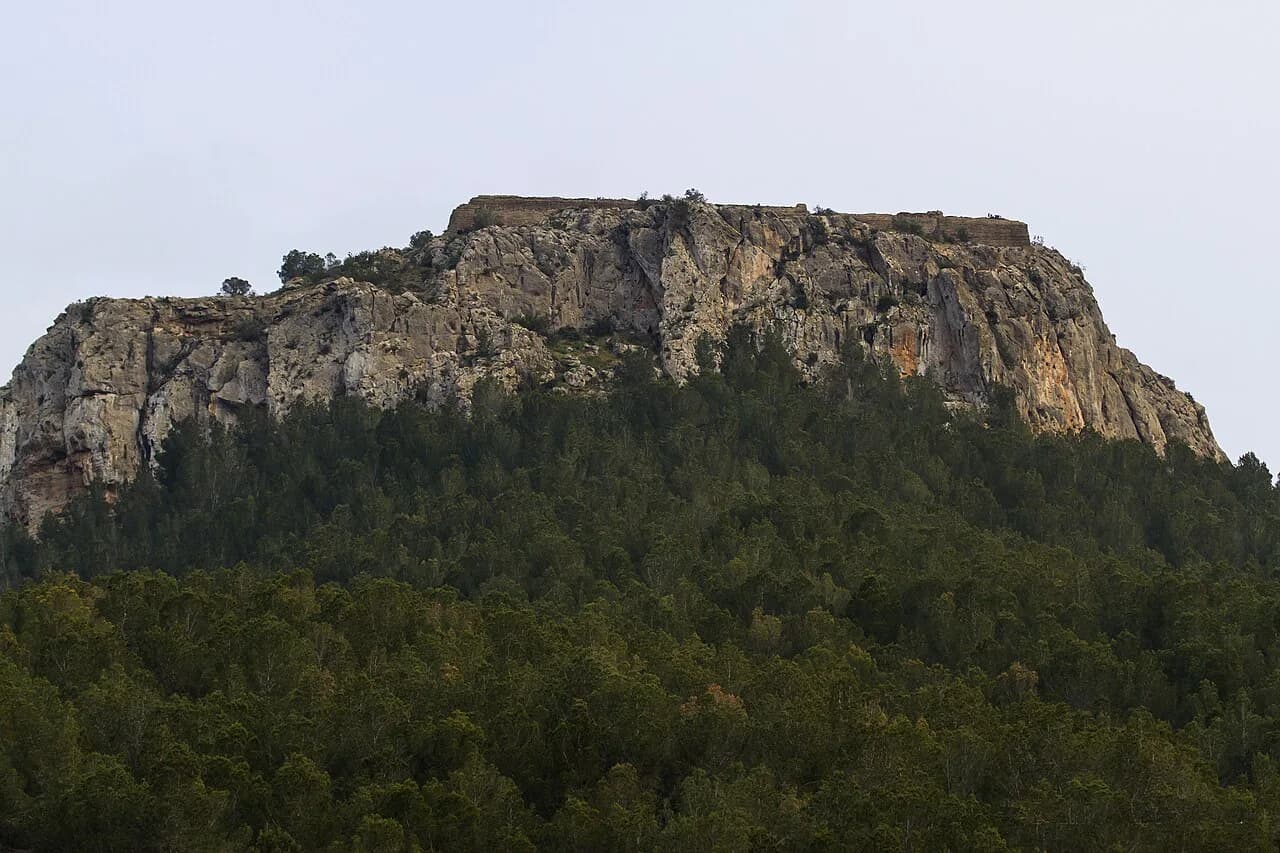
Out in the sierra, the Santuario de la Virgen de la Fuensanta is where the city's patron saint rests, a building surrounded by pines and footpaths with the best views back over Murcia and its huerta. From up here the geography of the city makes sense at a glance, and it is easy to see why the site has been prized for so long.
The sanctuary needs transport of its own and eats into a half-day, so it fits best as a separate outing or a late-afternoon trip rather than a stop on the old-town walk. If your time in the city is tight, the Malecón gives you the huerta landscape with far less travel.
A workable half-day route through the old town in order
Begin at the Catedral de Santa María with the imafronte and the Capilla de los Vélez, and decide on the spot whether to add the tower. Continue along Calle Trapería to the Real Casino de Murcia, then carry on to the Plaza de las Flores for a pause, finishing at the Plaza de Santo Domingo under the ficus. That is the core walk, and it covers the ground without long stretches between sights.
With more time, drop in at the Museo Salzillo on the way back, or walk south to the river and follow the Malecón out into the huerta. Keep the Fuensanta for another half-day, since getting there and back uses up the time you would otherwise spend in the centre.
Heat, midday closures and the summer rhythm of an inland city
Murcia is an inland city with fierce summer midday heat, and the old town's narrow streets offer only patchy shade, so early morning and late afternoon are the comfortable hours to walk. Many churches and small shops close over the siesta period, which means the middle of the day is better spent over a long lunch than queuing for interiors.
Build the day around that rhythm: cathedrals and museums in the morning or evening, the squares and river at either end, and the hottest hours left free. Inland summers here are genuinely severe, so the route above works best reversed or split if you are visiting in high summer.
Which part of Murcia's old town to walk first
Start with the cathedral and its imafronte, follow Calle Trapería to the Real Casino and end in the Plaza de las Flores: that short line gives you the old town's essentials in a morning. Add the Museo Salzillo if you have an extra hour, and save the Fuensanta and the Malecón for a second outing. The city also makes a natural base for wider trips, with Cartagena Spain an easy rail hop for its Roman theatre and harbour.
Explore more Murcia guides
Frequently Asked Questions
How long does it take to walk Murcia's old town?
The core walk from the Catedral de Santa María along Calle Trapería to the Plaza de las Flores and the Plaza de Santo Domingo can be done in a morning. Allow three to four hours on foot if you look inside the cathedral and the Real Casino, and less if you only walk the streets.
Is the Real Casino de Murcia a Casino?
No. The Real Casino de Murcia on Calle Trapería is a private social club, not a gambling house, and its rooms are opened to visitors. Its Arab patio is covered in more than 20,000 sheets of gold leaf, and inside there is an English wooden library and a French-style ballroom with rock-crystal lamps.
What is there to see in the cathedral?
The imafronte, one of the high points of Spanish baroque; the flamboyant Gothic Capilla de los Vélez, whose carved stone looks almost like lace; and the urn holding the heart of Alfonso X el Sabio. The tower, the second tallest in Spain after the Giralda, gives a panorama over the Segura valley.
What should I eat in the old town?
In the Plaza de las Flores, the old town's eating and drinking centre, look for a marinera, a ring doughnut topped with Russian salad and an anchovy, or a matrimonio. Look too for a paparajote, a lemon-tree leaf dipped in sweet batter, fried and dusted with sugar and cinnamon; the leaf is only there for flavour and is not eaten.
Does the Museo Salzillo fit into a half-day in the old town?
Yes. The museum sits slightly away from the cathedral–Plaza de las Flores line but still within easy walking distance, so it makes a natural add-on when you have a spare hour. It holds the Good Friday processional pasos and the Belén de Salzillo of more than 500 figures. Ticket prices and opening days are best taken from the museum's published information.
Is the Santuario de la Fuensanta part of the old-town walk?
No. The Santuario de la Virgen de la Fuensanta is out in the sierra and needs transport of its own, so it fits best as a separate outing or a late-afternoon trip rather than a stop on the old-town walk.
Sources
Notes for your next Spanish town break
Optional updates to our guides.
You might also like


Continue reading
More guides you'll find useful