
Catedral de Santa Ana, Las Palmas: What to See Inside

Santa Ana Cathedral is the one monument in Las Palmas de Gran Canaria that repays a proper interior visit, not just a photograph of its twin towers. It stands in Vegueta, the historic centre, and combines late Gothic and neoclassical work because construction stretched from about 1497 to the nineteenth century. This guide sets out where it stands, how to reach it, the order to walk the building and what sits within a few minutes' walk in Vegueta.
What Santa Ana Cathedral is and where it stands in Vegueta
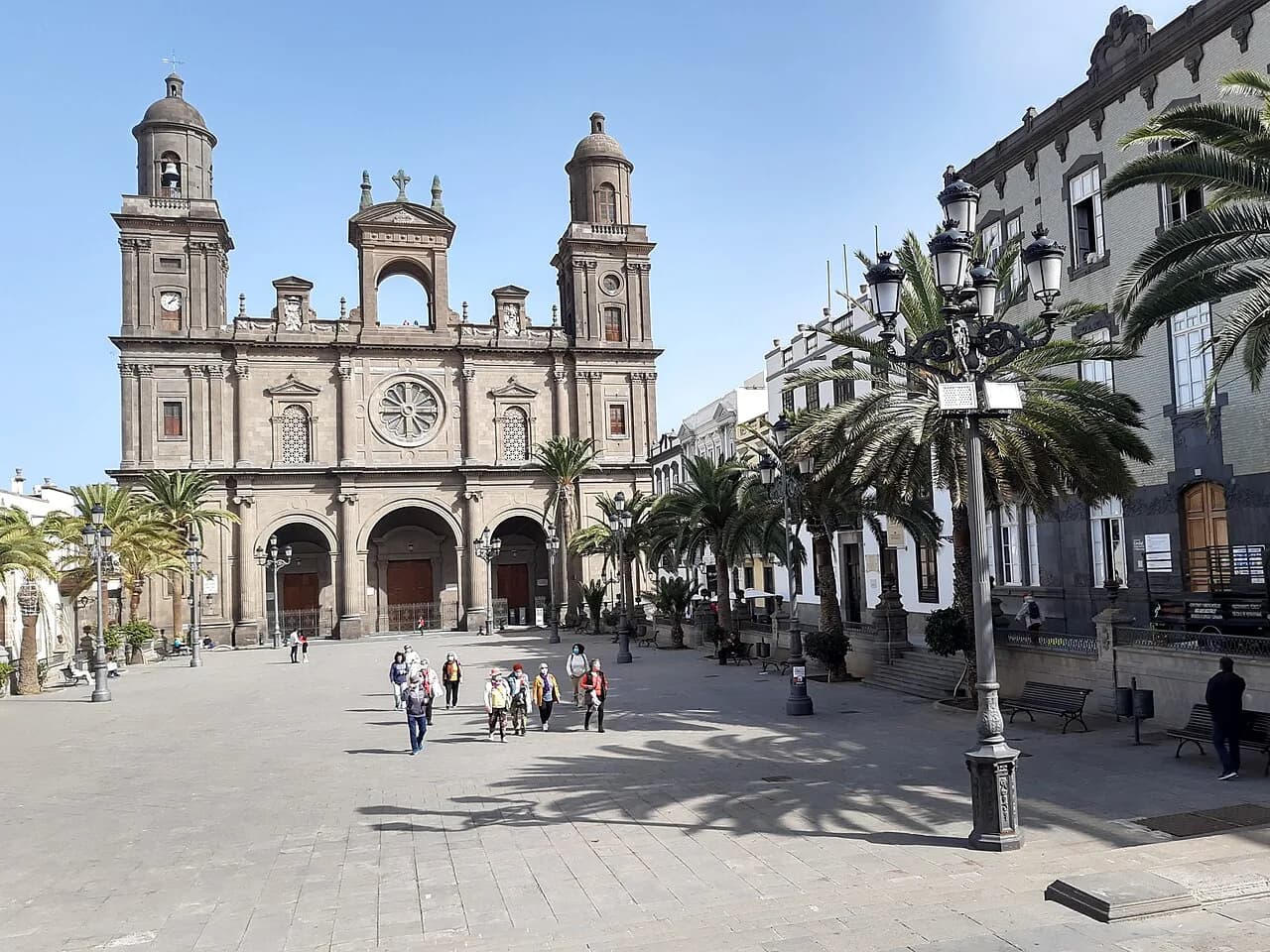
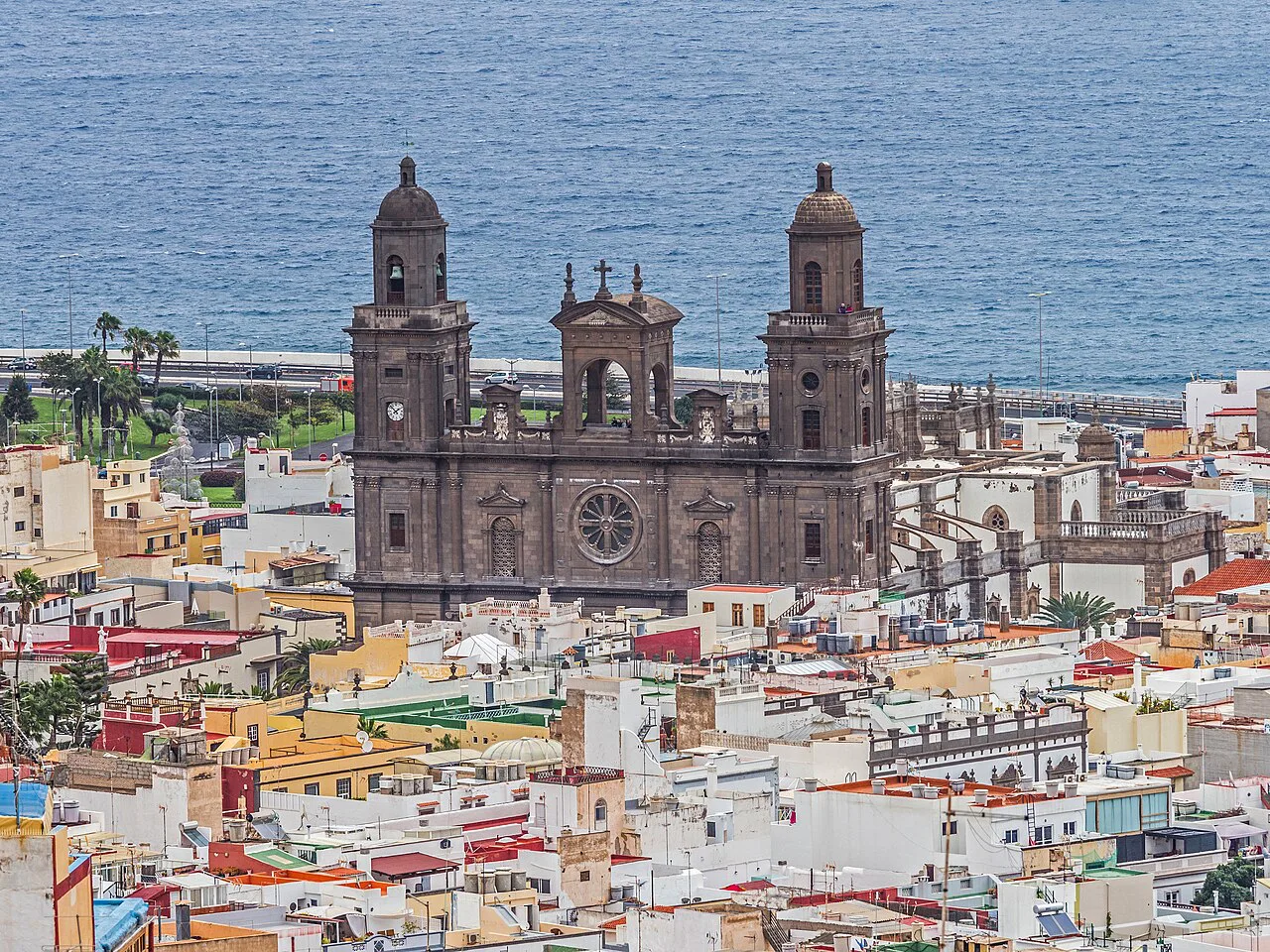
The cathedral faces the Plaza de Santa Ana in Vegueta, the grid of streets that forms the historic city centre of Las Palmas de Gran Canaria. It is the seat of the Diocese of Canarias, and the diocese dates the wish to build a cathedral church on Gran Canaria to a royal declaration of 20 April 1487. Construction of the present building began around 1497 under the same Catholic Monarchs.
Treat Vegueta as the frame for the visit: the cathedral is the anchor, and the lanes around it hold the Casa de Colón, the hermitage of San Antonio Abad and the plaza itself. Cathedral first, streets after, is a sensible shape for a half-day.

How to reach the cathedral in Las Palmas de Gran Canaria
Vegueta sits at the southern end of the city, well south of the port area around Parque de Santa Catalina, so plan on a bus or taxi rather than a stroll from the cruise terminal. Local buses connect the centre with the old town, but routes and frequencies change, so check the current network information from Guaguas Municipales before you set out. Expect tight one-way streets and limited parking in Vegueta.
From the Plaza de Santa Ana, the cathedral entrance is obvious: the west front with its twin towers looks straight across the square. If you are coming from the Auditorio Alfredo Kraus toward the northern end of the city, allow a substantial taxi ride or a bus connection with a change in the centre. Vegueta's streets are cobbled and uneven in places, so wear shoes you can walk in.

The facade, the twin towers and the three styles inside
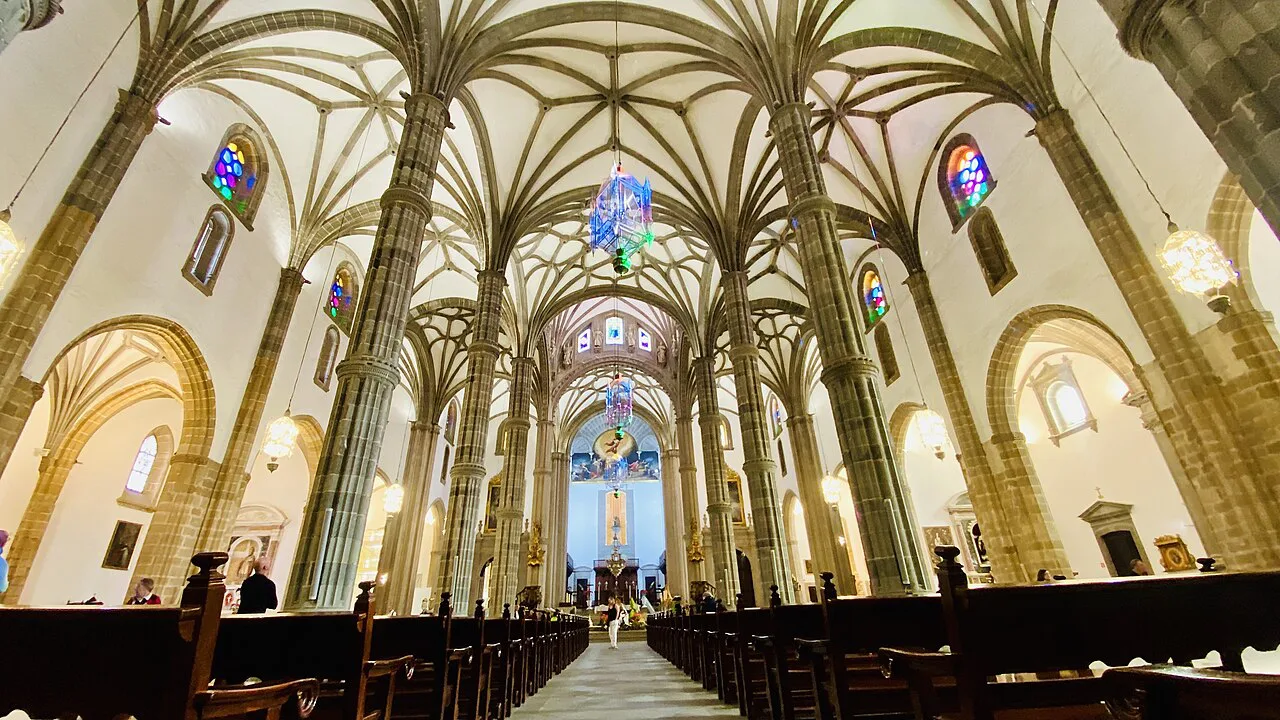
The facade is the building's signature, and the mixture of styles is the reason to look up as well as around. The Diocese of Canarias notes that the long construction history leaves a late Gothic interior combined with a neoclassical exterior. Work began around 1497, stalled in 1570 for lack of funds, and resumed in the seventeenth century, when the architect Diego Nicolás Eduardo arrived.
Inside, the nave structure is Gothic: three naves of equal height, which gives the interior a broad, hall-like feel rather than the soaring single shaft of a French cathedral. The cathedral combines different styles as the work of successive architects over centuries; look for the point where the stonework changes character, especially around the outer walls.
What to look for in the chapels: Luján Pérez sculpture and the Gothic interior
Walk the side chapels slowly; this is where the cathedral's art is concentrated, and it is easy to hurry past them on the way to the high altar. The chapels hold notable pieces including statues by the religious sculptor José Luján Pérez. His work gives the interior a local rather than imported character.
Allow time to sit in the nave as well as to walk it. The equal-height naves mean the light behaves differently from a taller Gothic interior, and the impression is of a wide, calm room rather than a theatrical one. If a service is under way, stay at the back and keep voices low; this is an active diocesan cathedral, not a museum.
The Patio de los Naranjos and the Diocesan Museum of Sacred Art
In the south wing of the cathedral is the Patio de los Naranjos, the orange-tree courtyard, with the Diocesan Museum of Sacred Art opening off it. The museum holds sacred objects and a number of paintings of interest. Treat the patio and museum as part of the same visit and check at the entrance whether the museum is open that day.
Museum entry conditions change, so confirm them with the cathedral's own channels rather than assuming a single ticket covers both the church and the museum. Ask at the ticket desk when you arrive, or contact the Diocese of Canarias through its cathedral pages before travelling if the museum is a priority.
Opening hours and ticket prices for the cathedral
Visitor hours published for the cathedral are Monday to Friday 10:00 to 16:30 and Saturday 10:00 to 13:30, with adult admission at €2.40 and free entry for children. Afternoon visits are only possible on weekdays, so a Saturday visit needs to happen in the morning.
Sunday and public-holiday visitor access follows the liturgical calendar rather than a tourist timetable, so confirm with the cathedral before relying on an out-of-hours slot. Arrive with enough margin before closing to see the chapels and the patio properly, and leave time for a coffee on the terraces around Plaza de Santa Ana afterwards.
How long a visit takes and how it fits a short break in Las Palmas
An hour is enough for the naves, the chapels, the Patio de los Naranjos and the museum at a reasonable pace. Add twenty minutes if you like to read labels and linger in front of sculpture, and a further half-hour if you want to sit in the plaza afterwards. That puts the cathedral comfortably inside a morning, leaving the afternoon free for the rest of Vegueta.
For a short break based in the city, give Vegueta one dedicated half-day rather than trying to fit it between beach time and the auditorium. The old town is a cluster, so once you are there the walking is short and the returns are high.
Plaza de Santa Ana and the bronze dog sculptures outside
Plaza de Santa Ana, in front of the cathedral, holds bronze sculptures of the islands' native dog breeds, plus a modern art museum and other churches and chapels important to Canary culture and history. The square is the natural place to start and finish the visit, and the dogs make an easy landmark for meeting up. Sit on a terrace on the shaded side and you have the facade in view.
The square also holds the Atlantic Museum of Modern Art, which gives you a second indoor option if the weather turns. Between the cathedral, the square and the museum you can fill a wet morning without leaving Vegueta. Check the modern art museum's own hours separately; they are not the cathedral's.
Casa de Colón and San Antonio Abad within a few minutes' walk
At the rear of the cathedral, between the Plaza del Pilar Nuevo and the alley leading to the hermitage of San Antonio Abad, stands the Casa de Colón. It is described as one of the most authentic buildings in the city, formed from a group of buildings that included the governor's residence, and tradition holds that Christopher Columbus stayed there during his time on the island. It is a short walk from the cathedral and a natural second stop.
Two more Vegueta collections fit the same morning if you want more than the cathedral: the Casa-Museo Pérez Galdós and El Museo Canario. Both are in the old town, so the walking between them is minimal. Choose one rather than both if you are working within a half-day, and check each one's opening days before you go.
The cathedral as a working church: mass and major feast days
Santa Ana is a working diocesan cathedral, so visitor access gives way to liturgy. The cathedral's feast is celebrated every 26 November, and its Holy Week programme includes Palm Sunday, the Easter Triduum — Holy Thursday, Good Friday and Holy Saturday — and Easter Sunday, with ceremonies such as the Lord's Supper, the Passion, the Easter Vigil and processions including the Santo Entierro and the Encuentro. Expect the building to be busier around those days.
If you are in the city during Holy Week, treat the cathedral as a place to attend a service rather than to tour, and check the diocese's published schedule for the current year. Outside those periods, weekday mornings are the calmest time to see the interior. The practical rule is simple: if mass is being celebrated, wait or come back later.
Should the cathedral be your first stop in Vegueta?
Yes. Santa Ana Cathedral is the logical first stop in Vegueta: it explains the district's history, admission is modest, and it puts you on Plaza de Santa Ana with the Casa de Colón and the rest of the old town within minutes. Go on a weekday morning if you can, so the full day's hours are open to you and the interior is quieter.
Build the rest of the morning around it rather than trying to see Vegueta in fragments: cathedral, patio and museum, then the square, then the Casa de Colón. If you are staying near the northern beaches, plan the journey back before the evening rather than squeezing in one more sight.
Frequently Asked Questions
Do I need to book Santa Ana Cathedral in advance?
The published visiting information gives only hours and admission prices, with no advance-booking requirement for ordinary visitor entry. Turn up during the published visiting hours and pay at the desk, or ask the cathedral directly if you want to bring a group.
Is the cathedral accessible for wheelchair users?
Access conditions are best confirmed with the cathedral before you travel, since historic entrances and the museum wing may have steps. Contact the Diocese of Canarias through its cathedral pages and describe your needs.
How does the cathedral compare with Las Palmas's other sights?
It is the historic anchor of the city and pairs naturally with the Casa de Colón and the rest of Vegueta. Sights at the northern end of the city, such as the Auditorio Alfredo Kraus, are a separate trip.