
Segovia Cathedral: What to See Inside the Catedral de Segovia

Segovia Cathedral, the Catedral de Segovia, is the sight most visitors slot between the aqueduct and the Alcázar, and it deserves more than a glance through the door. It is one of the last of Europe's great Gothic cathedrals, and it sits on the Plaza Mayor at the top of the old town, which makes it the natural hinge of any walk across Segovia. This guide covers where it stands, how to reach it, what to see inside and how long to allow.
Treat it as the middle act of a day rather than a separate outing. Arrive from the aqueduct end, see the cathedral, then drop down towards the Alcázar and decide whether you want the climb back up in the afternoon heat.
Where Segovia Cathedral stands in the old town
The cathedral faces the Plaza Mayor, the arcaded square that serves as the city's main public space and the point where the old town's streets converge. That position places it a short walk from the Aqueduct to the north and the Alcázar to the west, so it fits neatly into a route that runs across the walled centre.
Because it sits high on the ridge, the cathedral is also a landmark you can navigate by: its tower and dome show above the roofs from several streets. If you are coming up from the Eresma valley after the Alcázar, use the tower as your bearing and take the climb at an unhurried pace.

How to reach the cathedral on foot from the Aqueduct and the Alcázar
From the Segovia aqueduct, walk uphill into the old town and follow signs for the Plaza Mayor; the cathedral appears as you reach the square. The distance is short enough to cover on foot, and the streets are pedestrianised for much of the way, so no bus or taxi is needed for this leg.
From the Alcázar, the return is a climb rather than a stroll: the fortress sits above the confluence of the Eresma and Clamores valleys, and the streets back to the Plaza Mayor rise steadily. If you are visiting in summer, do the cathedral before the Alcázar and save the uphill walk for the cooler end of the day.
The exterior: tower, dome and the view over the roofs
The exterior is worth a slow circuit before you go in. The cathedral's tower and dome are the two elements that define the skyline of this part of Segovia, and the building's mass reads best from the far side of the Plaza Mayor, where you can take in the whole facade at once.
The tower and roof are a separate visit from the main cathedral, with its own booking arrangements. Do not assume tower access is included in the standard entry; check the cathedral's own ticketing page before you travel if the climb is the reason for your visit.
Inside: the late-Gothic nave, the cloister and the chapels
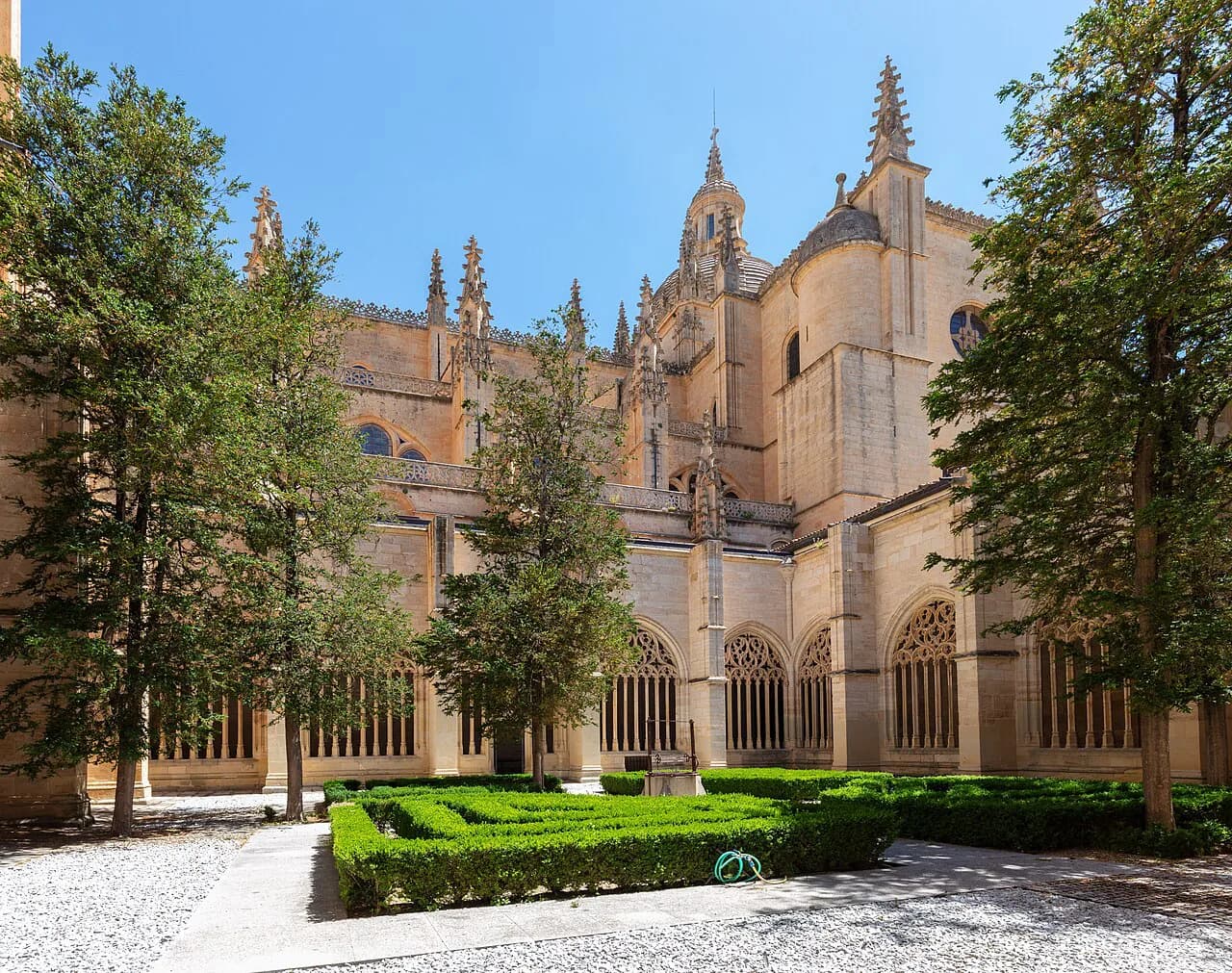
Inside, the scale is what strikes you first: a wide late-Gothic nave with side chapels opening off it, and a cloister that wraps around a courtyard. Walk the nave slowly and look into the chapels rather than hurrying toward the high altar, because the smaller spaces hold much of the building's character.
The cloister is the quietest part of the visit and a good place to slow down after the noise of the square. Light falls into the courtyard from above, and the carved stonework repays a few minutes of attention before you head back into the church.
The choir, the retablo and the stained glass
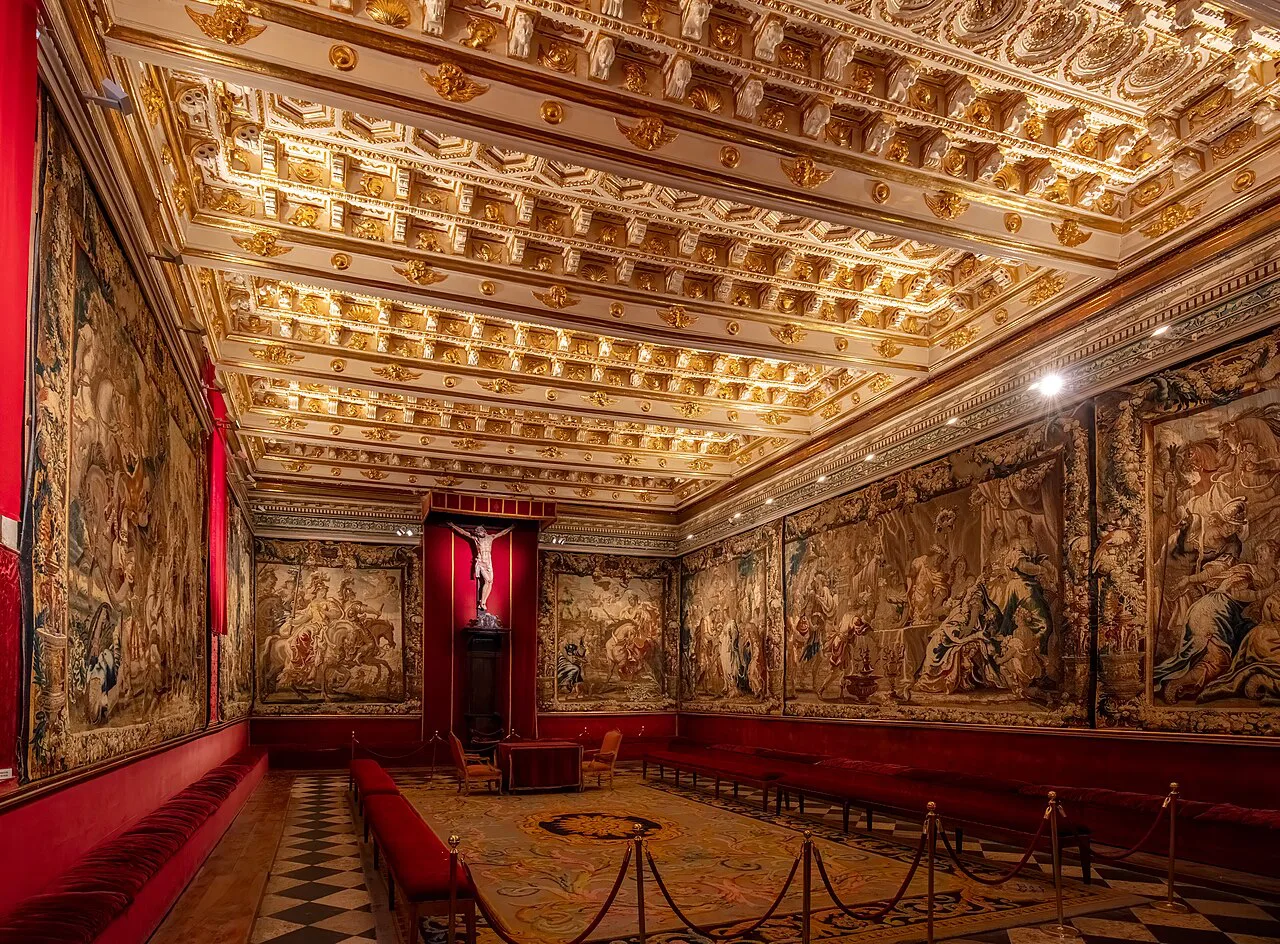
Look for the choir stalls, the retablo behind the high altar and the stained glass windows that run high along the nave. These three elements carry most of the interior's visual weight, and seeing them in that order gives the visit a shape rather than a drift from chapel to chapel.
The glass is easy to miss because it sits far above eye level. Step back towards the west end of the nave or into the crossing to see the windows properly, and give your eyes time to adjust after the bright square outside.
A short detour: the Casa-Museo de Antonio Machado
If you want a change of scale after the cathedral, the Casa-Museo de Antonio Machado on Calle de los Desamparados is a small, domestic museum in the pension where the poet lodged. It is a modest set of rooms rather than a grand monument, and it works well as a contrast to the cathedral's stone.
The museum publishes its own timetable and tariffs, including a free-entry slot on non-holiday Wednesdays that does not cover the audioguide. Its official page gives the opening hours by season and the current prices, so check there rather than relying on a guidebook.
Other stops on the same walk
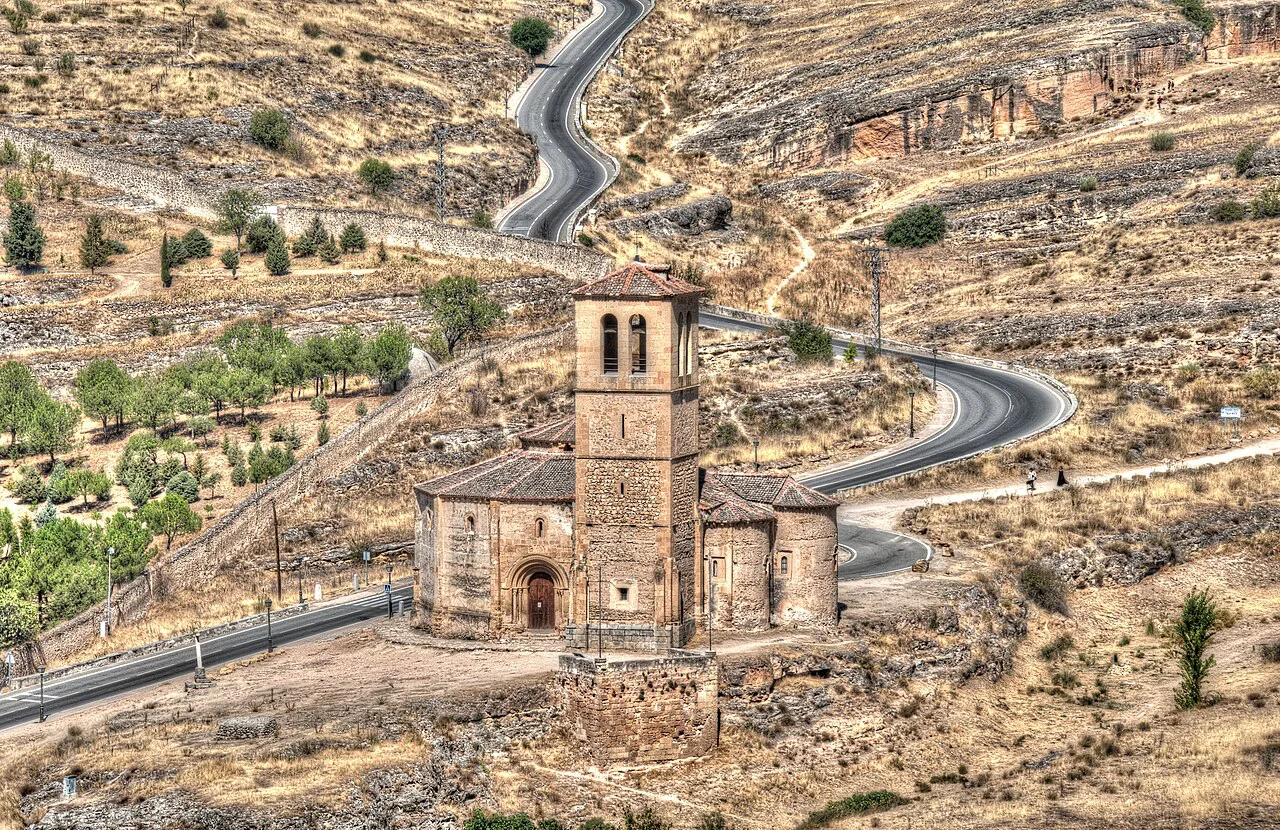
Two further sights sit naturally on a route between the aqueduct and the cathedral. The Casa de los Picos, with its studded facade, is on the way up from the aqueduct, and the Vera Cruz Church, a Romanesque building with a twelve-sided plan, lies out beyond the Alcázar toward the Eresma.
Pick one of these rather than trying to do everything. The cathedral alone takes a solid block of time, and adding two more interiors to the same afternoon leaves you hurrying through all of them.

How long to allow at the cathedral
An hour covers the nave, the chapels and the cloister at a reasonable pace, and ninety minutes lets you sit with the choir and the glass without rushing. Add extra if you want the tower, which is booked separately and has its own access arrangements.
The Alcázar gives a useful benchmark for planning the rest of the day: the palace and museum there take roughly forty to forty-five minutes on a self-guided visit, and the Torre de Juan II is capped at twenty-five minutes. Use that to budget the cathedral against the rest of your walk rather than treating each sight as open-ended.
Closures to expect: mass times and tourist access
Cathedrals in Spain close their tourist route during services, and Segovia is no exception. Check the mass schedule on the cathedral's own website before you set out, and plan your visit around the morning and evening services rather than turning up and finding the doors shut to visitors.
Outside the services, churches in Castilla y León often shut at midday and reopen in the afternoon, so a cathedral visit slotted into the middle of the day can mean waiting. The cathedral's own timetable is the one to trust, not a general rule of thumb.
Nearby: the Aqueduct, the Alcázar and the cathedral walk
The three big sights of Segovia line up along a single walk, and the cathedral is the one in the middle. The Acueducto Romano de Segovia is the spectacular approach from the north, and the Alcázar anchors the far end above the Eresma valley.
The Alcázar publishes its seasonal hours and its 2026 closure and special-hours dates, and it recommends buying tickets in advance because entries including the Torre de Juan II sell out on busy weekends. Read those terms on its own site rather than assuming the castle follows the cathedral's timetable.
Practical notes: midday heat and the walk back up
Inland Castilla y León gets hot at midday in summer, and the climb back from the Eresma valley to the Plaza Mayor is the part of the day most people underestimate. Do the cathedral in the morning or late afternoon, and use the middle of the day for the shaded streets of the old town or an indoor visit.
Segovia's tourism office publishes a city map and a set of downloadable guides covering the monuments, museums and viewpoints, which are useful for planning the order of a walk before you leave. Download them to your phone so you are not relying on signs at every junction.
Tickets and opening hours for Segovia Cathedral
Entry to the cathedral is ticketed, and the tower is a separate product with its own booking rather than an add-on you can assume is included. The cathedral's own site is the place to carry the current hours, closing days and prices, so treat any figure quoted elsewhere as something to confirm.
Segovia's tourism office keeps a downloadable city map and a set of monument and museum guides, which is a useful cross-check if the cathedral's own site is awkward to navigate. If you are building a day around several sights, confirm the cathedral first, because it is the one whose services can interrupt the tourist route.
Fit the cathedral into your Segovia walk
Build the day around the cathedral as the middle of a line from the aqueduct to the Alcázar, and the walk organises itself. Start at the aqueduct, climb to the Plaza Mayor, spend an hour or ninety minutes inside the cathedral, then drop toward the Alcázar and decide whether the Torre de Juan II is worth the extra booking.
Confirm the cathedral's hours and ticket arrangements on its own site the week you travel, and check the Alcázar's published closure dates if you are visiting in late December or on a public holiday. Everything else in Segovia can wait until you are standing on the square.
Frequently Asked Questions
When was Segovia Cathedral consecrated?
The cathedral was consecrated in 1558 and is counted among the last of the great Gothic cathedrals built in Spain.
Where does the cathedral sit in Segovia?
It faces the Plaza Mayor in the old town, a short walk uphill from the Aqueduct and a climb back up from the Alcázar, which sits above the Eresma valley.
How long should I allow for a visit?
An hour covers the nave, chapels and cloister; ninety minutes lets you linger over the choir and stained glass. The tower is a separate product with its own booking, so add time if you plan to climb it.
Do I need to book tickets in advance?
Entry to the cathedral is ticketed and the tower is booked separately, but the cathedral's own site is where current hours, closing days and prices are confirmed rather than any list quoted elsewhere.