Comillas, Cantabria: Gaudí's El Capricho and the Sobrellano Palace
Comillas, Cantabria: El Capricho by Gaudí, the Sobrellano palace and chapel, the Pontifical University and the cliff-top cemetery, west of Santander.
On this page
Comillas is a small Cantabrian coastal town west of Santander whose appeal is architectural rather than museum-based: one Gaudí house, a palace and chapel, a Pontifical University and a handful of monuments in a compact old centre. Give it a full day, or an afternoon and a morning if you are based in Santander, and accept that the clifftop and estuary half depends on the weather.
The town works because its sights sit in two clusters. The old centre holds the Puerta de los Pájaros, the statue of the Marqués de Comillas and the Casa del Duque, while El Capricho, the Sobrellano palace and chapel and the university sit together on the western edge, so you walk out once rather than zig-zagging. This guide covers each cluster in turn, then the coastal and estuary sights and a sensible order for the day.
Where Comillas sits on the Cantabrian coast
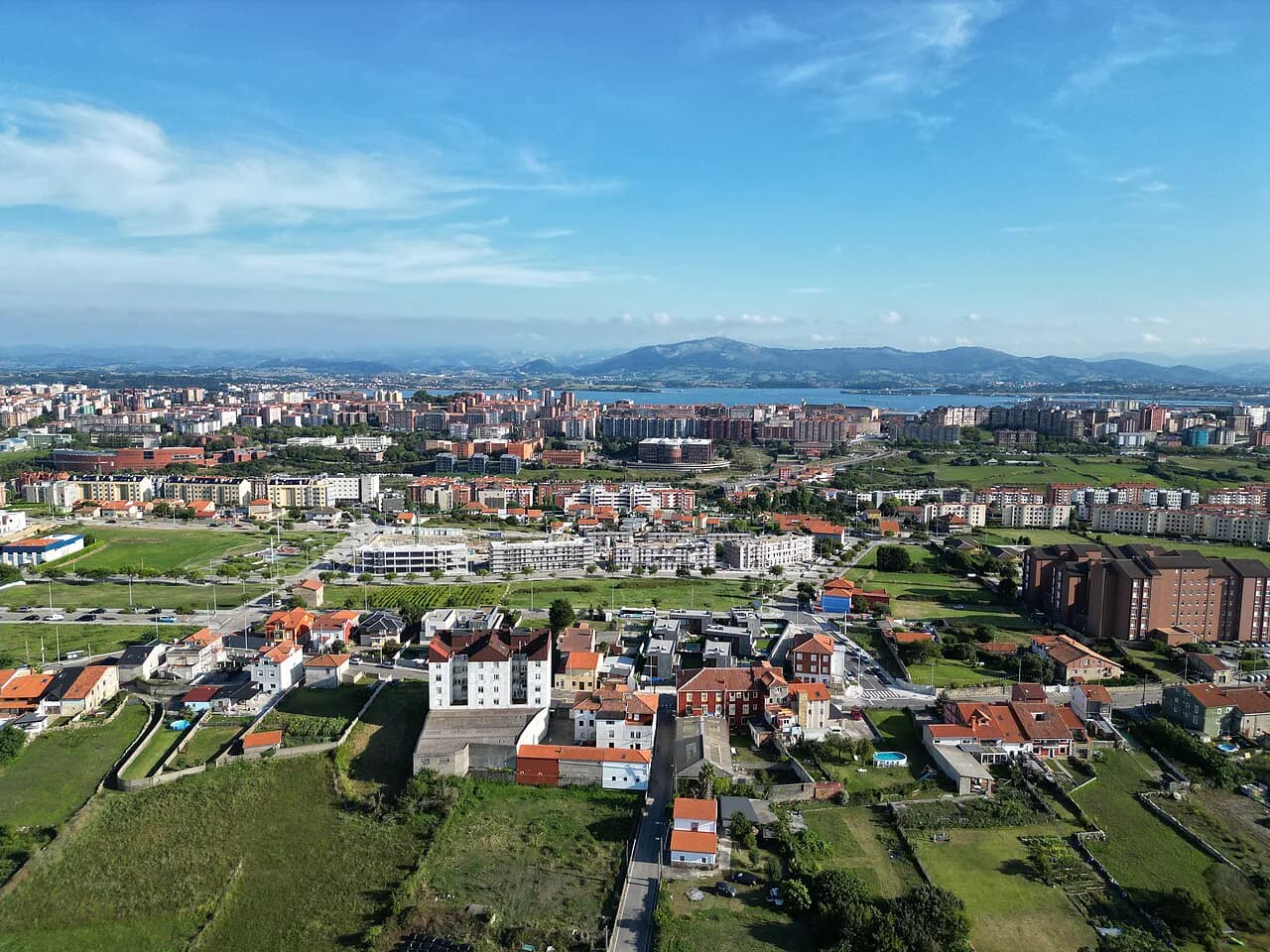
Comillas lies in western Cantabria, on the coast west of Santander and close to San Vicente de la Barquera and the Oyambre estuary. That position makes it a natural stop on a coastal run rather than a destination in its own right for a long holiday, and it pairs neatly with a Santander base.
The town is small enough to cover on foot, and the whole of it — centre, western edge and clifftop — reads as one continuous walk. If you are weighing how to spend your time, the wider list of things to do in Santander shows how a coastal town like this sits alongside a city break, and Santander old town gives you the urban counterweight.
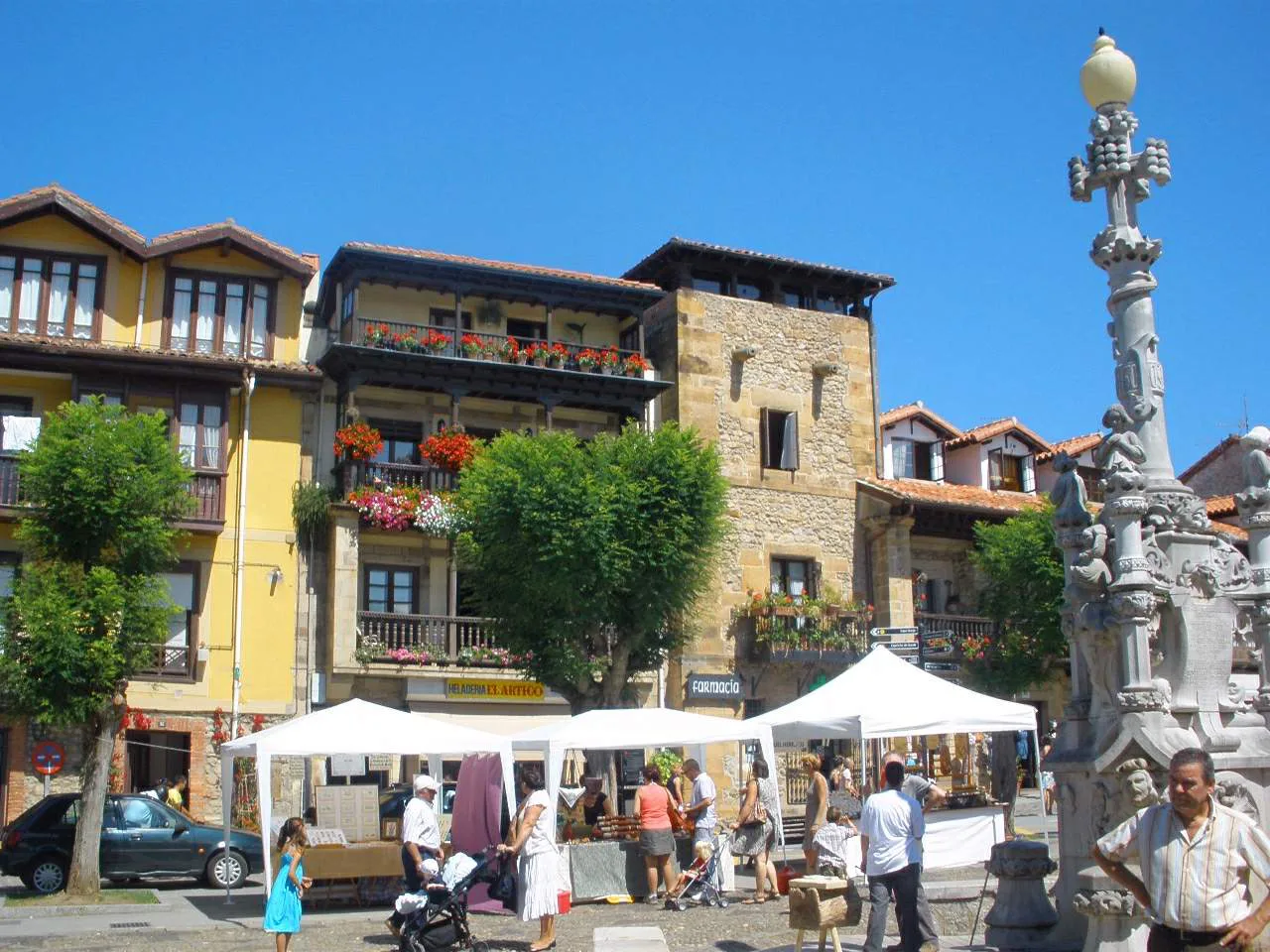
The old centre: the Puerta de los Pájaros and the Indiano houses
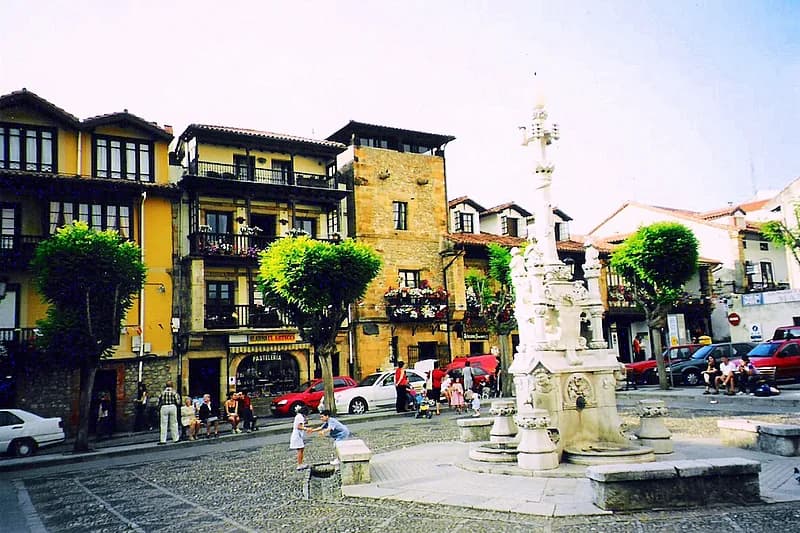
Start in the old centre, where the Puerta de los Pájaros — the Gate of the Birds — is listed among the town's architectural monuments, alongside the statue of the Marqués de Comillas and the Casa del Duque. Together they set up the rest of the town's architecture.
The Casa del Duque and the Marqués statue are listed as monuments rather than ticketed visits, so treat them as a short walk through the centre and let them set up the story before you head west to the bigger architecture.
El Capricho de Gaudí
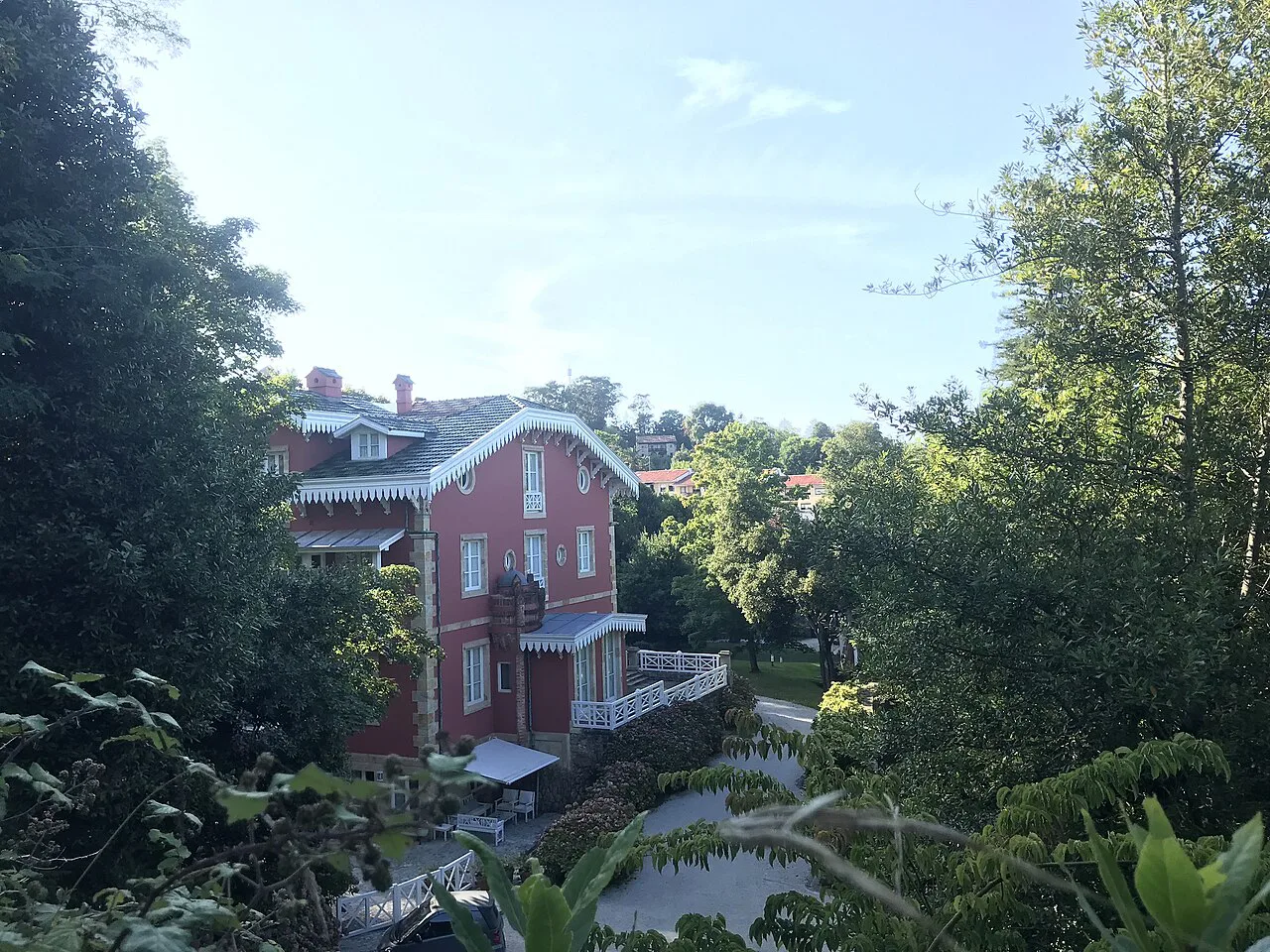
El Capricho is the reason many travellers come to Comillas. Antoni Gaudí designed it in the late nineteenth century, and it is one of his best-known works, blending art nouveau and Catalan modernisme with mosaic detail, curved lines and strong colour.
It sits on the town's western edge with the Sobrellano complex, so the sensible move is to walk out from the centre once and take in the Gaudí house and its neighbours together. The building is a house rather than a museum collection, and its place in the town's story matters as much as its fabric.
Opening arrangements for El Capricho follow the operator's own schedule, so check them ahead rather than relying on a guidebook. If you want a Santander day that includes a museum interior, the museums in Santander are a surer bet for fixed collections.
Palacio y Capilla de Sobrellano and the Pontifical University
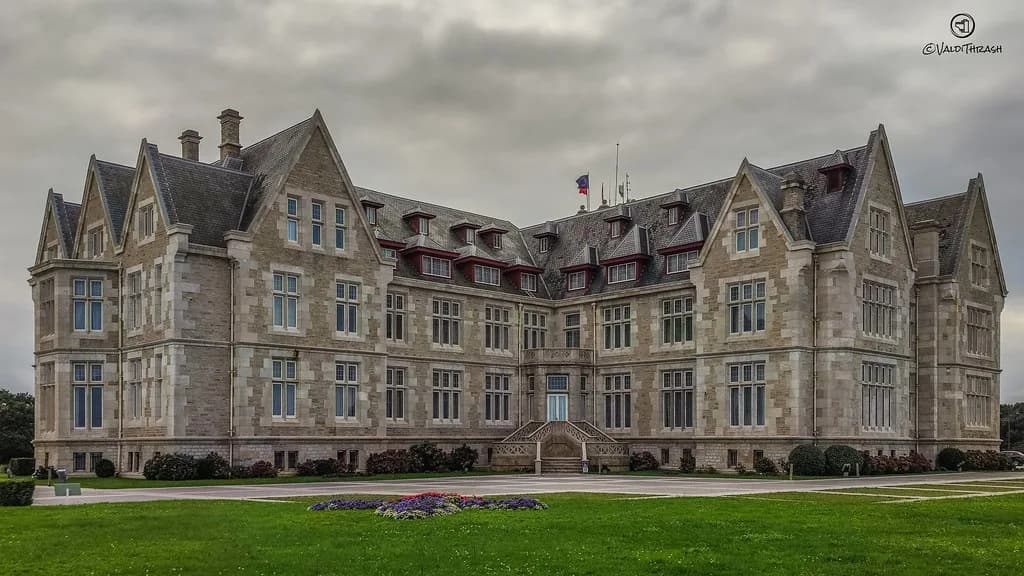
The Palacio y Capilla de Sobrellano stands next to El Capricho on the west side of town, a palace and chapel that together form one of Comillas's most photographed ensembles. It is the architectural partner to the Gaudí house: where El Capricho is playful, Sobrellano is formal, and seeing them in one walk makes the town's ambition clear.
A short walk away is the Universidad Pontificia de Comillas, a striking building on a privileged site above the sea, listed among the town's monuments. Treat it as an exterior landmark, since no visitor arrangements for the interior are set out here.
These three — El Capricho, Sobrellano and the university — form the western cluster and are best done as one continuous loop from the centre. Do not plan on fixed hours indoors here: the appeal is the architecture and the coastal setting, and any interior openings follow their own schedules.
The cemetery above the sea, the Acantilado del Bolao and Monte Corona
The Cementerio de Comillas sits on high ground with panoramic views over the sea, and it is a place of real architectural and historical interest, holding the tombs of figures from the town's past. It is the quiet, outdoor half of a Comillas visit, and it rewards a slow walk rather than a quick look.
Further out, the Acantilado del Bolao is a clifftop viewpoint with coastal paths to the top, and Monte Corona is a wooded hill and nature reserve above the town. Both are weather-dependent: coastal rain and wind are common in Cantabria, so keep them for a dry spell and do not build the day around them.
A walking order through Comillas
A workable order is: old centre first, taking in the Puerta de los Pájaros, the Marqués statue and the Casa del Duque, then west to El Capricho, Sobrellano and the Pontifical University, then up to the cemetery and, if the weather holds, out to the Bolao cliff. That route joins the centre to the Gaudí sights without doubling back.
If you are working from a Santander base, the town fits an afternoon: the walk above covers the centre and the western edge comfortably. The Santander map is a useful way to see how the city and its coast relate before you choose your days.
The fishing port and the town beach
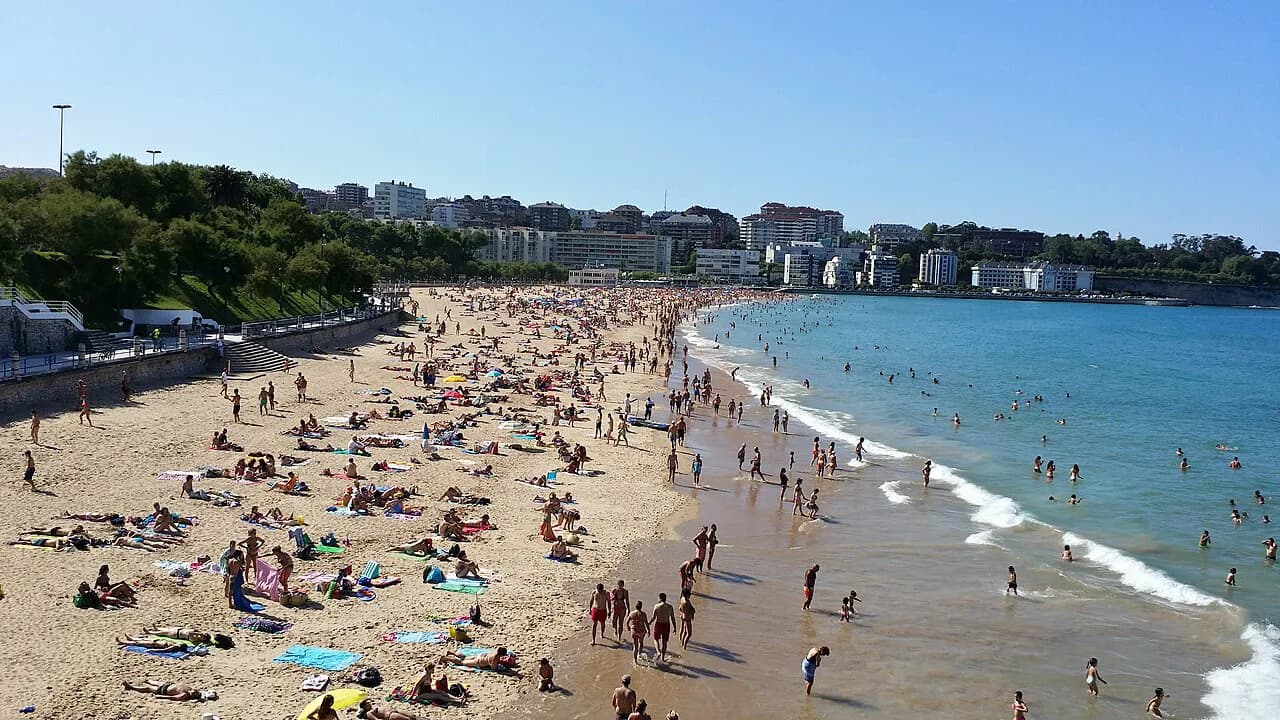
The Puerto Pesquero de Comillas is part of the town's working life as well as its shoreline, and the town beach sits close by. Together they give the centre a maritime feel that the grand architecture alone would not, and they make a natural break in the middle of the walk.
Nearby, the beaches at Oyambre and San Vicente de la Barquera are longer and draw surfers, but they are separate outings rather than part of a town walk. Keep them as coastal context: this is a town guide, and the beach is a place to pause, not the main event.
The Ría de Oyambre and the Parque Natural de Oyambre
West of Comillas, the Ría de Oyambre — also called the Ría de La Rabia — and the Parque Natural de Oyambre form a protected coastal landscape of estuary, cliffs and green hills. It is the natural counterpoint to the town's architecture, and the park is home to a range of birdlife and plant species.
The park is a place for a walk or a lookout rather than a ticketed attraction, and it is exposed to Cantabrian weather, so a clear morning is worth waiting for. It also explains why Comillas works as a stop on a coastal run towards San Vicente de la Barquera rather than as an isolated visit.
How long Comillas needs and how it fits a Santander trip
For the town itself, allow a full day if you want the centre, the western cluster and the clifftop without rushing; a half-day covers the centre and El Capricho comfortably. The town is compact and walkable, so the limit is your pace and the weather rather than distances.
Set against a Santander base, Comillas is a straightforward day out west along the coast: the city gives you the bay, the old town and the museums, and Comillas gives you the architecture and the cliffs. Santander history and the Santander Attractions: 5 Visitor Guides are good starting points for planning the city half.
Santillana del Mar is the other obvious inland counterpart in Cantabria, with its Colegiata de Santa Juliana and Plaza Mayor, if you want a second day away from the coast. Pairing Comillas with Santillana del Mar gives you two very different Cantabrian towns without long drives.
Practical points: church interiors, seasonal opening patterns and coastal rain
Opening hours and ticket prices for El Capricho, Sobrellano and the Pontifical University are not set out here, and church interiors in Spain commonly close to tourists during services. Plan around a morning or early-afternoon slot rather than assuming a fixed schedule, and check the official pages for the day you travel.
Cantabrian weather is the other variable: rain and wind are common, and the cemetery, the Bolao cliff and the Oyambre park are all outdoor. Keep the architecture for wet hours and the cliffs for dry ones, and you will get more out of the day whichever way the forecast goes.
If you want shopping or city time as well, shopping in Santander covers the city's commercial side, and you can round off the day back on the city waterfront.
Build your Comillas day around the western cluster
Comillas is a town of two halves: the old centre with its gate and Indiano monuments, and the western edge where El Capricho, Sobrellano and the Pontifical University stand together. Walk out once and you see the town's story without criss-crossing, and the cemetery and cliffs are the outdoor reward if the weather holds.
From a Santander base, this makes an easy coastal day: city in the evening, Comillas in the afternoon, with Santillana del Mar as a second trip if you have the time. Confirm those visiting hours and prices on the official pages before you go, then let the forecast decide the clifftop half.
Frequently Asked Questions
What does "Comillas" mean in Spanish?
In everyday Spanish, Comillas are quotation marks, and entre Comillas means in quotation marks or, figuratively, in scare quotes. The town's name is spelled the same way, which is why it turns up in unrelated search results about punctuation.
Is Comillas worth visiting?
Come for the architecture and the coast rather than a museum tick-list: El Capricho, the Sobrellano palace and chapel and the Pontifical University form a compact, distinctive group, and the cemetery and cliffs add an outdoor half. If you are based in Santander and want a coastal day out west, it fits neatly.
Sources
Notes for your next Spanish town break
Optional updates to our guides.
You might also like
Continue reading
More guides you'll find useful