Santillana del Mar: the medieval village, the Colegiata and Altamira
Plan a visit to Santillana del Mar in Cantabria: the Colegiata de Santa Juliana, the Plaza Mayor, the old streets and the Altamira museum and neocueva.
On this page
Santillana del Mar is worth half a day for its old centre alone and a full day if you add the Altamira museum, which sits just outside the village. The historic core is small enough to walk end to end in well under an hour, but the Colegiata, the Plaza Mayor and the lanes between them reward a slower pace. This guide sets out what to see, how the streets are arranged, how to reach the village from Santander and how the pieces fit a Cantabrian short break.
What Santillana del Mar is known for
Santillana del Mar is a medieval villa in Cantabria that grew up around the Colegiata de Santa Juliana, the church that gave the place its name. The old centre is a declared Monumento Nacional and one of the best-preserved historic ensembles in the region, with buildings mostly dating from the fourteenth to the eighteenth centuries. As the official Spanish tourism site puts it, defensive towers and Renaissance palaces sit side by side with the Romanesque church, which is why the village reads as a single harmonious whole rather than a collection of individual sights.
The name invites a well-known joke: Santillana is 'neither Holy, nor flat, nor by the sea', despite 'del Mar'. It sits inland a few kilometres from the coast, and its streets climb gently away from the Colegiata. Treat the village as an inland stop and plan any beach time separately.
How the old town is laid out
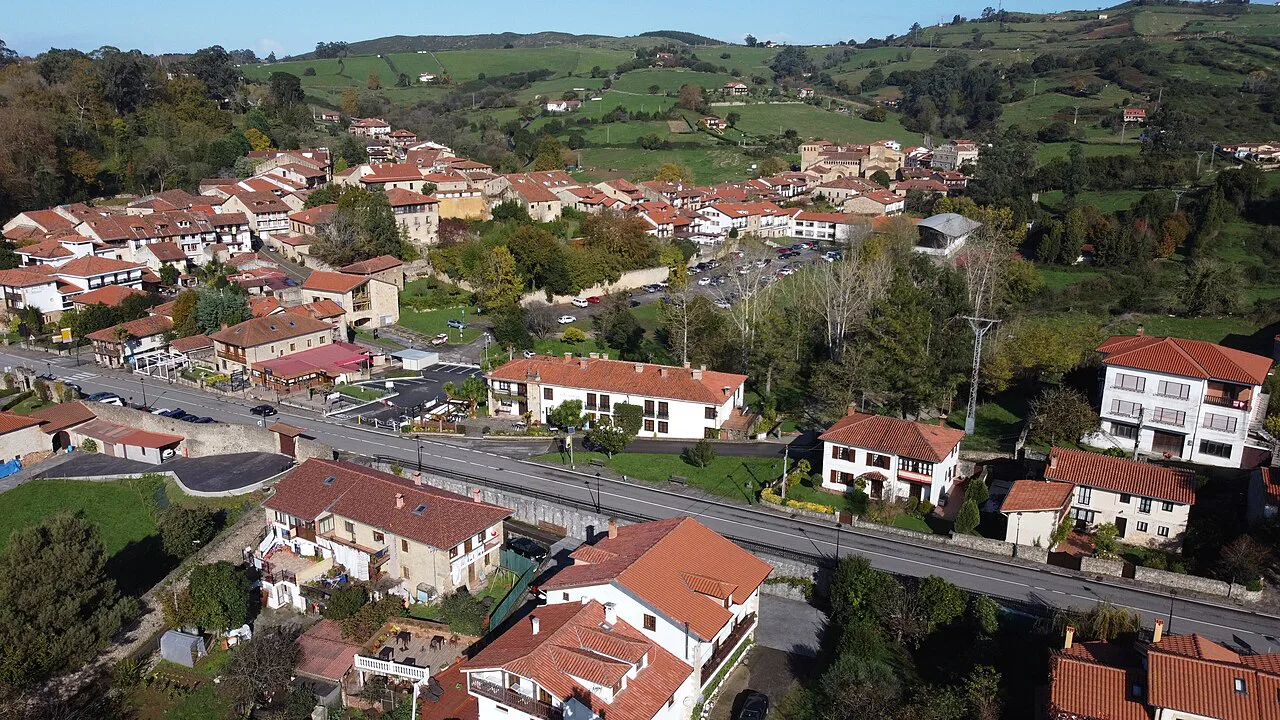
The street plan is roughly Y-shaped: one street runs from the Colegiata and then splits into two lanes that continue in parallel through the village. Calle de Santo Domingo is the main approach, the route most visitors take from the edge of the centre towards the church. Once you understand that fork, you can orientate yourself without a map and loop back through the side lanes rather than retracing your steps.
The lanes are cobbled and flanked by stone houses, towers and palaces, so the walk is as much about the architecture as any single monument. Allow an hour to wander the centre without stopping, and two to three hours if you go into the Colegiata and pause on the Plaza Mayor. Wear shoes with a bit of grip, since the cobbles are uneven.
The Colegiata de Santa Juliana
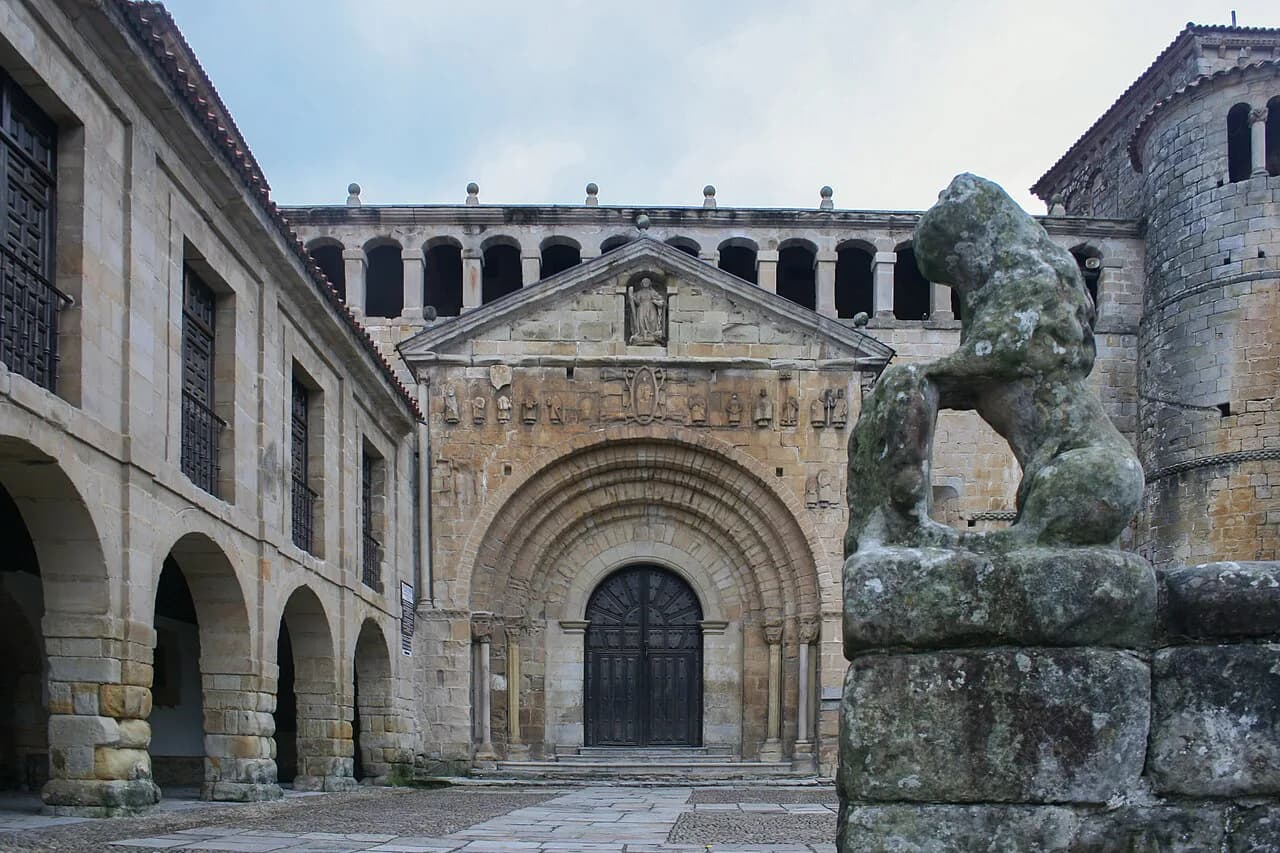
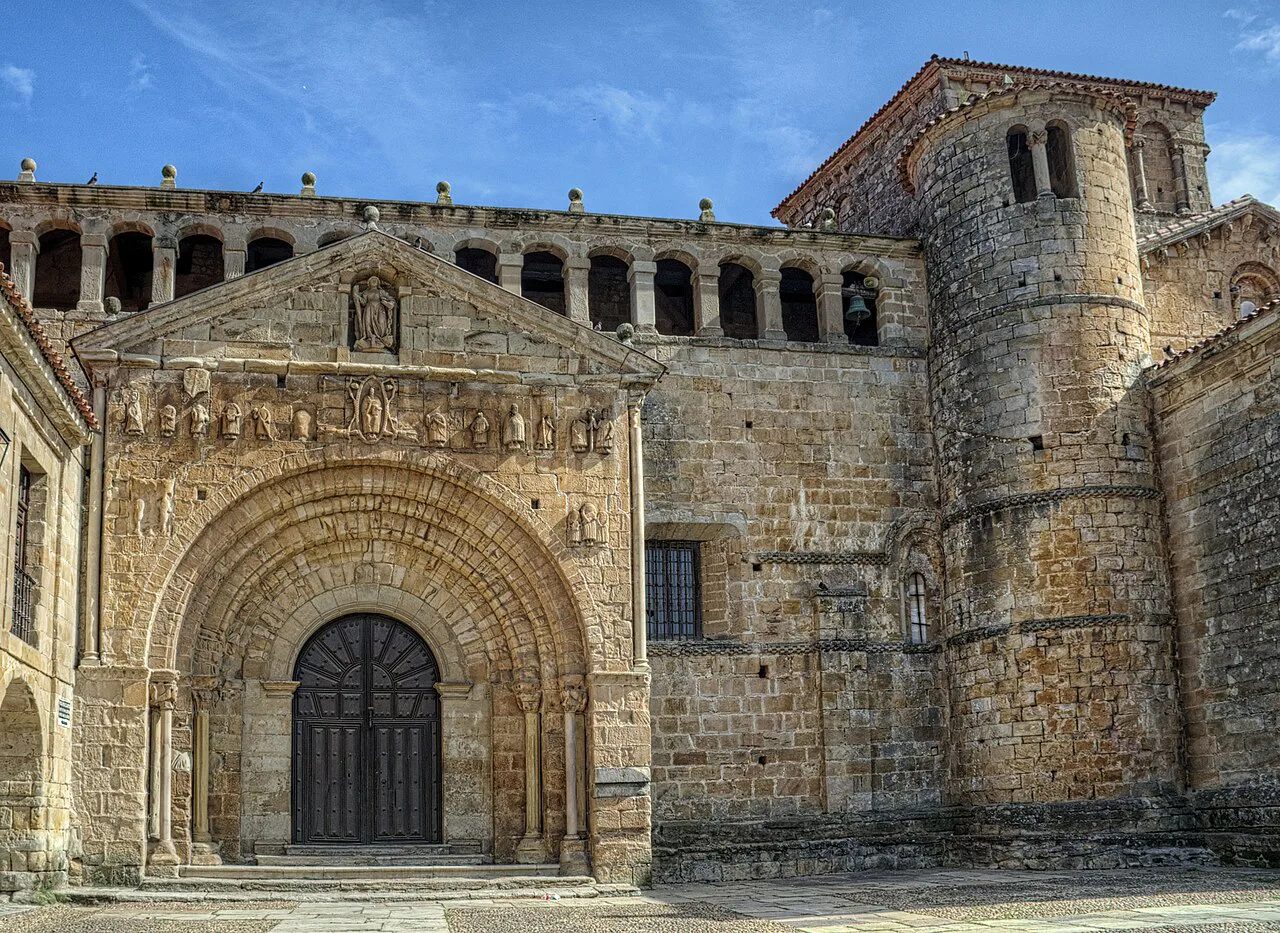
The Colegiata is the reason the village exists and remains its centrepiece. Built over an earlier chapel in the twelfth century, it is one of the finest Romanesque buildings in Cantabria, with a sculpted facade and a pantocrátor above the door, and a cloister whose capitals are carved with narrative scenes. Give the cloister at least twenty minutes; the carvings are the part most visitors rush.
The church is an active place of worship as well as a monument, so access can be restricted during services. Visit outside mass times and check the door for the day's schedule.
The Plaza Mayor
The Plaza Mayor gathers the village's key civic buildings into one space. The Torre del Merino, from the fourteenth century, and the Torre de Don Borja, from the fifteenth, are the oldest civil buildings in Santillana, while the Casa del Águila y la Parra, the Ayuntamiento and the Palacio de los Barreda-Bracho frame the square. That last palace, built in the seventeenth century, now operates as the Parador de Gil Blas, so you can see its stonework and heraldic crest from outside even if you are not staying.
The square is the natural place to sit and take stock before continuing along the lanes. It is also where the village feels busiest in the middle of the day, so an early or late pass gives you a clearer view of the facades.
Palaces and mansions along the streets
Beyond the square, the streets are lined with the houses of noble Cantabrian families. Look for the Palacio de los Velarde, a Renaissance palace, and the Baroque mansions of the Valdivieso, the Villa and the archduchess of Austria. The mix of styles from the fourteenth to eighteenth centuries gives Santillana its texture, and many of these houses were built by families who had made fortunes in the Americas.
These are mostly private or institutional buildings, so you see them from the street rather than inside. Read the stone shields and iron balconies as you go; they are the quickest way to tell one mansion from another.
The Cueva de Altamira and the Museo y Neocueva
Altamira is the village's other headline attraction. The cave, known as the 'Sistine Chapel of the Palaeolithic' and a UNESCO World Heritage Site, lies just outside the centre, and the Museo y Neocueva presents its art and archaeology. Treat the museum as a separate block of time from the village rather than squeezing it into the same hour, since it sits apart from the medieval streets.
The cave itself is not open to general visits; the neocave is how most travellers see the paintings. Check the museum's own pages for opening days, ticket prices and free-entry slots before you set out.
Getting there from Santander
Santillana del Mar lies about 28 kilometres west of Santander, roughly half an hour by road. If you are relying on public transport, the usual route is a bus or train to Torrelavega and then a local bus on to Santillana, rather than a direct service from the city. Services are more frequent in summer than in winter, so check the timetable rather than assuming an hourly connection.
Driving gives you the most flexibility, especially if you want to combine the village with the coast or nearby villages in the same municipality. See our guide to things to do in Santander for how the city's old town and bay fit a short break.
When to go and how long to allow
Santillana is a popular stop, and most coach parties arrive in the central hours and leave again by late afternoon. Staying overnight, or visiting early in the morning or late in the day, gives you the cobbled lanes at their quietest and lets you see the buildings without a crowd in front of them. Summer weekends are busiest, and the inland position means midday heat can be strong even though the coast is close.
Half a day covers the old centre and the Colegiata comfortably; add another half day for the Altamira museum. If you are combining the village with Santander, our Santander old town guide covers the city's own historic core for a contrasting half day.
Where Santillana fits in a Cantabria short break
Santillana works well as a half-day stop between Santander and the coast, within easy reach of the Costa Quebrada geopark and the villages of its own municipality. The Camino de Santiago's northern route traditionally passes through the village, and it is one of the best-preserved medieval enclaves in Cantabria.
Santillana or the Altamira museum first?
Start with the village: walk in along Calle de Santo Domingo to the Colegiata, loop through the Plaza Mayor and the palace lanes, then drive or take the bus out to the Altamira museum for the afternoon. If you only have a morning, the Colegiata and the square are the two things to prioritise, and the museum can wait for another trip.
Explore more Santander guides
Frequently Asked Questions
How far is Santillana del Mar from Santander?
It is about 28 kilometres west of Santander, roughly half an hour by road. Public transport usually means a bus or train to Torrelavega and then a local bus on to Santillana, so check connections before you travel.
Can you visit the Cueva de Altamira itself?
The cave is a UNESCO World Heritage Site, but the cave itself is not open to general visits; the Museo y Neocueva is how most travellers see the art and archaeology. Check the museum's own pages for opening days, tickets and any free-entry slots before you plan your day.
How long does Santillana del Mar take to see?
Half a day covers the old centre and the Colegiata comfortably, and a full day lets you add the Altamira museum. Staying overnight gives you the quietest streets, since most coach parties arrive and leave in the middle of the day.
Sources
Notes for your next Spanish town break
Optional updates to our guides.
You might also like
Continue reading
More guides you'll find useful