
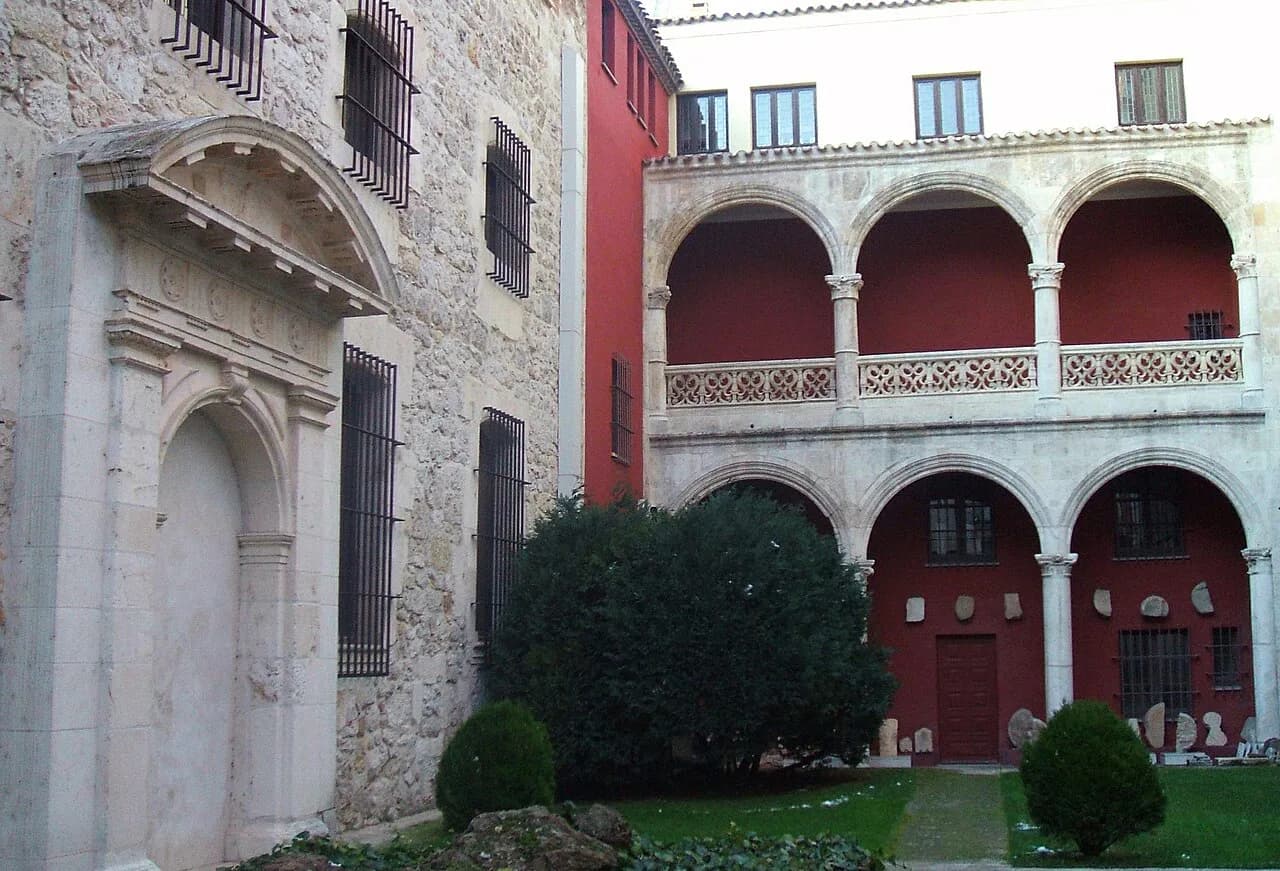
Museo de Burgos: What to See in the Casa de Miranda and Casa de Angulo

The Museo de Burgos is the provincial archaeology and fine arts museum, housed in two Renaissance palaces on Calle Miranda 13 and about 10 to 15 minutes on foot from Burgos Cathedral. The Casa de Miranda holds the archaeology; its neighbour, the Casa de Angulo, holds the fine arts. This guide sets out what sits in each palace, how long to allow and how to slot it into a short break.
Where the museum sits on Calle Miranda
The museum stands slightly away from the historic centre rather than on the cathedral square, at Calle Miranda 13 in Burgos. From the cathedral the walk is short, with the city's architecture doing most of the work along the way. If you are coming from the main railway station, a taxi is the quickest option; a navigation app with the address entered will handle the rest.
The museum sits in Castilla y León and makes a natural half-day pairing with the city's other monuments, from the castle on its hill to the cathedral in the centre. Our Burgos Attractions: 6 Visitor Guides sets out the wider set of sights so this museum can be slotted in where it fits.
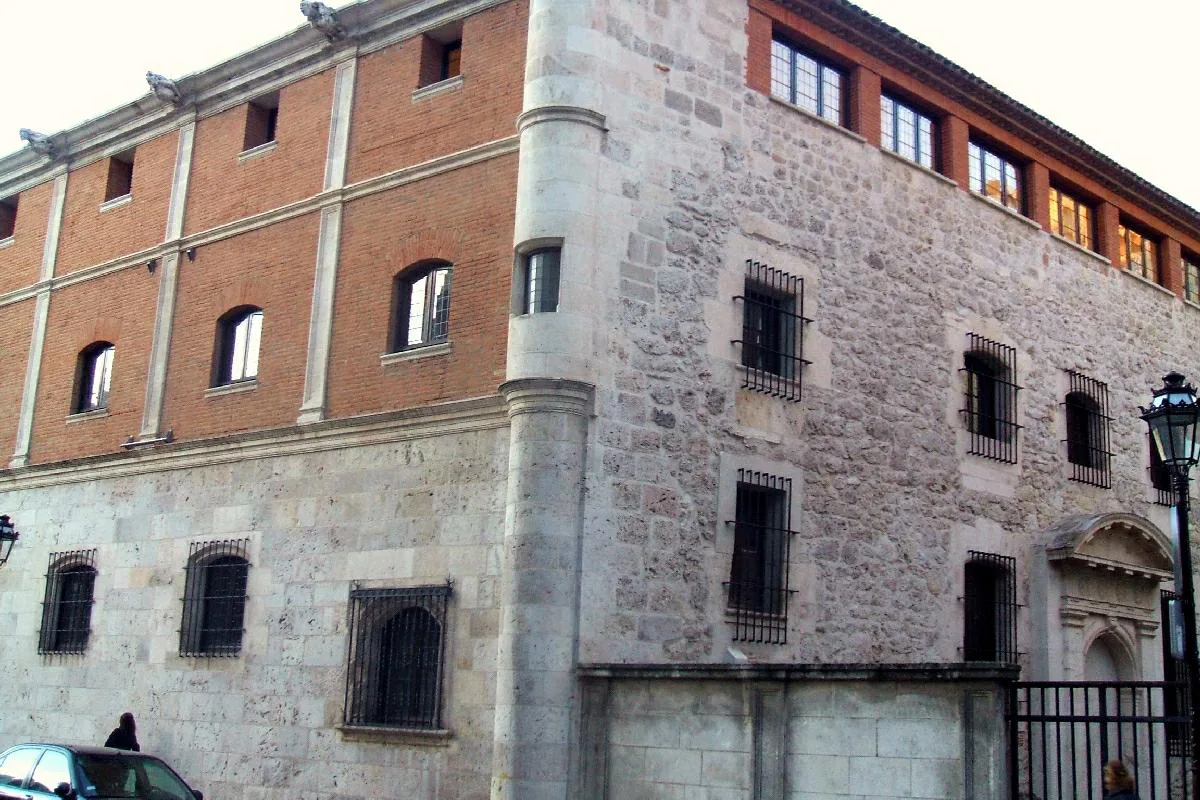

The two palaces: Casa de Miranda and Casa de Angulo
The main building is the Casa de Miranda, a 16th-century aristocratic palace whose Renaissance courtyard and monumental staircase are among the reasons to walk through the door. The archaeology sits in this wing, while the neighbouring Casa de Angulo holds the fine arts in a separate set of rooms, so treat it as two museums in one visit.
The palace architecture is itself part of the collection, so the courtyard and staircase deserve a few minutes rather than a quick glance on the way to the display cases. Because the two buildings sit side by side, the visit stays compact and you lose little time moving between the archaeology and the art.
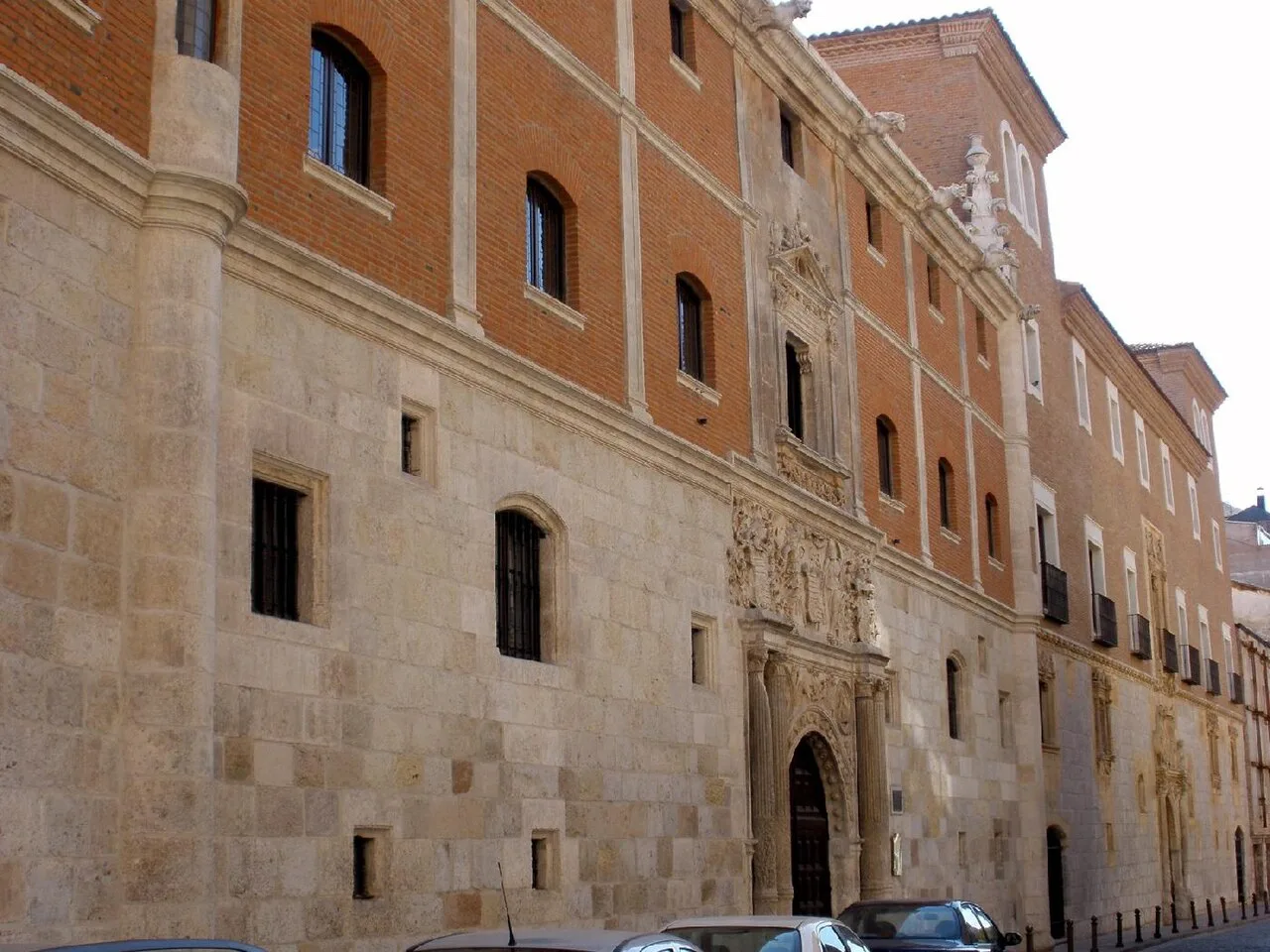

The archaeology collection: Atapuerca and Clunia
The archaeology section is the museum's strongest card for most visitors. It includes material recovered from excavations near the city, alongside artefacts from the Roman city of Clunia and Iron Age burial sites, which makes for a dense run through the province's early history.
The Museo de la Evolución Humana, the modern museum by the river, displays fossils from the Atapuerca sites that belong to the Museo de Burgos collection, placed in its custody under a regional order dated 21 June 2010. Treat the Museo de Burgos as the older, quieter counterpart: specimen detail and a palace setting rather than a big interactive production. The Museo de la Evolución Humana, Burgos covers that side of the story separately.
The fine arts collection: the Silos facade and Gothic tombs
The Casa de Angulo collection rewards anyone who likes medieval and early modern art in a small setting. It includes a Romanesque facade from Santo Domingo de Silos, Gothic tombs and polychrome sculpture, with the tomb of Juan de Padilla as the centrepiece for many visitors. Carved Moorish caskets and Baroque painting round out the rooms.
The size of the fine arts galleries is part of their appeal: you can look closely at a piece rather than shuffle past it. If you have already seen the cathedral's Gothic interior, this collection shows how the same period played out in tombs and carving.
The El Cid sword and other highlights to seek out
Among the objects the museum is known for is the sword linked to El Cid, the national hero whose story is bound up with Burgos. The collection also holds old coins, altarpieces and carved chests, which are easy to miss if you move quickly. Check the display case labels as you go rather than hunting a single trophy and leaving.
How long to allow
An hour covers the main masterpieces and gives a feel for the Renaissance palace. If you want to study the Atapuerca finds and the fine arts in detail, plan a longer, slower pass and treat the two wings as separate visits.
On a short city break, the realistic arrangement is an hour at the museum, then the cathedral and the old town on foot. Groups and anyone with a special interest in a particular period should allow more and check the museum's own information before setting the day's plan.
Getting there from the cathedral and by bus
From the cathedral, the walk to Calle Miranda takes roughly 10 to 15 minutes and passes through the city's architecture. Several city bus routes pass near the museum, and taxis reach it quickly from anywhere in the city or from the main train station.
Because the museum is a short walk from the centre rather than inside it, the route is worth planning around another stop, such as the Arco de Santa María and the riverbank, rather than making a return trip just for the museum.
Opening hours, tickets and free-entry slots
Opening hours, ticket prices and any free-entry slots are set by the museum and change through the year, so confirm them on its own channels or at the door before setting out, particularly for Mondays and public holidays. Special exhibitions and group tours are arranged through its listed contact channels.
Practical trade-offs and pairing with the cathedral
The main trade-off is time in the city centre. The museum is small enough to visit without sacrificing the cathedral, but the walk each way eats into a short break. Do the museum first, then the cathedral, so the bigger monument holds the part of the day when you are freshest.
Plan a morning or mid-afternoon slot for a combined visit, since church and museum timetables may not match your ideal order. The cathedral and the museum are best treated as two stops on one loop rather than an either-or choice.
Nearby options: the castle, the abbey and Miraflores
The Castillo de Burgos on the Cerro de San Miguel looks down on the city and gives the wider view of the old town you will not get from Calle Miranda. It pairs well with the museum if you have a full day, since the climb and the viewpoint take a different kind of energy from a gallery.
The Monasterio de las Huelgas, an active Cistercian house founded in the 12th century, and the Cartuja de Miraflores on the edge of the city are the other places a museum visit naturally leads to. Both are calmer, more contemplative stops than the museum, so they suit a separate morning. Las Huelgas Abbey in Burgos and Cartuja de Miraflores Burgos each deserve their own time.
Should the Museo de Burgos be on your Burgos shortlist?
Yes, if you want the province's archaeology and medieval art without the scale of a national museum. The Casa de Miranda's Atapuerca and Clunia material plus the Casa de Angulo's Silos facade and Gil de Siloé tomb make a compact, high-quality hour, and the walk from the cathedral is short. Confirm current hours and prices on the museum's own channels before you go.
Skip it, or keep it brief, if your short break is built around the cathedral and the city's outdoor sights. For most visitors on a two- or three-night stay, the museum works best as the indoor stop on the day the weather or the midday heat sends you inside.
Frequently Asked Questions
Do I need to book the Museo de Burgos in advance?
For individual visits, booking is generally not needed, but special exhibitions and group tours are arranged through the museum's contact channels. If you are travelling with a group or want to see a particular temporary display, contact the museum before you travel.
Is the Atapuerca material in the Museo de Burgos or the Museum of Human Evolution?
Both. The Museum of Human Evolution displays fossils from the Atapuerca sites that belong to the Museo de Burgos collection and were placed in its custody by a 2010 regional order. The Museo de Burgos itself provides the archaeological context and the older palace setting.