Things to Do in Burgos: Cathedral, Castle and Atapuerca Museum
Plan your time in Burgos with the cathedral, the Arco de Santa María, the castle viewpoints and the Atapuerca museum, plus listed ticket prices.
On this page
Burgos is best handled as a compact loop: cathedral first, then the Arco de Santa María, the Cid statue and the Puente de San Pablo, with the Paseo del Espolón tying the whole walk together along the Arlanzón. Almost everything worth seeing sits in the historic centre, so a single day covers the essentials on foot and a second day takes the evolution museum, the castle hill and the monasteries outside town. This guide groups the sights by how they stack up geographically, separates the free stops from the ticketed ones, and gives the prices the city's tourism pages list.
What to do in Burgos in a day: the short answer
Start at the cathedral when it opens, walk through the Arco de Santa María into the old town, follow the Cid trail to the Puente de San Pablo for the classic view back at the cathedral spires, then finish along the Paseo del Espolón and in the Plaza Mayor. If you have only one day, that circuit gives you the monuments that define the city without any backtracking; the Museo de la Evolución Humana, the castle hill and the two outlying monasteries are better kept for a second day.
The city's own one-day itinerary prices the cathedral at 6 EUR for roughly two hours, the Iglesia de San Nicolás de Bari at 2 EUR, the Museo de la Evolución Humana at 6 EUR and the Museo de Burgos at 1 EUR, and lists the Arco de Santa María, the Espolón and the Plaza de Mio Cid as free stops. Treat those figures as the tourism board's published rates rather than a live quote, and budget the day around the paid interiors you actually want rather than the free squares and streets.
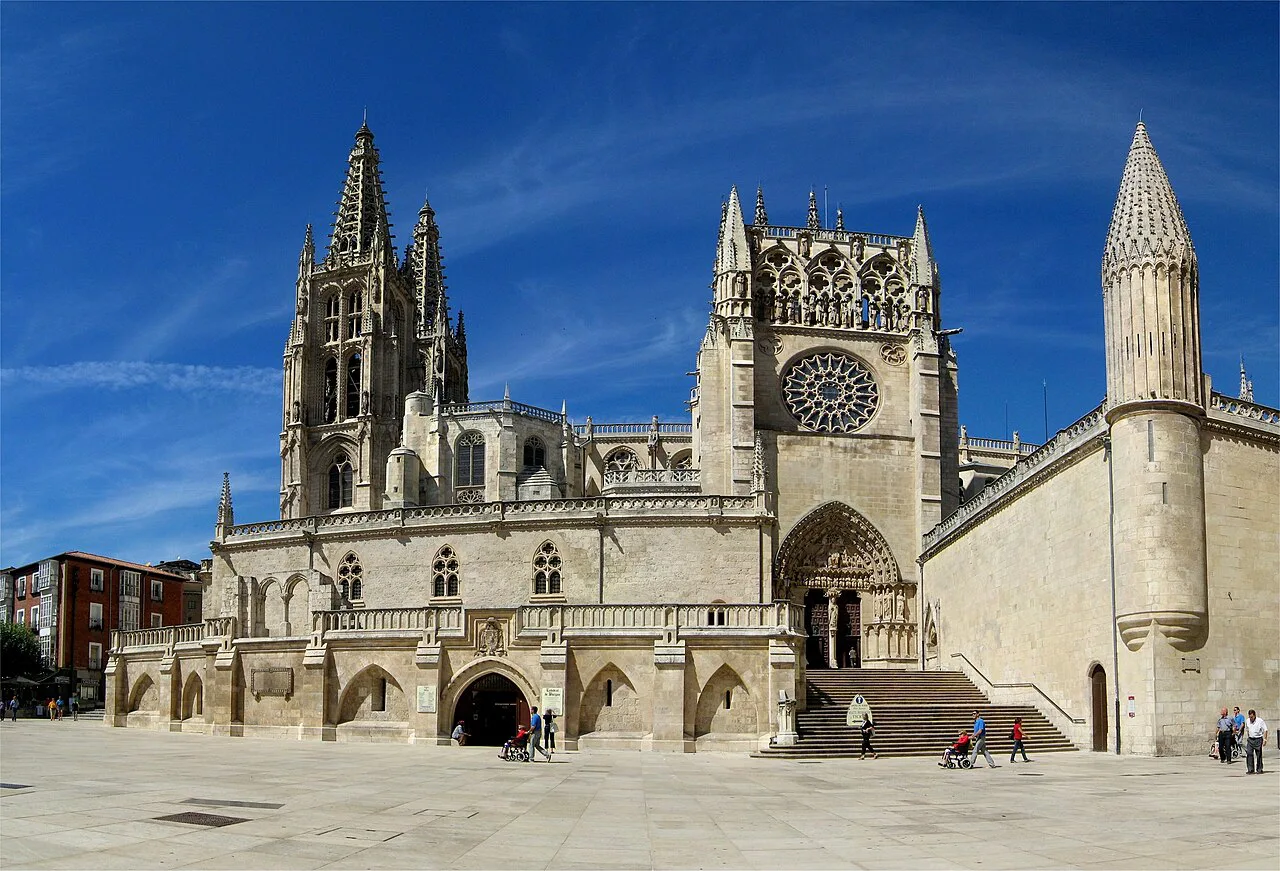
The cathedral first: the Capilla del Condestable, the cimborrio and the Cid's tomb
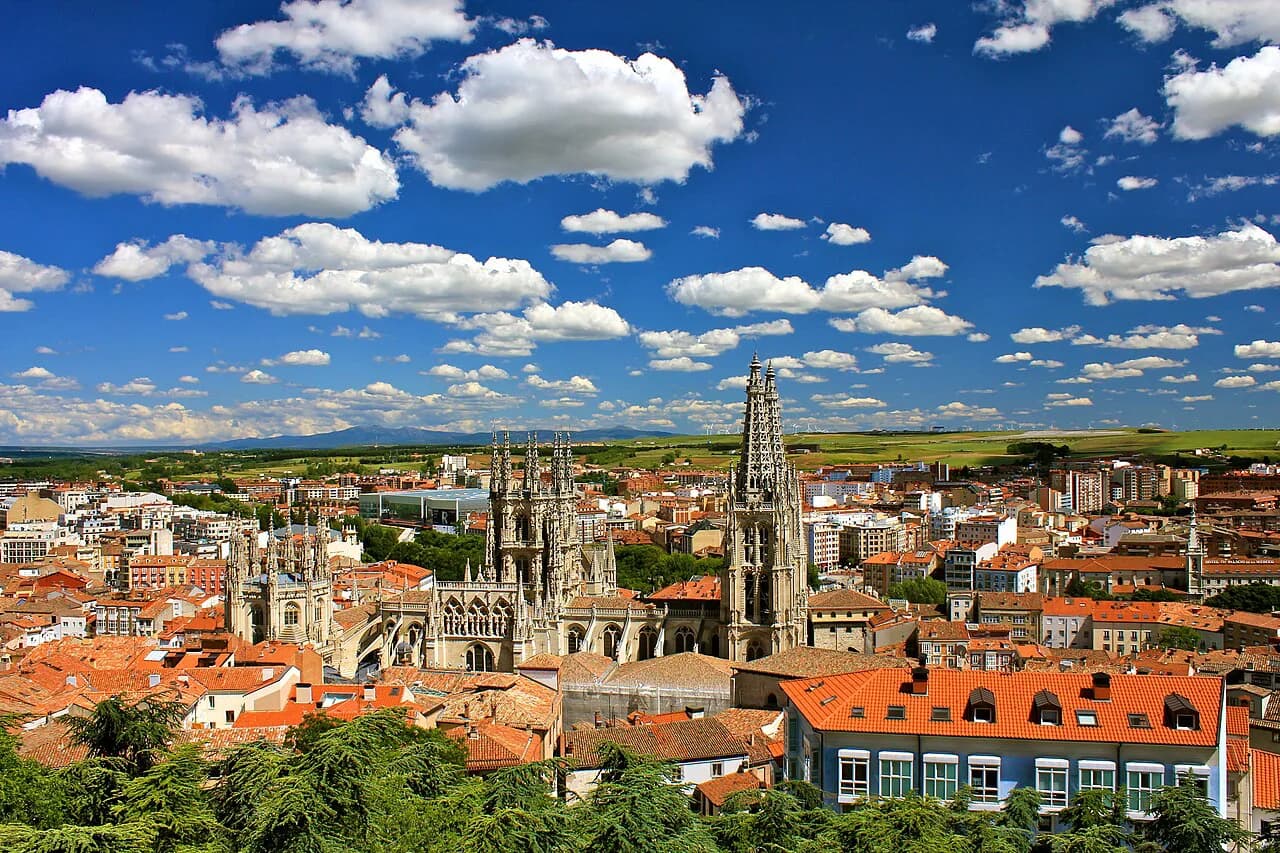
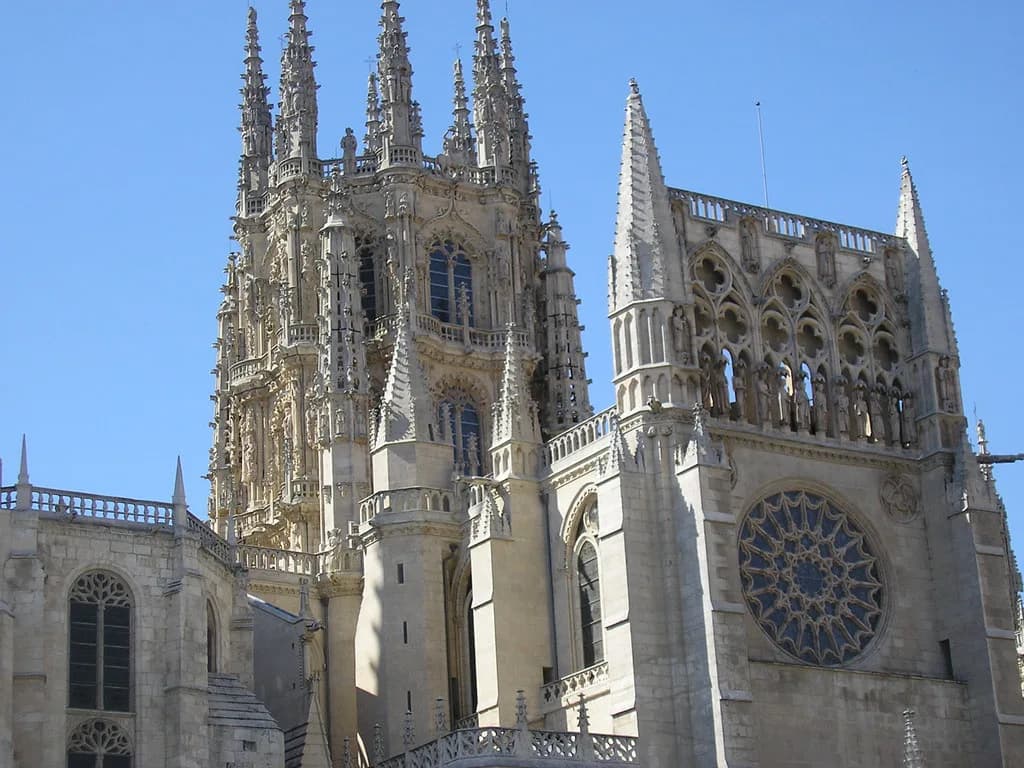
The Catedral de Santa María is the one monument you should not skip, and it is the only Spanish cathedral recognised by UNESCO on its own rather than as part of a wider old-town listing. Built between 1221 and 1567 in a French-influenced Gothic style, it holds the Capilla del Condestable, the lantern tower over the crossing and the tomb of Rodrigo Díaz de Vivar, the Cid. Allow an hour at minimum, and longer if you want the chapels, the cloister and the museum pieces.
Because the cathedral is an active church, sightseeing pauses for services, so build some slack into your morning rather than treating a fixed entry time as guaranteed. The interior is the reason to pay the 6 EUR entry rather than admire the west front from the square, and the visit works best before the tour groups arrive.
The Arco de Santa María and the medieval gates into the old town
The Arco de Santa María began as one of the twelve gates in Burgos's medieval wall, with origins in the fourteenth century before Carlos V ordered a Renaissance remodelling in the sixteenth. Its facade carries sculptures of figures tied to the city and the kingdom of Castile, and the arch now hosts exhibitions and lets you climb the towers for views over the centre. It is free to walk through and is the natural doorway from the river side into the historic core.
Beyond the arch, the Casco Antiguo is a knot of narrow streets rather than a grid, so pick your next target before you go in and use the cathedral spires as a landmark. The tourism board's own one-day plan treats the arch as a free first stop, which makes it an easy opener while you wait for a cathedral slot.
The Cid trail: the statue, the Puente de San Pablo and Plaza de Mio Cid
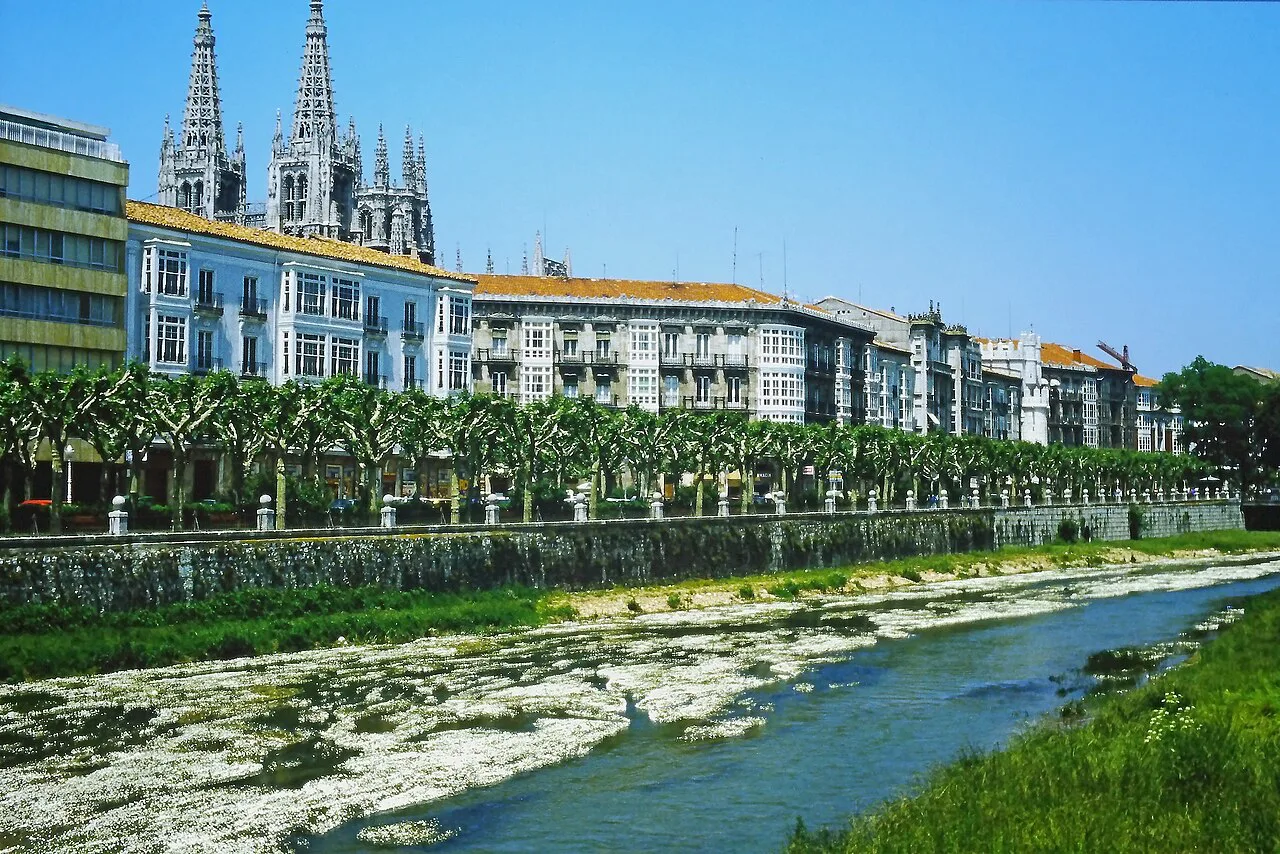
Rodrigo Díaz de Vivar, the Cid, is Burgos's medieval figurehead, and the statue near the Puente de San Pablo is one of the most photographed points in the city. The bridge itself is decorated with Cid-related sculpture and gives the best angle on the cathedral from across the Arlanzón, so cross it deliberately rather than passing over without stopping. The nearby Plaza de Mio Cid is a free, quick stop that ties the group together.
This stretch costs nothing, which makes it a sensible buffer between the cathedral and the museums if your budget is tight. Photograph the cathedral from the bridge in the morning light, when the spires face you cleanly, and save the plaza for a short pause rather than a long stop.
The Paseo del Espolón and the Arlanzón riverside
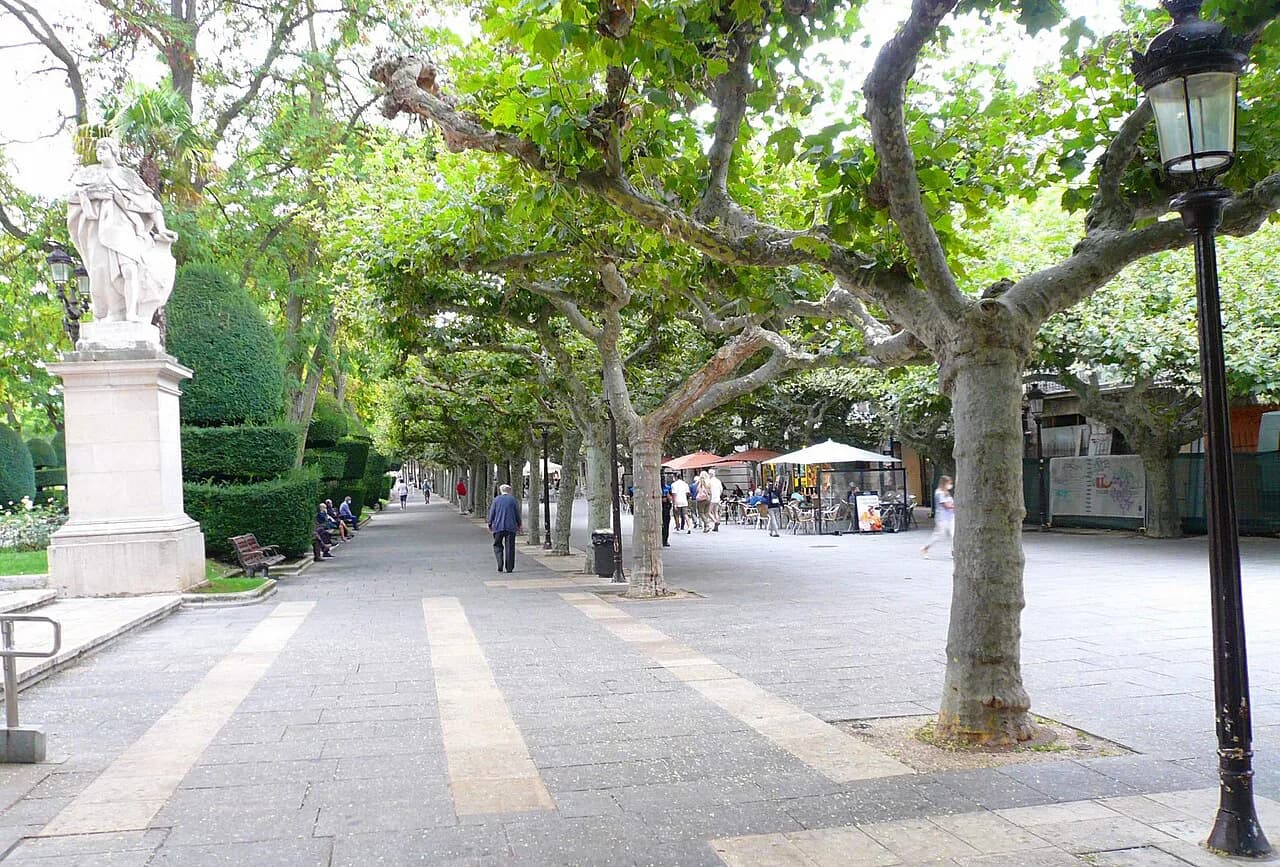
The Paseo del Espolón is Burgos's social living room, a tree-lined promenade along the Arlanzón that has served as the city's meeting point since the eighteenth century and links the Arco de Santa María with the Teatro Principal. Locals and visitors share it through the day, and it is the pleasantest way to move between the cathedral area and the river crossings without cutting through traffic.
Walk it in spring or autumn for comfortable temperatures, and in summer treat it as an early-morning or evening route, since inland Castile gets hot at midday. It is free and flat, so it works as the spine of a walking route even if you plan nothing else along it.
The Museo de la Evolución Humana and the Atapuerca finds
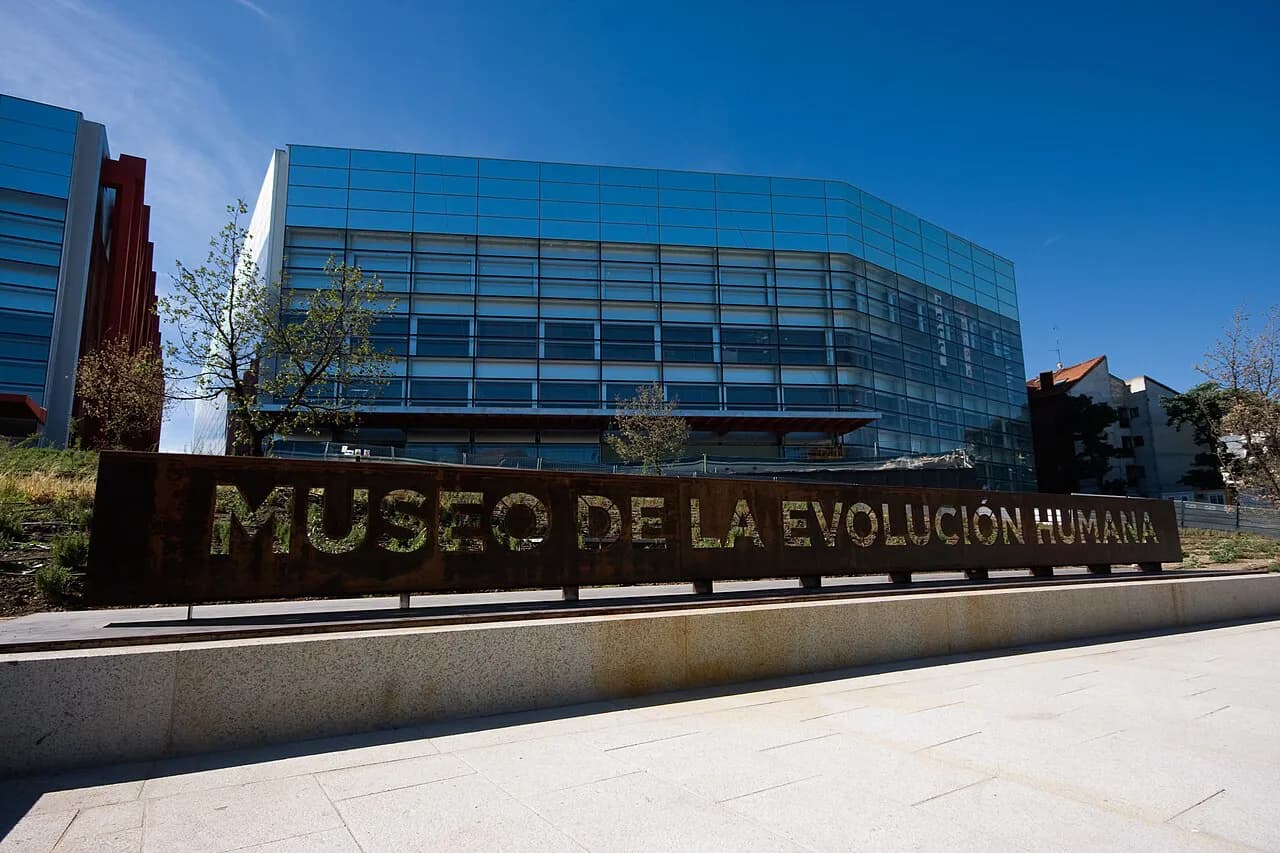
The Museo de la Evolución Humana is Burgos's modern counterweight to its medieval core, built around the Atapuerca excavations and holding original fossils of early Europeans from the site. The displays are interactive and clear enough to hold attention without a guide, which is why the tourism board gives it around two hours and lists a 6 EUR ticket. Put it on day two rather than squeezing it beside the cathedral, because two hours in a museum is hard to combine with a full old-town circuit. The Museo de Burgos, listed at 1 EUR, is the cheaper and quieter option if you want provincial archaeology and fine art instead.
The Castillo de Burgos and its views over the city
The Castillo de Burgos sits on the hill above the old town and is worth the climb as a viewpoint rather than as a fortress visit. The city's own listing marks the interior as closed for works while keeping the hill and its panoramas open and free, which makes it a fine late-afternoon stop for the sunset over the cathedral and the river.
Go up for the outlook and come down through the old town streets rather than retracing your steps, so the climb earns its place in the day. Check the castle's status before making it the centrepiece of an afternoon, and treat the terrace as the main event.
Plaza Mayor, the Casa del Cordón and the streets of the casco histórico
The Plaza Mayor is the city's nerve centre, ringed by bars and restaurants and busy through the day, and it makes a natural midpoint for a walk through the centre. A short way off stands the Casa del Cordón, a fifteenth-century palace where the Catholic Monarchs received Christopher Columbus after his second voyage and where a large Franciscan cord is carved across the facade.
Between the monuments, the casco histórico rewards wandering: traditional shops, small churches and carved facades appear on streets you would not have planned to walk. Give the old town an unhurried hour of drift rather than treating it as filler between tickets.
The churches the cathedral overshadows: San Nicolás de Bari and San Gil
The Iglesia de San Nicolás de Bari is small but startling, above all for its carved stone retablo, and the tourism board lists a small admission ticket with about an hour suggested. The Iglesia de San Gil Abad is the larger and less visited neighbour, impressive in its own right and far quieter than the cathedral.
Pick San Nicolás if you want one short, high-impact interior, and San Gil if you would rather escape the crowds. Both are parish churches, so visits pause for mass and opening times are not built for tourists.
Out-of-centre monuments: the Monasterio de las Huelgas and the Cartuja de Miraflores
The Monasterio de las Huelgas, founded in the twelfth century, was for centuries a centre of religious and political power and served as a royal pantheon, which makes it one of Spain's most important monastic complexes. The Cartuja de Miraflores lies outside the city and holds one of the finest Isabelline Gothic ensembles anywhere, including its main altarpiece and the tombs of Juan II and Isabella of Portugal.
Miraflores is the clearest trade-off in a Burgos visit: it is not in the centre, and the tourism board suggests a car as the easiest way, with taxi or public transport as alternatives. Budget extra time for the journey and go only if you have a second day or a long afternoon, because slotting it into a one-day circuit means cutting the old town.
Green space: the Parque de la Isla
The Parque de la Isla is one of Burgos's prettiest green spaces, a place to step off the tourist circuit and slow down along the river. It suits a second-day afternoon after the museum or the castle hill, when you want shade and quiet rather than another interior.
A workable one-day route on foot
Begin at the cathedral for its interior, then pass through the Arco de Santa María into the old town and walk the Cid trail to the statue and the Puente de San Pablo. Loop back along the Paseo del Espolón, take in the Plaza Mayor and the Casa del Cordón, and finish with San Nicolás de Bari if you still have appetite for one more church interior. Prices change, so compare current tickets before you go.
The route works because the paid stops sit inside a free frame of streets, squares and riverbank, so you can drop any interior without wrecking the day. Keep the cathedral early and the castle hill late, and use the Espolón as your reset point whenever you lose your bearings.
Two days in Burgos: what to add
A second day takes the Museo de la Evolución Humana and its Atapuerca material, then the castle hill for the view, and the Museo de Burgos if you want more. The tourism board's own two-day plan adds the outlying monasteries and parks, which is the realistic way to see Miraflores without rushing the centre.
If time is short, choose between the museums and the monasteries rather than attempting both. The museums sit within walking distance of each other; the monasteries demand transport and a bigger slice of the day.
Getting around and the layout of the old town
Most of what you came for lies inside the compact historic core, so you will walk more than you ride: the cathedral, the arch, the Espolón, the Plaza Mayor and the Cid bridge are all within one continuous stroll. The castle hill adds a climb, and the Monasterio de las Huelgas and the Cartuja de Miraflores are the two sights that need wheels or a taxi.
Burgos also sits on the Camino de Santiago, which is why pilgrim infrastructure and long-distance connections are part of the city's shape. For trains and buses onward, use the operator timetables rather than a printed plan, since schedules change by season.
What things cost in euros
The main ticketed interiors are modestly priced, as listed by the city's tourism board, though entry fees change and are worth checking before you go. The Arco de Santa María, the Espolón, the Plaza de Mio Cid and the castle hill are free, so a day can cost very little if you choose one paid interior.
Miraflores and Las Huelgas carry their own admission arrangements, and the tourism board gives no figure for either in its day plan, so ask at the monastery door or check the official pages before you commit the journey. Build the day around the free frame first and add interiors as your budget allows.
Which Burgos sights earn your second day?
Give the cathedral, the arch and the Cid bridge your first day, and let the Museo de la Evolución Humana and the castle hill take the second. Add the Cartuja de Miraflores only if you have transport and a spare half-day, since its distance from the centre changes the shape of the trip.
Book the cathedral and museum slots around your arrival, then fill the gaps with the free riverbank and squares, which need no ticket and no timing. That order keeps the expensive and timed parts of Burgos from dictating the whole visit.
Explore more Burgos guides
Frequently Asked Questions
Is Burgos worth seeing?
Yes, if you want a concentrated historic city rather than a sprawling one. The cathedral is a UNESCO World Heritage Site in its own right, and the Arco de Santa María, the Cid monuments and the river promenade sit within a short walk of it. The Atapuerca museum adds a modern reason to stay a second day.
What food is Burgos famous for?
Burgos is known for morcilla, its rice-and-blood sausage, and for roast lamb, lechazo. Both appear widely across Castile, and the Plaza Mayor and surrounding streets are where most visitors encounter them.
How long do you need for the cathedral?
The city's tourism board suggests around two hours in its one-day itinerary, so allow at least an hour if you move briskly, and remember that sightseeing pauses during services. The current ticket price is listed on the city tourism board's one-day plan and on the cathedral's own information; confirm it there before you go.
Sources
Notes for your next Spanish town break
Optional updates to our guides.
You might also like
Continue reading
More guides you'll find useful