Museums in Burgos: Which Ones to Visit and How Long They Take
Museums in Burgos, from the castle's hilltop museum to the provincial Museo de Burgos: what each holds, how they fit together and how to plan a museum morning.
On this page
Two museums carry the city's museum-going: the Museo del Castillo de Burgos on the Cerro de San Miguel, free and open daily with a view that justifies the climb, and the provincial Museo de Burgos, the city's older collection. Plan a museum morning around those two, then treat the province's out-of-town collections as separate outings, not add-ons to a city break. This guide covers what each one holds, the castle's full seasonal timetable and how to slot museums in alongside the things to do in Burgos.
The practical point is geography. The castle sits on its own hill above the city, the provincial museum belongs to the historic centre, and the quirky collections sit in villages scattered across the province, from Santa Cruz de la Salceda in the south to Covarrubias and the Sierra de la Demanda. Group your day accordingly, and you avoid a plan that looks tight on paper but spends its afternoon on a bus.
What museums in Burgos are worth your time
Give the castle museum your first slot and the provincial Museo de Burgos your second; between them they cover the city's archaeology, its medieval defences and its later history. Everything else named here is provincial and sits well outside the city, so it belongs to a longer trip with a car or a deliberate bus journey. Decide which category you are planning before you open a map.
The provincial collections are genuinely unusual rather than filler: a museum of smells near Aranda de Duero, a full-scale reconstructed Castilian village near Lerma, a prehistoric safari in the Sierra de la Demanda and a medieval armoury in Covarrubias. Treat them as a reason to spend a night in the province, not as a substitute for the city's own museums, and check each one's own hours and tickets before committing a day to it, because patterns across rural Spain vary widely between sites.
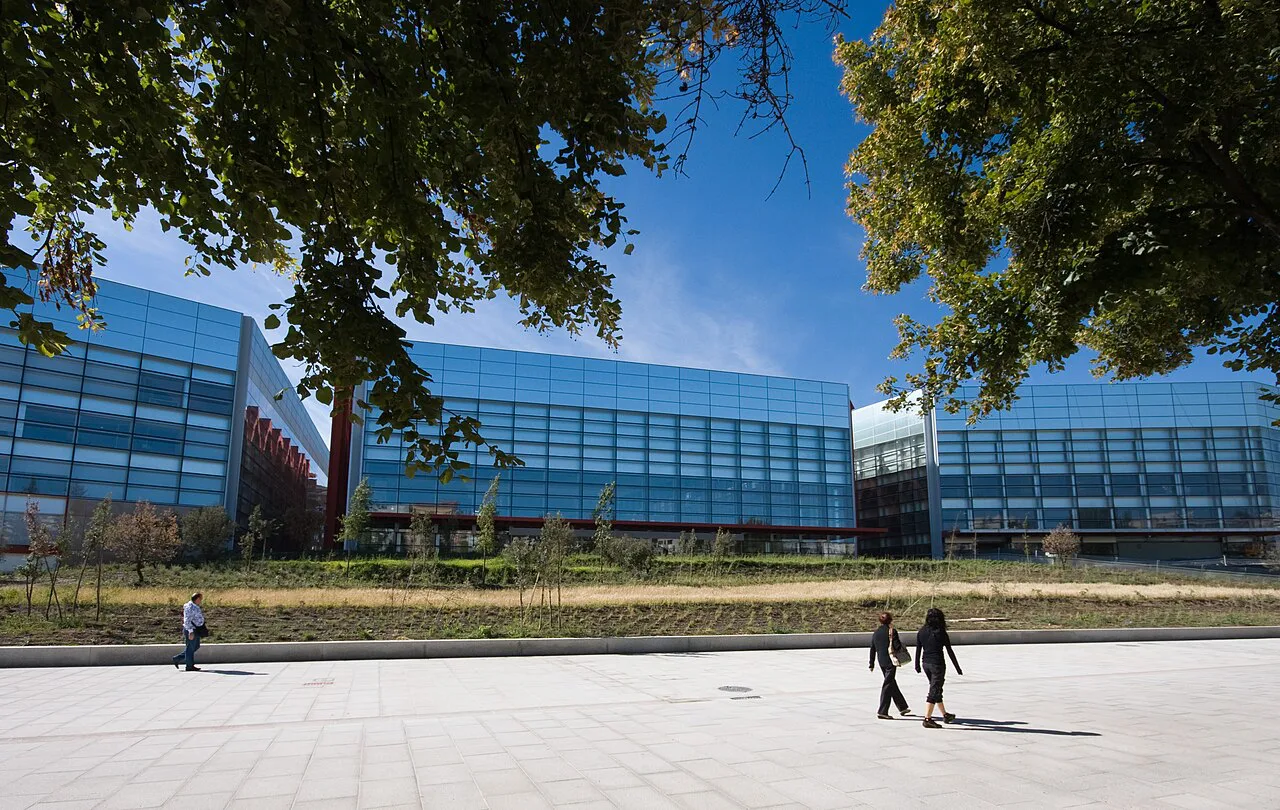
Museo del Castillo de Burgos: the castle on the Cerro de San Miguel
Burgos castle began in the ninth century and was rehabilitated over several years of works before reopening as a museum, so what you see is a restored fortress rather than a ruin left to itself. The museum tells the city's history through the castle itself. The address given for it is the Cerro de San Miguel, 09071 Burgos, on the hill above the city.
Admission is free, which makes it the cheapest substantial sight in the city and an easy addition on a day when cathedral tickets have already eaten the budget. Free entry does not mean a rushed stop: the site spreads across the hilltop, with the wall, the patio de armas and the underground galleries to see above and below ground.
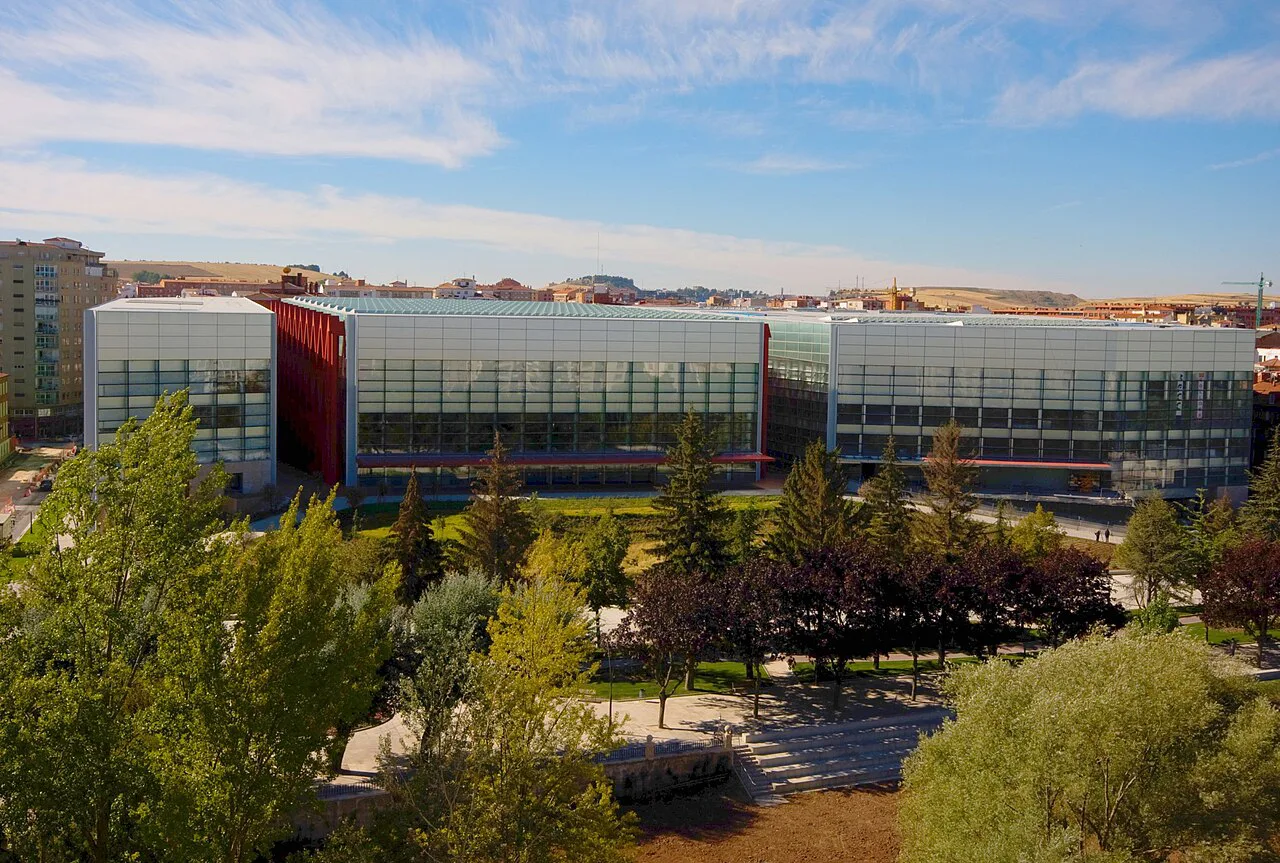
What you see inside the castle museum: walls, the patio de armas and the underground galleries
The visit works through three distinct parts. You can walk the wall, cross the patio de armas, the courtyard of arms at the heart of any castle, and go down into the underground galleries, which is where the site feels most unlike a conventional museum. The galleries are the part to prioritise if your time is short.
The walls and the patio give you the shape of the fortress and a sense of how it controlled the city below; the galleries give you the layers underneath it. Set your own pace rather than racing the circuit. Anyone with limited mobility should weigh the hill and the underground passages before making it the centrepiece of the day.
Opening hours for the castle museum, summer and winter
The castle museum keeps two seasonal schedules and opens every day in both. In summer, running from 15 March to 15 October, it is open from 11:00 to 21:00 with last entry at 20:30. In winter, from 16 October to 14 March, it opens from 10:00 to 18:00 with last entry at 17:30.
Those last-entry times matter more than they look. An evening visit in summer is the most comfortable option in hot weather, but arriving at 20:45 leaves you outside. In winter the site shuts before dinner, so a castle visit has to sit in the morning or early afternoon, before the cathedral and old town absorb the rest of the day.
The view over Burgos from the castle hill and how to reach it
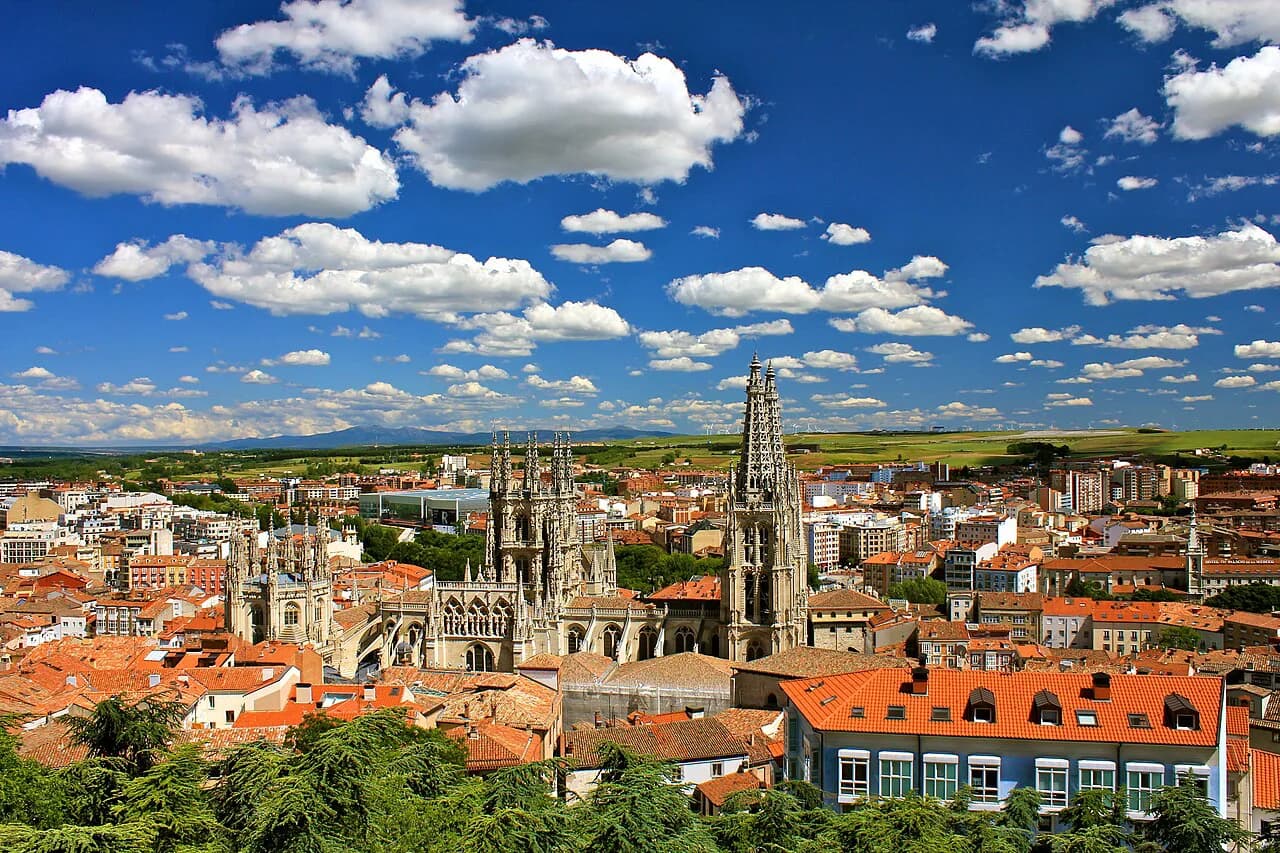
The hilltop gives a panoramic view over the city, and that panorama is a large part of why the castle repays the effort. Because entry is free, the viewpoint alone justifies the trip even if you give the museum rooms a quick pass.
Getting up means a climb on foot, so allow for it. The castle's postal address on the Cerro de San Miguel comes with a telephone number, 947 203 857, for practical enquiries. Place the castle at the start of a Burgos walking tour while your legs are fresh, and descend into the old town afterwards.
Museo de Burgos: the provincial museum and its 150-year history
The Museo de Burgos is the provincial museum, and it marked 150 years of history when that anniversary was written up in the national archaeology museum's bulletin. That makes it the city's older institutional collection, and the natural counterpart to the castle's focus on fortifications.
A provincial museum assembled over a century and a half tends to hold a broad sweep of local material, from archaeology to religious art. Give it a proper slot rather than a quick pass, and confirm its opening days and ticket price on the museum's own pages before you build a morning around it.
How long to allow for a museum morning in Burgos
A realistic museum morning is the castle first, then the provincial museum, with the cathedral in the afternoon. Set aside a clear block for each: the castle rewards a leisurely circuit of its walls, courtyard and galleries, and the provincial collection deserves at least as long if it is the reason you came.
Watch the Spanish pattern of separate morning and afternoon opening, which the city's tourist offices also follow: the Burgos tourist office on Plaza Alonso Martínez closes for the afternoon on Sundays, and its winter schedule splits into a morning block and a late-afternoon block. Churches and shops in the centre often keep similar hours, so a museum morning and an old-town late afternoon is a sounder structure than a continuous museum day. The layout around the cathedral is easy to read on a Burgos map.
Museums outside the city: the province's quirkier collections
The Museo de los Aromas at Santa Cruz de la Salceda, about 15 km from Aranda de Duero in the south of the province, is built around the sense of smell, with more than 90 aromas presented room by room as in a house. Visitors are given a bag of coffee to refresh the nose between scents. It is an unusual hour or two, and it is nowhere near the city, so plan it as a stop on a provincial drive.
At Quintanilla del Agua, near Lerma, Covarrubias and Santo Domingo de Silos, Territorio Artlanza is sculptor Félix Yáñez's full-size reconstruction of a Castilian village, with plazas, a chapel, a bakery, a forge and ten small museums of traditional trades spread over more than 8,000 square metres. It is built from recycled and donated material, and it takes far longer than a conventional museum room.
Paleolítico Vivo, beside the Sierra de la Demanda on the old hunting grounds of Atapuerca, runs jeep safaris past European bison, Przewalski's horse, tarpan and aurochs, the animals that shared the landscape with prehistoric people. The guided circuit lasts a little over two hours, which makes it the biggest single block of time on this list. Covarrubias adds the Torreón de Fernán González, a museum of medieval arms, for anyone following the village route.
Two more collections round out the provincial picture: the Museo del Petróleo at Sargentes de Lora and the salt-works museum at Poza de la Sal, birthplace of the naturalist Félix Rodríguez de la Fuente. Each sits in a village of its own, so stringing several together in one day means long drives on Castilian roads. Pick two at most, and check each site's opening days and ticket price directly before setting out.
Free entry and when to go
Free entry narrows to one clear case: the castle museum charges nothing at all, in either season, and opens every day. That combination makes it an easy museum to fit in, even when smaller sites and church interiors keep irregular hours.
For timing, aim for the first hour after opening. In summer the castle closes late enough that an evening visit works, while in winter the early closing pushes everything forward. Check the castle's published hours again close to your date, since seasonal schedules shift at the March and October changeovers, and confirm the provincial museum's own days and prices before relying on them.
Fitting museums around the cathedral and the old town
The old town is compact enough to walk, and the cathedral anchors it. Put the castle on the hill first, then come down into Burgos Old Town, where the cathedral, the Arco de Santa María and the plaza network sit within a short stretch. A Burgos map makes the sequence obvious before you start walking.
Build the cathedral into the morning or the late afternoon and leave the slot after lunch to the castle, which runs straight through its published hours. Check cathedral times before you go, so a service closing the doors does not derail the plan.
Which museum gets your first morning?
Start with the Museo del Castillo de Burgos. It is free, open daily, and combines a museum visit with the best view in the city, which no other museum in Burgos can offer. Go at opening time in winter or in the evening in summer, and keep an hour for the walls, the patio de armas and the galleries.
Then decide whether the provincial Museo de Burgos fills your second slot or whether the day belongs to the cathedral and the old town. Leave the provincial collections for a trip with a car and a night in the province.
Explore more Burgos guides
Frequently Asked Questions
Is the castle museum in Burgos really free?
Yes. The Castilla y León tourism portal lists admission to the Museo del Castillo de Burgos as free, and the museum opens every day of the week in both its summer and winter schedules. Confirm the timetable again close to your visit, because it changes on 15 March and 16 October.
How long does a visit to the castle museum take?
Set aside a clear block rather than a flying visit: the walls, the patio de armas, the underground galleries and the view over the city each reward time. If you are short of time, the galleries and the panorama are the two elements worth protecting, and the courtyard can be crossed quickly.
Are the province's museums reachable without a car?
Most sit in villages well outside the city, including Santa Cruz de la Salceda, Quintanilla del Agua, Covarrubias and the Sierra de la Demanda. Each needs its own journey, so a car or a planned bus connection is the practical way to combine more than one in a day. Check each museum's own opening days before travelling.
Sources
Notes for your next Spanish town break
Optional updates to our guides.
You might also like
Continue reading
More guides you'll find useful