
Museo de la Evolución Humana, Burgos: What to See and How to Visit

The Museo de la Evolución Humana is the reason to build a Burgos break around a museum: a modern building in the city centre that holds the original Homo antecessor fossils and the skull nicknamed Miguelón, found at the Sima de los Huesos. Allow two to three hours for the permanent gallery, and treat the Sierra de Atapuerca sites 15 km away as a separate booking. This guide covers the address, the walk in from the old town, what the exhibition contains and how the shuttle buses from the museum work.
What the museum is
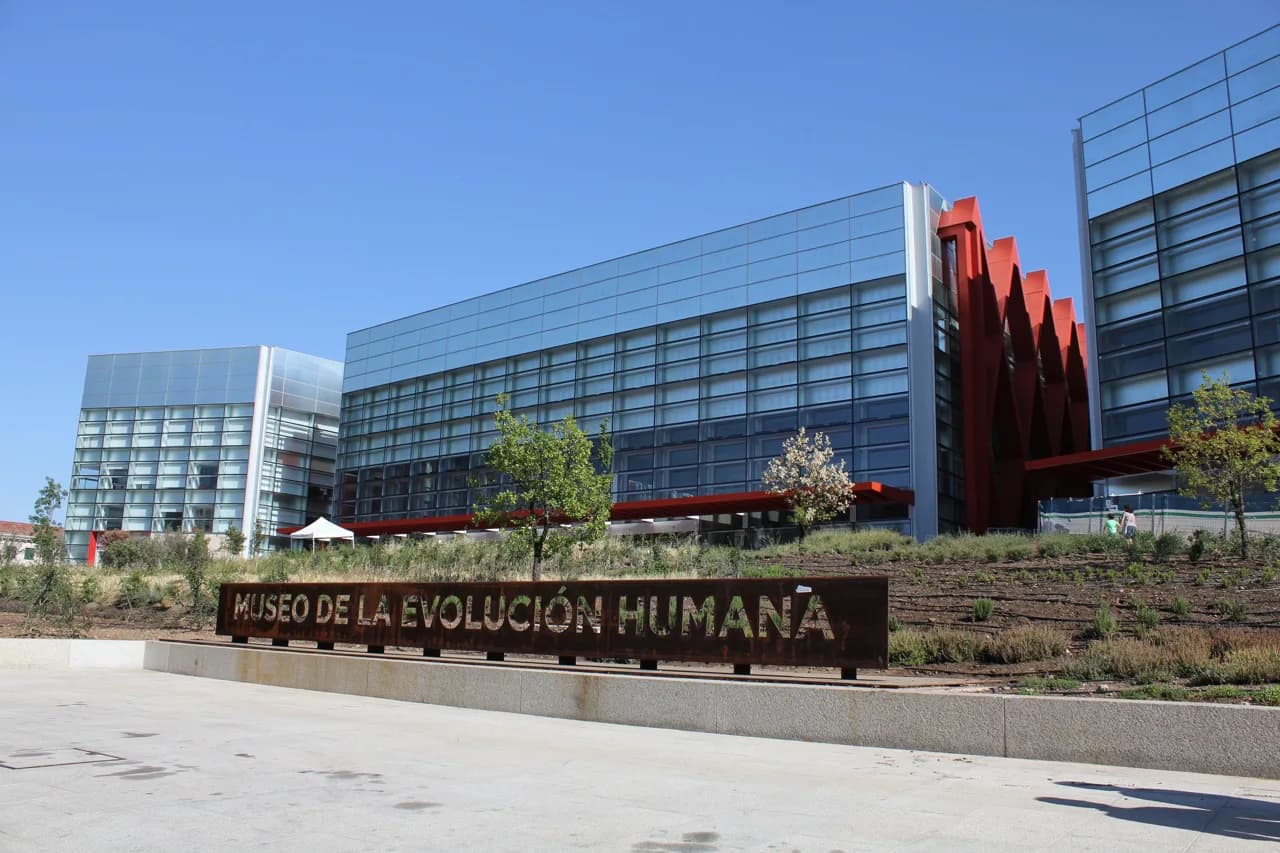
The museum, known locally as the MEH, was designed by the architect Juan Navarro Baldeweg and stands on the site of the former San Pablo convent. Its permanent exhibition occupies a 9,000 m² gallery, which the museum describes as holding the original Homo antecessor fossils and the Miguelón skull exclusively.
That word exclusive is the practical point: these are not casts brought in from elsewhere, and the Atapuerca research behind them comes from the Sierra de Atapuerca, which holds UNESCO World Heritage status. If you have seen touring replicas of early human fossils, the originals here are a different order of thing. The museum also runs temporary exhibitions and a public programme, listed in its own calendar rather than fixed for the year.
For the rest of the city, the Burgos Attractions: 6 Visitor Guides covers the cathedral, the castle hill and the monasteries, so you can see how the museum fits a short break.

Where it is in Burgos
The address is Paseo Sierra de Atapuerca, a pedestrian street in the centre of Burgos, and the museum stands about 15 km from the archaeological sites in the sierra. That separation matters when planning: seeing the fossils in the city does not put you at the excavation sites, and seeing the sites does not replace the museum.
Because the street is pedestrian, drivers should head straight for the car park rather than circling the immediate streets. The signed parking for museum visitors is on Calle Doctor Fleming, a short walk from the entrance. From the old town and the cathedral quarter, the museum is a straightforward walk across the centre, which makes it easy to pair with the cathedral on the same day.

The permanent exhibition
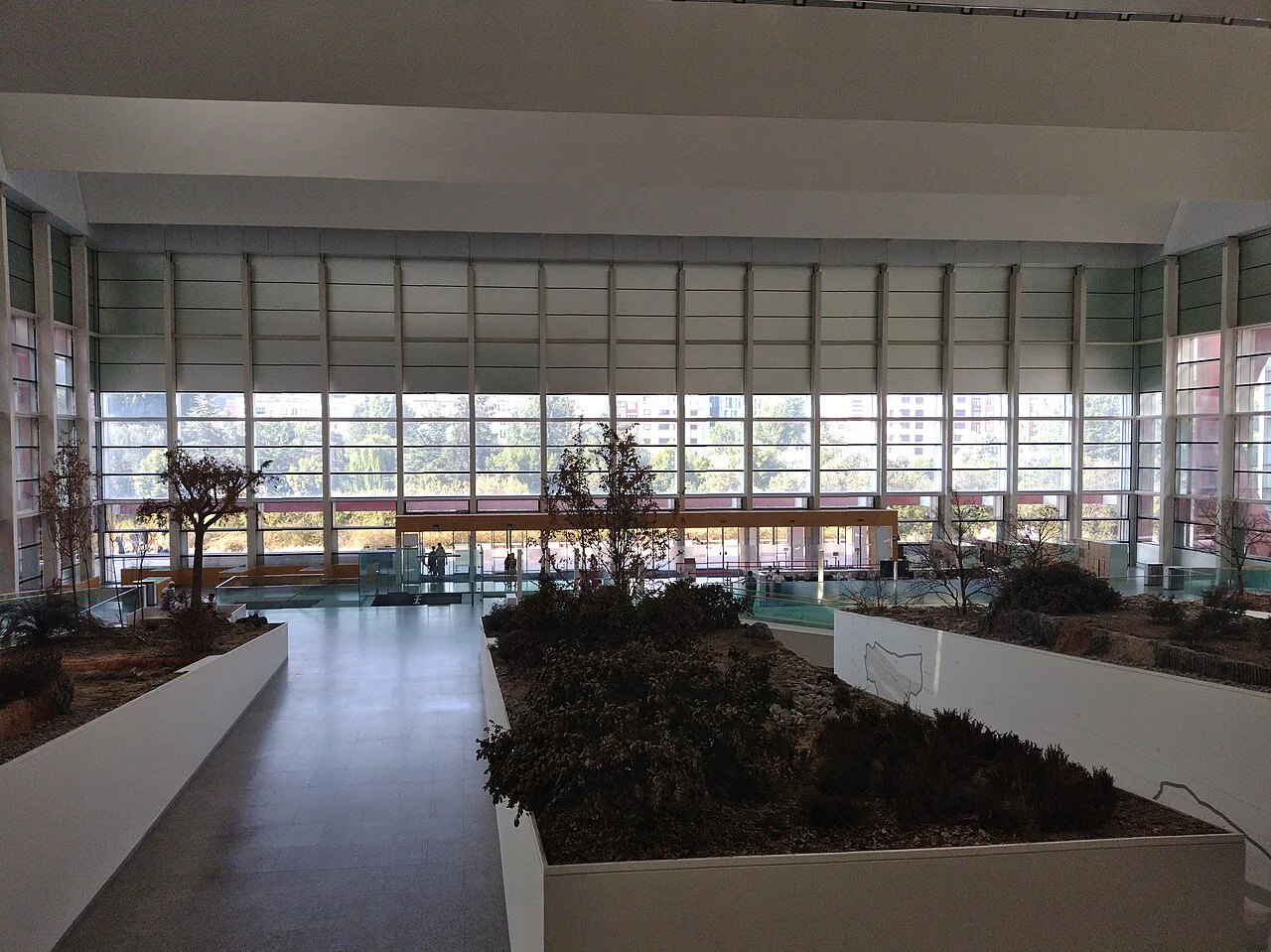
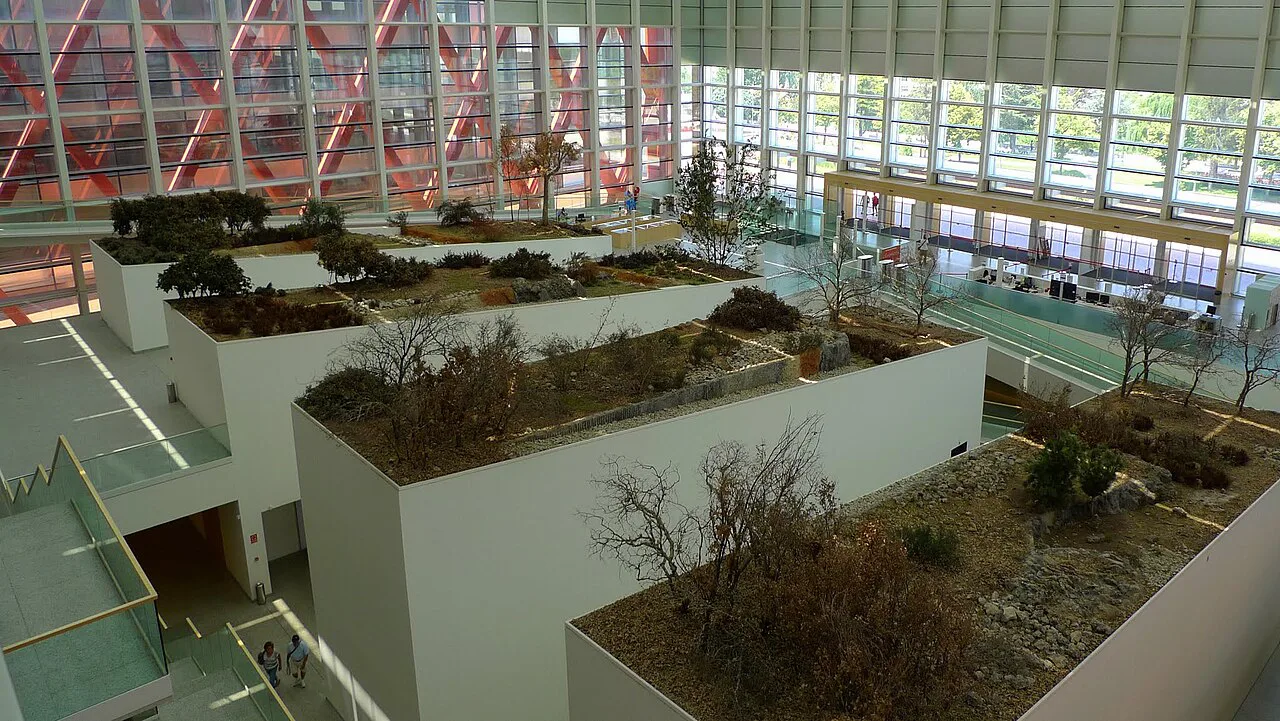
The gallery is organised around the story of human evolution rather than a single chronological corridor, with the Atapuerca finds as its spine. Original fossils from the Sima de los Huesos, including the Miguelón skull, sit within displays that explain how the species were identified and dated. Give the permanent exhibition at least ninety minutes; two hours suits most visitors who read the panels.
The museum has its own app with multimedia content in Spanish and English and interactive experiences, useful if you want background without crowding the display cases. Accessibility material includes easy-read guides, so visitors who prefer plain-language interpretation can prepare before arriving. Temporary exhibitions and one-off activities change through the year, so check the museum's calendar for what is on during your dates.
The Sierra de Atapuerca connection
The archaeological sites of the Sierra de Atapuerca are a UNESCO World Heritage property, and access works through a compulsory guided itinerary reached by shuttle buses that leave exclusively from the museum in Burgos. You do not drive up to the sites and join a tour there; the bus from the city is part of the visit. Book official tickets through the museum before you travel, especially for short breaks when your dates are fixed.
Visits to the sites and to the Centro de Arqueología Experimental, CAREX, need prior reservation by telephone or email, and weather can occasionally stop a visit going ahead. The reservations line is 947 421 000 and the email is reservasatapuerca@fundacionatapuerca.es, with the booking desk open Monday to Saturday from 9h to 17h and Sundays and public holidays from 9h to 14h. Those hours are for booking, not for the visit itself, so confirm your slot when you call.
If you are in Burgos on a short break, the honest trade-off is that a museum visit and an Atapuerca site visit are two half-days, not one. Save the sierra for a full morning or afternoon and keep the museum for the day you arrive or leave. Ticket prices for either are set by the operators, so confirm them when you book rather than budgeting from an old figure.
How long to allow and what to prioritise
With one hour, head for the original fossils and the Miguelón skull and read the panels around them; the rest of the gallery rewards more time than that allows. With half a day, work through the permanent exhibition in order and leave room for a temporary show. The museum suits a wet or very hot midday better than the old town streets, which makes it a useful anchor for the middle of a day.
The centre of Burgos packs several stops within walking distance: the cathedral, the castle hill at the Castillo de Burgos and the museum can be spread over two days without rushing. The Museo de Burgos, housed in the Casa de Miranda, is the other obvious indoor stop if you want a second collection on the same trip.
Extending the break beyond the centre
Two monastic sites sit outside the immediate centre and reward a taxi or a longer walk. The Cartuja de Miraflores, a charterhouse a few kilometres east of the city, is the quieter of the two and pairs well with a museum morning. Las Huelgas Abbey in Burgos, founded as a royal monastery, is closer in and can be combined with the western edge of the old town.
Opening hours at both change with the season and with religious use, so check before setting out rather than assuming a morning slot. The cathedral is the one sight in Burgos that most travellers will not skip, and it deserves its own block of time rather than a quick look between other stops.
Book the museum first, then decide on Atapuerca
The simplest plan is to see the Museo de la Evolución Humana in the city centre, then decide whether your dates allow the separate, pre-booked shuttle-bus visit to the Sierra de Atapuerca sites. If they do not, the museum alone justifies the stop, and the old town fills the rest of the day. The wider Burgos Attractions: 6 Visitor Guides shows what else sits within walking distance of the museum.
Confirm opening hours, ticket prices and site availability directly with the museum and the Fundación Atapuerca before you travel, since both change through the year. Everything else, from the pedestrian address to the Calle Doctor Fleming car park, you can plan around now.