
Murcia Cathedral: What to See Inside the Catedral de Santa María

Entry to Murcia Cathedral itself is free, and only the Museo Catedralicio, the tower and a guided visit carry a charge. The building fills the Plaza del Cardenal Belluga at the heart of the old town, and this guide covers what to see before you go in, what the paid elements add, and how long to allow.
The cathedral is a working place of worship rather than a monument with a single entrance fee, so plan around what you want from the visit: a slow walk through the nave and chapels, a closer look at the tower and museum, or both. Address and contact details sit on the cathedral's own pages if you need to confirm arrangements before travelling.
What Murcia Cathedral is and where it stands
The Catedral de Santa María de Murcia occupies Plaza del Cardenal Belluga 1, a square that acts as the meeting point of the old town. The building envelopes the plaza rather than sitting back from it, which makes the square the natural place to start and end any visit.
It is the largest and most important place of worship in the city and serves both religious and museum purposes. That dual role explains why parts of the visit are open to everyone and others are ticketed, and it shapes when you can move around the interior without interrupting services.

Getting there from the old town and the stations
Everything in central Murcia radiates from this square, so the last stretch is on foot: approach through the old town streets and the cathedral will appear as you reach the plaza. If you are coming from the bus or train stations, or from the airport, use the city's own transport information to plan the final leg rather than relying on assumptions about frequency.
Because the square is pedestrian territory, a taxi can set you down close by but not at the door. Build in a few minutes on foot at either end of the trip, and treat the plaza as your fixed reference point for everything else in the centre.

Four centuries of building: Gothic, Renaissance and Baroque
Construction began in the 15th century and was not completed until the end of the 18th, so four centuries of work are layered into one building. The structure is Gothic, but the door of Las Cadenas and the first level of the tower change to Renaissance, and the main front shifts again to Baroque.
Knowing this sequence makes the visit far more legible: you are not looking at a single design but at successive generations adding to it. The tower was built high enough to be seen from the huerta, giving the workers of the surrounding farmland a landmark to orient themselves by.
The imafronte and the Plaza del Cardenal Belluga
The Baroque main front, known as the imafronte, is the image most visitors carry away, dense with sculpture and best read from across the square rather than up close. Stand back on the plaza first to take in the whole composition, then approach to pick out the individual figures.
The plaza is the public face of the cathedral and one of the most open spaces in the old town, so it repays a few minutes of doing nothing in particular. Morning light and late afternoon both change how the stone reads; the square is at its most comfortable outside the middle of the day in summer.
Inside the cathedral: nave, chapels and a slow walk
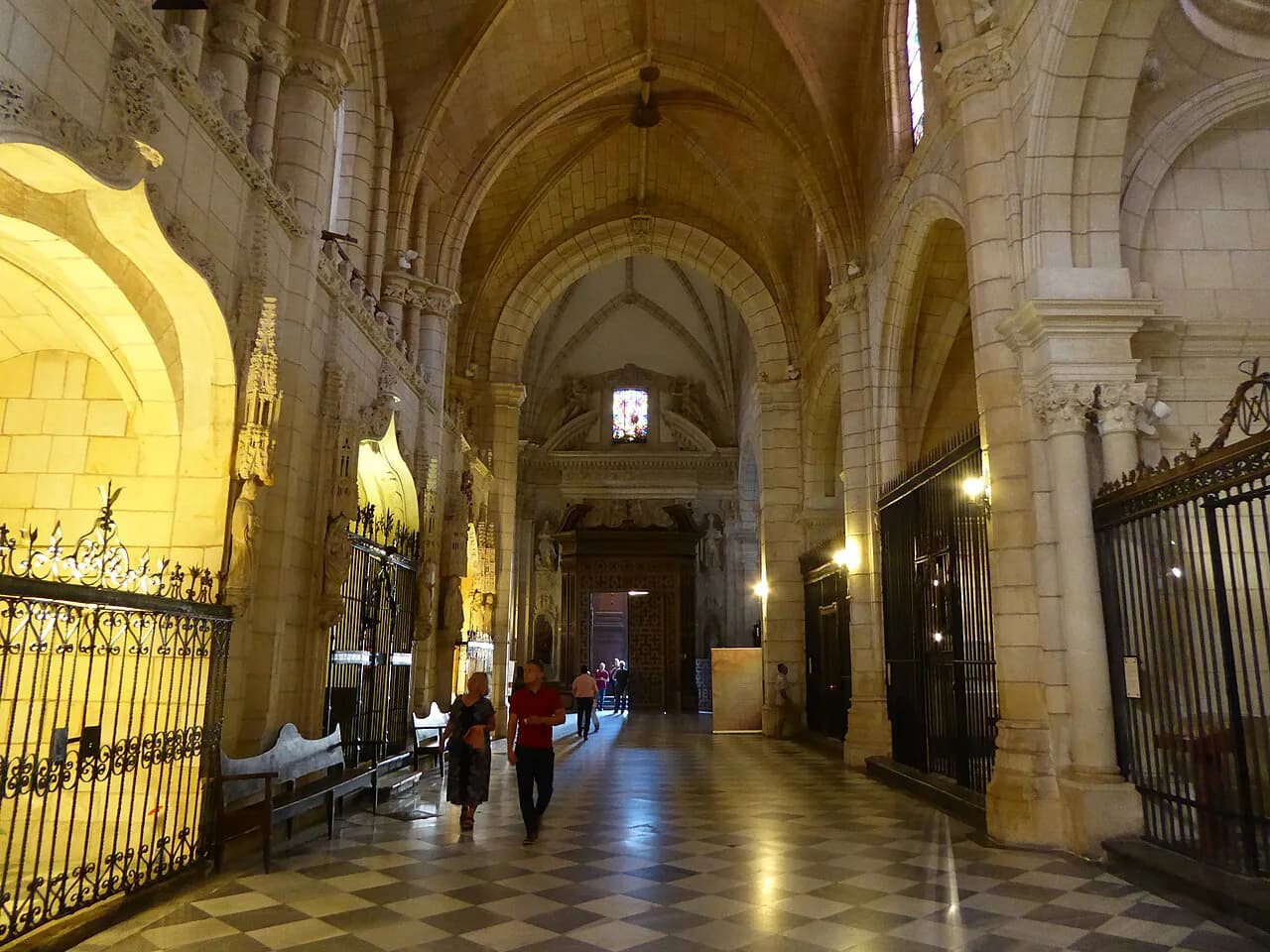
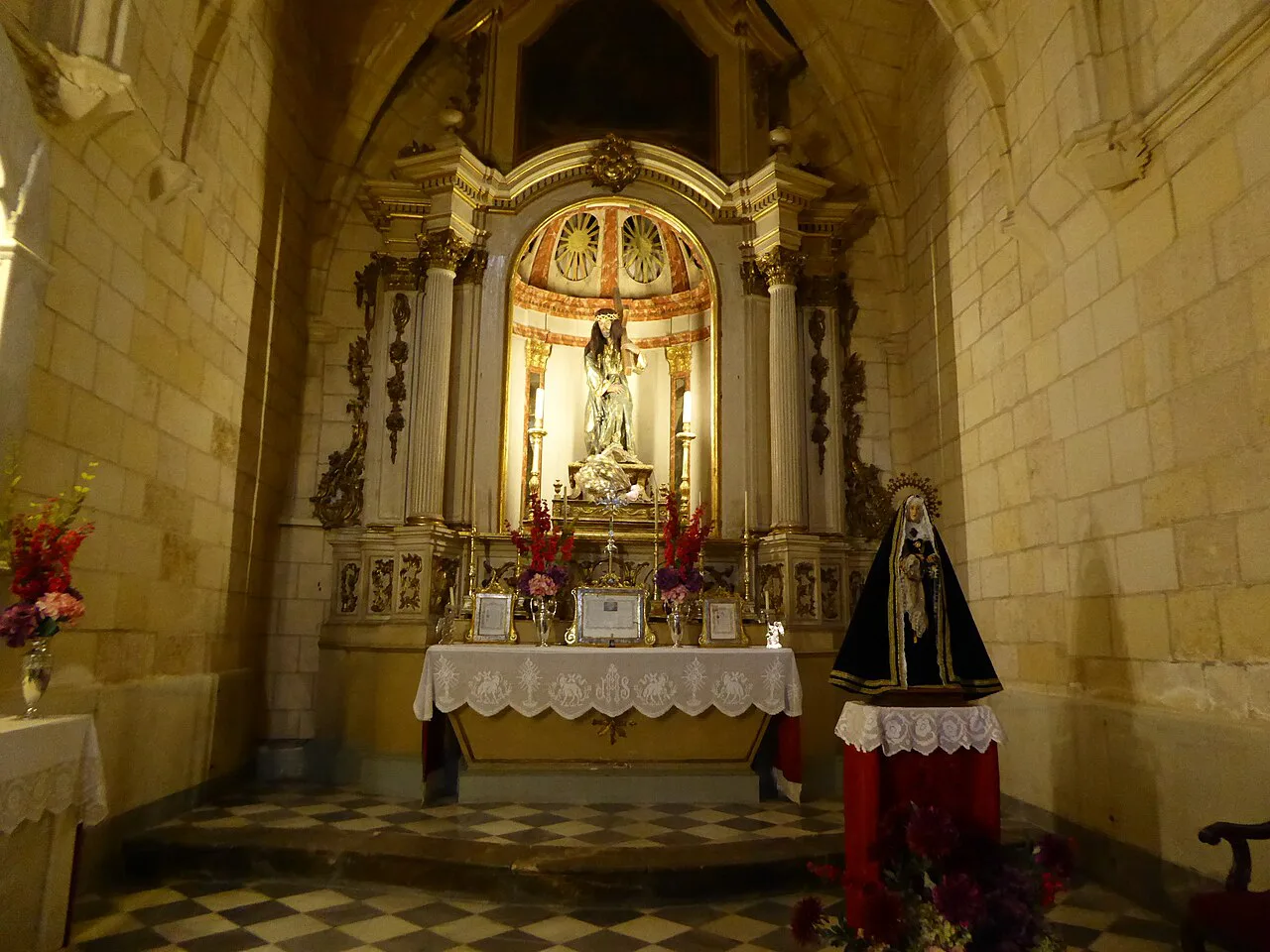
The interior rewards unhurried movement: the nave gives you the scale of the Gothic structure, while the chapels along the sides hold the layers added over the centuries. Treat it as a place of worship first, keep voices low and move aside when services are in progress.
Check the cathedral's own Mass times before setting out, because visiting hours and worship overlap and the building serves its congregation before its visitors. The site publishes Horarios de Misa separately from the cultural visit pages, so look there rather than guessing.
The tower and the Museo Catedralicio
The tower and the Museo Catedralicio are the parts of the visit that carry a charge, along with a guided tour if you want one. Entry to the cathedral building alone costs nothing, so you can decide on the day whether the extra elements earn their place in your schedule.
The museum can be reached on 968 219 713 from Tuesday to Saturday between 10:00 and 17:00, and on Sundays from 10:00 to 12:30. Use that line to confirm current ticket arrangements and tour availability rather than relying on a printed guide.
What the visit costs and how to plan it
The cathedral is free to enter; the museum, the tower and guided visits are the paid elements. Prices sit on the cathedral's own tarifas page rather than in this guide, because they are the kind of detail that changes between seasons.
The cathedral runs an online ticket shop for its cultural visits, so the paid elements are the part to arrange in advance if you want a fixed slot.
How much time to allow
A quick look at the interior and the plaza takes well under an hour, while adding the museum and tower turns the visit into a half-day commitment once queuing and orientation are counted. Decide which version you are doing before you arrive, because the two feel like different outings.
The plaza is pleasant early and late, and the interior is a sensible refuge from the heat at midday in summer. Inland Murcia can be punishing in July and August, so front-load outdoor time on the square and save the interior for the hottest hours.
Rules for visiting during mass
This is an active cathedral, so behave as you would in any church in use and keep quiet when a service begins. The cathedral publishes its visiting norms and Mass times on its own site, which is the place to confirm what applies during your dates.
If your priority is the architecture rather than the liturgy, plan around the published Mass schedule. The cathedral sets out its visiting norms alongside its Mass times, and those pages are the place to confirm what applies during your dates.
Nearby: what else sits within a short walk
The square is flanked by the episcopal palace, whose facade is worth a look as you leave the cathedral, and the rest of the old town's monuments sit within a few minutes on foot. The Real Casino de Murcia is the obvious next stop for anyone who wants another interior after the cathedral; for a wider pick of sights, see our Murcia Attractions: 5 Visitor Guides.
Further out, the Castillo de Monteagudo sits above the Huerta de Murcia and gives a very different view of the city and its plain, though it needs a bus or car rather than a stroll. Keep it for a separate outing rather than folding it into a cathedral morning.
Should you pay for the tower and museum?
If you have an hour and no more, the free interior and the plaza are the essential visit and cost nothing. If you have a full morning and an interest in the building's long construction history, the tower and Museo Catedralicio add the context the nave alone cannot give.
Either way, slot the cathedral into the middle of a day in the old town rather than treating it as a standalone trip. The Plaza del Cardenal Belluga puts you within walking distance of the rest of central Murcia, which is the real advantage of starting here.