
Cueva de Nerja: a Visitor's Guide to Tickets, Hours and Getting There

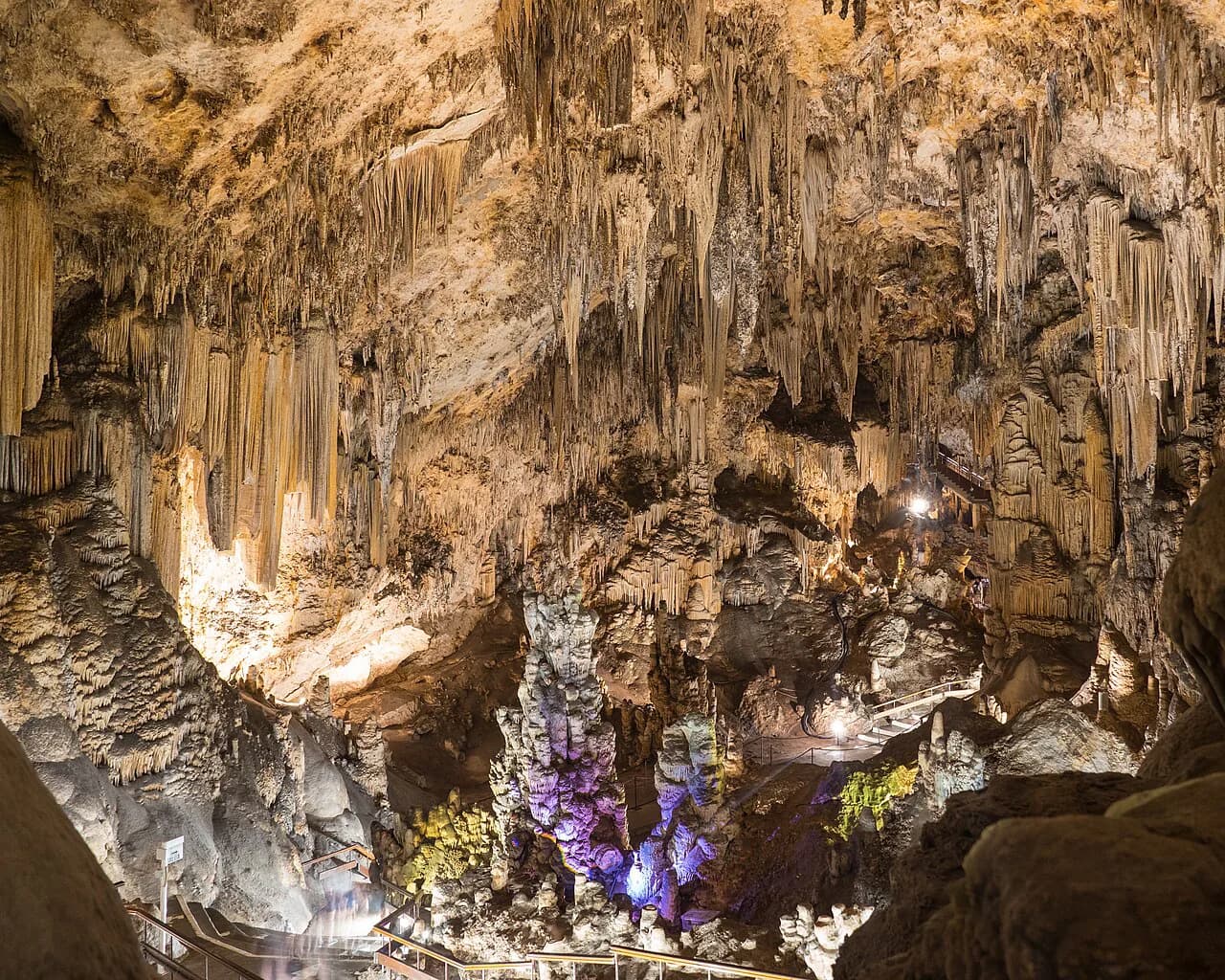
The Cueva de Nerja is one of Andalucía's largest cave systems, cut into the limestone above the coast at Maro, roughly 50 km from Málaga. It is a single site with a fixed visit route, a museum, gardens and a short walking path, so it works as a half-day stop rather than a full day out. This guide covers where the cave sits, how to approach it by road or bus, what to see inside, the seasonal hour split and the four days it closes each year.
Allow at least two to three hours if you take in both the cave and the museum, and longer if you want to walk the gardens or the Cueva de Nerja–Almijara path. The cave has an average temperature of around 19ºC, so it stays cool while the coast outside may be in the thirties. Bring a layer if you feel the cold.
Where the Cueva de Nerja is
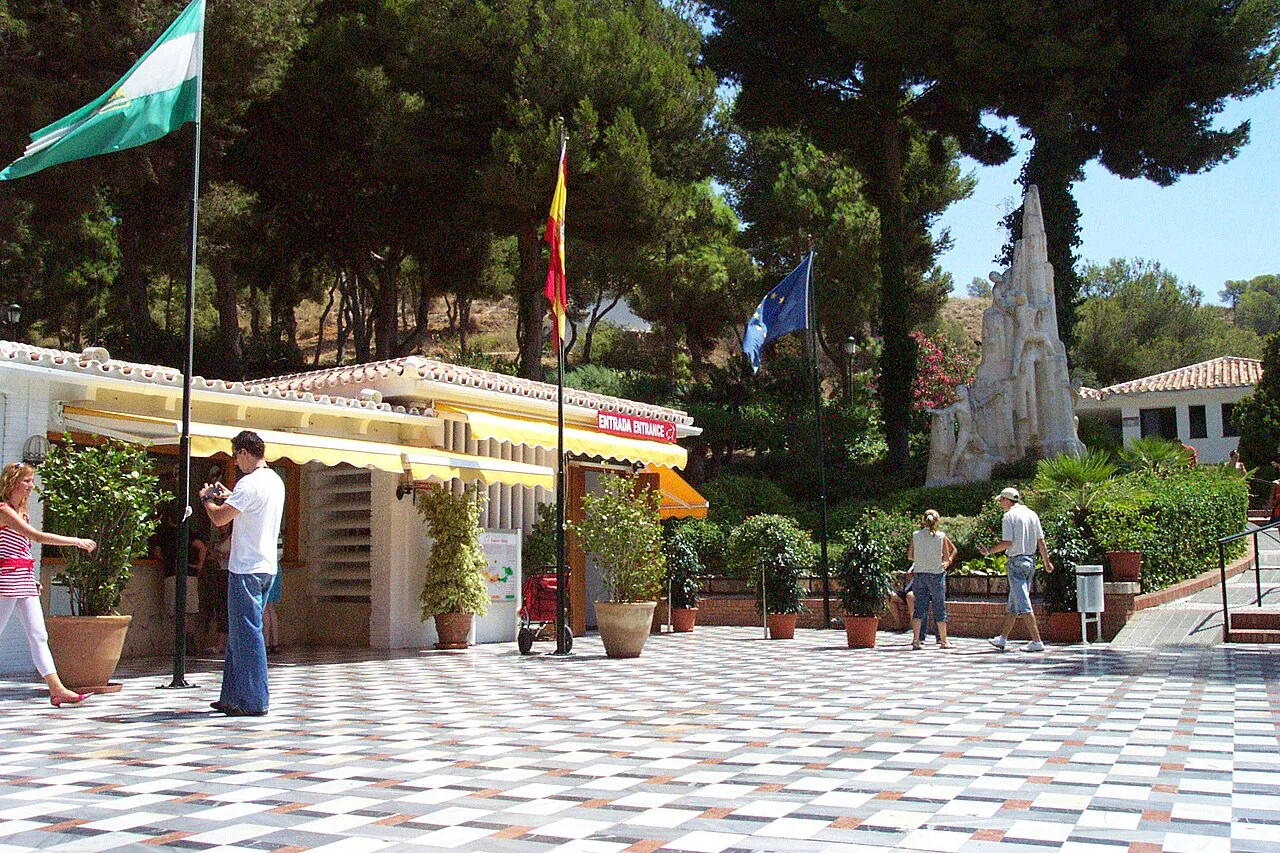
The cave stands at Carretera de Maro, s/n, 29787 Maro, in the municipality of Nerja in the province of Málaga. It sits just off the coastal corridor east of Málaga, above the small village of Maro and its own stretch of coast, with the white village of Frigiliana inland behind it.
For drivers, the approach is the Autovía del Mediterráneo (A-7) heading towards Almería, where exit 295 is signposted for the cave and leads directly to the site. A regular bus line also links the cave with Málaga, so a car is not essential; timetable details are worth confirming with the operator before you fix a day.
Parking at the site is charged by the minute rather than as a flat daily rate, so a short visit and a long one cost differently. If you are coming by bus or taxi, you avoid that charge but lose the flexibility of arriving early or leaving late.

Opening hours and the days it closes
Hours run in two patterns. For most of the year the cave opens 9:15 to 16:30 with the last entry at 15:30, while in summer from June to September, at Christmas, over bank-holiday weekends and through Semana Santa it stays open 9:15 to 17:30 with last entry at 16:30. The last-entry times matter more than the opening times: arriving after them means being turned away however early you set off.
The cave closes on four fixed dates each year: 1 January, 6 January, 15 May and 25 December. Those are hard planning constraints, especially around the Christmas and Epiphany week, when the extended hours tempt you to leave the visit until the last day.
The longer summer-style schedule runs during verano (June to September), at Christmas, over puentes and festivos and through Semana Santa. Those extended periods are the ones to plan around if you want more time in the cave; an ordinary weekday morning outside them fits the shorter schedule and leaves the afternoon free.

Tickets: cave only, or cave plus museum
The cave sells separate experiences rather than one ticket: a visit to the cave itself, a visit to the Museo de Nerja, school visits and group visits for agencies and associations of more than ten people. Book online through the official site to choose the date and avoid queueing at the ticket desk on arrival.
Prices change, so check the official tariff page at the point of booking rather than relying on a figure quoted elsewhere. The site has also released free-entry slots in limited numbers shortly before the visit date; those have sold out quickly. The booking page is the only reliable place to see the current price and whether any free slots remain for your day.
Check what your chosen ticket includes before adding extras such as an audio guide separately. The site's services and visit types are set out on its own pages, so match the ticket to how much time and interpretation you want.
What to see inside
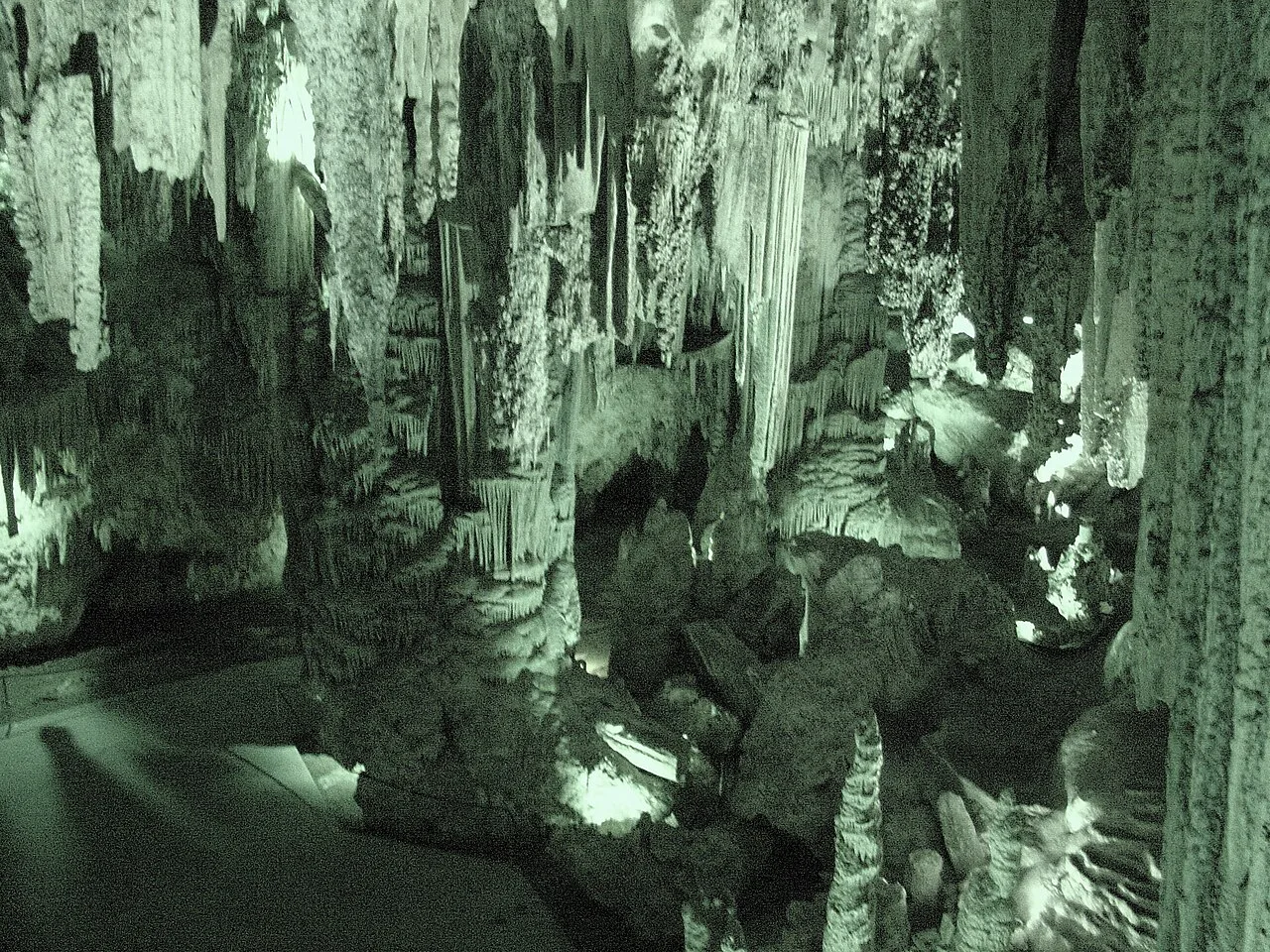
The cave runs 4,823 metres in topographic development and is one of the largest systems in Andalucía. It has three entrances: two sub-circular shafts and, close to them, an entrance enabled for visitors a year after the cave's discovery, in 1960. It was declared a Bien de Interés Cultural in 2006.
The site's archaeological and geological record includes rock paintings, and the cave has its own research institute dedicated to studying and conserving that heritage. Interpretation panels and the museum fill in the prehistoric picture, so reading up before you go makes the chambers more than a light show.
Outside the chambers there are gardens and paths to walk, plus the senderos that link the cave towards the Almijara side. These are gentle additions to the visit rather than a hike, and they give children somewhere to run after the confined route underground.
The Museo de Nerja and the walking path
The Museo de Nerja covers the town's history and its natural and cultural heritage from prehistory to the present, which makes it a natural companion to the cave rather than a separate outing. If you have already walked the chambers, the museum explains the human story behind the formations and the artefacts.
Some combined tickets include both the cave and the museum, and the winter offers in earlier years bundled the two with an audio guide. Check which ticket type you are buying rather than assuming the museum is included, particularly if you book only the cave entry.
The gardens and the Cueva de Nerja–Almijara path sit on the same site, so the visit can stretch from a quick underground walk into a couple of hours outside. That combination is what makes the site worth the drive from Málaga rather than a twenty-minute stop.
How long to allow
Budget two to three hours for the cave route plus the museum, allowing for the walk between the two and any queue at entry. Add an hour if you plan to walk the gardens and the path.
The afternoon is the tighter slot. With last entry at 15:30 for most of the year, a 14:00 arrival in Nerja leaves little margin once you have parked and collected tickets, so aim for the morning if you are coming from Málaga or the western Costa del Sol.
Because the interior averages around 19ºC, the cave works as a cool stop on a hot inland day and a sheltered one out of season. Build it into a day that also takes in Nerja town or Frigiliana rather than treating it as a stand-alone excursion.
Nearby: Nerja, Maro and Frigiliana
Nerja town, a short drive west, has the Balcón de Europa, a clifftop viewpoint over the Mediterranean that anchors any walk through the centre. It pairs naturally with the cave because the two sit at opposite ends of the same short stretch of coast road.
The old centre of Nerja also holds the Iglesia de El Salvador, a church on the square that gives the town its shape, and the Acueducto de Nerja, a surviving stretch of the old water channel. Both are quick stops that fit around a cave visit rather than competing with it.
Maro itself sits directly below the cave, and Frigiliana, the white village inland, is close enough for an afternoon once you have finished underground. Both are small enough to walk in an hour or two, which makes them sensible add-ons rather than separate days.
Book the cave before you plan the rest of the day
Decide first whether you want the cave alone or the cave plus the museum, then pick a morning slot that leaves you clear of the 15:30 last entry outside the extended periods. Check the official tariff page for current prices and any free-entry slots before committing, and confirm the bus timetable if you are going without a car.
With the cave booked, Nerja and Frigiliana fill the rest of the day comfortably, and the cave's steady interior temperature means the visit holds up whatever the weather does on the coast.
Explore more Nerja guides
Frequently Asked Questions
Is there a free day at the Cueva de Nerja?
Free-entry slots have been released on the official booking page a short time before the visit date rather than on a fixed weekly day, and they have sold out quickly. Check the official ticket page for your chosen date before planning around a free visit.
How much does it cost to enter the Cueva de Nerja?
The cave publishes its full tariff on the official site, and prices are not fixed from year to year. Check the tariff page when you book so you are working from the current figure rather than an old one.
Is the Cueva de Nerja worth visiting?
The cave is one of the largest systems in Andalucía and is protected as a Bien de Interés Cultural, with a museum, gardens and a walking path on the same site. If you are staying in Nerja or driving the coast east of Málaga, it justifies a half day.