
Museo de Nerja: What to See and How to Visit

The Museo de Nerja is a town-history museum rather than a cave, and it works best as the explanatory half of a Cueva de Nerja day: three floors of archaeology, local history and cave finds a short walk from the Balcón de Europa. This guide covers where it is, what the rooms hold, when it opens, what tickets cost, how long to allow and how to pair it with the cave at Maro.
Plan around two things. The museum sits in the north-west corner of Plaza de España, so it slots into a morning in the centre without a bus or car, and its ticket policy rewards visiting the cave first or second rather than treating the two as separate outings.
What the Museo de Nerja is, and why it adds to a cave visit
The museum is run by the Fundación Cueva de Nerja and sets out to explain the town, its history and its natural and cultural heritage, from prehistory to the present, with the cave and its discovery as a running theme. That makes it a useful complement rather than a rival to the cave itself: the cave gives you the caverns, the museum gives you the chronology and the objects.
Expect a visual, interactive presentation rather than a single treasure room. The collection spans the Upper Palaeolithic settlers of the caves through to the tourist boom that followed the cave's discovery, and it draws in material from across the Axarquía, including Torrox, Frigiliana and Vélez-Málaga.
Be clear about the trade-off: this is a town and region museum with cave context, not a cave. If your time in Nerja is short and you only want the spectacle of the underground chambers, go to the cave at Maro and skip the museum; if you want to understand what you have seen, the museum earns its hour.

Where the museum is: Plaza de España, behind the Town Hall
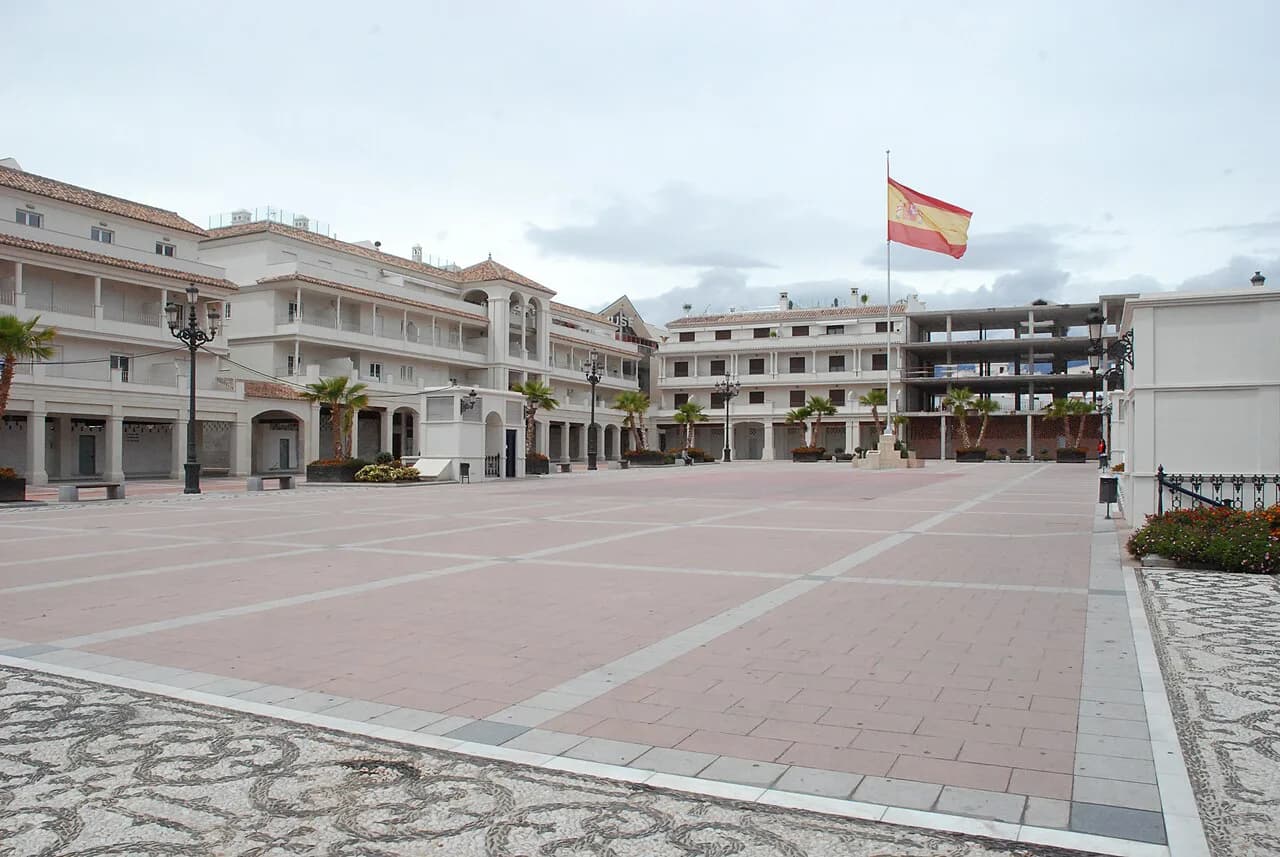
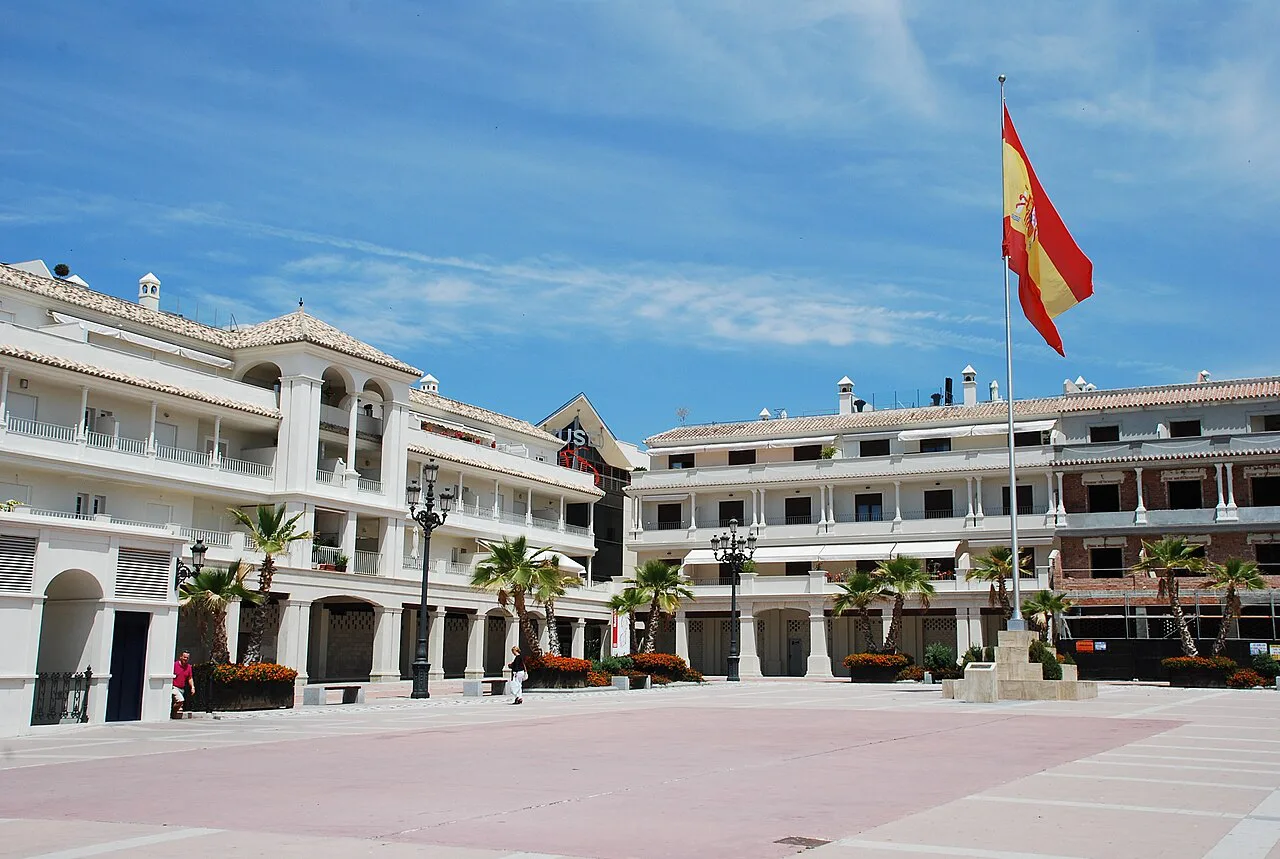
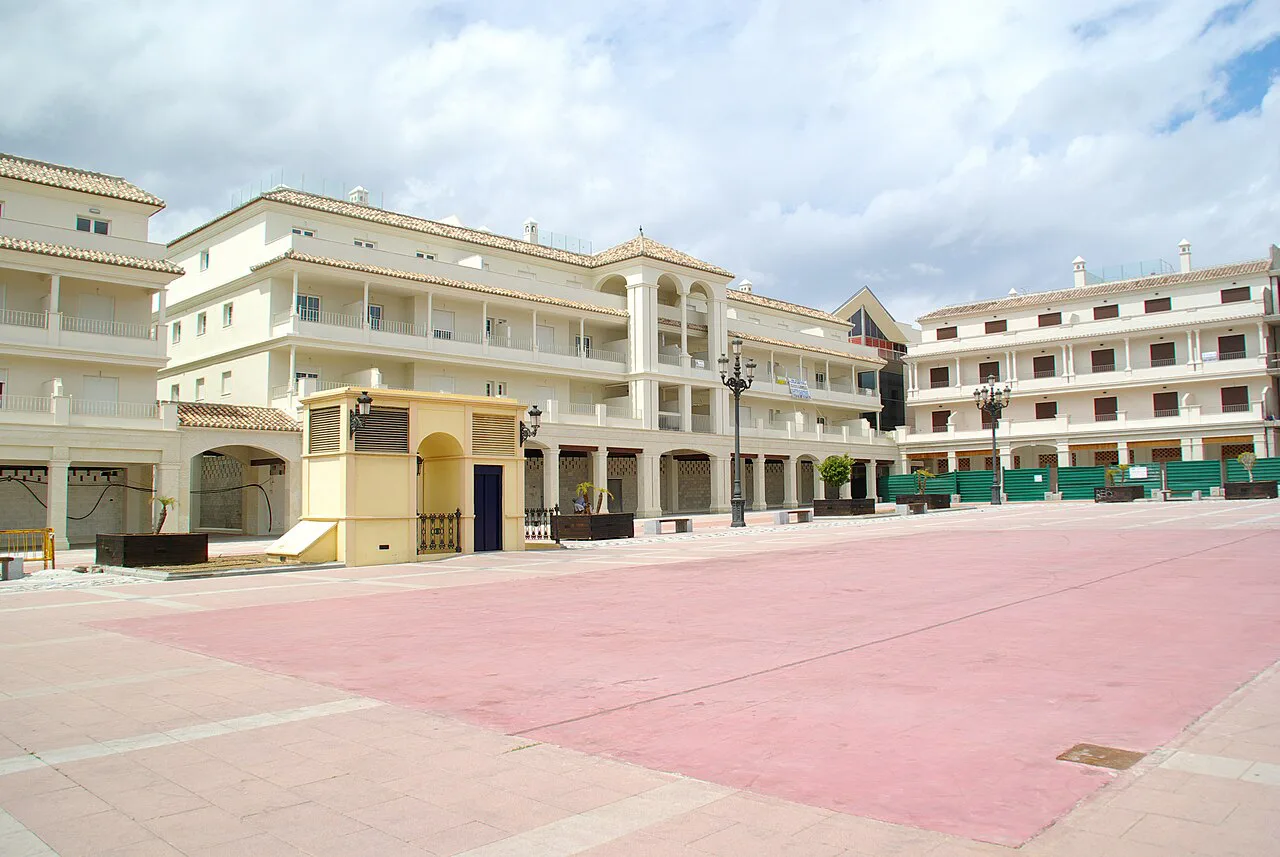
The address is Plaza de España, 4, in the centre of Nerja, and the museum occupies the north-west corner of the square. The Balcón de Europa is a short walk away, so the museum fits into a circuit of the old centre on foot.
Because the museum sits above a municipal car park, drivers arriving from the A-7 or from Málaga have a straightforward stop. Coming by bus into the town centre and walking in from the Balcón de Europa end is simpler still, since the square is level and close to the main shopping streets.

Opening hours, last admission and Monday closures
For 2026 the museum opens Tuesday to Sunday from 10:00 to 16:00 and closes on Mondays, with a summer switch: from 1 June to 30 September it opens Monday to Sunday on the same 10:00 to 16:00 timetable. Last admission is 30 minutes before closing, so the practical cut-off is 15:30.
Those hours make the museum a morning or early-afternoon stop rather than an evening one, which suits a town-centre day: pair it with the Balcón de Europa and the church before lunch, and keep the afternoon free. Outside summer, a Monday in Nerja means planning the museum for another day.
Ticket prices, online versus the ticket office, and free entry with a cave ticket
The museum publishes its 2026 online rates, with a reduced online band of €4 for visitors with disabilities, over-65s and young people holding a European youth card, subject to proof of eligibility. Children aged 3 to 13 pay a separate online rate, and under-3s go free.
The museum's price list sets general online admission for visitors over 14 at €5, children aged 3 to 13 at €4 and under-3s free, with reduced online tickets at €4. Buying at the museum ticket office adds a €1 surcharge to those online prices, so booking ahead is cheaper as well as quicker.
The bigger saving is the combined rule: with a Cueva de Nerja ticket, the museum is free within 10 days of the ticket date. Visit the cave at Maro first and the museum becomes a no-cost follow-up, which is the best value for a short break; buy the museum on its own only if the cave is not on your list.
What to see inside: three floors, cave archaeology and the Axarquía
The permanent exhibition spreads across three floors and roughly 1,800 square metres, covering the area from the first cave settlers around 24,000 years ago through to the twentieth-century tourist boom. Displays include ceramics, everyday implements and a skeleton of a young woman who lived in the caves some 18,000 years ago, alongside material from Torrox, Frigiliana and Vélez-Málaga.
Treat the floors as a chronological walk: the cave and its discovery give the museum its spine, and the later rooms explain how a fishing village became a resort. Read the panels on the discovery before you go into the cave and the archaeology afterwards, and the two visits reinforce each other.
The Ana María Márquez temporary exhibition room
A separate room, the Ana María Márquez Temporary Exhibition Room, hosts contemporary art shows that change roughly every two months, so what hangs there depends on when you visit. Check the museum's own pages for the current show rather than assuming a particular artist.
The temporary room is a bonus rather than the reason to come: the permanent collection is the core visit, and the rotating exhibition adds twenty minutes or so if the subject appeals.
Accessibility, audio guides and the Marco Topo game for children
The museum is fully adapted for visitors with reduced mobility, with wheelchairs available, and it offers audio guides for adults and children with sign-language translation, Braille content and adapted guides. Lockers are available for coats and bags, and there is a children's game, Marco Topo, that ends with a small gift when the questions are answered.
For families, Marco Topo turns the permanent rooms into a trail and is the simplest way to keep younger children engaged through three floors. Guided tours for groups can be reserved by phone or email through the museum.
How long to allow, and pairing it with the Cueva de Nerja
Allow around an hour for the permanent floors, plus twenty minutes if a temporary show interests you; three floors of 1,800 square metres is not an all-day museum. The cave itself is at Maro, on the Ctra. de Maro outside town, and it opens from 9:15, closing at 16:30 for most of the year with last entry at 15:30, extending to 17:30 in summer, Christmas, public-holiday long weekends and Holy Week.
Do the cave in the morning and the museum in the early afternoon, or the reverse, and the 10-day free-entry rule means the order is flexible. The cave closes on 1 and 6 January, 15 May and 25 December, so build the museum into a day when the cave is open if you want both.
Nearby: the Balcón de Europa and the centre of Nerja
The Balcón de Europa, the clifftop viewpoint at the end of the old town, is a few minutes' walk from Plaza de España and makes the natural next stop after the museum. The centre's streets around the square and the church are the rest of the walk.
For the wider picture of what to see in town and how the sights fit together, the Nerja Attractions guides cover the cave, the viewpoint and the church as separate visits.
Should the museum come before or after the cave?
Visit the Cueva de Nerja first: the museum is then free within 10 days of your cave ticket, and the objects and chronology make more sense once you have stood in the chambers. If the cave is not on your itinerary, the museum still justifies an hour for the Axarquía material and the cave archaeology.
Either way, go in the morning: the 10:00 to 16:00 timetable and the 15:30 last admission rule the day, and outside summer the Monday closure decides which morning you pick.
Explore more Nerja guides
Frequently Asked Questions
Is the Museo de Nerja the same as the Cueva de Nerja?
No. The museum is a town-history collection on Plaza de España in central Nerja, run by the same foundation as the cave, while the Cueva de Nerja is the cavern system at Maro on the edge of town. A cave ticket makes the museum free within 10 days of the ticket date.
How much does the Museo de Nerja cost?
Admission is charged, with separate online rates for adults, children and reduced-rate visitors, and the official museum page lists the current 2026 figures in euros. Buying at the museum ticket office costs more than booking online, and entry is free within 10 days of a Cueva de Nerja ticket.
Is the museum open on Mondays?
Outside summer it is closed on Mondays. From 1 June to 30 September it opens Monday to Sunday, always from 10:00 to 16:00 with last admission 30 minutes before closing.