
Museu Romàntic Can Llopis: Sitges's Romantic-Era Family House

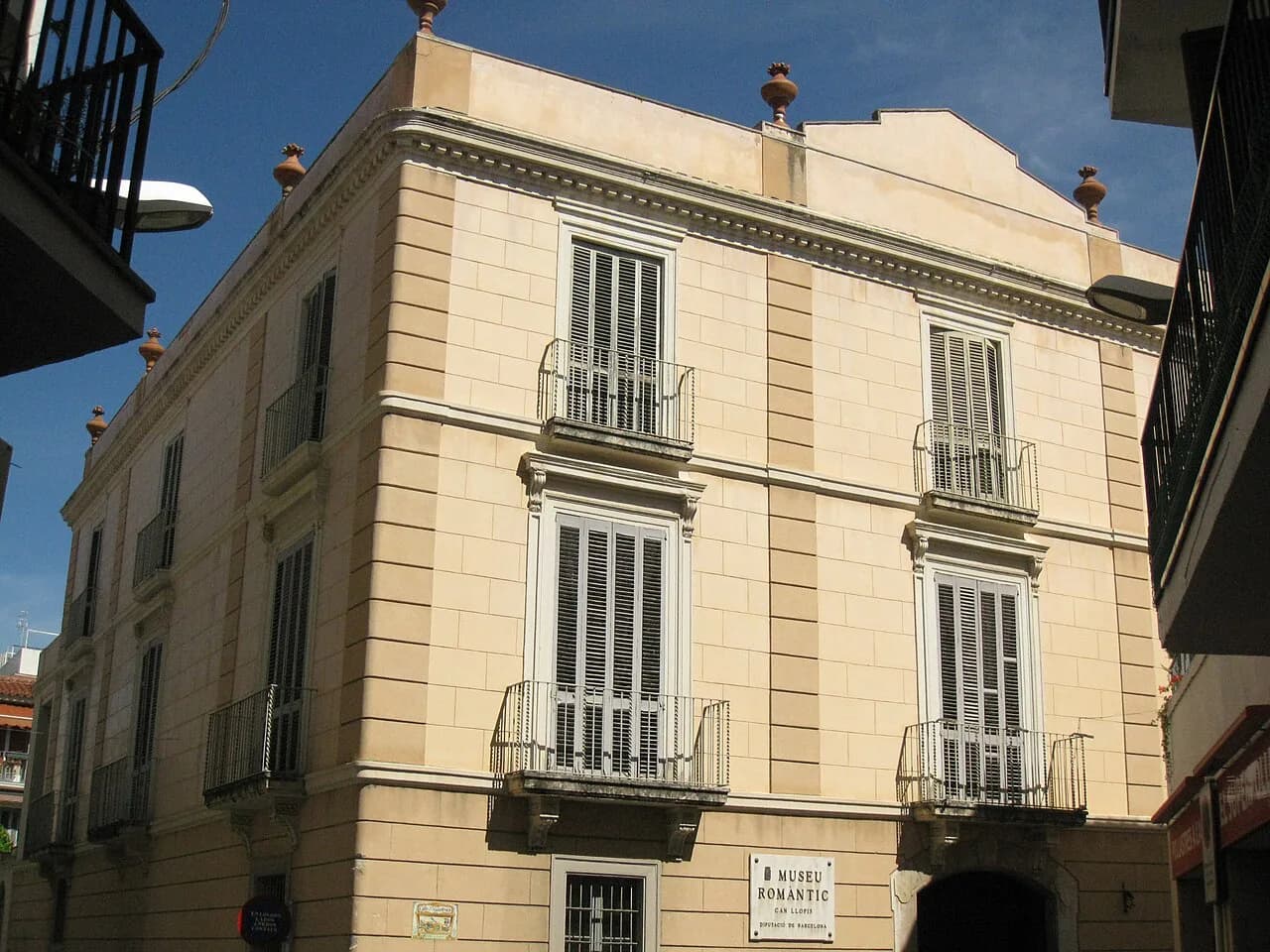
The Museu Romàntic Can Llopis is a house museum in central Sitges, occupying a late 18th-century neoclassical townhouse built around a Mediterranean central patio. It recreates the domestic world of a Catalan landowning family during the Romantic period, which makes it a compact, interior-focused stop rather than a gallery of masterpieces.
It is temporarily closed for renovation work, so there is nothing to visit inside at present. This page covers what the house is, where it sits in town, what the collection holds and which museums nearby are open while it stays shut.
What the Museu Romàntic actually is
This is not a purpose-built museum but a preserved family home: Can Llopis, a house from the end of the 18th century that belonged to a Catalan landowning family whose fortunes peaked in the Romantic era. The building is neoclassical in style, with the central patio that Mediterranean townhouses of the period used to pull light and air into the middle of the plan.
That domestic scale shapes the visit. You are reading rooms as much as objects: furniture, lighting, carriages and toys that describe how a prosperous household ran day to day. If you want painting and sculpture, the town's art collections sit in different buildings; if you want social history with a period interior, this is the one.

Current status: closed for renovation
The museum is temporarily closed for refurbishment, as Spain's official tourism portal states, so treat the house as off the agenda until the Museus de Sitges site confirms otherwise.
The museum network's own site is where reopening, timetables and ticket prices appear when they are settled, along with any guided visits added to the calendar. Check it and treat a confirmed entry there as your green light before you build a Sitges break around this house.
Closures for works can run long and can be extended, and the network also posts short-notice shutdowns, as it has done for flood-risk restrictions. Assume the house is unavailable rather than hoping to turn up on the day, and give the other Sitges museums your time instead.

Where it is in Sitges
The address is Carrer de Sant Gaudenci, 1, 08870 Sitges, a street in the town centre, a short walk from the seafront and the parish church. Because it sits among the streets rather than on the edge of town, it fits naturally into a morning or afternoon of walking between the centre's museums.
Coming from the station or the coast, you are heading for the compact old centre rather than a suburban estate, so no bus or taxi is needed once you are in town. The nearby landmarks that anchor the museum quarter are the Maricel complex and the Cau Ferrat, both listed as 0.4 km from Can Llopis.
Sitges church, Sant Bartomeu i Santa Tecla, stands on the seafront promontory and is the easiest fixed point to navigate by; from there the museum streets run inland. Pair the walk with a look at the church facade before or after your museum time.
What to see when it reopens
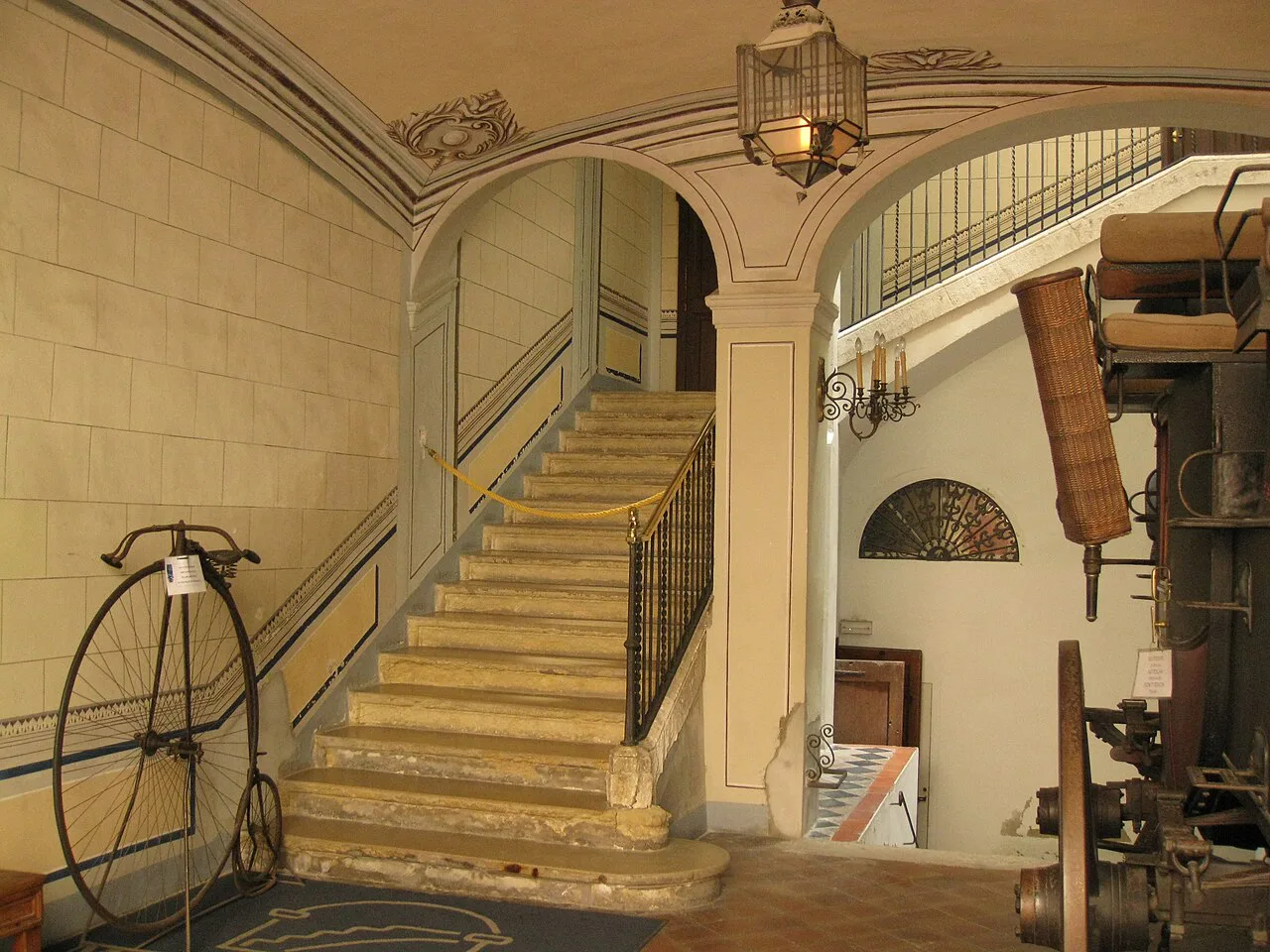
The interiors are the core of the visit: period decoration in the neoclassical rooms around the patio, arranged to show family life rather than a chronological art display. Lighting is treated as a subject in its own right, tracing the move from candlesticks and candle chandeliers through to gas lighting.
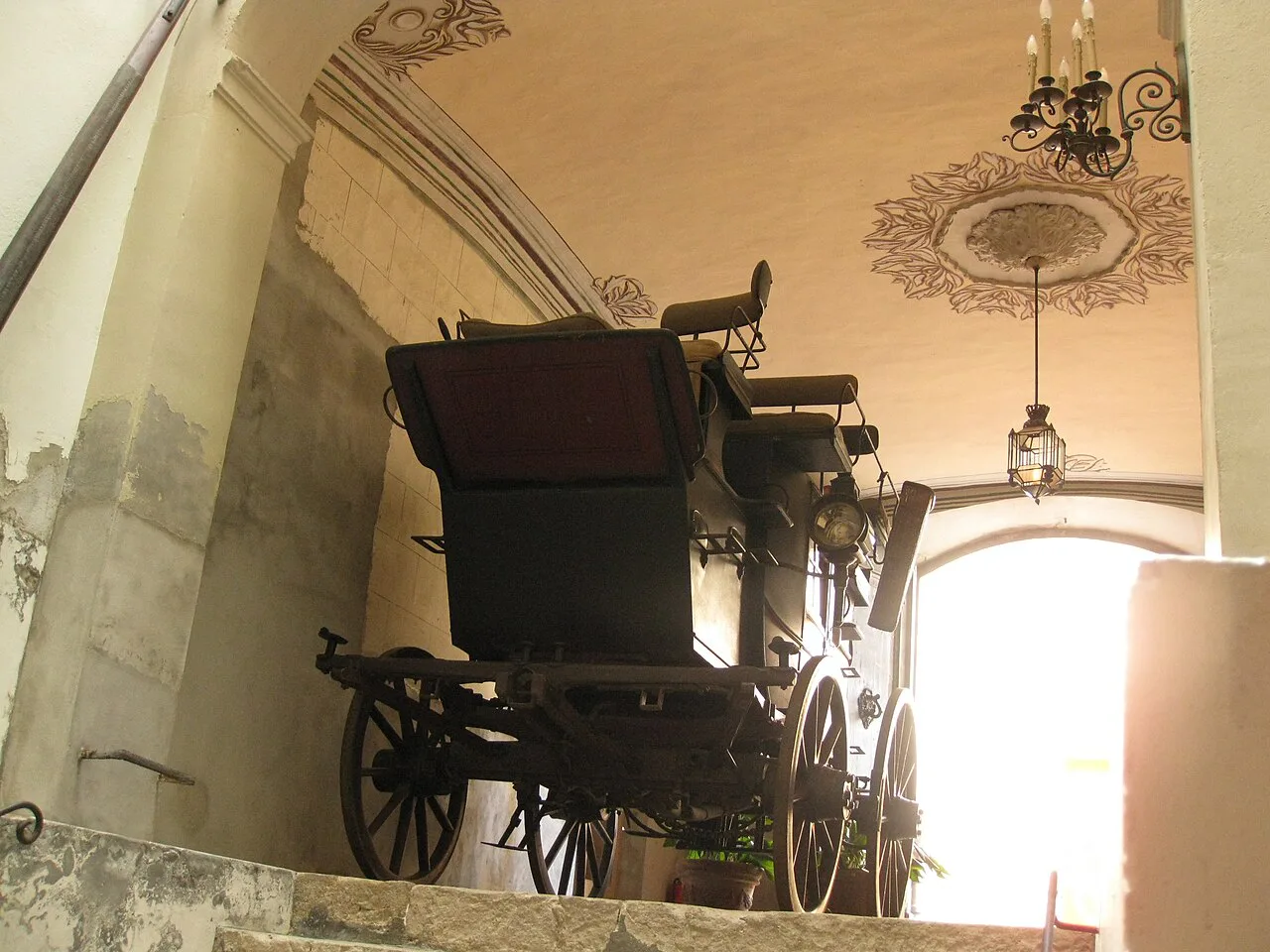
Two collections give the house its character: a carriage built to seat fourteen people and a group of velocipedes, the early pedal-and-push machines that preceded the modern bicycle. Both are large objects that speak to transport and status in the 19th century, and both are the kind of thing you rarely see inside a domestic interior.
The dolls are the detail most visitors remember: a collection of more than 400, shown as part of the family's material world. Allow time to look at them properly rather than treating the room as a corridor between the carriage and the stairs.
How long to allow and how to pace it
A house museum of this size is a one-hour stop for most visitors, extended to ninety minutes if you read the displays and linger over the dolls and the lighting sequence. The patio gives you a natural pause in the middle, which suits a visit split into two halves.
Because the visit is indoors and short, it works best as one part of a museum morning rather than the whole reason for a trip. Build in slack: rooms in historic houses are often small and narrow, and group visits or conservation work can temporarily take parts of the collection off show.
When the house is shut, the honest trade-off is to give its hour to the Maricel instead. The Maricel Museum (Museu de Maricel), Sitges holds Sitges's broadest art collection, so it covers some of the same ground in a different setting.
Nearby museums within a few minutes on foot
Three alternatives sit within roughly 0.4 km: the Museu Maricel, the Palau de Maricel and the Museu Cau Ferrat. The Maricel complex occupies the seafront buildings of the old hospital quarter, and the Cau Ferrat is the small picture collection assembled by the artist Santiago Rusiñol.
The Maricel Museum (Museu de Maricel), Sitges holds the network's broadest art itinerary, running from medieval and Gothic pieces to modern Catalan painting and the collection of Dr Jesús Pérez-Rosales. It is the strongest single substitute while Can Llopis is closed.
The Cau Ferrat Museum in Sitges is the most personal of the group: Rusiñol's own house-studio, hung with his collection of art and ironwork. Its scale is closer to Can Llopis, so it preserves the intimate, room-by-room rhythm the Romantic house offers.
The Palau de Maricel runs guided visits on set dates rather than admitting walk-in visitors, so check the calendar before you plan a day around it. The Fundació Stämpfli, a contemporary collection within the same network, is another option in the centre.
Sitges beyond the museum quarter
If the house is closed, Sitges still fills a short break comfortably: the seafront church, the narrow centre streets, the Maricel terraces and the town's own art collections. The full set of visitor guides for the town is gathered in Sitges Attractions: 5 Visitor Guides, which is the place to plan the rest of the day.
Away from the centre, Terramar Gardens, Sitges is a landscaped early 20th-century garden laid out by the Terramar development, a quieter counterpoint to the busy seafront. It suits a late-afternoon walk when the museum rooms have closed.
For the single monument most visitors come to see, the Sitges church on the promontory is the obvious fixed point, and its position makes it easy to combine with the museum streets in one loop.
Should you hold a slot for Can Llopis?
Not yet. Until the Museus de Sitges site confirms reopening, hours and ticket prices for Can Llopis, plan your Sitges museum time around the Maricel and Cau Ferrat, both 0.4 km from the house, and keep the Romantic house as a reason to come back.
When it does reopen, come for the specific things: the fourteen-seat carriage, the velocipedes, the lighting sequence and the dolls. Book an hour, slot it beside the Maricel, and check the museum calendar the week you travel.
Frequently Asked Questions
Is the Museu Romàntic in Sitges open again after renovation?
The museum is listed as temporarily closed for renovation, and no reopening date has been set out. The Museus de Sitges site publishes the current position, together with visiting hours and tickets, so check it before fixing your plans.
How much does the Museu Romàntic in Sitges cost?
The museum's own site carries the ticket prices for the Sitges museum network once they are in force, and any combined ticket for the Maricel and Cau Ferrat. Nothing is charged while the house is closed, because there is no visit to buy.
What is there to see at Can Llopis?
The house itself is the exhibit: neoclassical rooms around a Mediterranean patio, period lighting that runs from candles and chandeliers to gas, a fourteen-seat carriage, a set of velocipedes and a collection of more than 400 dolls.
What can I visit nearby while it is closed?
The Museu Maricel, the Palau de Maricel and the Museu Cau Ferrat are all about 0.4 km away. The Maricel gives you the broadest art collection, the Cau Ferrat the most intimate rooms, and the Palau de Maricel guided visits need booking ahead.