
Castillo de San Antón: A Coruña's island fortress and archaeology museum

The Castillo de San Antón is worth an hour or two of a short break in A Coruña because it combines a compact 16th-century island fortress with the city's archaeology museum in one ticket. The building began in 1587 and still shows its defensive bones, from the chapel and casemates to the water cistern, while the galleries trace Galicia from protohistoric goldwork through the Roman period. This guide covers where it sits, how to reach it, what to see inside and how to fit it around the Cidade Vella. For the wider set of city sights, see a Coruña.
What the Castillo de San Antón is
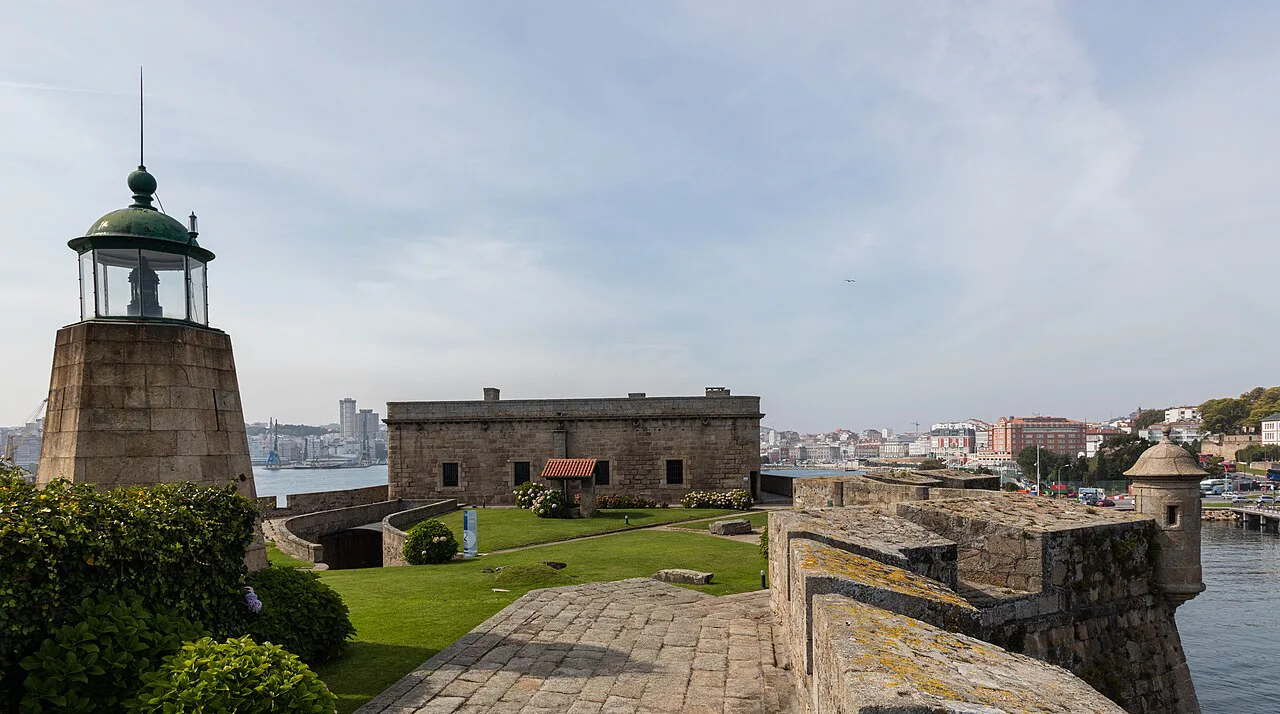
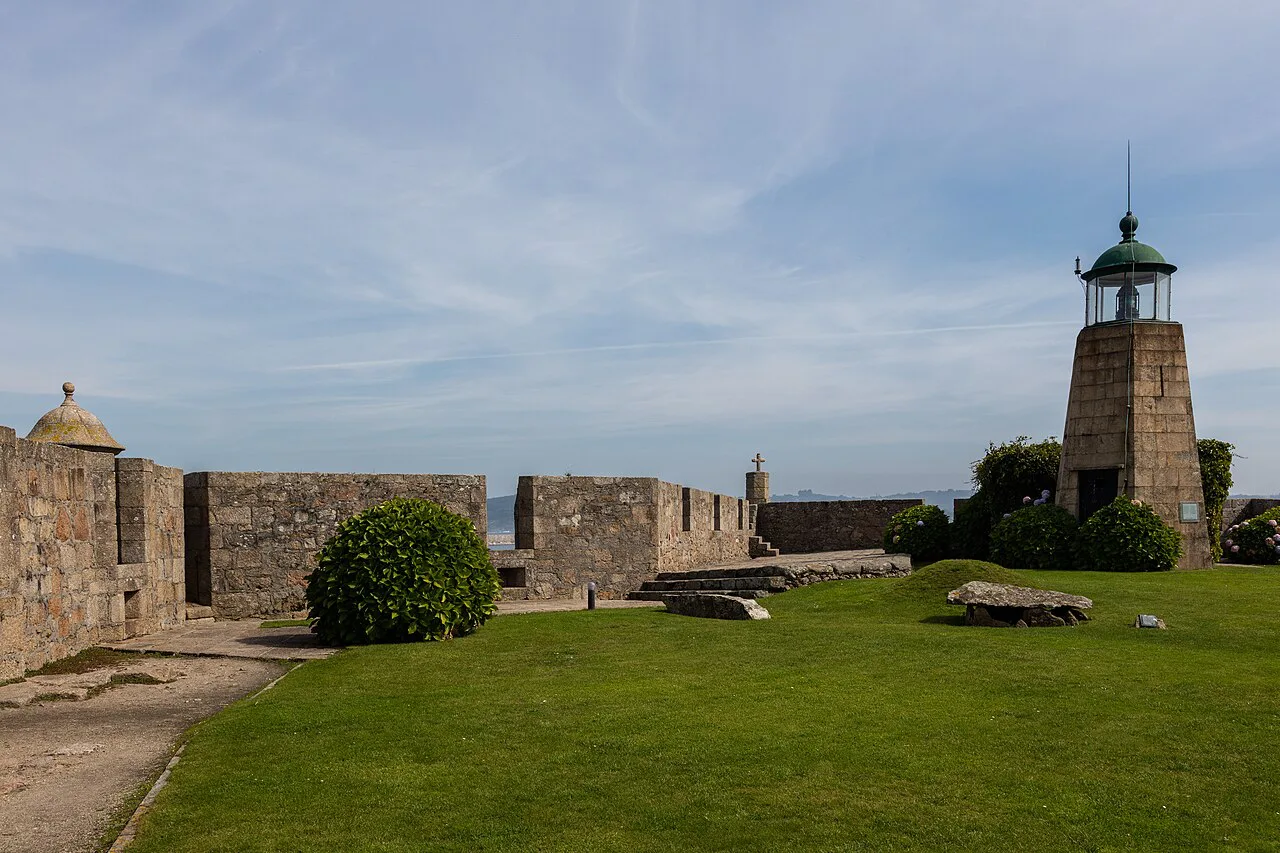
Begun in 1587 under the direction of Pedro Rodríguez Muñiz, the fortress was built on a small island in the bay, which is why it feels separated from the old town rather than tucked inside it. It formed part of a defensive network with the Castelo de Santa Cruz and the Castelo de San Diego, and it proved its worth early: although unfinished, it withstood the English Armada attack of 1589, and construction was completed in 1590. The setting, not just the stone, is the point: the approach along the paseo, with the walls seen across the water before you reach them, gives the castle a moat-and-drawbridge feel that a town-centre fort cannot match.
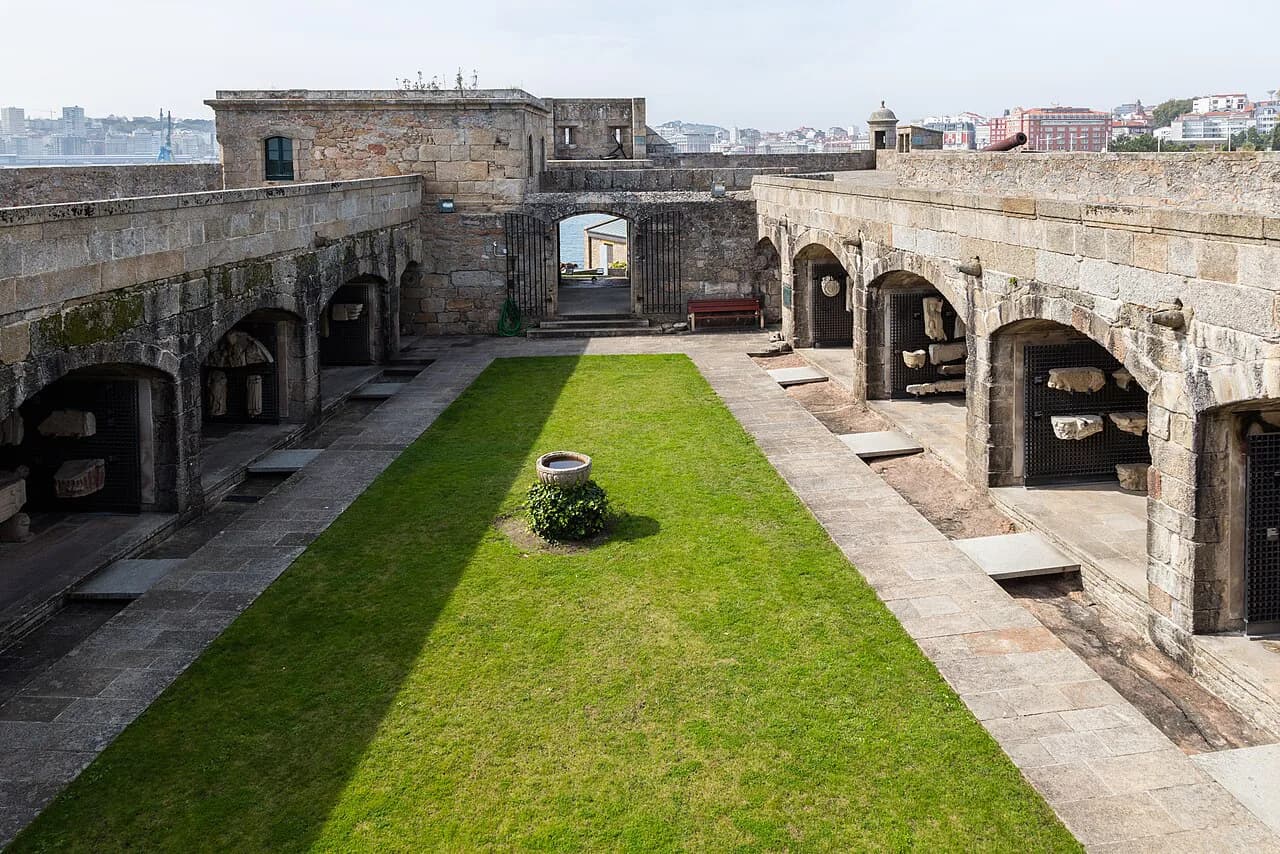
Over the centuries the building served as a prison and as a lazareto for sailors with infectious diseases, and in 1960 it was handed to A Coruña's city council. The Museo Arqueológico e Histórico opened in its rooms in 1968, so the visit is two experiences in one: the fort itself and the museum collection. Plan for both, because the castle's chapel and casemates are as interesting as the display cases.

Where it is
The address is Paseo Alcalde Francisco Vázquez 2, Block A, 15001 A Coruña, on the waterfront side of the old town near the Muelle de Ánimas. Because the fortress sits on its own island, the approach along the paseo is part of the plan: you see the walls across the water before you cross. If you are staying in the Cidade Vella, the walk is short enough to combine with a morning of plazas and churches; visitors arriving from further out should treat the bus or taxi ride as the start of the visit.

How to get there
City buses 1, 3, 3A, 5, 7 and 17 serve the castle, and taxi ranks are on Paseo General Sir John Moore. Bike parking is on Paseo Alcalde Francisco Vázquez near the Muelle de Ánimas, which suits the seafront ride along the bay. Pick the bus line that matches where you are starting from rather than the one with the most frequent-looking number, since the lines run through different neighbourhoods.
What to see inside
The ground-floor galleries hold the archaeology collection, running from protohistoric goldwork and megalithic remains to Castro culture and the Roman period. This is the reason to go inside rather than simply photograph the walls: it gives a compact route through Galicia's deep past before written history. Give the showcases proper attention, because the labels reward a slower pass.
Upstairs are the sacristy and chapel, where the religious architecture gives a different atmosphere from the galleries below. The casemates, once soldiers' dormitories and stores, and the aljibe that held the garrison's water show how the fort functioned when it was a working defence. Look for these building features as you move around, because they are easy to skim past on the way to the next display case.
How long to allow
Allow around 90 minutes for the castle and museum together: the guided museum visits the city organises run about an hour and a half through the Castillo and the museum sections. If you are short of time, the archaeology galleries and the casemates are the two things not to skip. Add the walk back along the paseo when you plan the rest of the day.
Tickets, opening hours and free slots
The city publishes the castle's ticket page through ticketing.coruna.gal, which is where the current price, opening hours and any free-entry slots are set out. Check that page before setting out, because the museum's programme includes free activities that require prior registration through the same site. The guided visit on the museum's 2026 programme carried no charge, but that was a specific event, not a standing free-entry rule for the castle.
Nearby in A Coruña
The Cidade Vella is a short walk away, with the Plaza de María Pita as the natural next stop for a coffee or a look at the town hall before you head back along the waterfront. The Torre de Hércules, the Roman lighthouse on the western headland, makes the other obvious half of a sightseeing day, and the Aquarium Finisterrae sits on the same seafront route. If you have a car or a spare afternoon, the Monte de San Pedro park gives a wide view back over the bay, and the Domus science museum is another indoor option for a wet day.
Is the castle worth the crossing?
Yes, for anyone with an interest in either fortifications or Galicia's archaeology: the island setting, the chapel and casemates, and the collection from goldwork to Roman finds make a compact, varied visit. Budget around 90 minutes, take a bus or taxi if you are coming from outside the centre, and confirm the current ticket price and hours on the city's ticketing page before you go. Then walk back through the Cidade Vella and finish at the Plaza de María Pita.
Explore more A Coruña guides
Frequently Asked Questions
Is the Castillo de San Antón free to enter?
The castle is operated by the city and its ticket page sets out the current price and any free-entry slots, so check ticketing.coruna.gal before you go. The museum sometimes runs free activities that require prior registration, but those are separate events rather than a general free-admission rule.
How do I reach the Castillo de San Antón without a car?
City buses 1, 3, 3A, 5, 7 and 17 serve the castle, and taxi ranks are on Paseo General Sir John Moore. Bike parking is available on Paseo Alcalde Francisco Vázquez near the Muelle de Ánimas if you prefer to ride along the seafront.
What is inside the Castillo de San Antón?
The fortress houses the Museo Arqueológico e Histórico, with ground-floor galleries covering protohistoric goldwork, megalithic remains, Castro culture and the Roman period. Upstairs you can see the sacristy and chapel, and around the defences are the casemates that served as soldiers' dormitories and stores, plus the aljibe water cistern.