
Museo Helga de Alvear in Cáceres: what to see and how to visit

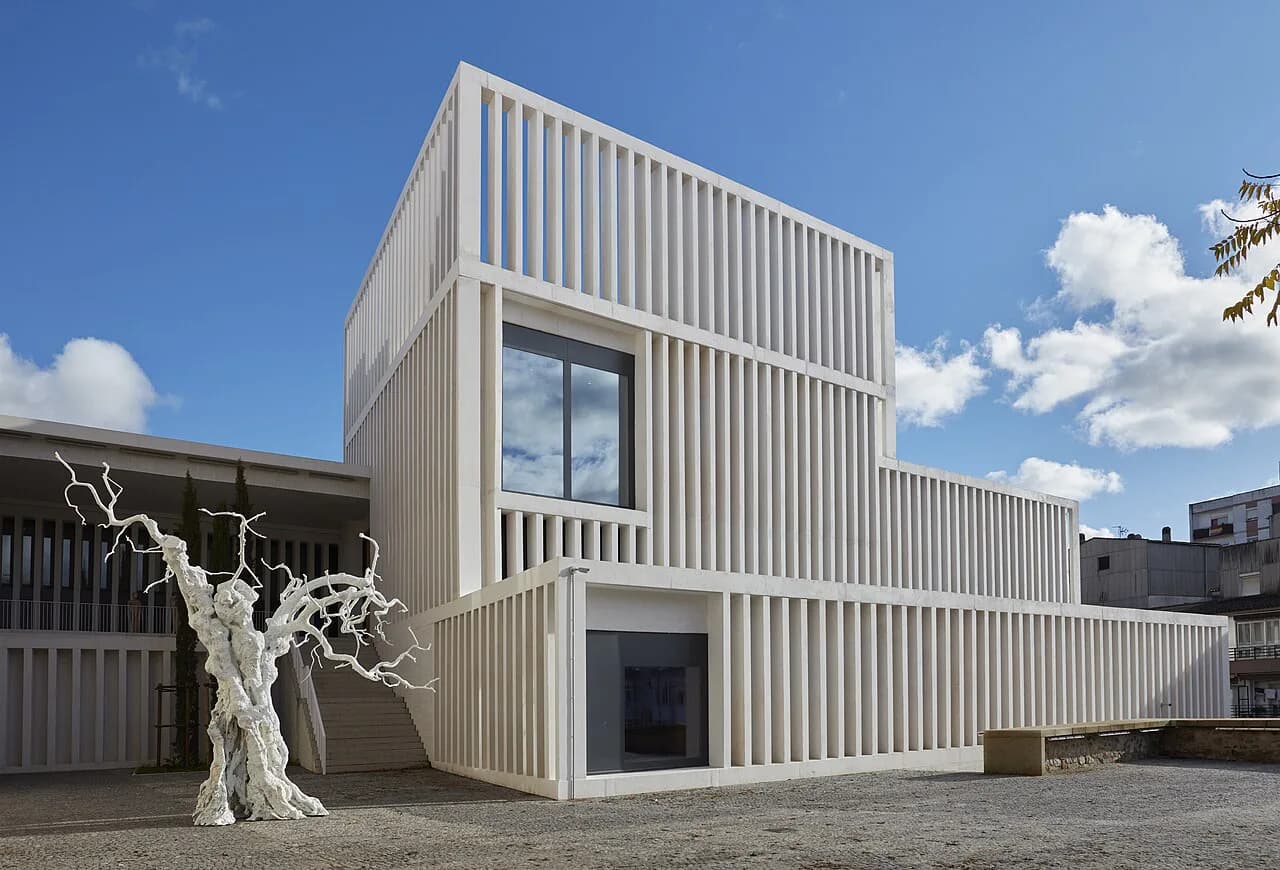
The Museo Helga de Alvear is the reason to build an afternoon around contemporary art in Cáceres, not just another stop on the old-town circuit. It holds a private collection of more than 3,000 works, with around 150 of the most representative pieces displayed in a four-storey contemporary building beside the historic Casa Grande. This guide covers where the museum sits, what to see on each floor, how the two buildings work, and the booking and opening details that catch visitors out.
The collection spans Goya, Picasso and Kandinsky alongside Ai Weiwei, Olafur Eliasson and Louise Bourgeois, so the museum can be read at several levels depending on how much contemporary art you already know. Allow at least an hour and a half for the permanent collection, and reserve a separate slot if you want the temporary exhibitions in the Casa Grande. The museum is compact enough to pair with the Ciudad Monumental on foot, which makes it a natural part of a Cáceres short break.
Where the museum is and how to reach it
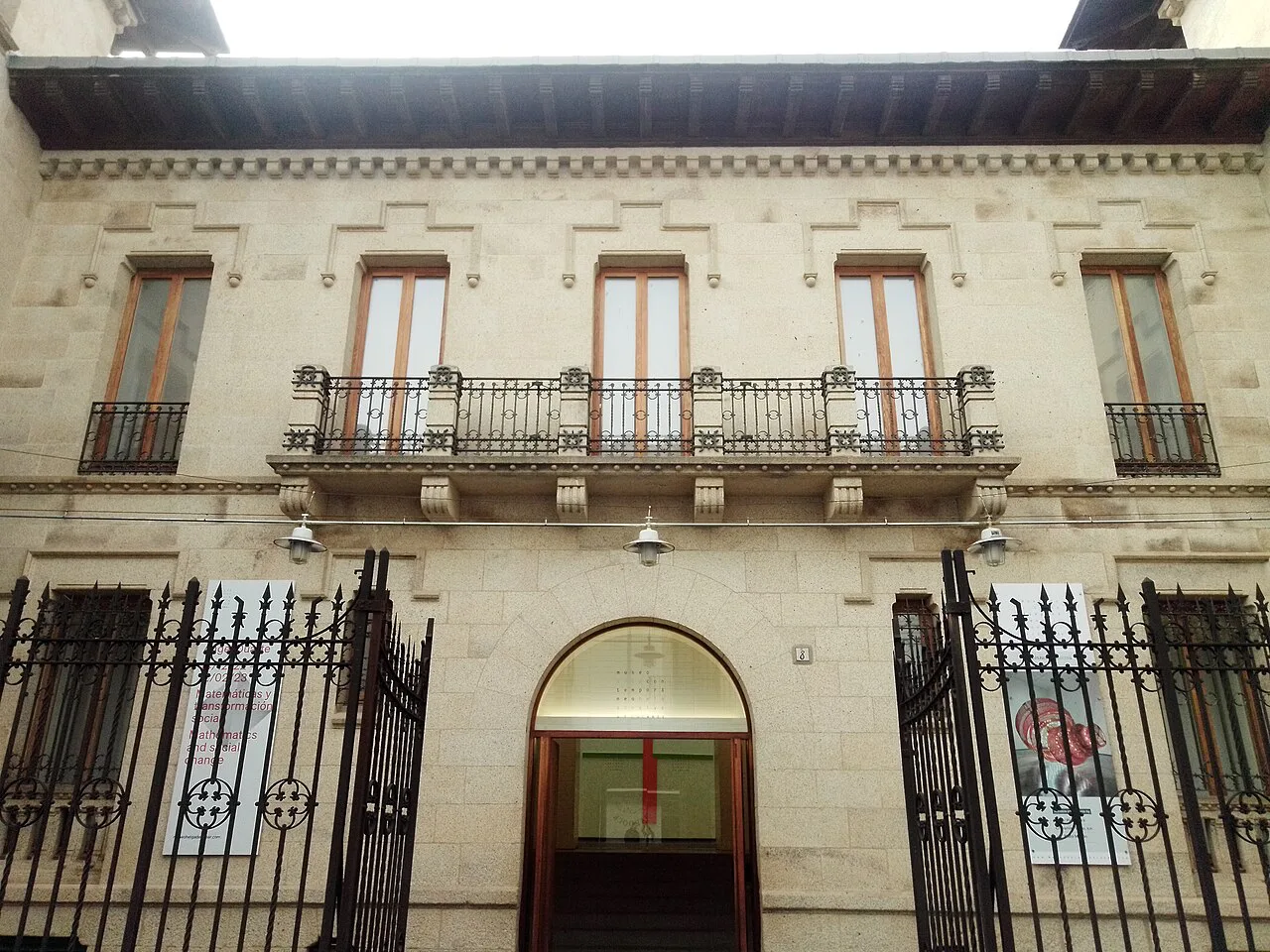
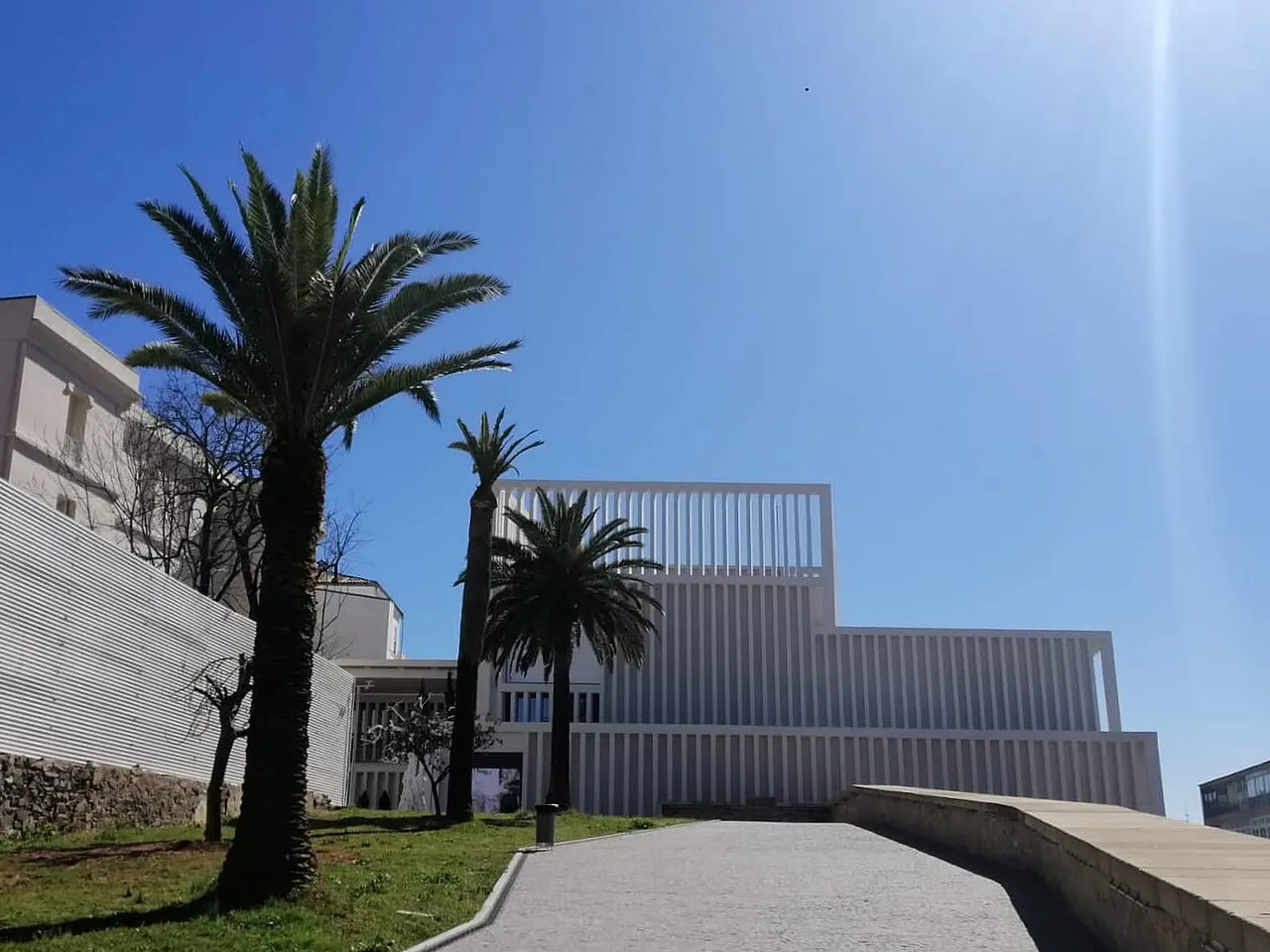
The Museo Helga de Alvear stands in Cáceres's old town, close to the Plaza Mayor and the streets leading into the Ciudad Monumental. The contemporary building, designed by Tuñón Arquitectos, is the white concrete structure with slender pillars; the Casa Grande is the 1910 building next to it, used for temporary exhibitions. If you are coming from the Plaza Mayor de Cáceres, walk uphill into the historic centre rather than trying to drive into the pedestrian lanes.
On foot is the sensible way to arrive: the old town is a tight grid of cobbled streets and stone arches. From the Plaza Mayor de Cáceres, you can combine the museum with the Torre de Bujaco and the cathedral without needing transport. Cáceres is compact enough that most visitors cover the museum, the plaza and the main monuments in a single day.

What to see inside the contemporary building
The contemporary building has around 5,000 square metres of exhibition space across four floors, showing works by more than 100 artists from 26 countries. The collection is largely from the twentieth and twenty-first centuries, with a strong Spanish presence, and the display changes as the foundation rotates works from its holdings. Start on the lower floors and work upwards, reading the room sheets as you go; the conceptual pieces repay a little context.
Look out for the Goya that sits alongside the contemporary works, and for pieces by Picasso, Kandinsky, Ai Weiwei, Olafur Eliasson and Louise Bourgeois. Works such as Ángela de la Cruz's Transfer with arm-chair (Brown) and Doris Salcedo's untitled chair are easy to pass without explanation, which is why the guided tour is worth considering. The museum holds a selection of more than 3,000 works, and the displays draw on that breadth.

The Casa Grande and its temporary exhibitions
The Casa Grande is the historic building next to the contemporary galleries, and it hosts the museum's temporary exhibitions rather than the permanent collection. Crucially, it needs a separate reservation from the main building: booking the permanent collection does not automatically get you into the Casa Grande shows. If a particular exhibition is the reason for your visit, check what is on before you travel and reserve the Casa Grande slot at the same time as the main entry.
The two buildings together make the museum a more substantial stop than the exterior suggests, so budget time for both if the temporary programme appeals. Visitors who only reserve the permanent collection sometimes arrive to find the Casa Grande needs its own booking, so treat the two as separate visits even on the same day. The old town setting means you can step out between slots and walk to the cathedral or the Palacio de Carvajal before returning.
Tickets, free entry and the compulsory reservation
Entry to the permanent collection is free, but you must reserve a place online through the foundation's website in advance. The general ticket covers the permanent collection in the new building; temporary exhibitions in the Casa Grande need a separate reservation. Guided tours of around two hours are also free and are booked on the same site, so book several days ahead if you want one.
Booking rules and any paid exhibitions are the sort of detail that can change, so confirm the position when you book rather than assuming it. The official site is the place to check current prices and the reservation rules. If you are planning a short break, reserve as soon as your dates are fixed, because free slots are limited and popular times fill.
Opening hours, the Monday closure and the Sunday cut-off
The museum's hours are 10:00 to 14:00 and 17:00 to 20:00 from October to May, and 10:00 to 14:00 and 18:00 to 21:00 from June to September, Tuesday to Saturday. On Sundays it opens from 10:00 to 14:30, and it closes on Mondays. Those split hours mean the middle of the day is not a visiting window, so plan the museum for the morning or late afternoon rather than turning up at 15:00.
The Monday closure and the shorter Sunday afternoon are the two details most likely to disrupt a short break, so build the museum into a Tuesday-to-Saturday slot or a Sunday morning. Seasonal hours shift between summer and winter, so check the times for your dates before you travel. If you are in Cáceres on a Monday, use the day for the cathedral and the old town instead.
Guided tours and how they help
The guided tour lasts around two hours and is the best way into the conceptual works, which read poorly without explanation. It is booked on the same website as general entry, and reserving a few days ahead is sensible because places are limited. Visitors who are not contemporary art specialists often find the tour changes how they see pieces such as the Doris Salcedo chair or Ángela de la Cruz's armchair.
If you prefer to go round independently, take the room sheets and allow more time on the lower floors, where the conceptual pieces are concentrated. The tour and the self-guided visit work well together: do a quick pass first, then join a tour to make sense of what you saw. Either way, the museum rewards a slower pace than a quick lap of the galleries.
How long to allow and how to pace the visit
Allow around an hour and a half for the permanent collection without a tour, and closer to three hours if you add a two-hour guided visit and the Casa Grande. The four floors are manageable in a single session, but the split opening hours mean you may need to choose a morning or an afternoon rather than spanning both. Build in time to walk back into the old town afterwards, because the museum stands in the historic centre.
A sensible rhythm is the museum in the cooler part of the day, then the cathedral and the Ciudad Monumental on foot. Cáceres is small enough that this is a half-day rather than a full-day plan, which leaves room for the Torre de Bujaco or the Iglesia San Mateo if you have energy left. In summer, the air-conditioned galleries are a welcome pause from the heat of the exposed squares.
What else is nearby after the museum
The old town around the museum holds most of Cáceres's headline monuments within easy walking distance, so you can leave the galleries and be at the cathedral in a few minutes. The Concatedral de Santa María, the Torre de Bujaco and the Palacio de Carvajal all sit in the same compact area. Treat the museum as one part of a walking day rather than a separate excursion.
If you want a broader plan for the city, the Cáceres Attractions: 6 Visitor Guides page sets out the main sights and how they fit together. The Iglesia San Mateo Cáceres and the Palacio de Carvajal are close enough to add to the same walk, and the cathedral is the obvious next stop after the museum. The city's strength is its density: almost everything worth seeing is within the old walls.
Book the museum slot before you book the train
The Museo Helga de Alvear is worth planning around rather than stumbling into, because the free reservation system and the separate Casa Grande booking decide whether you get in at all. Pick a Tuesday-to-Saturday slot, avoid the Monday closure, and decide in advance whether you want the guided tour for the conceptual works. Once the museum is fixed, the rest of Cáceres's old town fits easily around it on foot.
Frequently Asked Questions
Who was Helga de Alvear?
Helga de Alvear is the German-born collector behind the museum's collection. She bought her first work in 1967 and built what the foundation describes as one of Europe's most important private contemporary art collections, now held by the Fundación Helga de Alvear in Cáceres. The museum displays a selection of more than 3,000 works, with around 150 of the most representative pieces in the contemporary building.
How long does it take to see the Museo Helga de Alvear?
Allow around an hour and a half for the permanent collection in the contemporary building, and up to three hours if you add the guided tour and the Casa Grande temporary exhibitions. The four floors are compact, but the split opening hours mean you should choose a morning or an afternoon rather than trying to cover both.
Do I need to book the Casa Grande separately?
Yes. The general reservation covers the permanent collection in the contemporary building, while the temporary exhibitions in the Casa Grande need their own booking. Reserve both at the same time if you want to see everything on the same day, and check what is on before you travel.